The Symptom
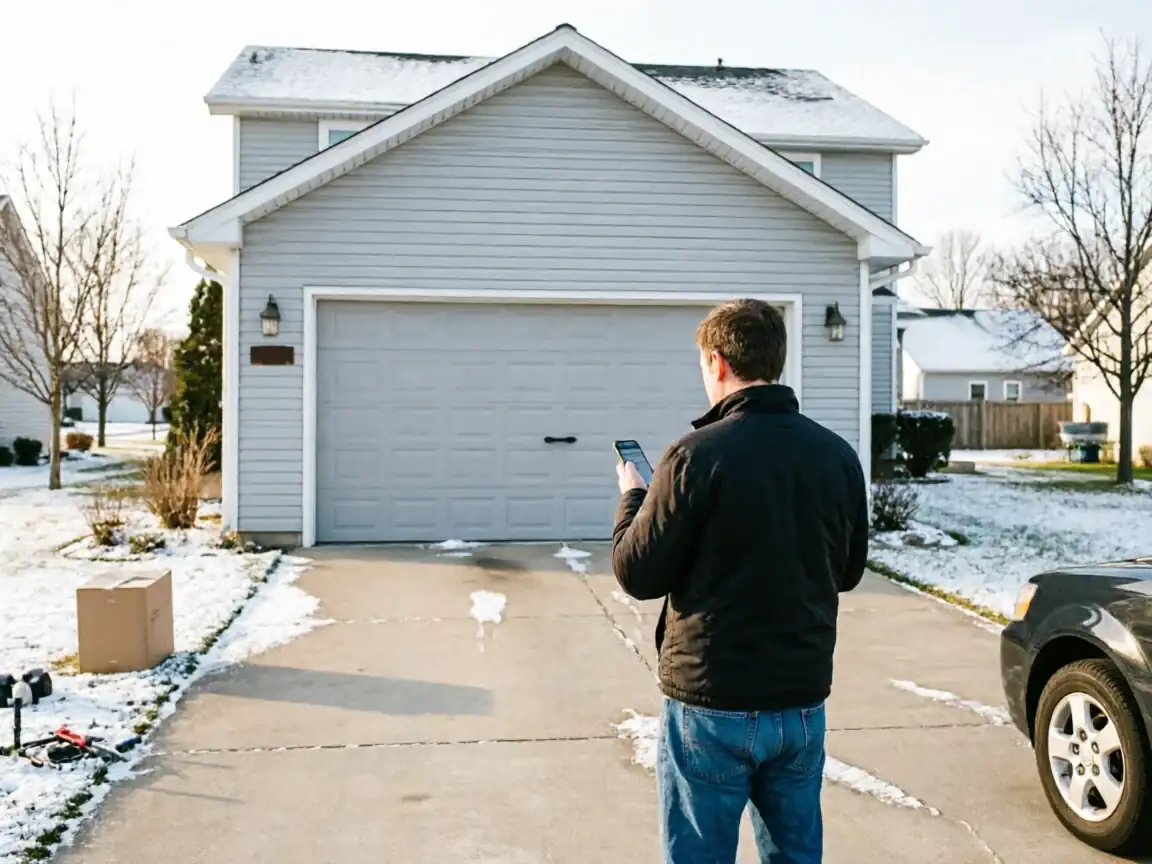
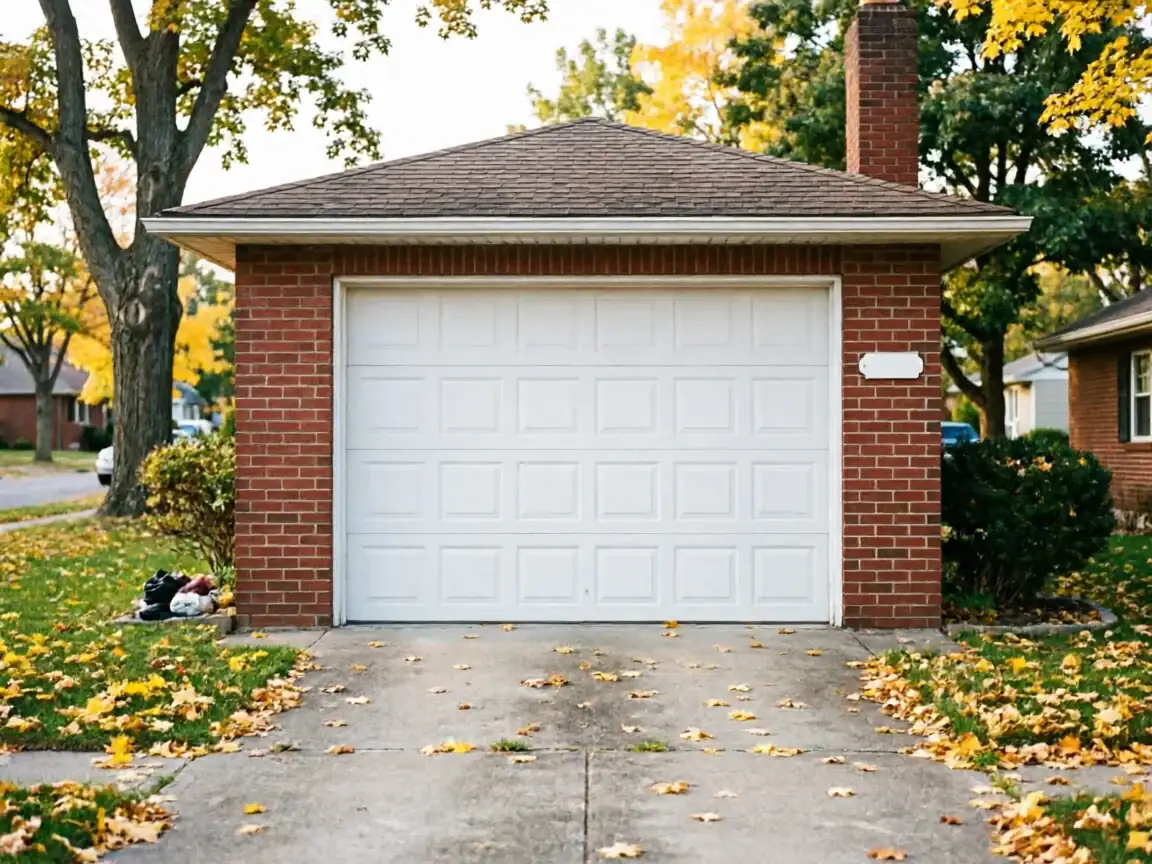
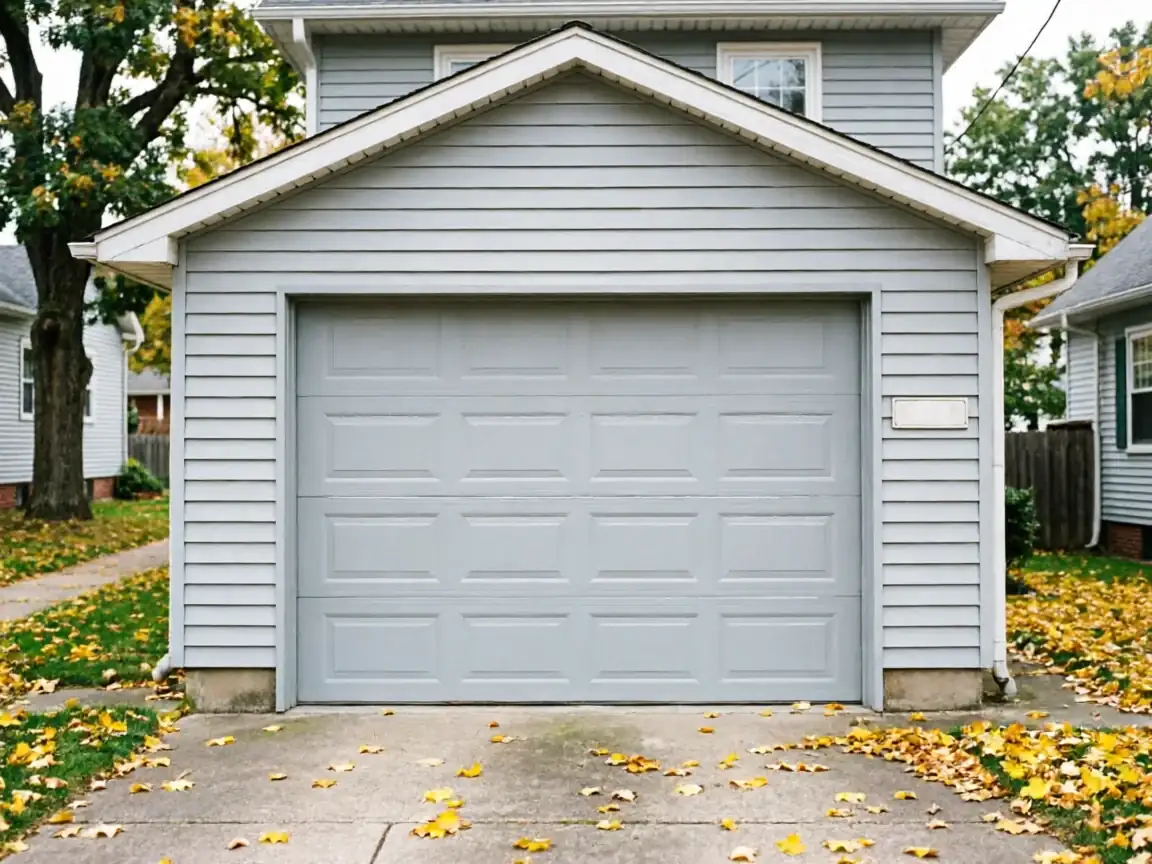
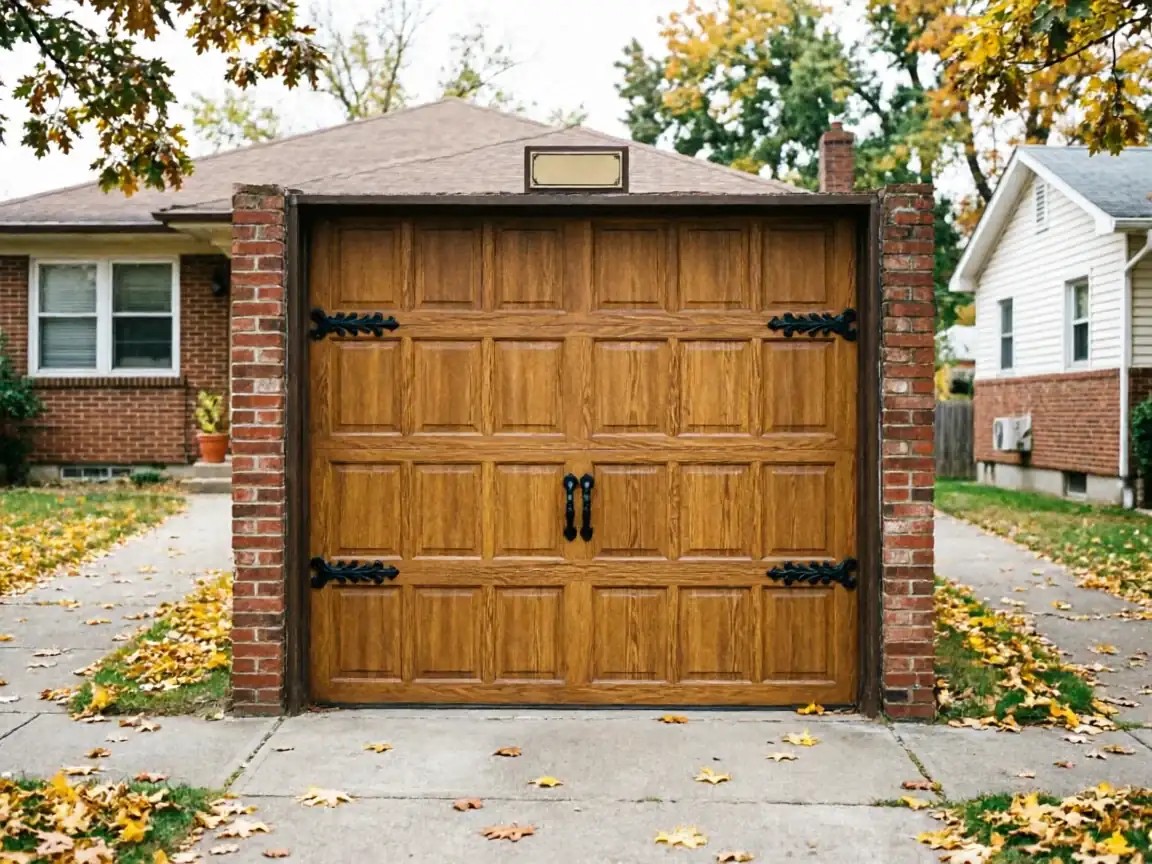
The door won't move, or it moves a few inches and stalls, or it slams down fast when you pull the release cord. That's a broken spring, and in South Hutchinson the pattern is pretty consistent because of when these houses went up. The median home here dates to around 1974 - a decade later than the median across the wider Hutchinson service area, which sits closer to 1964. That ten-year gap matters more than it sounds like it should, because it's right in the window where builders were switching from extension springs stretched above the horizontal track to the torsion setups mounted on a shaft over the opening. A lot of South Hutchinson garages ended up with extension spring hardware as the standard builder-grade install, and a fair number still have it today, original or replaced in kind. When one of those snaps, you'll usually hear it - a bang, then a door that won't lift past waist height without someone pushing from underneath. Some owners catch a fraying cable or a stretched spring before it goes. Most don't, and the door just stops working one morning.
Where This Job Goes Sideways
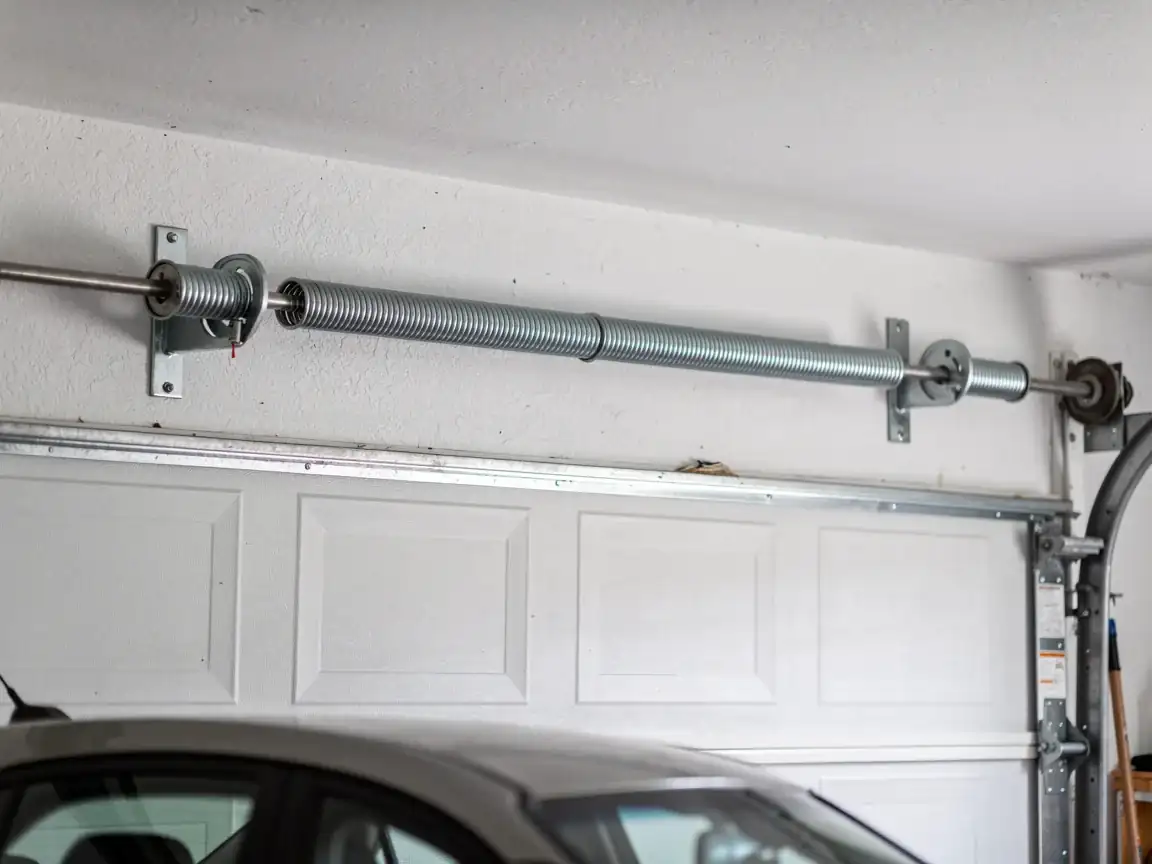
The mistake we see most is someone replacing just the broken spring on a two-spring extension setup and leaving the matching spring, which is usually close behind it. Springs installed in pairs wear in pairs. A fresh spring paired with a fifteen-year-old stretched one puts the door out of balance immediately - it'll lift unevenly, lean on the opener, and come back to bite you in a few months. The other place this goes wrong is on a torsion conversion done without re-checking cable drum sizing or track alignment for a door that was originally engineered for extension hardware. It can look fine and still bind under load. With roughly 1,267 households in South Hutchinson and a good share of them sitting on that same 1970s-era stock, we see both versions of this mistake often enough that it's not a coincidence - it's what happens when a quick fix gets applied to older hardware without a full look at the rest of the system.
How We Fix It
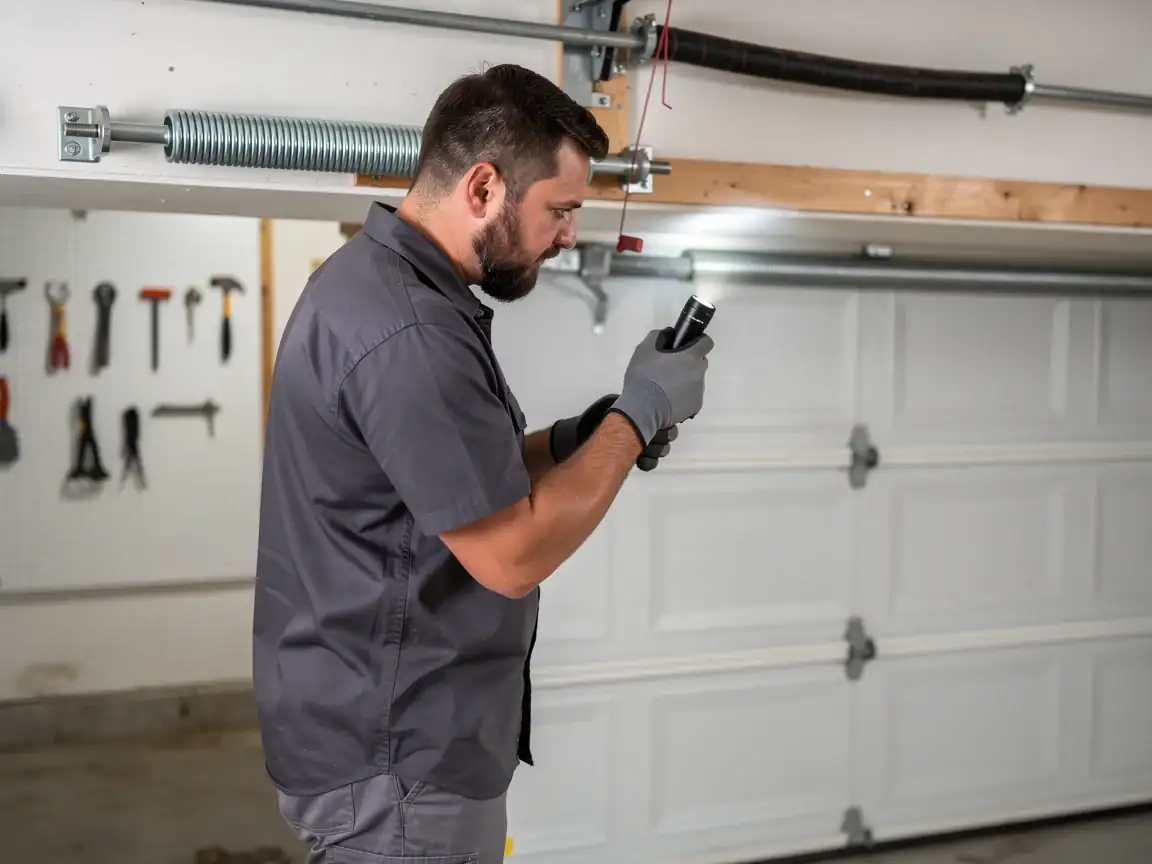
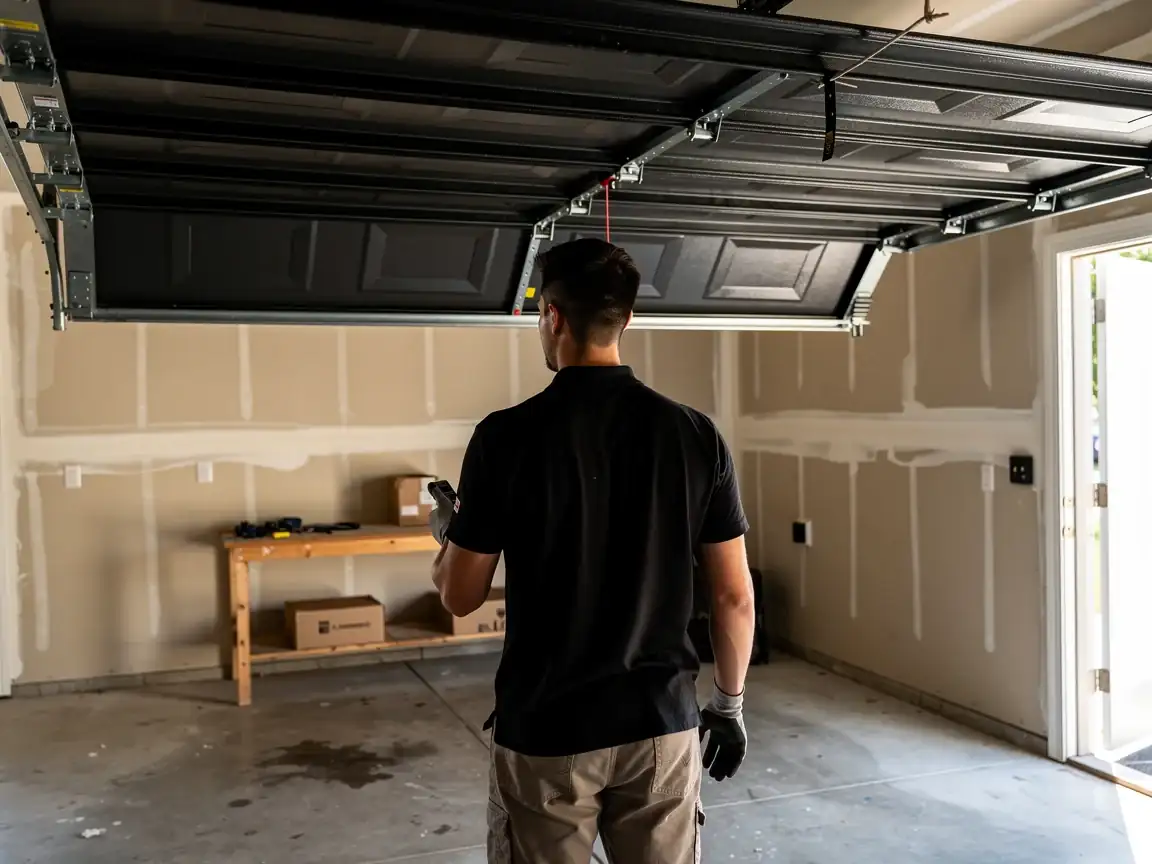
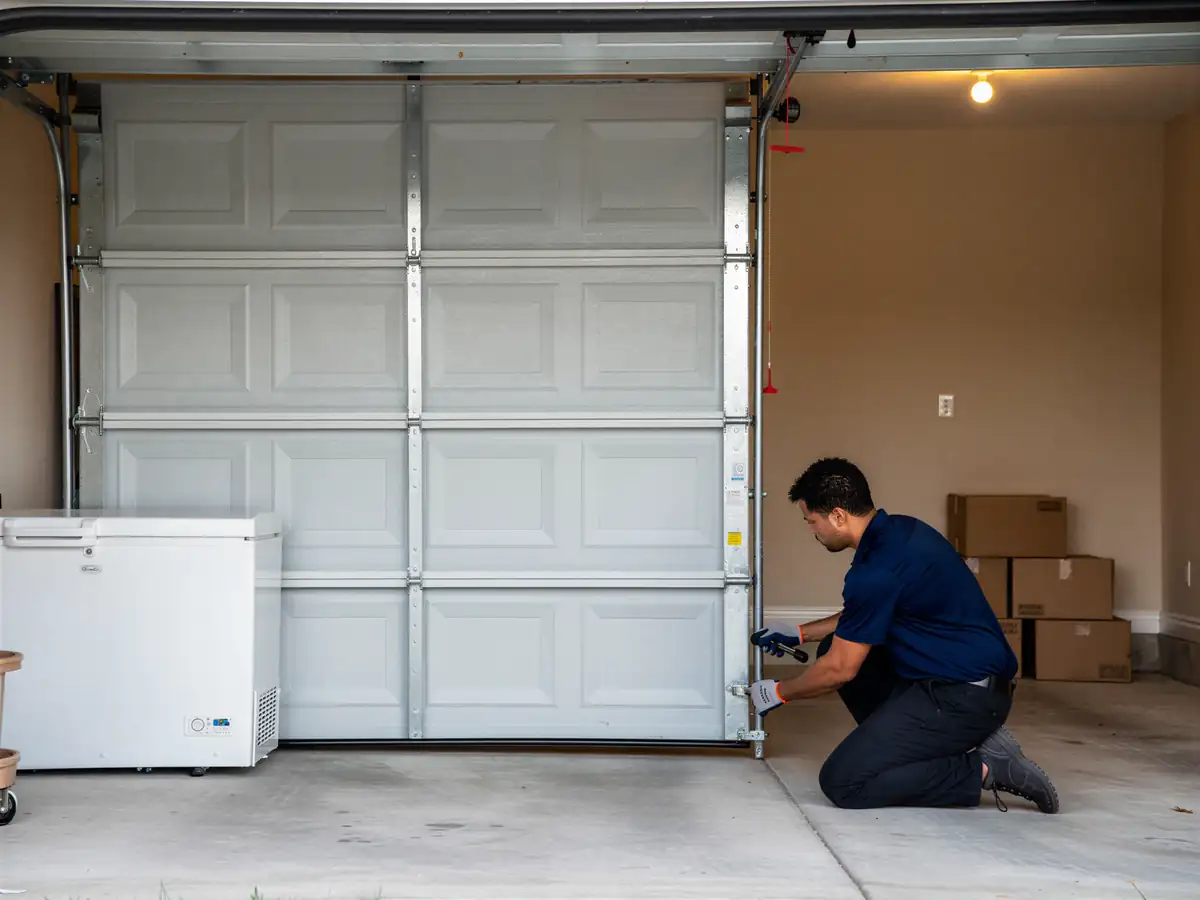
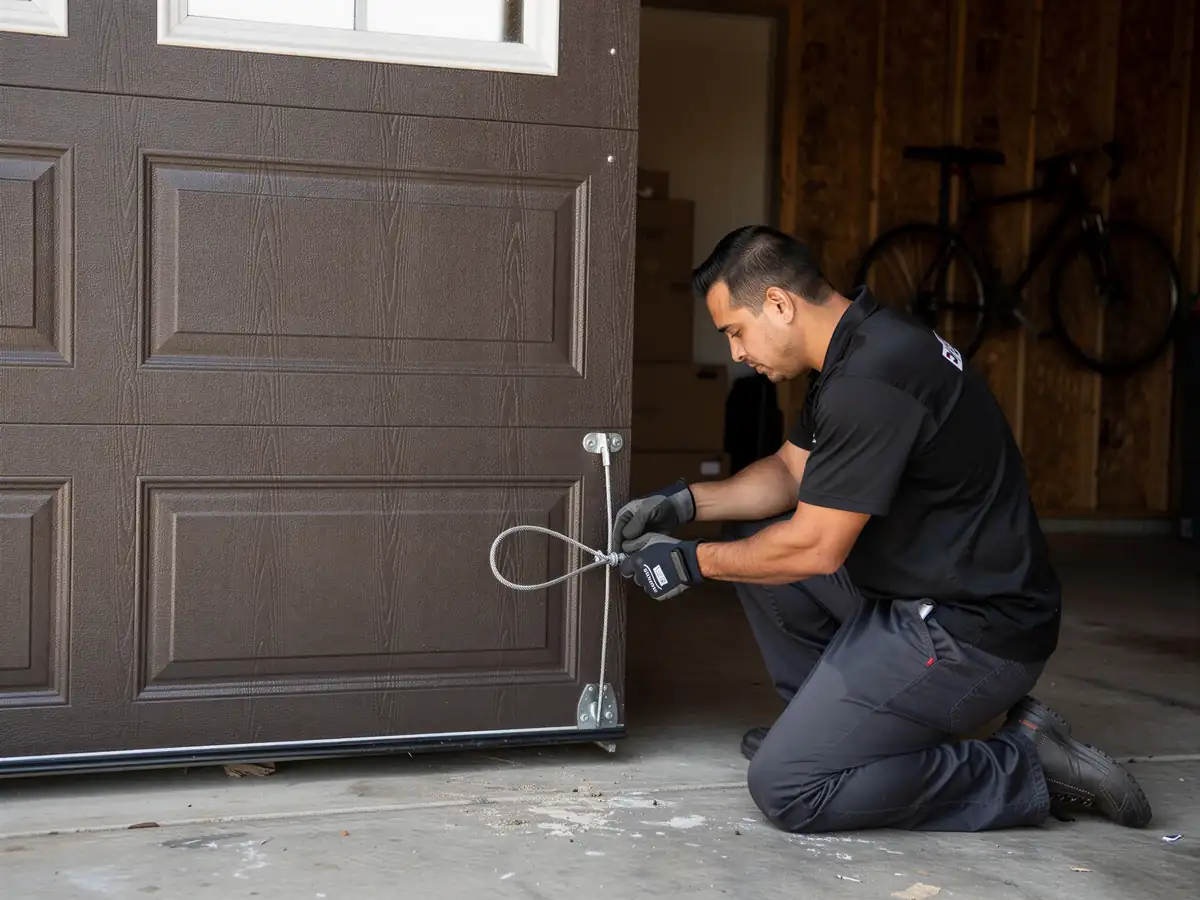
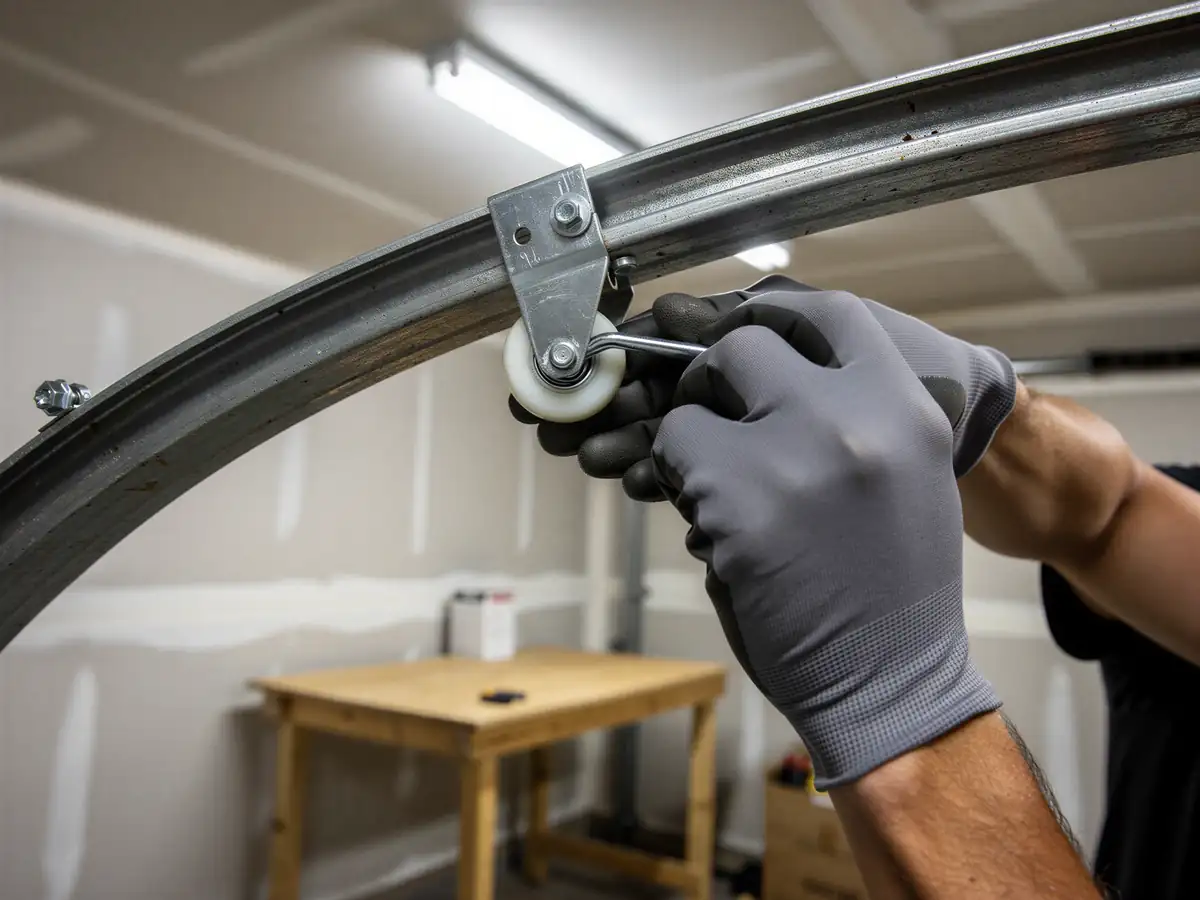
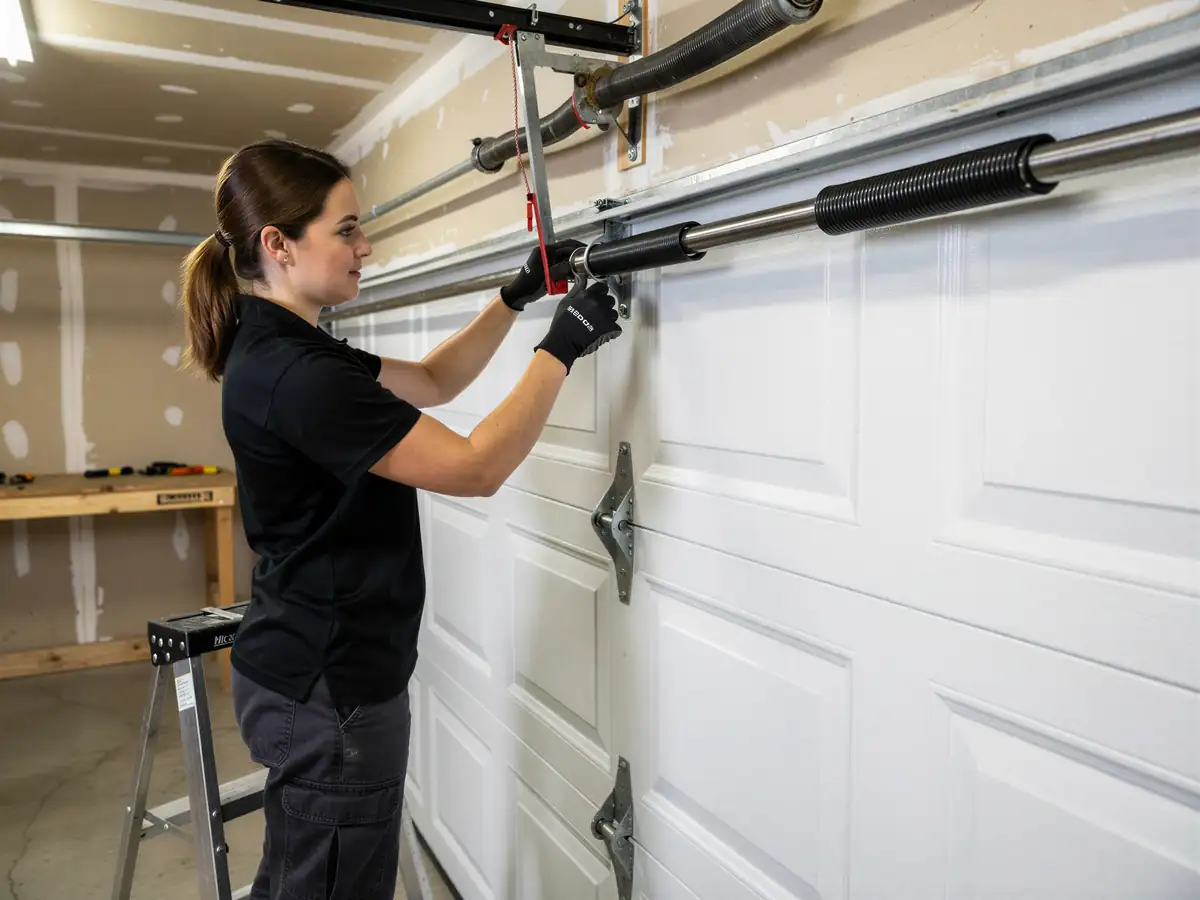
We come out from Hutchinson, about four miles in, so there's no local branch or separate crew based in South Hutchinson itself - just a truck that knows the drive and the housing stock. On an extension spring door we replace both springs as a matched pair, not just the broken one, and we check the pulleys and cables while the door is open, since those wear on the same schedule as the springs. On a torsion setup, whether original or converted, we match spring size to the actual door weight rather than guessing off what's currently installed, because a mismatched spring is often why the last one failed early. We also check the track and rollers while we're in there - on a door built in this era, worn rollers are common enough that it's worth a look rather than a separate trip.
Can You Do This Yourself
Extension springs are under less tension than torsion springs, which makes them a little less dangerous to handle, but they're still under load and still capable of whipping a cable loose or dropping a door on your hand. We wouldn't walk a homeowner through it over the phone. Where you can genuinely help yourself: lubricating hinges and rollers twice a year, watching for a spring that's visibly stretched or gapped between coils, and not ignoring a door that's started lifting unevenly. Catching that early, before the second spring goes too, is the single best way to keep this a cheap call instead of an expensive one.