What Is on the Truck
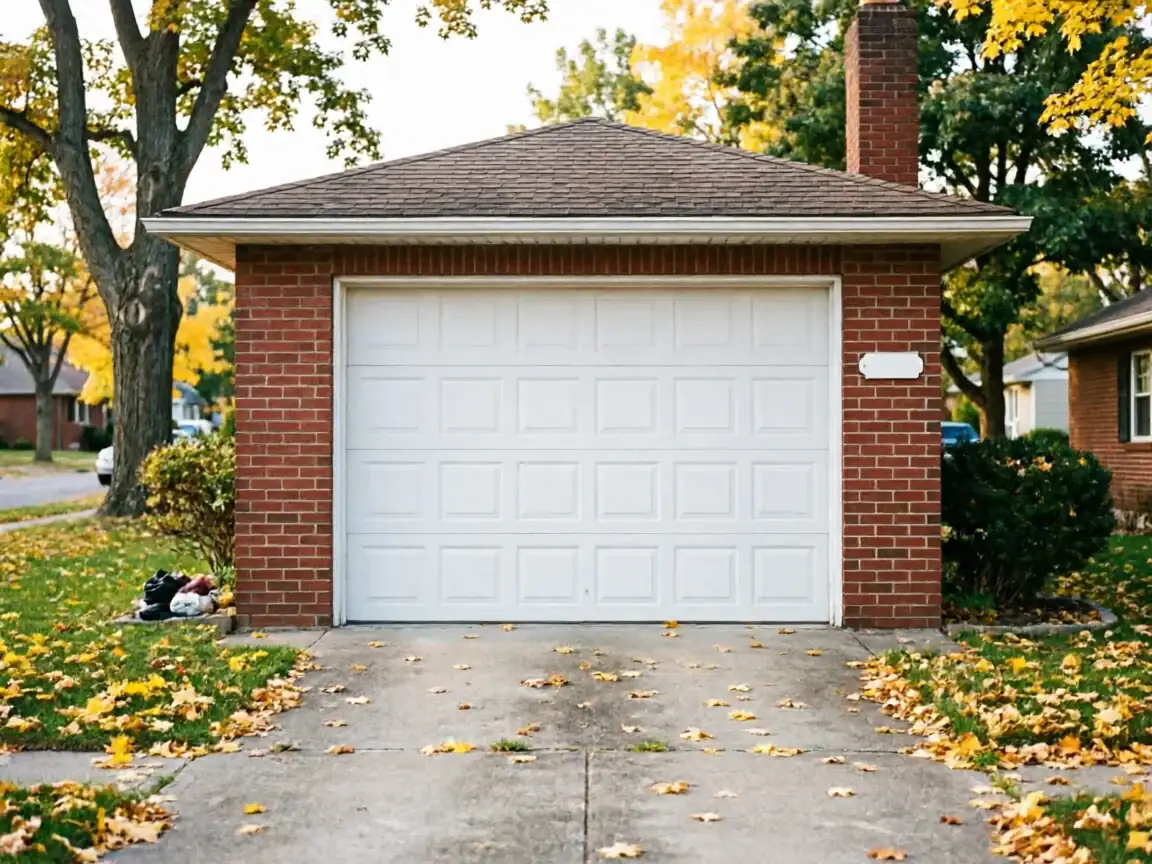
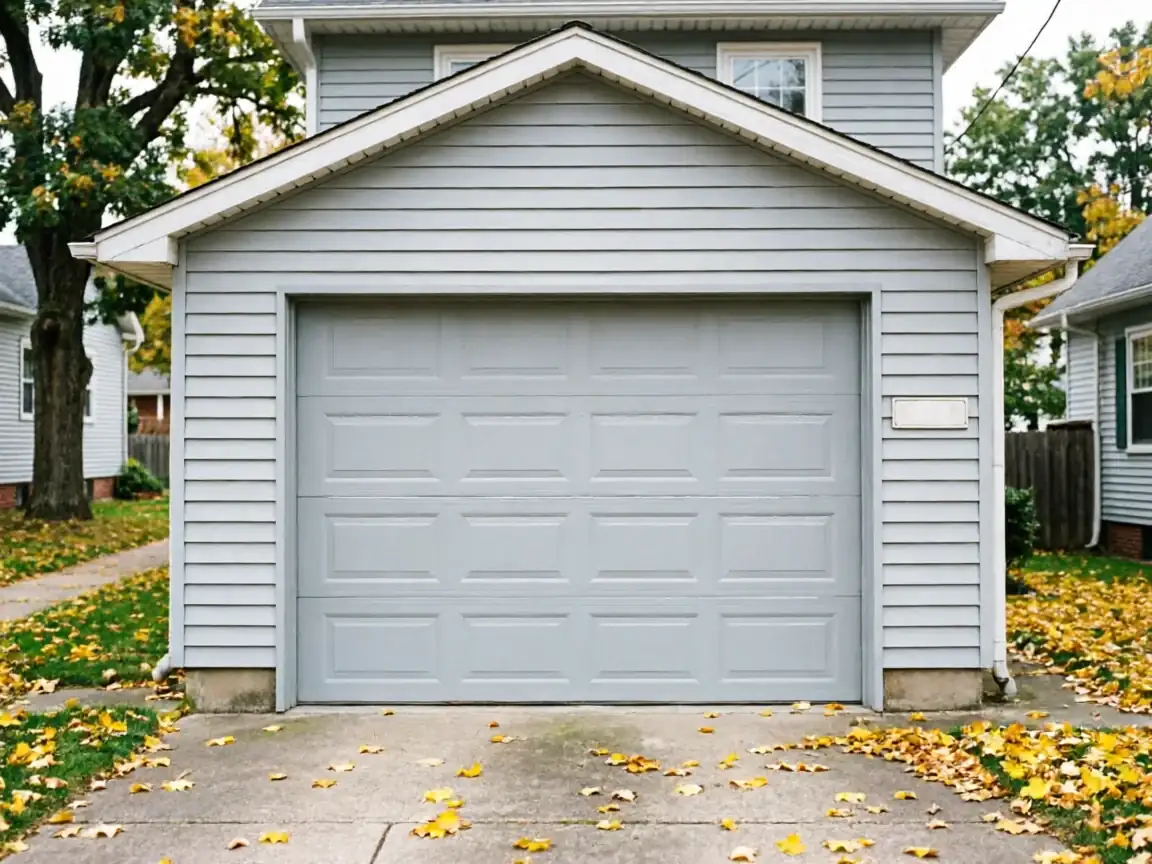
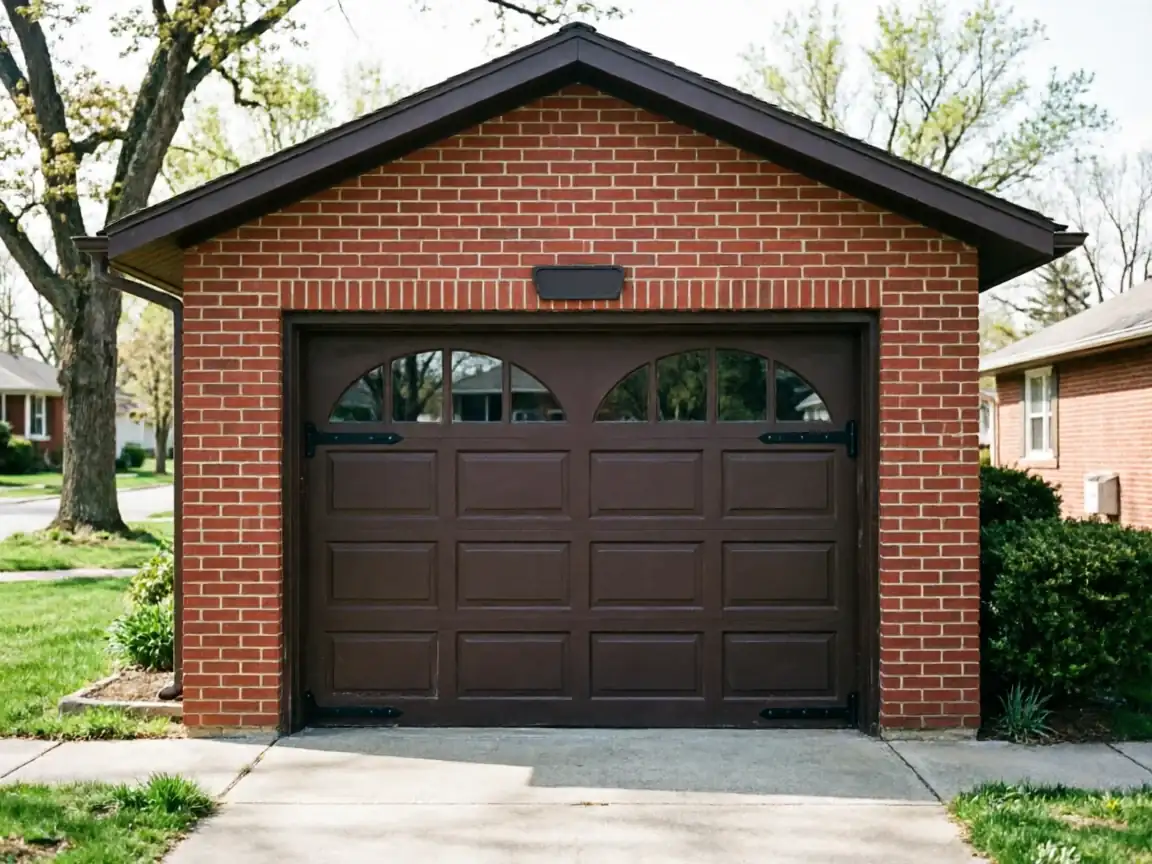
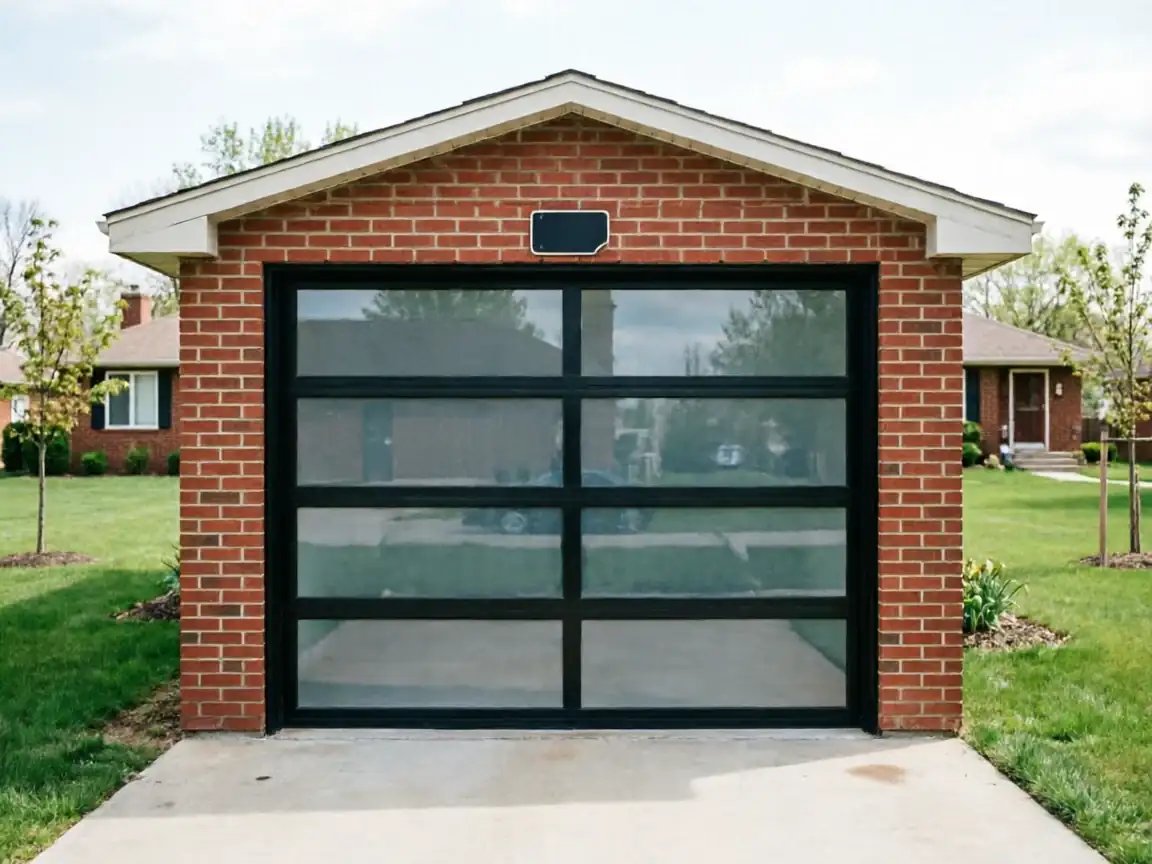
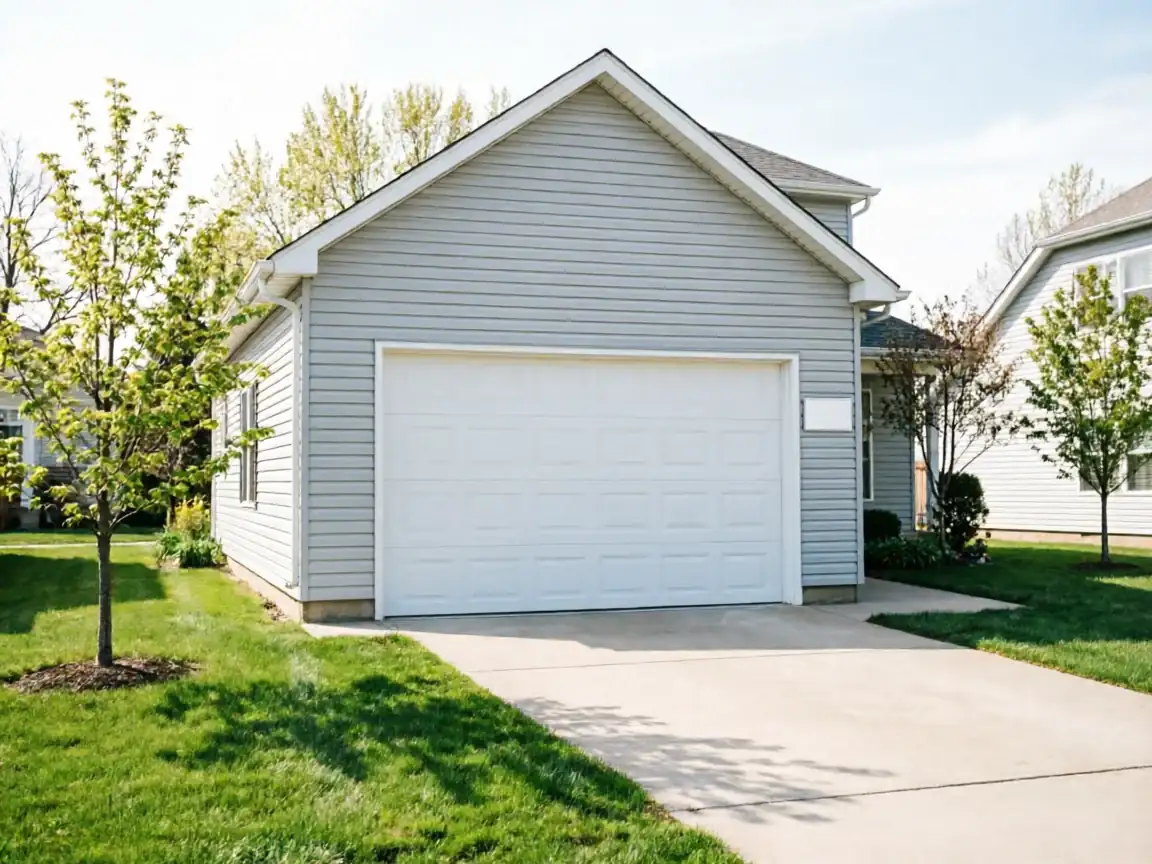
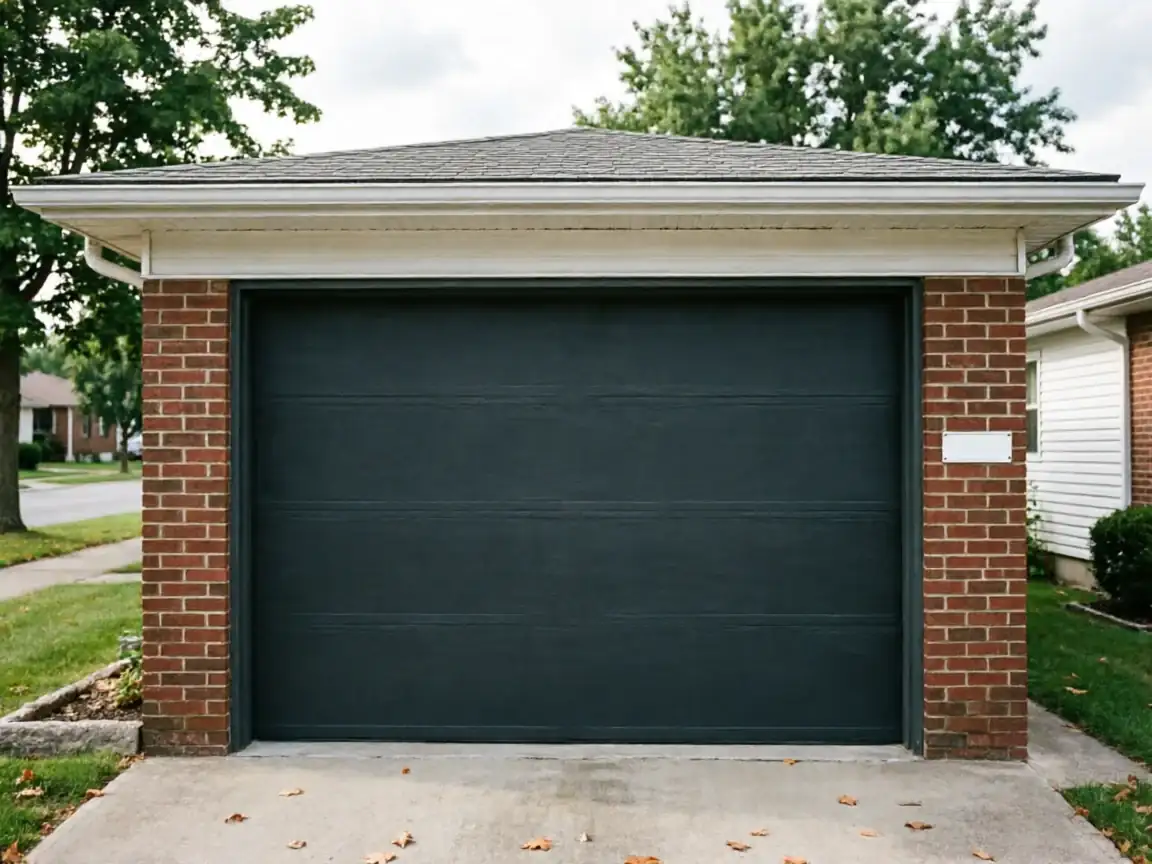
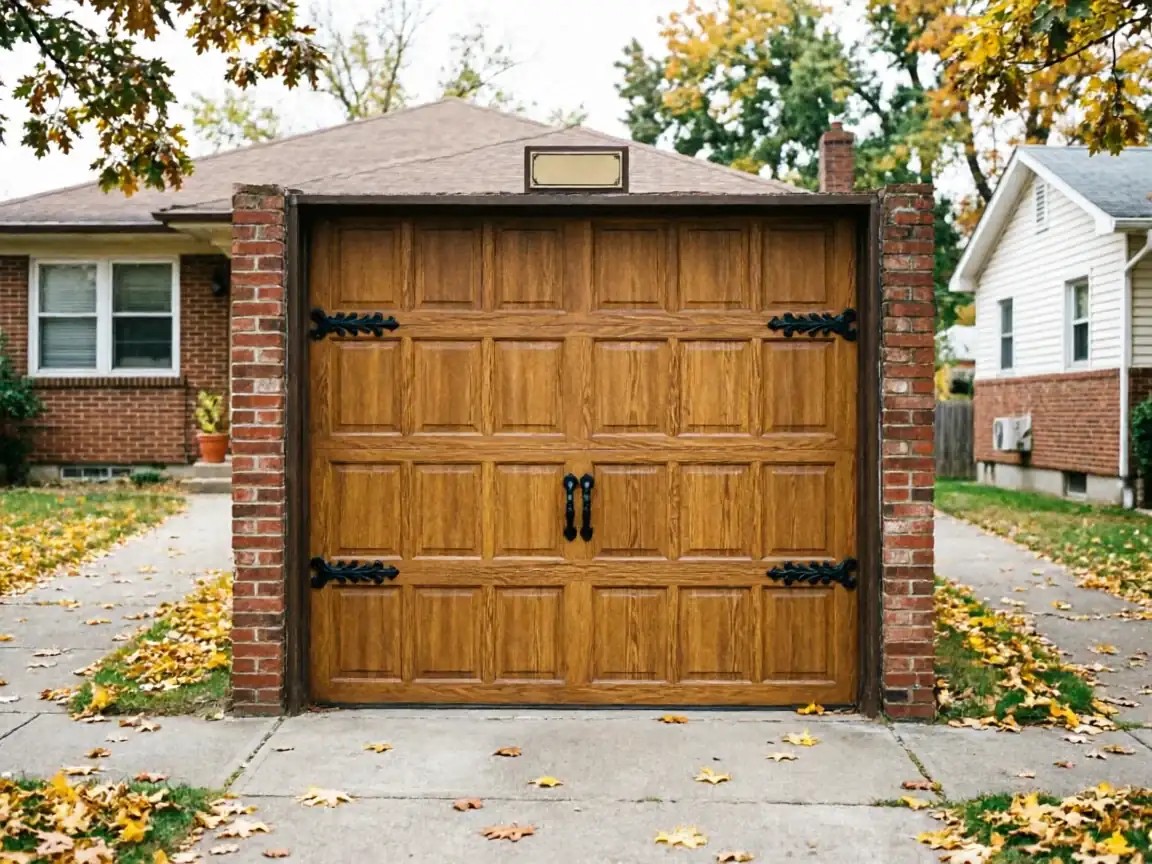
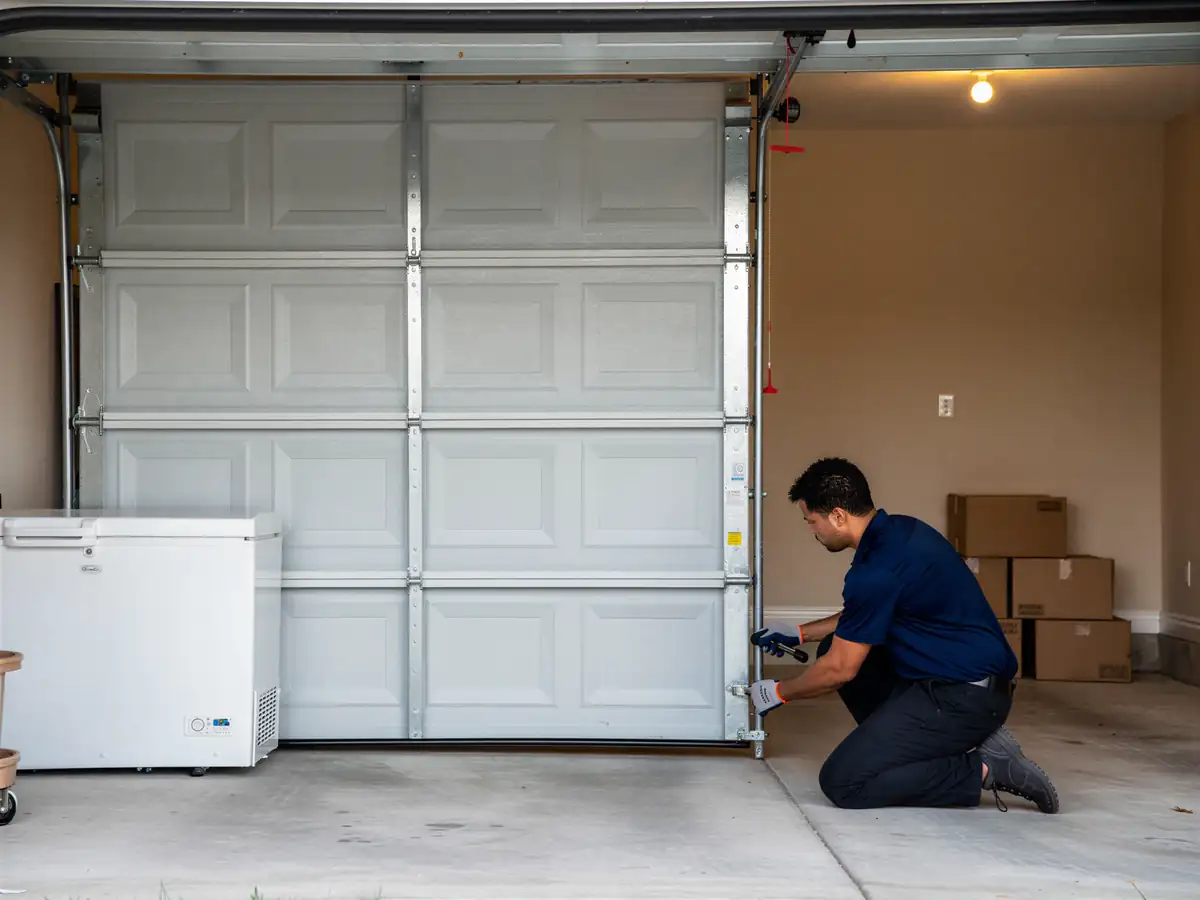
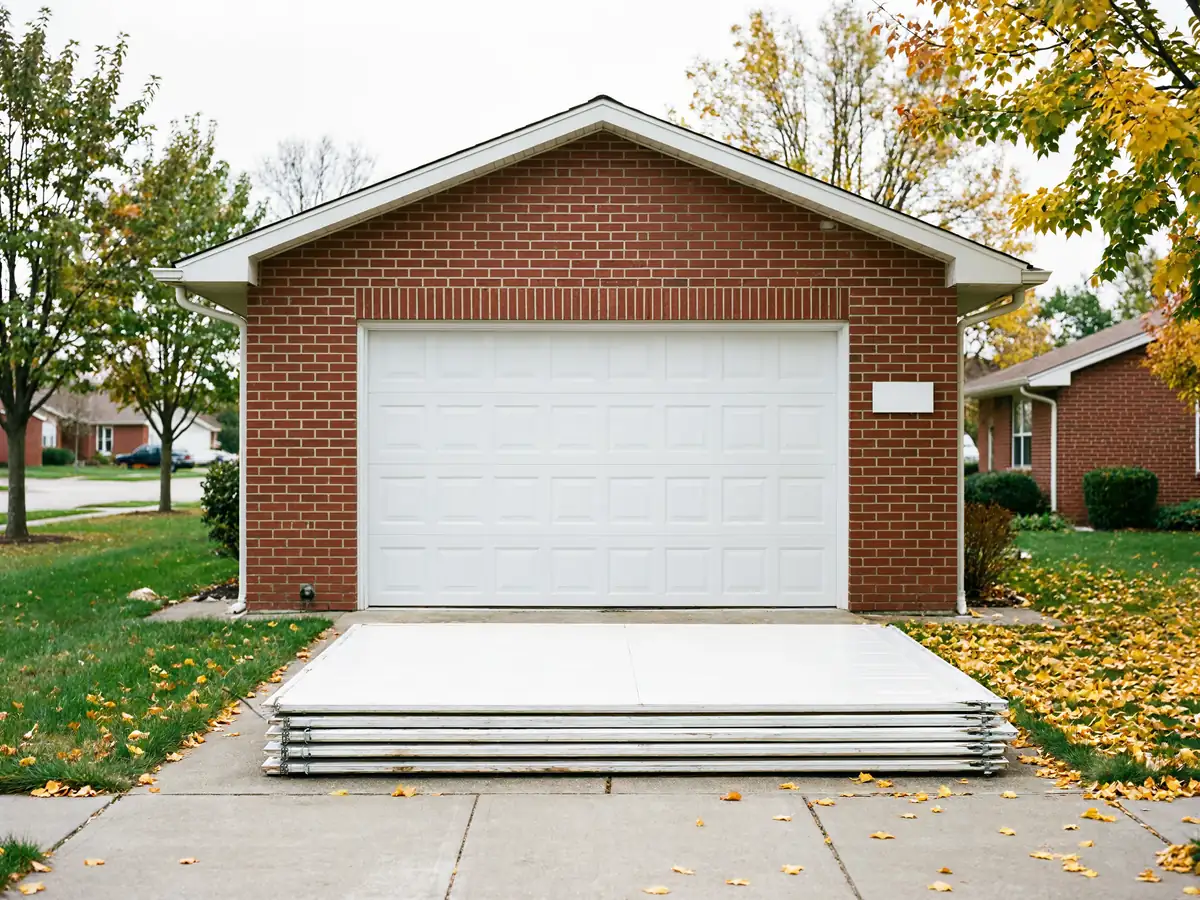
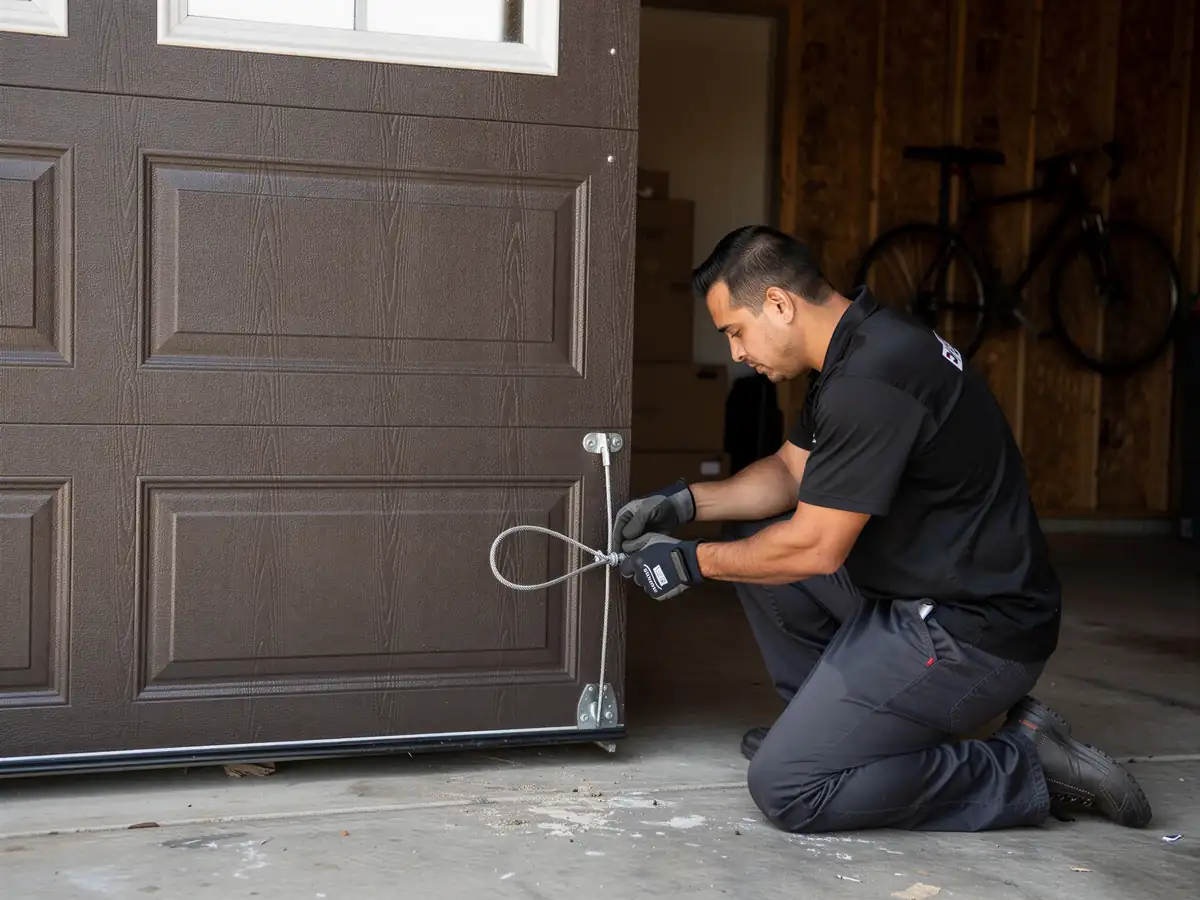
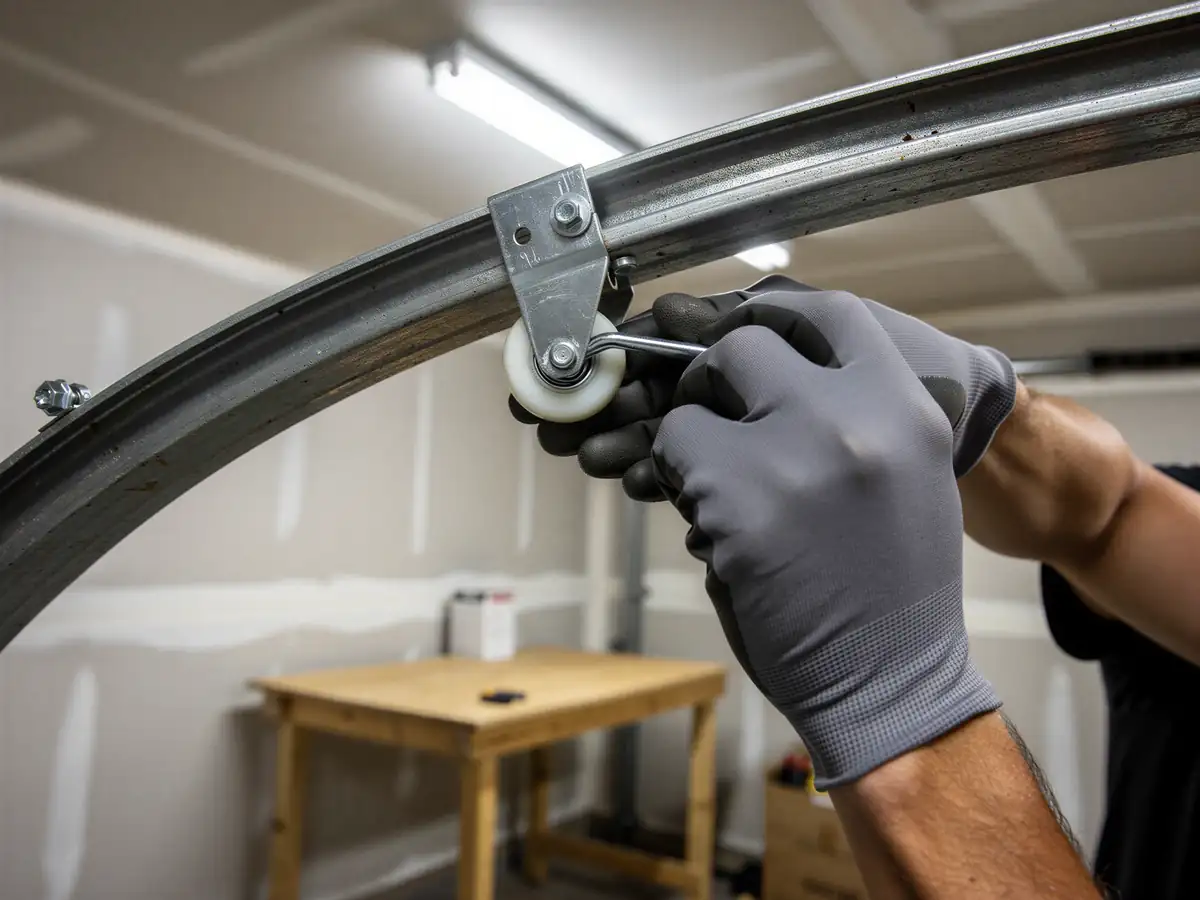
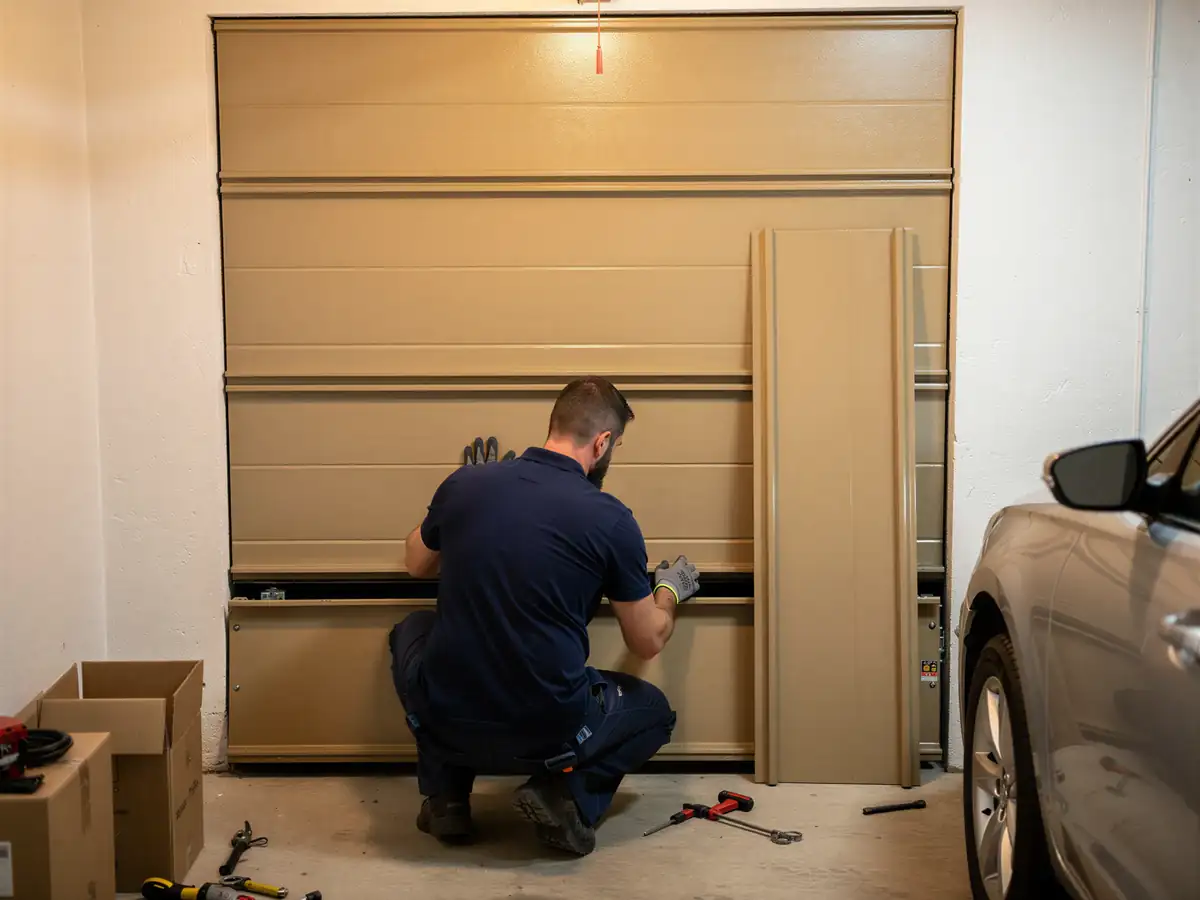
We carry steel panel sections in the common widths and profiles that show up on doors built for this area's housing stock - most of it put up between 1943 and 1975, with a lot of it dating right around 1964. That means raised-panel and flush steel sections in 2-ft and 2-ft-1-in heights, the hardware that mounts to older hinge stiles, and matching end stiles for doors where only one section took the hit. What we don't carry is every discontinued color and wood-grain finish from the 1960s and 70s. If your door is an original from that era, we'll be upfront about whether a close match exists or whether patch-paint is the honest answer. For the roughly 2,627 owner-occupied houses across the service area, panel work is usually a single or double-section swap, not a full door replacement, unless the track or end hardware is bent along with the panel.
The Symptom
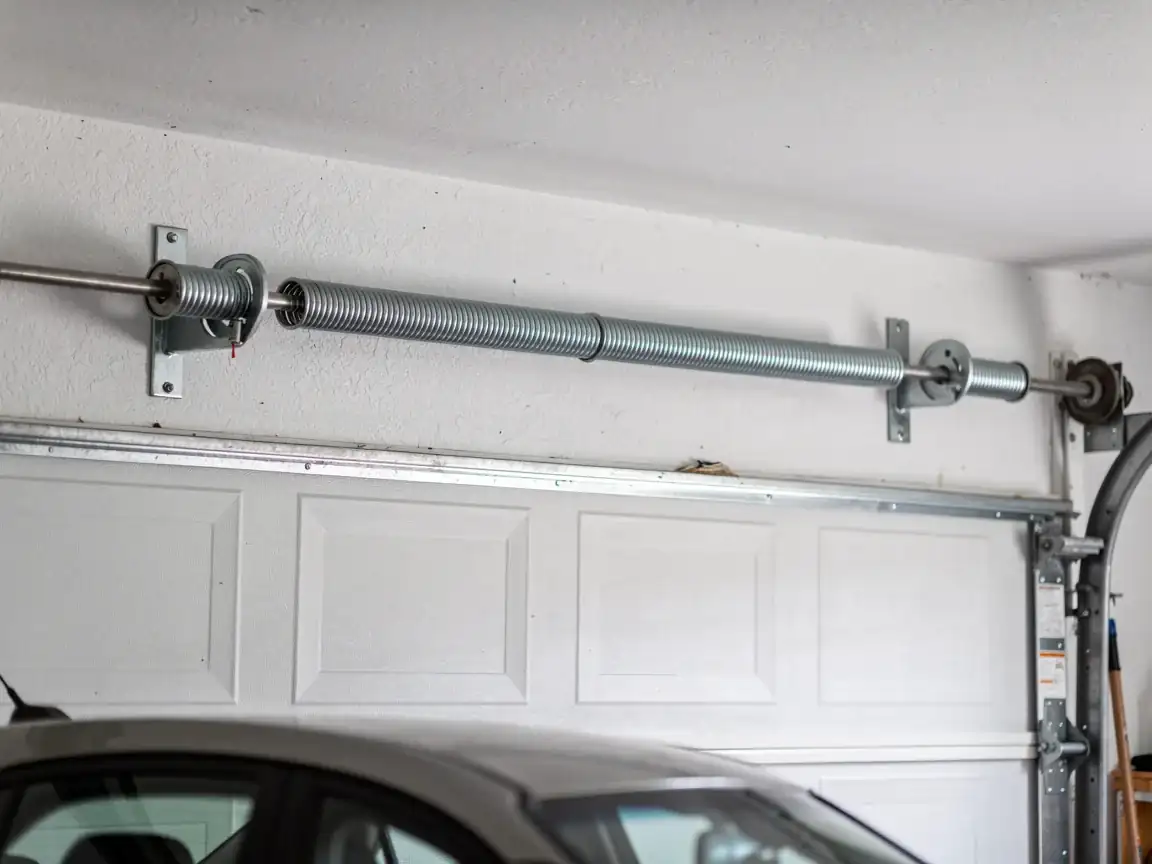
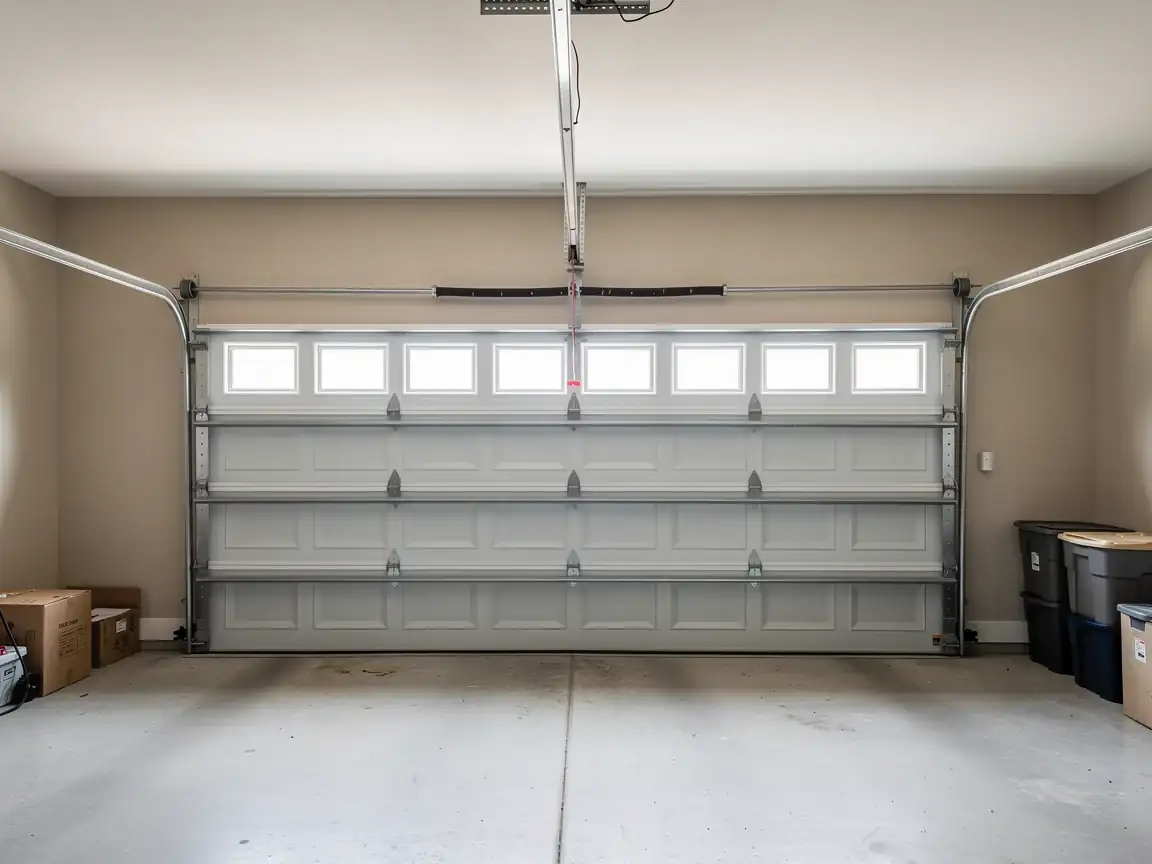
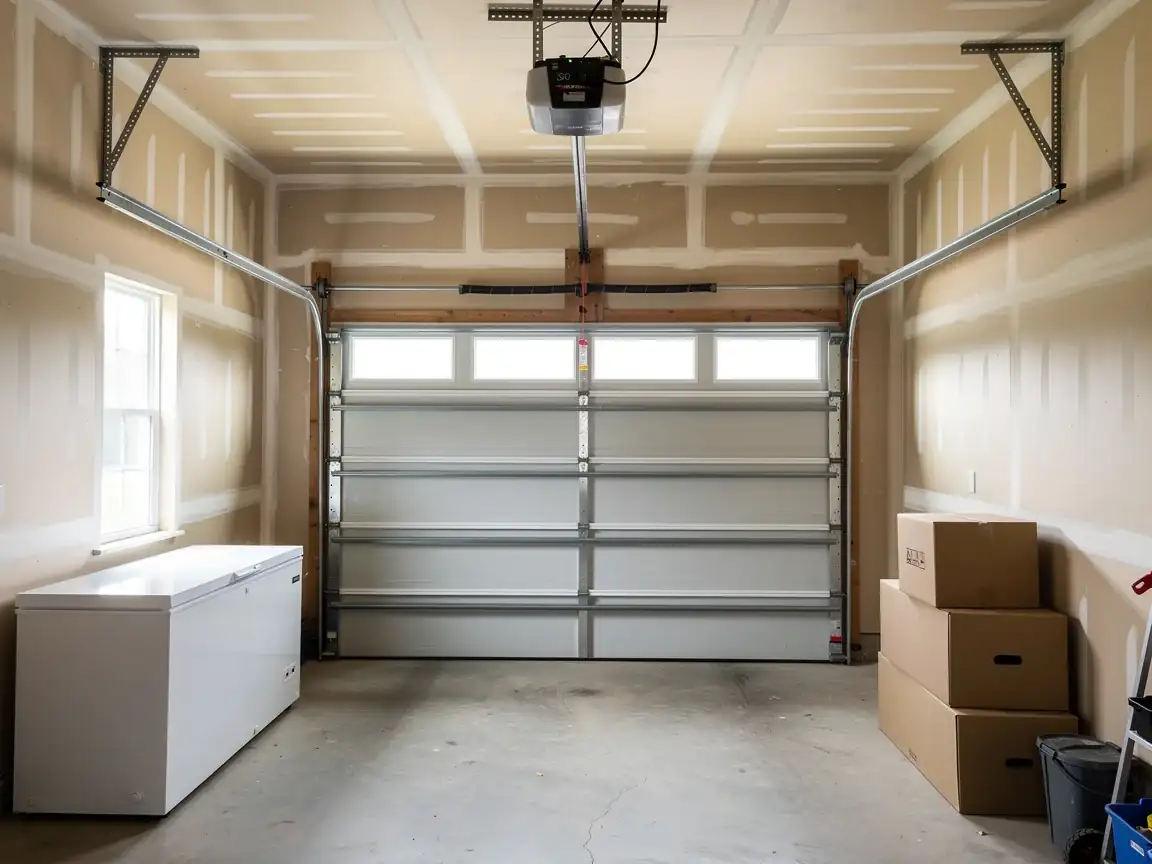
Usually it starts as one bowed or caved-in section, sometimes from a backed-up car, sometimes from a basketball or a stuck lawn mower. The door still opens, but it binds partway, or you hear a scrape where the dented section rubs the track. On older doors with lighter-gauge steel, a dent in one panel can also throw off the whole section's rigidity, so the door racks slightly and the opener strains to pull it the last foot. Some owners live with the dent for months because the door still technically works - until the rubbing wears through the track liner or the bent section finally cracks at a hinge point. Catching it as a panel job instead of a full-door job is almost always the cheaper outcome, which is the main reason to call before it gets worse.
Why This Fails Locally
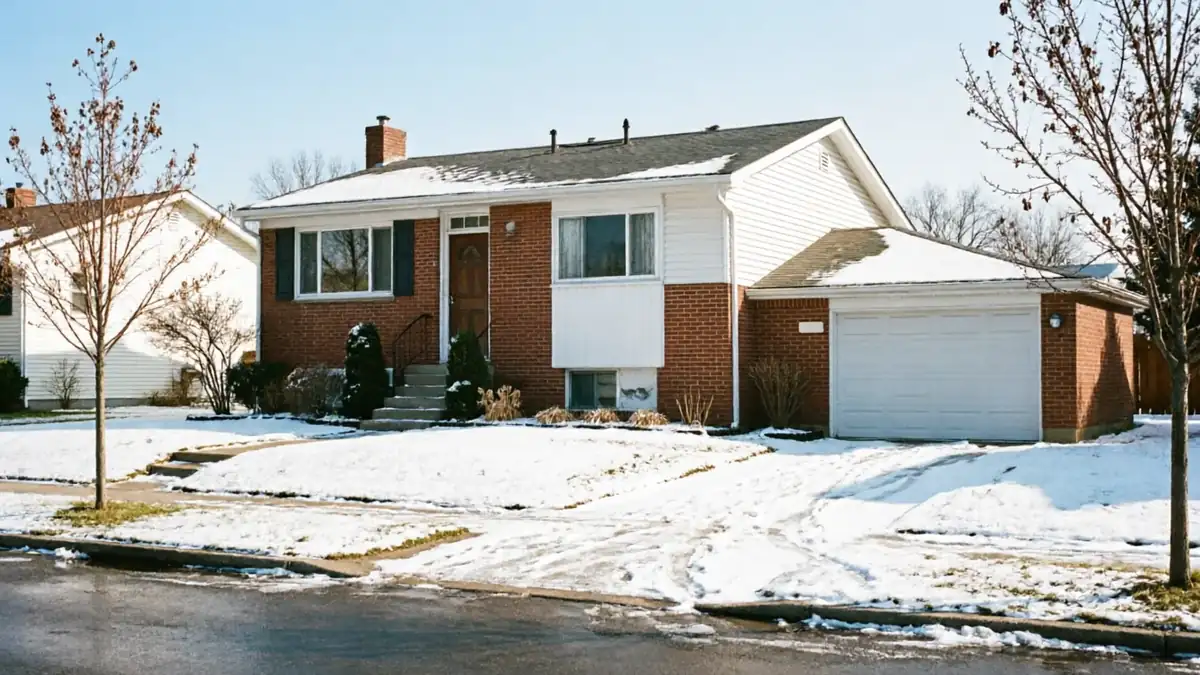
Housing in this service area is heavily weighted toward construction from 1943 to 1975, with most of it clustered in the 1960s and 70s across the eight named areas we work in. Doors from that period were built with lighter steel gauges than what's sold today, and decades of a cold, moderate climate have put normal expansion and contraction stress on panels that were never engineered for today's insulation standards. A dent that a newer, heavier-gauge door would shrug off tends to deform the thinner panel steel on these older doors permanently. With median household income in the area at $63,119, replacing a single section instead of the whole door is usually the budget that makes sense, and it's the repair we recommend first unless the frame or track is also damaged.