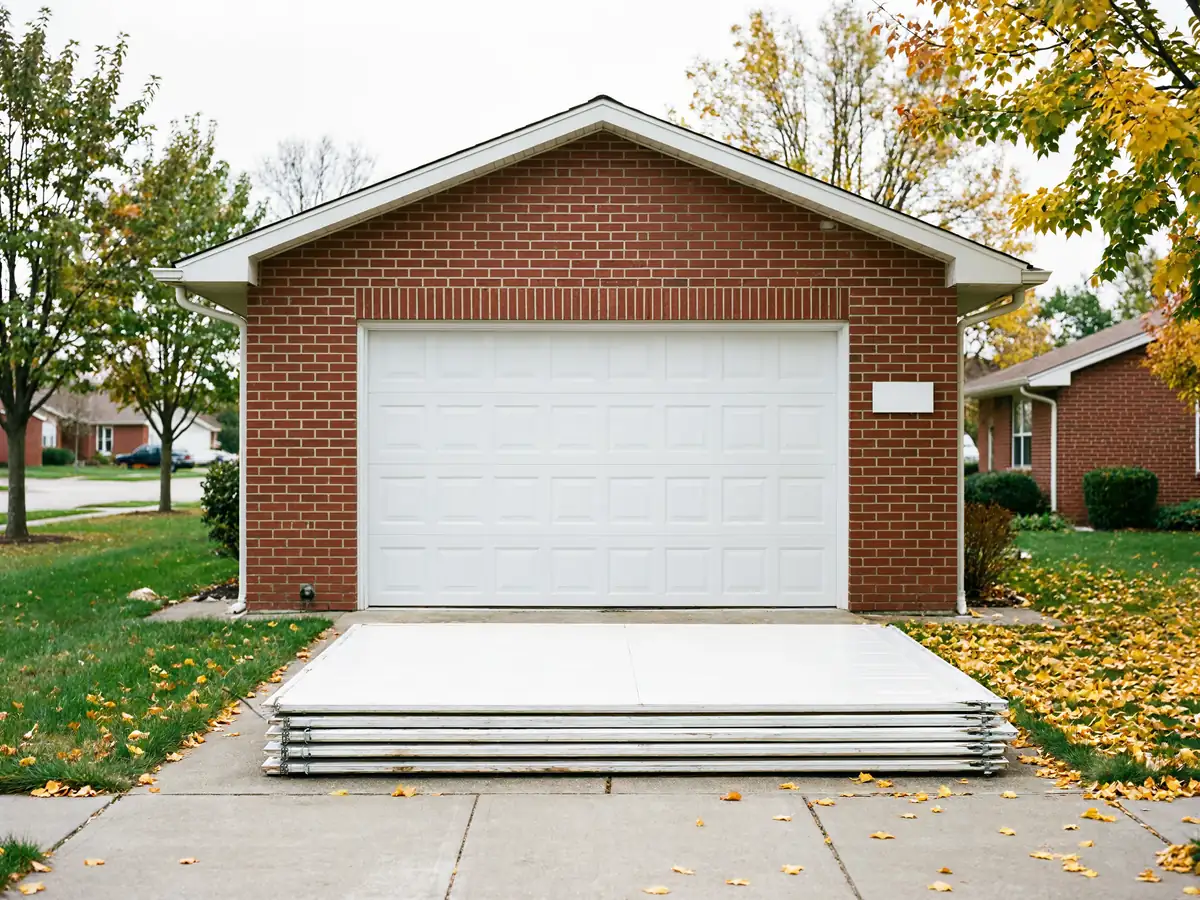
What Is on the Truck
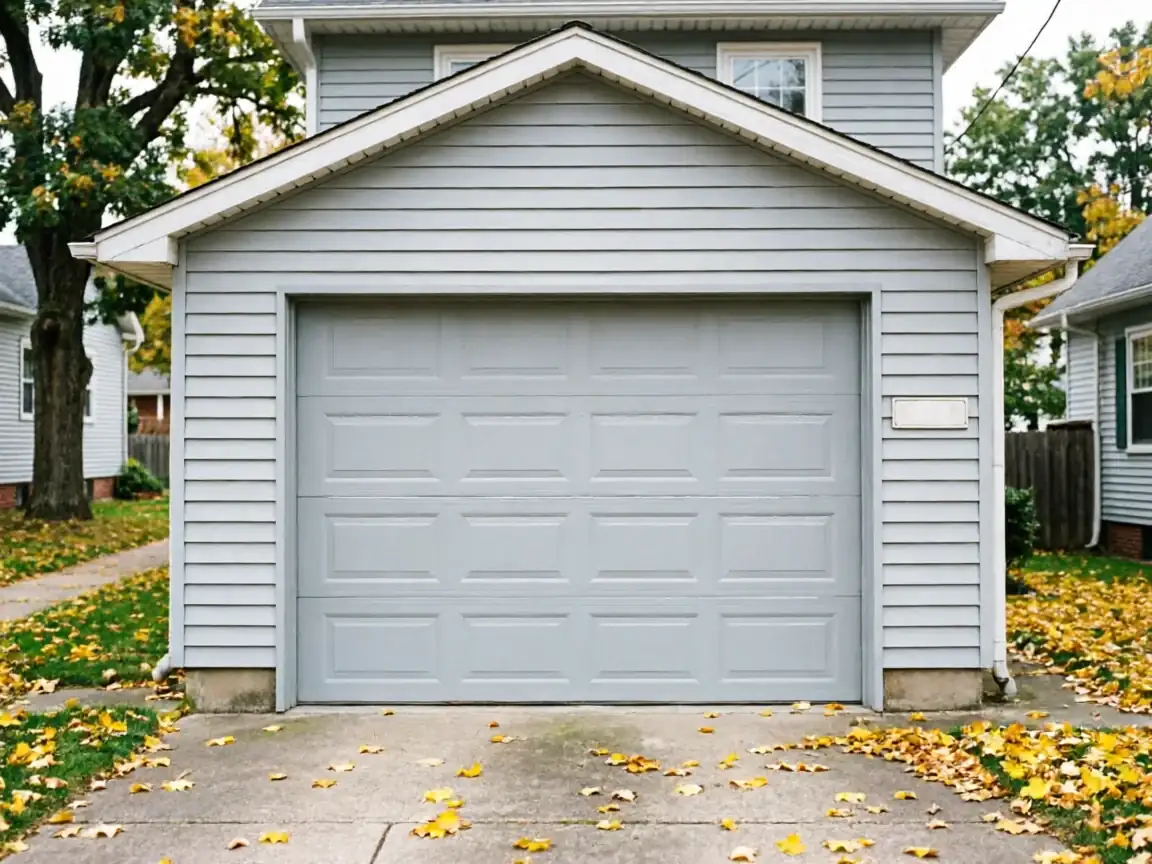
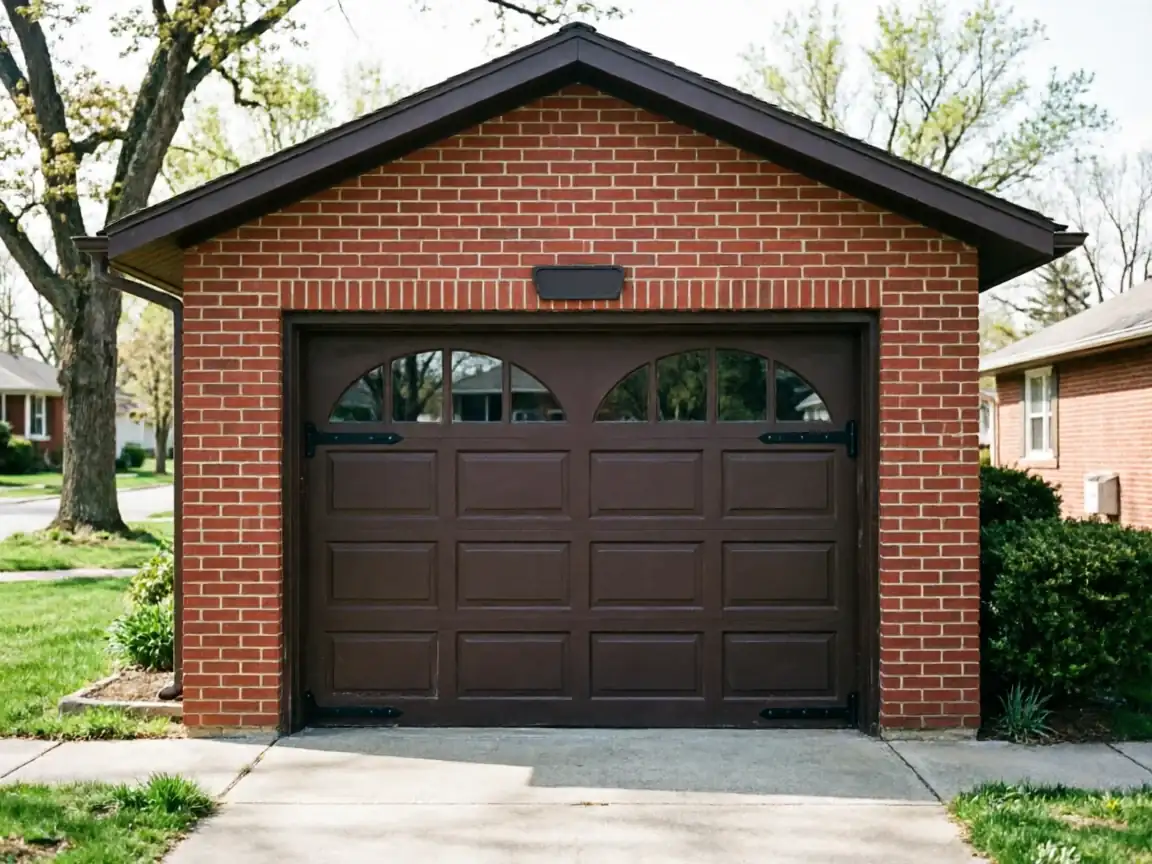
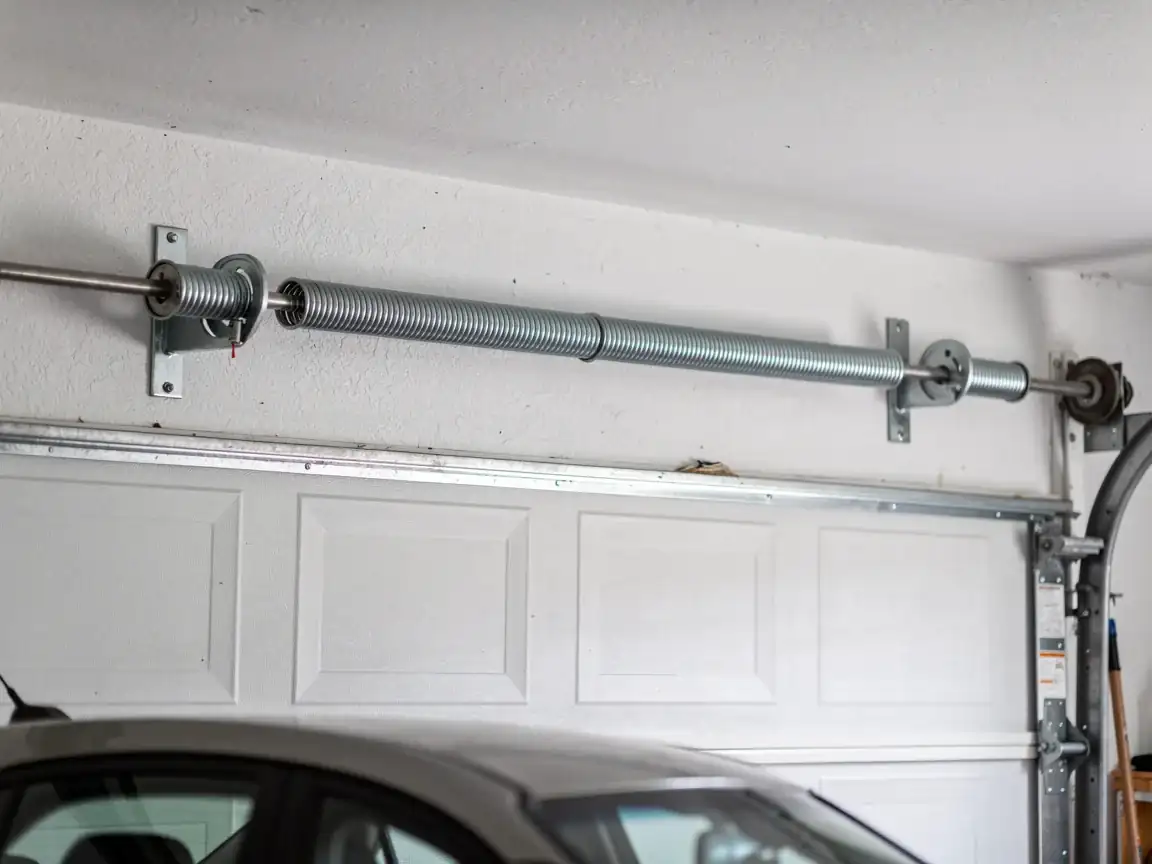
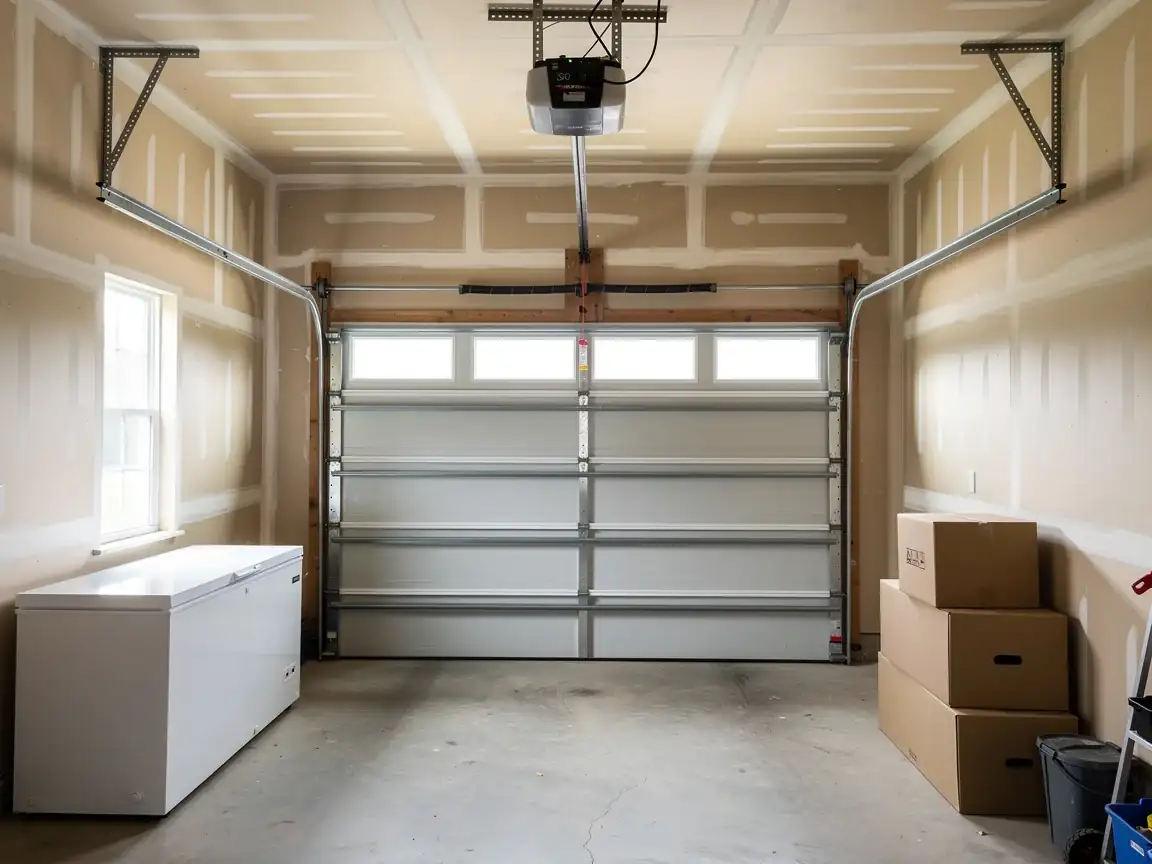
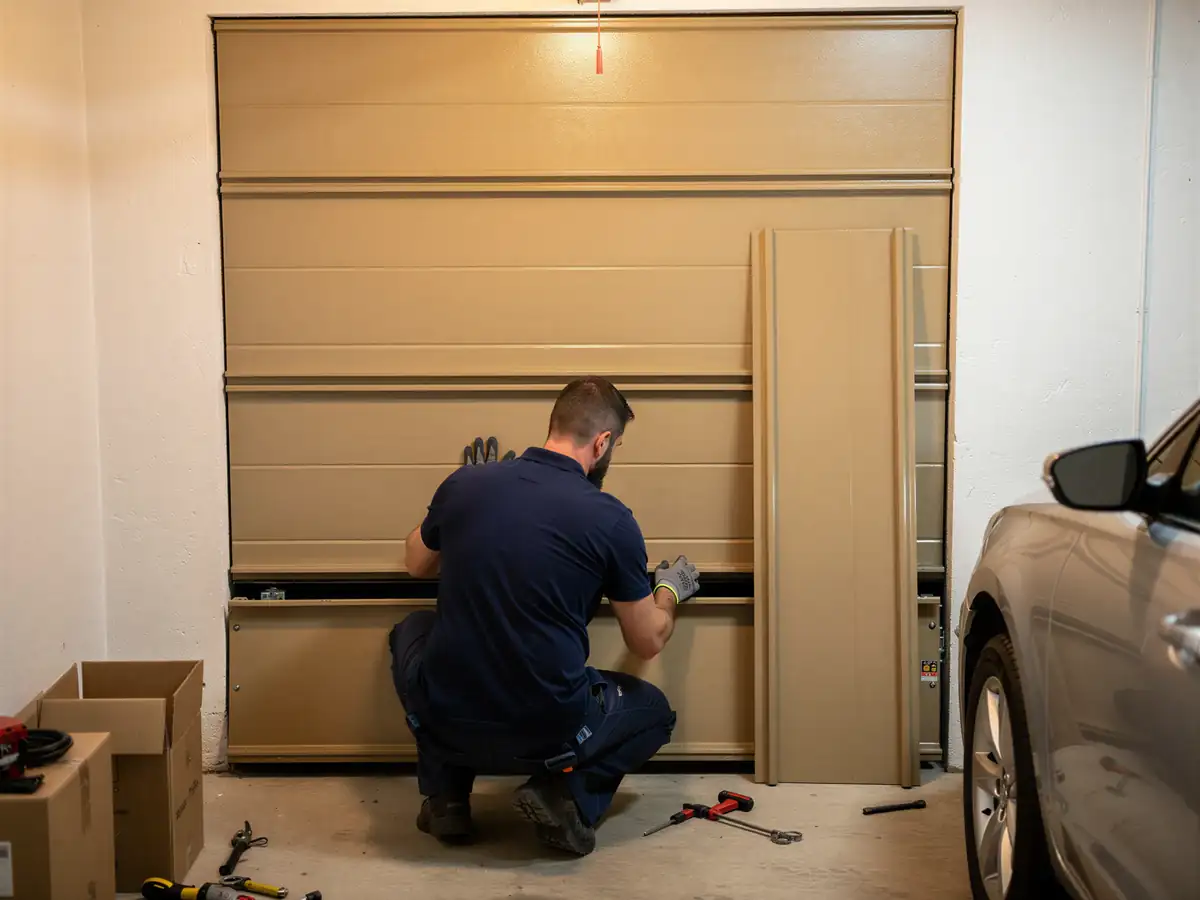
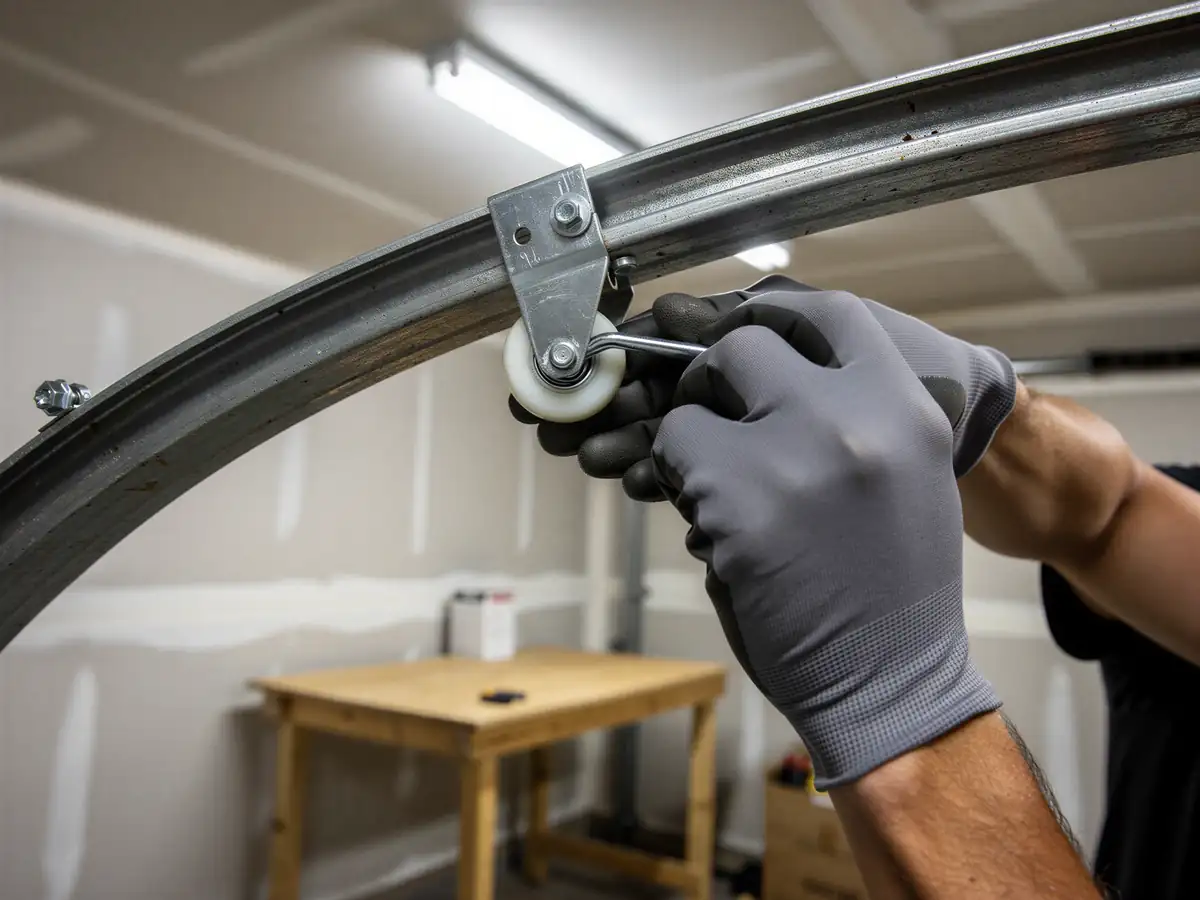
When we come out for an installation, we're carrying steel sectional doors in the widths that actually match what's out there in Hutchinson - a lot of openings here were framed for doors that stopped being made years ago, so we stock adjustable jamb kits and a range of track lengths rather than one standard size. We carry both insulated and non-insulated panel options, nylon and steel rollers, and torsion springs rated for a few different door weights, because a solid-wood-look steel door weighs more than the hollow single-layer door it's replacing.
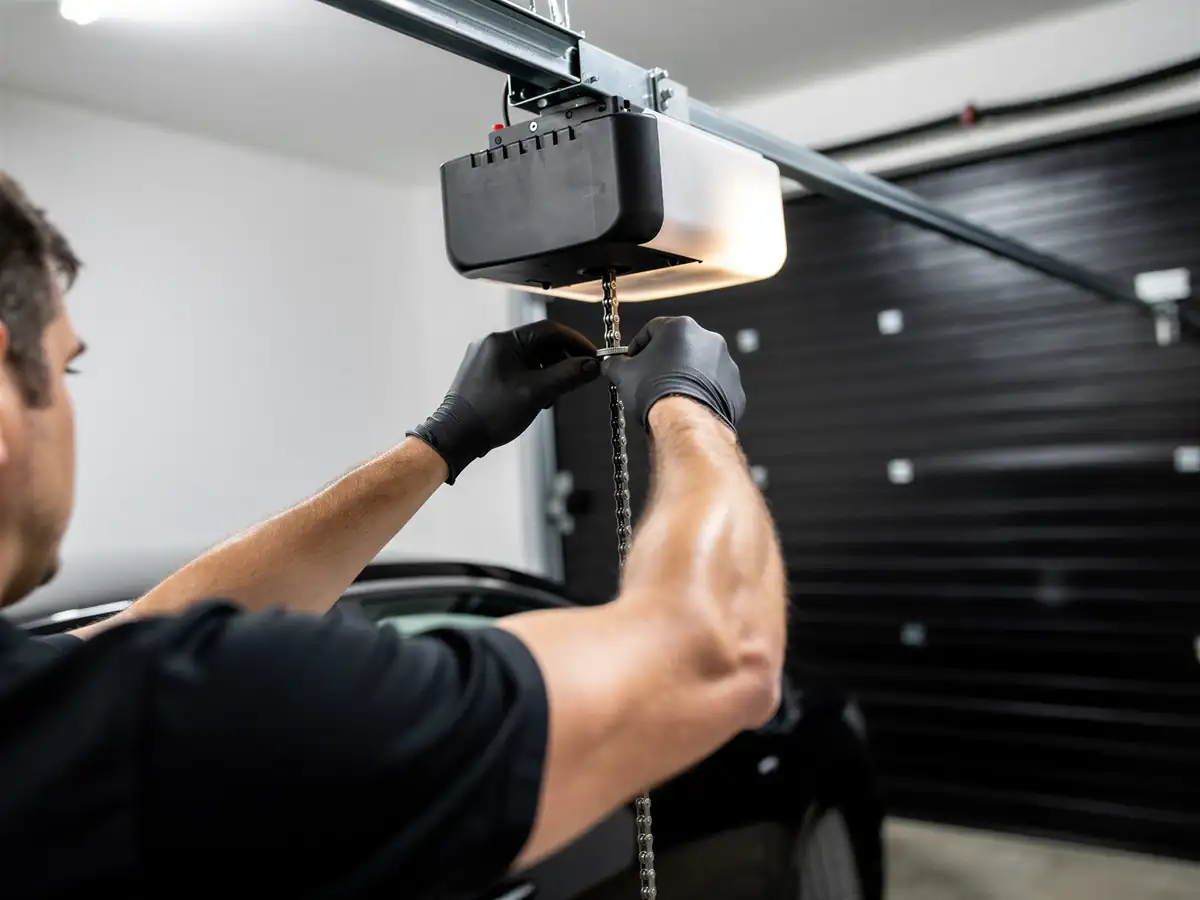
We don't carry every custom width on the truck. If your garage is an older detached outbuilding with an opening that was cut by hand rather than built to a standard rough-in - which still happens on the oldest lots in town - we may need to order the door after we measure, and that's a lead-time conversation we have with you up front rather than a surprise on install day. We also carry openers sized for heavier insulated doors, since swapping a light original door for a heavier insulated one without upgrading the opener's lift capacity is a mistake we see other installs make.
How We Fix It
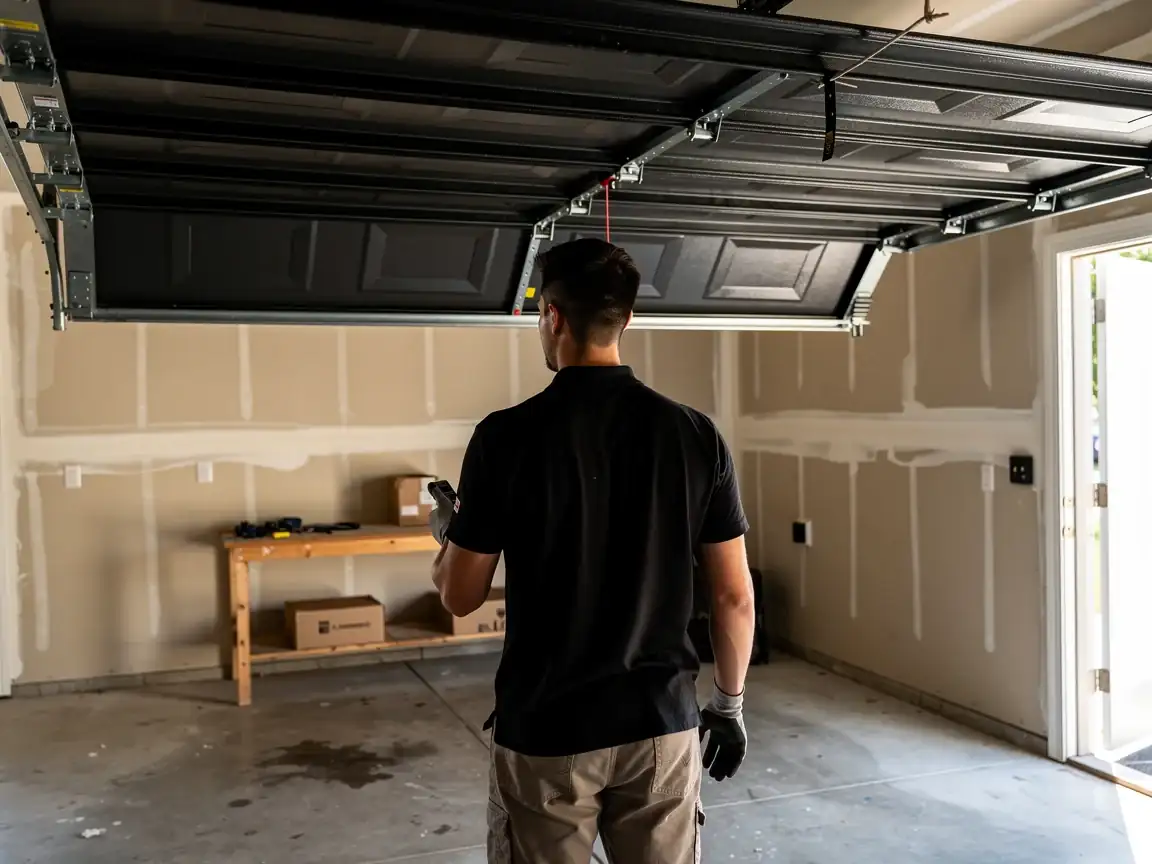
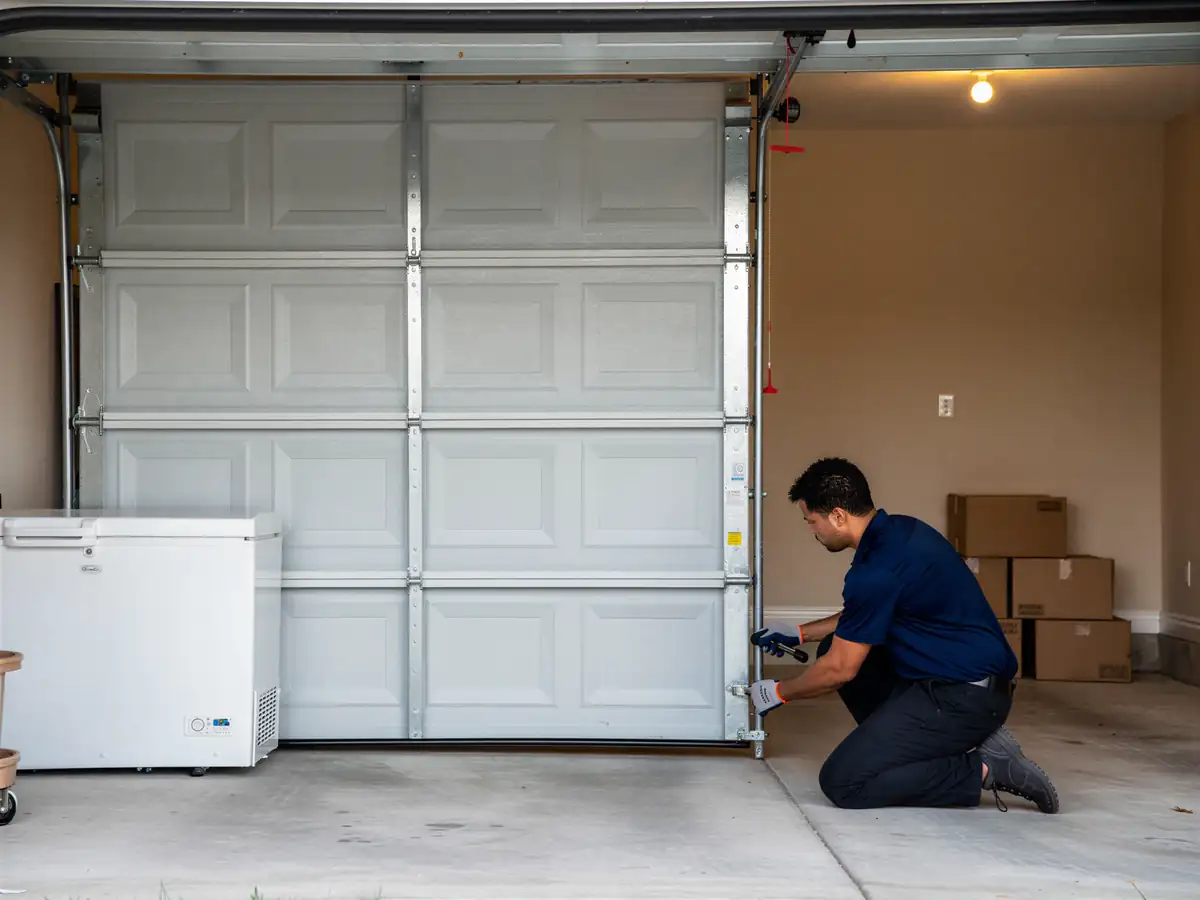
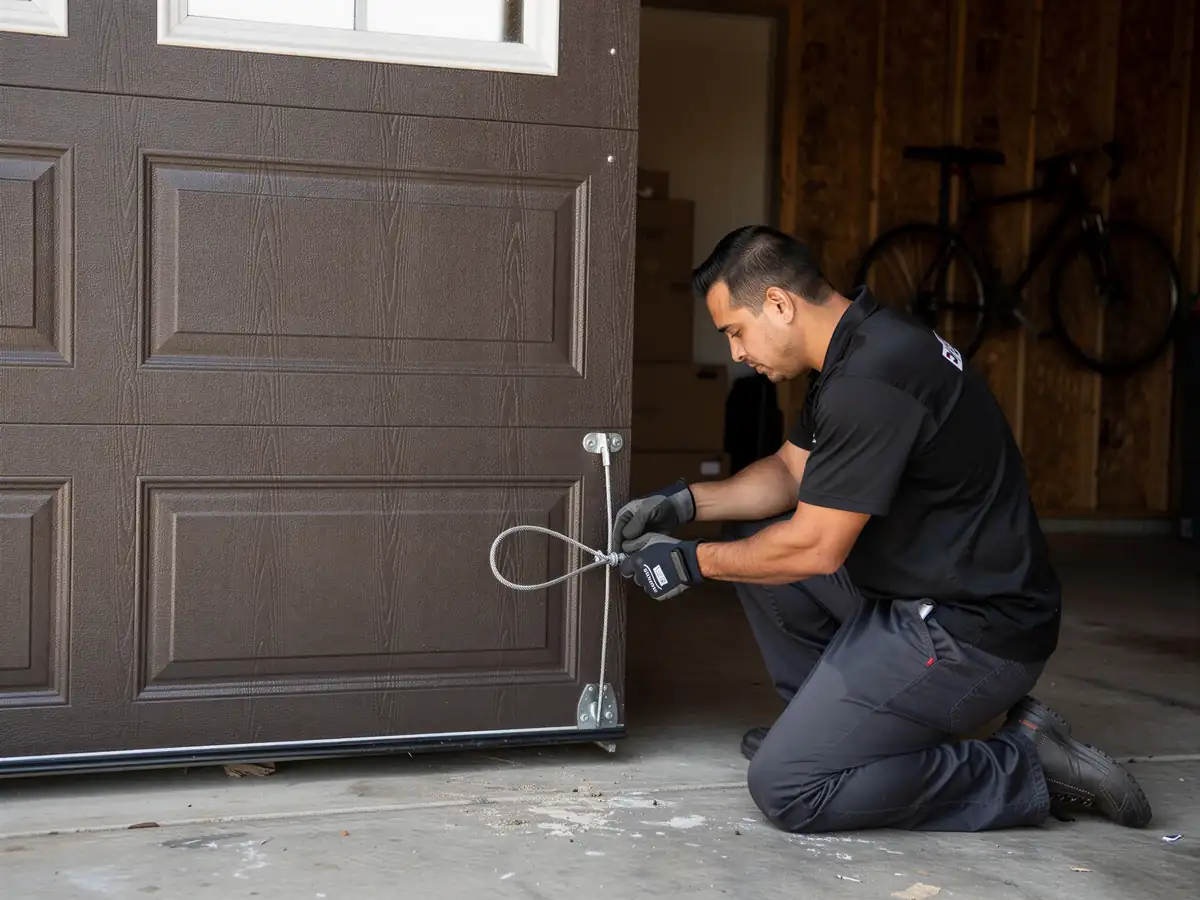
Installation starts with measuring the actual opening, not trusting the door that's currently hanging there
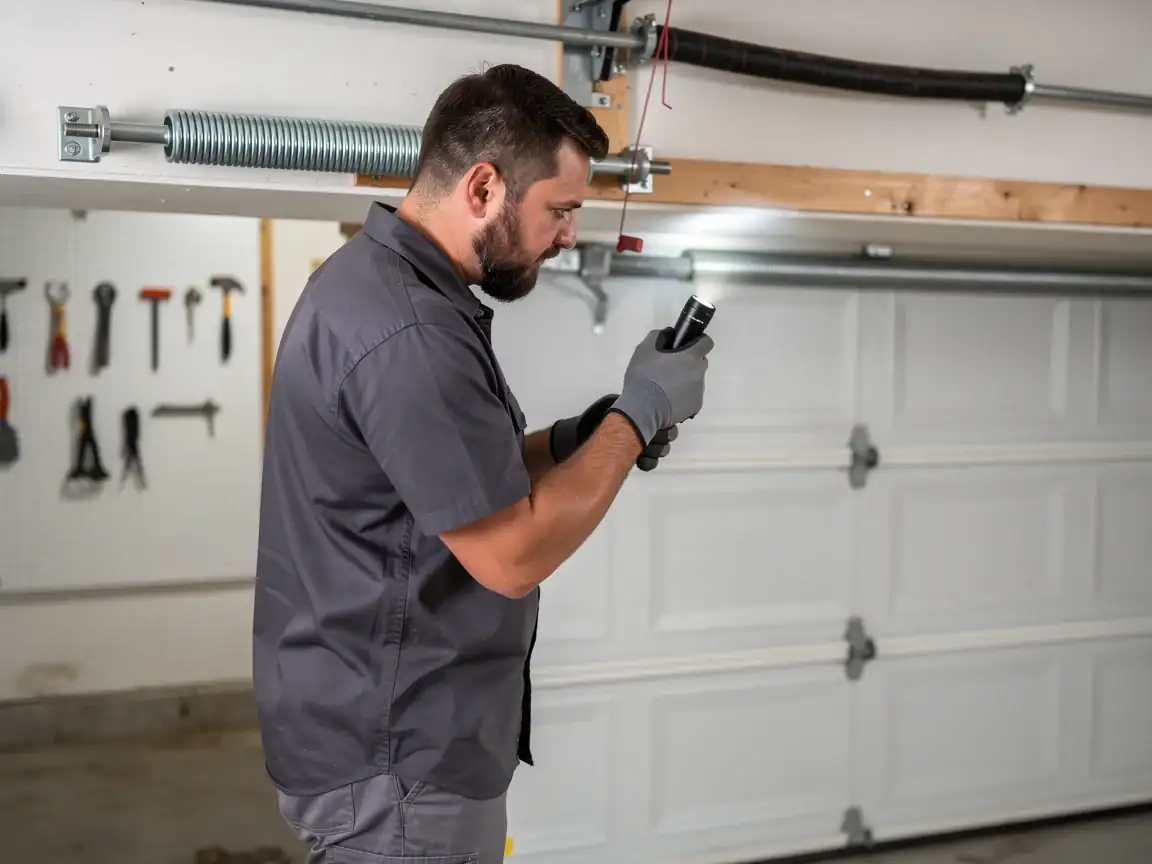
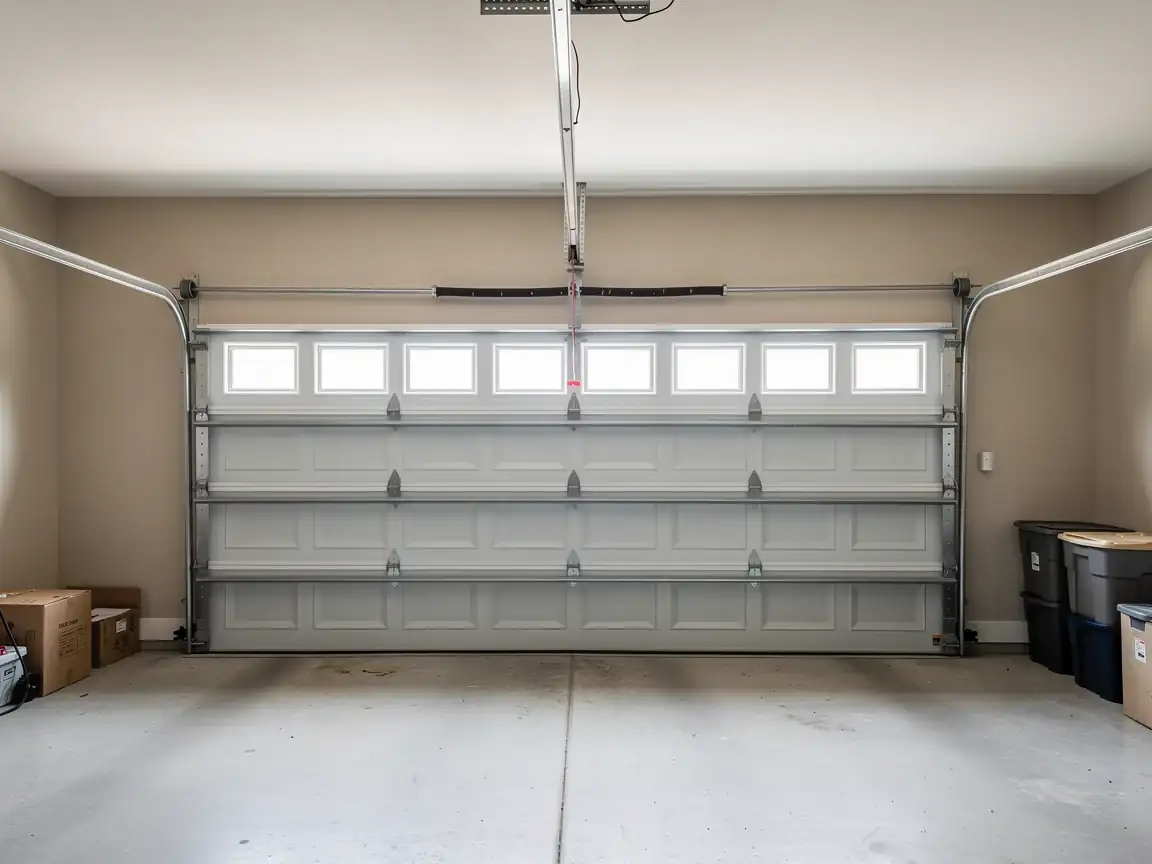
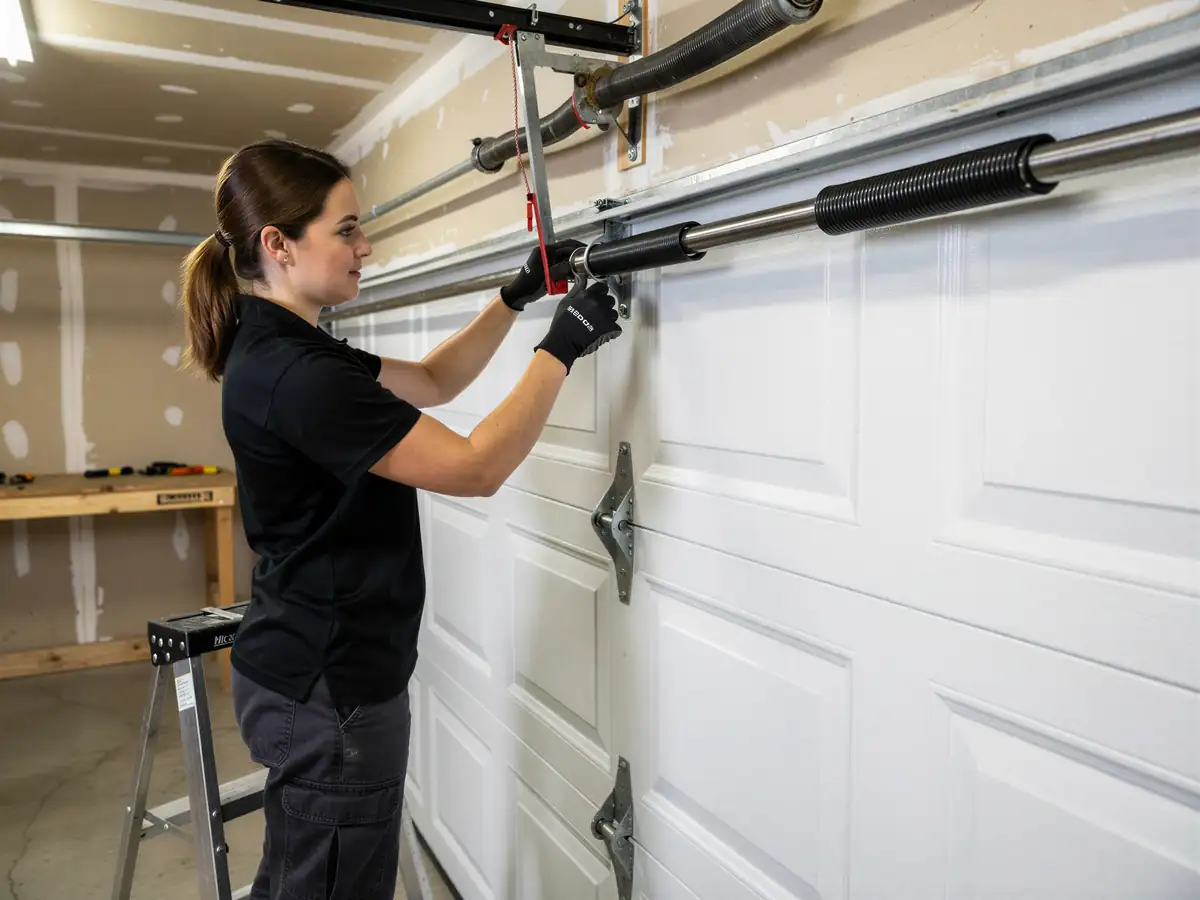
On a house from the 1960s or earlier, the opening may have settled or been reframed at some point, and we'd rather catch that before the new door is on the hinges. We set new track plumb, torque the torsion spring to the actual door weight (not a generic number), and balance the door by hand before the opener ever touches it.
If the old header or jamb has settled or rotted at the base
Which turns up on houses built before the mid-1970s more than newer ones, we flag it before we hang anything - a door installed square to a settled frame will bind within a year. We test the auto-reverse safety function, set the travel limits, and walk the door through a full cycle a few times under load before we call the job done. We won't leave a job with a door that's out of balance just to get to the next call faster - an out-of-balance door burns out openers and springs early, and that comes back to us as a complaint, not a compliment.
The Symptom
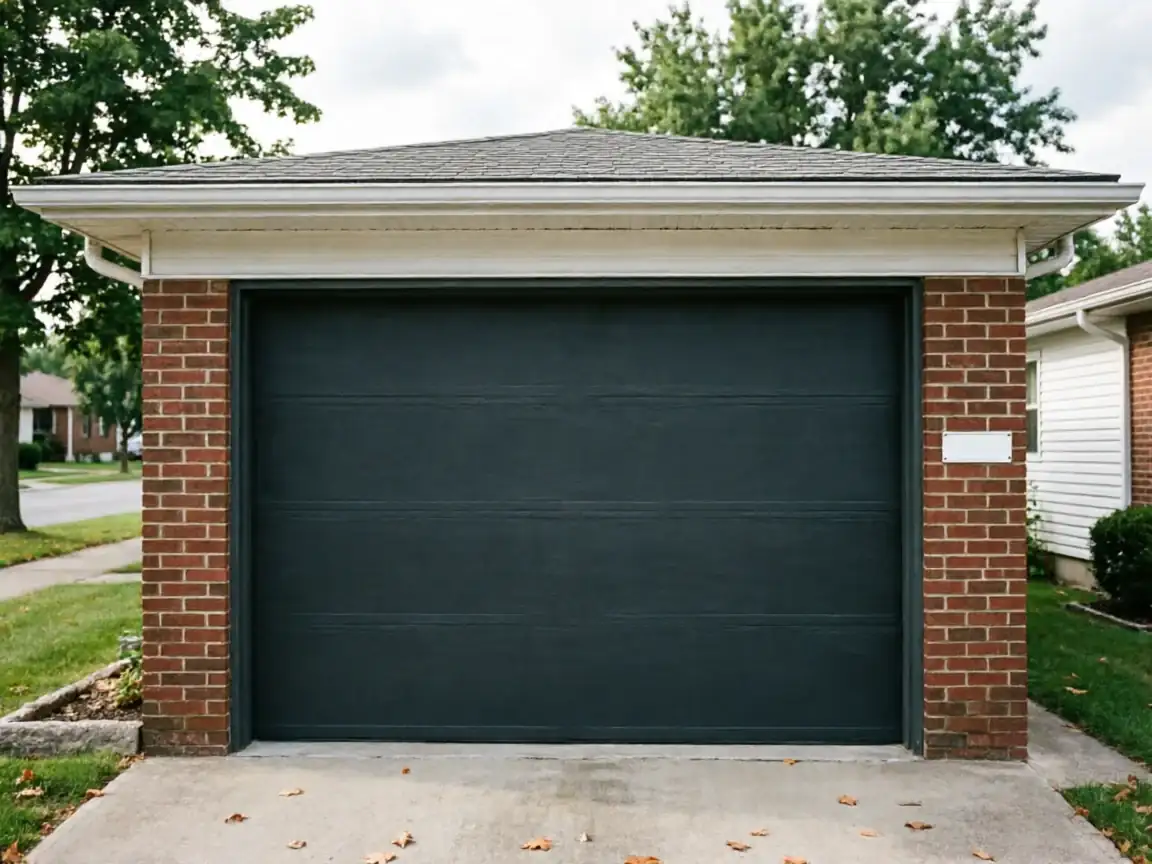
Most installation calls we get start the same way: the old door is non-insulated steel or a single thin panel, it's heavy to lift by hand, and the opener groans or stalls partway up. On houses built in the 1960s and 70s - which is most of what's out there in the eight older sections of Hutchinson - the original door and opener were matched to each other, and when one fails, the other usually isn't far behind. People call us thinking they need a repair and find out the door itself is the actual problem, not the spring or the opener.
The other common call is simpler: the door still works, but it's cold to the touch in January and the attached garage never warms up no matter what the furnace does. That's a non-insulated panel doing exactly what it was built to do in 1964, which wasn't much in terms of keeping heat in. We also hear from owners who've had a repair done twice in two years on the same door - at that point we'll tell you straight that another spring or roller replacement is throwing money at a door that's past the point of being worth fixing.
Why This Fails Locally
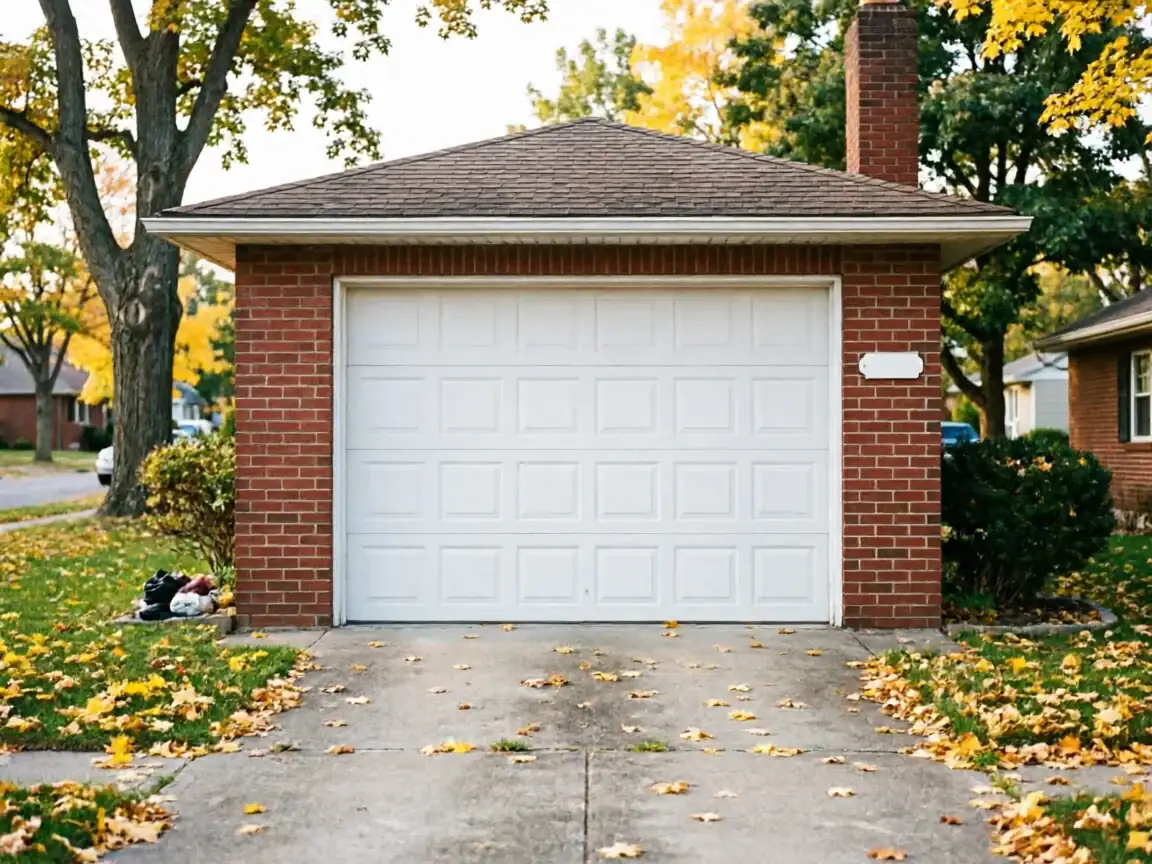
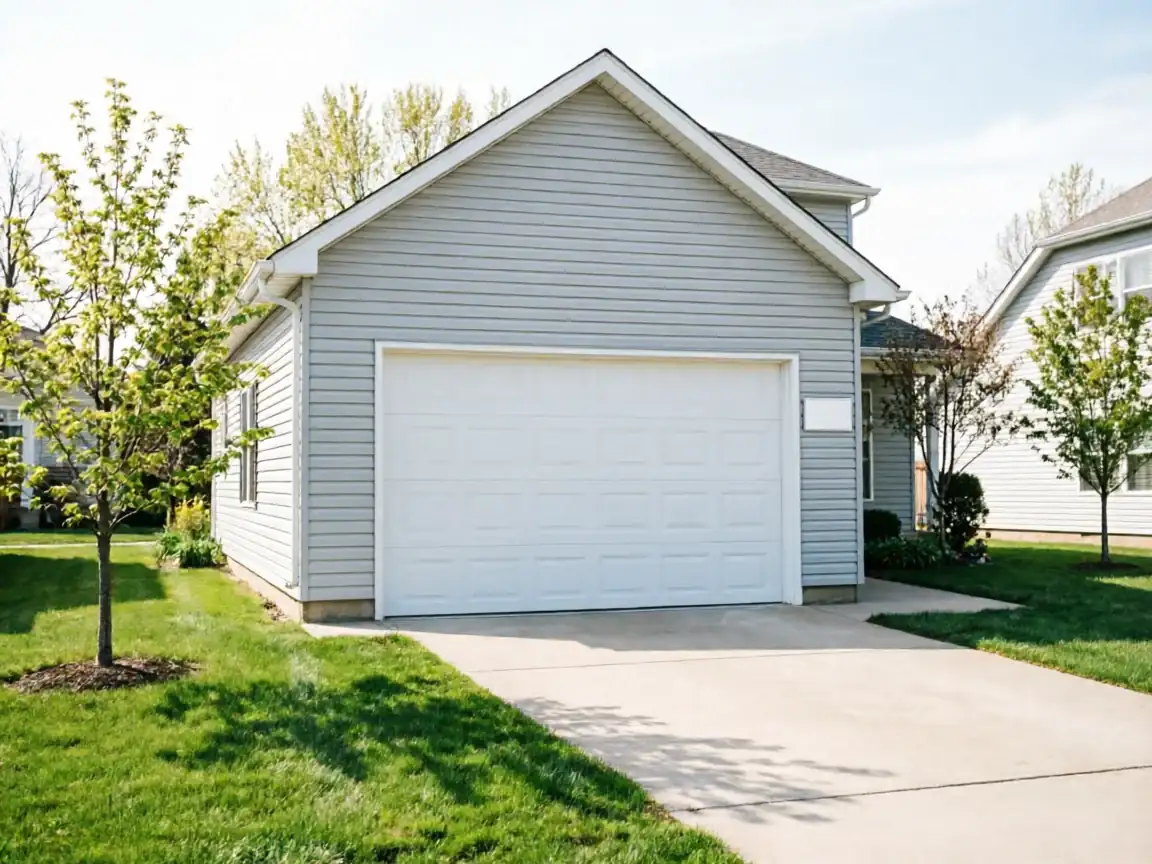
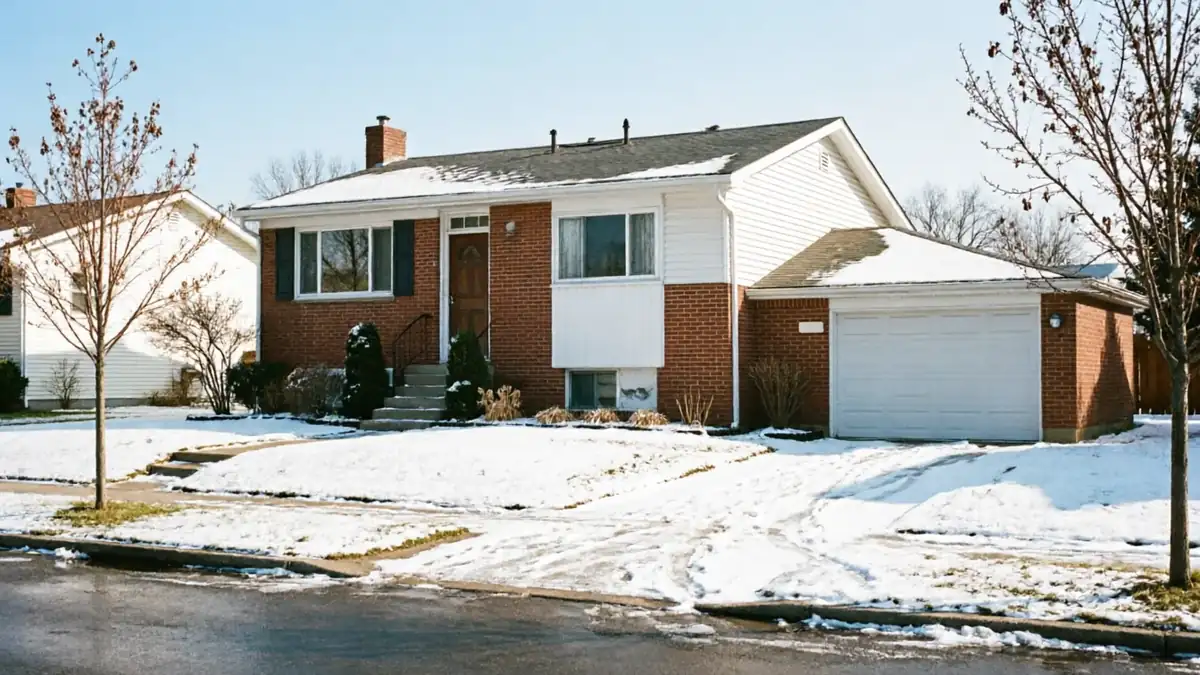
Hutchinson's housing stock skews old - most of it went up between 1943 and 1975, with 1964 as the typical build year - and garage doors from that era were built to a different standard than what's sold today. They're lighter, thinner, rarely insulated, and sized to openings that don't always match current standard widths, which is why a straight swap-in replacement isn't always possible without some framing work.
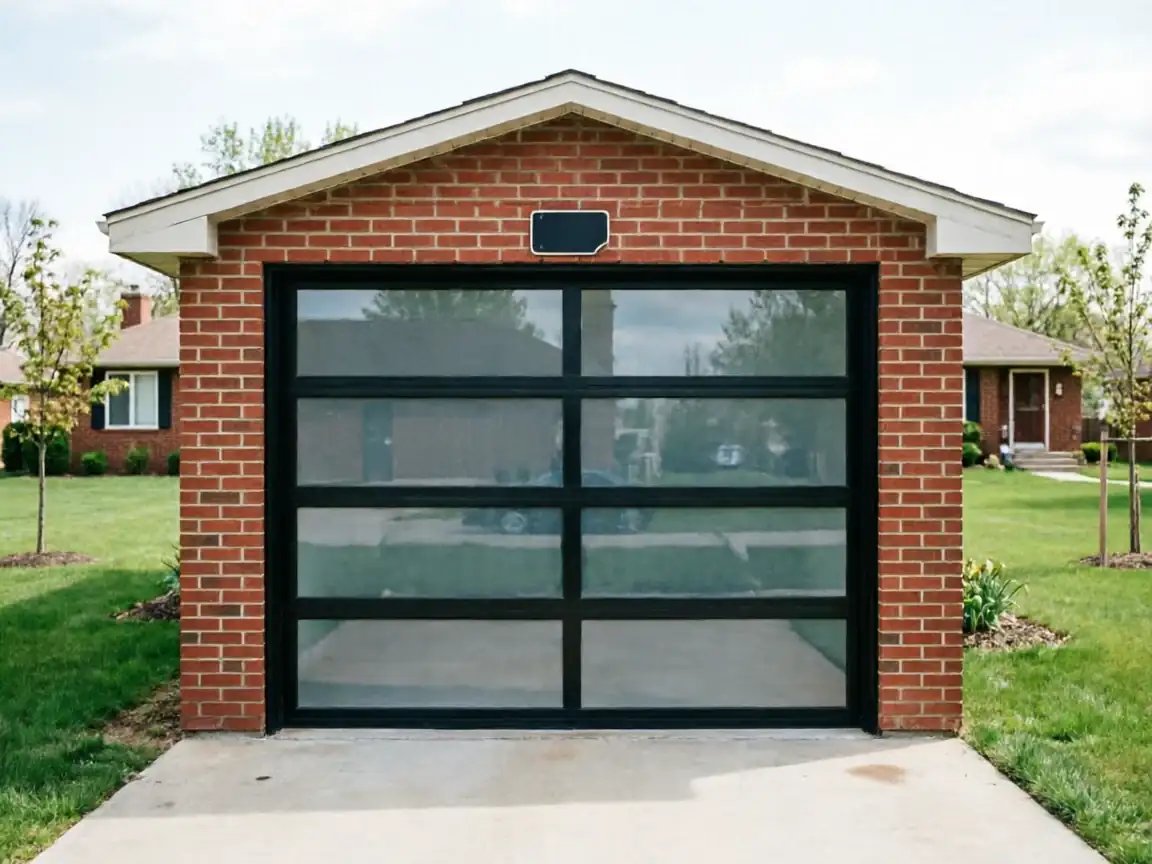
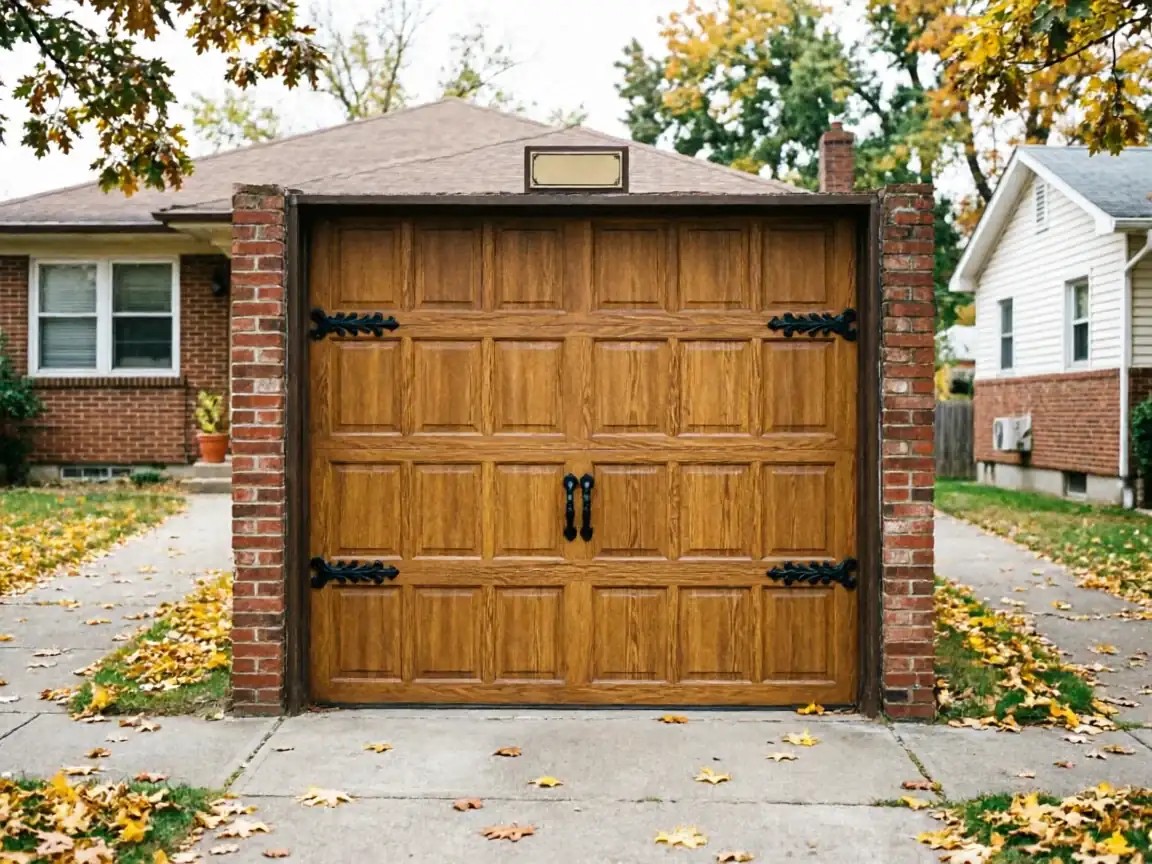
Hutchinson sits in a cold-moderate climate band, and a door built in the 1960s wasn't designed with that in mind the way current insulated steel doors are. On an attached garage, a non-insulated original door means the wall between the garage and the house is doing double duty trying to hold heat that the door is letting go. With 2,627 owner-occupied houses across the service area and a median household income of $63,119, most of the installs we do land in the mid-range insulated steel category - solid, efficient, not custom - rather than premium wood-look or glass-panel doors, and that's simply what fits both the housing and the budget most owners here are working with.