What Is on the Truck
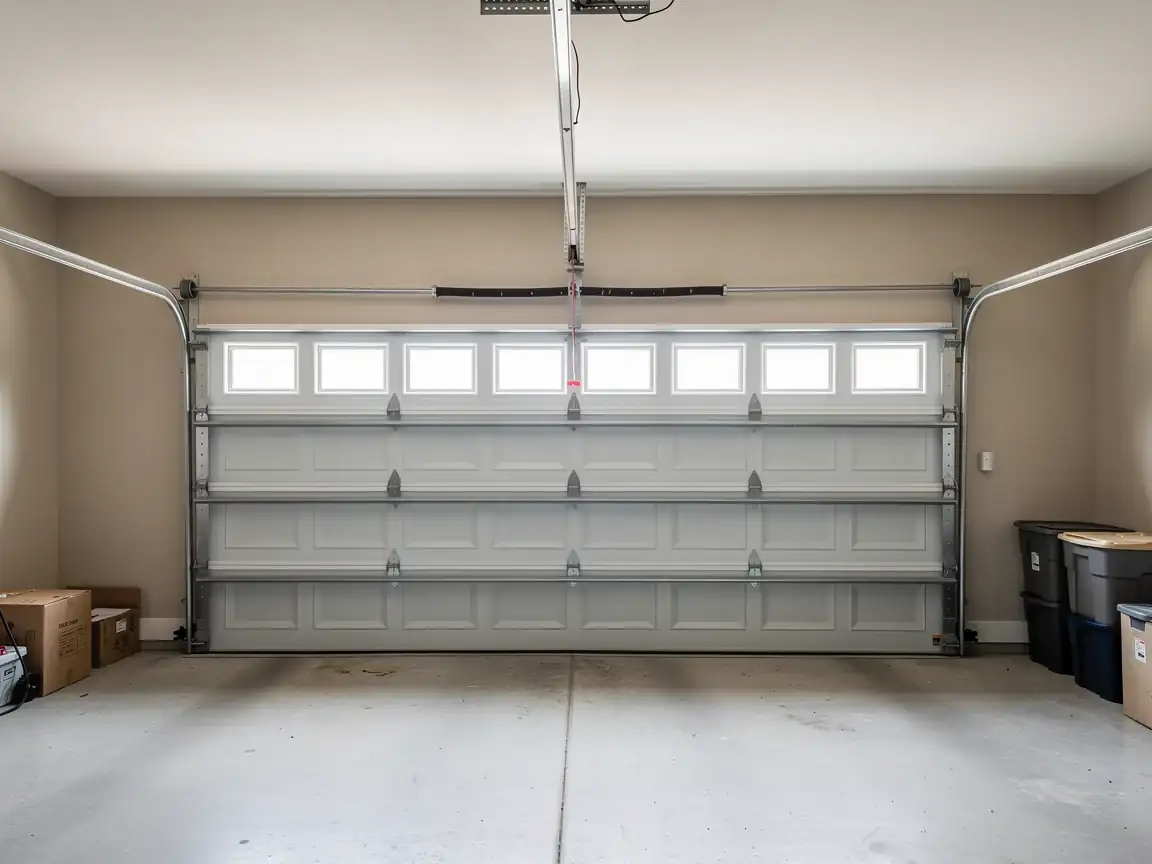
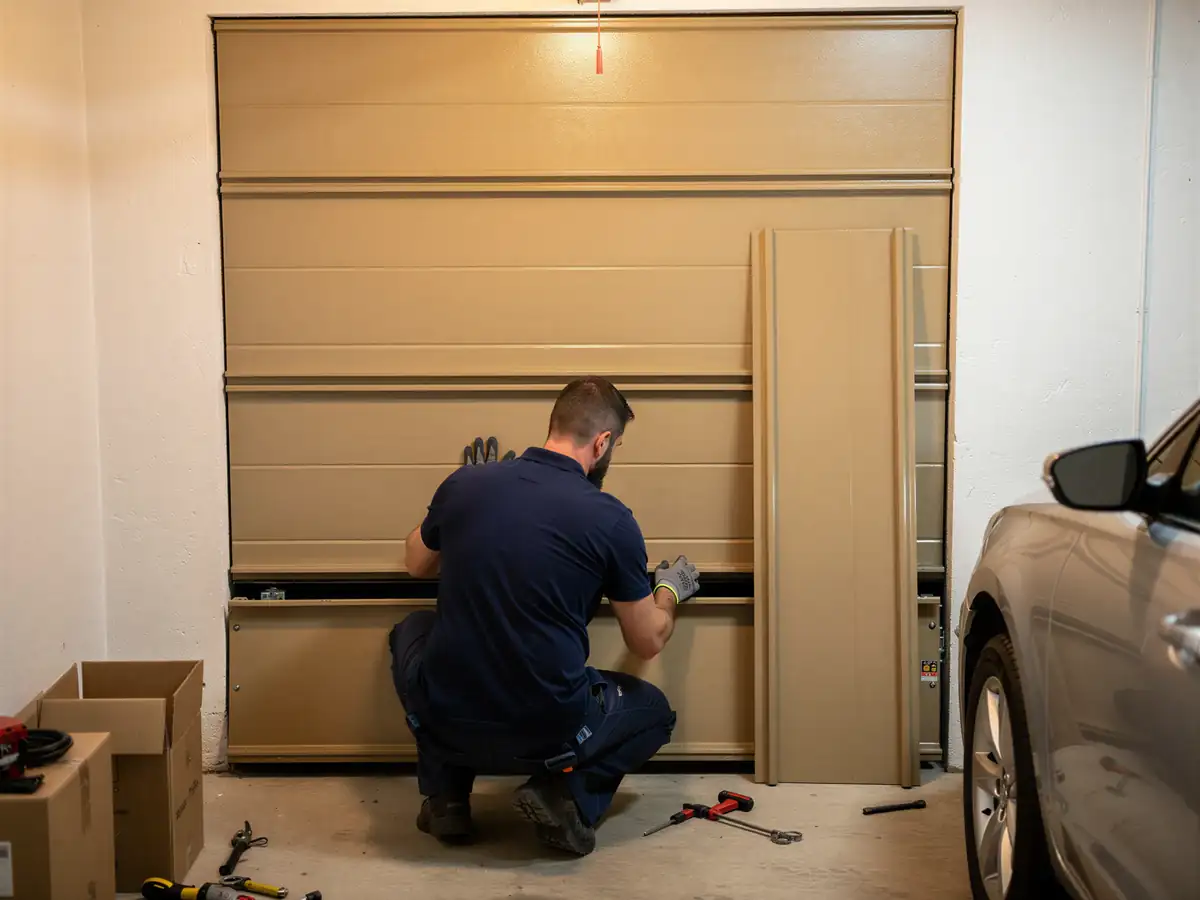
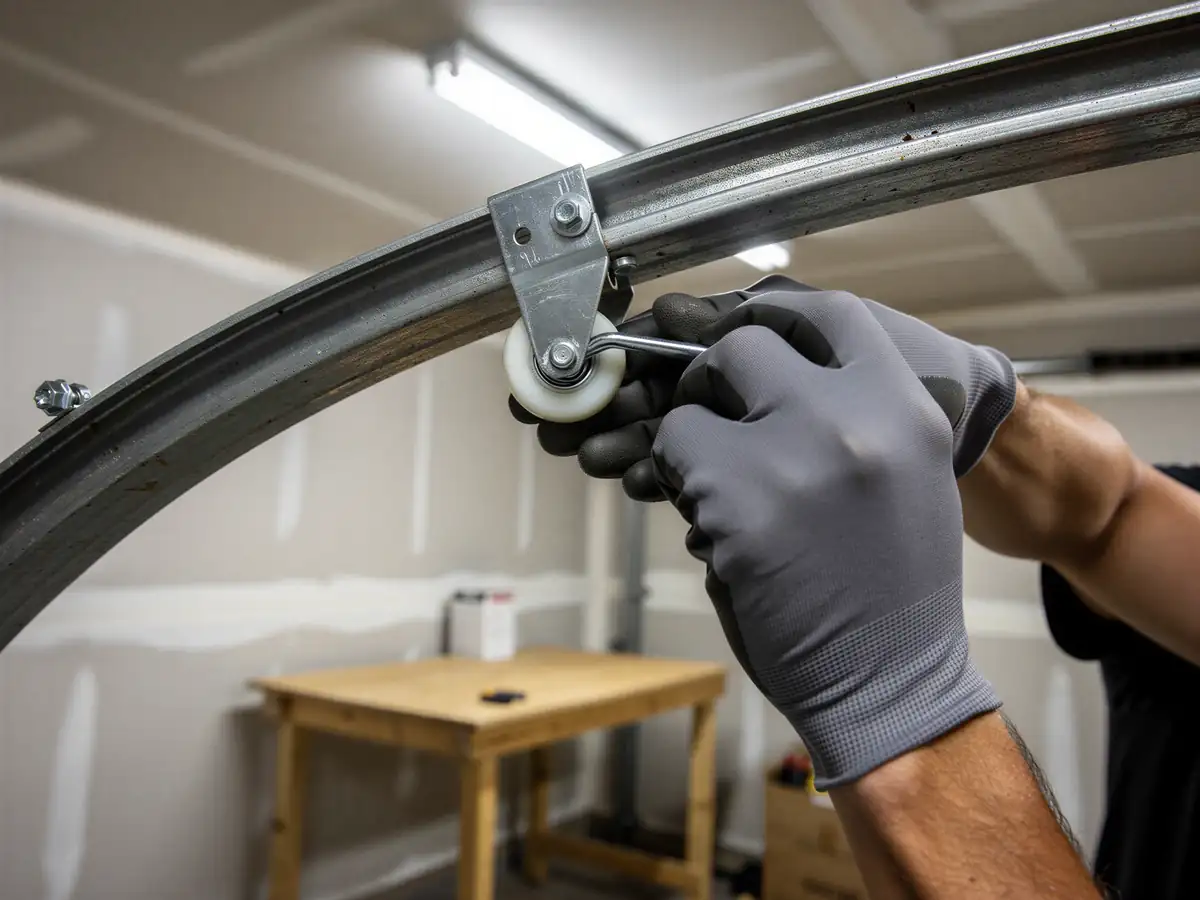
Every truck we send into Hutchinson carries torsion springs sized for the doors that actually went up here - which, given that the median house in this service area dates to 1964, means a lot of 7-foot and 8-foot openings on side-mounted torsion hardware rather than the center-mount setups you see in newer subdivisions. We stock standard wind springs in the diameters that fit 1960s and 1970s framing, plus the shorter aluminum track sections that era used before rollformed steel track became common. We also carry universal opener logic boards and drive gears, because a lot of the openers out here have been swapped once already and don't match the original door hardware anymore. What we don't carry on every truck is a part for a door nobody's made in thirty years - if your panel is a discontinued profile, we'll tell you that on the spot instead of promising a part that isn't coming.
We load heavier-gauge cable for doors in this price and age range because thinner cable fatigues faster on springs that have already been cycling for decades. Lubricant goes on the truck too - the kind rated for cold, not the all-purpose stuff that gums up once the temperature drops.
How We Fix It
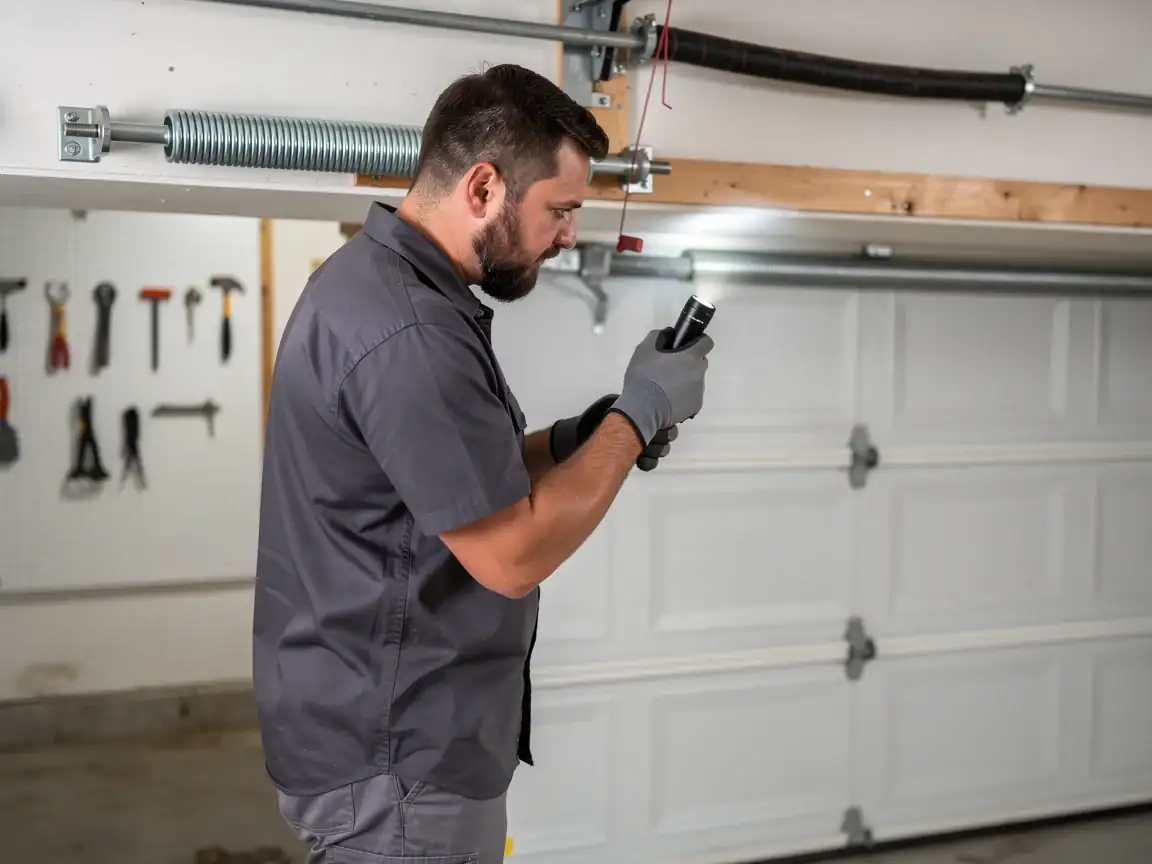
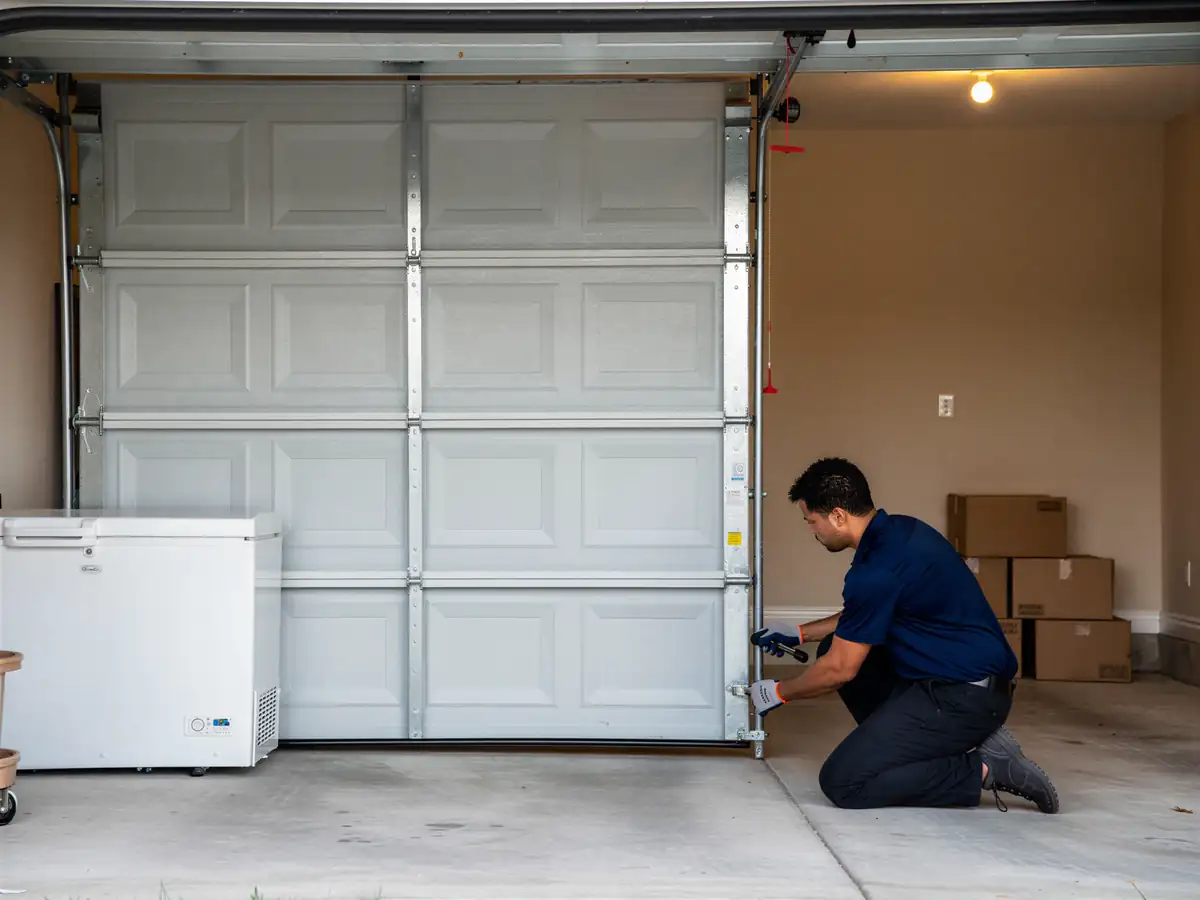
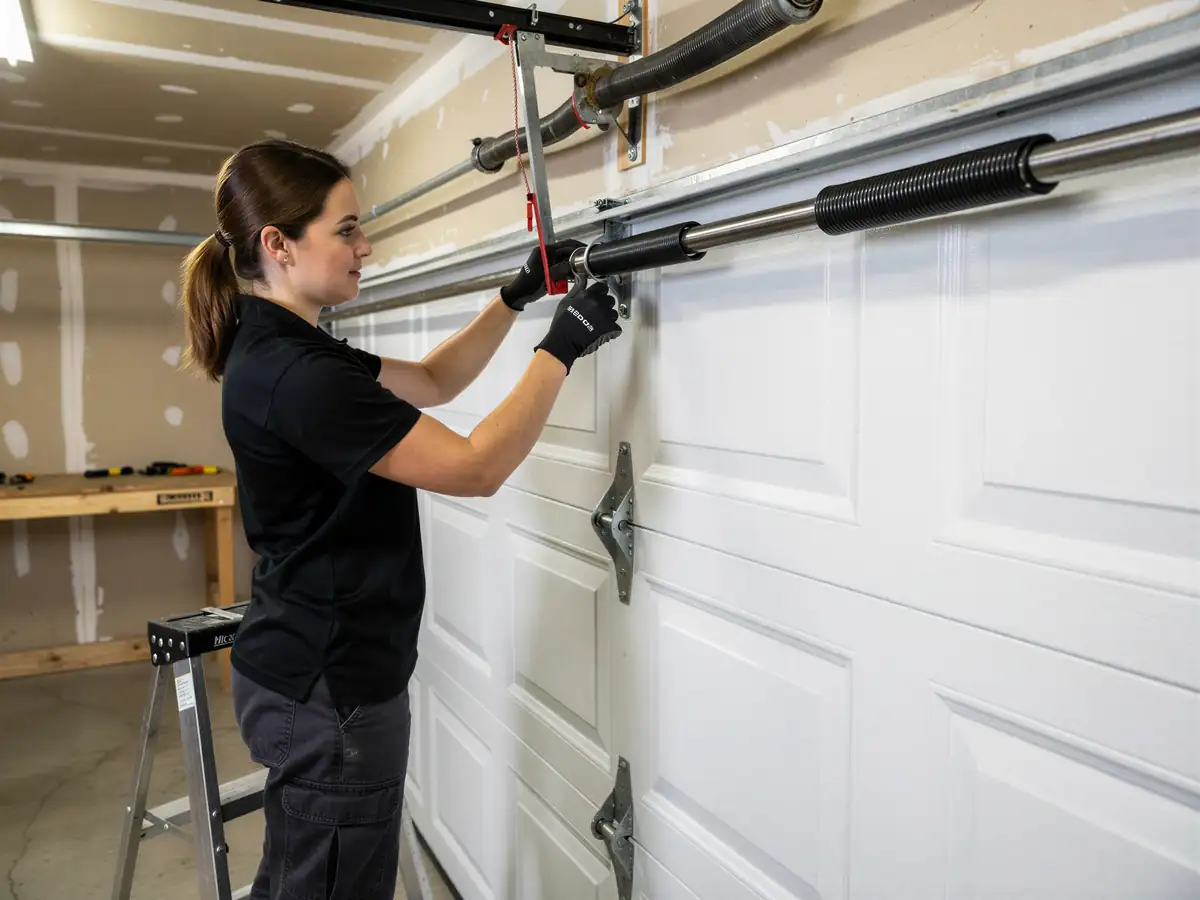
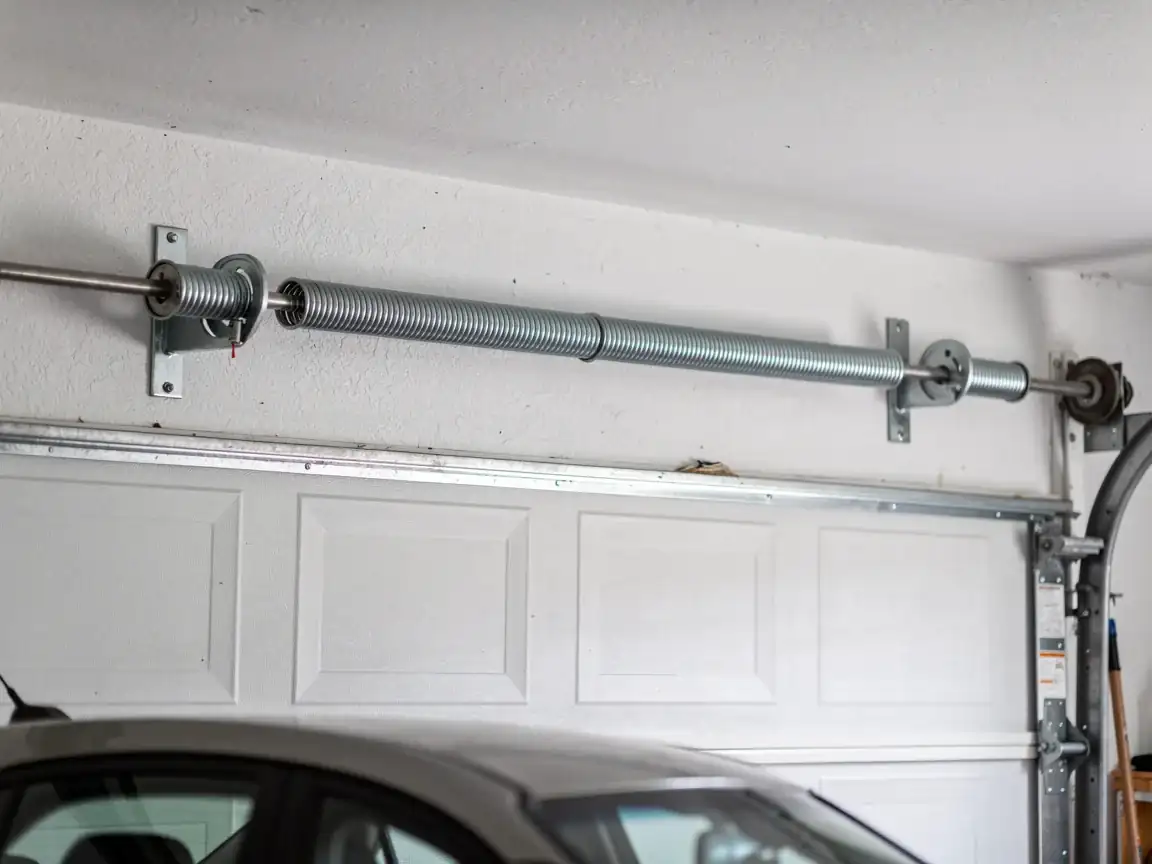
On a torsion spring call, we unwind and remove the failed spring
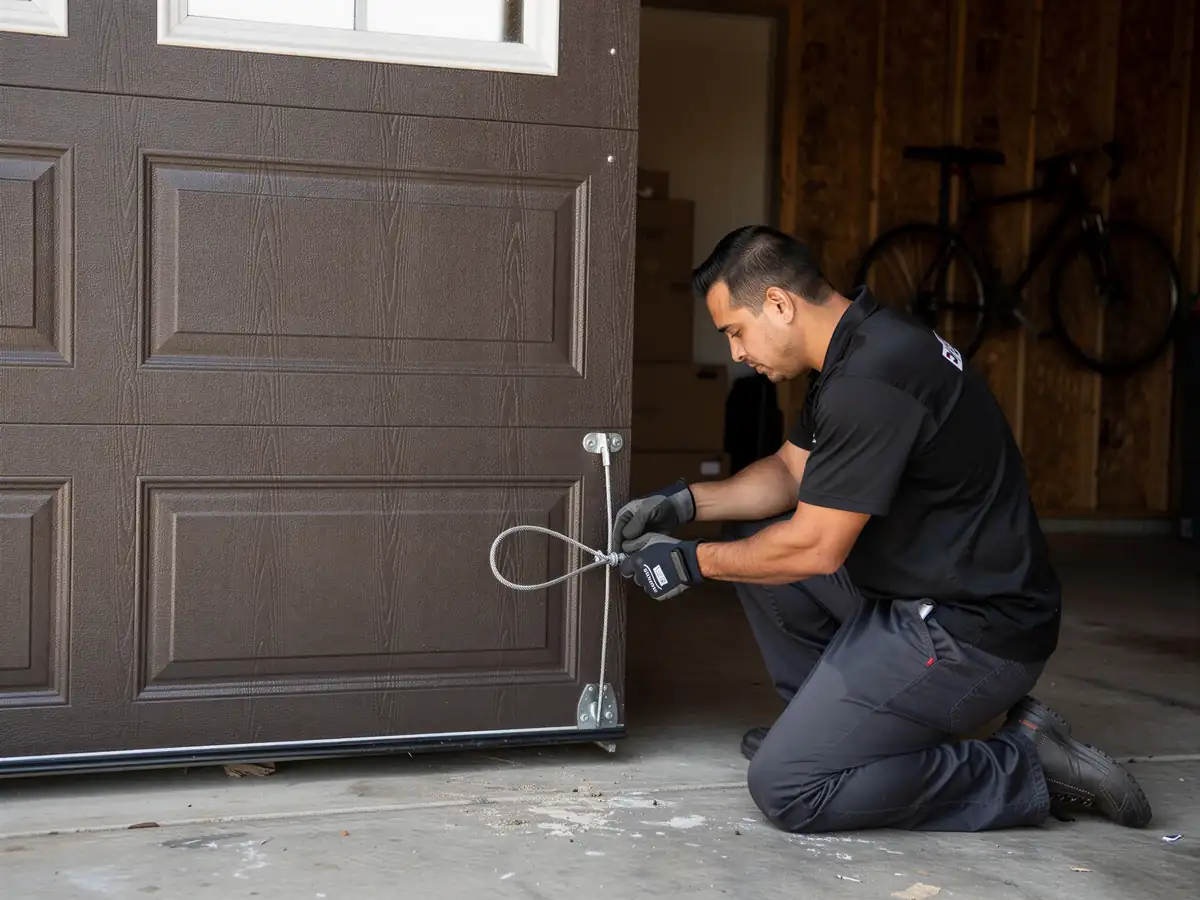
Check the shaft and bearing plates for wear (common once a spring's been running 15-20 years in this climate), and replace with a spring matched to the door's actual weight, not just the hole in the bracket. If the drums or cable are scored, those come off too - replacing only the spring and leaving worn cable on an old system is how you get a second call six months later.
- 20 years
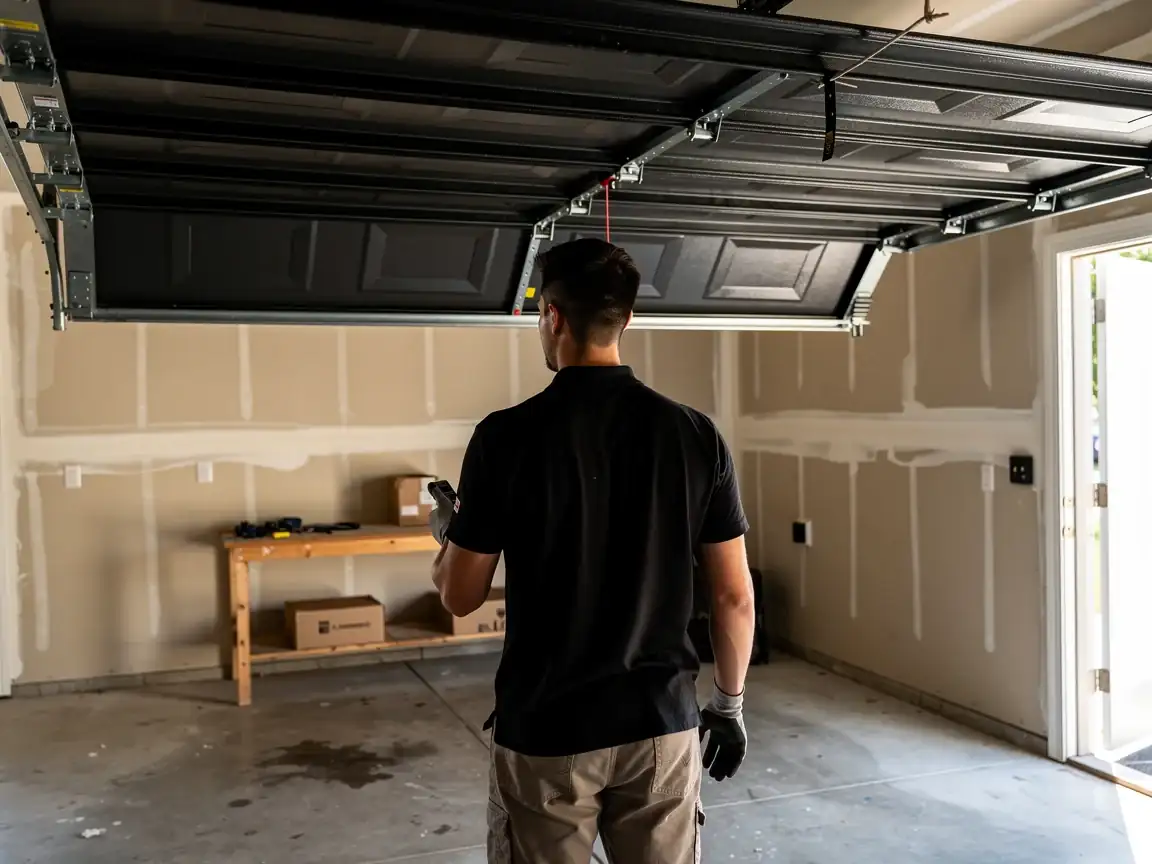
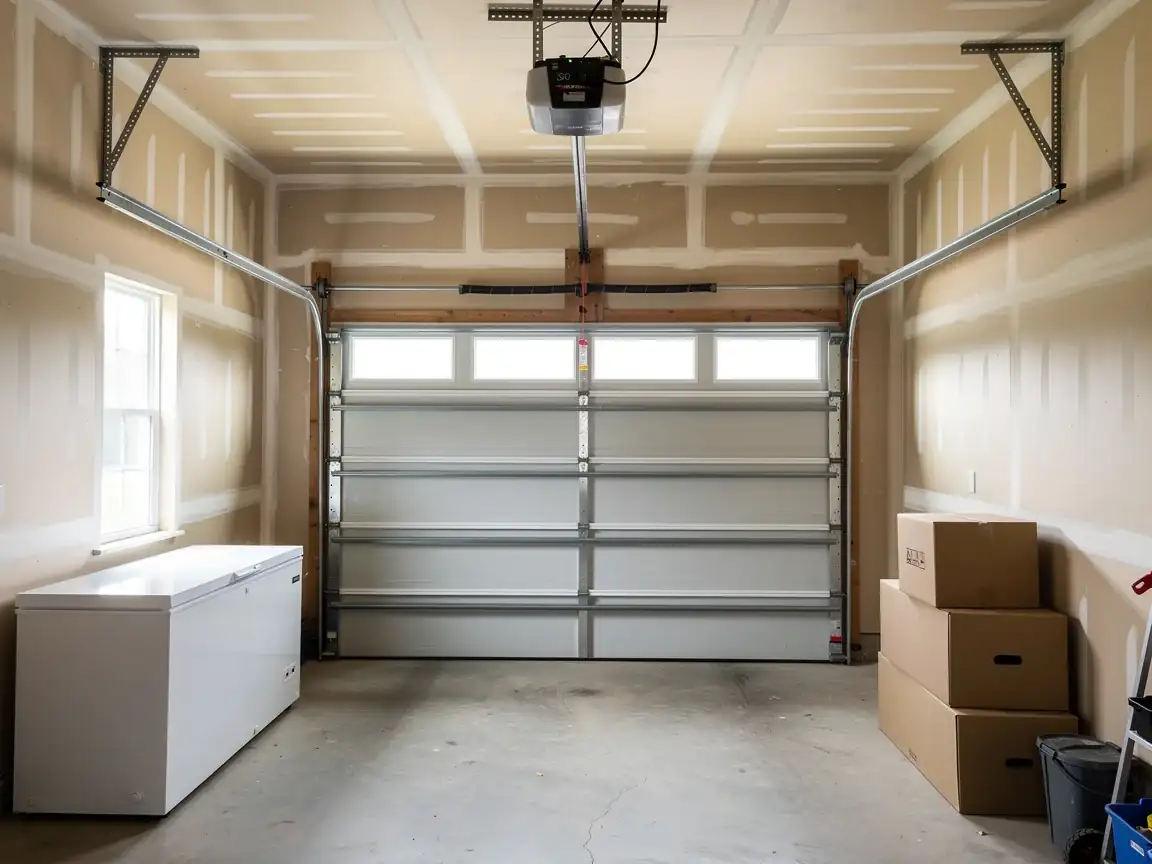
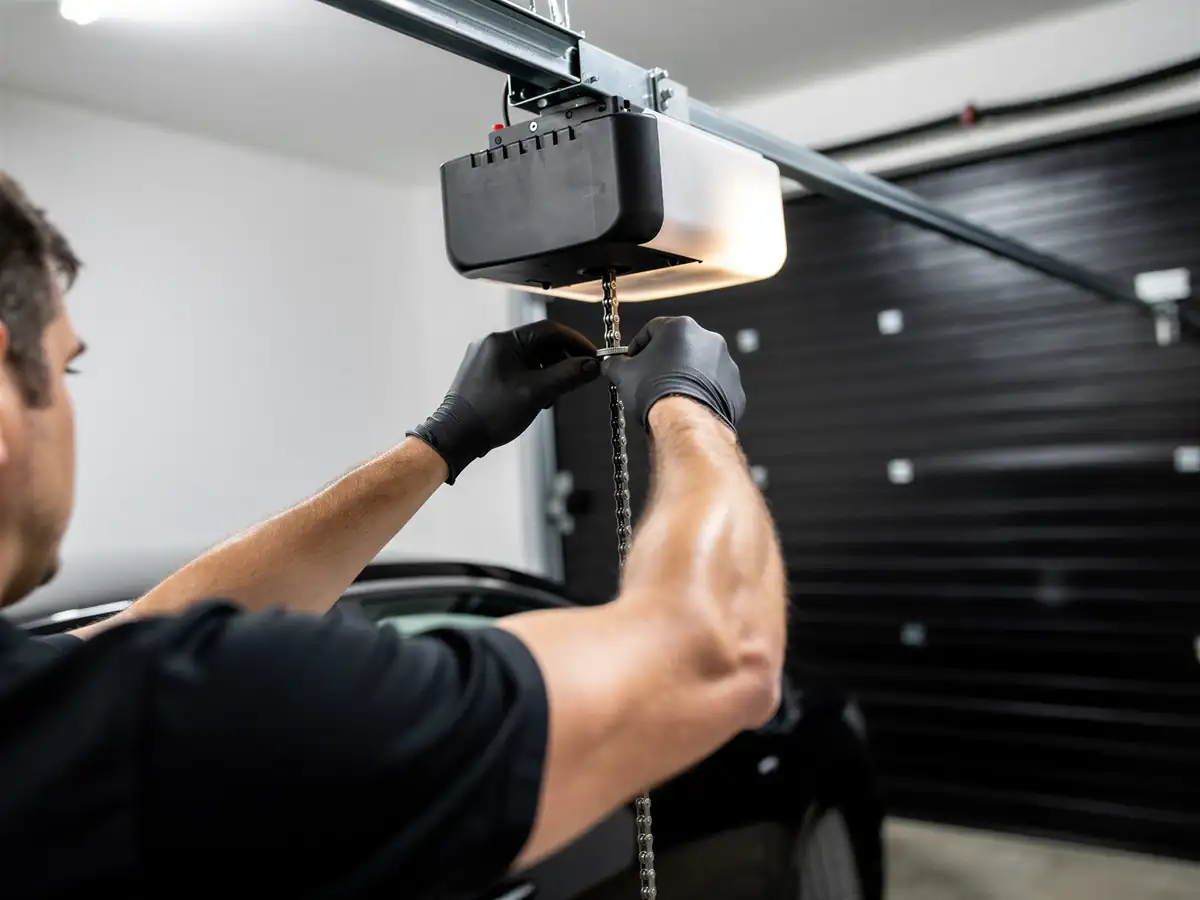
On opener failures, we test the logic board, the drive gear, and the sensor alignment before swapping anything
A lot of what reads as a dead opener in an older Hutchinson garage is actually a stripped gear from years of the motor straining against a spring that was already weak - so we check both at once. If the opener itself is original to a 1960s or 70s install, we'll say so, because parts for those motors stopped being made a long time ago and a repair at that point is usually more expensive than a new unit. That's the one call where we'll talk you out of a repair instead of into one.
The Symptom
The call usually starts the same way: the door is heavy to lift by hand, or the opener strains and reverses partway up, or there's a loud bang from the garage followed by the door refusing to move at all. Sometimes it's quieter - a door that used to run smooth now shudders on the way down, or one side drops faster than the other.
That unevenness is the tell. A torsion spring under a cold-weather crack won't always snap clean; sometimes it just loses tension gradually, and the door starts favoring one side because the cable on that end has slack it shouldn't. If you're hearing metal-on-metal grinding instead of a bang, that's usually the bearing plate, not the spring itself, and it's a different repair.
Why This Fails Locally
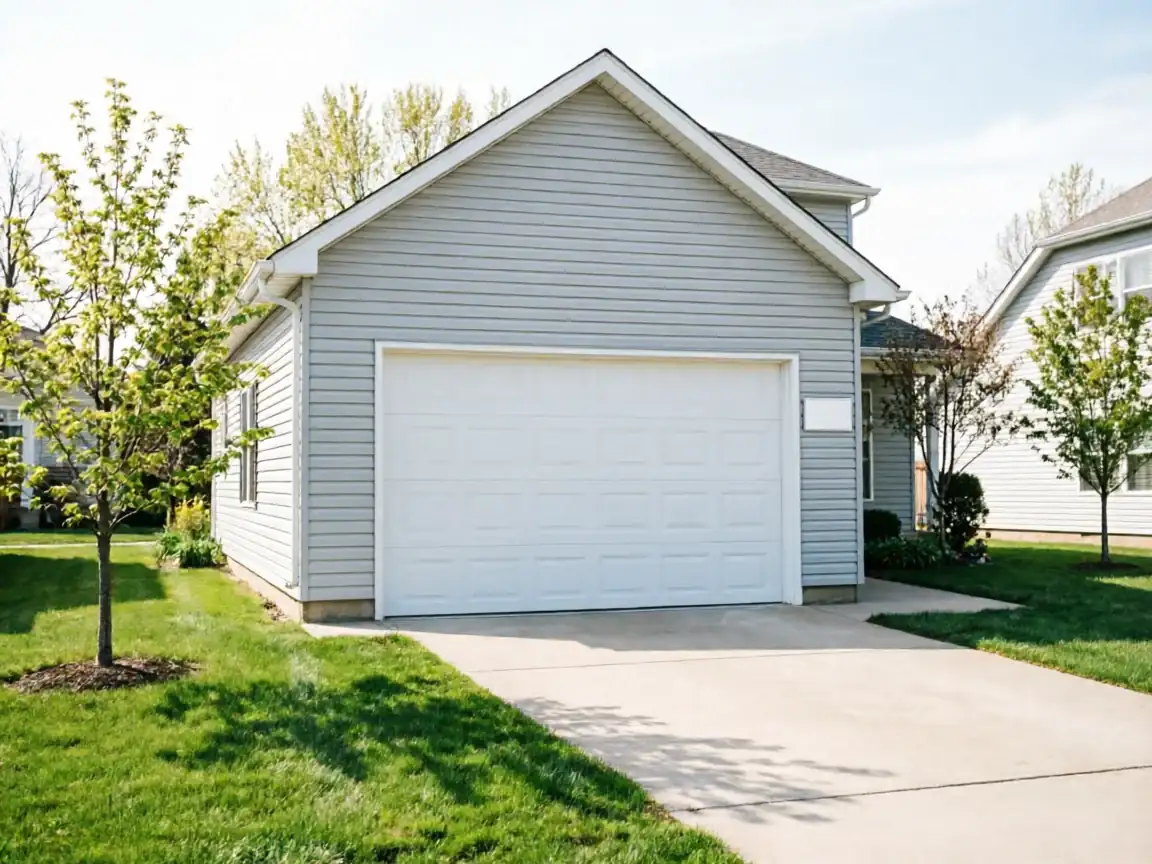
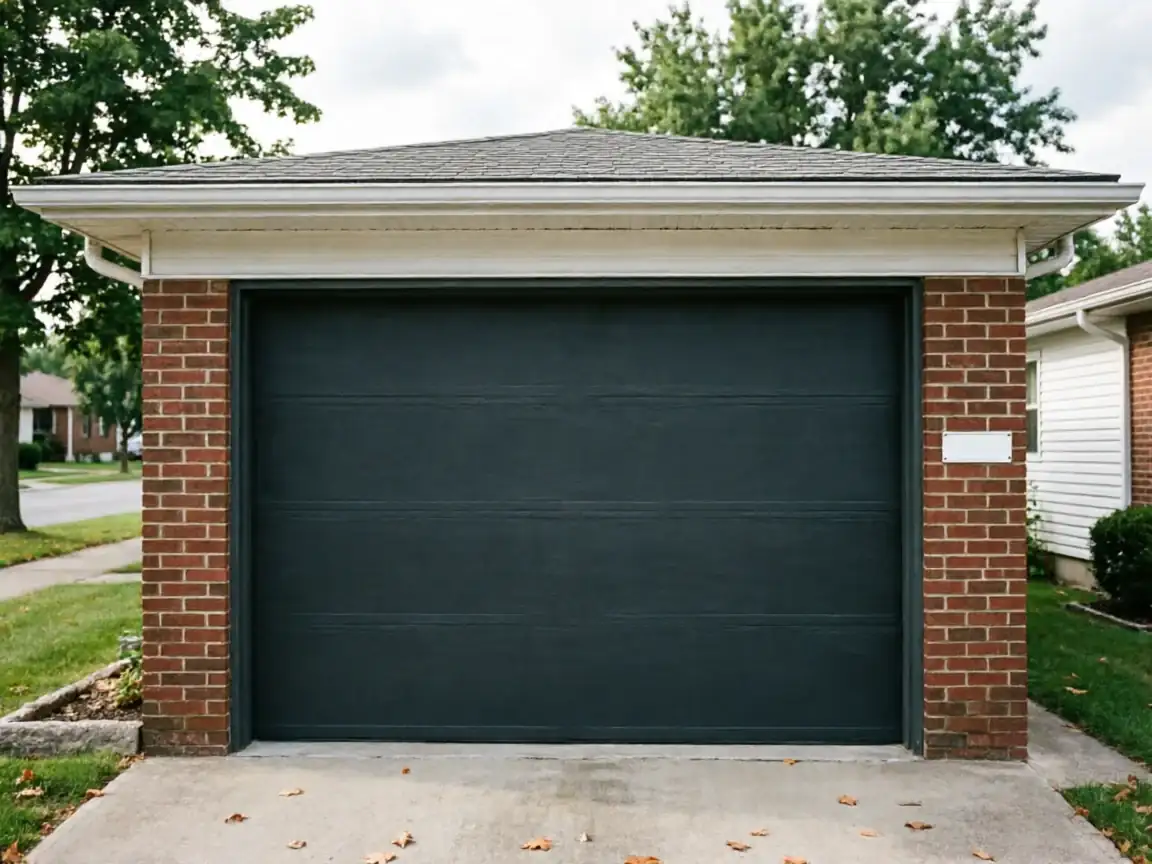
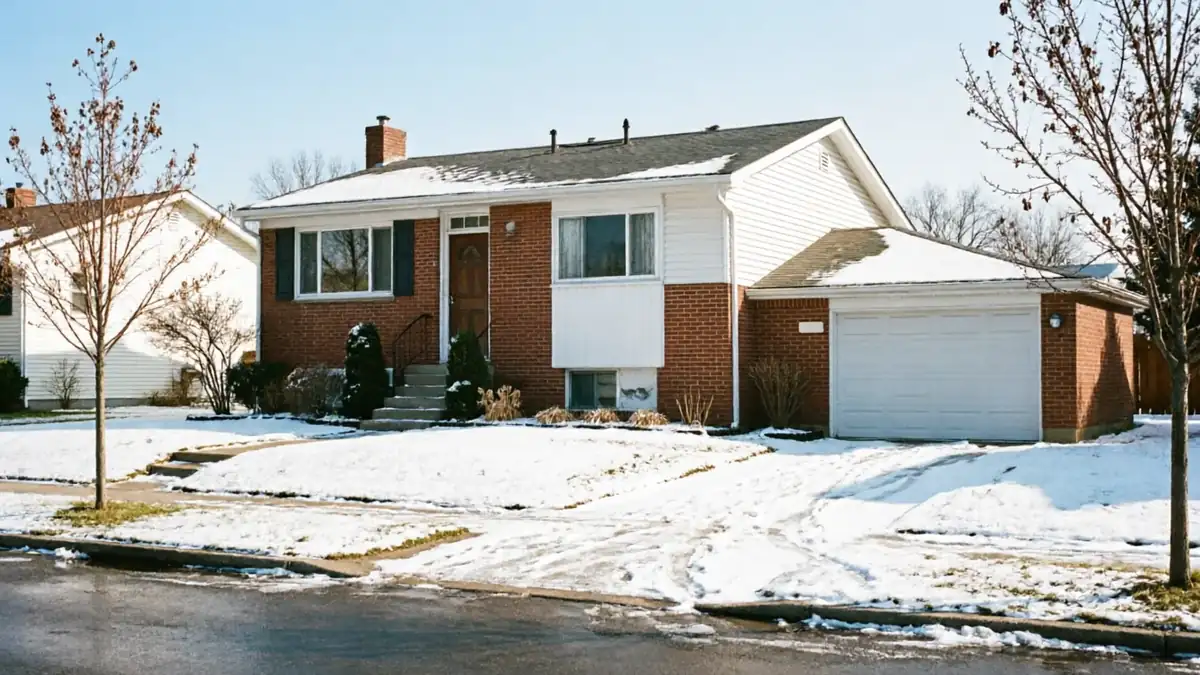
Hutchinson's housing stock across this service area runs mostly 1960s and 70s construction, with the median build year around 1964. Torsion springs are rated by cycle count, not by calendar year, but a 50-60 year old house has had a lot of winters to work through those cycles, and this is a cold-moderate climate - temperature swings that stiffen steel and dry out old lubricant are part of the yearly pattern here, not an occasional event. Metal fatigue accelerates in cold, and a spring that's already near the end of its rated life is far more likely to crack on a hard freeze morning than in July.
With 4,360 households and 2,627 owner-occupied houses in the area, a large share of the doors we get called on are original to houses from that same build window - meaning original springs, original track, and openers that have usually been replaced once but not matched to the hardware they're driving. At a median household income of $63,119, most owners we talk to want the repair that lasts, not the cheapest patch, which is part of why we replace worn cable and bearing plates alongside a spring instead of just swapping the one failed part.