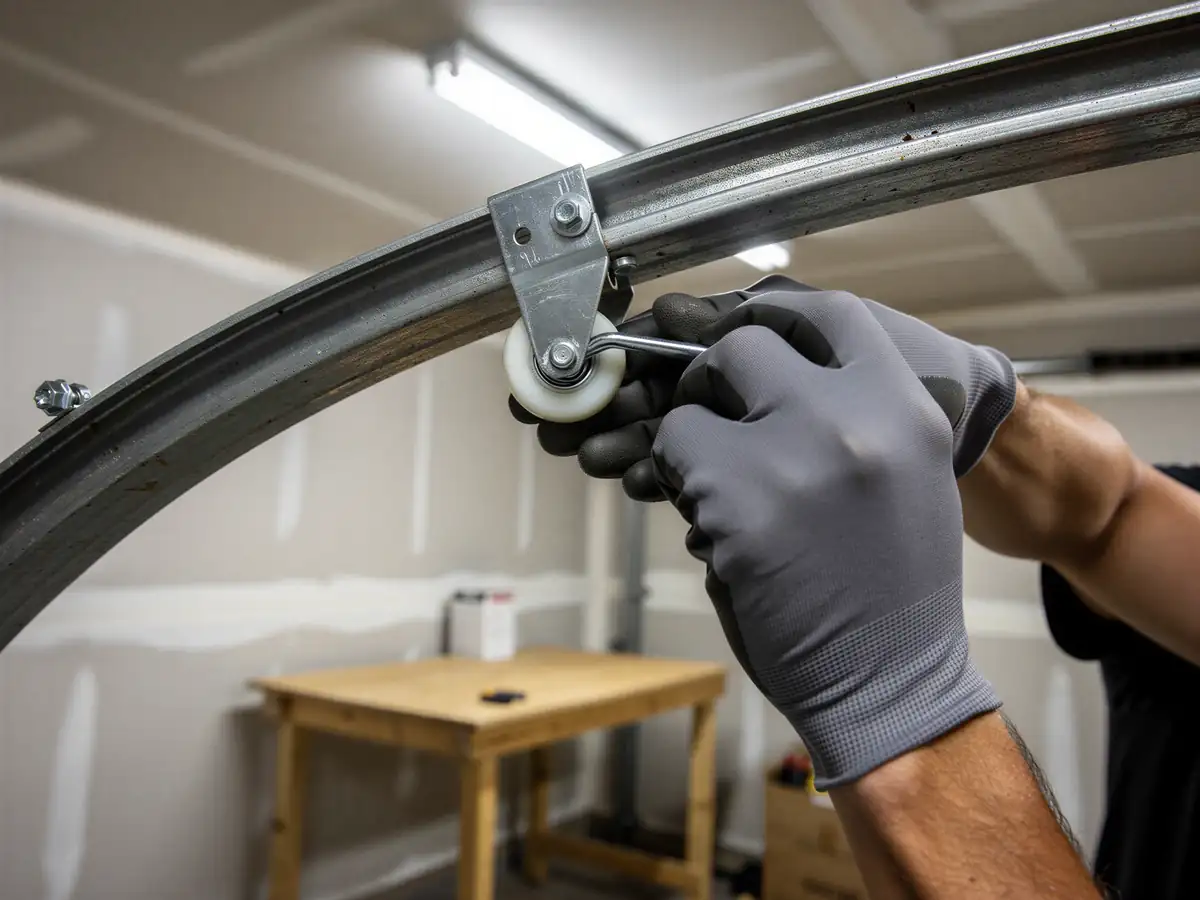
What Is on the Truck
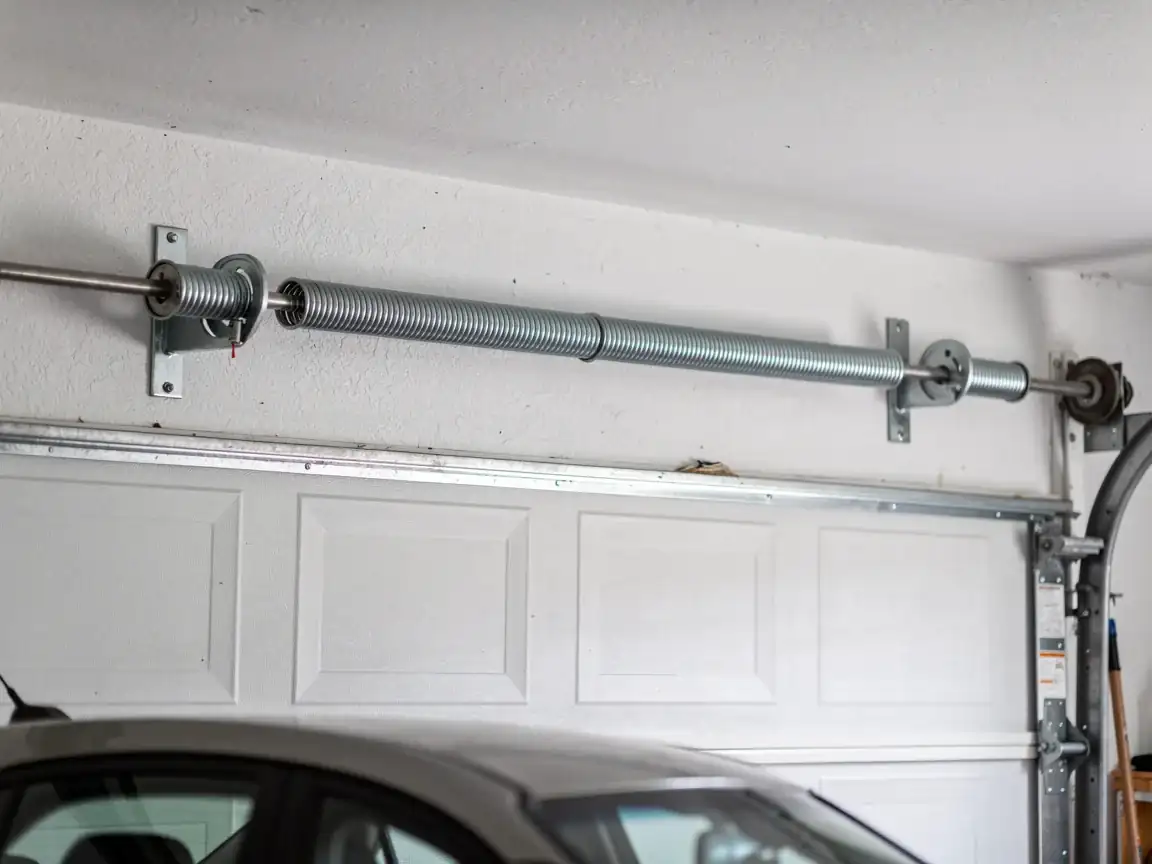
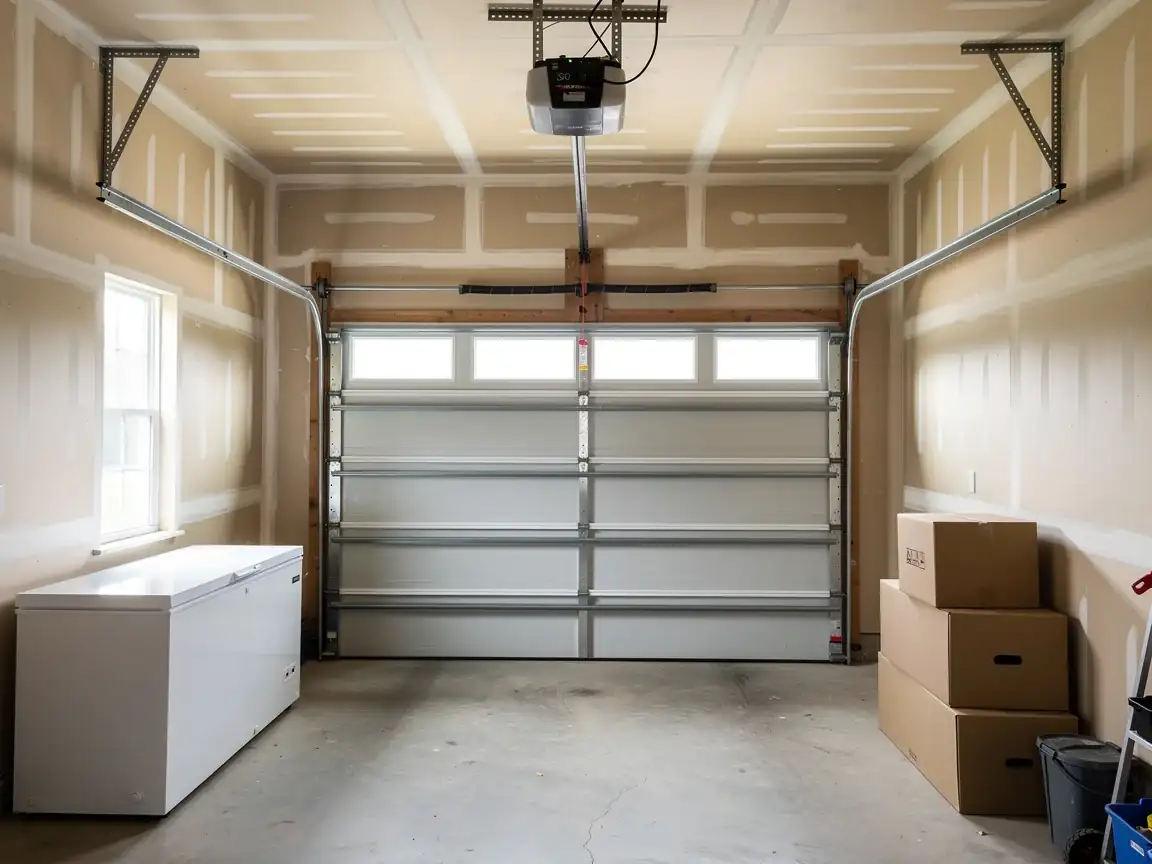
Most of what we carry is sized for the housing stock out here, not whatever's cheapest at a big-box store. That means torsion springs wound for 7-foot and 8-foot sectional doors, the standard cable sizes that match drums from the 1960s and 70s, and a run of extension spring kits for the older side-mounted setups still hanging in a lot of garages built between 1943 and 1975. We stock the common drum and cable combinations first because those are what actually breaks on this side of the state.
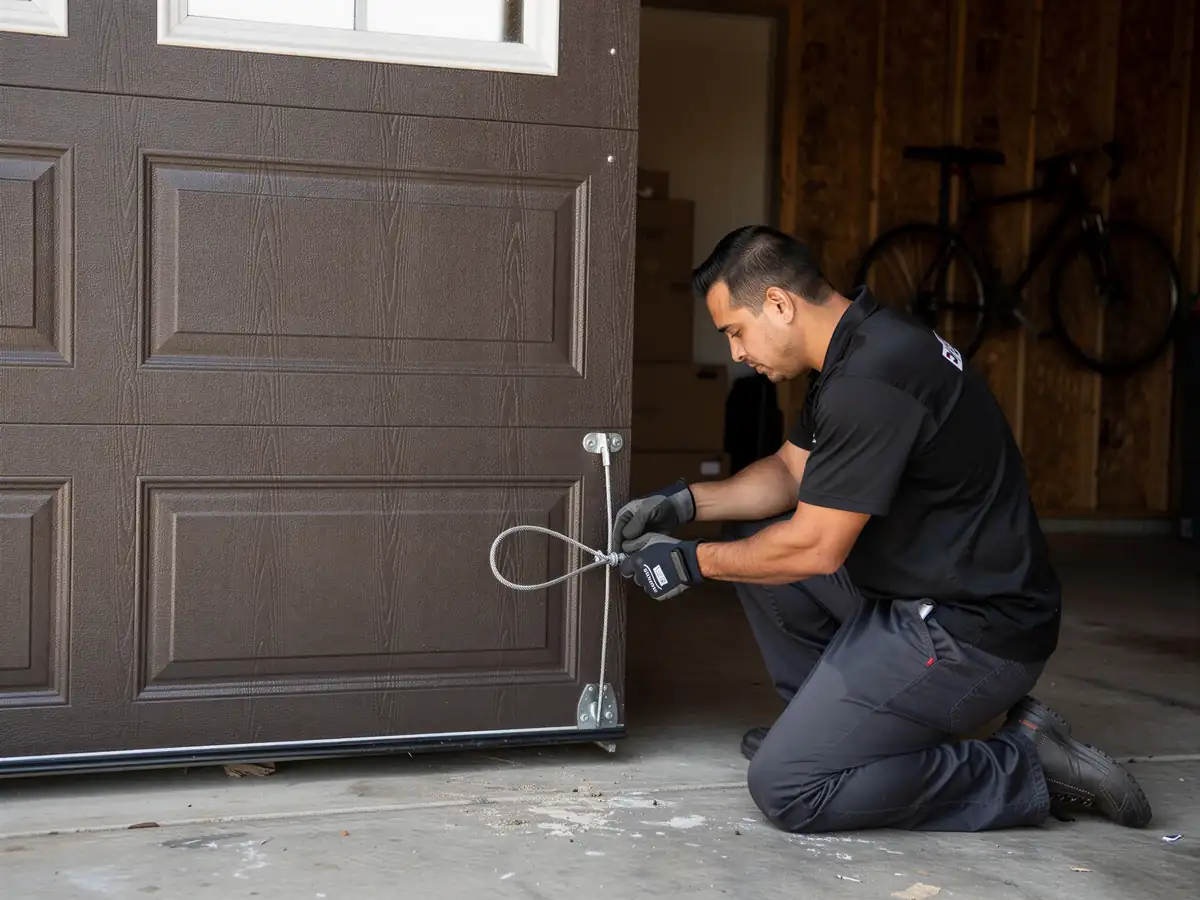
We also carry safety cables for extension spring systems that were never fitted with them when the door first went in - a lot of houses from that era simply didn't get them, and it's the cheapest upgrade we do on a service call.
What we don't carry is every obscure spring size ever made. If your door takes an oddball spring from a manufacturer that stopped making parts years ago, we may need to order it, and that can add a day or two. We'll tell you up front if that's the case instead of jury-rigging something that won't hold.
How We Fix It
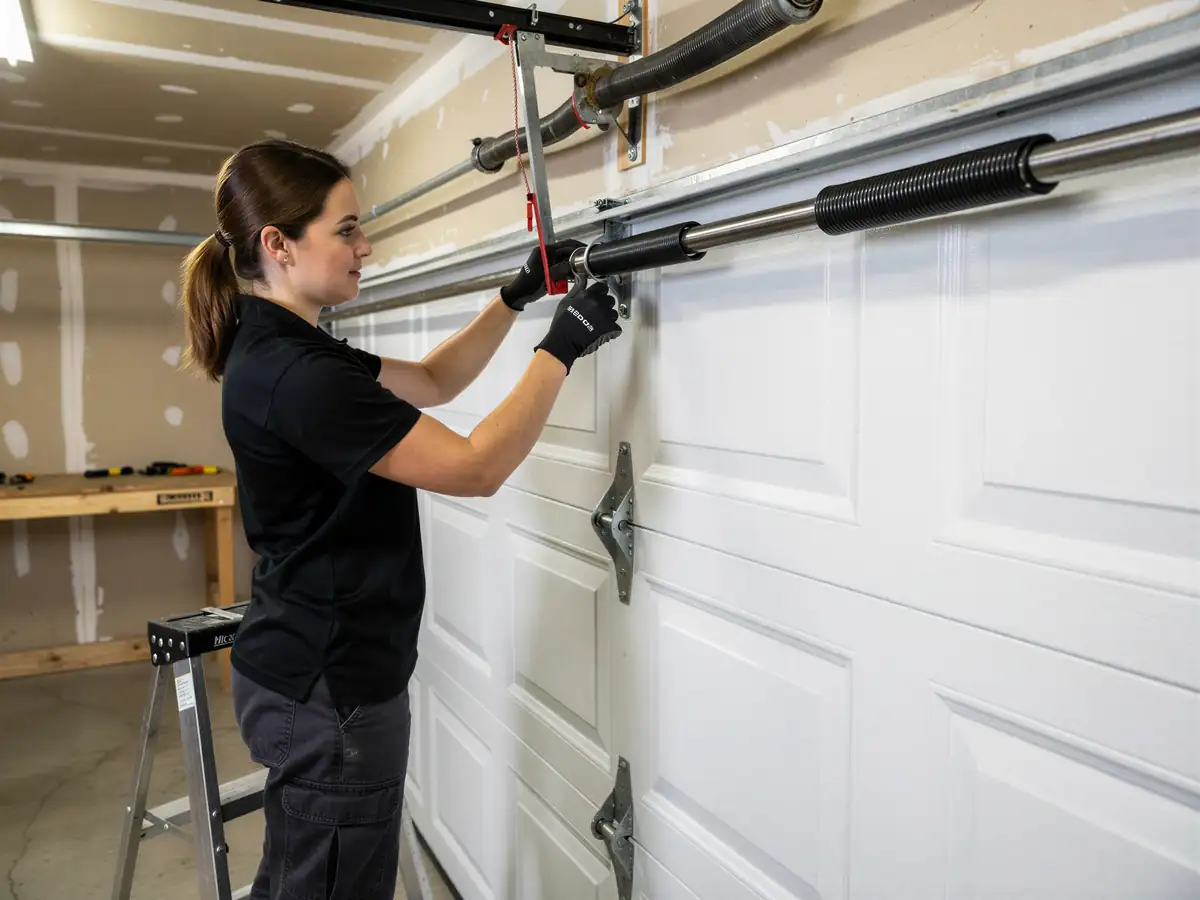
A torsion spring job starts the same way every time
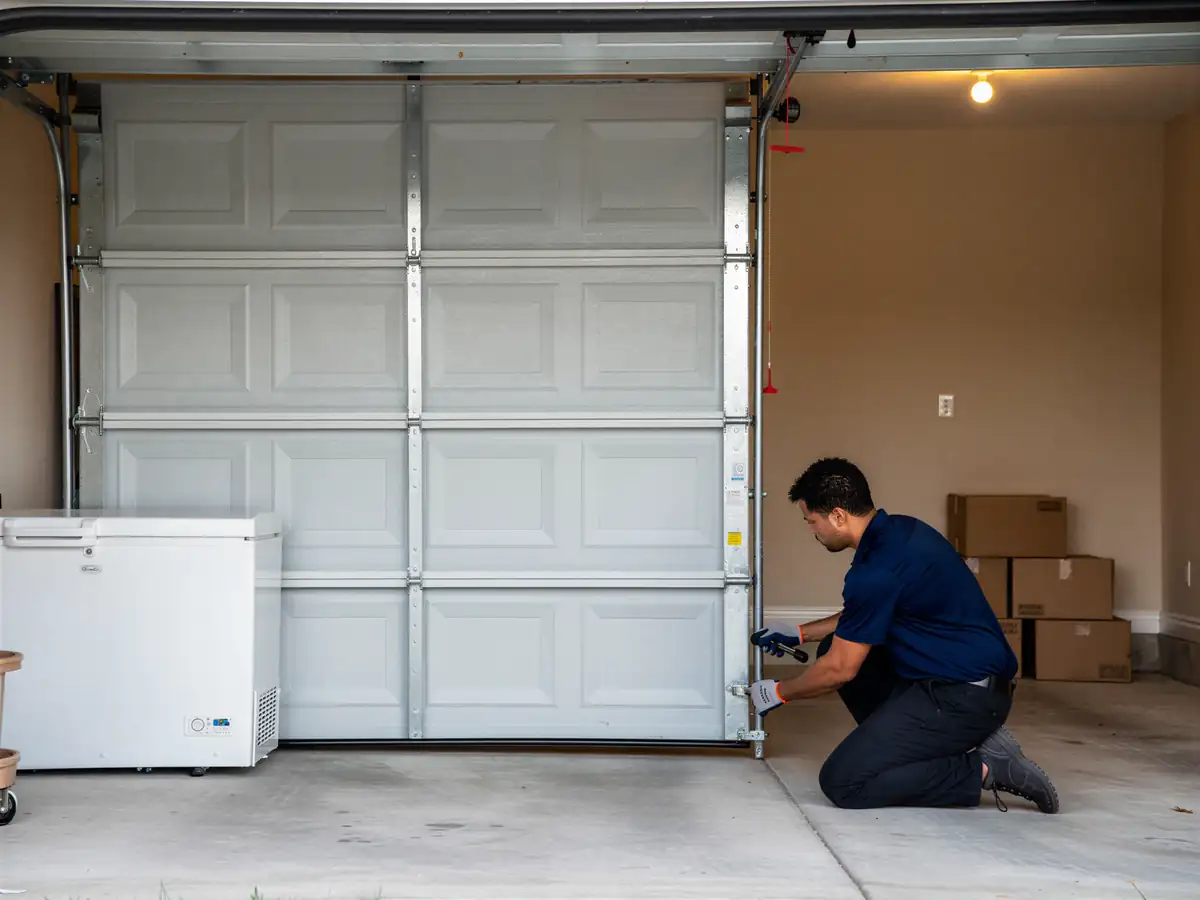
Door locked down with vise grips, winding bars set, old spring unwound under control before anything gets touched. We measure wire diameter, inside diameter, and length against the drum and shaft you've got, because a spring that's close enough is a spring that fails again in a year.
For extension spring doors
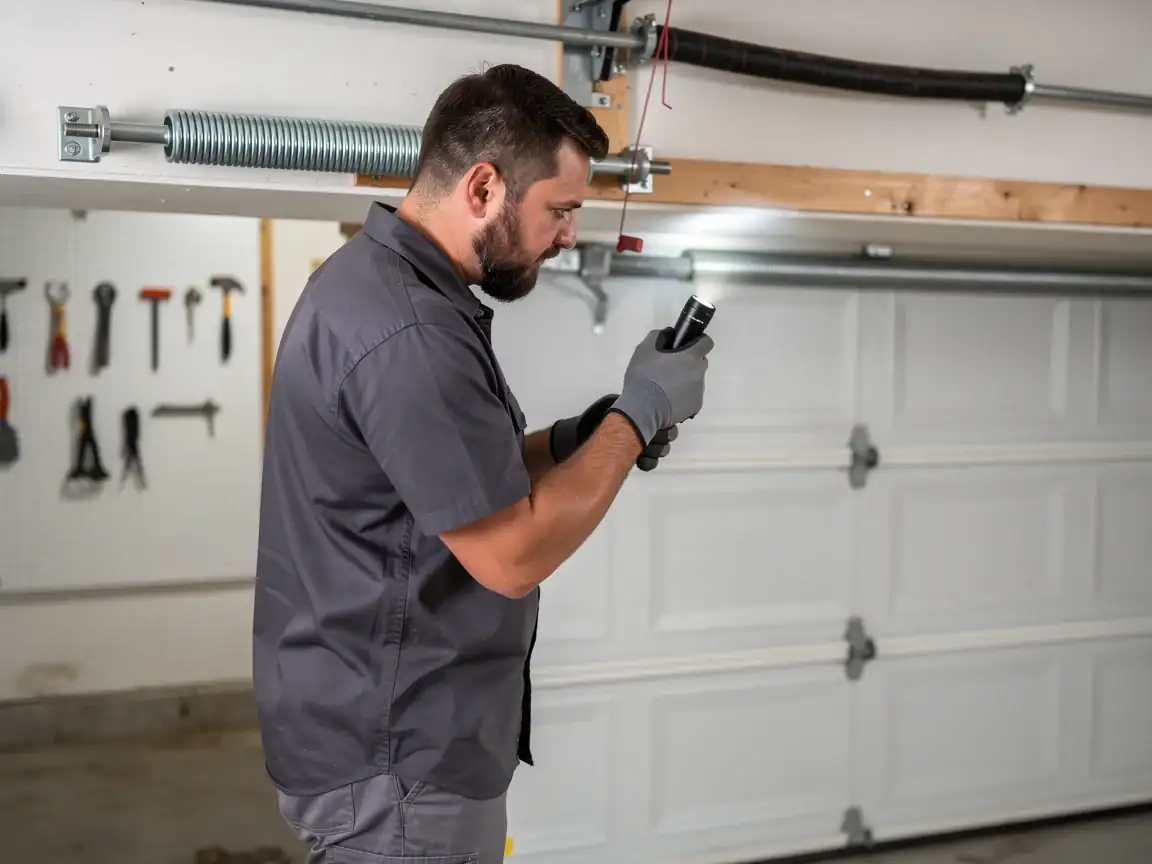
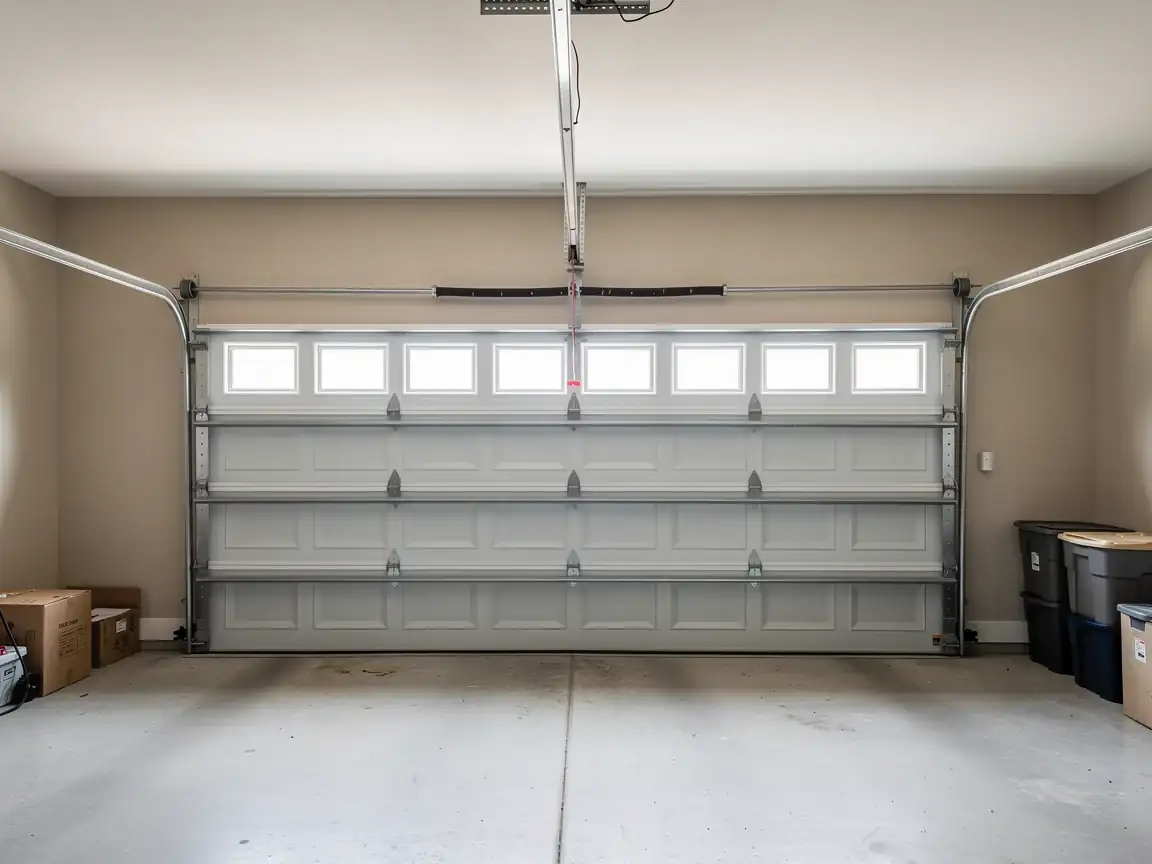
Still common on the older houses in this service area - the process is different. We check both springs even if only one let go, since they wear at close to the same rate and age together. We also check for frayed cable at the drum, since a spring failure often takes a cable partway with it and leaves a second problem waiting.
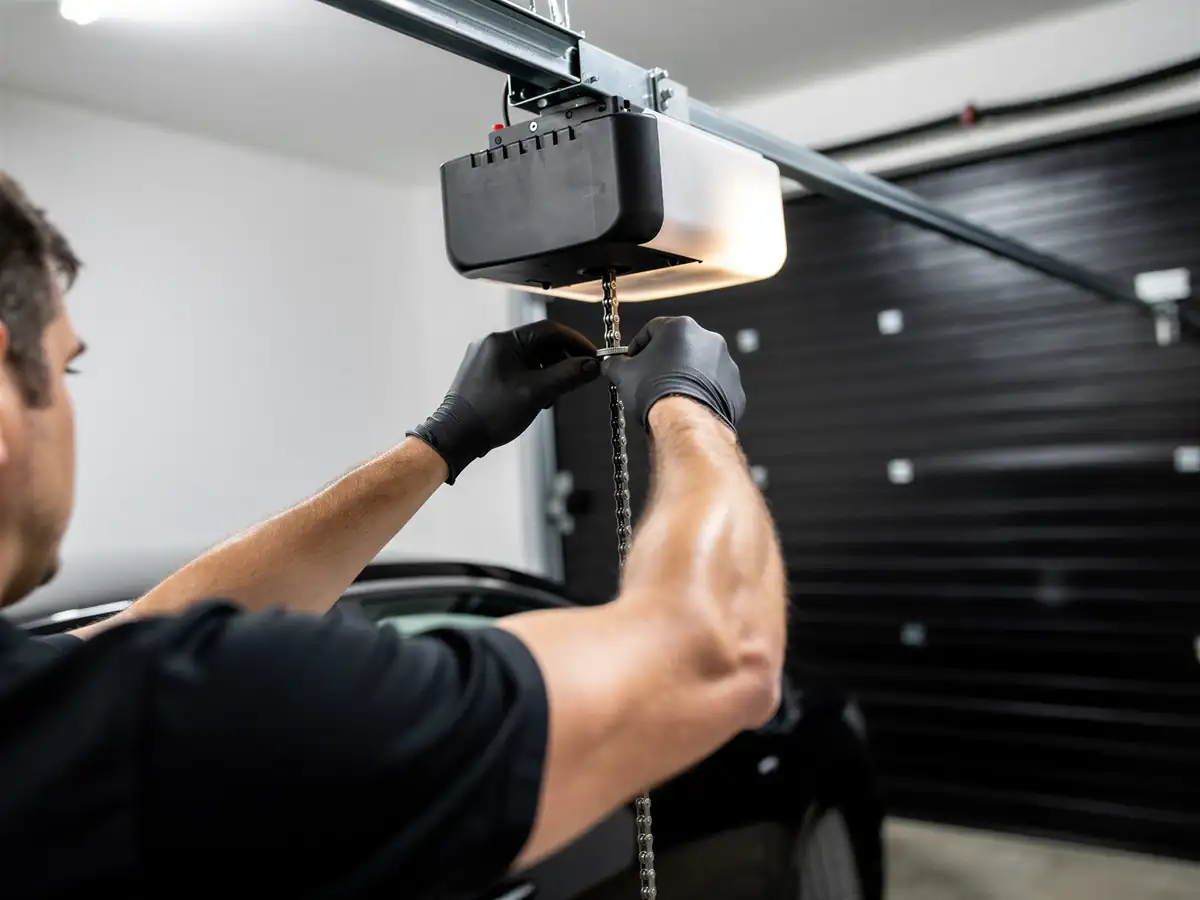
Once the new spring is set, we balance the door by hand before letting the opener take any weight again
A door that isn't balanced puts strain on the opener's gears and motor, which is how one broken spring turns into two repairs instead of one.
The Symptom
The door won't budge, or it starts up and then the opener strains and stalls halfway - that's a broken torsion spring nine times out of ten. If you pulled the release cord and tried to lift the door by hand and it felt like dead weight instead of folding up with almost no effort, same answer.
A loud bang from the garage, usually heard from inside the house, is a torsion spring letting go under tension. It sounds worse than most of the repair actually is, but it's not safe to keep opening the door with a cycle counter on the opener forcing it through.
Extension spring failures look different: one side of the door hangs lower than the other, or the door goes up crooked and binds in the tracks. That uneven pull is what eventually damages the track itself if it sits unrepaired for more than a few cycles.
Why This Fails Locally
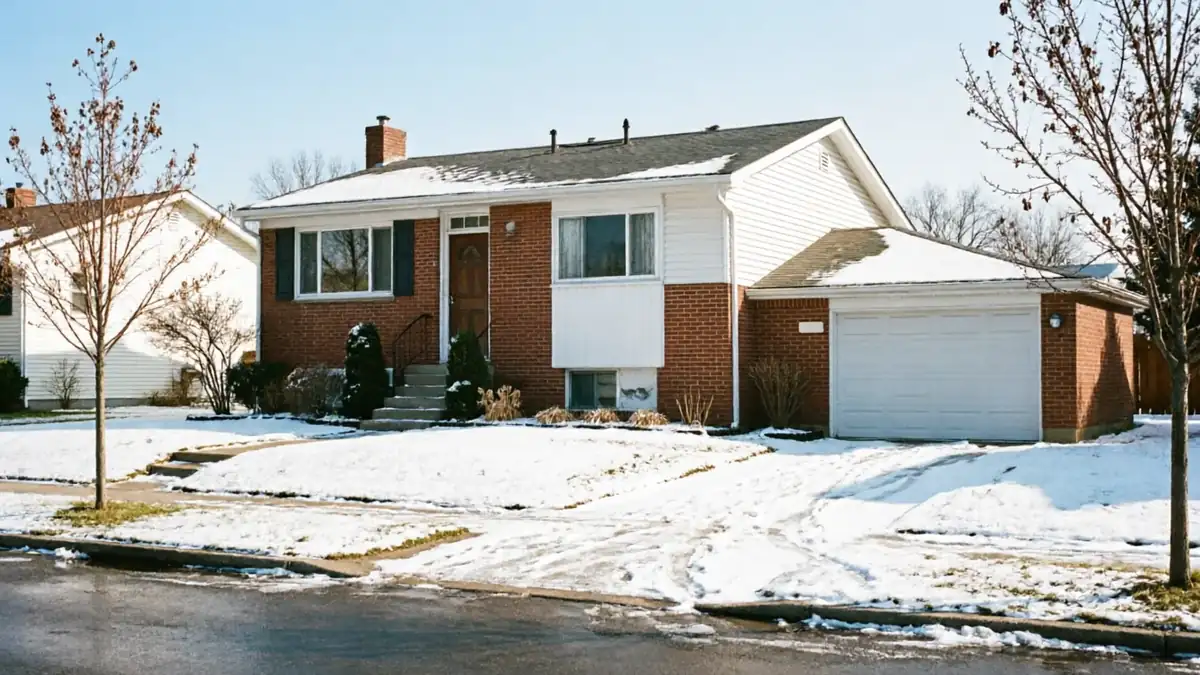
The housing across this service area mostly went up between 1943 and 1975, with a lot of it clustered in the 1960s and 70s - that's true in Hutchinson itself and across the eight nearby communities we also work in. Springs rated for 10,000 cycles don't care what decade they were installed in, but a door original to a house built in 1964 has had sixty years to cycle through that count more than once, often with a spring that was never upgraded or replaced.
The cold winters here add to it. Steel contracts in cold weather, and a spring sitting right at the end of its cycle life is more likely to go in a cold snap than in July. We see more spring calls in the first stretch of real cold each year than any other season, which lines up with a climate that's solidly on the cold side of moderate rather than mild.
Older extension spring setups without safety cables are also still common on houses from this era, and that's the piece we flag every time we're out on a call, even when it isn't why we got called in the first place.