What Is on the Truck
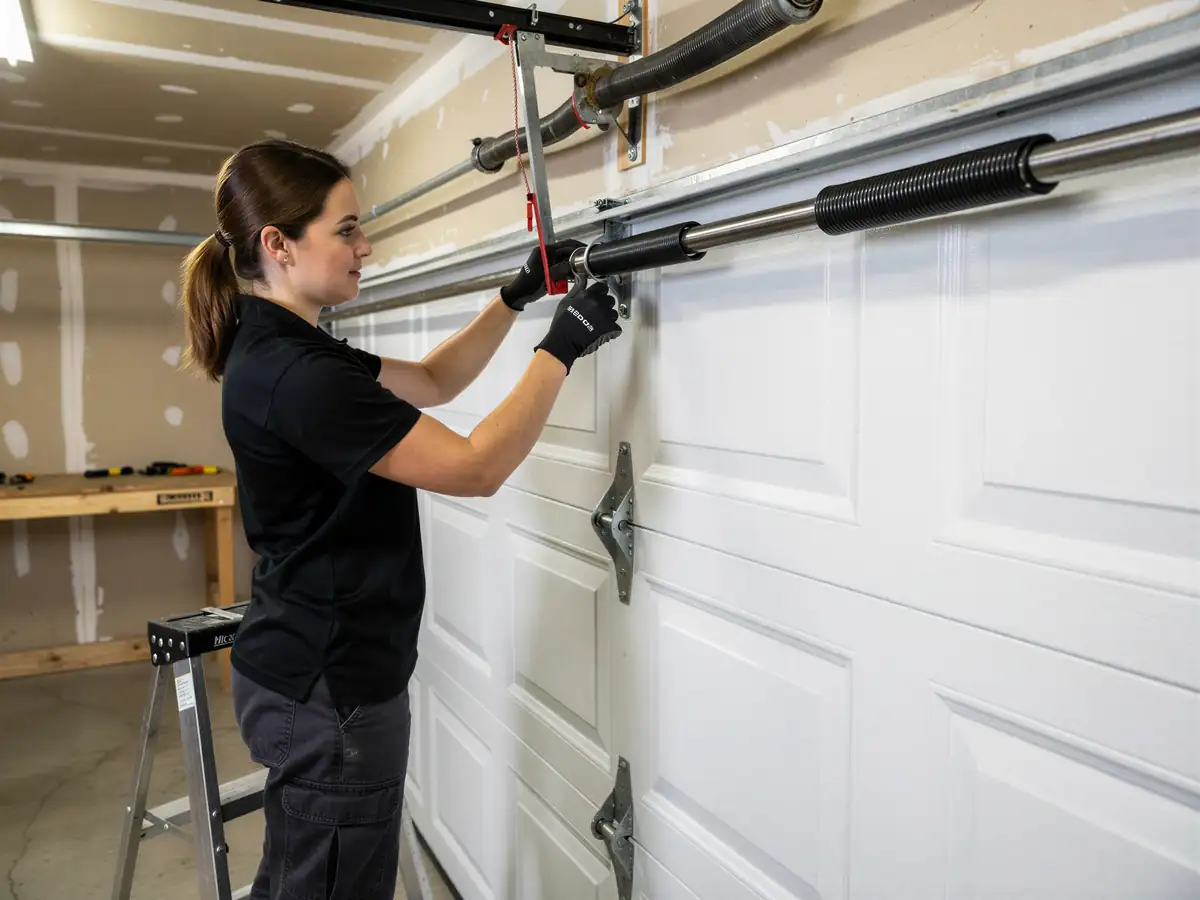
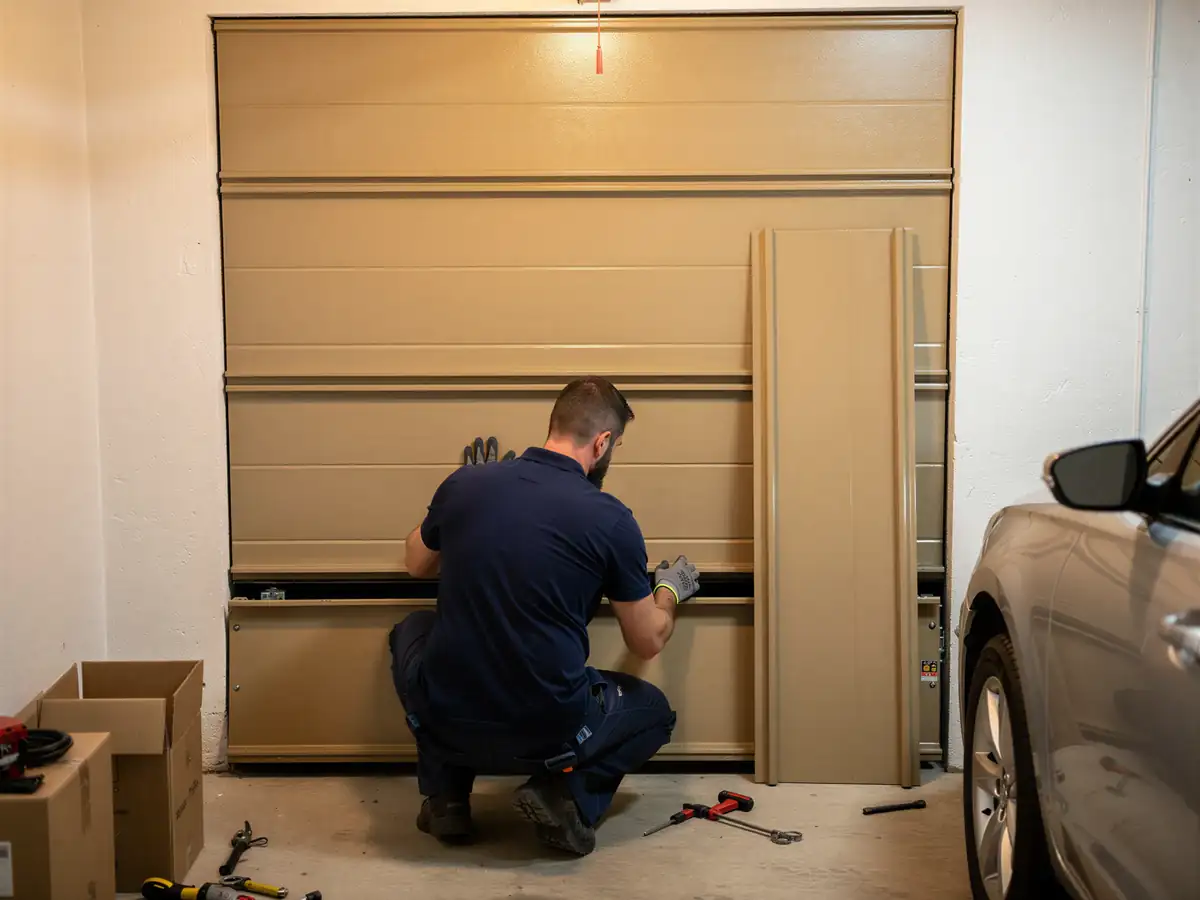
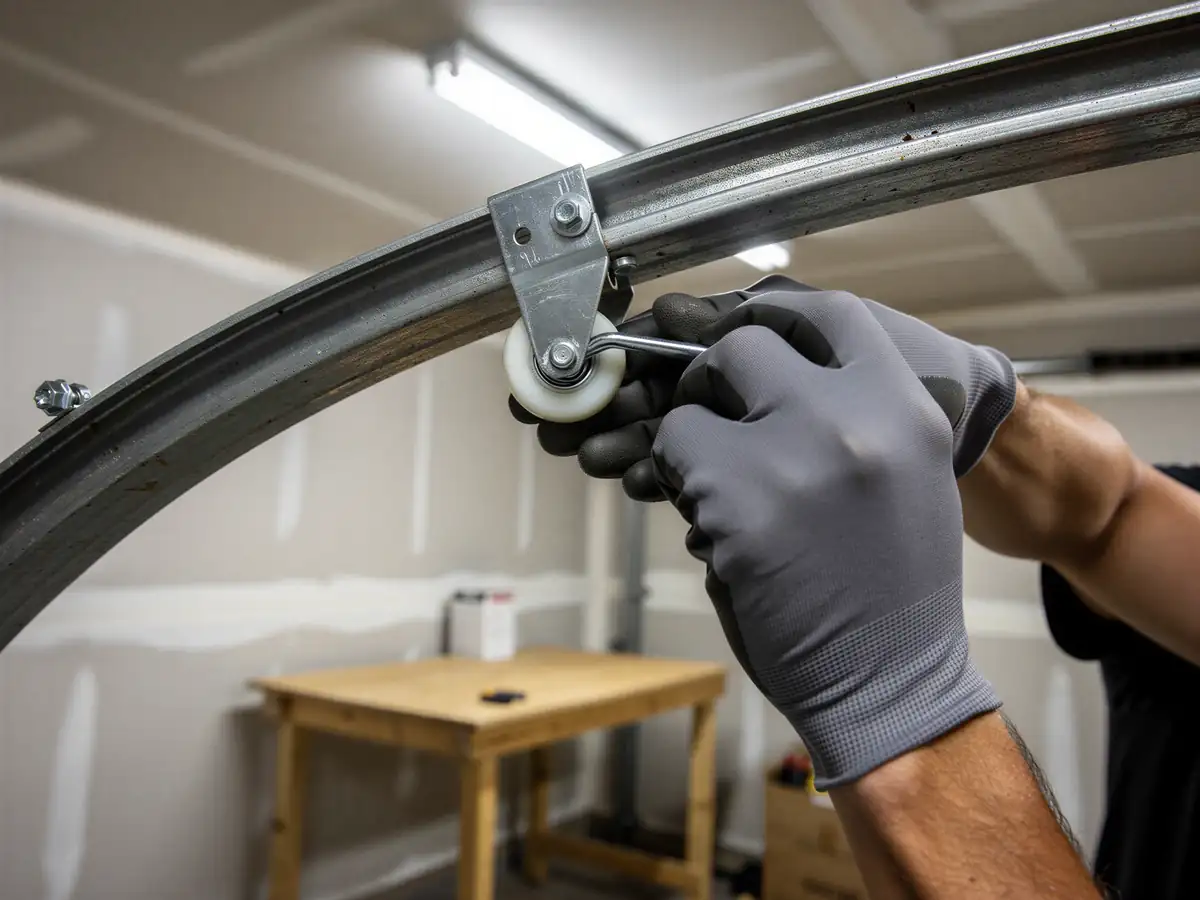
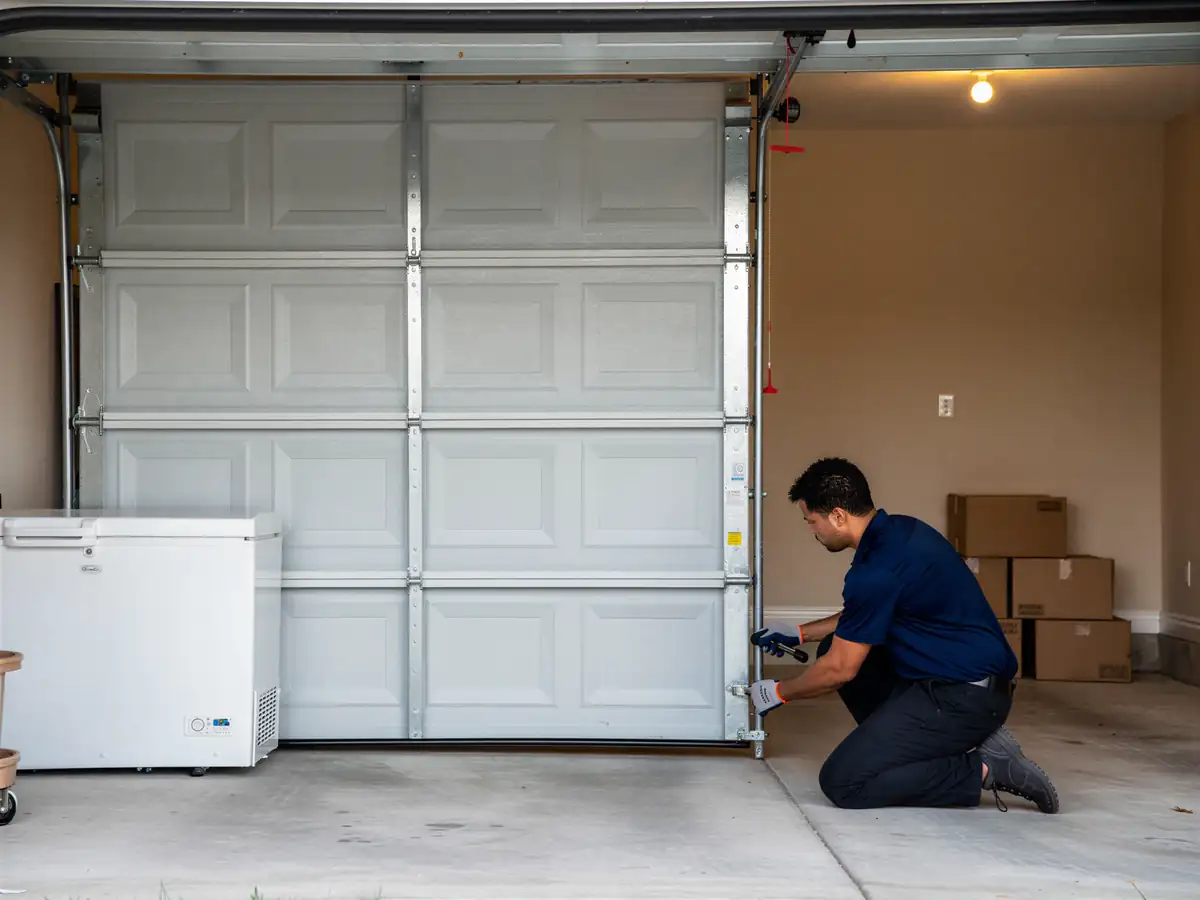
Most of the calls we run in Hutchinson come from houses built between 1943 and 1975, with the bulk of that stock going up in the 1960s and 70s across the eight areas we cover. That means the truck carries torsion springs sized for the shorter, single-car openings common to that era, plus the heavier-gauge springs that fit the wider two-car doors added later when families expanded garages. We stock standard-lift cable, galvanized rollers in both nylon and steel, and the fasteners that match the older track styles still bolted to original jamb framing. We also carry weatherstrip and bottom seal stock sized for aluminum and early steel doors, since a lot of these openings were never updated to current door dimensions. What we don't carry is every obscure opener logic board on the market - if your opener is an older chain-drive unit with a control board nobody makes anymore, we'll tell you straight that replacement is the better use of your money rather than chasing a part that may take weeks to source. That's not a sales pitch, it's just how parts availability works on equipment that old.
The Symptom
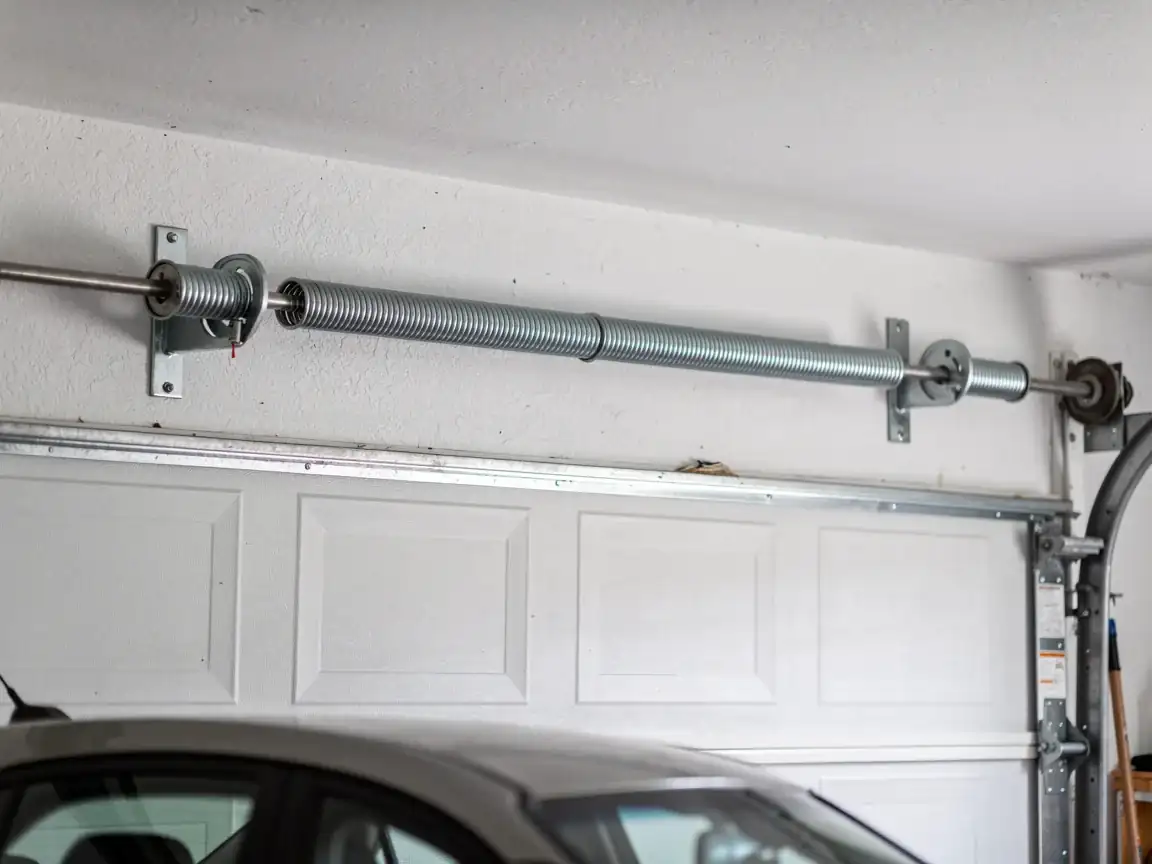
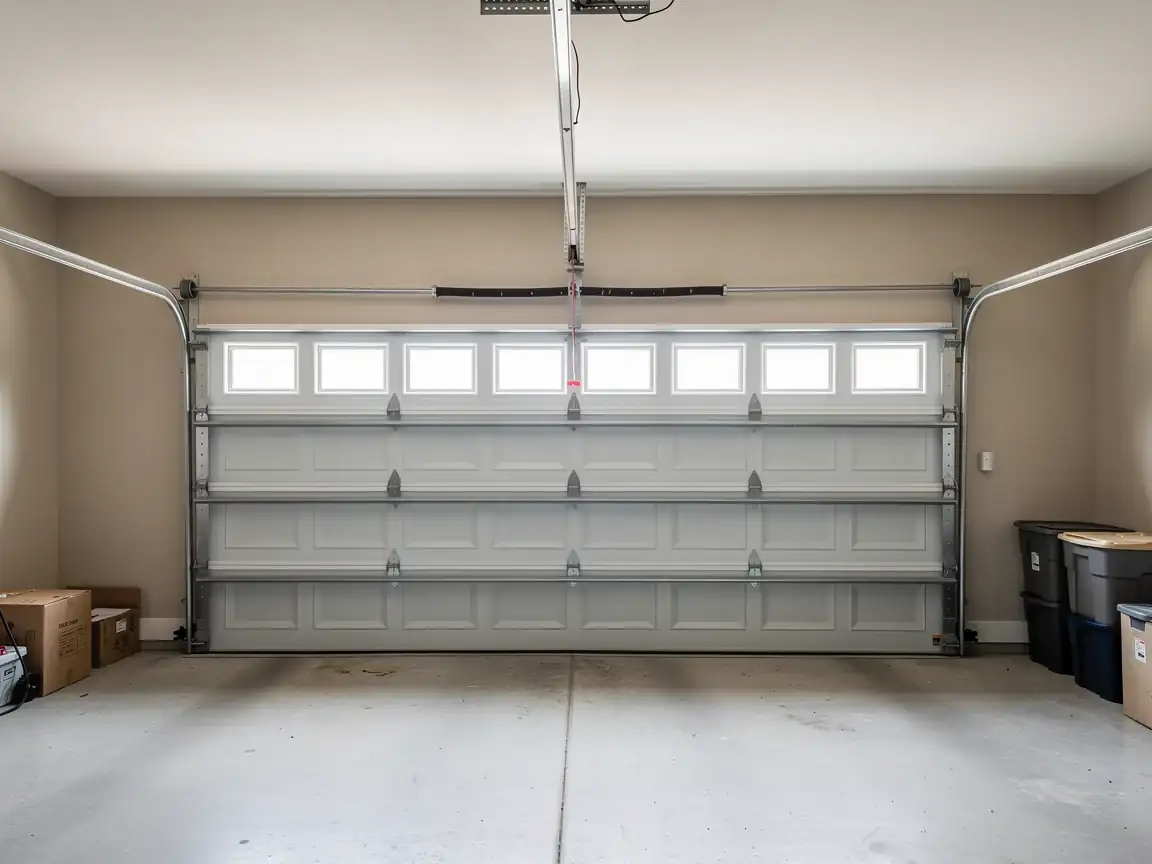
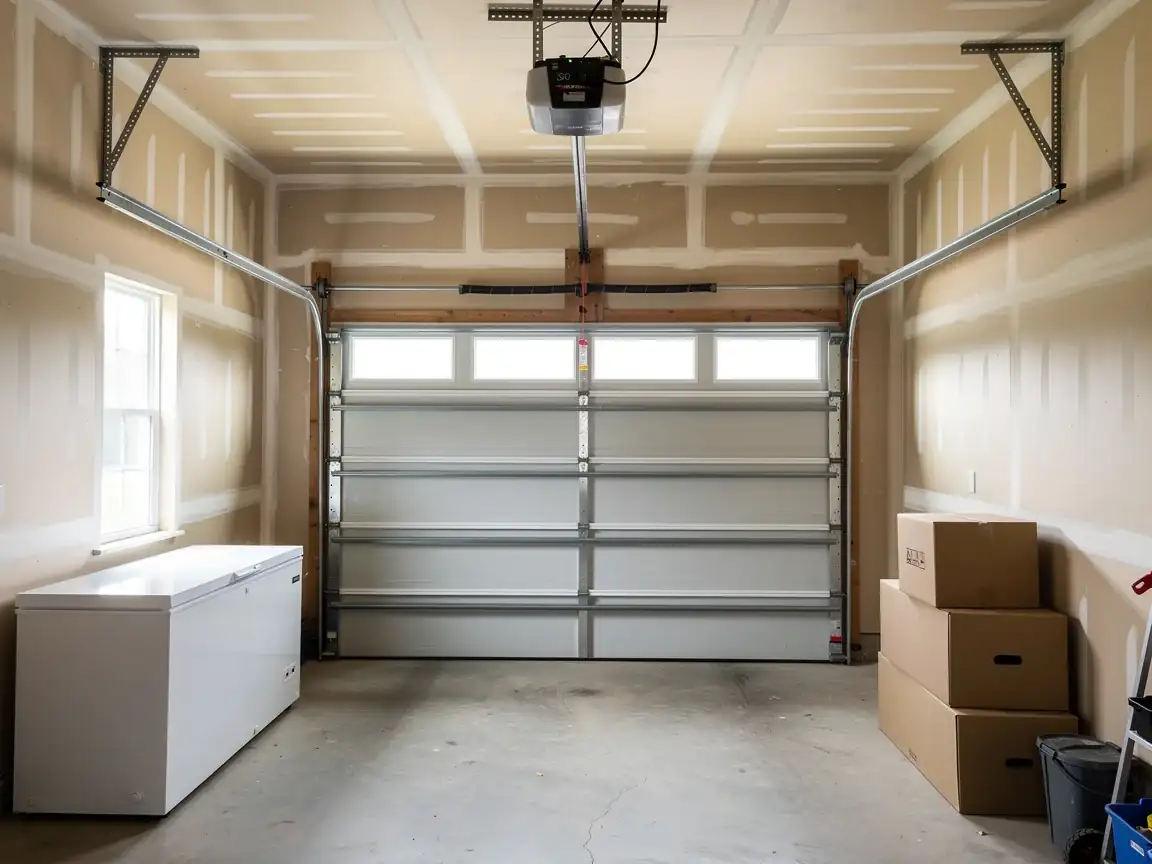
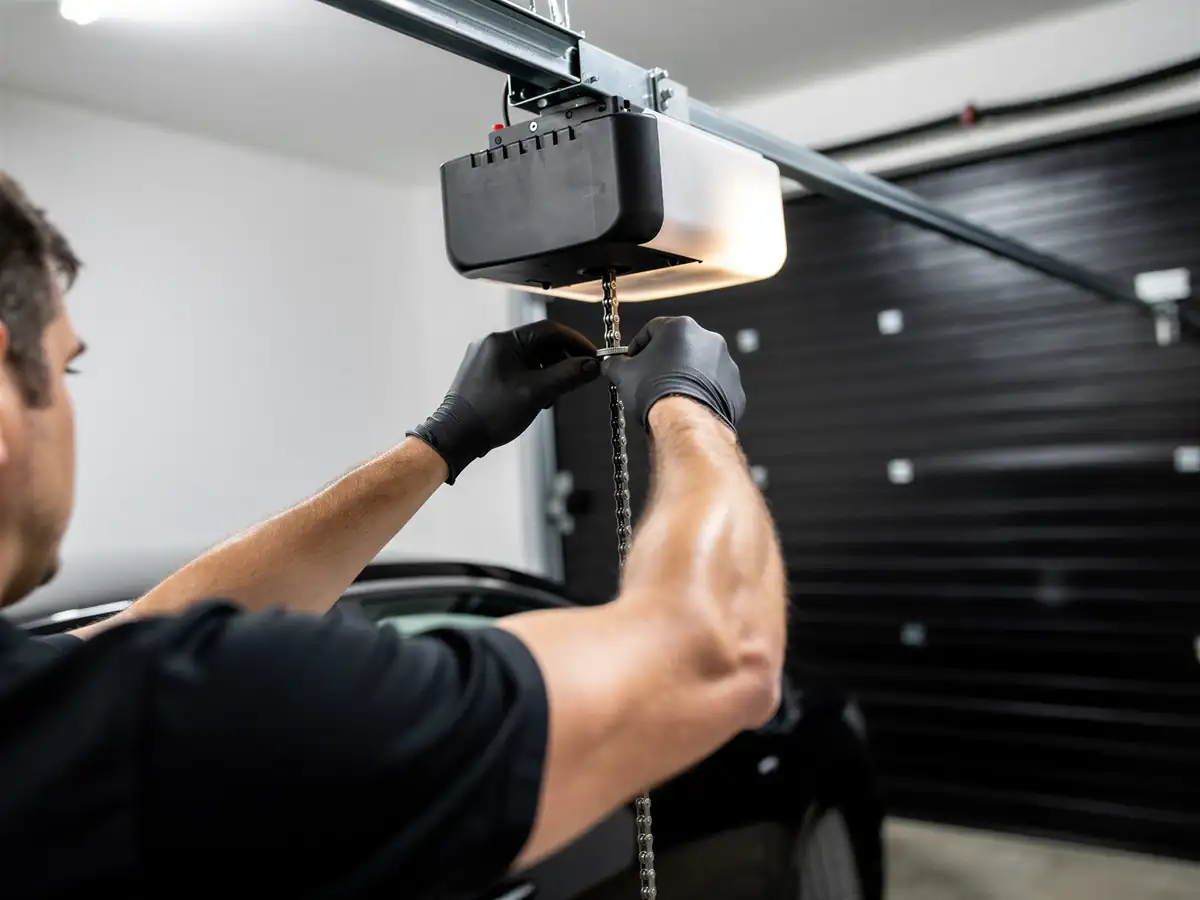
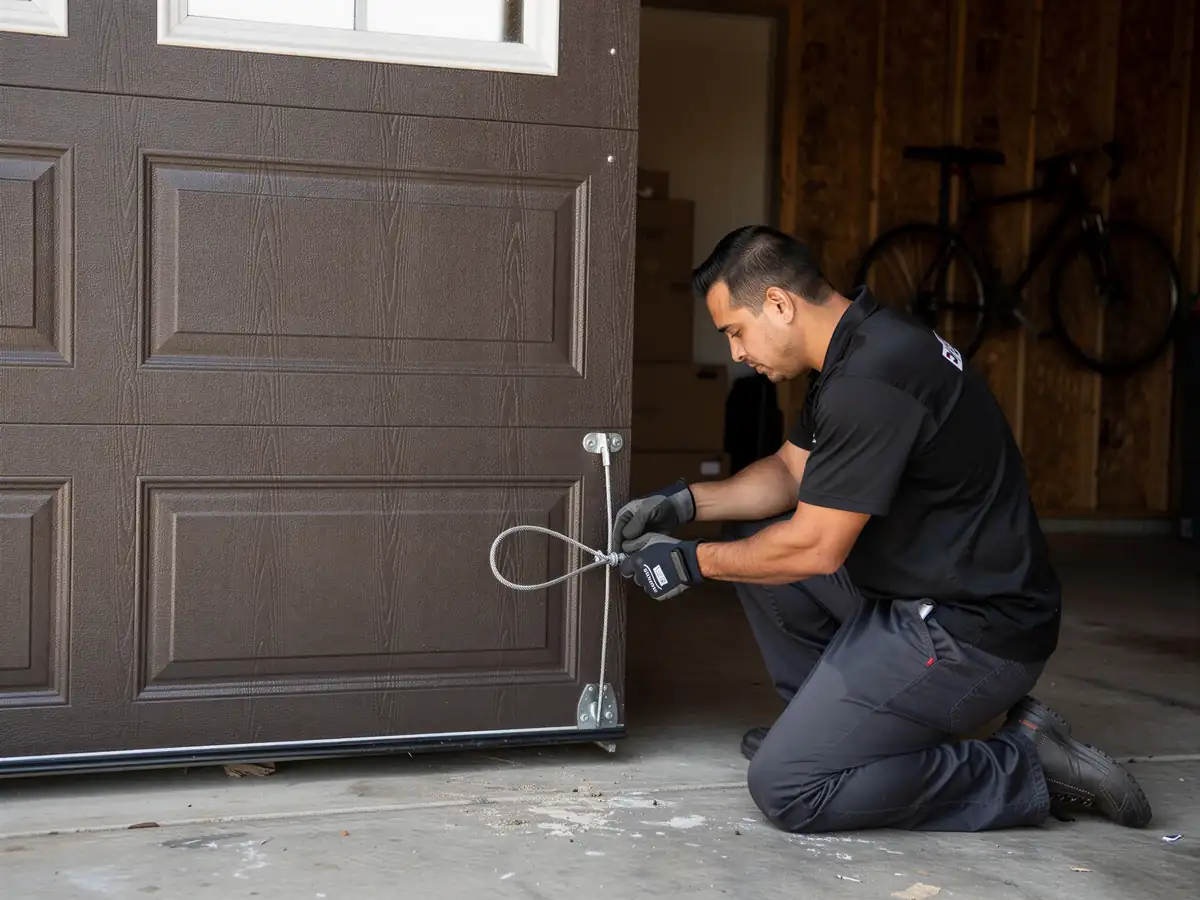
The call usually starts with the door stuck halfway, or a loud bang from the garage followed by a door that won't lift at all. Sometimes it's quieter: the opener strains, the chain or belt skips, and the door creeps up a few inches before stalling. On a lot of these older doors, owners also notice the door suddenly feels twice as heavy when lifting it by hand - that's a broken torsion spring, and it means the opener has been fighting the full weight of the door on its own for however long the spring's been gone. A door that drifts shut on its own, or sags visibly on one side when open, points to a cable or roller issue rather than the spring itself, and those get diagnosed differently on the truck.
Why This Fails Locally
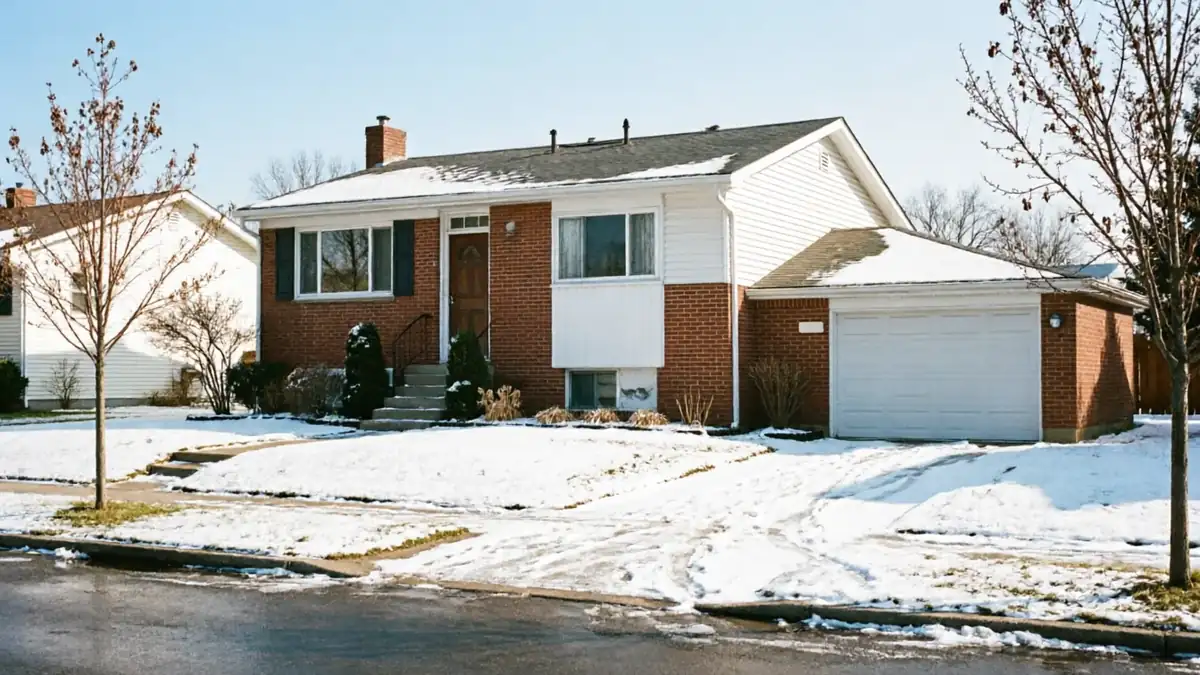
A torsion spring is rated for a cycle count, and age plus climate both eat into that number. Hutchinson's housing stock skews old - median build year 1964 - so a large share of the springs we replace are either original equipment or a first-generation replacement that's now also decades into its life. Add the area's cold winters: steel contracts in low temperatures, and a spring already near the end of its rated cycles is more likely to snap on a cold morning than a mild one. With 2,627 owner-occupied houses across the service area and most of that stock dating to the same twenty-year building window, a big share of Hutchinson garages are carrying hardware of a similar age, which is why spring failure clusters the way it does here rather than being spread evenly across newer and older homes alike.