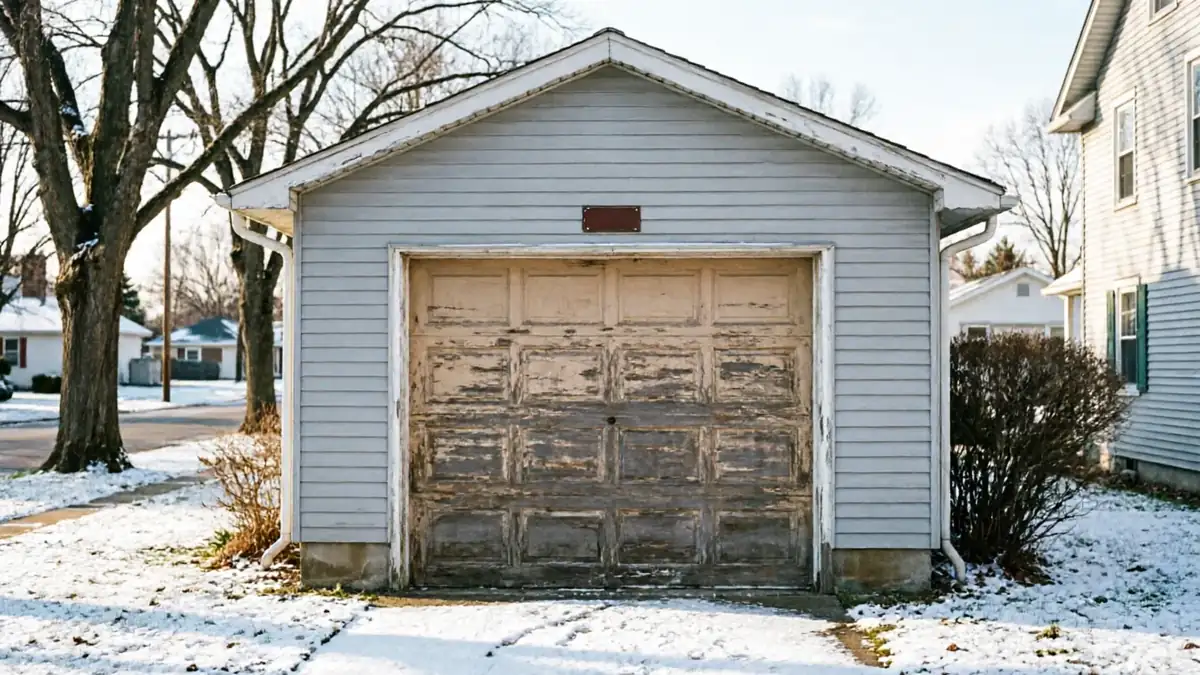
What Is Going On
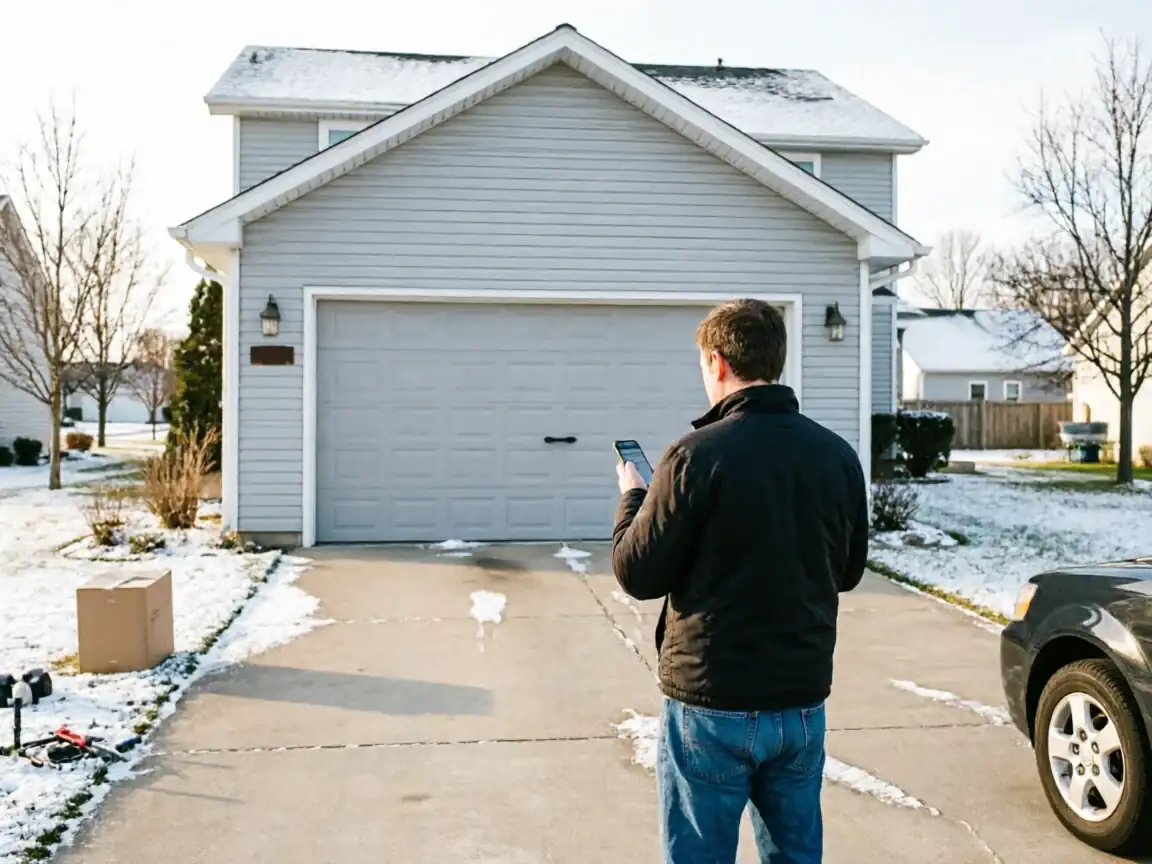
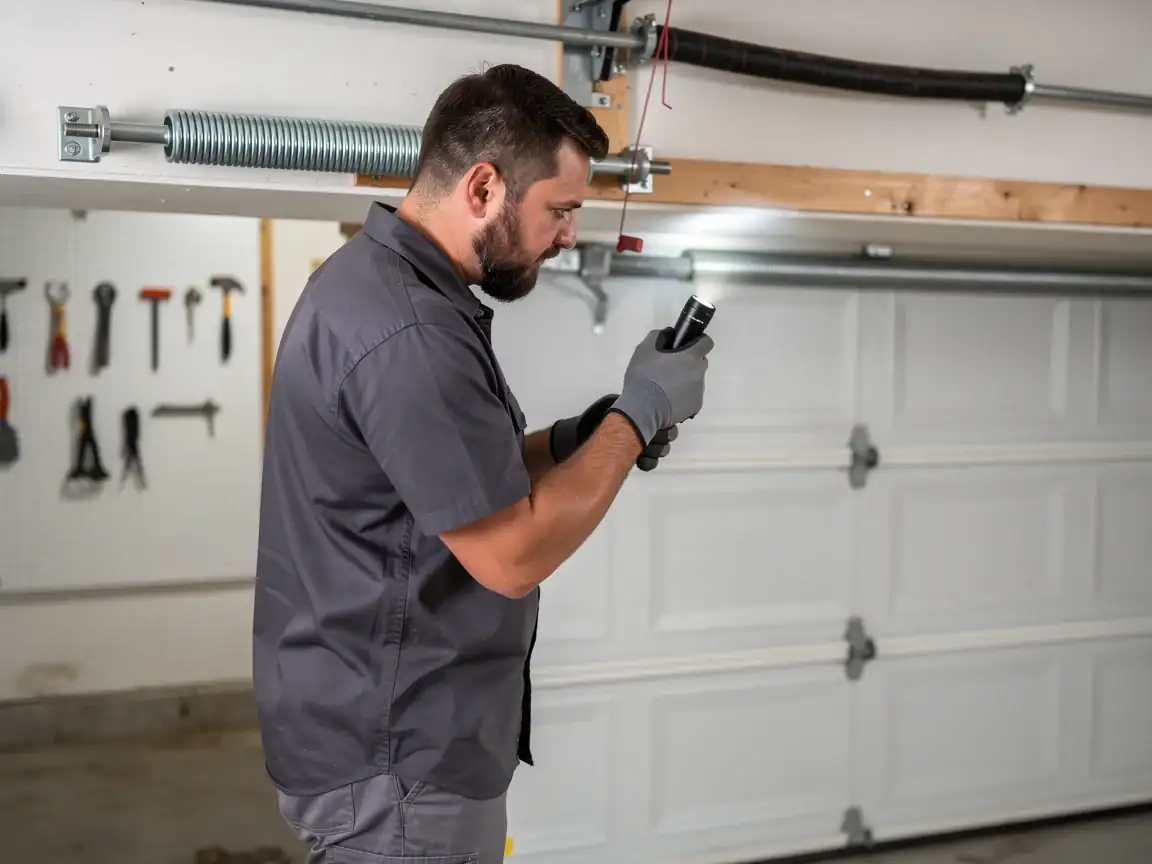
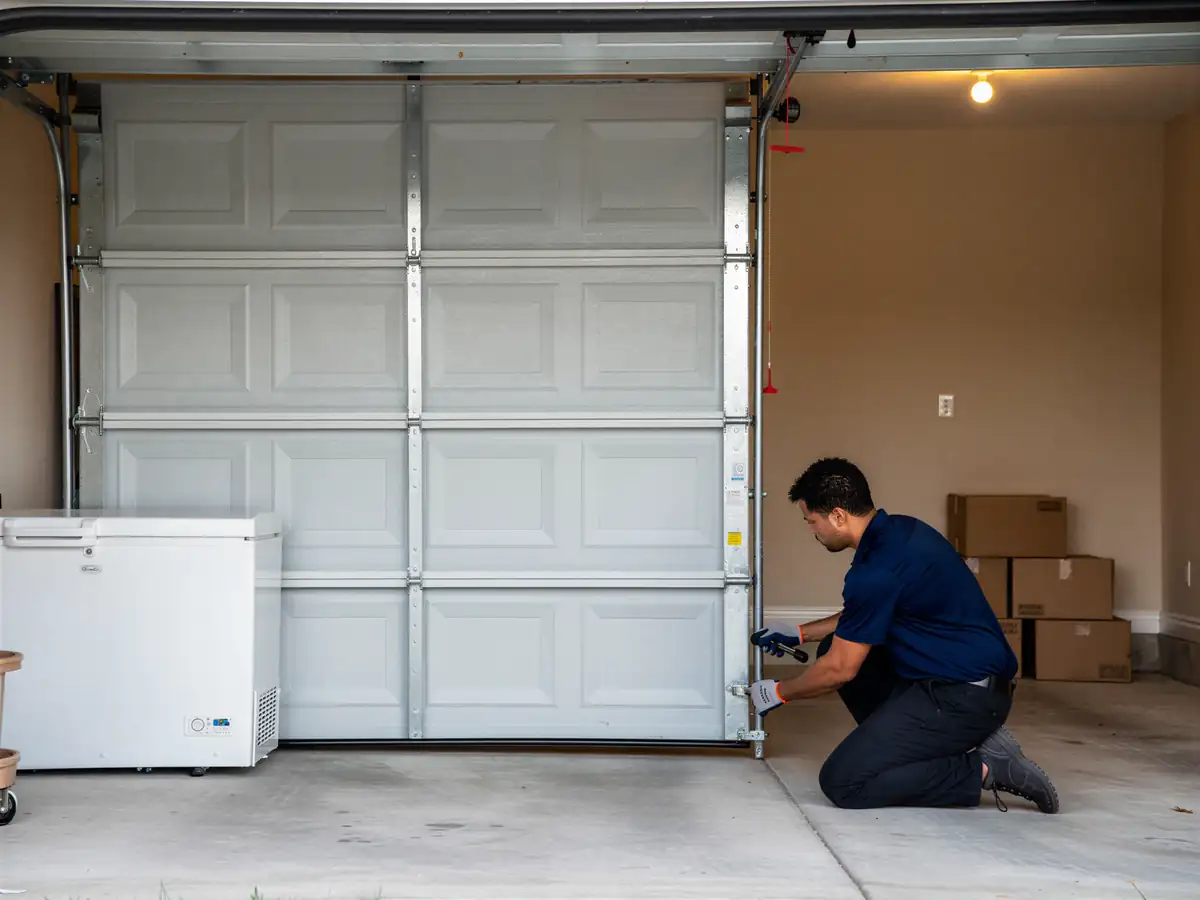
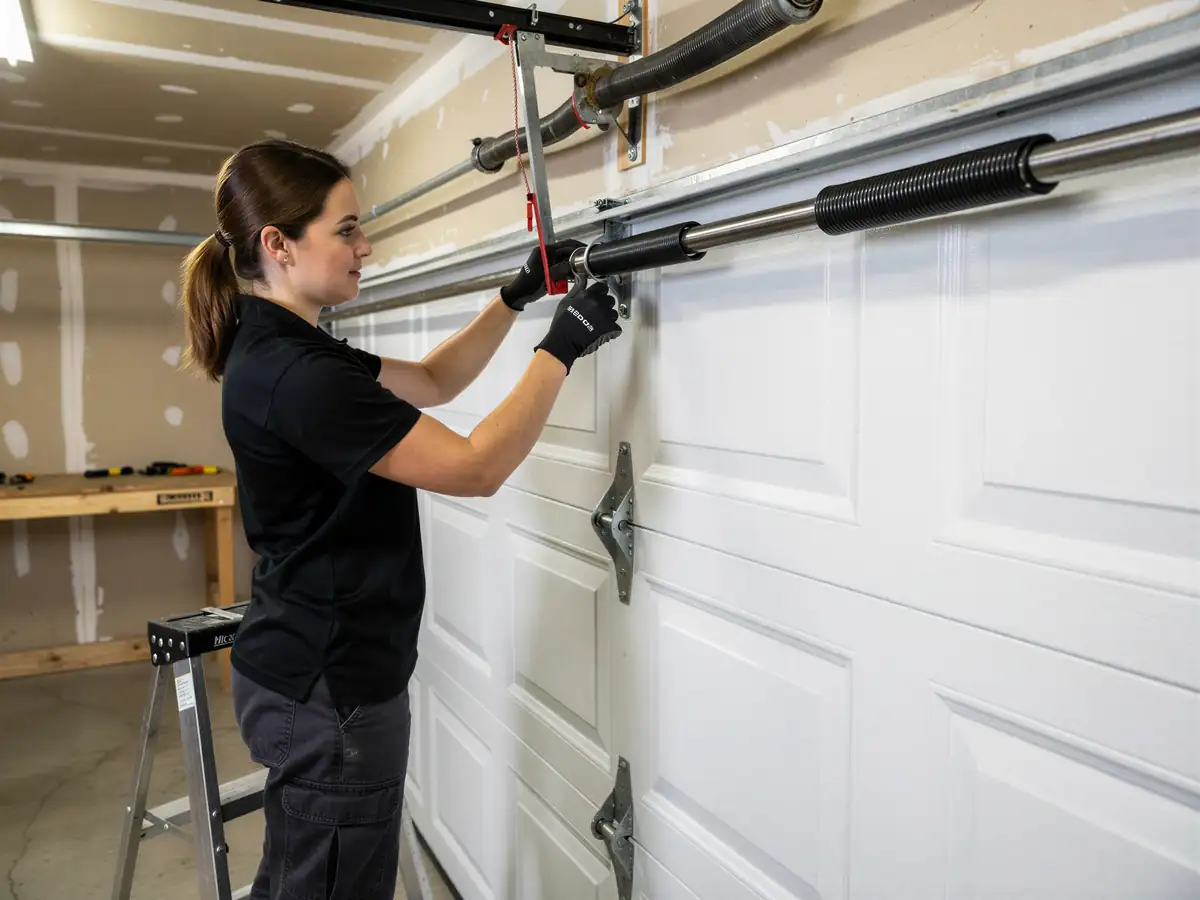
Most of the garage doors we look at around Hutchinson went up between 1943 and 1975, with the bulk of that stock built in the 1960s and into the early '70s across the eight main areas of town. That matters because a door from that era was built to a different standard than what's sold today - thinner panel steel, no insulation, single-spring setups that weren't engineered for the heavier openers people bolt onto them now. When a door from that window starts giving you trouble, you're not dealing with a simple wear part. You're dealing with a system that's been asked to do more than it was built for, for longer than it was built to last. A spring snapping on a door like this isn't bad luck. It's the age catching up. The question we get asked constantly isn't "what's wrong" - it's whether the door underneath all that trouble is even worth saving once you know what's wrong with it.
How Local Conditions Play In
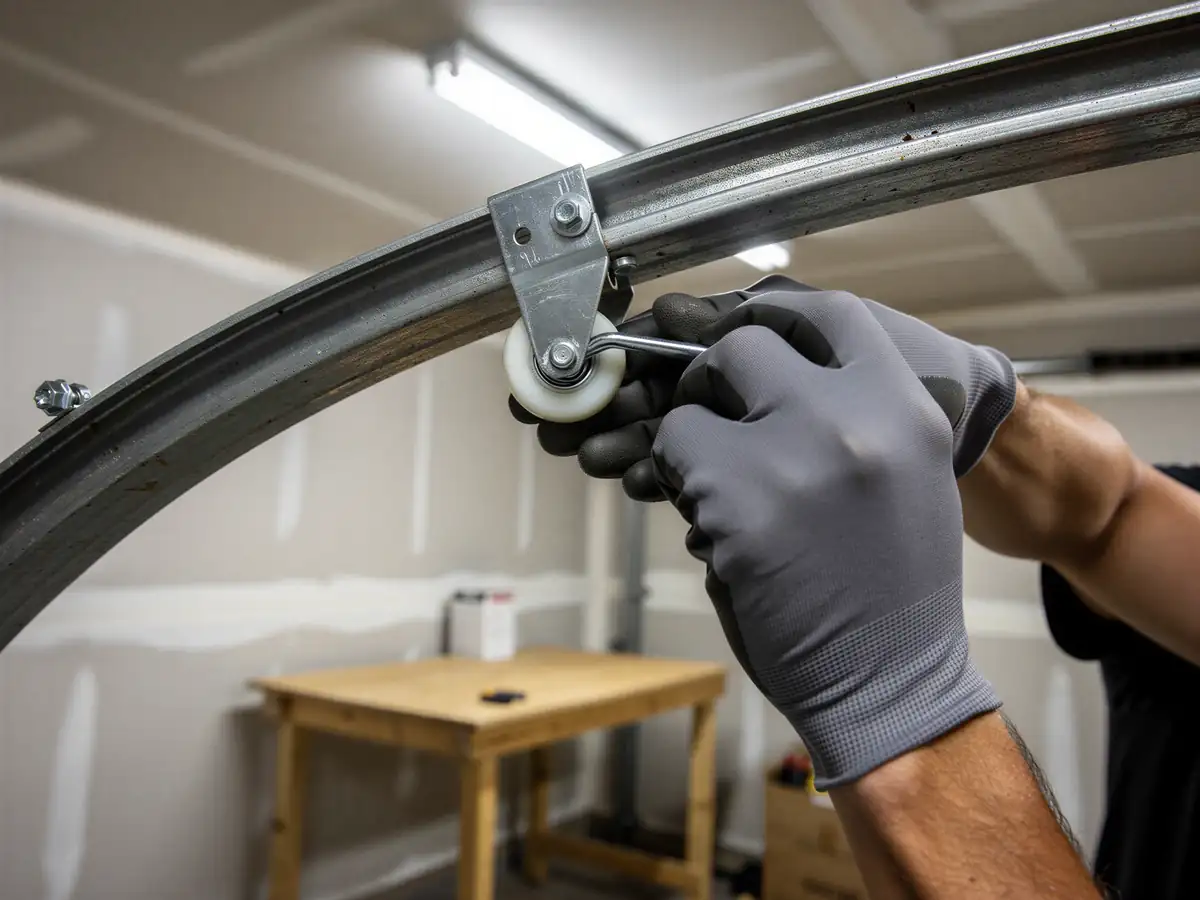
Hutchinson sits in a cold-moderate climate band, which means steel hardware goes through real freeze-thaw cycling every winter, not just a cold snap or two. On a door old enough to have surface rust starting at the bottom panel seams or the track mounting bolts, that cycling is what turns small rust into a seized roller or a track that's pulled away from the jamb. It's slower than storm damage, but it's just as real, and it's the reason a door that looked fine in October can bind hard by February. None of this moves faster just because a winter is mild - the effect is cumulative on hardware this age, not tied to any one season.
When Waiting Is Fine
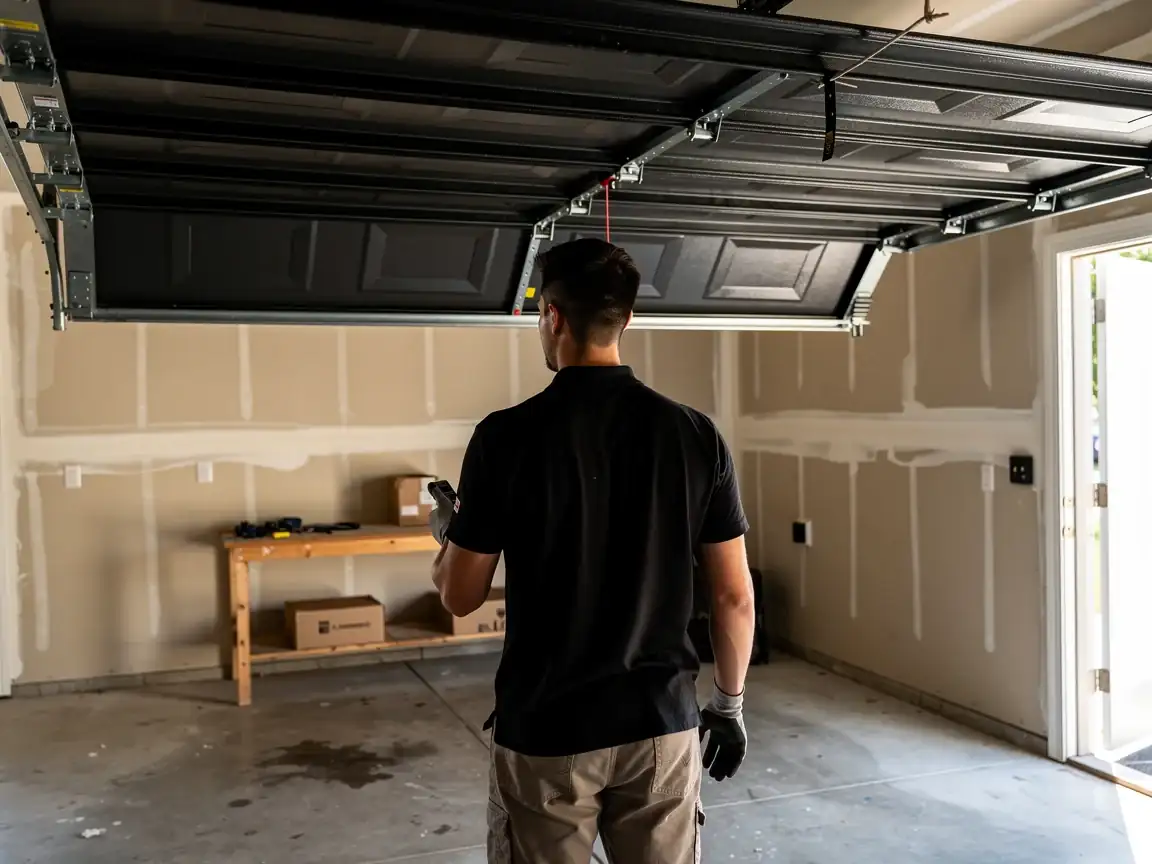
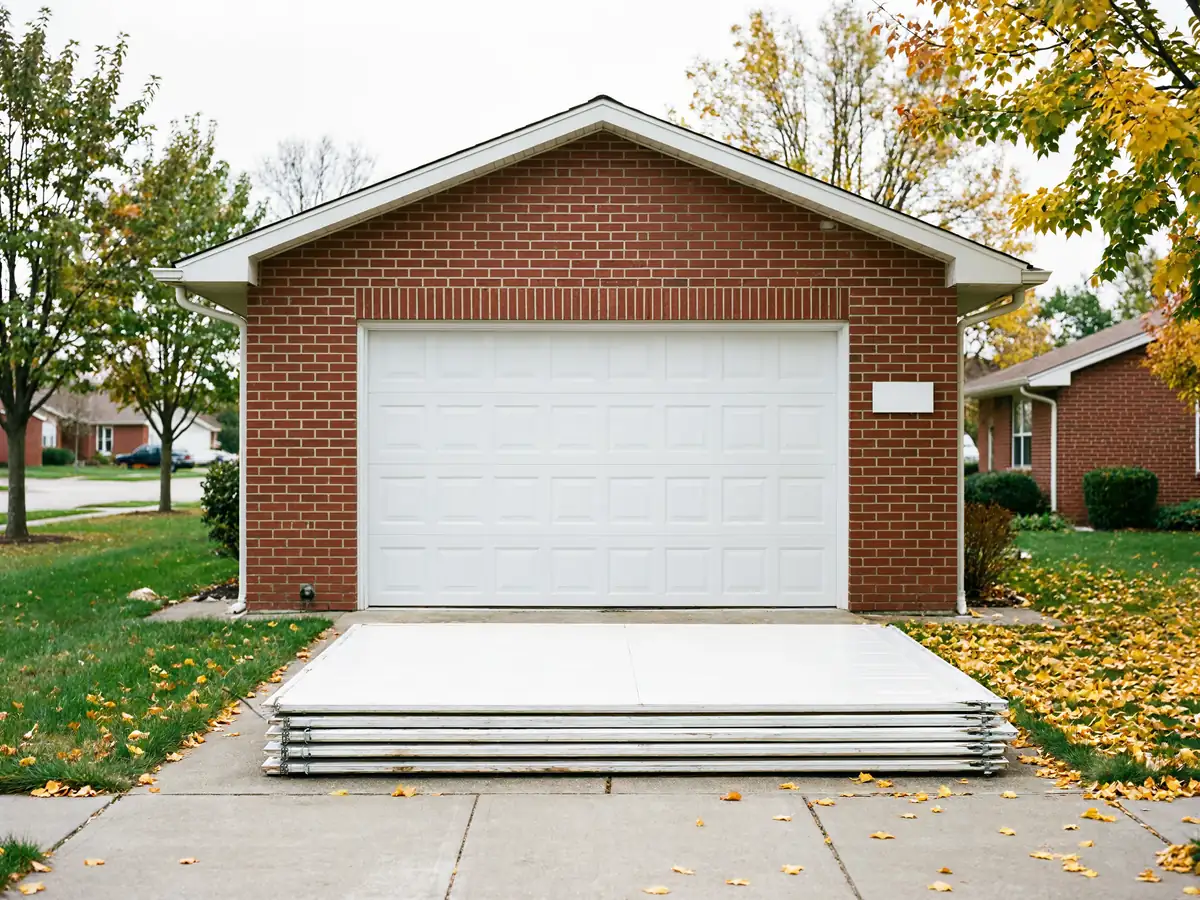
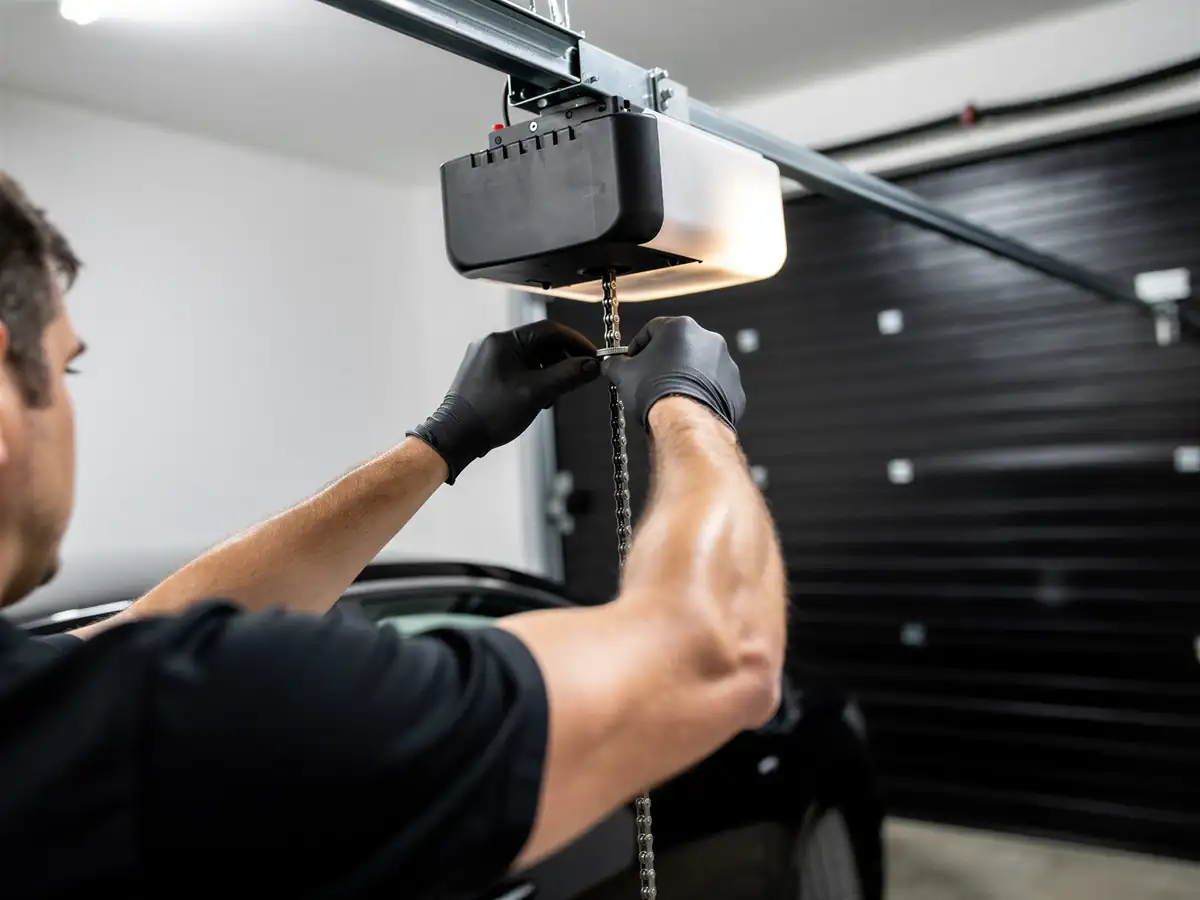
Not every noise or stiff spot means the door's on its way out. If the door still opens and closes on a clean, even pull and the only issue is a squeak or a slightly slow close, that's maintenance, not a repair call. With close to 2,627 owner-occupied houses in the service area and a median household income just over $63,000, we see plenty of homeowners stretching a repair budget by fixing what's actually broken instead of replacing the whole door on a hunch. If the track is straight, the springs are intact, and the opener still reads the sensors correctly, you can usually wait and watch. Replace the door when the frame is racked, when the springs are undersized for the door's weight, or when the panels have rusted through - not before.