What Is on the Truck
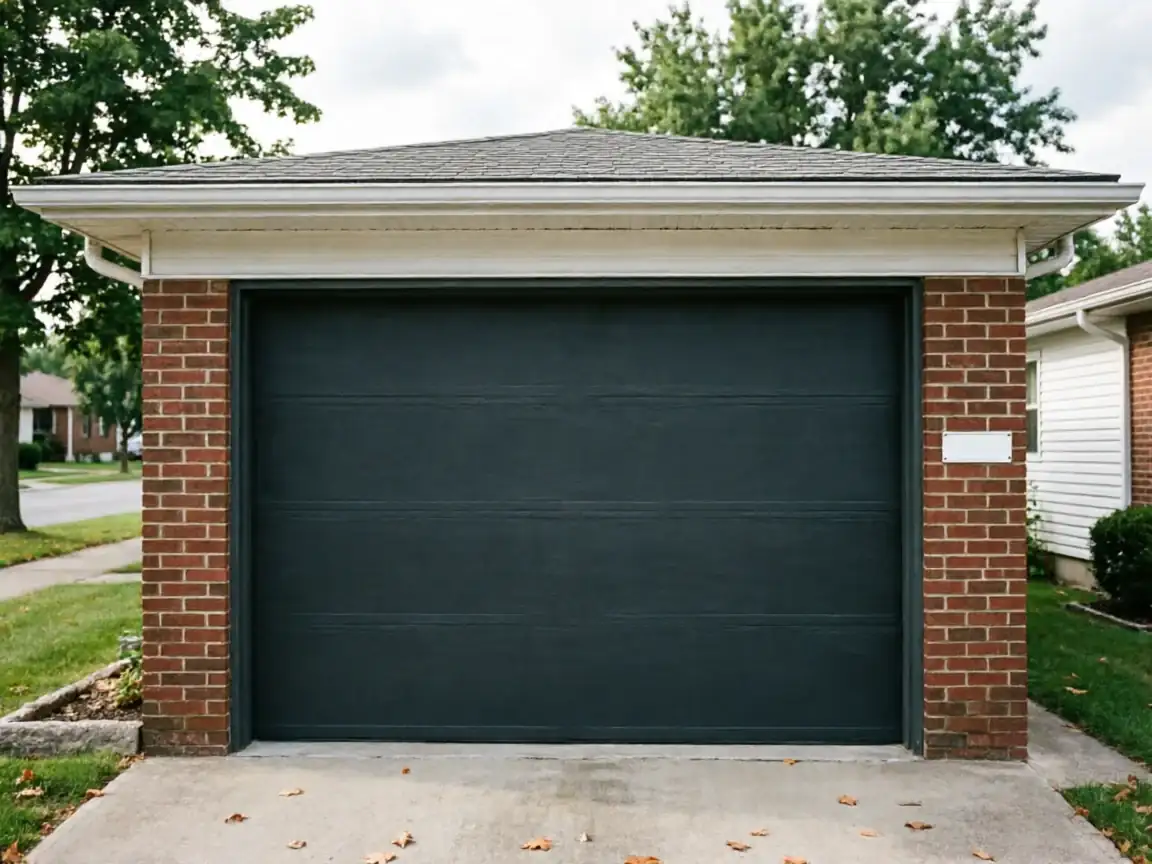
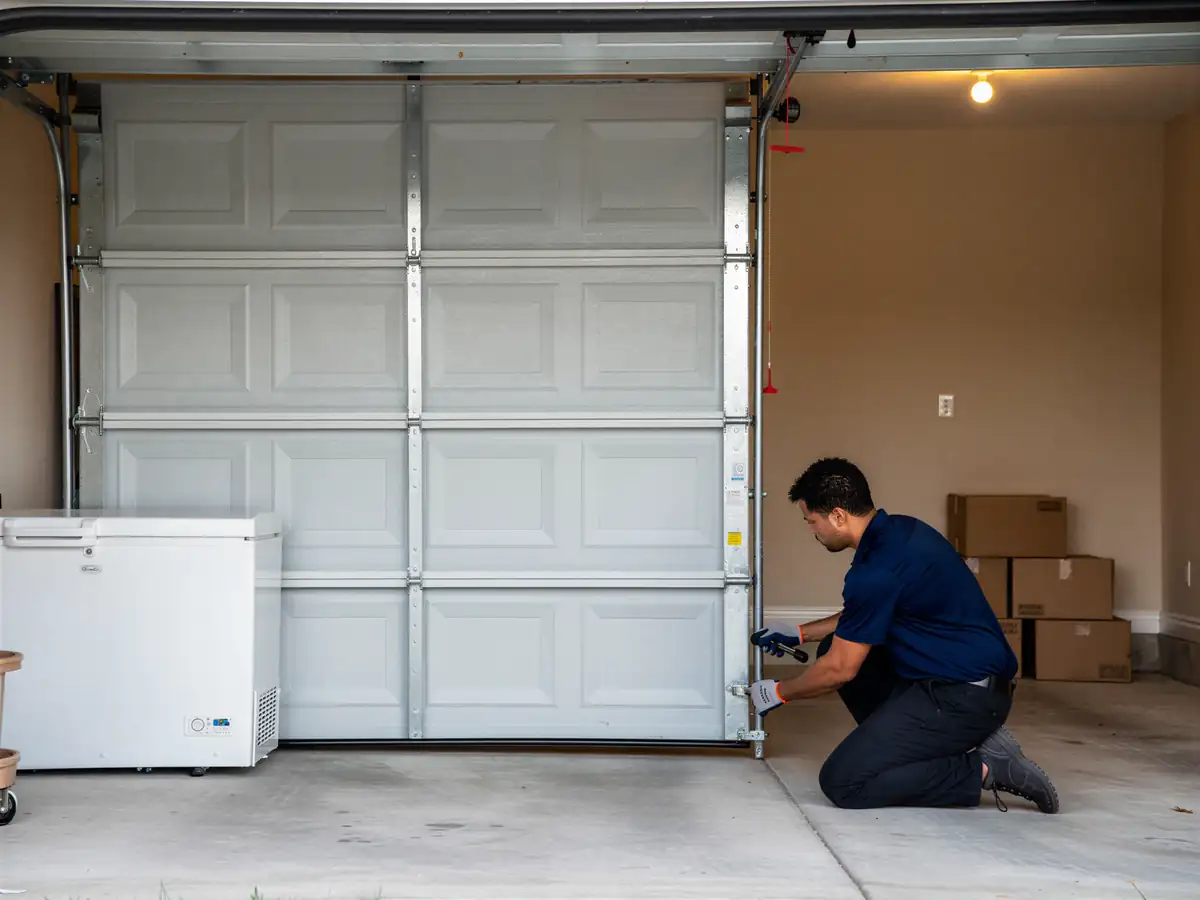
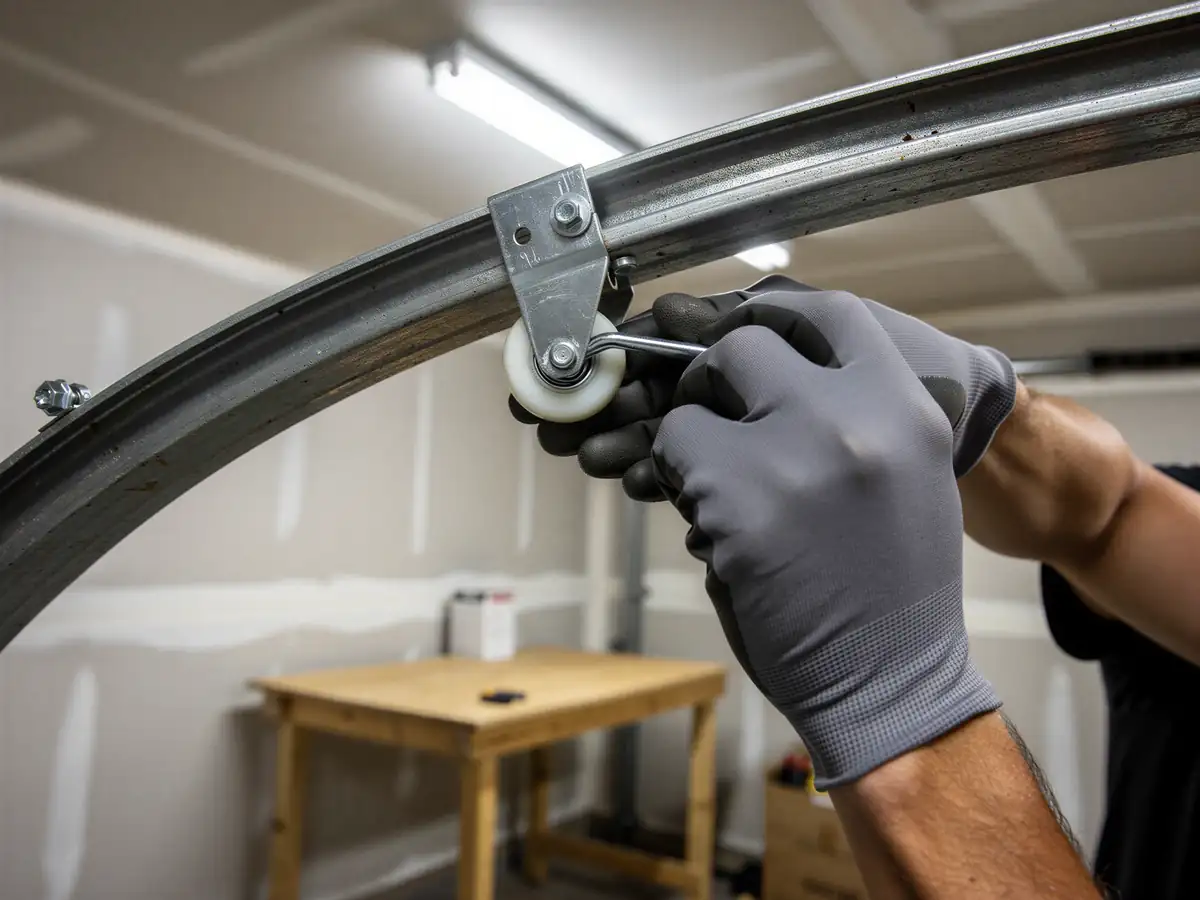
Every truck we run carries both nylon and steel rollers, in the stem lengths that actually show up on houses out here - mostly the 4-inch stem doors that went into Hutchinson-area garages when they were built. We stock sealed-bearing nylon rollers as the default swap because they run quieter and don't need the lubrication steel rollers demand, plus standard steel ball-bearing rollers for owners who want the cheaper option or who have a door where steel is already the right fit. We also carry the roller brackets and hinges that mount them, because a roller rarely fails alone - the bracket it rides in often has worn out right along with it, especially on older track. What we don't carry on every truck is every obscure stem length or oversized commercial roller; if your door takes something unusual, we'll tell you straight that it's a special-order part rather than pretend it's sitting in the van. We'd rather say that up front than have you wait on us assuming it's a same-day fix when it isn't.
The Symptom
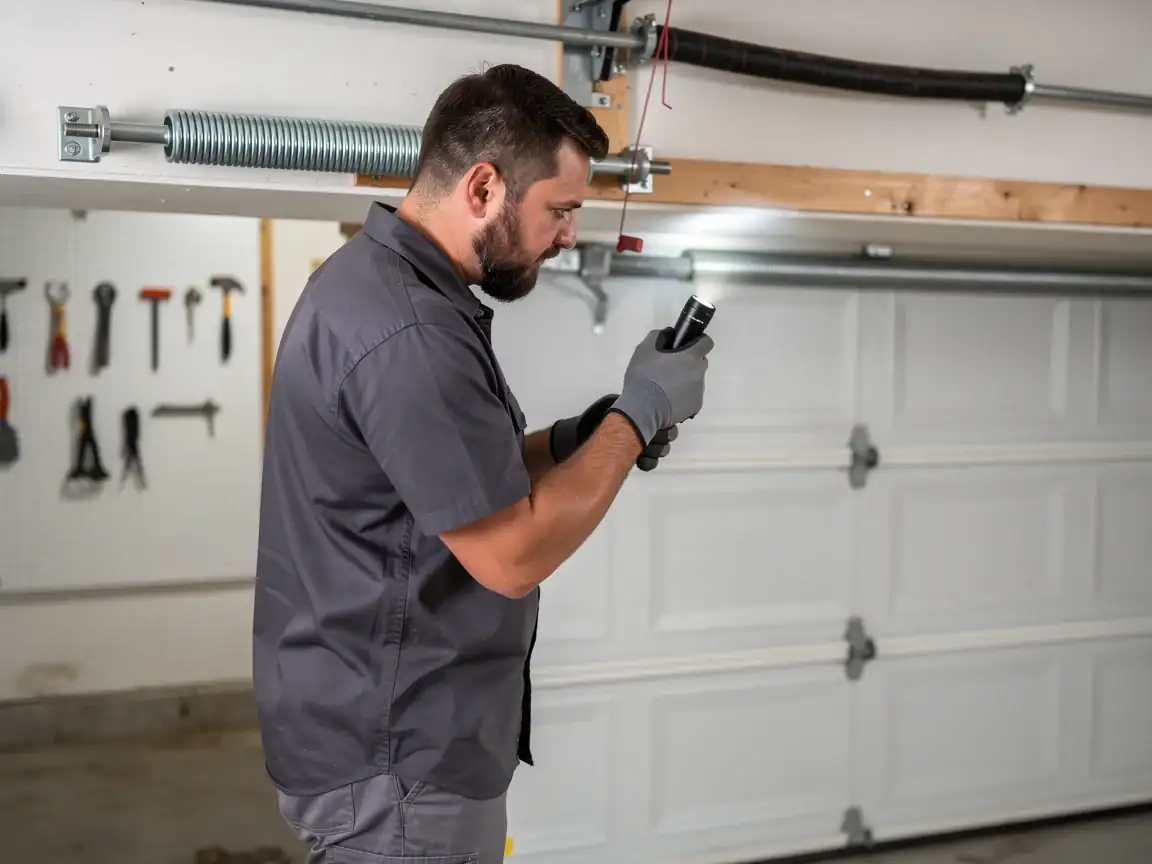
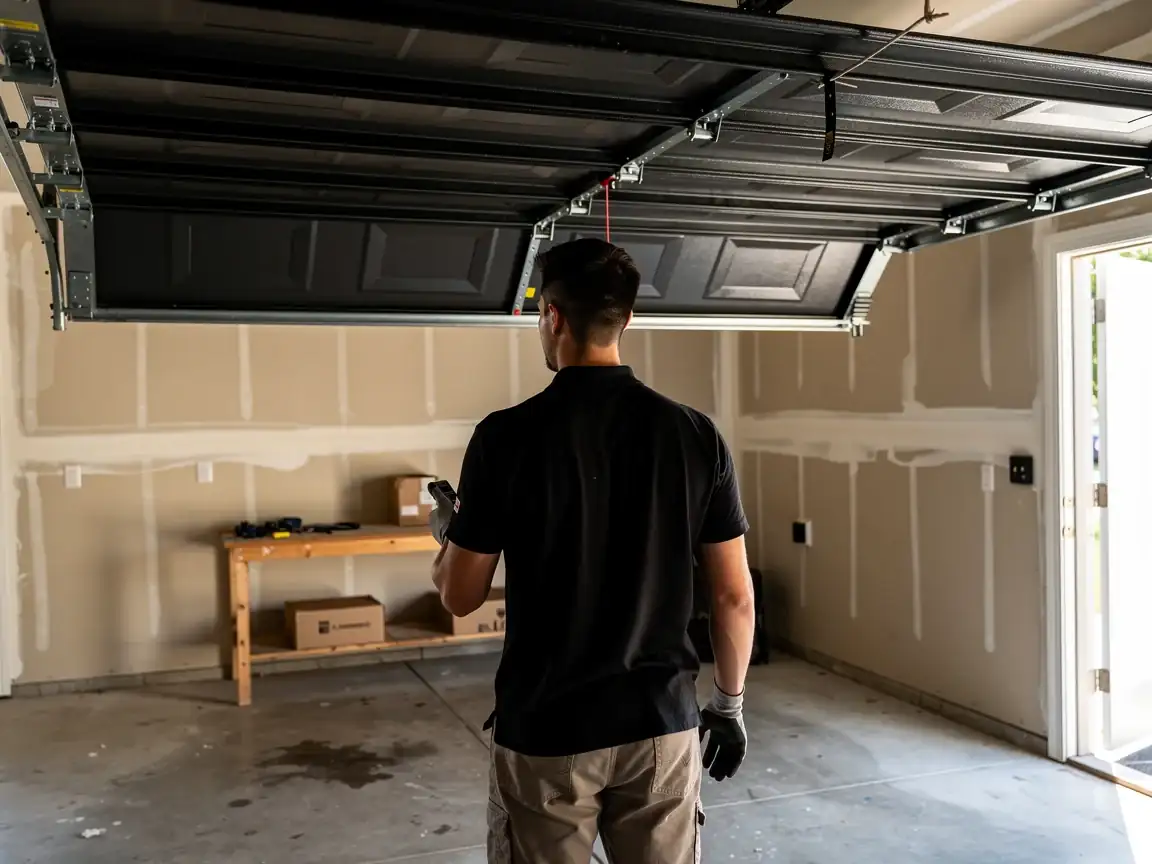
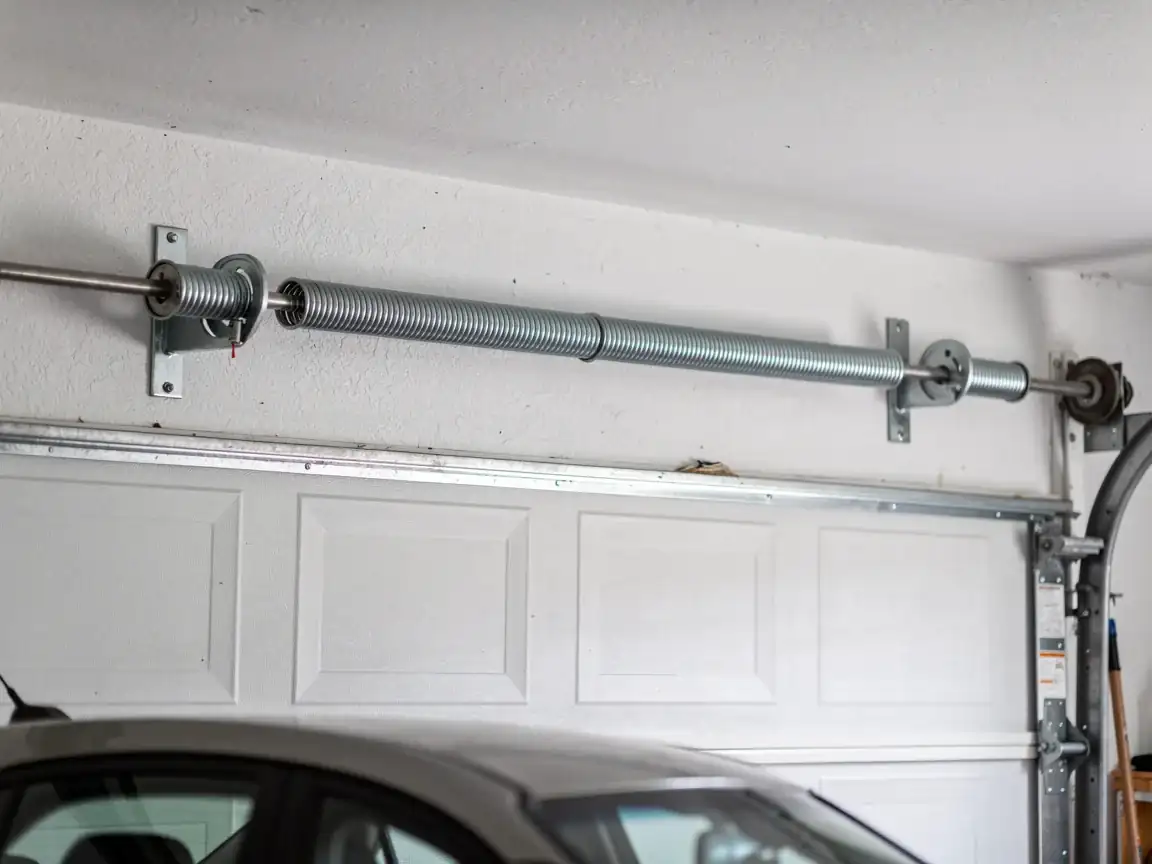
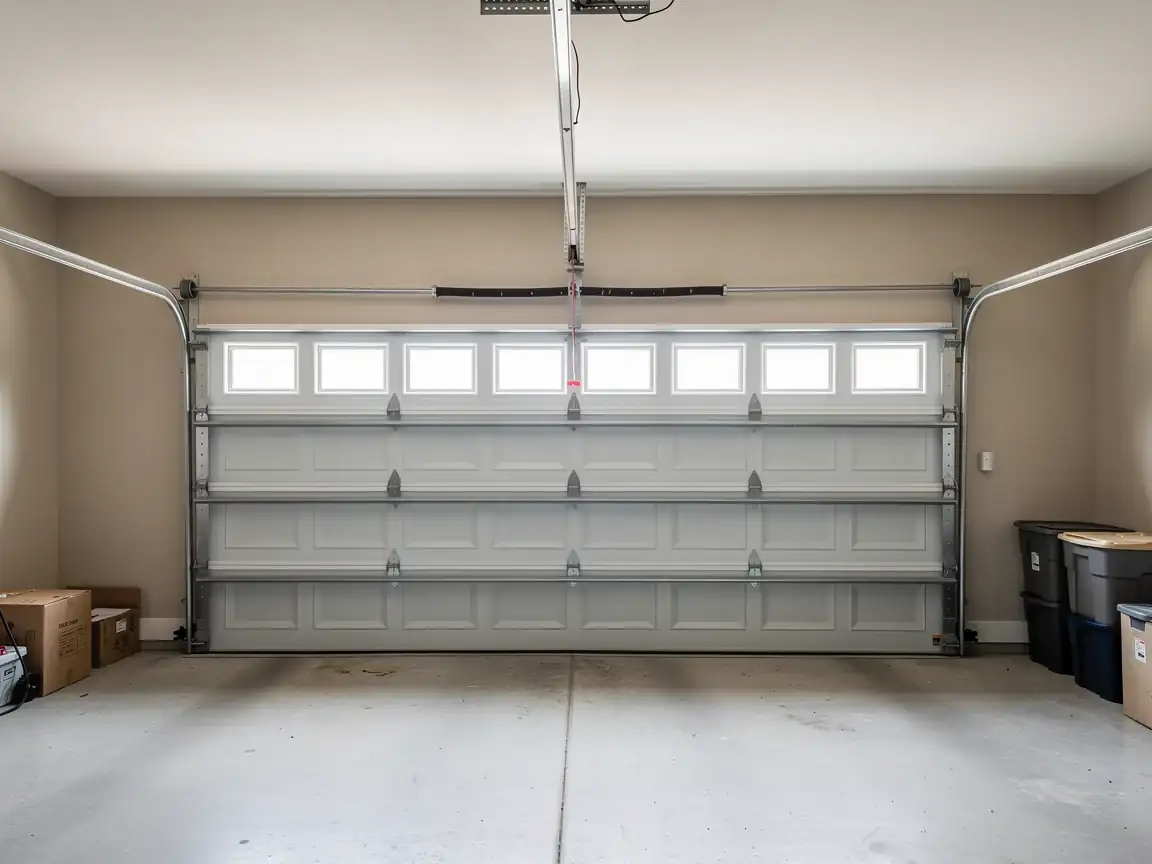
A failing roller usually announces itself before it fails outright. You'll hear a grinding or rattling sound as the door travels, worse at the same spot in the track every time, which usually means that roller's bearing or nylon wheel has worn down to metal-on-metal. Some doors jerk or hesitate at a particular point in the cycle instead of running smooth top to bottom - that's often a roller that's started to flatten or crack and is catching in the track rather than rolling through it. In worse cases the door will actually jump the track at that spot, especially under spring tension on the way up, which is the roller telling you it's done, not just worn. None of this fixes itself. A noisy roller left alone keeps grinding at the track itself, and eventually you're paying for track repair on top of the roller that should have been swapped months earlier. If your door is quiet but slow, that's more likely an opener or spring issue than a roller - rollers almost always show up as noise or a catch, not a change in speed.
Why This Fails Locally
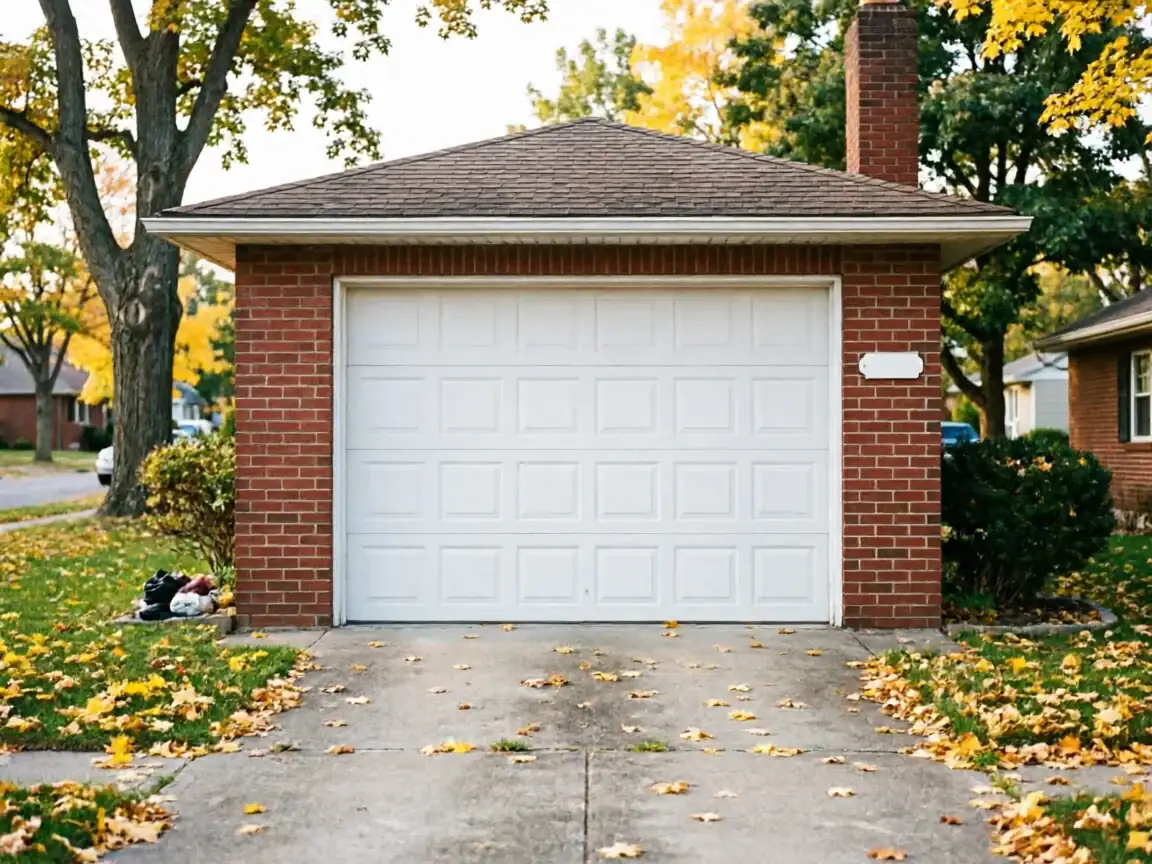
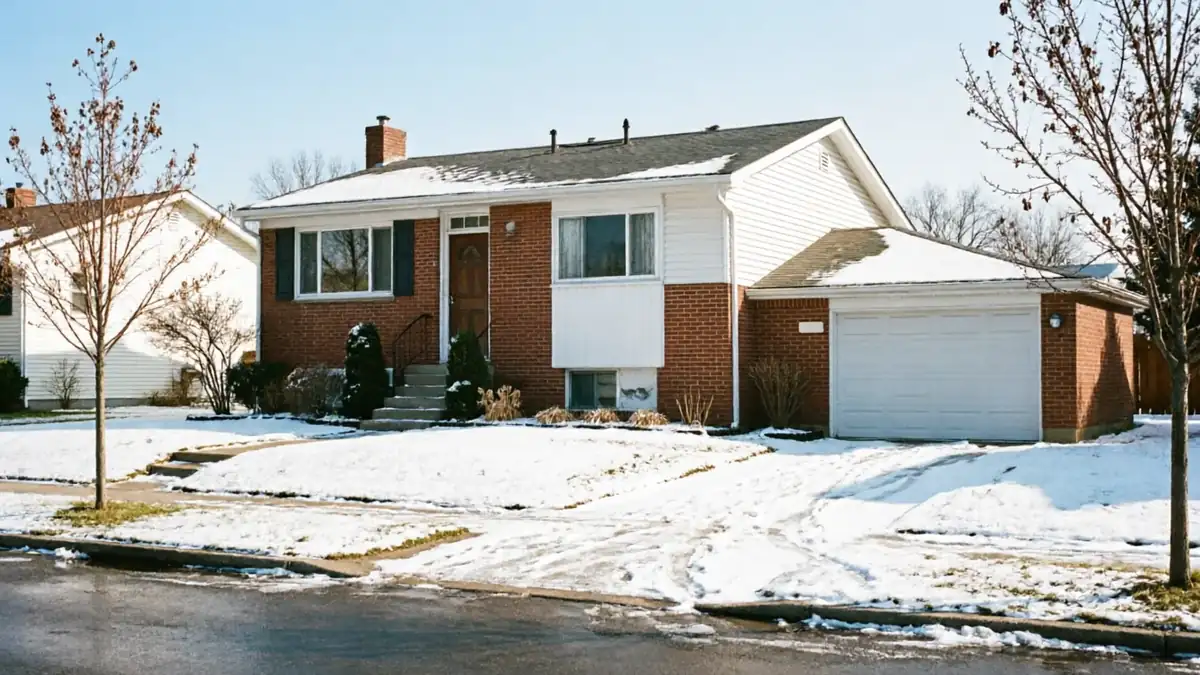
Most of the housing across our service area went up between 1943 and 1975, with the median sitting around 1964, and that matters here specifically: a door installed on a house built in the 1960s has had sixty years to wear through at least one set of original rollers, often two. Across the eight named areas that make up this stock, 1960s and 70s builds are the norm rather than the exception, so the roller hardware we're pulling out of a garage in one part of town looks almost identical to what we're pulling out across the rest of it. Hutchinson sits in a cold-moderate climate band, and that cold matters more for rollers than people expect - steel ball-bearing rollers contract in winter cold enough that a bearing with any existing wear will crack its race rather than just get stiff, which is why winter brings a run of roller calls that summer doesn't. With 4,360 households and 2,627 owner-occupied houses across the area we cover, a lot of those garages are carrying the same age of hardware, which is also why keeping both nylon and steel rollers stocked, rather than one or the other, actually matters here.