The Symptom
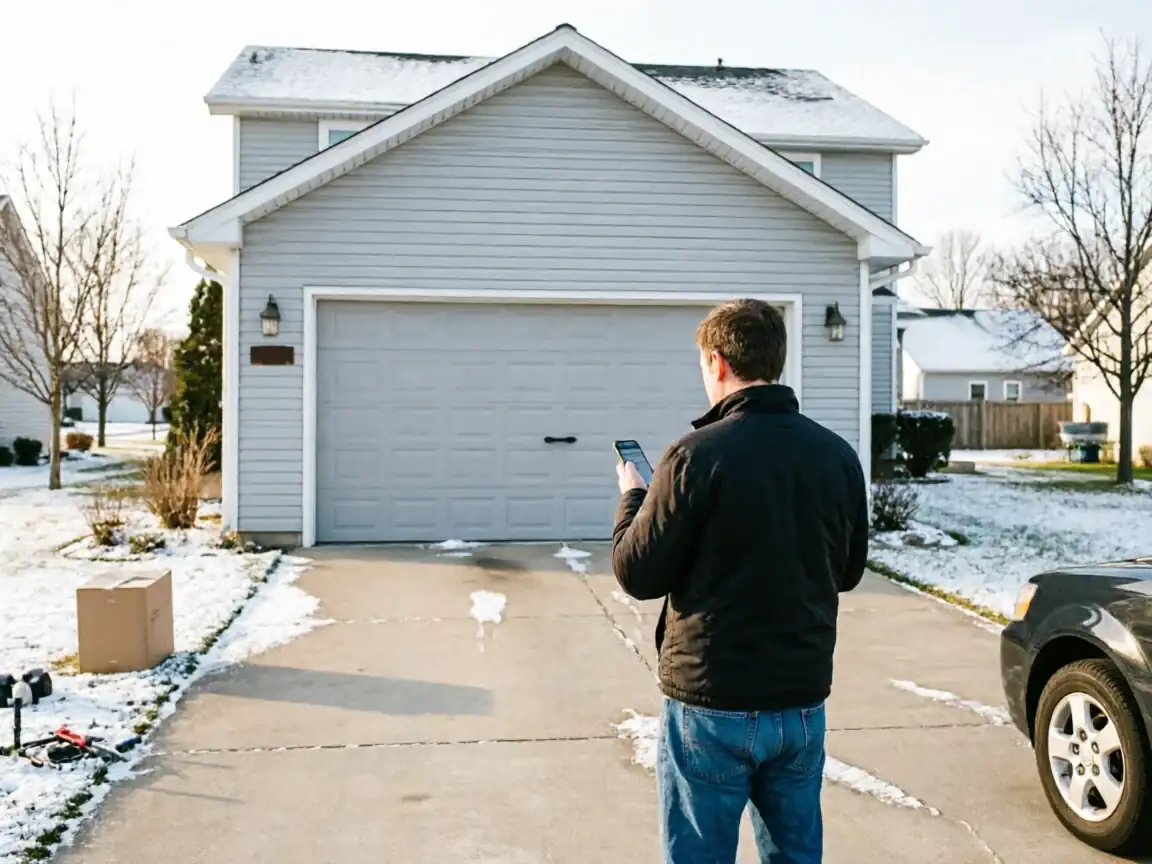
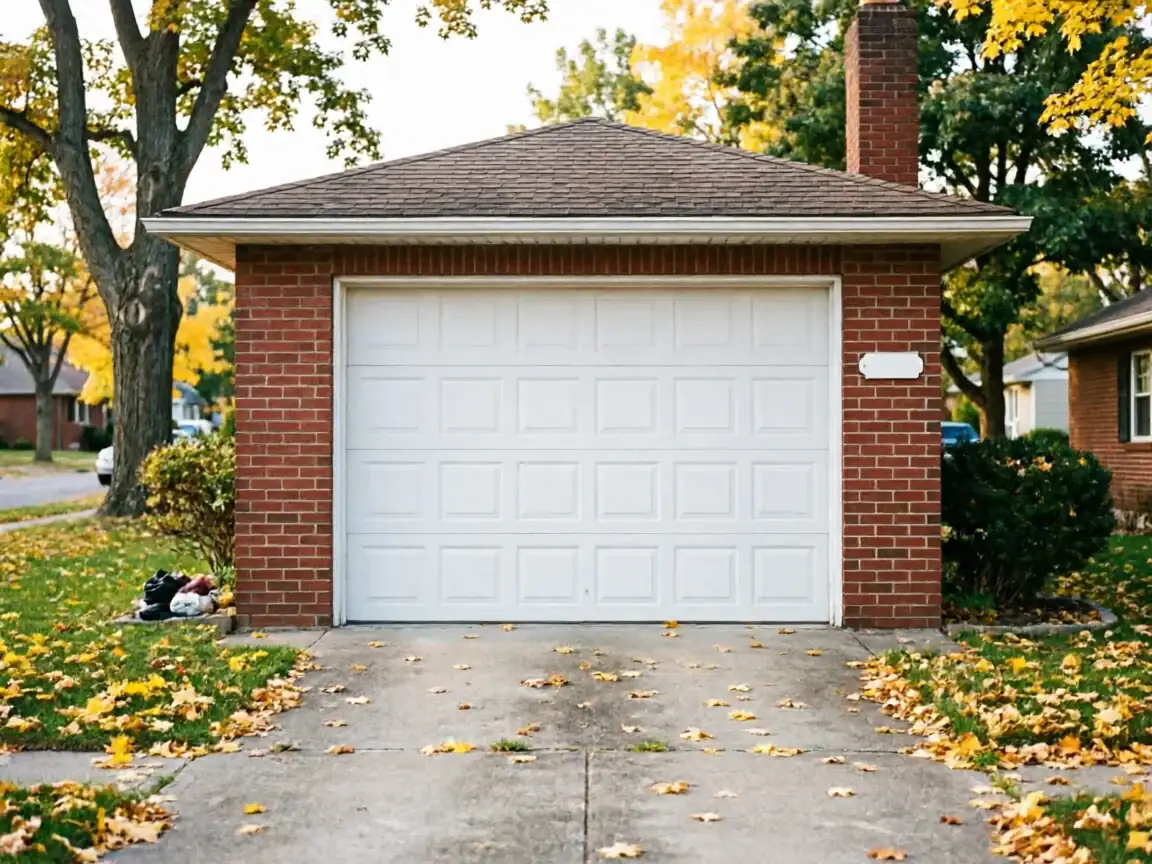
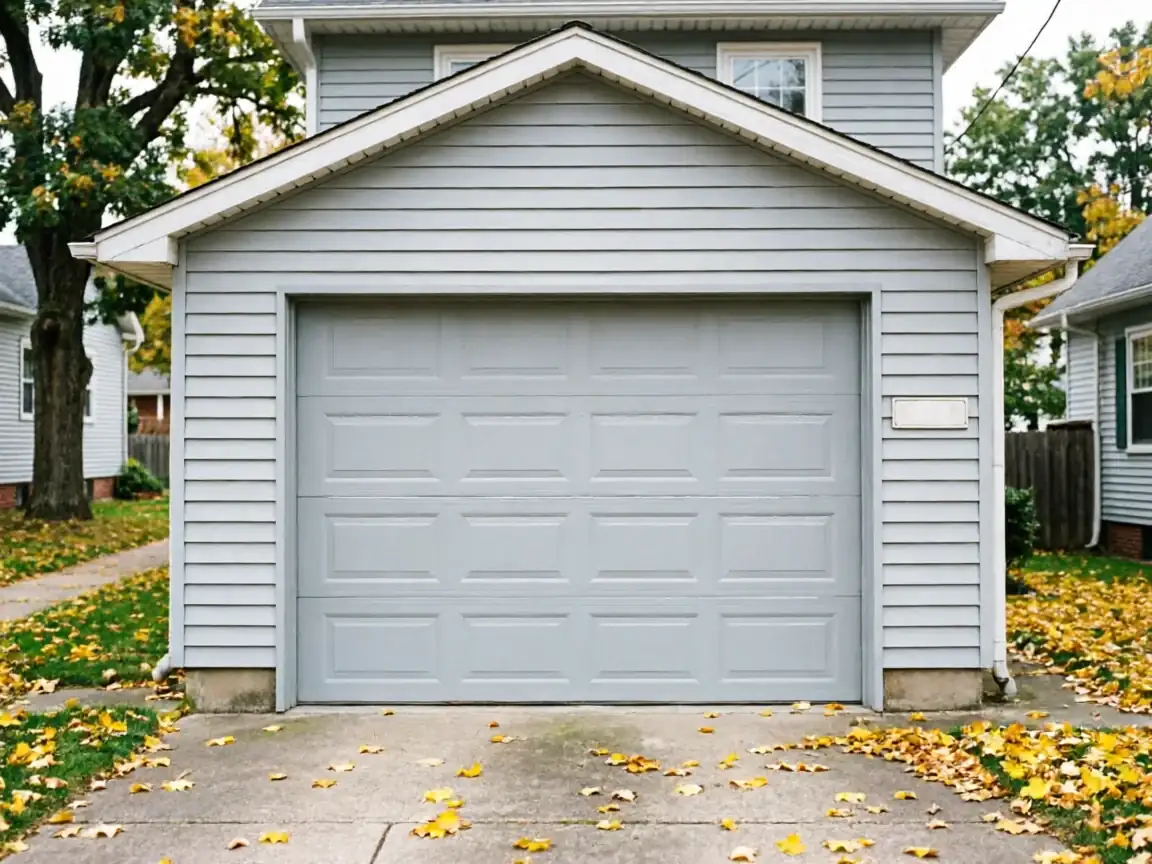
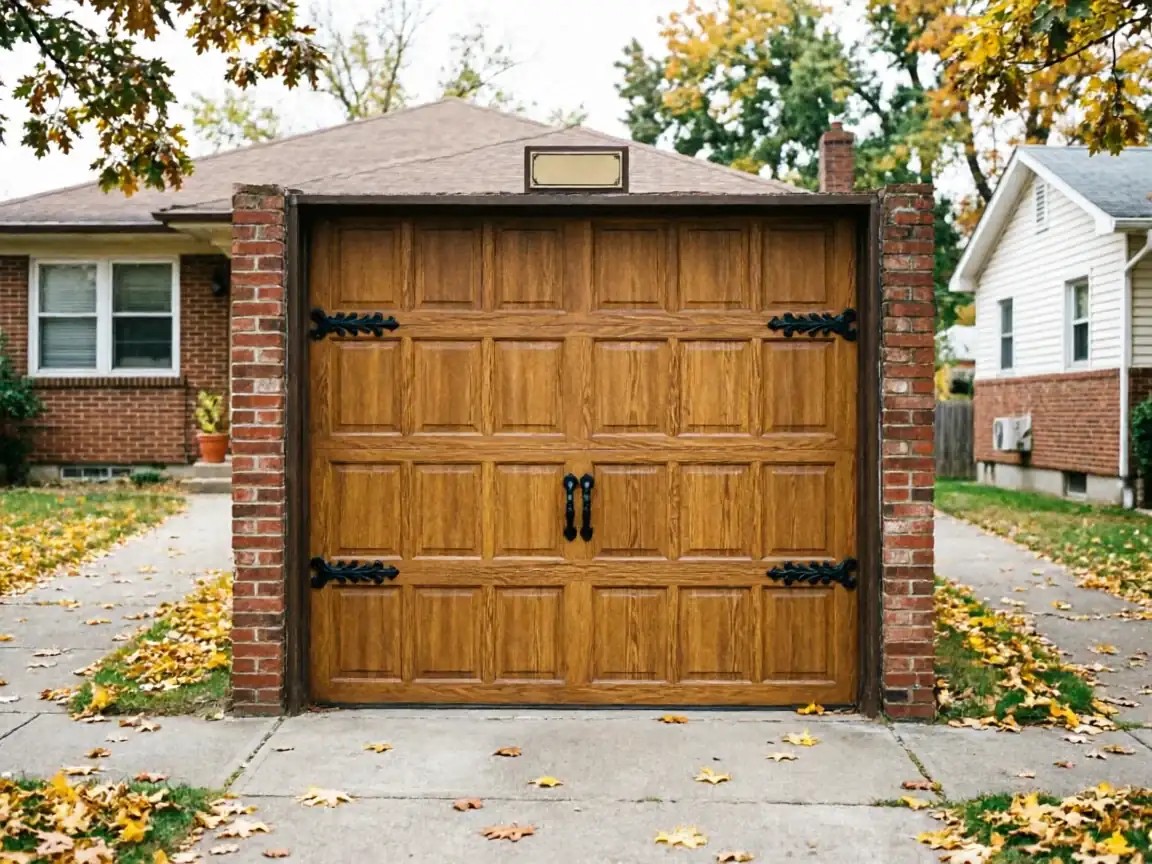
Most houses in South Hutchinson went up around 1974, right at the tail end of the build wave that shaped this whole area. A door that age has usually had one owner's worth of dents knocked into it and nothing structural ever swapped out. You notice a bowed or cracked panel long before you notice the hinges and rollers holding it, because those parts don't fail loud - they just get stiffer and louder every winter. If your door is original to a 1974 build, the panel you're staring at right now was likely installed before steel doors had foam-core insulation as a standard feature, which matters more here than it does in a warmer climate band.
Where This Job Goes Sideways
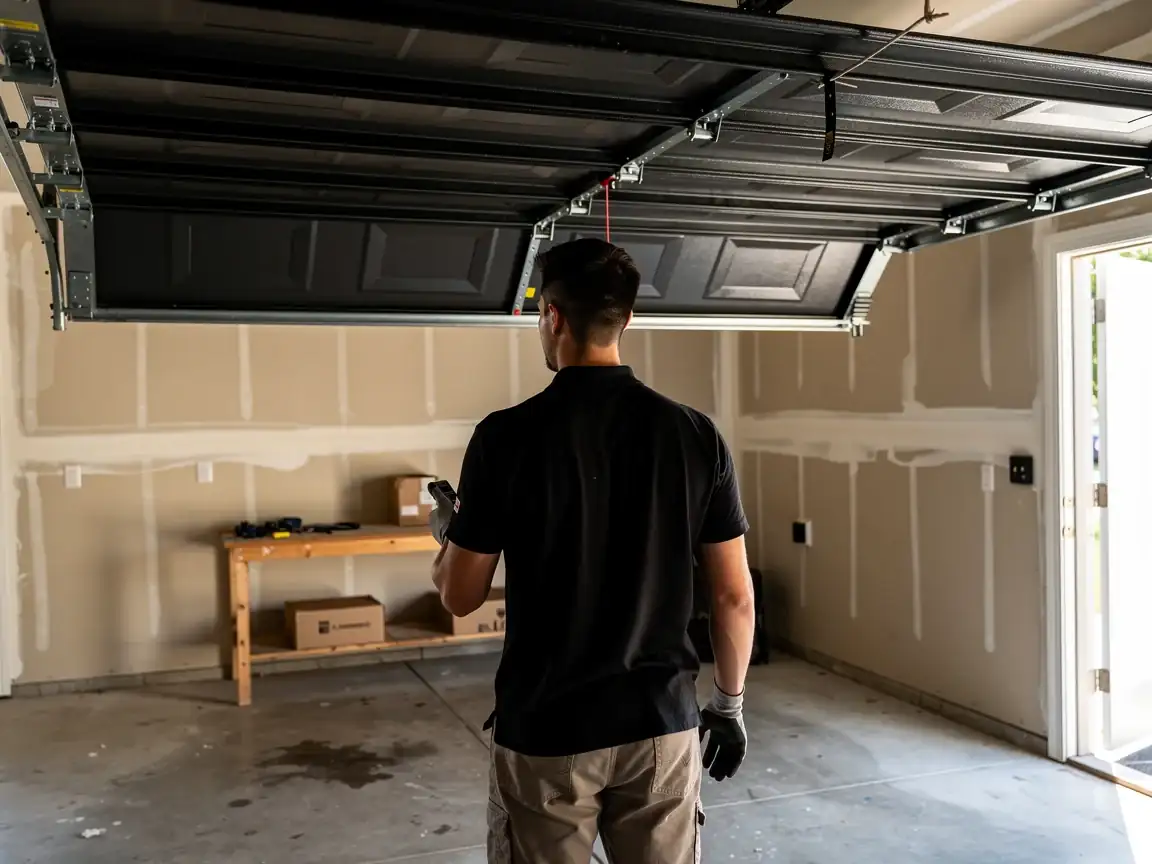
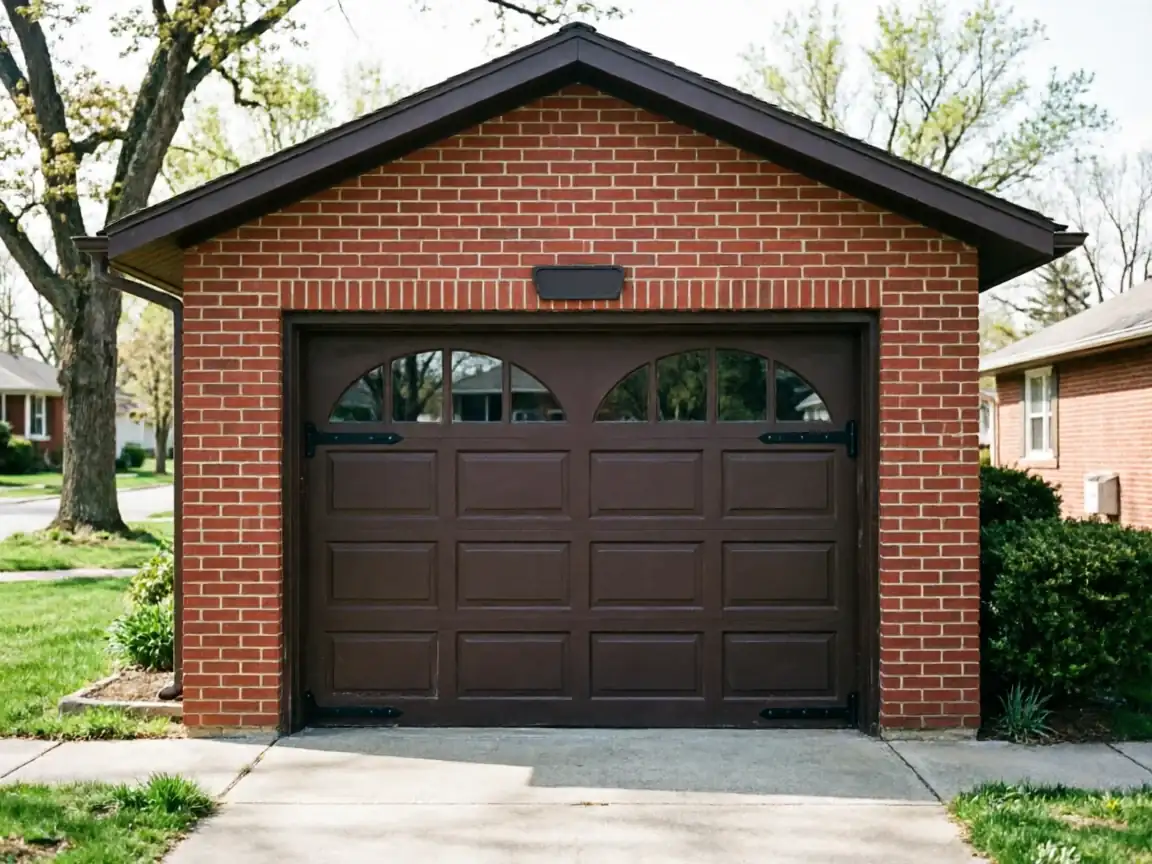
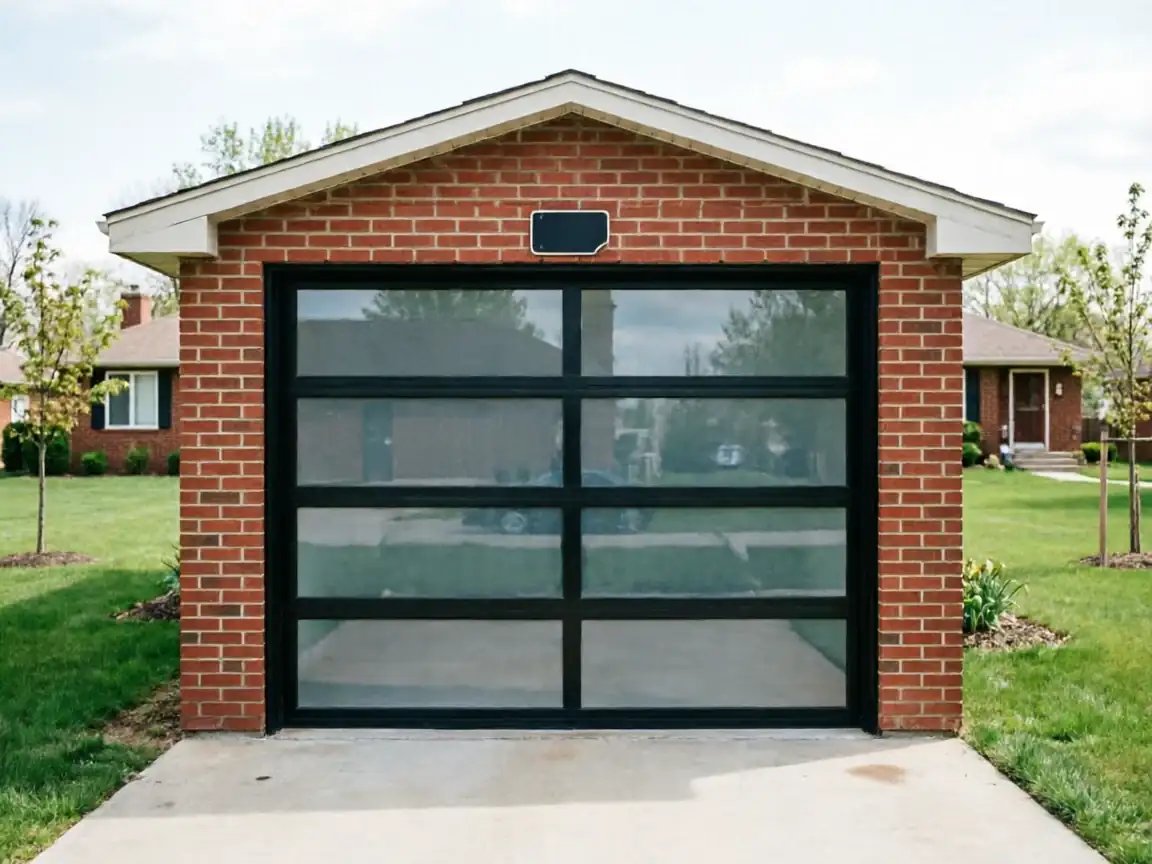
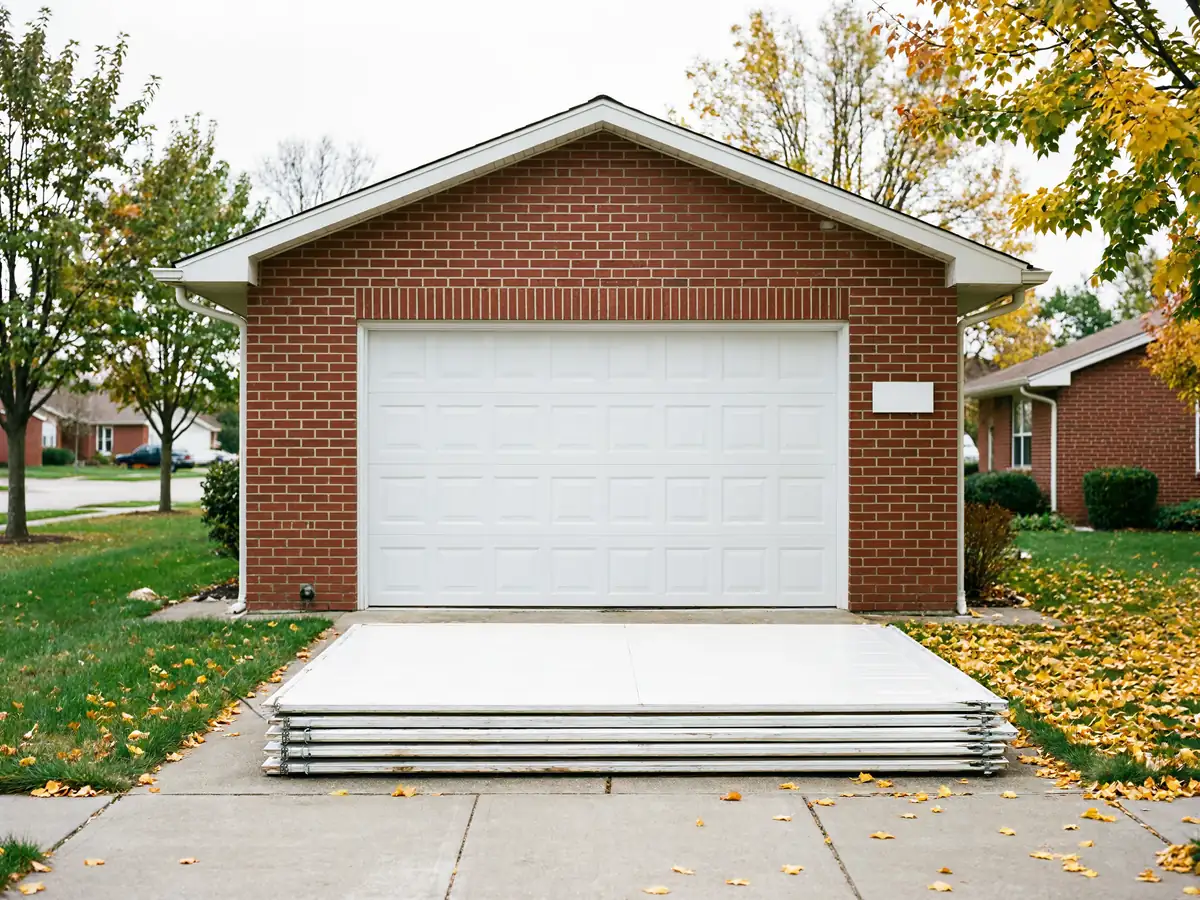
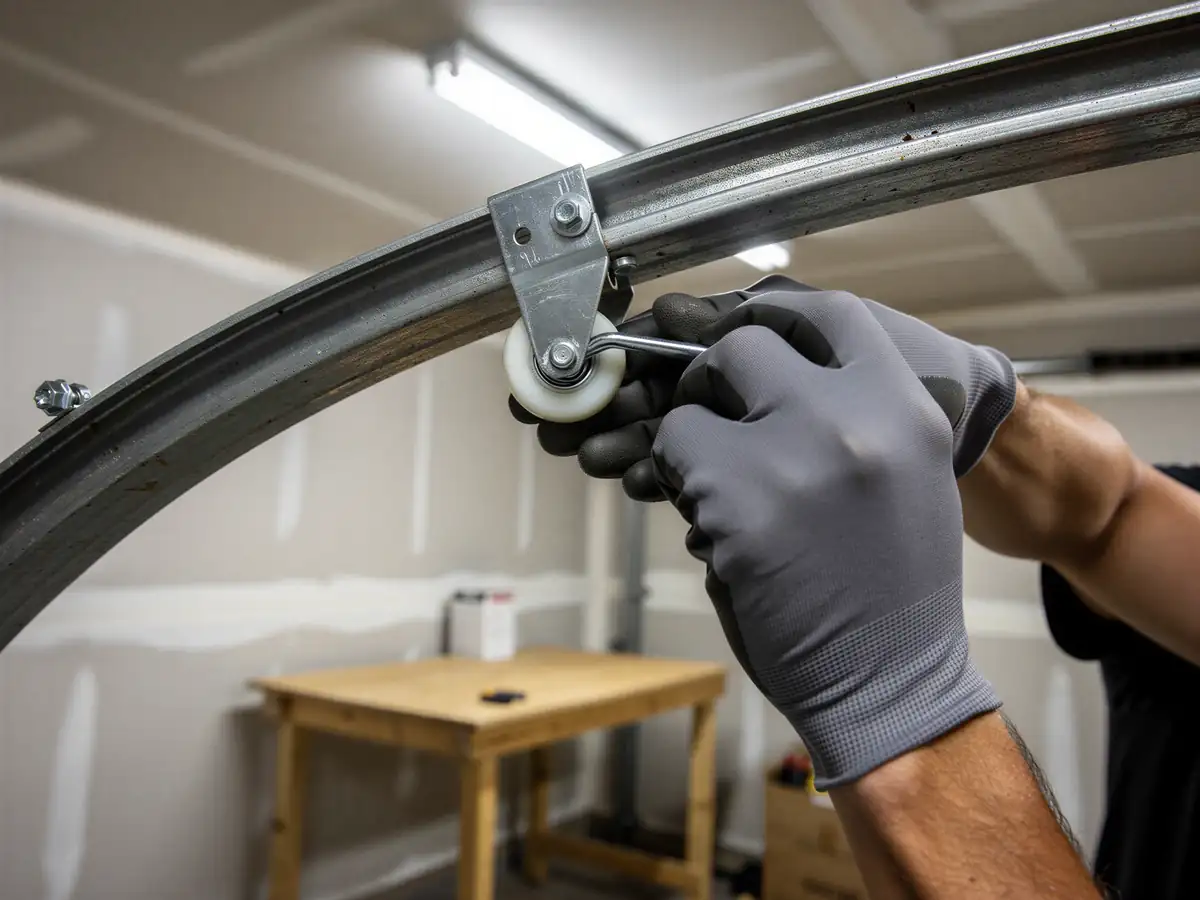
The honest problem with a 1974 door is that the panel style almost never matches anything on a current manufacturer's shelf. Section heights, hinge spacing, and seam profiles all shifted over the decades, so a single replacement panel sometimes has to be special-ordered or the whole door gets swapped instead - and the lead time on a discontinued panel can run longer than homeowners expect. We also run into track and roller hardware original to the house that was never sized for a heavier insulated replacement panel, so one damaged section can turn into a hardware upgrade nobody budgeted for. We won't pretend otherwise: if your panel isn't matchable, full-door replacement is often the cheaper, faster call than chasing a part.
How We Fix It
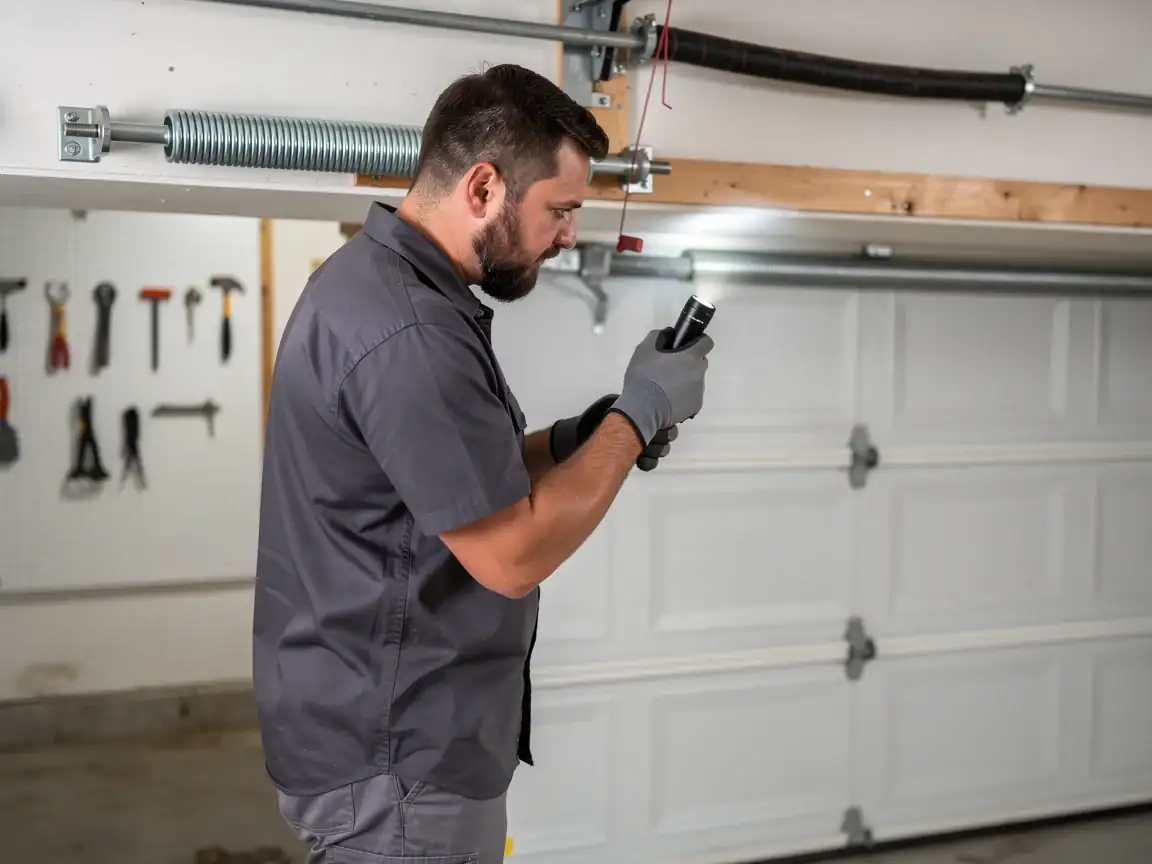
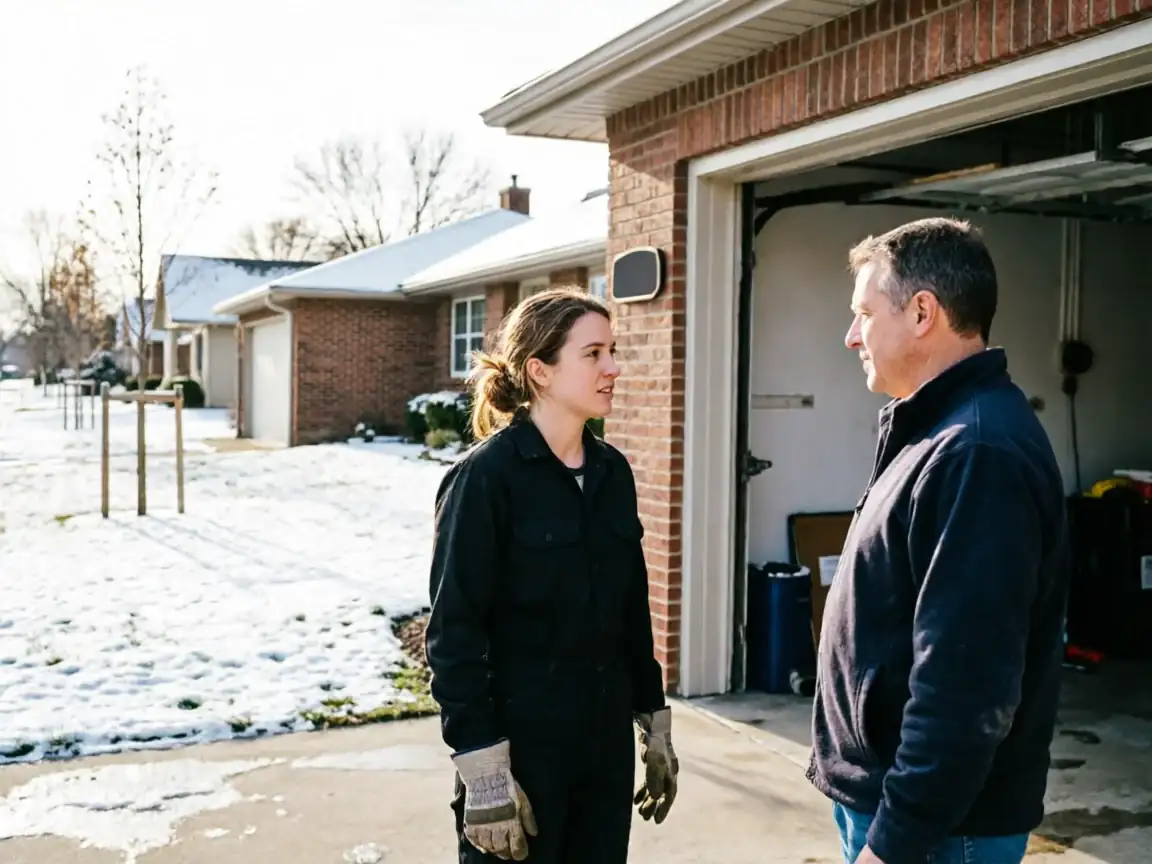
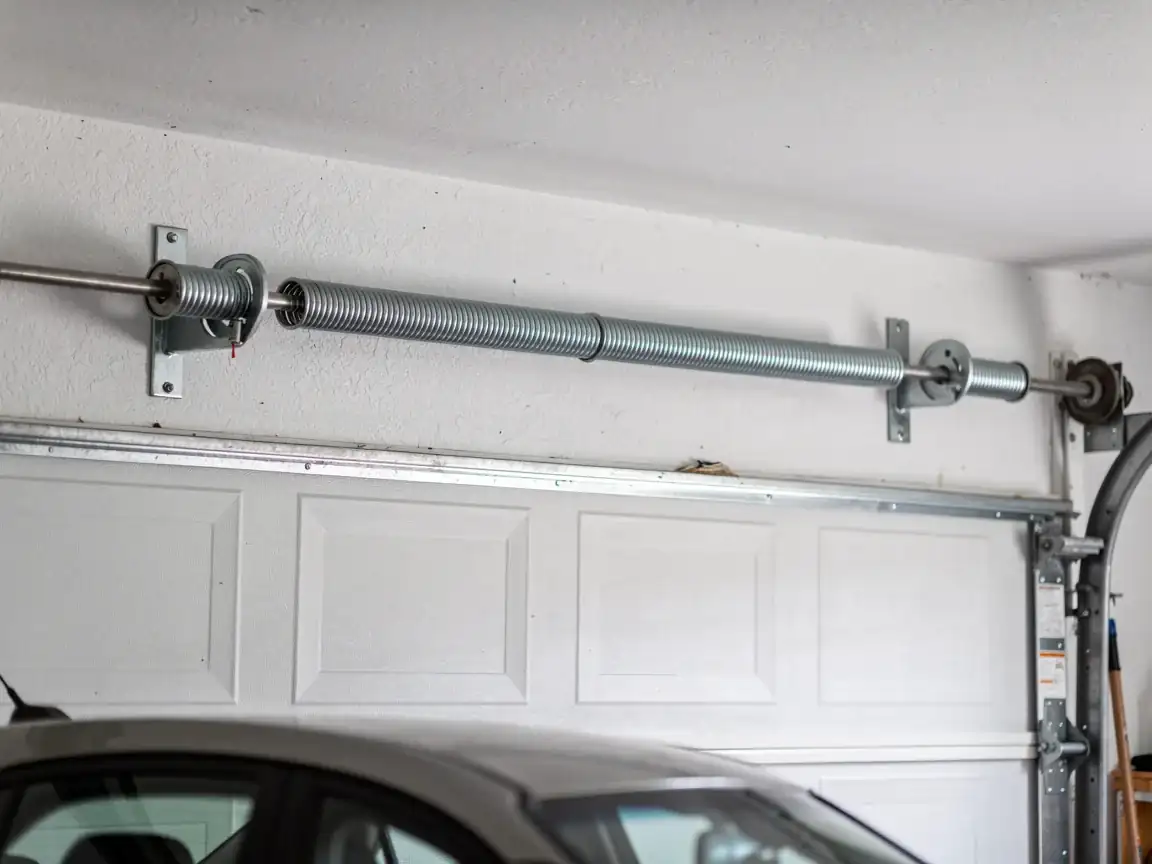
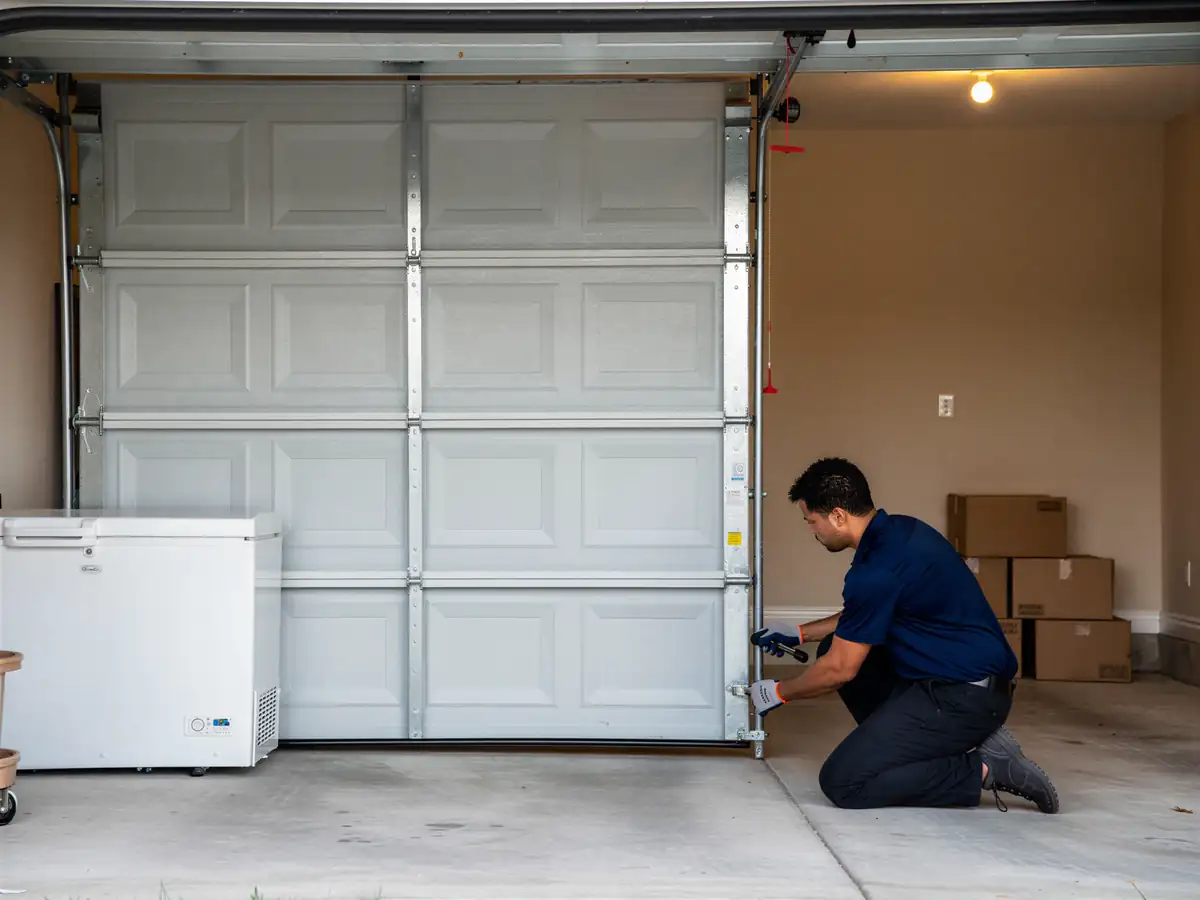
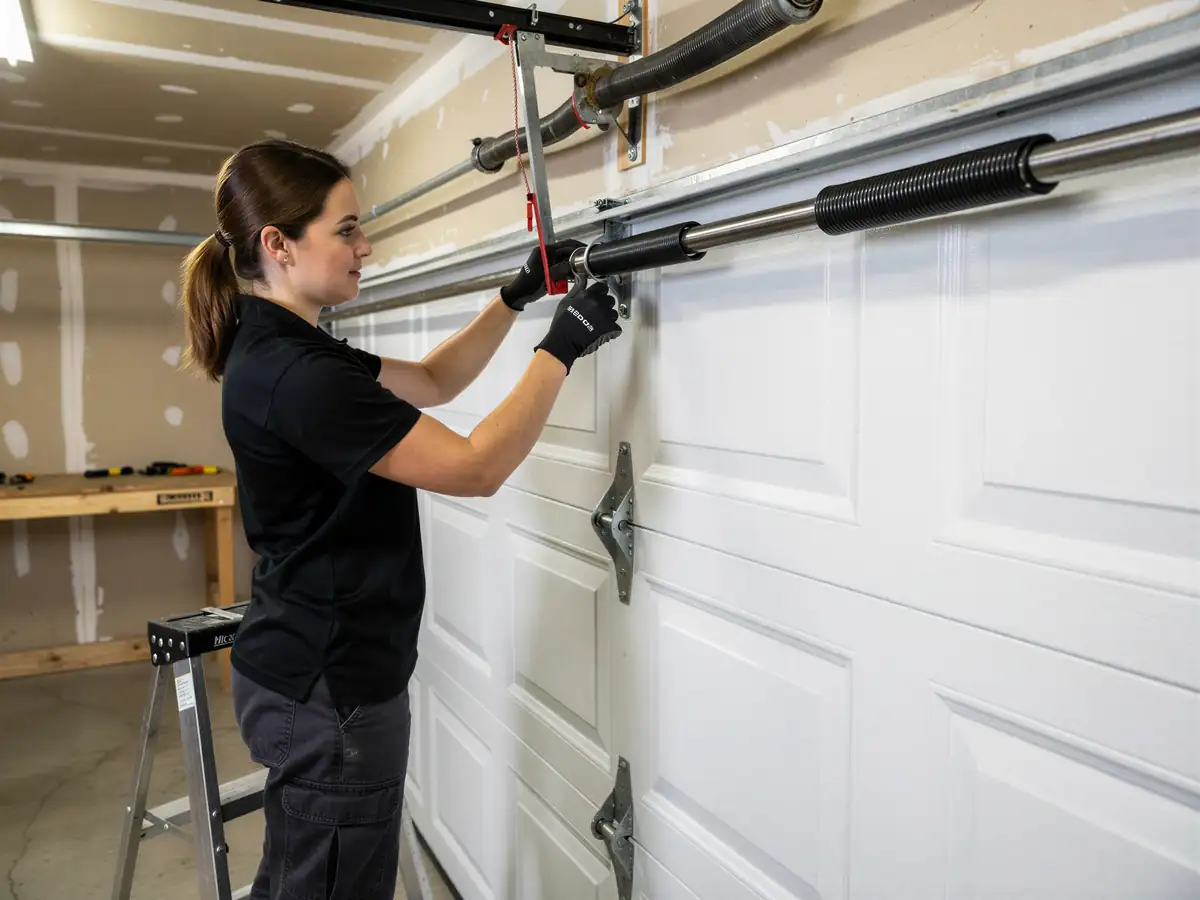
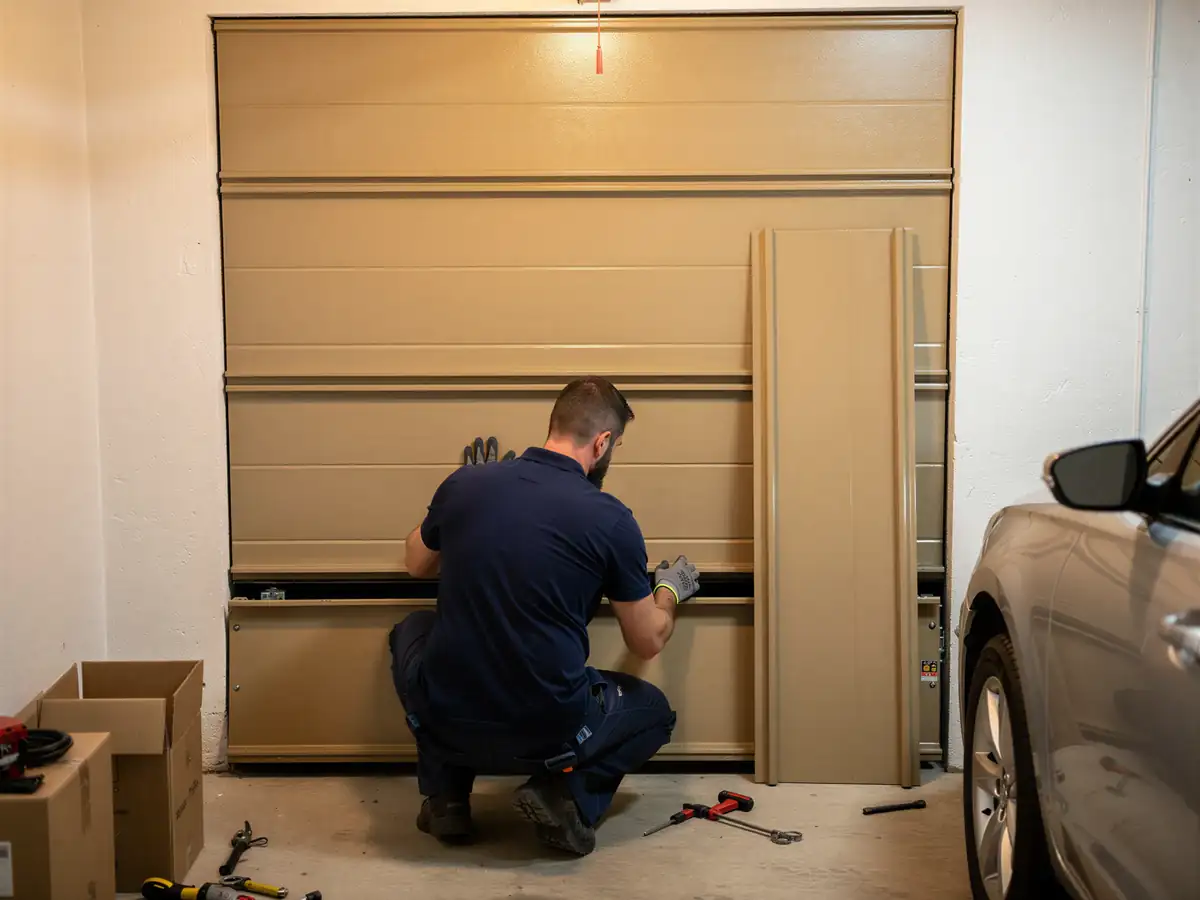
We come out from Hutchinson, about four miles, to look at the actual door before quoting anything. First step is matching the panel - checking seam spacing, section height, and hinge pattern against what's still available versus what's obsolete. If a matching panel exists, we replace just that section and check the track and rollers it bolts into, since original 1970s hardware wasn't built for the weight of newer insulated steel. If nothing matches, we walk you through full-door replacement options rather than forcing a mismatched panel onto an otherwise sound door. Either way, we check torsion spring tension while we're in there, since a panel swap changes door weight and an old spring sized for the original door can be wrong for the new one.
Can You Do This Yourself
Panel replacement is one of the more DIY-friendly garage door repairs if you can find the exact matching section, and some homeowners do it with basic tools and a free Saturday. Where it goes wrong is spring tension and alignment - pulling an old panel changes the balance point the door was set up for, and resetting torsion spring tension on a door you didn't install is where people get hurt. If your panel is original to a 1974 build and no longer sold, sourcing it yourself is also the harder half of the job. We'd rather tell you that up front than let you find out mid-project.