The Symptom
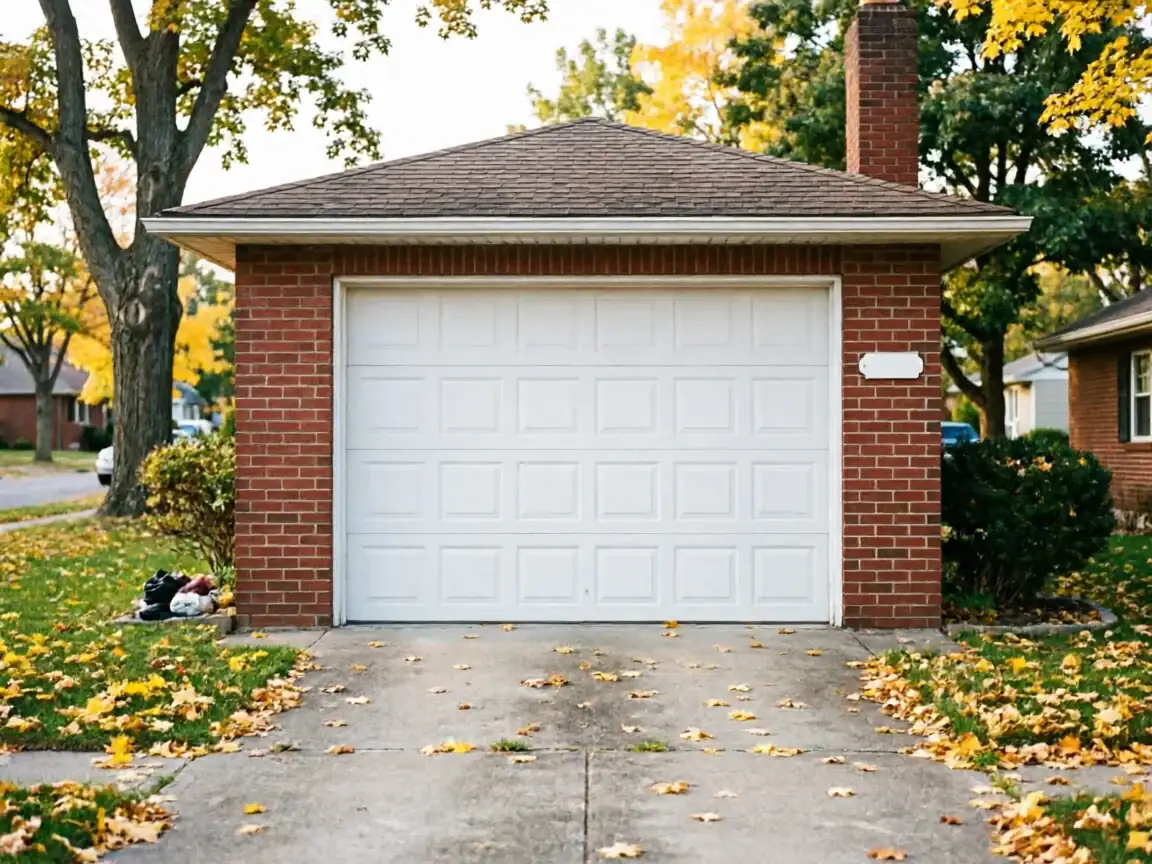
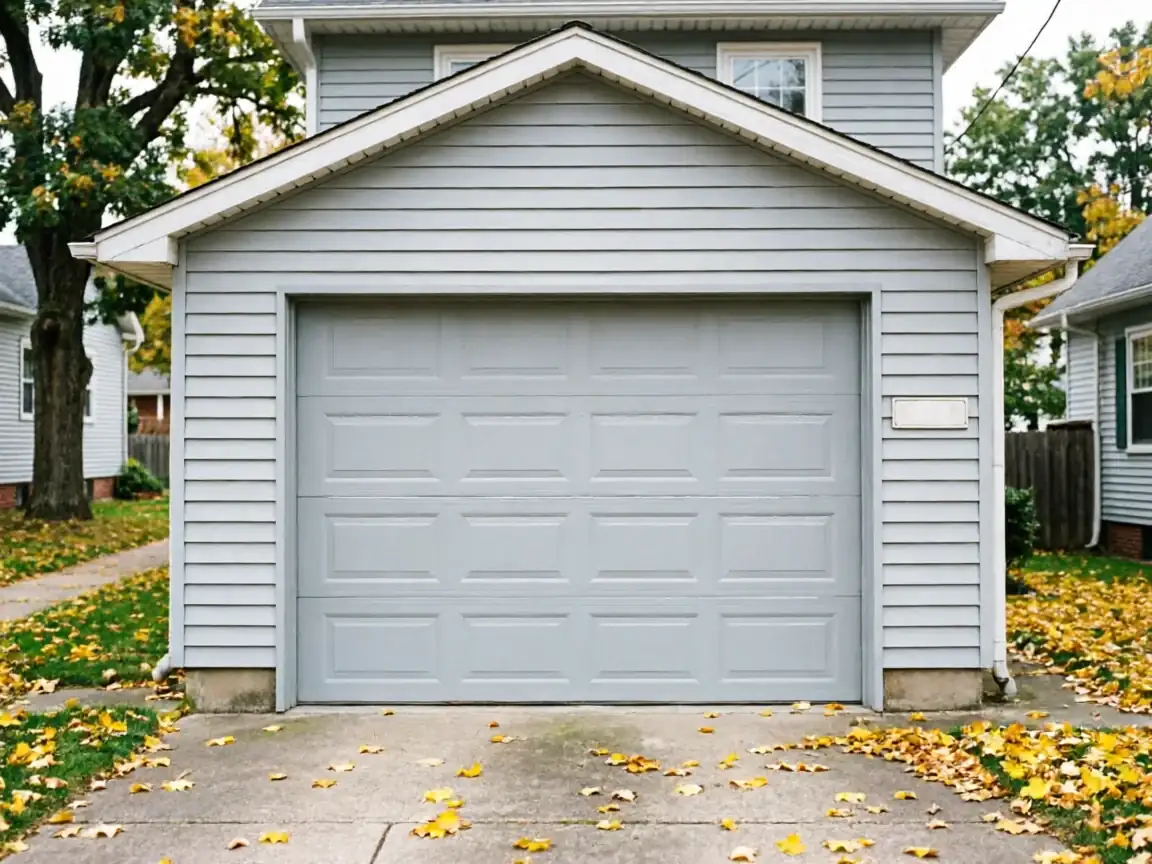
A cable that's frayed, slipped off its drum, or snapped outright looks the same everywhere - the door hangs crooked, one side drops faster than the other, or it won't budge past a few inches. But the reason it happened isn't the same everywhere. South Hutchinson's housing stock runs newer than most of the rest of the area we cover out of Hutchinson: median build year here is 1974, a full decade past the 1964 median across the broader service territory. That decade matters because it usually means a different drum size, a different cable gauge, and in some cases an extension spring setup instead of torsion. When the cable goes here, you're often dealing with factory hardware from a slightly later era, not the mix of 1940s-through-1960s doors we see closer to the center of town.
Where This Job Goes Sideways
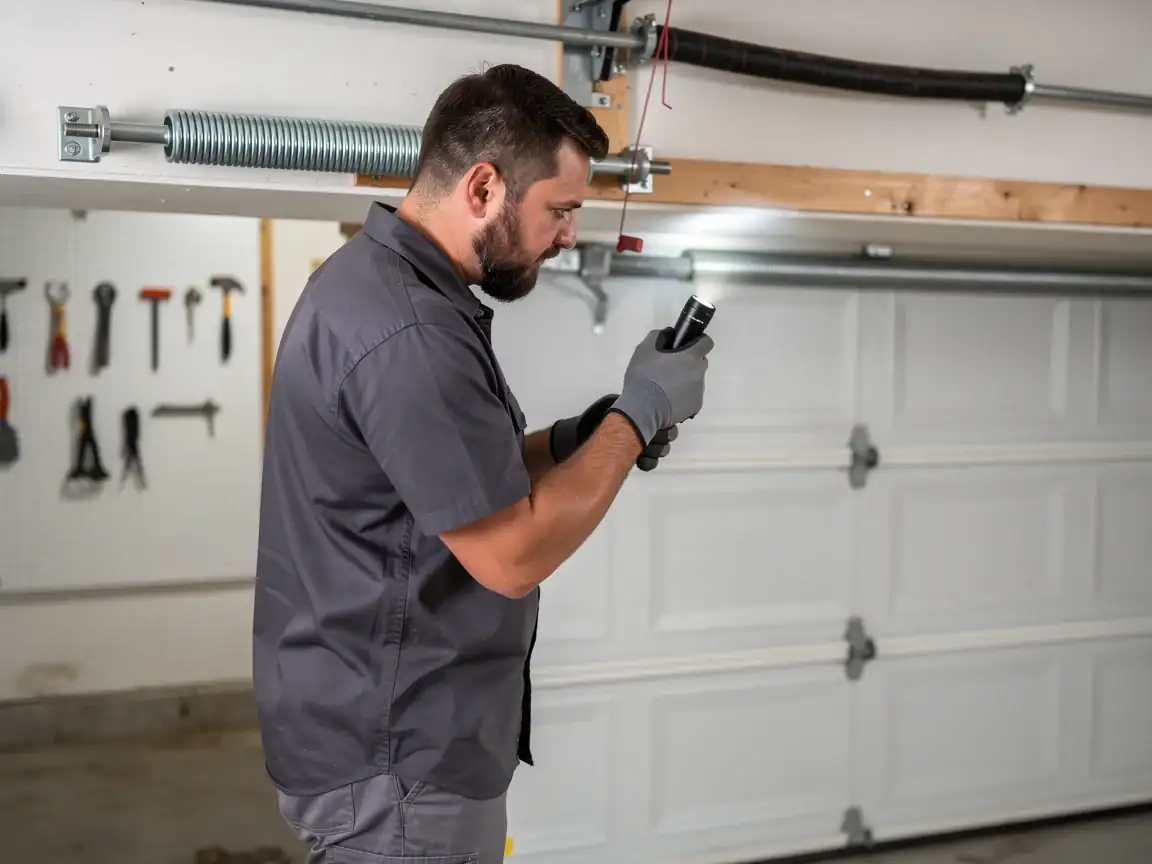
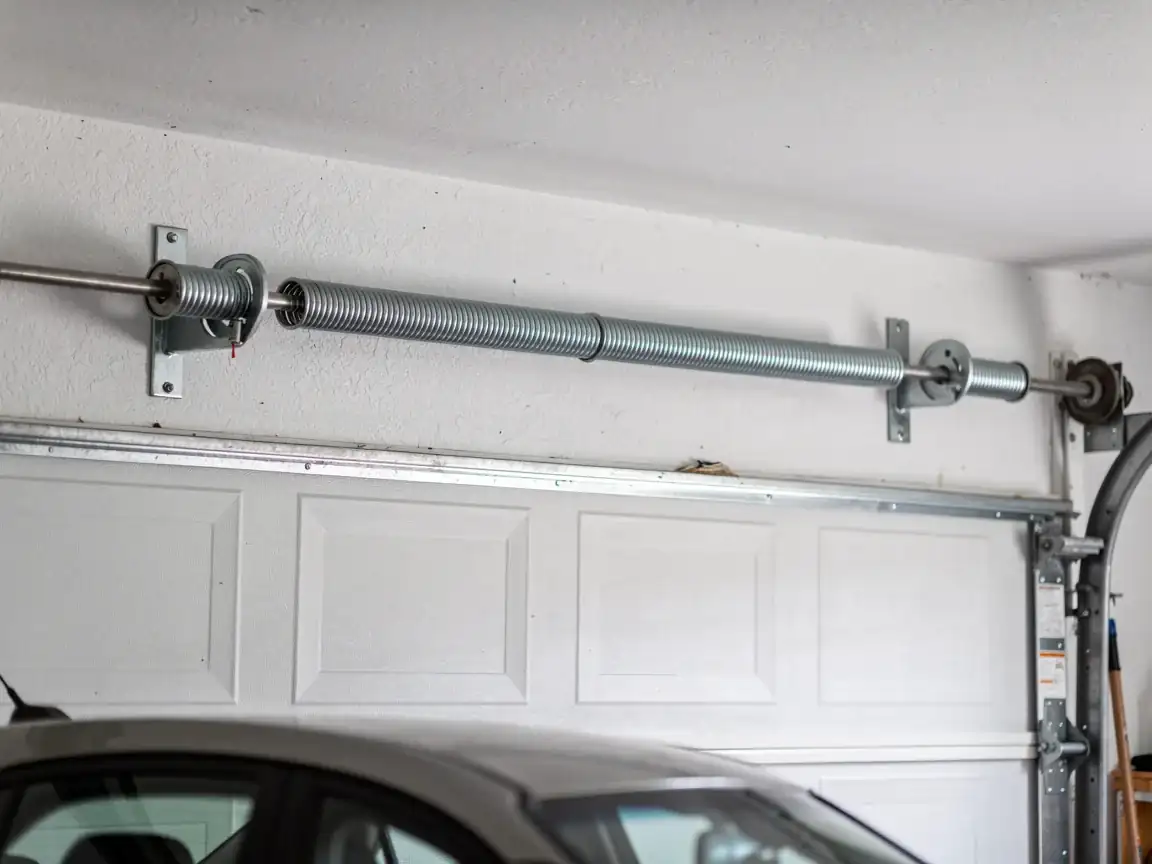
The mistake we see most is someone trying to rehang a cable without releasing spring tension first - on a torsion system that's enough to put a finger or a wrist in the way of several hundred pounds of stored force. The second mistake is replacing just the cable and ignoring the drum it rides on. If the drum is worn or cracked, a new cable will jump the groove again within weeks, and now it's a second service call for a problem that should've been caught the first time. We check both cables, both drums, and the spring they're attached to as one job, not three separate guesses.
How We Fix It
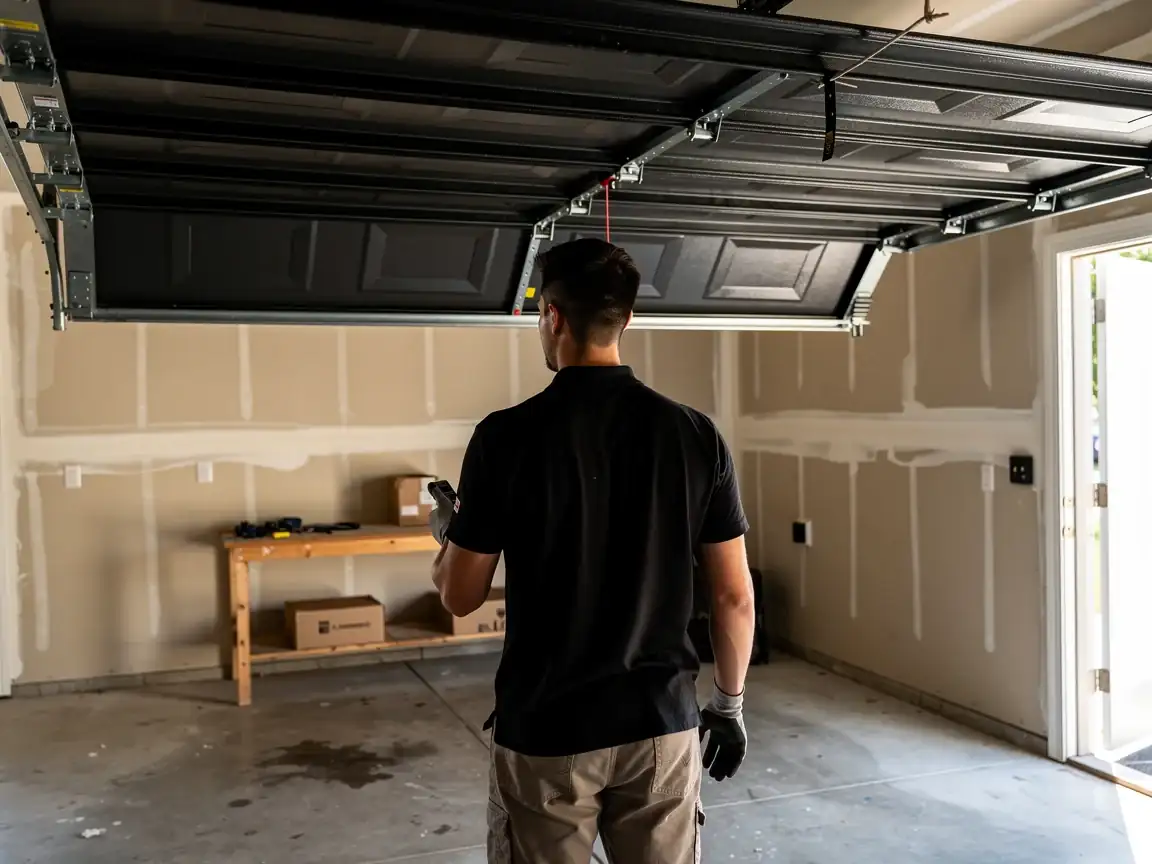
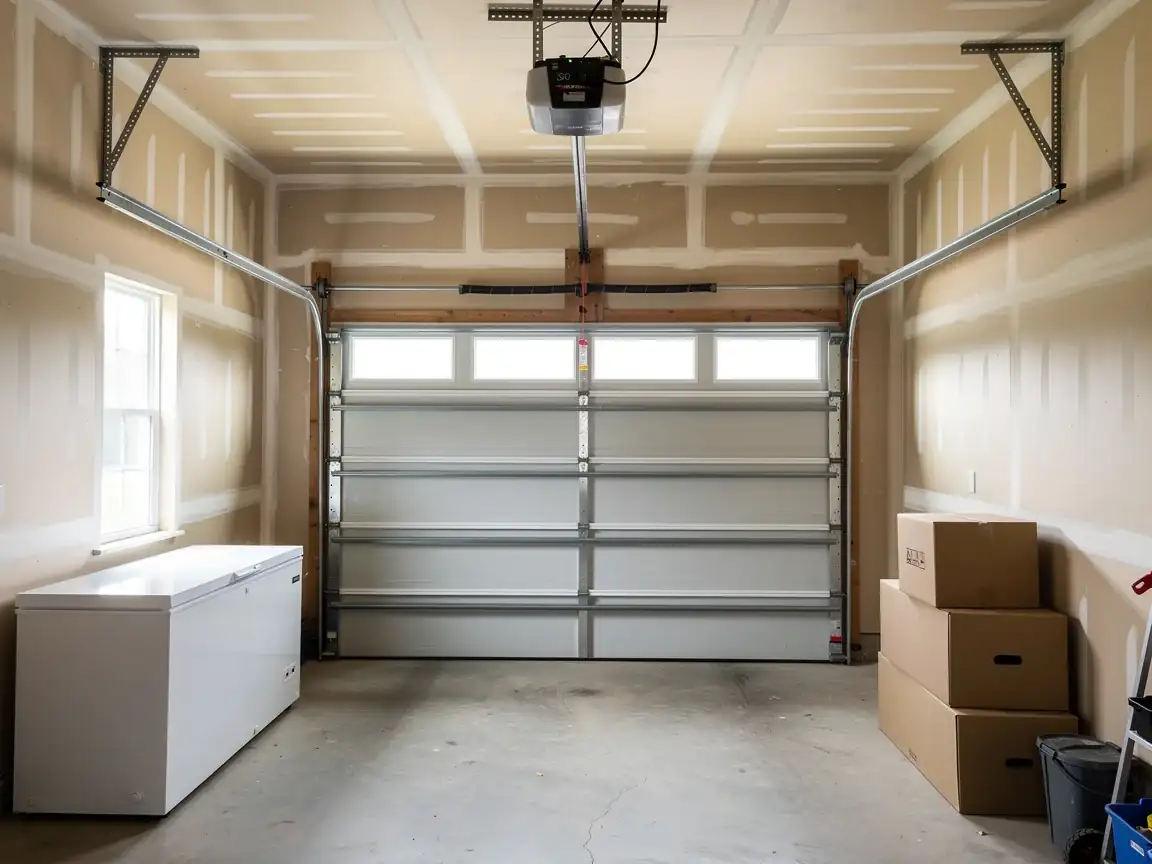
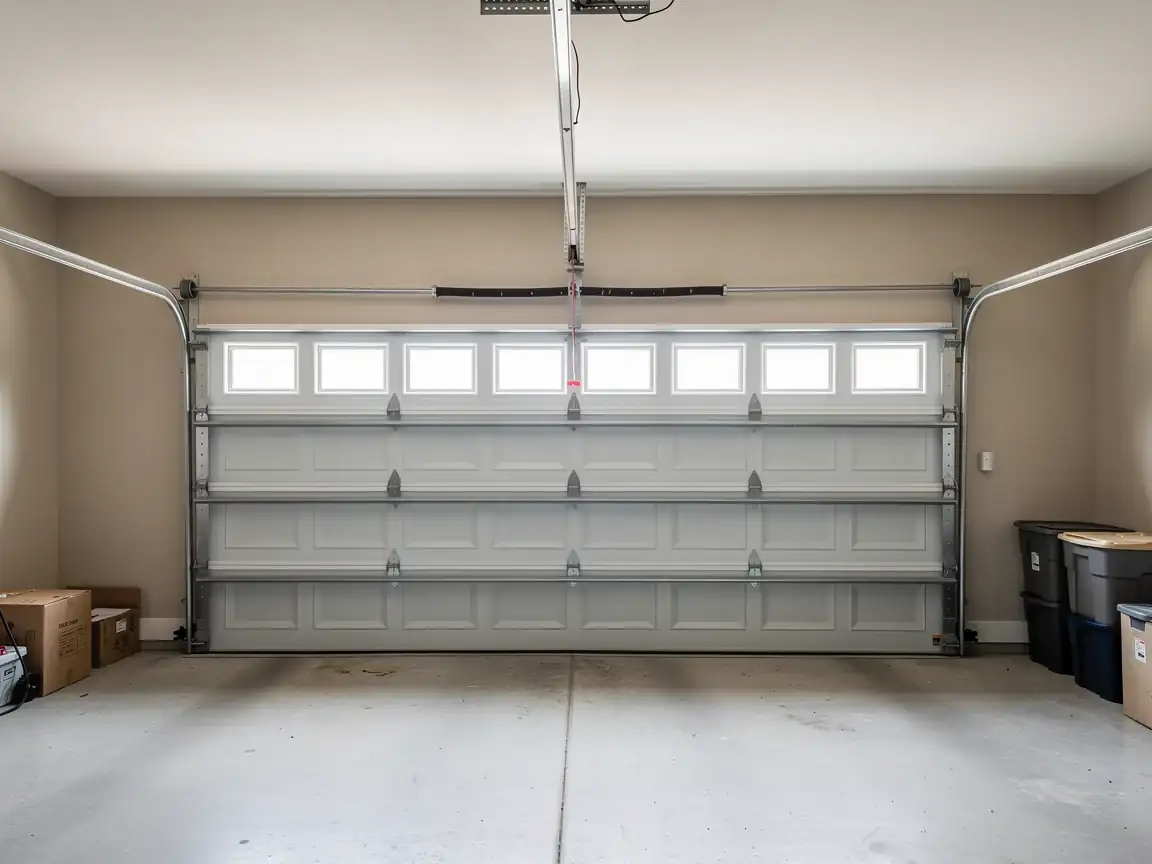
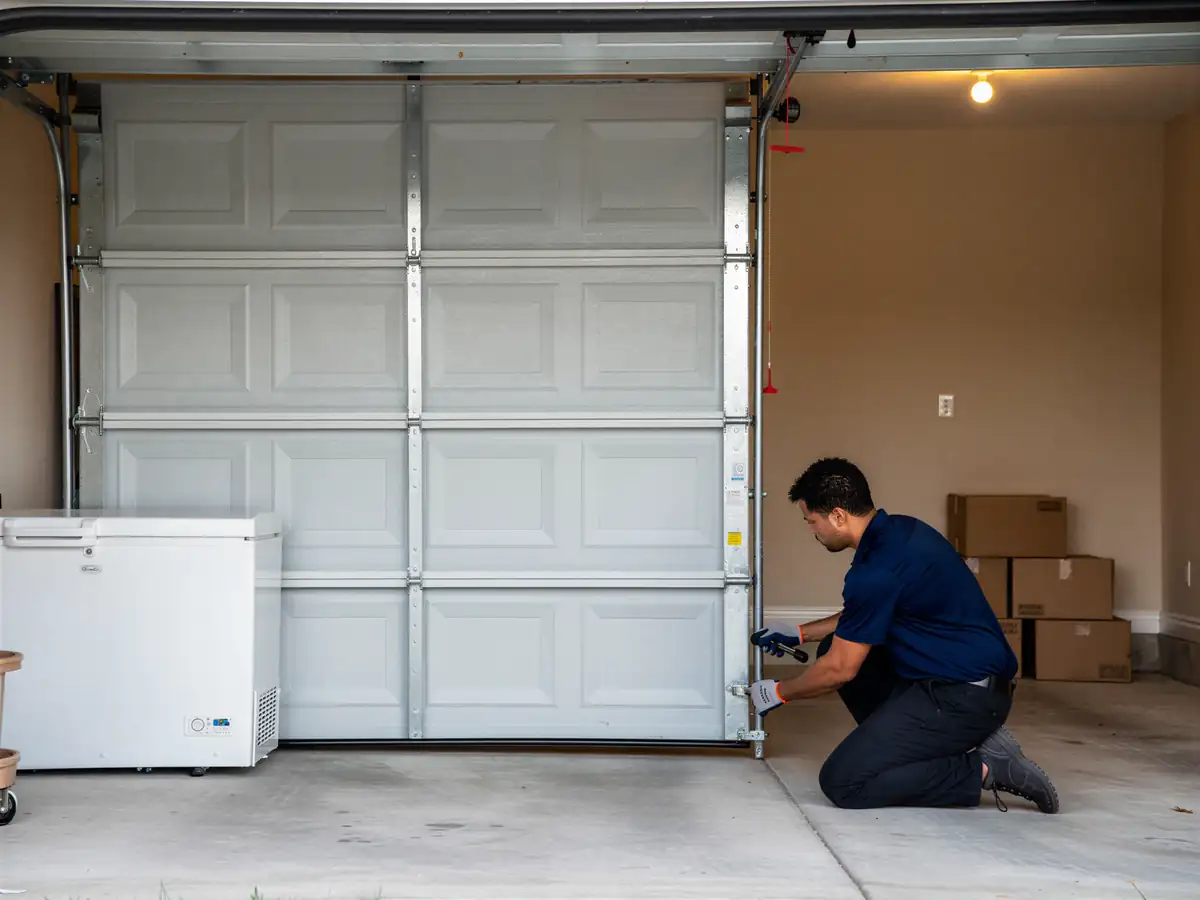
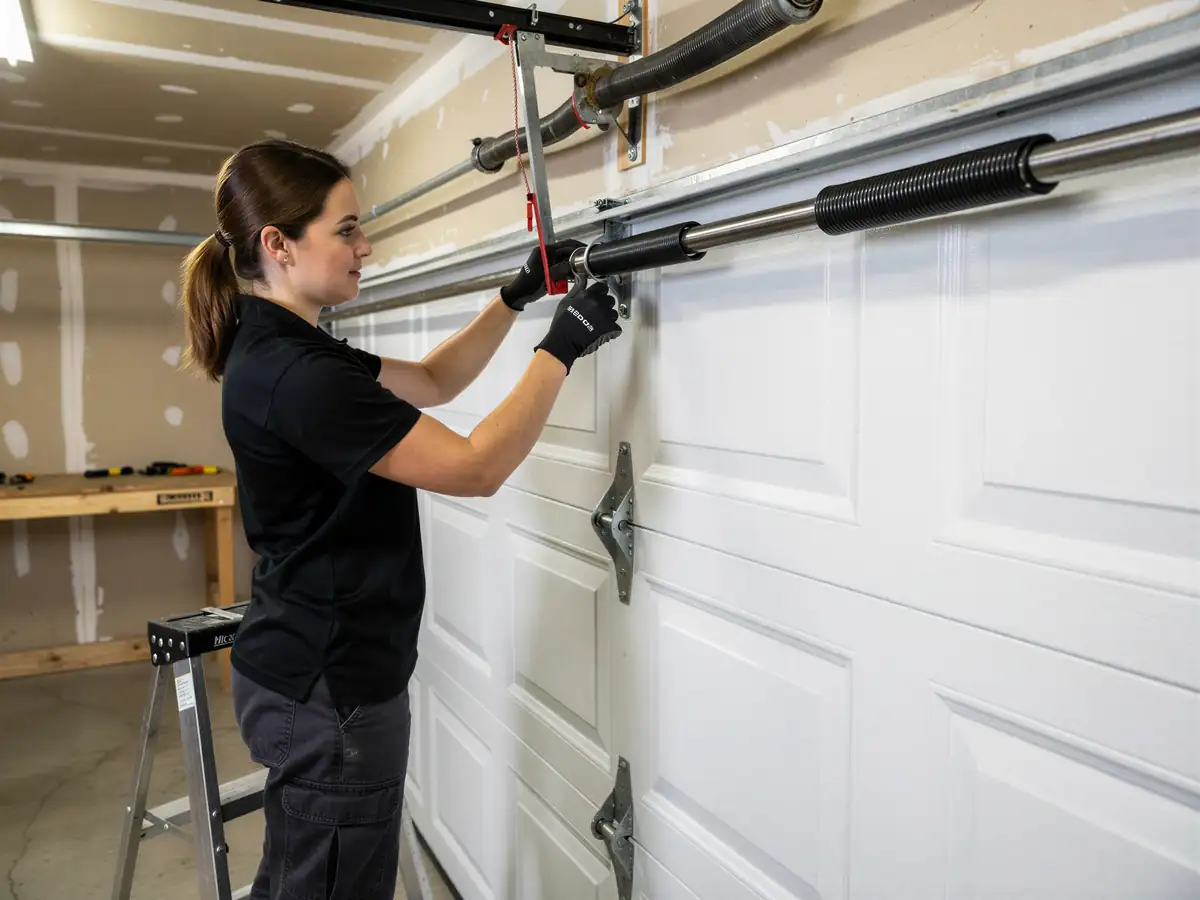
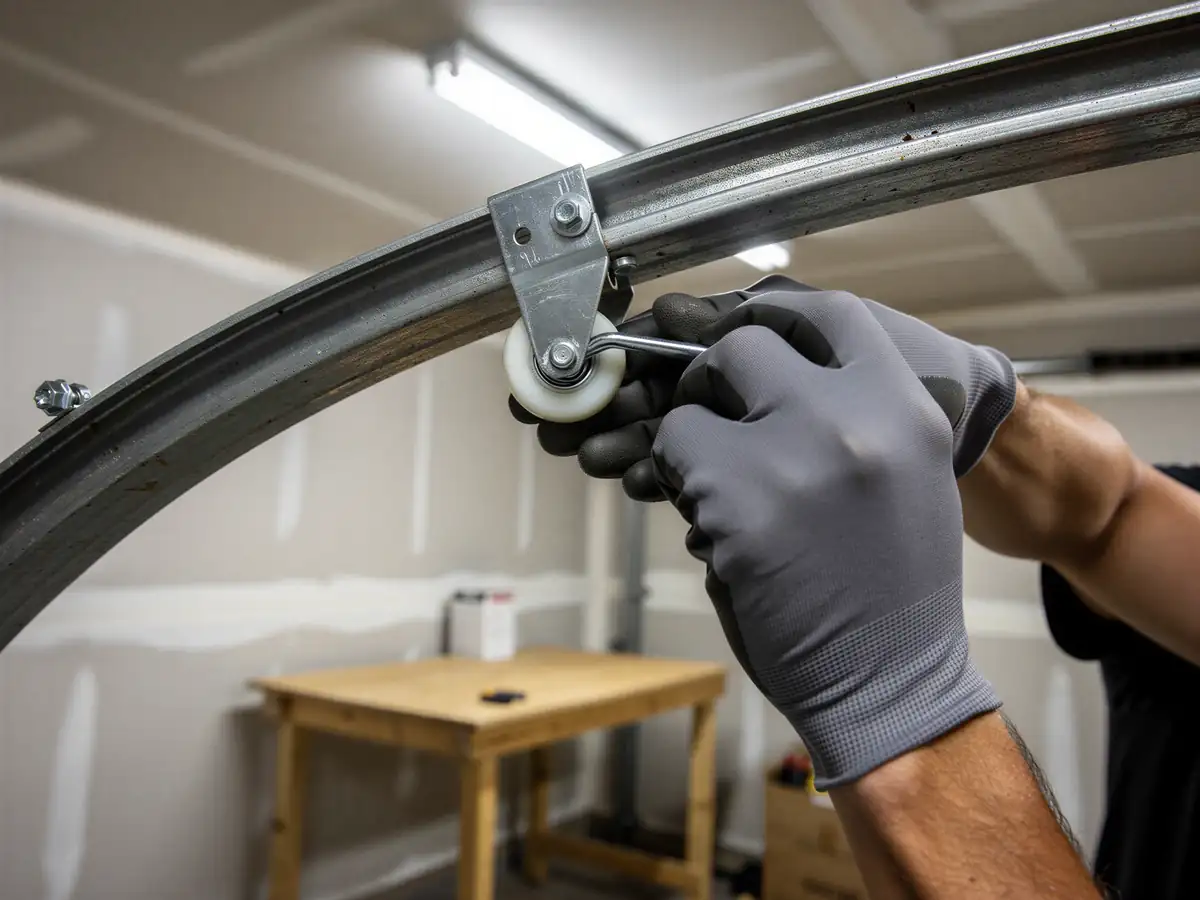
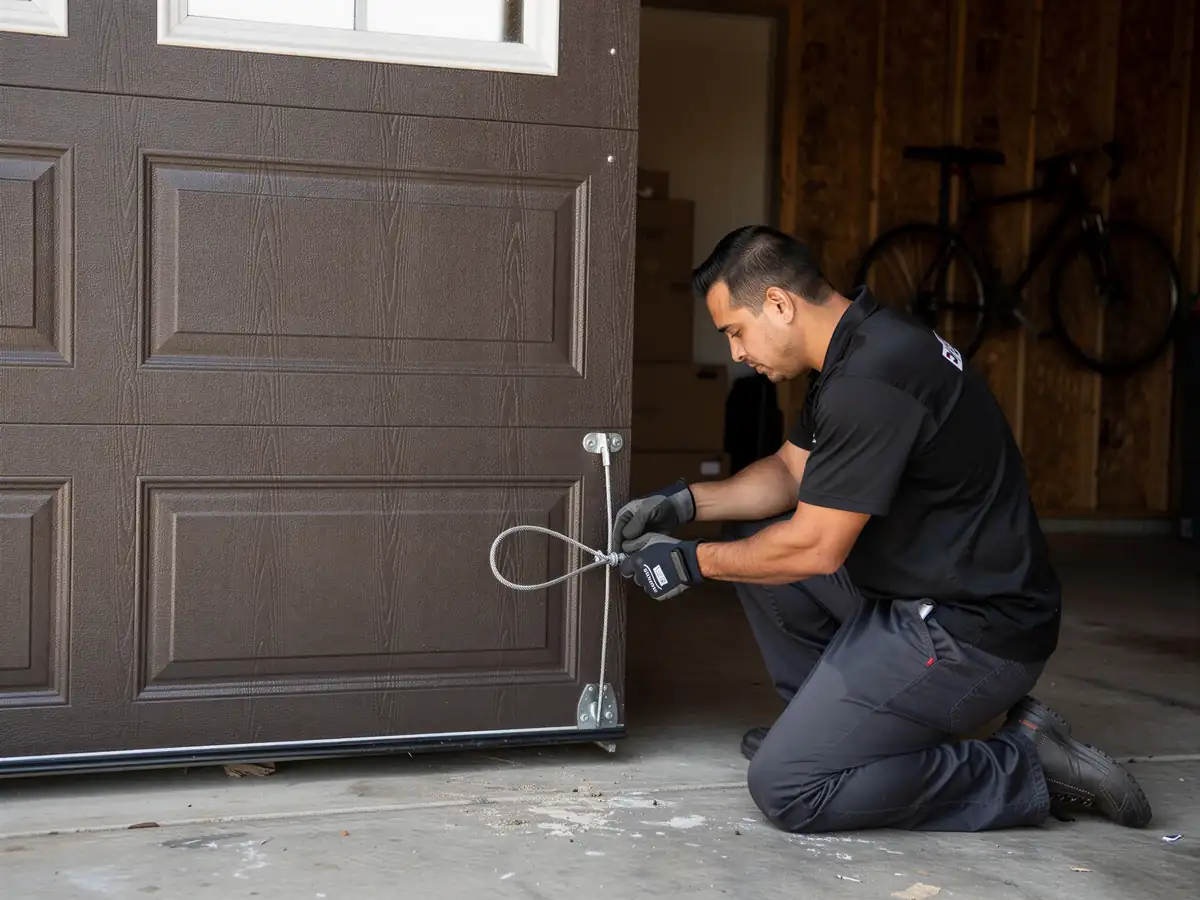
We come out from Hutchinson - South Hutchinson is about 4 miles, so it's a short run. On site we release spring tension, pull the broken or frayed cable, inspect the drum and bearing plate it rides on, and replace what's actually worn rather than just the piece that failed first. If the door is on a torsion system, we match cable gauge and drum size to the hardware already on the door rather than swapping in whatever's closest - mismatched gauge is one of the fastest ways to see this exact failure again in under a year. Doors on older extension-spring setups get the equivalent check on their pulleys and safety cables.
Can You Do This Yourself
If it's a torsion cable, no - not safely, not without the right winding bars and a clear idea of how much tension is stored in that spring. That's the honest limit here: we'd rather tell you that up front than have you find out the hard way. If it's a lighter extension-spring setup and the door is already down with tension released, a cable swap is within reach for someone comfortable with hand tools. Either way, check the drum and the opposite cable while you're in there - a cable that broke from age usually has a twin that's close behind it.