The Symptom
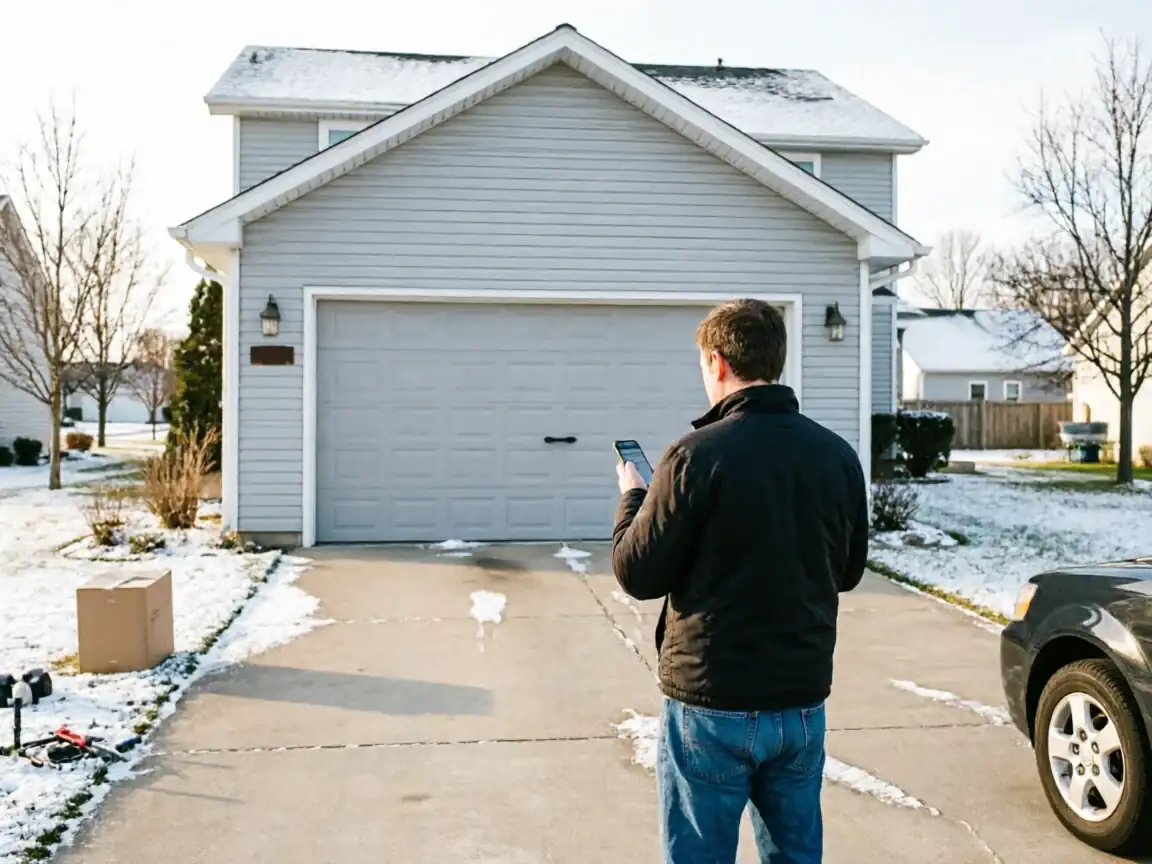
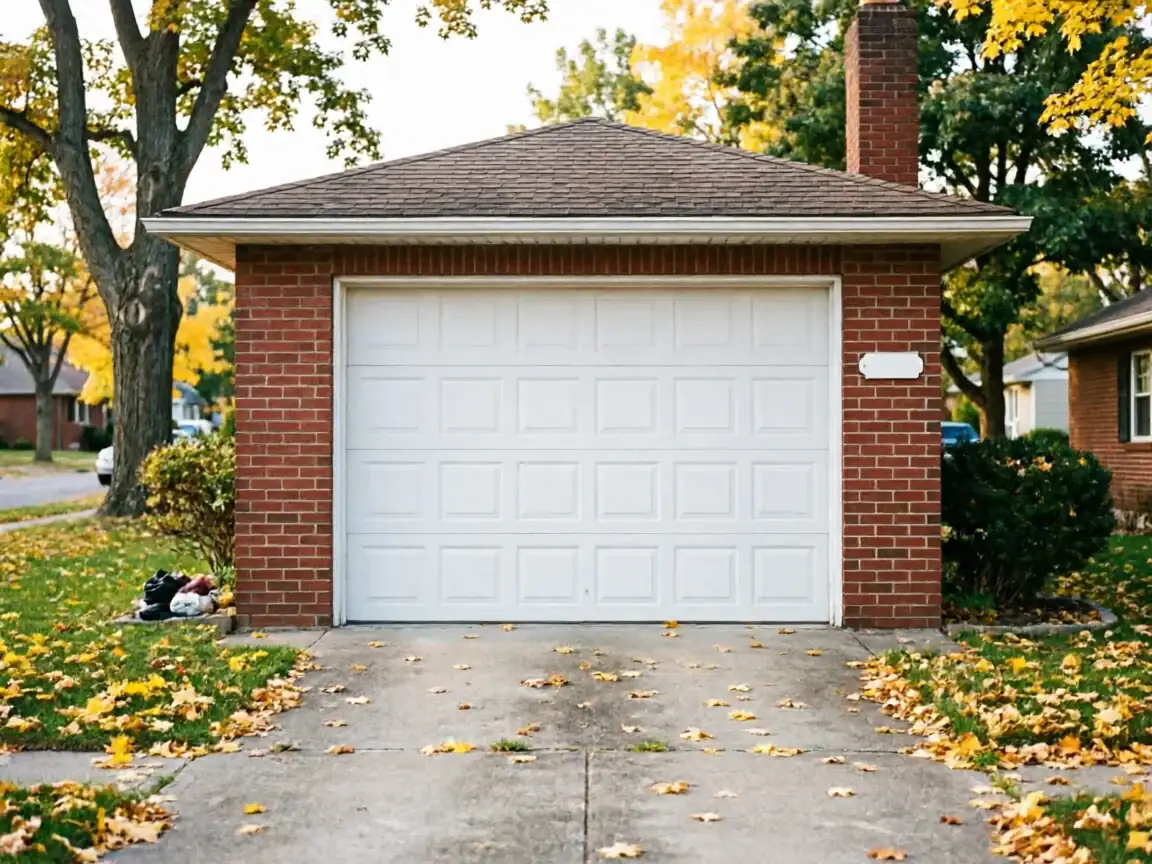
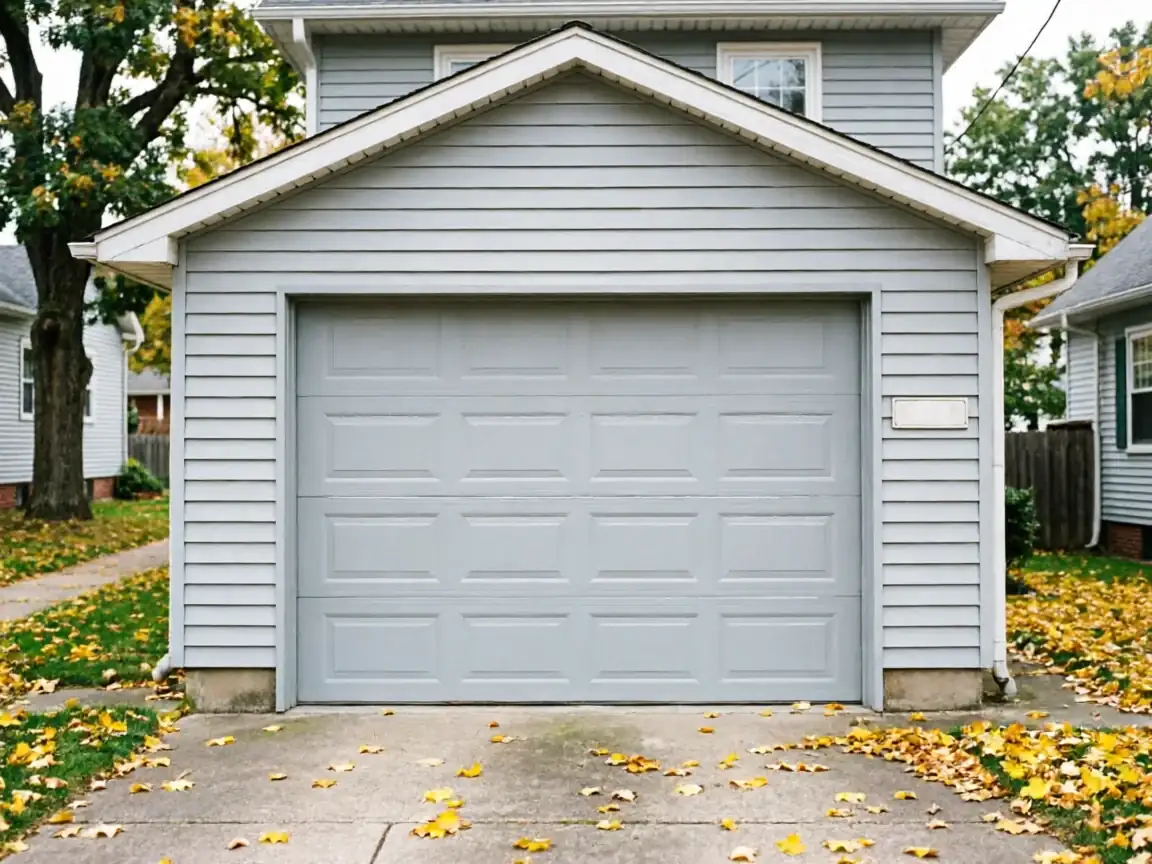
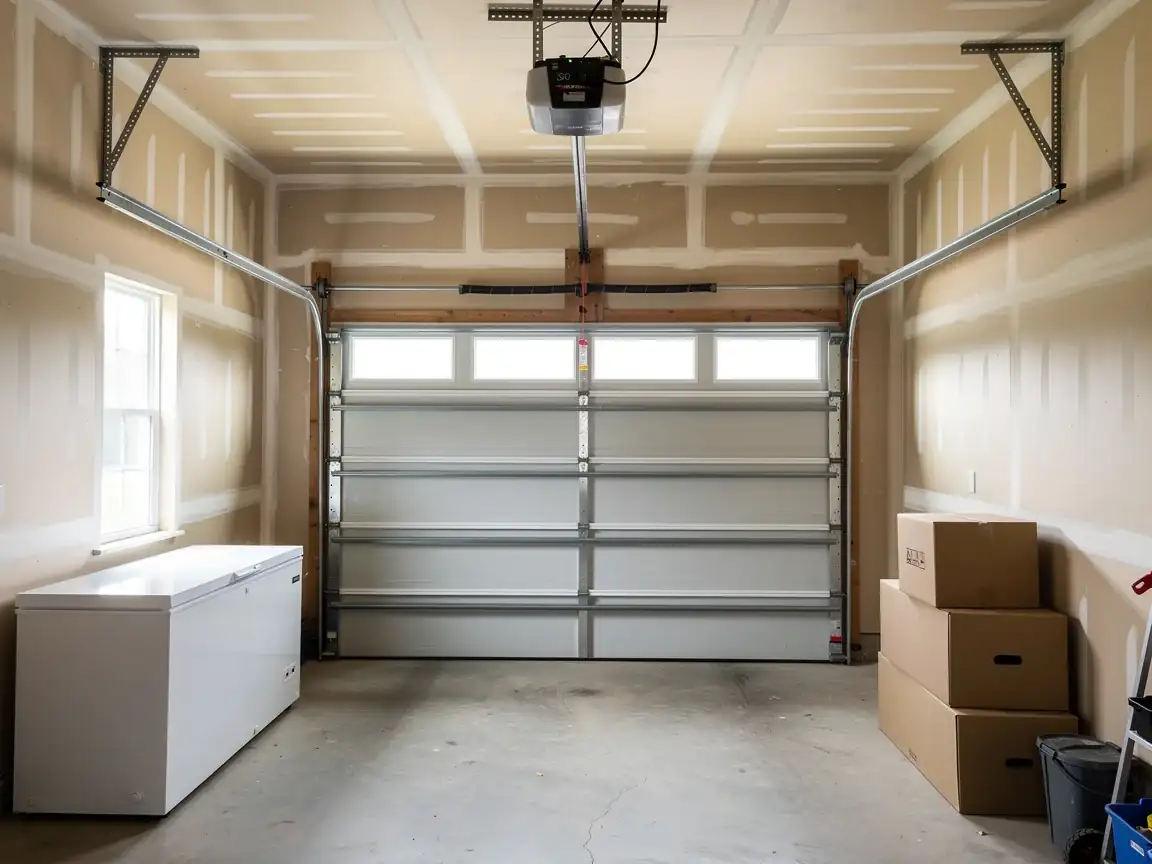
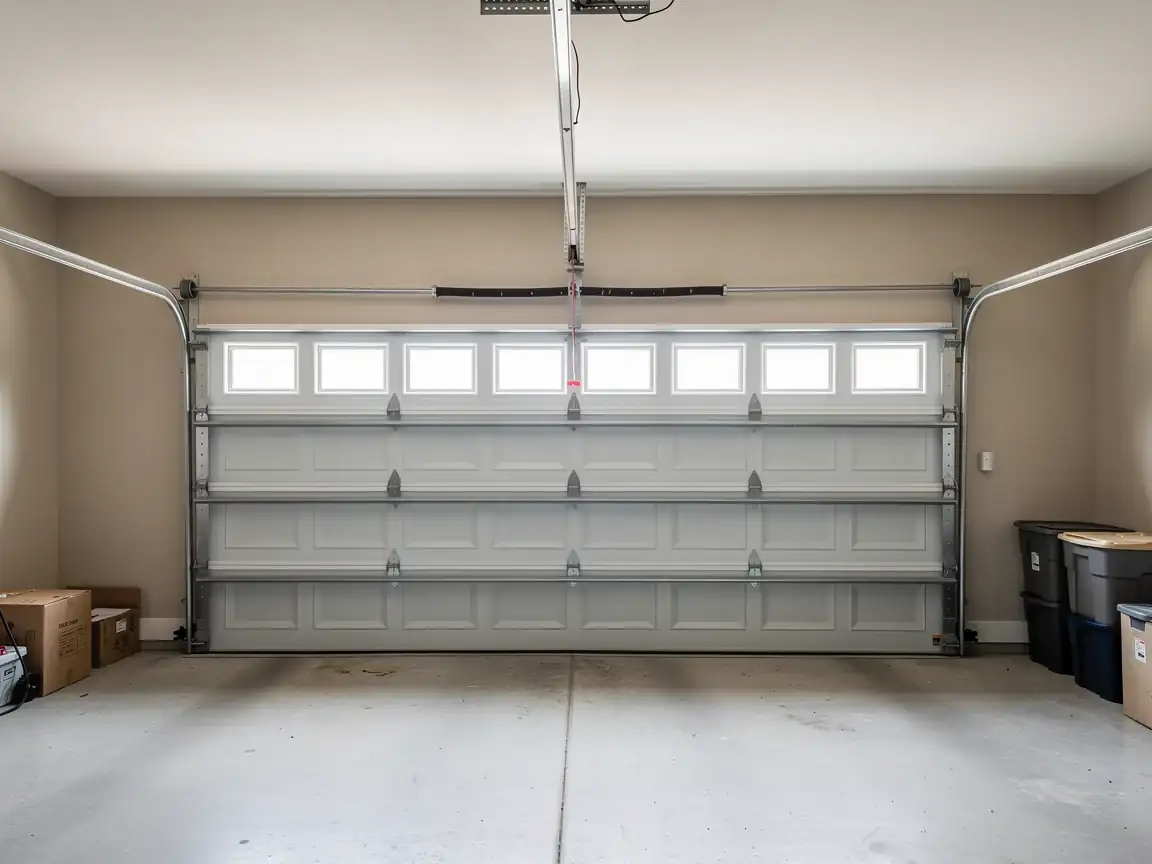
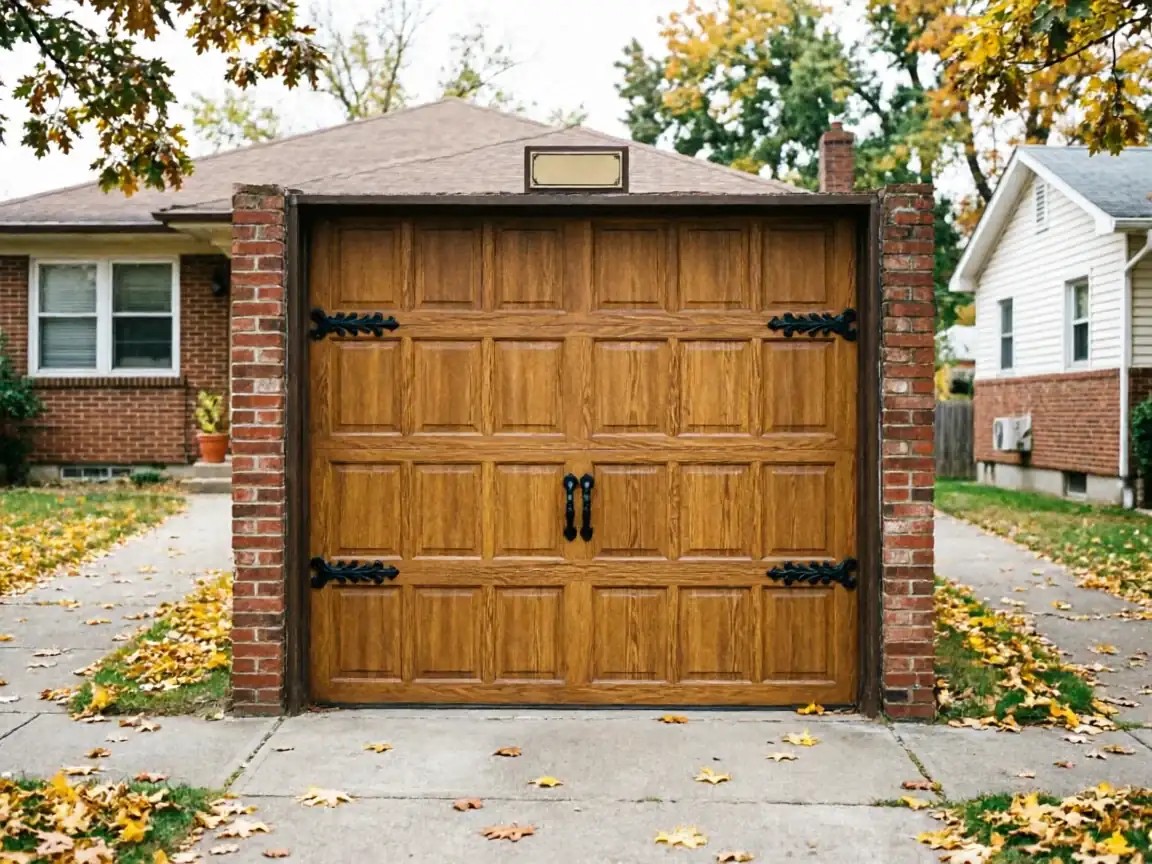
Most garage doors in South Hutchinson went up around 1974, which puts them at the tail end of the build wave that shaped this part of the county. That means steel sectional doors, usually 16x7, flat or lightly ribbed panels, hung on steel rollers that ride in galvanized track - not the wood doors or the heavier insulated steel you'd find on anything built after the mid-80s. The rollers on these doors were stamped steel from the factory, no bearings, no nylon tire. After five decades of summer heat and winter cold cycling through that track, the roller stems wear oval instead of round, and the door starts to shudder on the way up instead of gliding. You hear it before you see it - a grinding or rattling that gets worse as the door climbs, loudest right where the track curves from vertical to horizontal. Some owners hear it and keep opening the door anyway for months. That's the symptom. It's not the opener and it's not usually the spring. It's the roller, and on a door this age, it's often several rollers at once, not just one.
Where This Job Goes Sideways
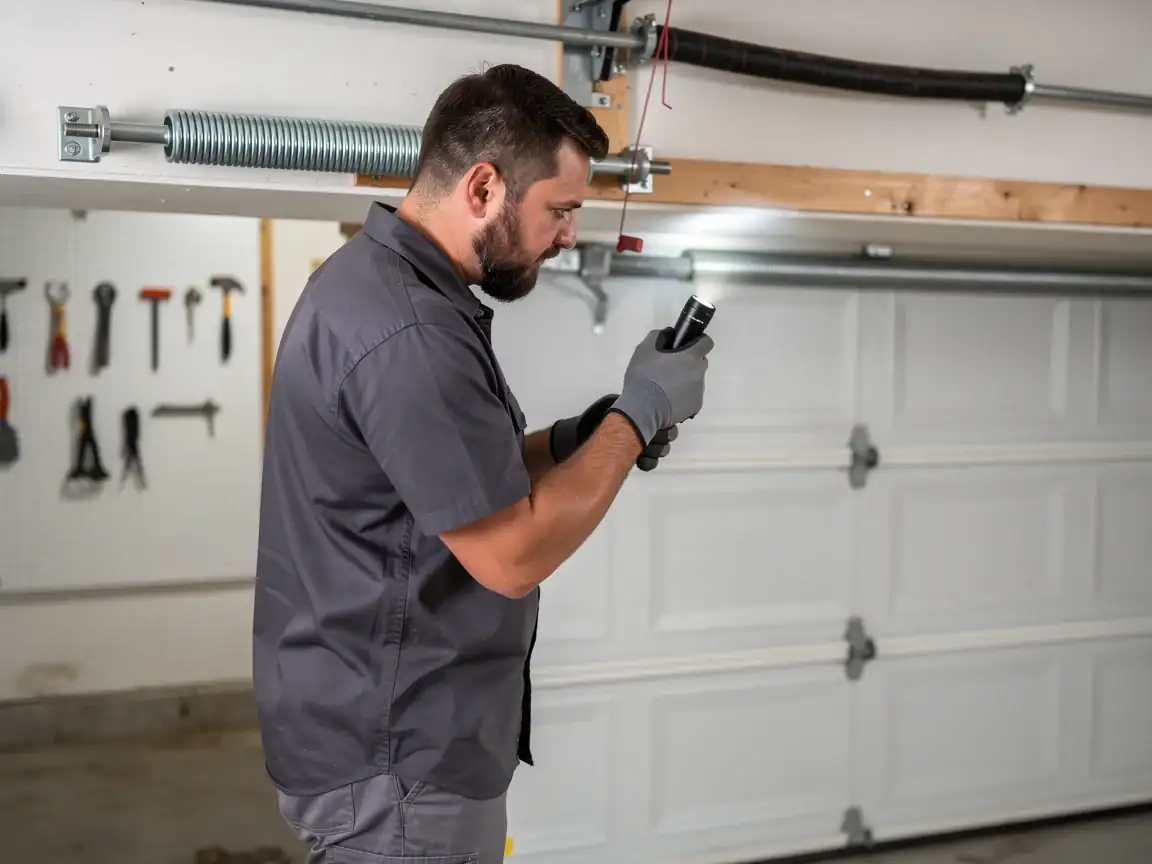
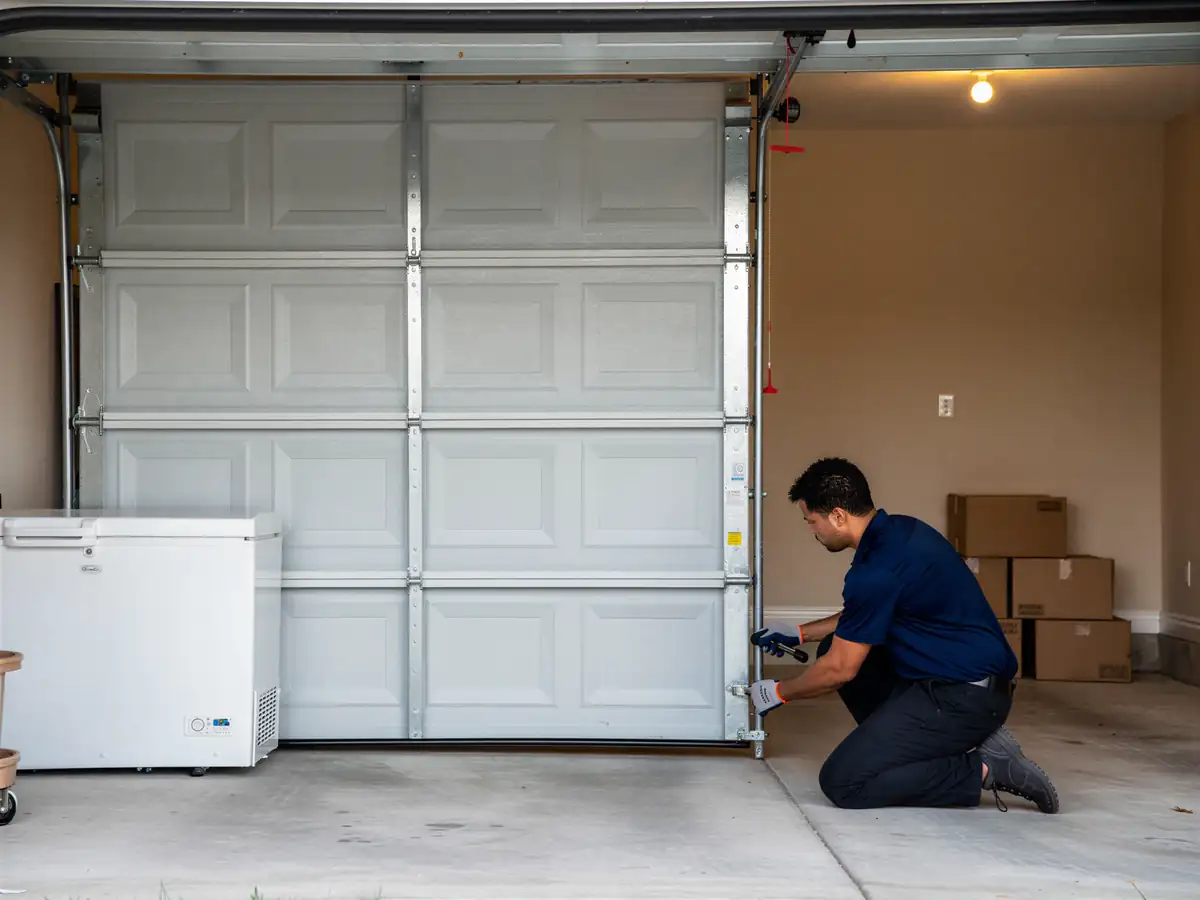
The roller swap itself isn't the hard part. Where it goes wrong is the track. Fifty years of a worn roller grinding against galvanized track leaves gouges and flat spots, and if the track is bent or pitted, a new roller will wear out fast riding in a damaged channel. We check the track before we touch a roller, because putting good rollers in bad track is a callback waiting to happen. The other spot this job turns into something bigger: the bottom bracket. On doors this age the bottom roller brackets carry cable tension from the spring system, and a bracket that's rusted or cracked is not something to run a new roller through under load. If we find that, we tell you before we go further - that's a different repair, not a roller job, and we're not going to quietly fold it into the invoice.
How We Fix It
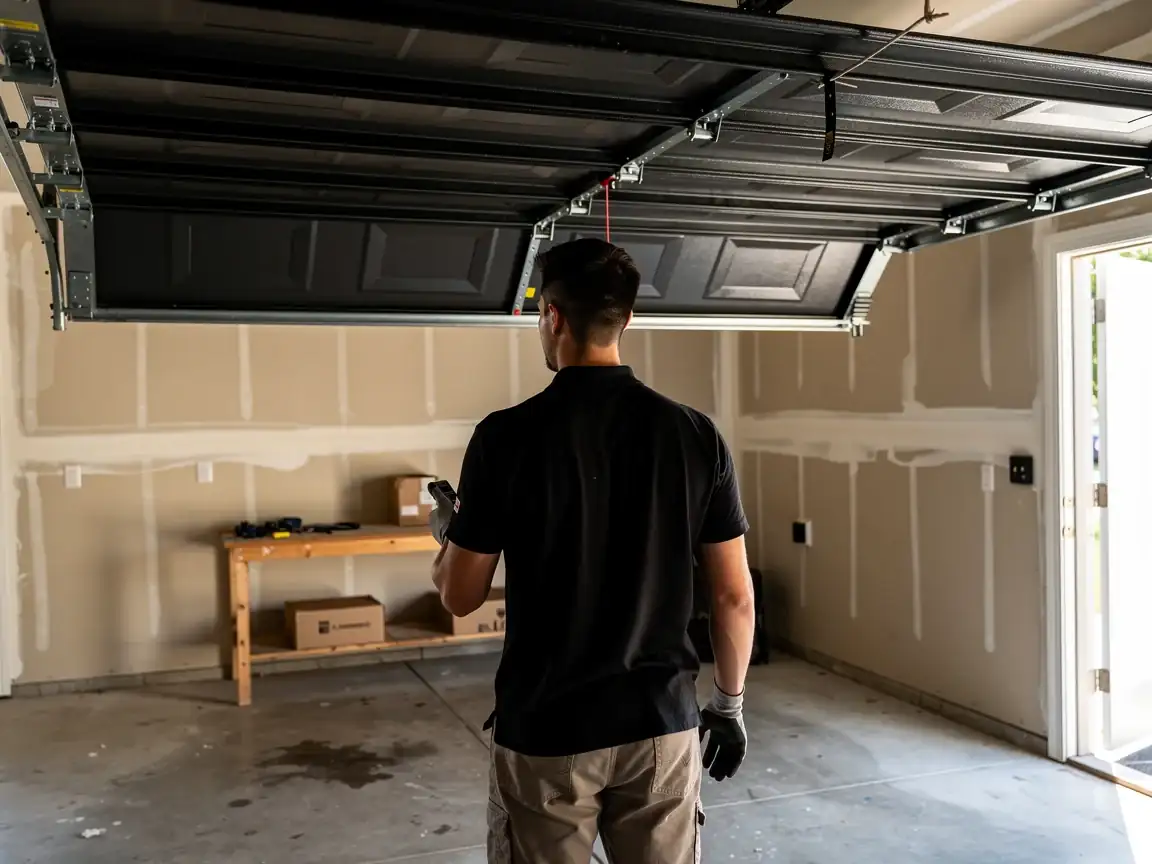
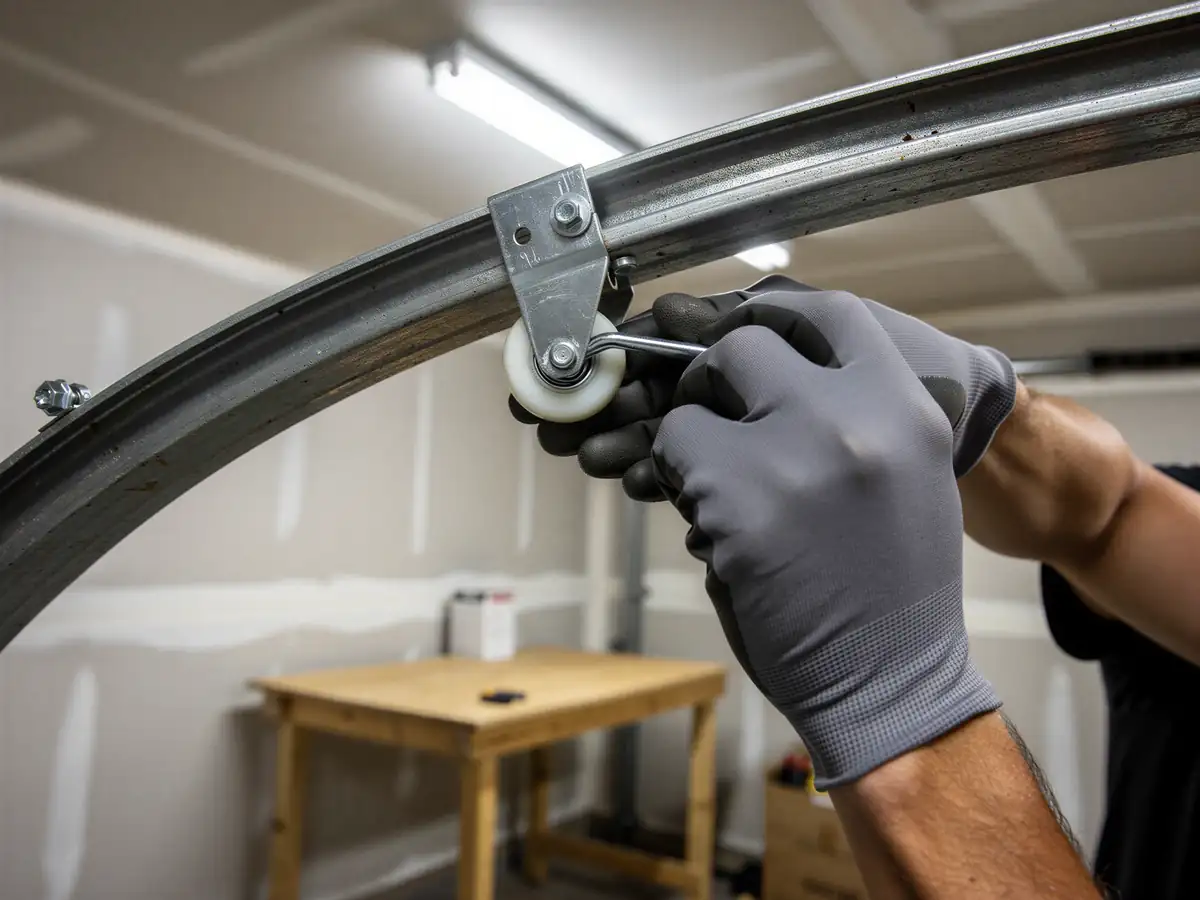
We pull the door, inspect every roller stem and the track on both sides, and swap worn steel rollers for sealed nylon rollers with ball bearings. Nylon runs quieter than steel and doesn't gall the track the way steel-on-steel does, which matters here given how many freeze-thaw cycles this hardware sees in a season. If the track shows gouging from years of a bad roller riding in it, we true it up or replace the damaged section so the new rollers aren't wearing against the same worn metal. We don't recommend a new door for a roller problem - a 1974 steel sectional with a sound panel and a straight track is worth keeping, and swapping the rollers is a same-visit repair, not a reason to start pricing a replacement.
Can You Do This Yourself
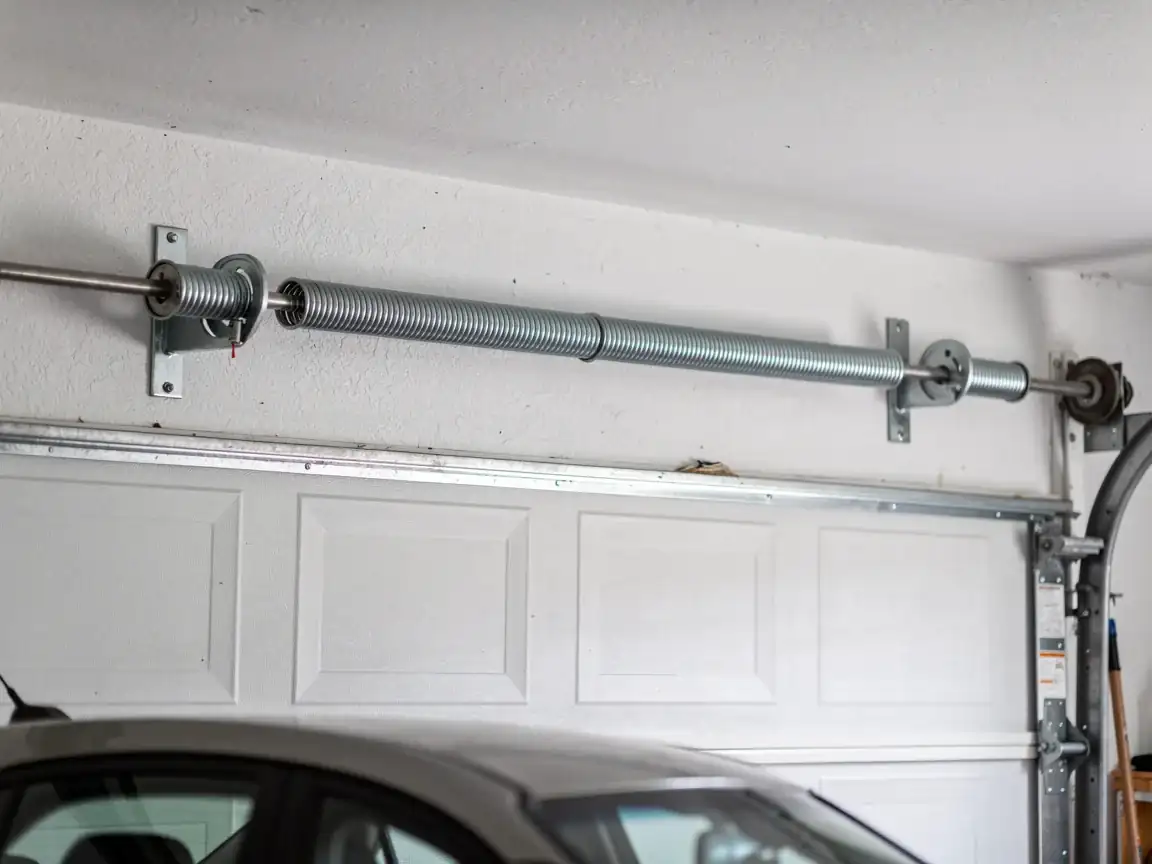
Swapping a single roller on an unloaded section isn't out of reach for a handy owner, if you know to never remove a roller that's still under spring tension and never touch the bottom bracket on the cable side without releasing tension first. Where this goes wrong for DIYers is the top two rollers, which sit in bent brackets near the spring system, and the track alignment check that tells you whether you're replacing rollers into good track or bad. If your door is original to the house, going on fifty years old, we'd rather you call before you start pulling brackets than call after.