The Symptom
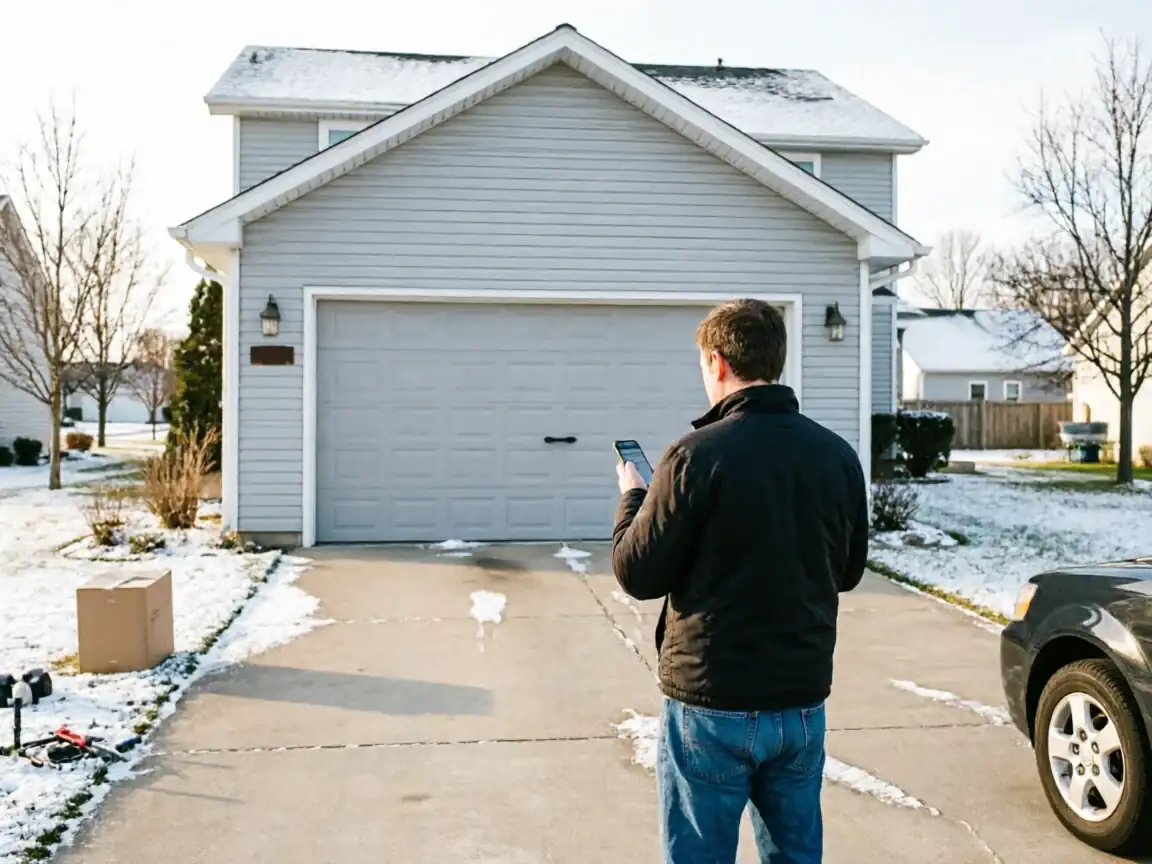
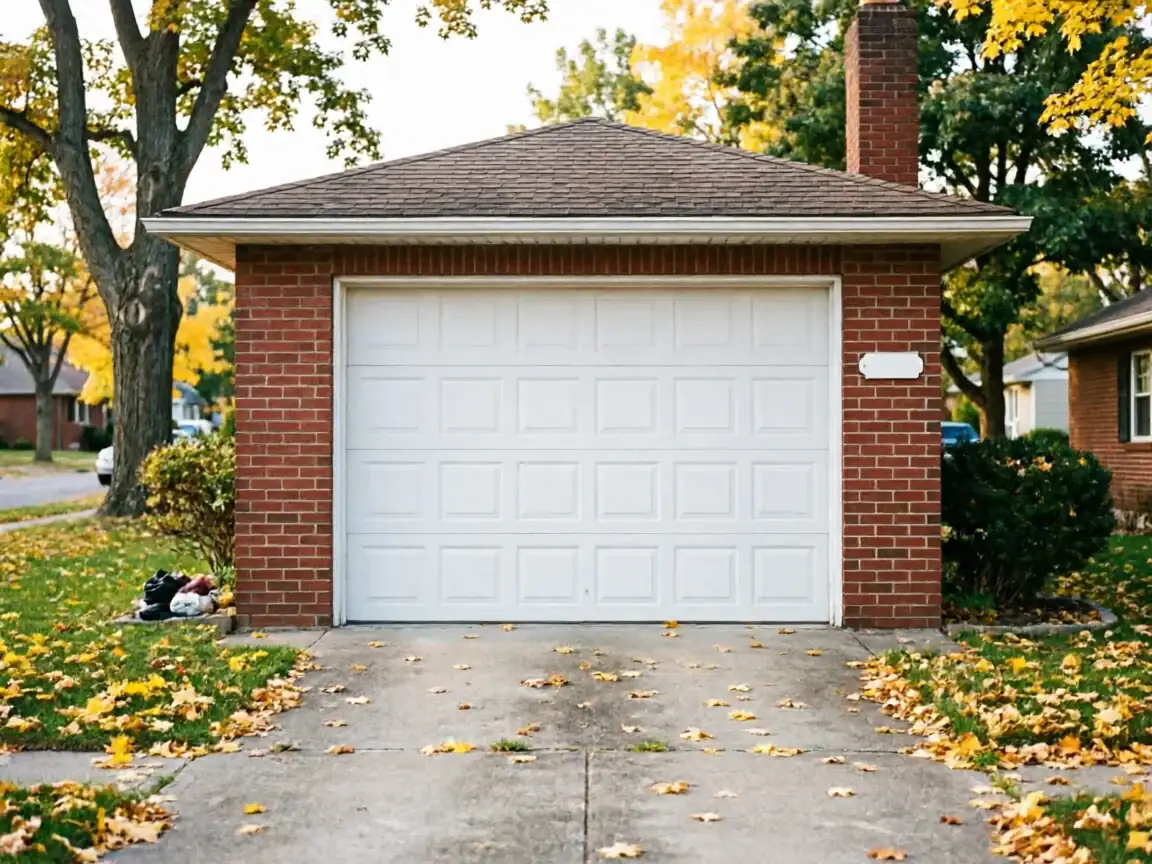
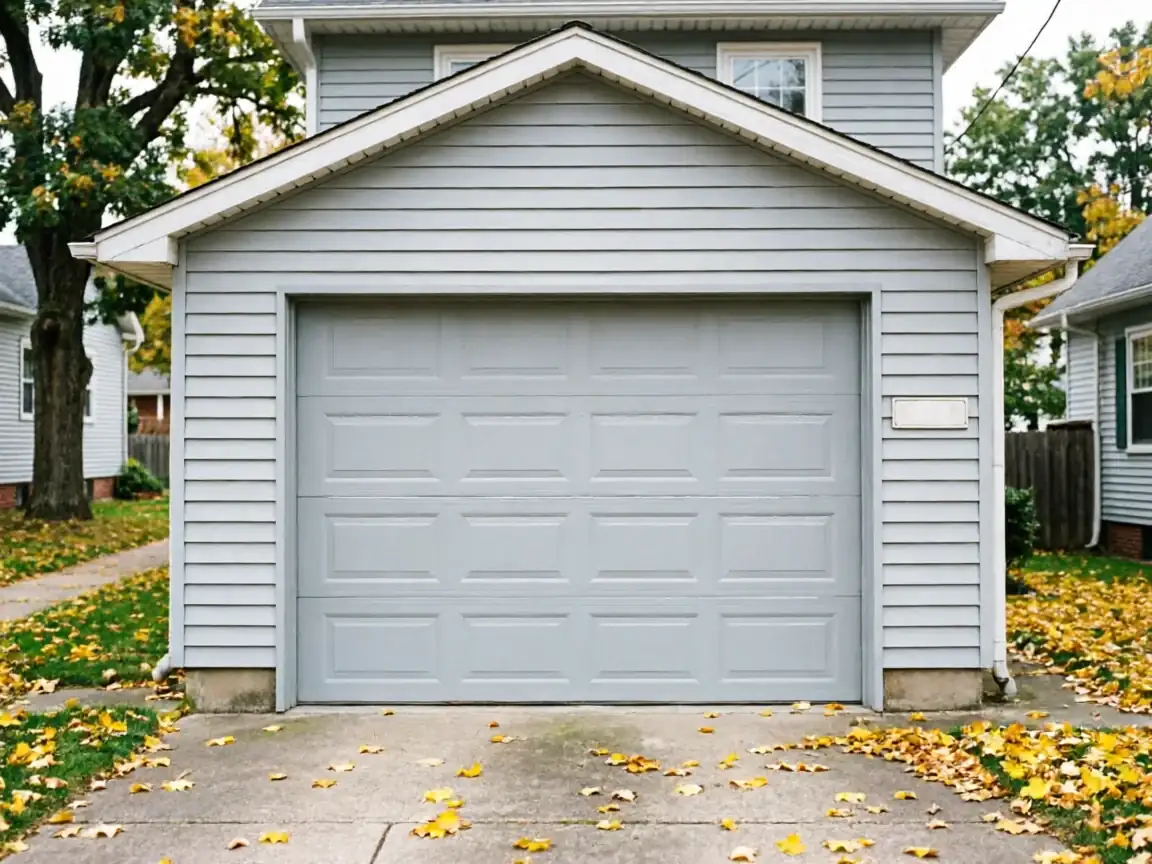
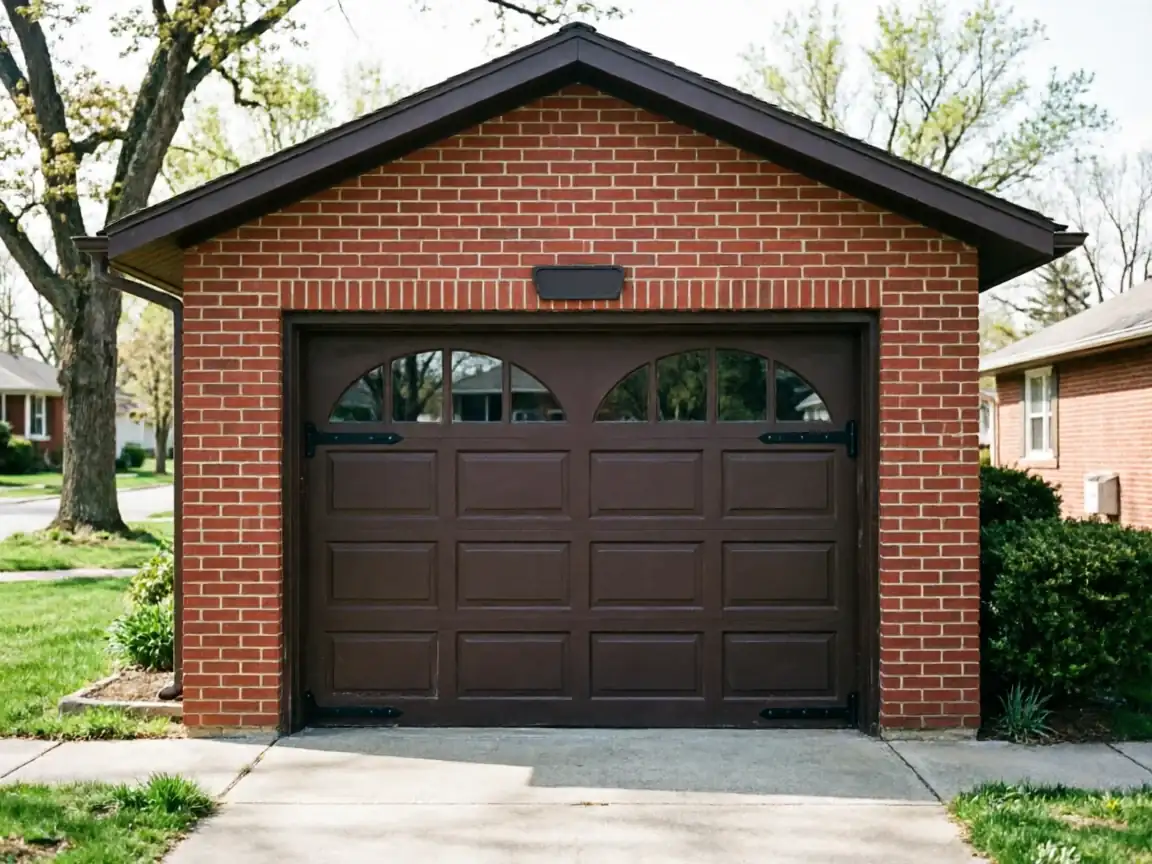
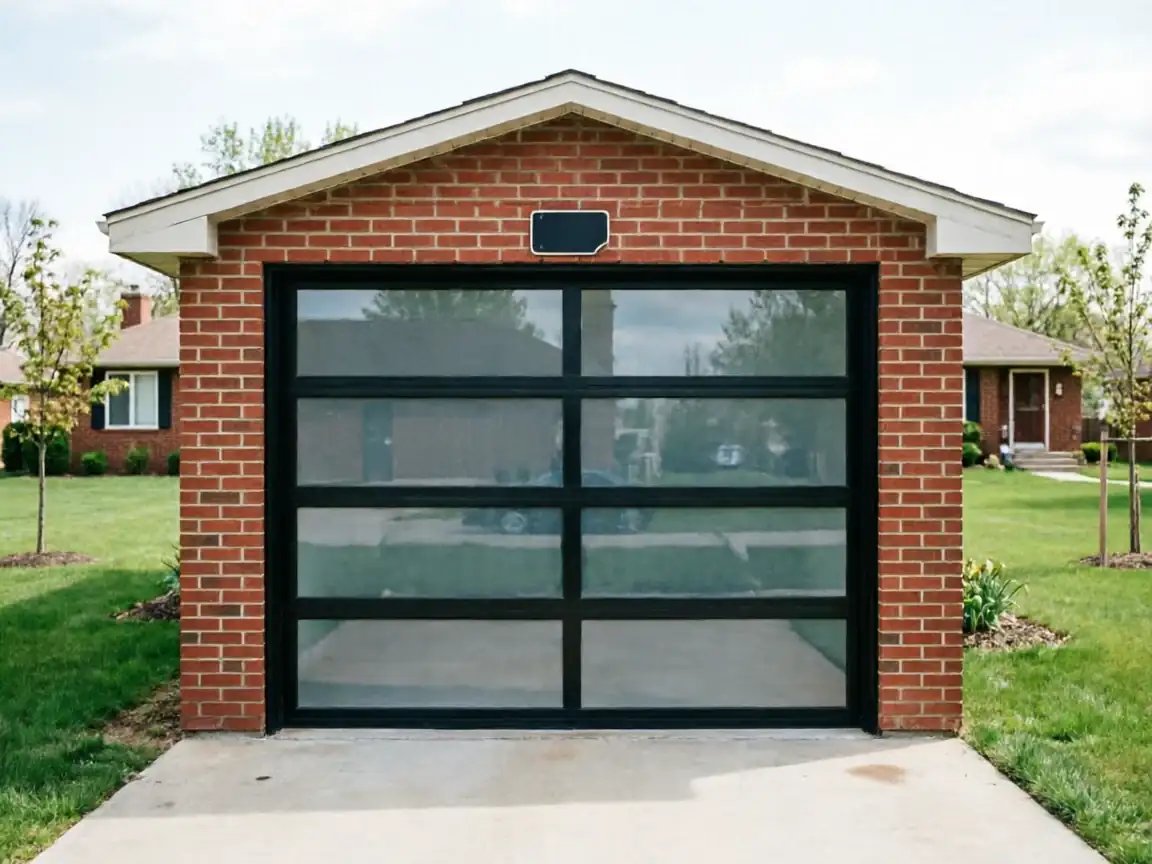
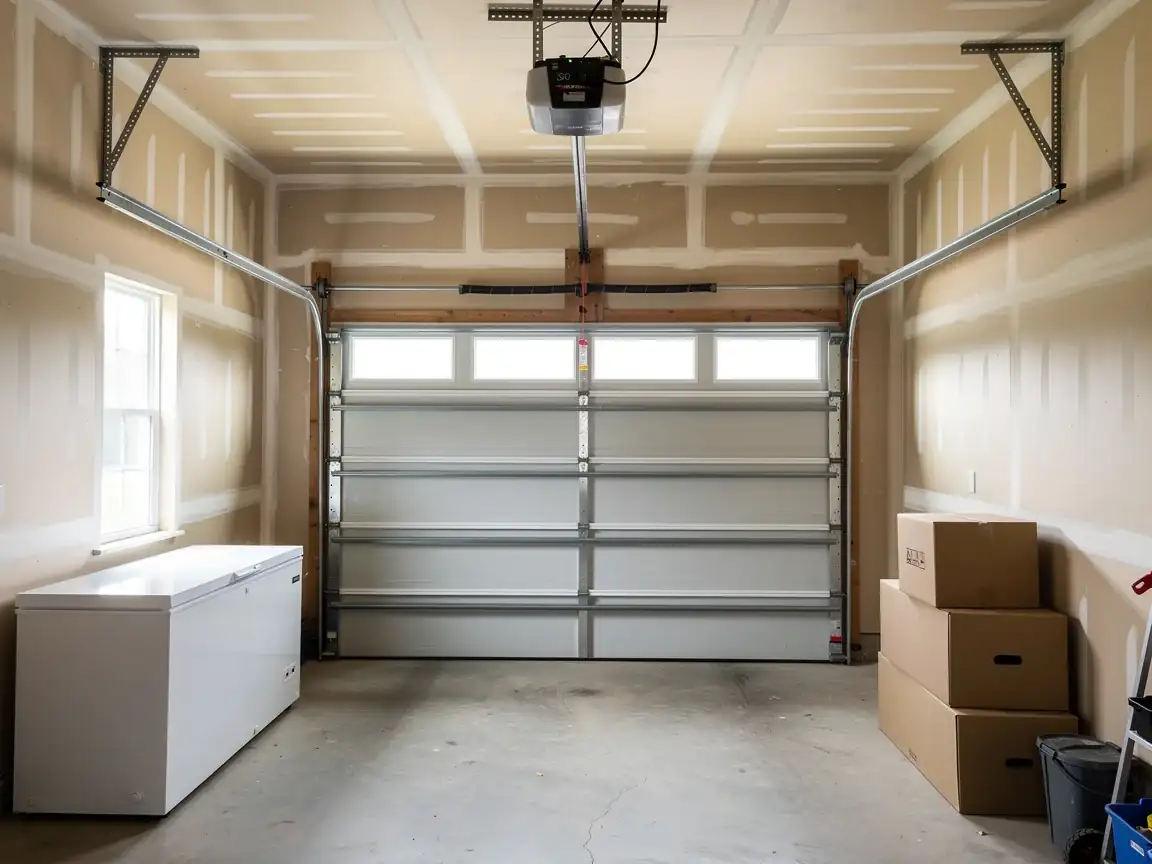
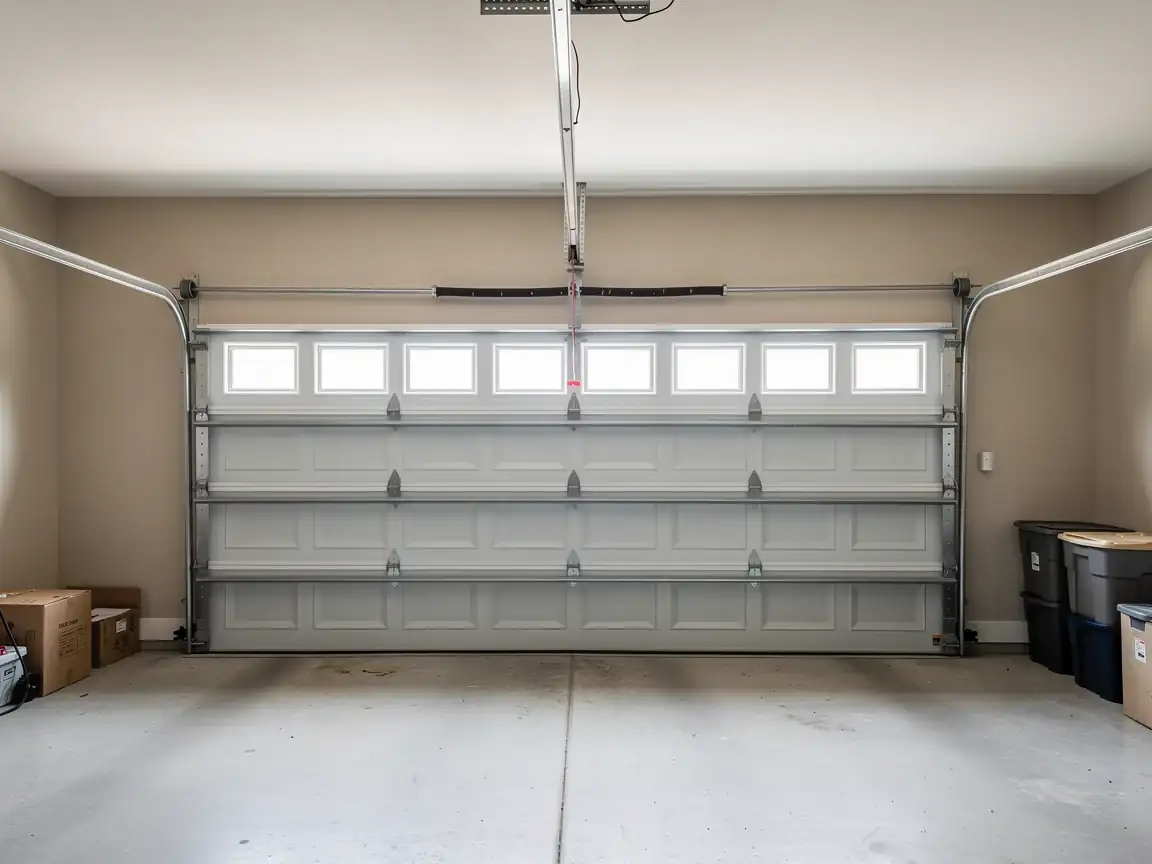
South Hutchinson is a small place - about 1,267 households - which means the calls we get here cluster tighter than they do across the rest of the service area. A door that won't open, a spring that let go overnight, an opener that runs but the door won't move. Nothing exotic. But because the town is small, we're not guessing at what's behind the wall when we show up; the housing here runs newer than the older pockets of Hutchinson proper, and that changes the first thing we check. A door that grinds on one side, a remote that stopped working after a storm, a track that's pulled loose from the jamb - these are the calls, and they come from houses built closer to 1974 than to the 1960s stock common elsewhere in the county.
Where This Job Goes Sideways
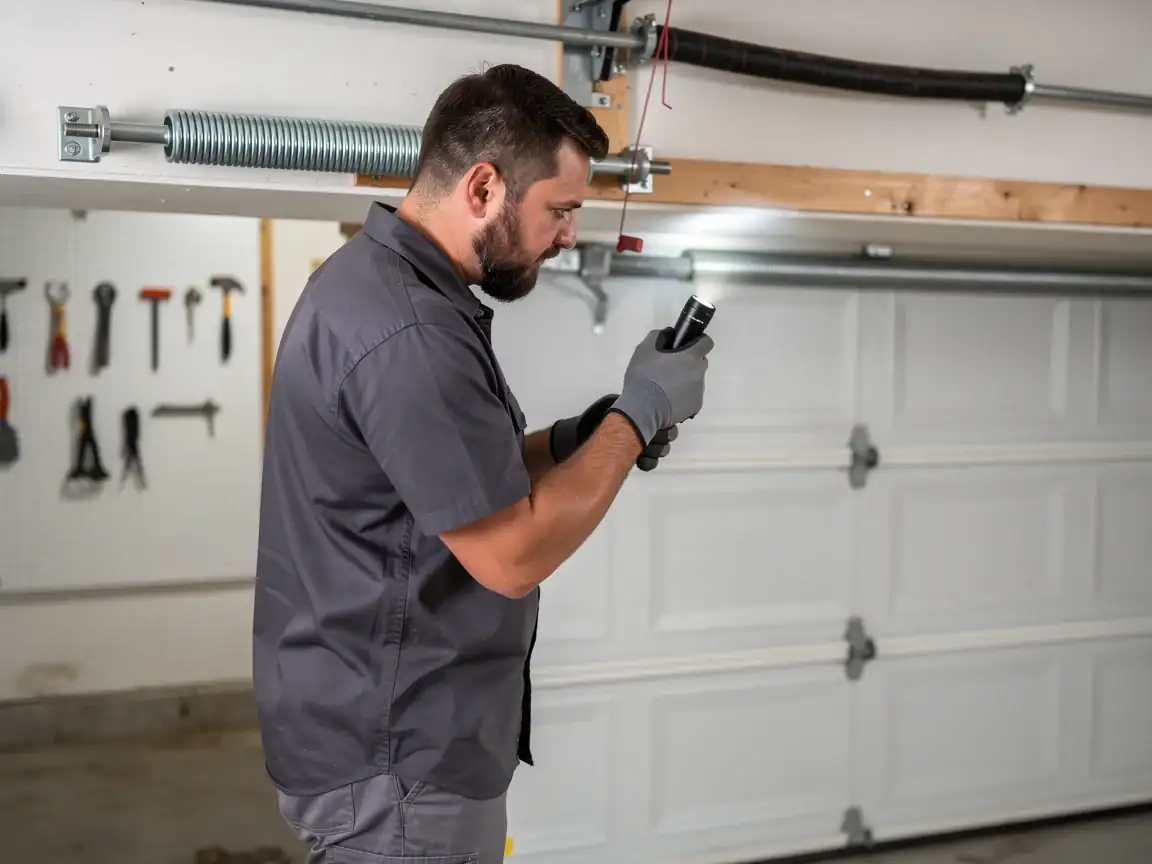
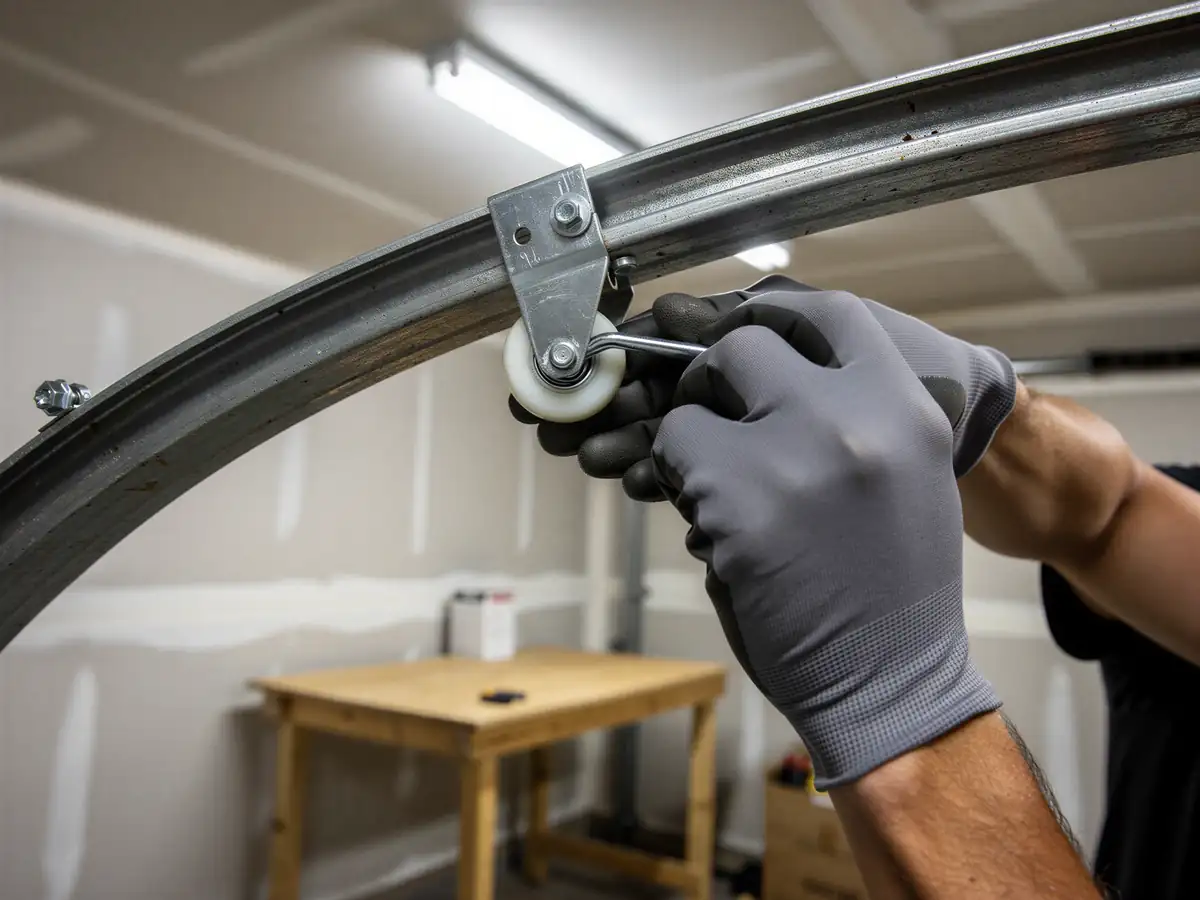
The trouble spot on a 1970s-era extension-spring door is usually the pulley and cable setup at the top corners, not the spring itself. Homeowners replace a frayed cable, bolt it back up, and the door still binds because the pulley bracket has worked loose from decades of vibration - a problem you can't see without pulling the door up by hand and watching both sides move together. On a 1,267-household town like this, we don't keep a standing crew on-site, so a same-day fix depends on what's already on the truck when the call comes in; extension-spring kits for this era aren't always what we're carrying if the last few jobs ran torsion. That's the honest limit here: we travel in from Hutchinson, four miles out, and the parts on hand for a given day aren't guaranteed to match every house's hardware.
How We Fix It
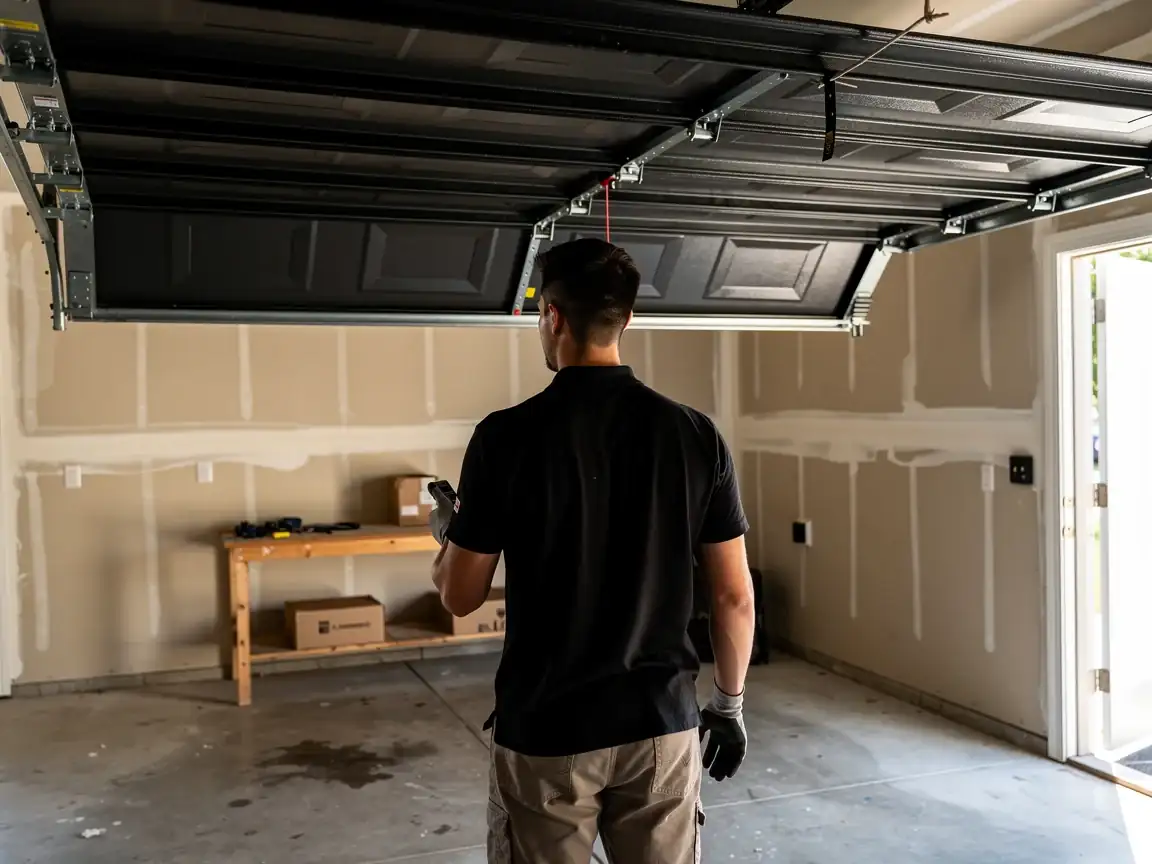
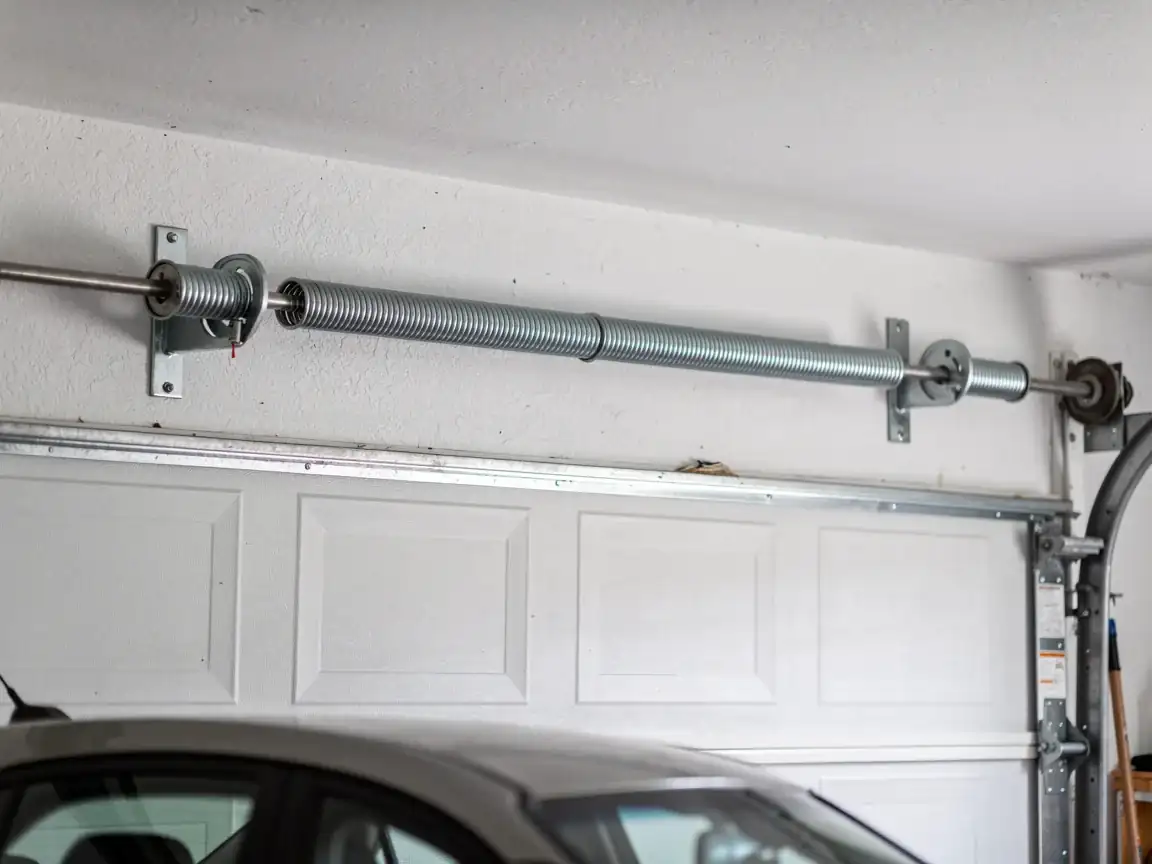
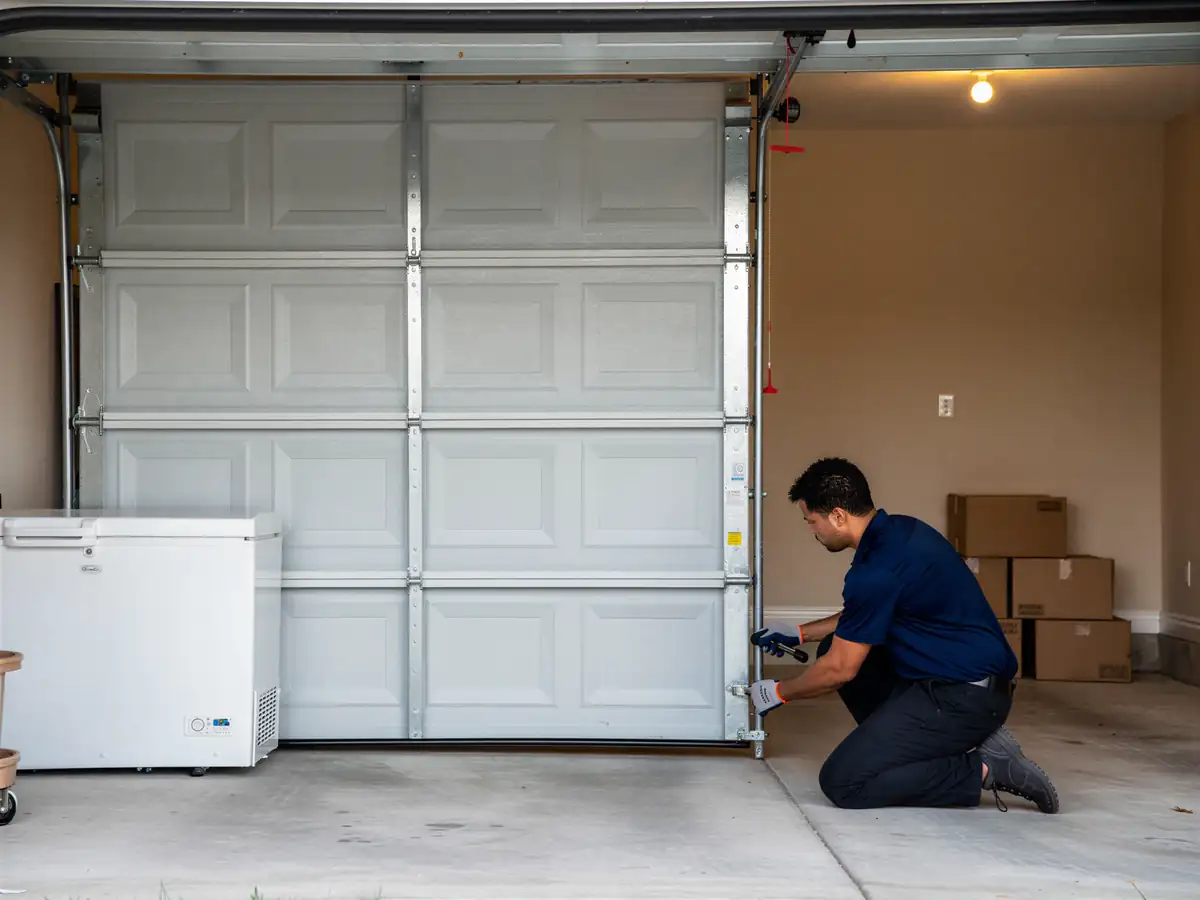
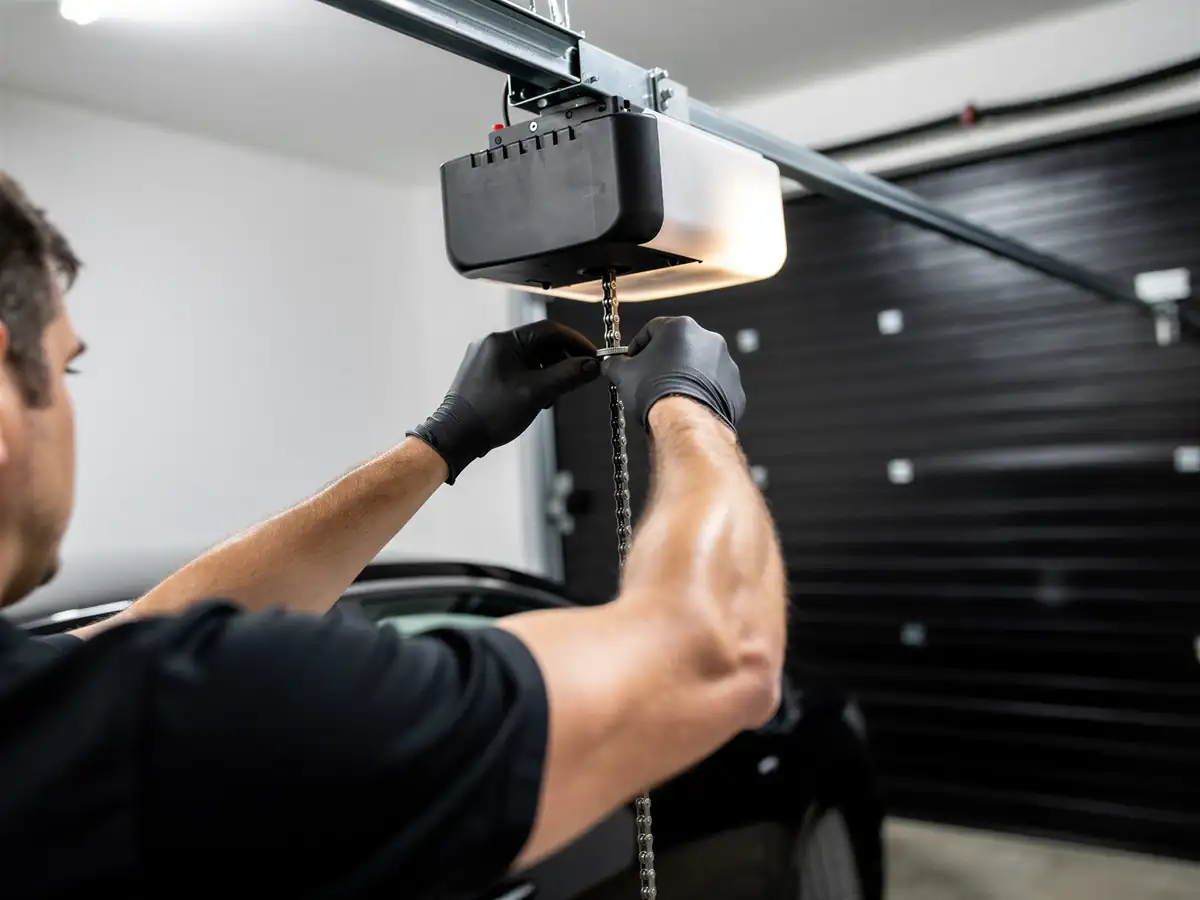
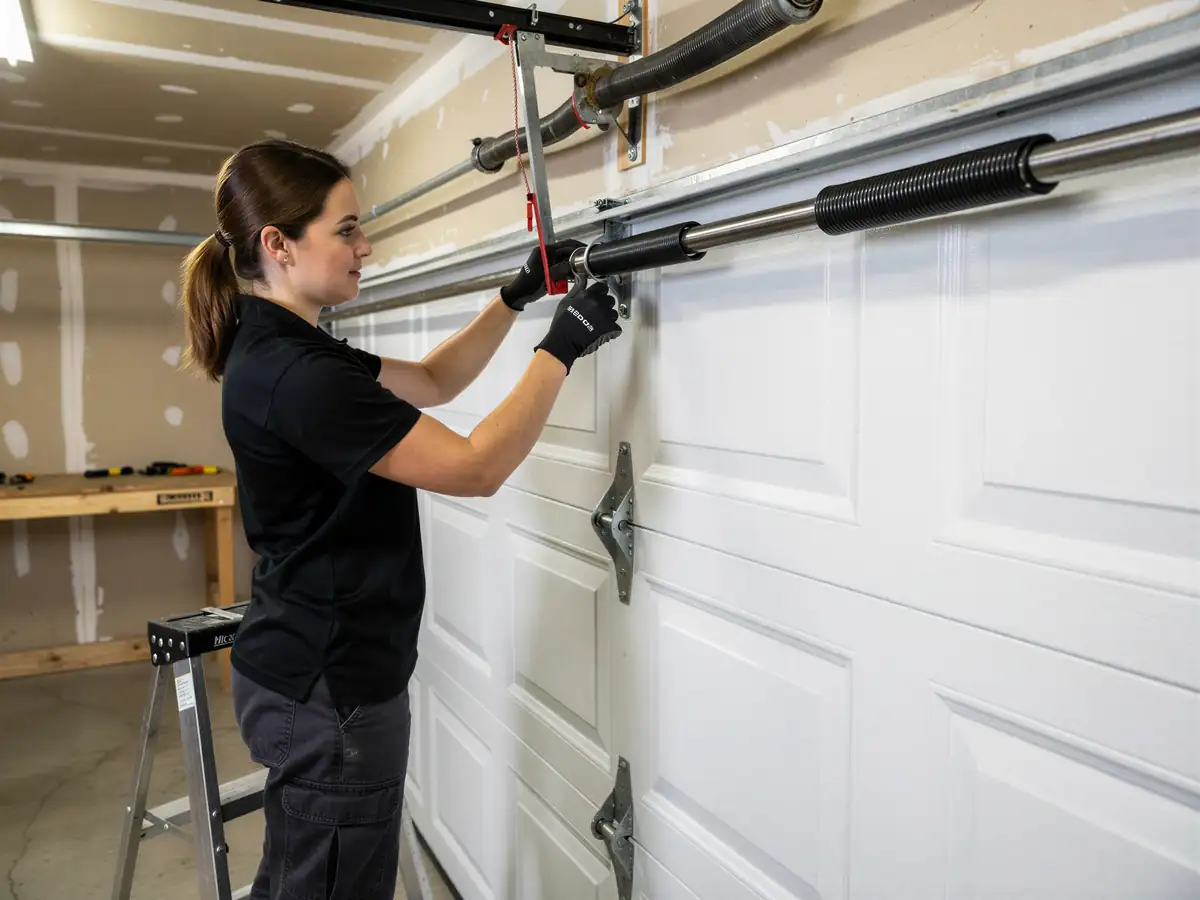
First call is diagnostic - we watch the door run, check both extension springs for stretch and rust, and look at the pulley brackets before touching cables. If the springs are original to a 1970s build, we replace both as a pair even if only one has failed; mismatched spring tension on an extension-spring door throws the whole panel off level and wears the opener early. We re-tension the cables, reseat the pulleys, and run the door through a full open-close cycle before we leave, listening for the grind that signals a bent track rather than a loose part. For openers from the same era, we check the drive gear before assuming the motor's shot - on these houses it's usually the gear, which is the cheaper fix.
Can You Do This Yourself
Checking a loose bracket bolt or tightening a track mount is fair game if you're comfortable on a ladder. Extension springs are not. They store enough energy under tension to break a finger or worse if a cable slips while you're working near it, and on a 1970s door the hardware has had fifty years to corrode in ways that aren't obvious until a bolt snaps mid-job. If the door is more than sagging or sticking - if it's actually stuck shut with the spring visibly stretched or broken - that's a call, not a weekend project. We'd rather tell you that up front than have you find out the hard way.