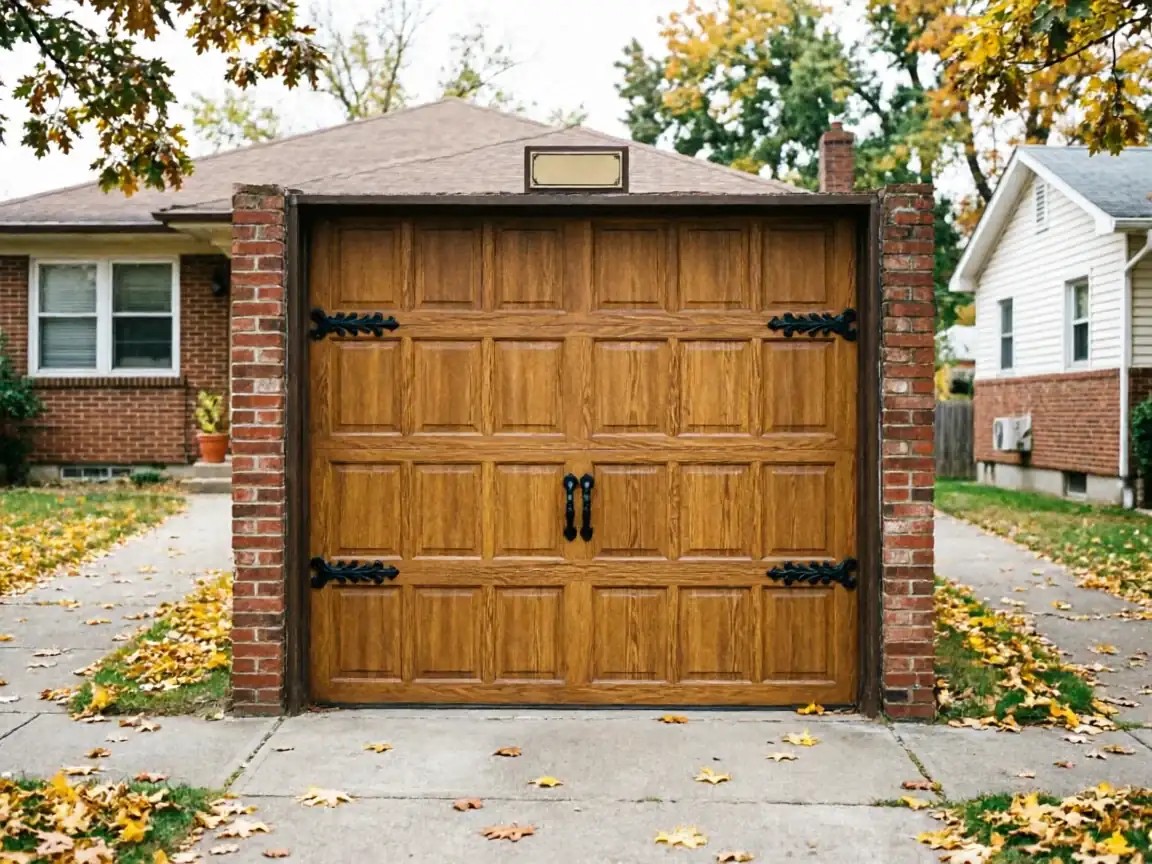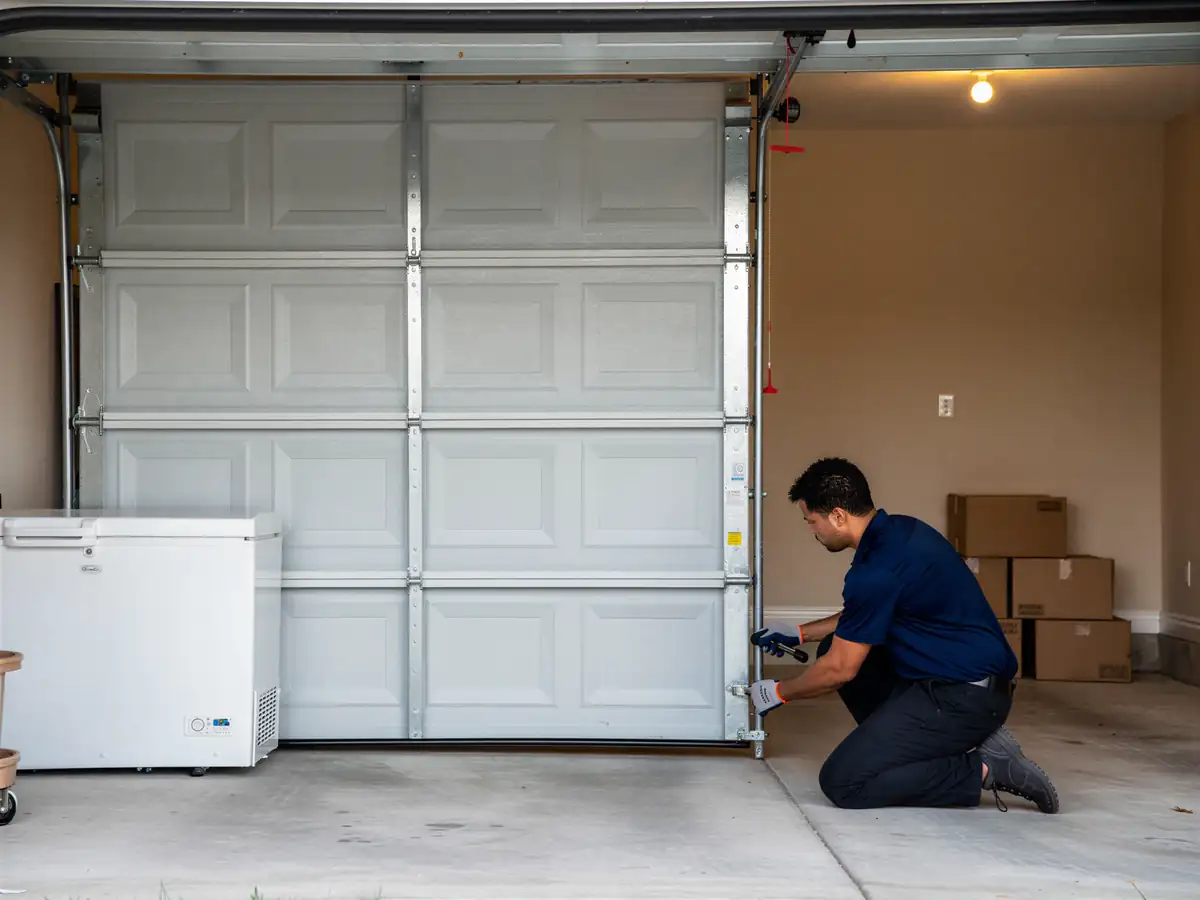
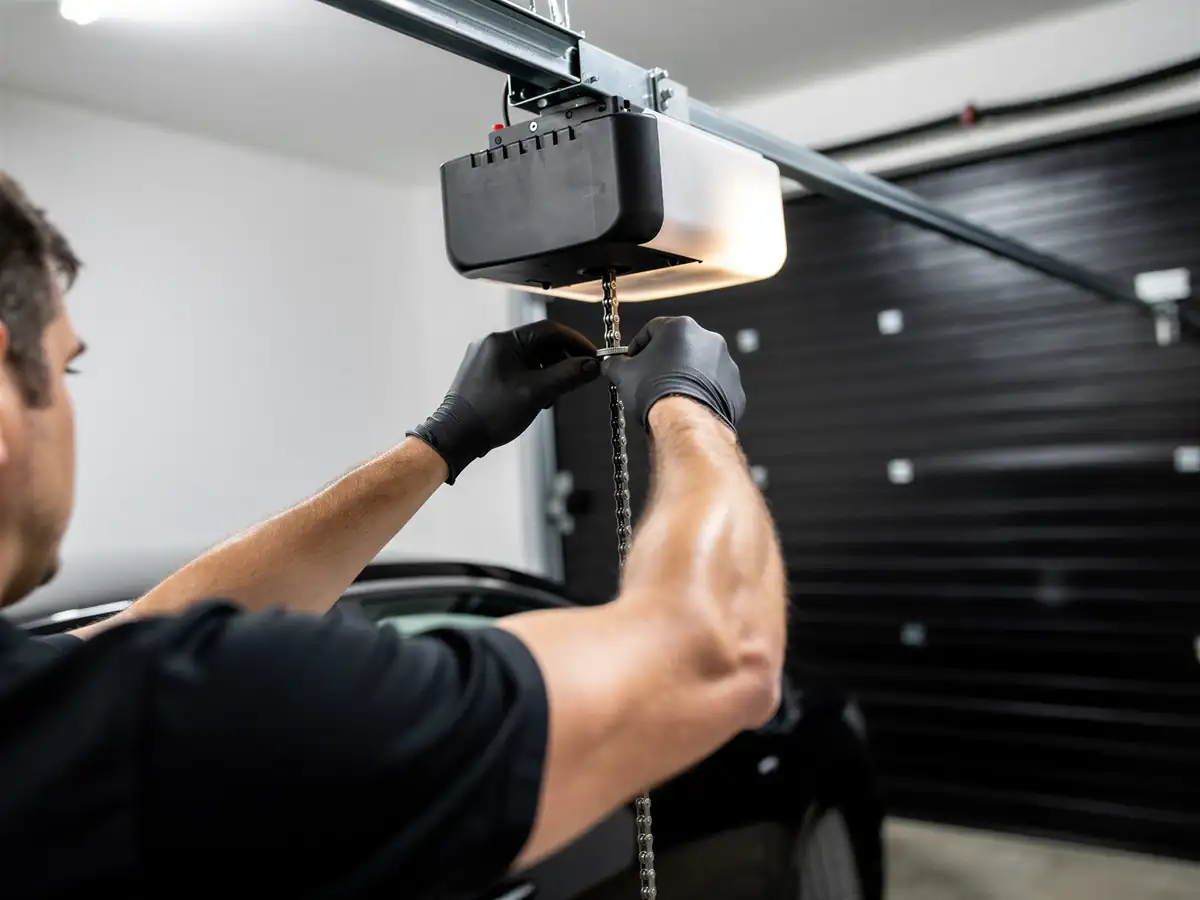
The Symptom
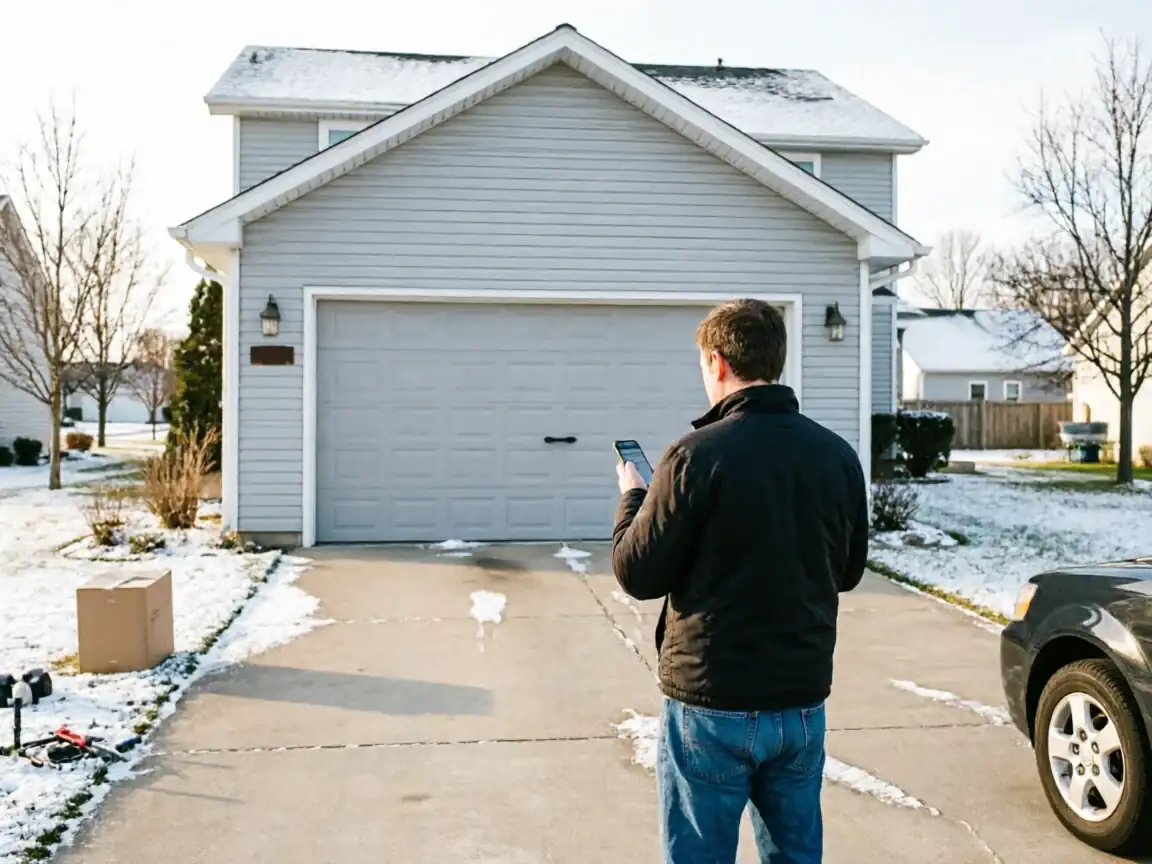
The opener hums, the light flickers, and the door doesn't move - or it moves six inches and reverses. Sometimes the carriage on the rail just clicks and sits there. These are the calls we get most from South Hutchinson, and the pattern lines up with what's actually on these garages.
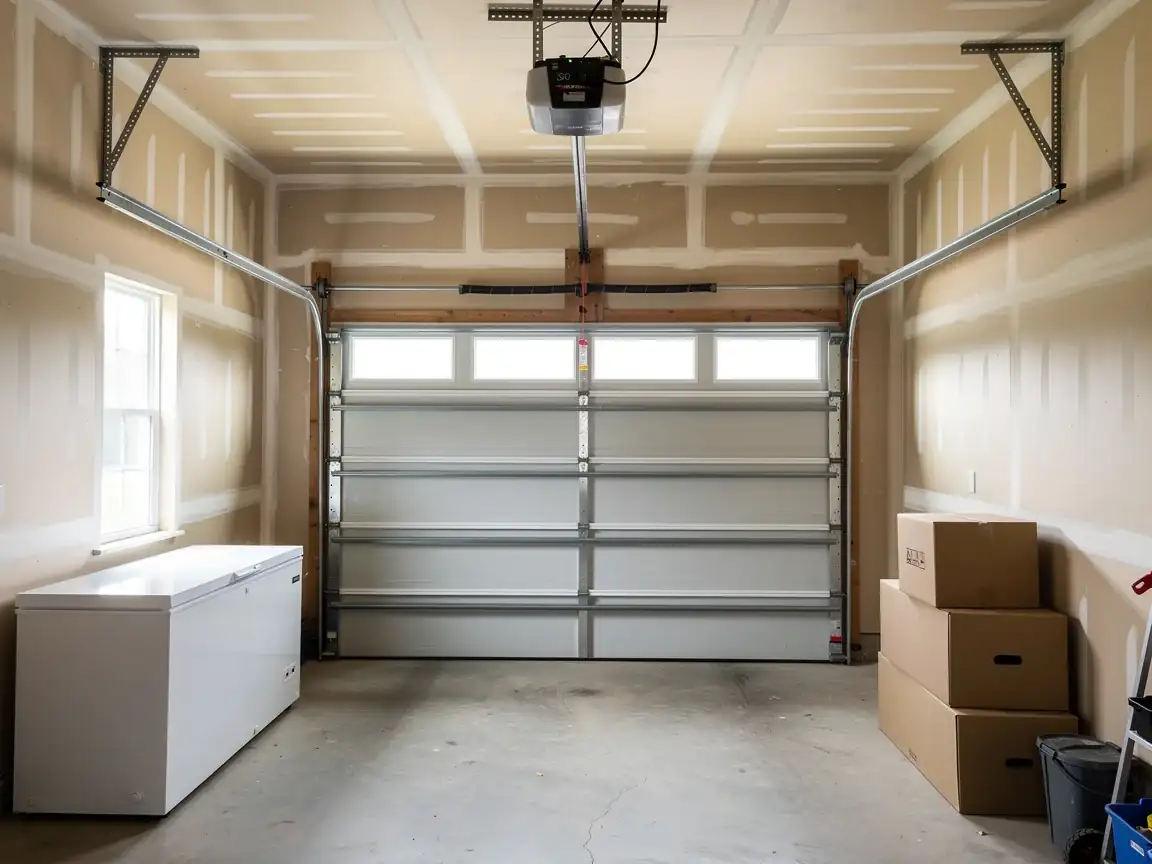
Median year built here is 1974, a little newer than the 1943-1975 range that covers most of this service area's older housing stock. That decade put a lot of chain-drive openers into these garages, the kind with a steel chain looping a sprocket instead of a belt or screw. Chains stretch. Sprockets wear a groove. After enough winters the slack shows up as exactly the stutter-and-reverse behavior homeowners describe on the phone - not a dead unit, just a worn drive component trying to do a job it's thirty-plus years past being new for.
Why This Fails Locally
This area sits in a cold-moderate climate band
And that matters more for openers than most people think. Grease in the drive gear thickens in cold starts, motors draw harder current to overcome it, and capacitors that are already marginal give up on the coldest mornings of the year - not randomly, but predictably, every winter.
On a 1974-era chain-drive unit, that stress lands on a gear and sprocket assembly that was never built for forty more years of service
We see the symptom as "it worked yesterday" because the failure is cumulative, not sudden: the chain stretches a little more each cold snap until the slack crosses a threshold the limit switch can't compensate for. That's a different failure path than you'd get in a house built with a belt-drive unit from the 2000s, which is why the fix here is usually a drive component, not a logic board.
Where This Job Goes Sideways
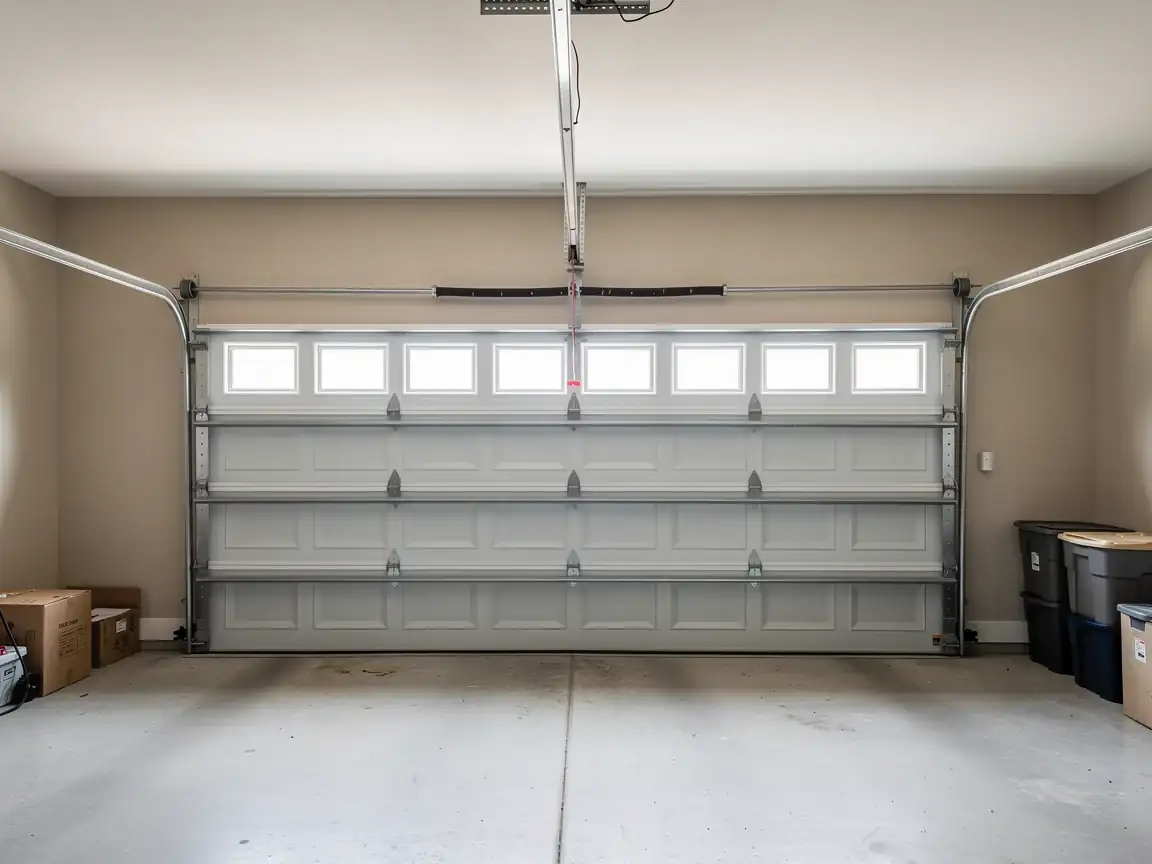
The trap on a 1974-build garage is treating the opener as the problem when the door itself is tired. South Hutchinson has 1,267 households, a small enough base that we don't see a wide mix of garage types - it's mostly the same era of door hung on the same era of hardware, and an opener straining against a stiff, unbalanced door will burn out its drive gear again within a year even after a correct repair.
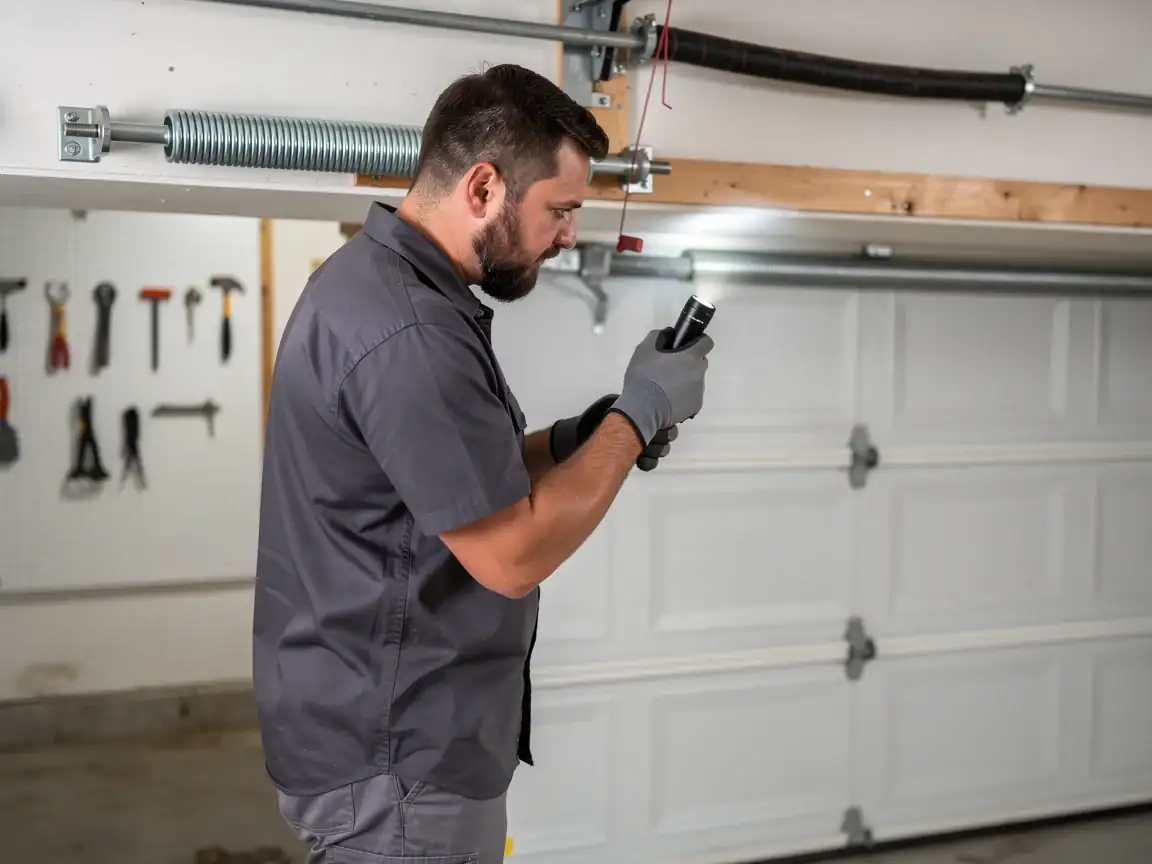
The other sideways turn is diagnosing an opener issue by swapping the logic board first. If the chain is stretched or the sprocket is chewed, a new board won't fix the stutter - it'll just mask it for a few weeks. We check the drive mechanism and the door's spring balance before we touch electronics, because replacing the wrong part twice costs more than doing it right once.
How We Fix It
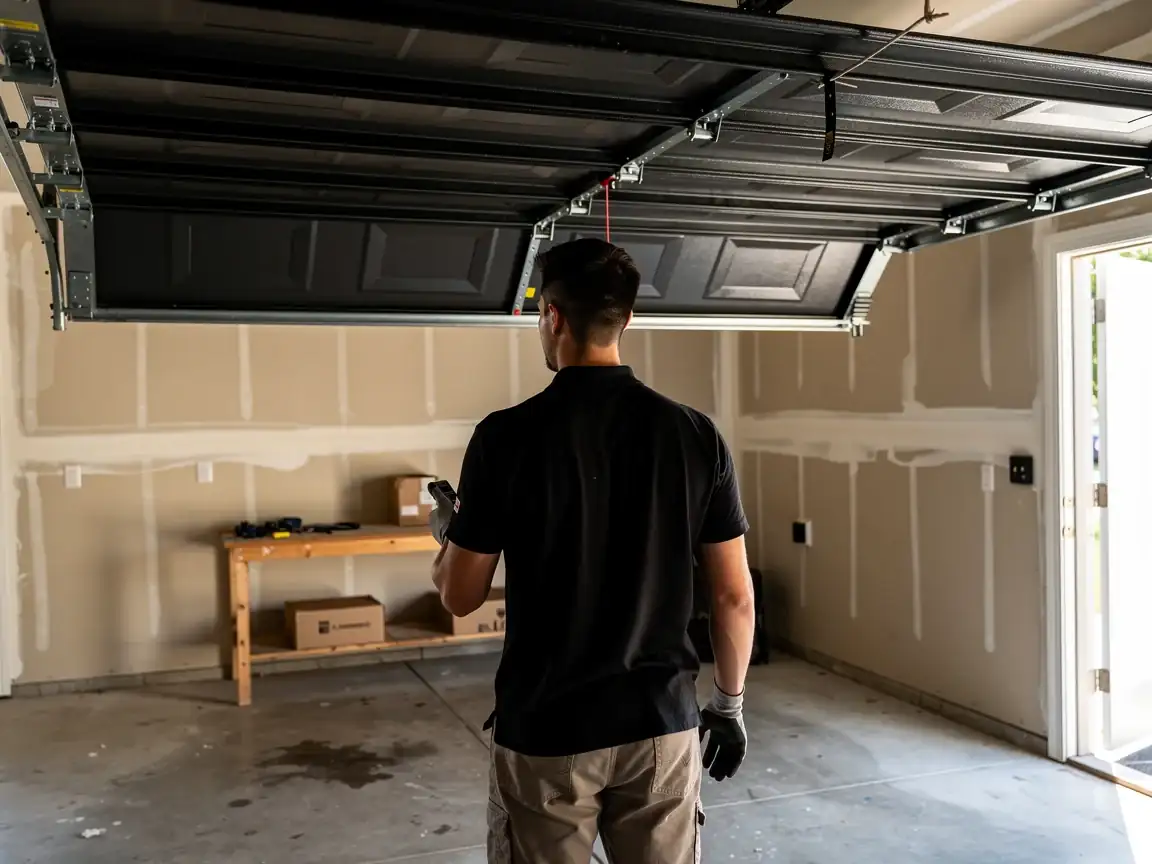
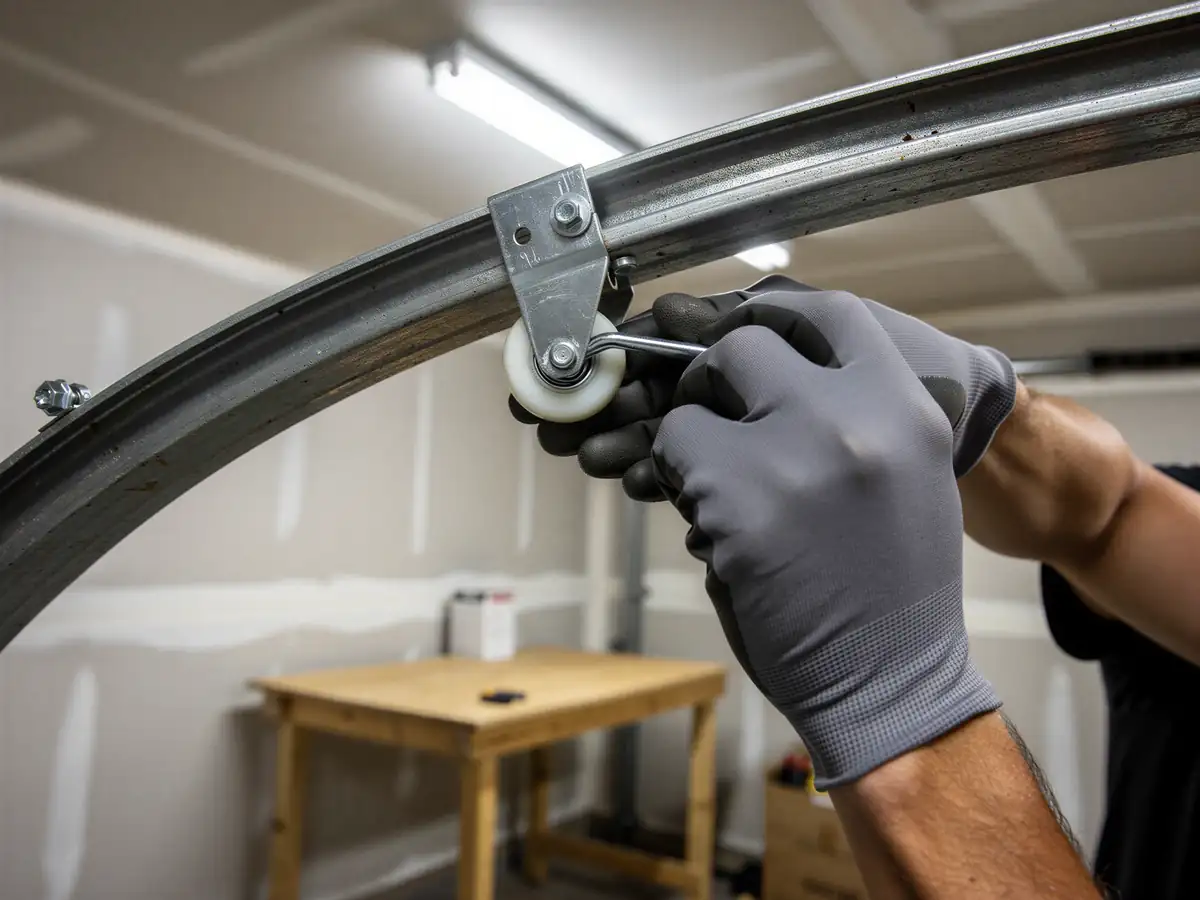
We come out from Hutchinson, about 4 miles up the road, so there's no separate branch or crew based in South Hutchinson itself - just a short drive and the same trucks that cover the rest of the territory. On site, we check chain or belt tension, sprocket wear, the travel limits, and the safety reversal before we open the motor housing.
Most calls on a house this age resolve with a drive-train adjustment or a worn sprocket and chain swap, not a full unit replacement. If the motor itself has failed - windings gone, capacitor shorted - we'll say so plainly and quote a new opener rather than patch a dead motor, because that's a repair that doesn't hold.
What You Pay
Median household income in South Hutchinson is $42,221
Noticeably below the roughly $63,119 median across the wider Hutchinson service area. We don't price jobs differently by town, but we do try to steer toward the repair that actually lasts rather than the one that looks cheaper today and fails again in eight months.
A chain-and-sprocket service or a logic board swap on an otherwise sound opener is a repair job
A motor that's drawing high current and still failing to lift is usually a replacement conversation, and we'll tell you which one you're looking at before we start pulling the housing apart, not after.
Can You Do This Yourself
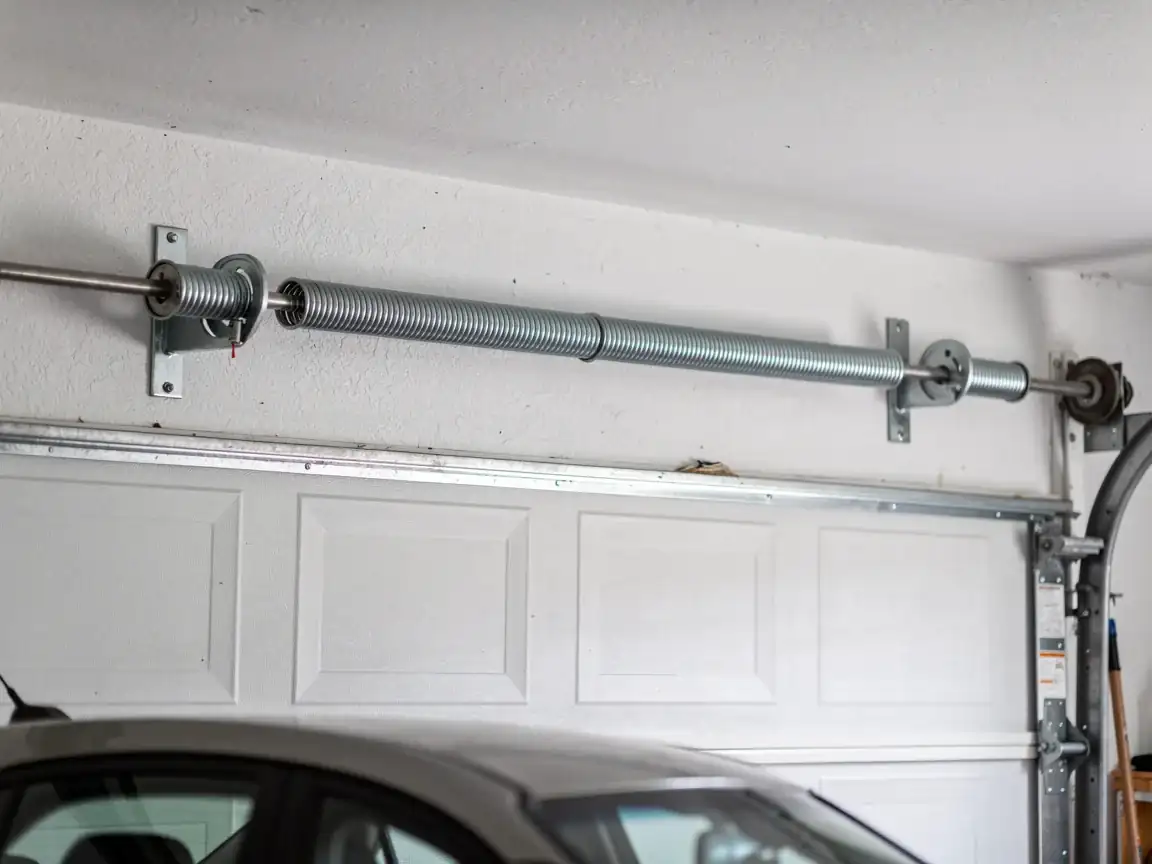
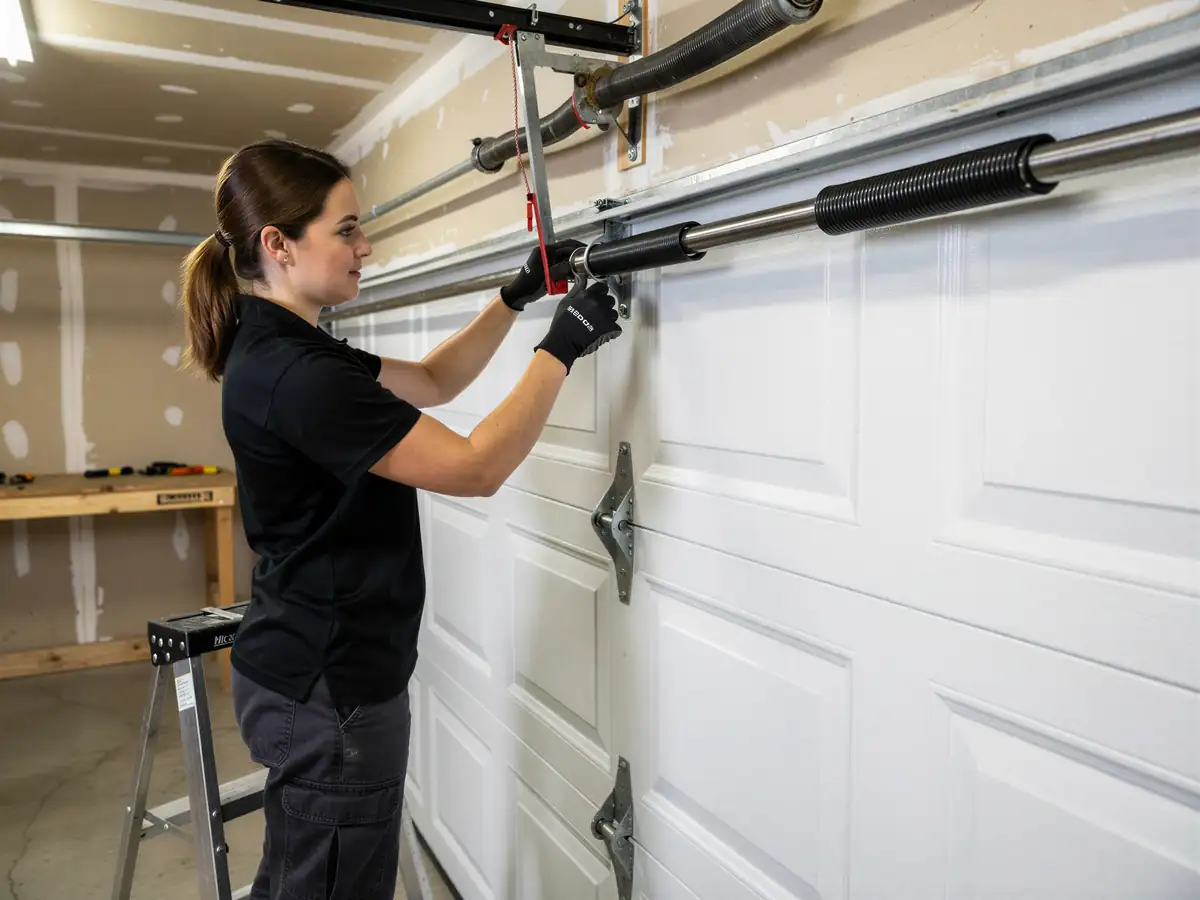
Lubricating the chain, tightening the rail bracket, and reprogramming a remote are reasonable DIY tasks, and we'd rather you not pay a truck charge for those. What's not a DIY job is anything involving the torsion spring or adjusting the force settings on a door that's out of balance - those settings exist to limit how hard the opener pushes, and getting them wrong on a door with a stiff spring can snap a cable under tension.
One honest limit: if the opener motor itself has burned out, we don't rebuild motors in the field. We replace the unit. Rebuilding a sealed drive motor isn't a repair that holds up, and we won't bill you for one that doesn't.