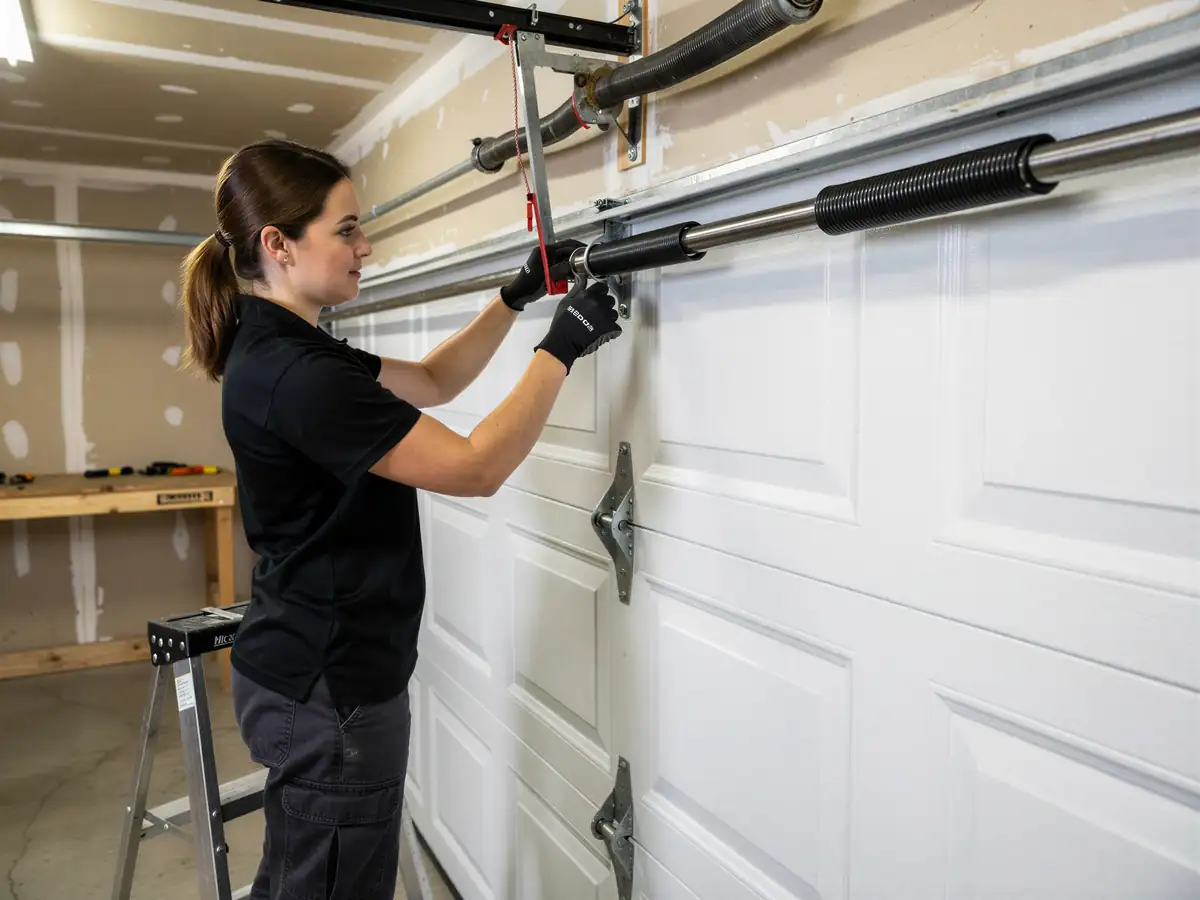
Where This Job Goes Sideways
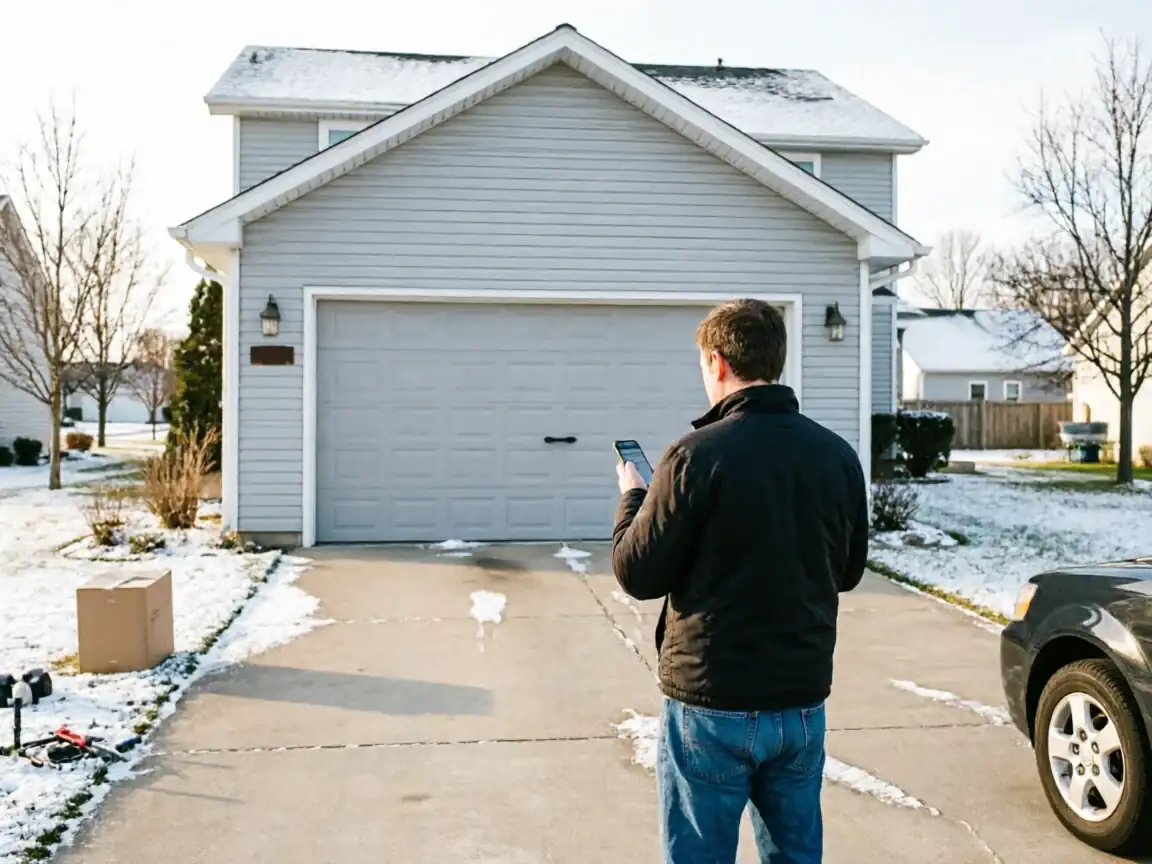
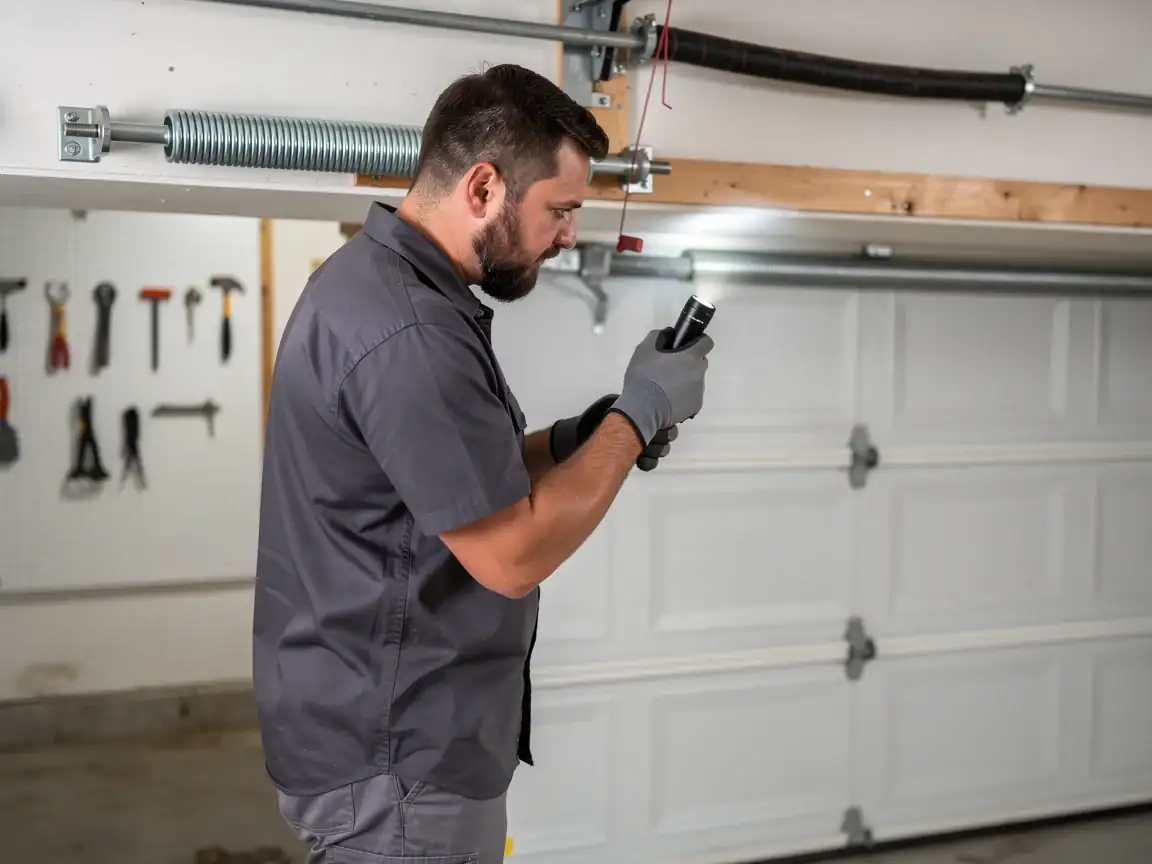
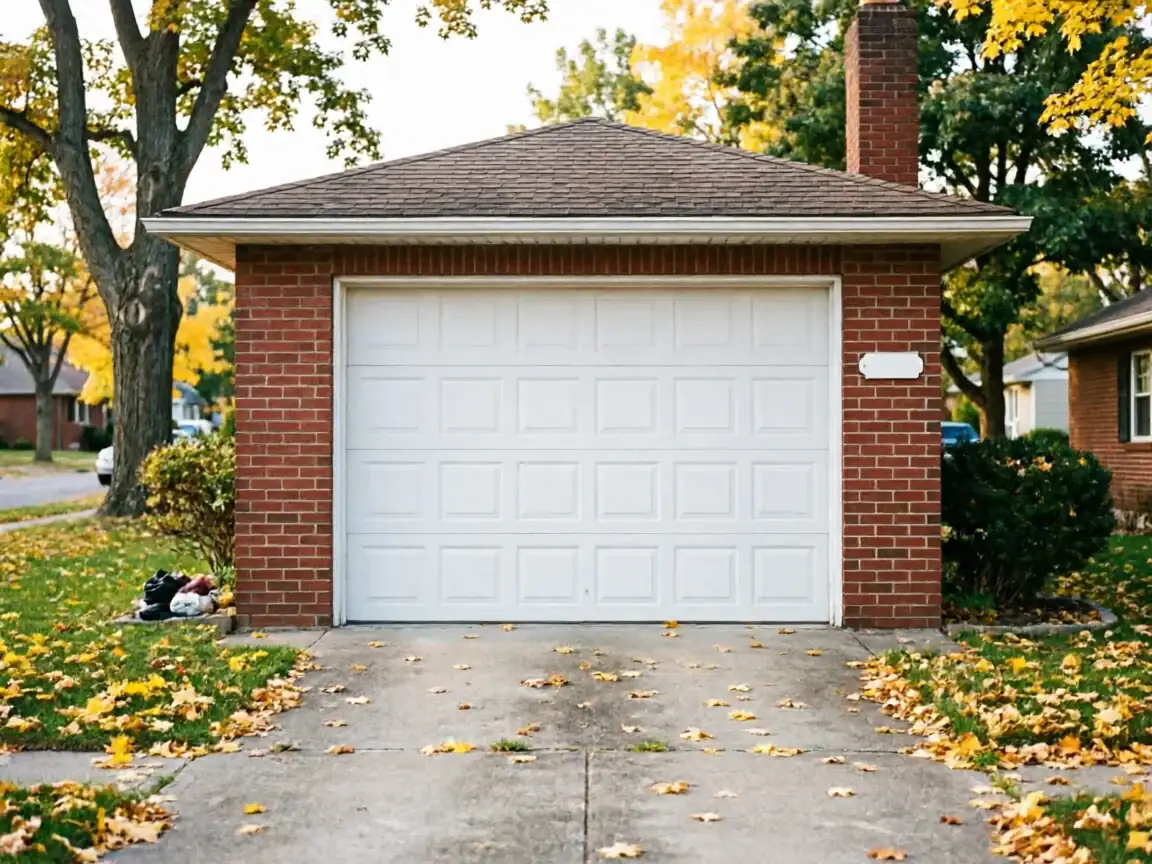
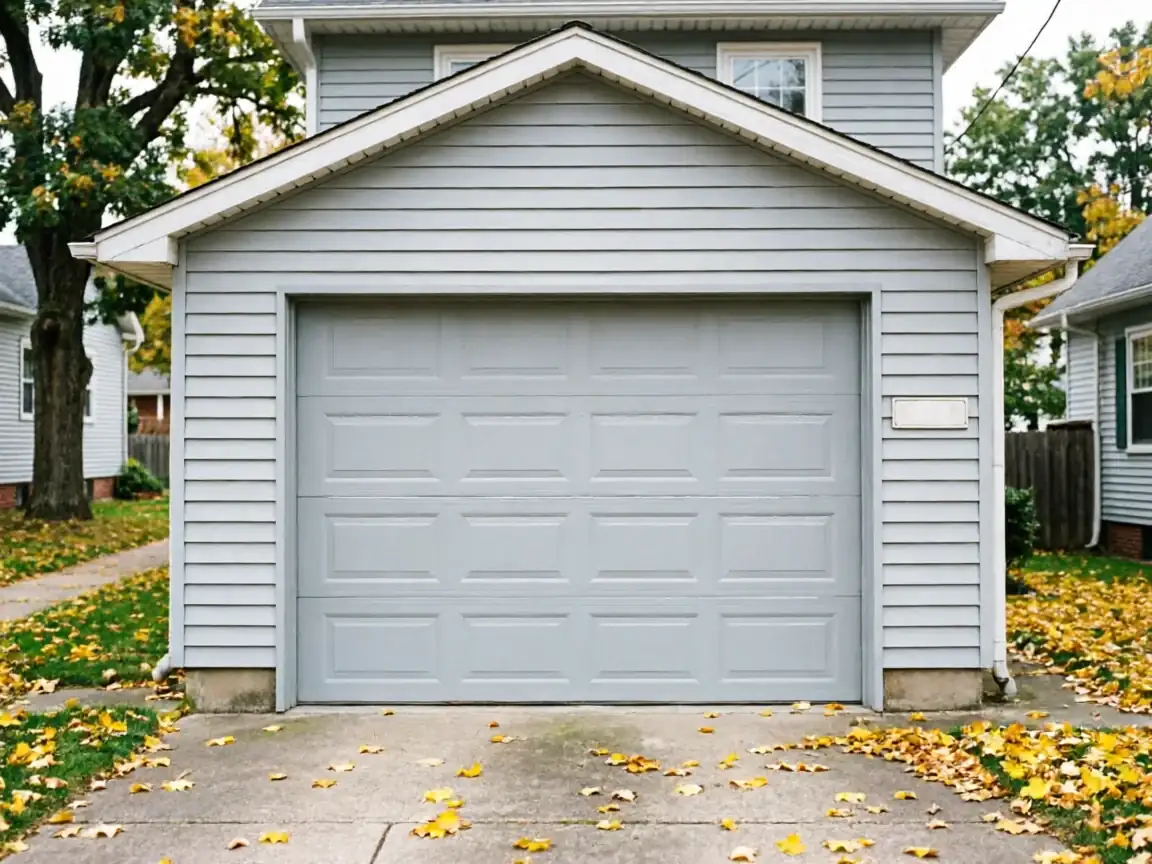
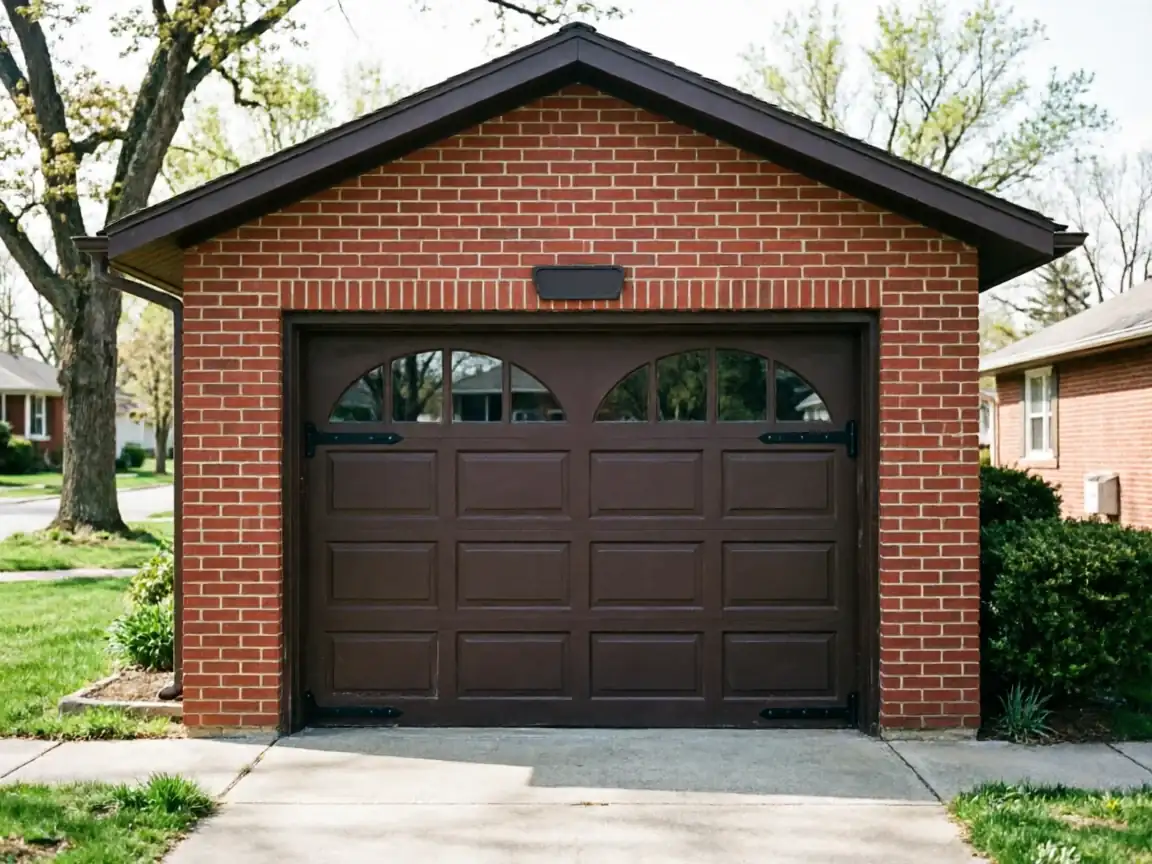
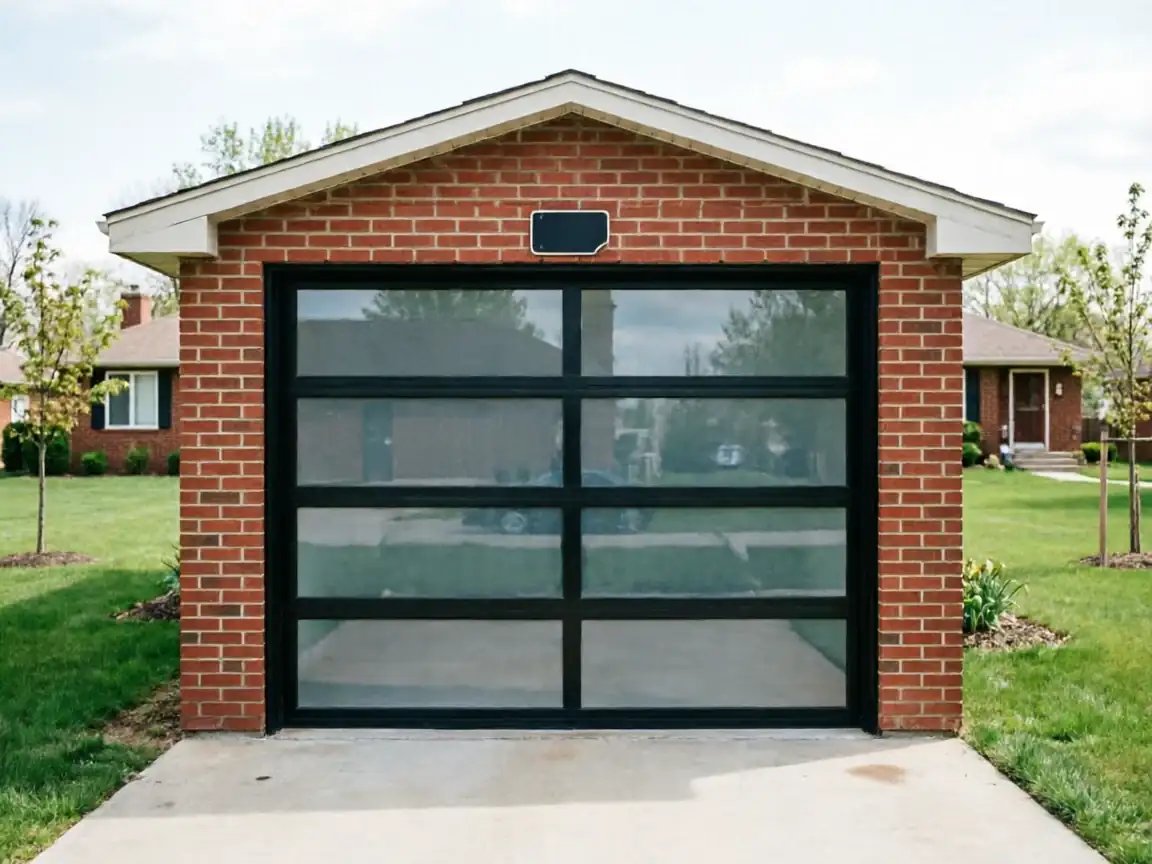
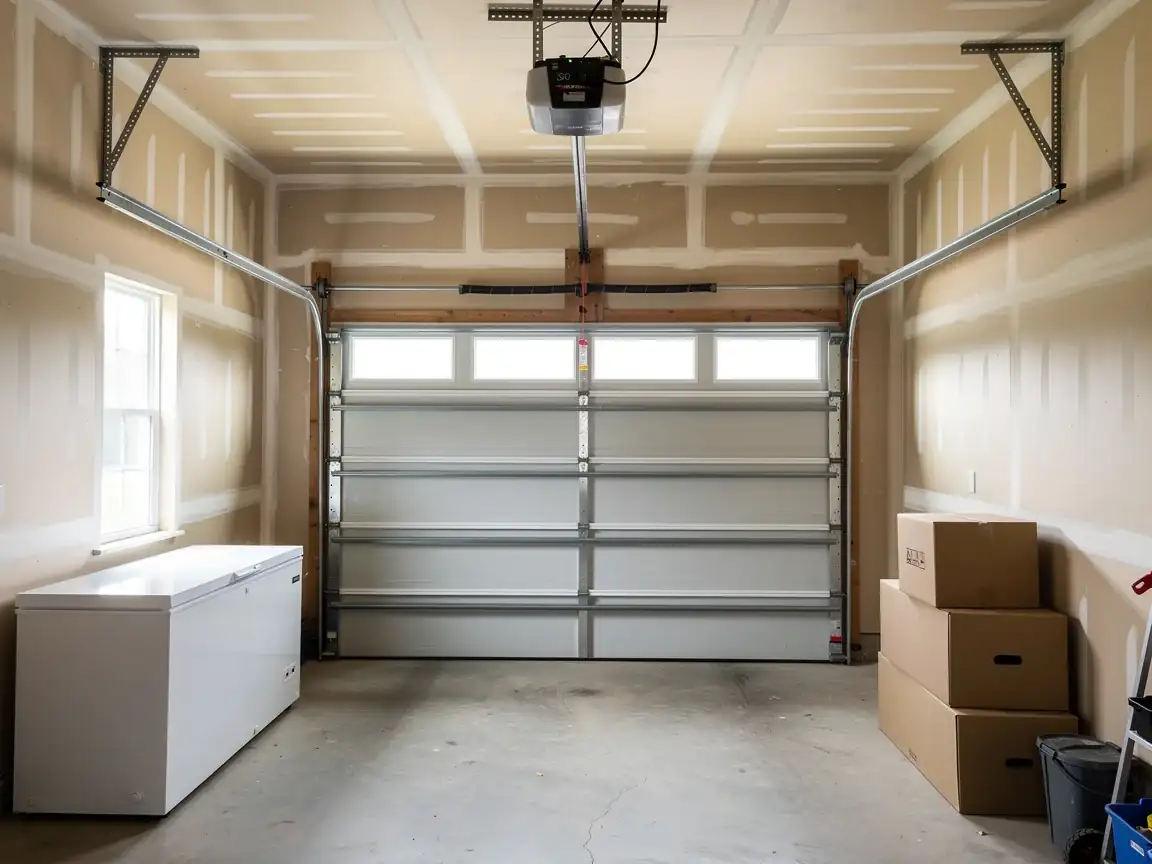
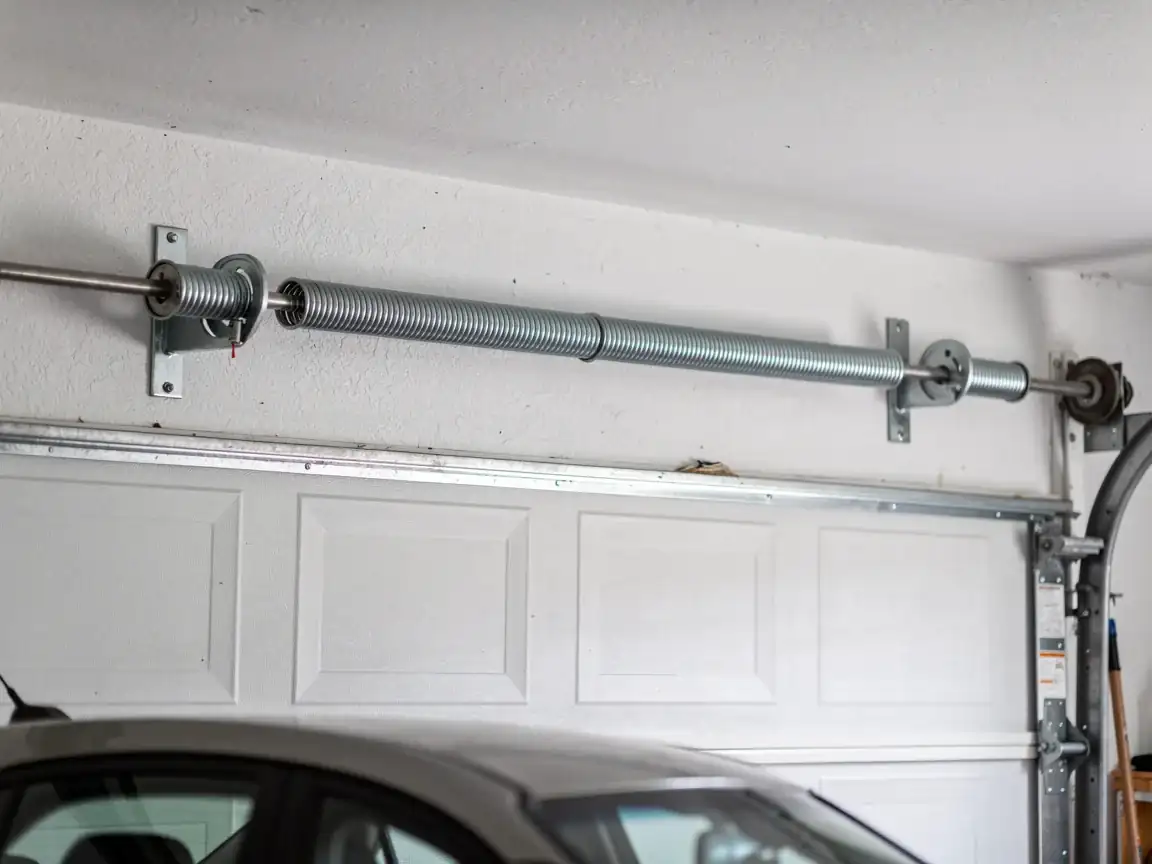
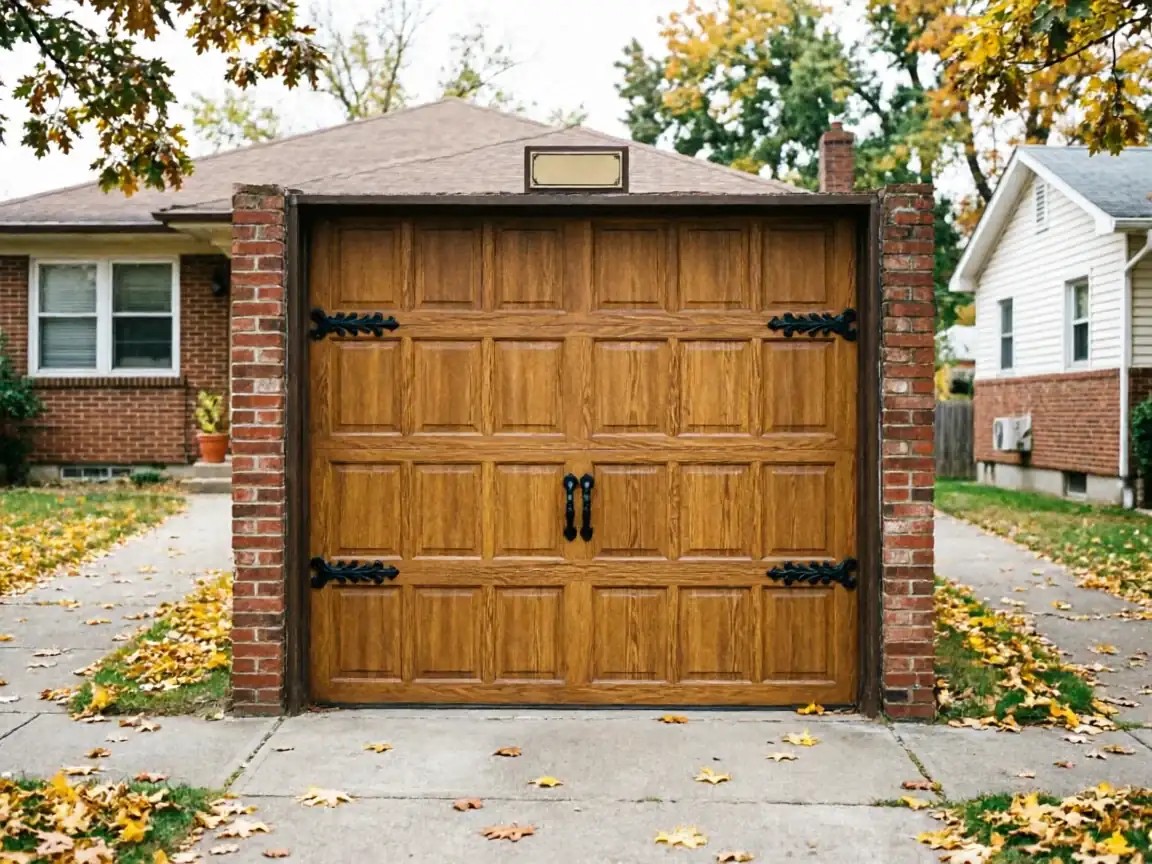
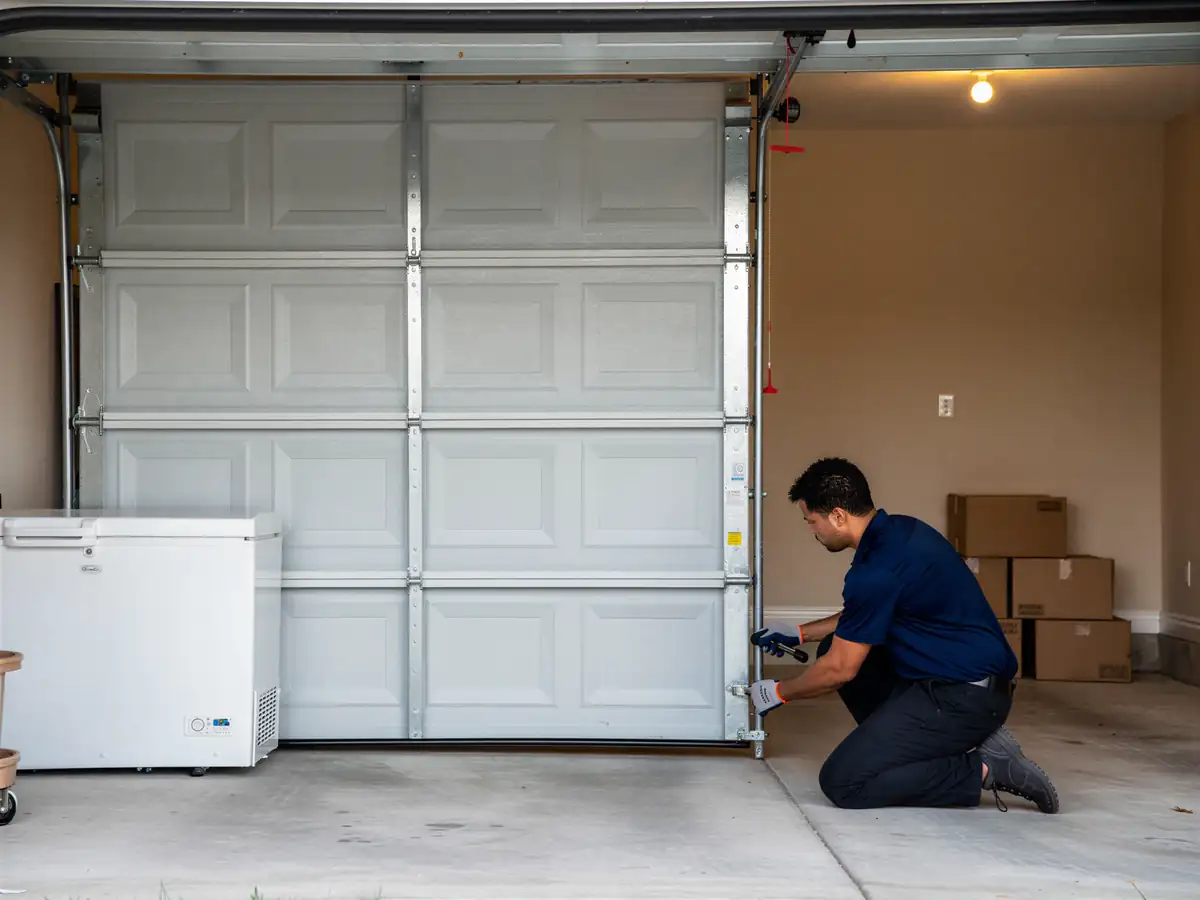
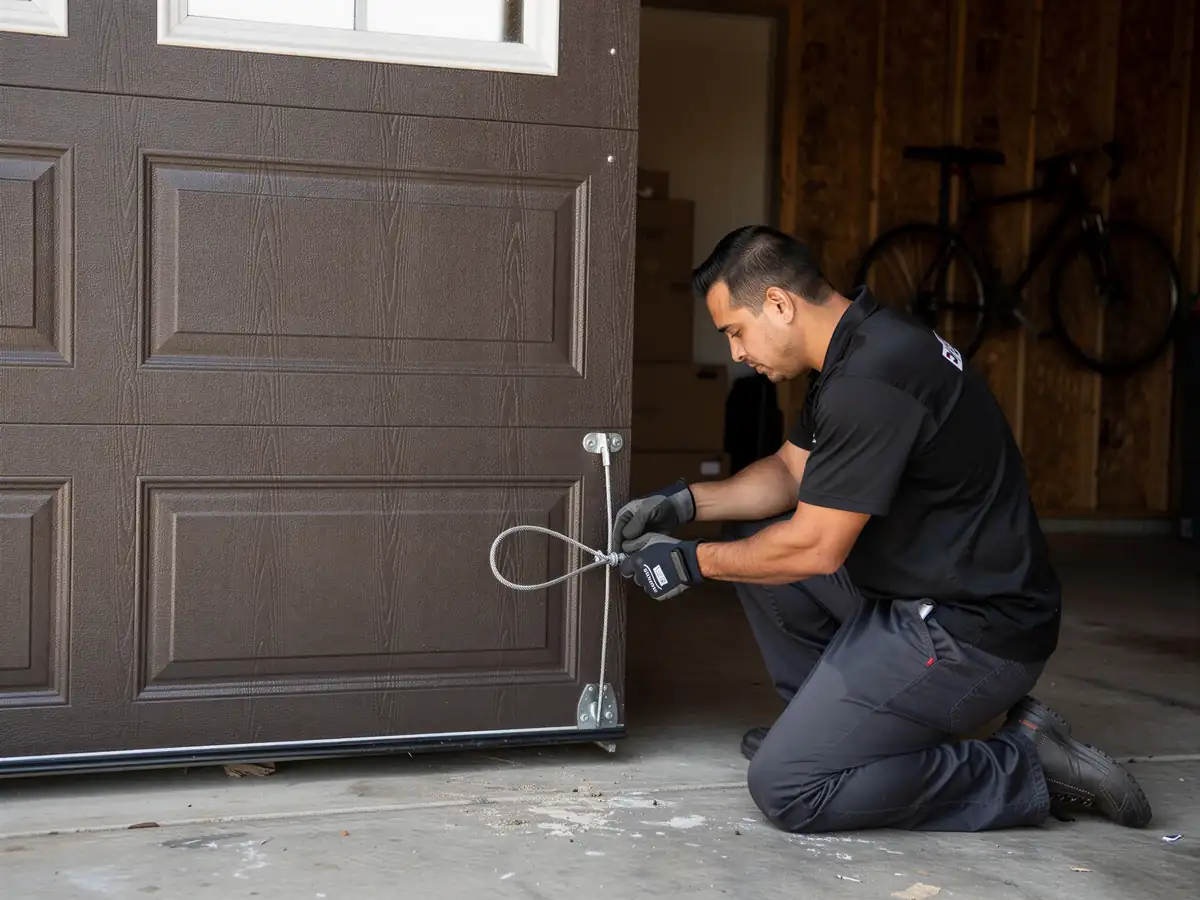
Most houses in Sterling went up around 1955, which puts them squarely in the era of single-car and narrow double garages built with whatever spring setup the local lumberyard carried that year. A lot of that original hardware has been replaced once already, sometimes twice, and not always with the right size spring for the door weight. That's where this job goes sideways: a torsion spring swapped out in the 1980s on a door that's since had a heavier insulated panel added, or an extension spring system that was never converted to torsion when the door got replaced. We see mismatched hardware on these jobs more than mismatched age. Before anyone touches a spring, we check the door weight against the spring's wind and wire gauge, because guessing on a house this old is how a cable snaps six months later. With roughly 809 households in Sterling and a lot of them built in the same ten-year stretch, the pattern repeats: original jamb brackets, a spring that's outlived two openers, and a door that's been limping along on one working spring for longer than anyone admits.
The Symptom
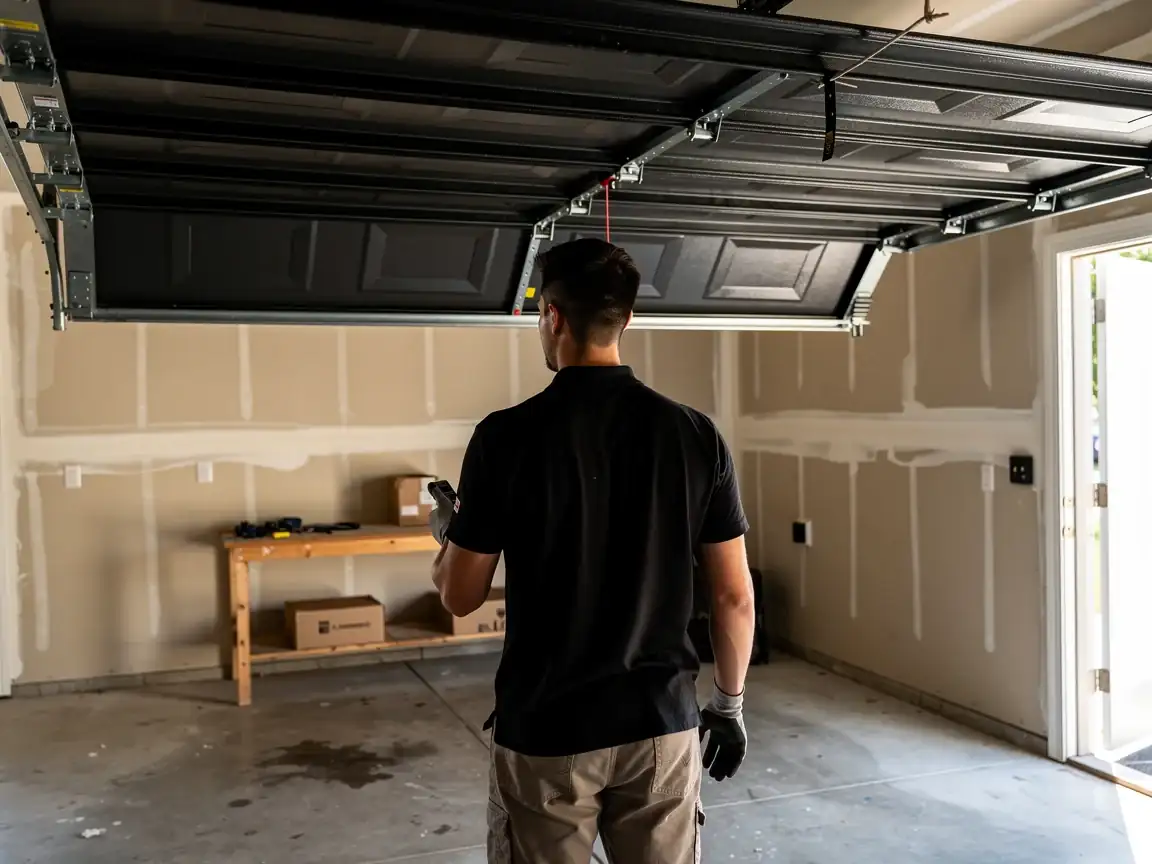
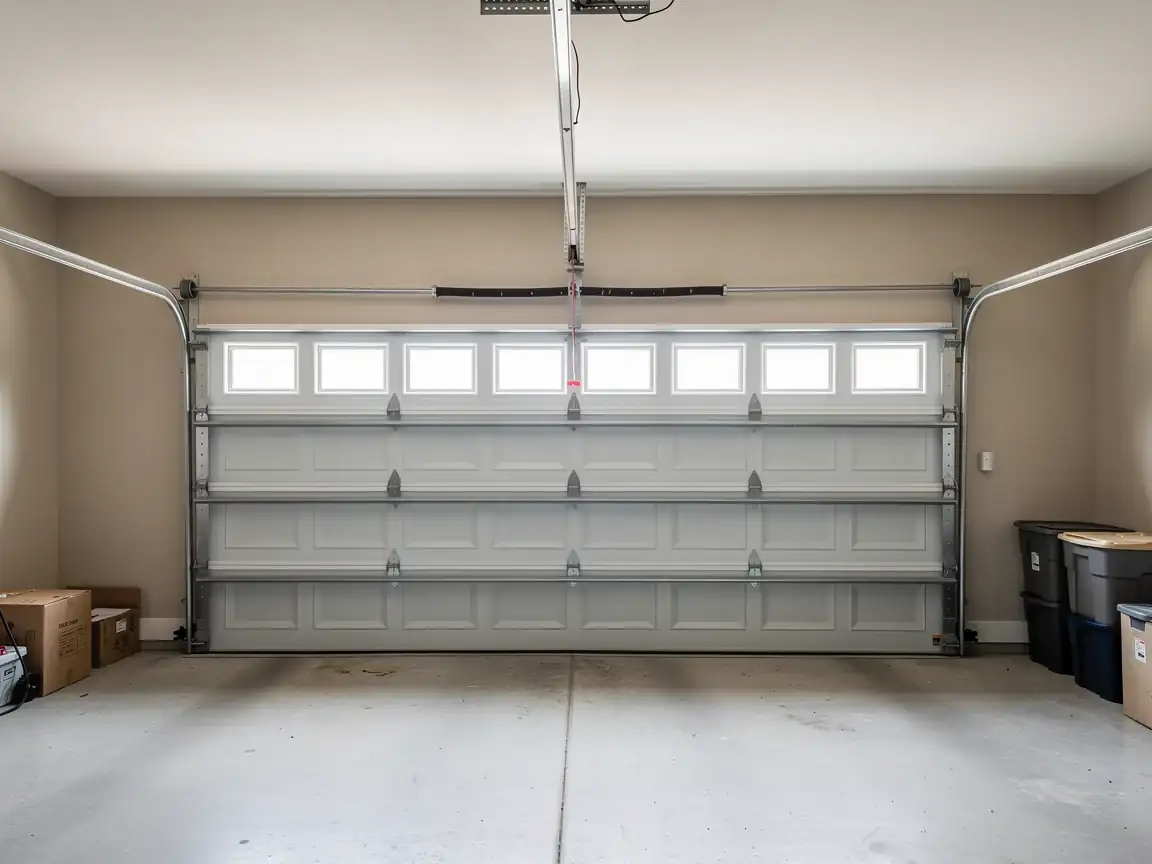
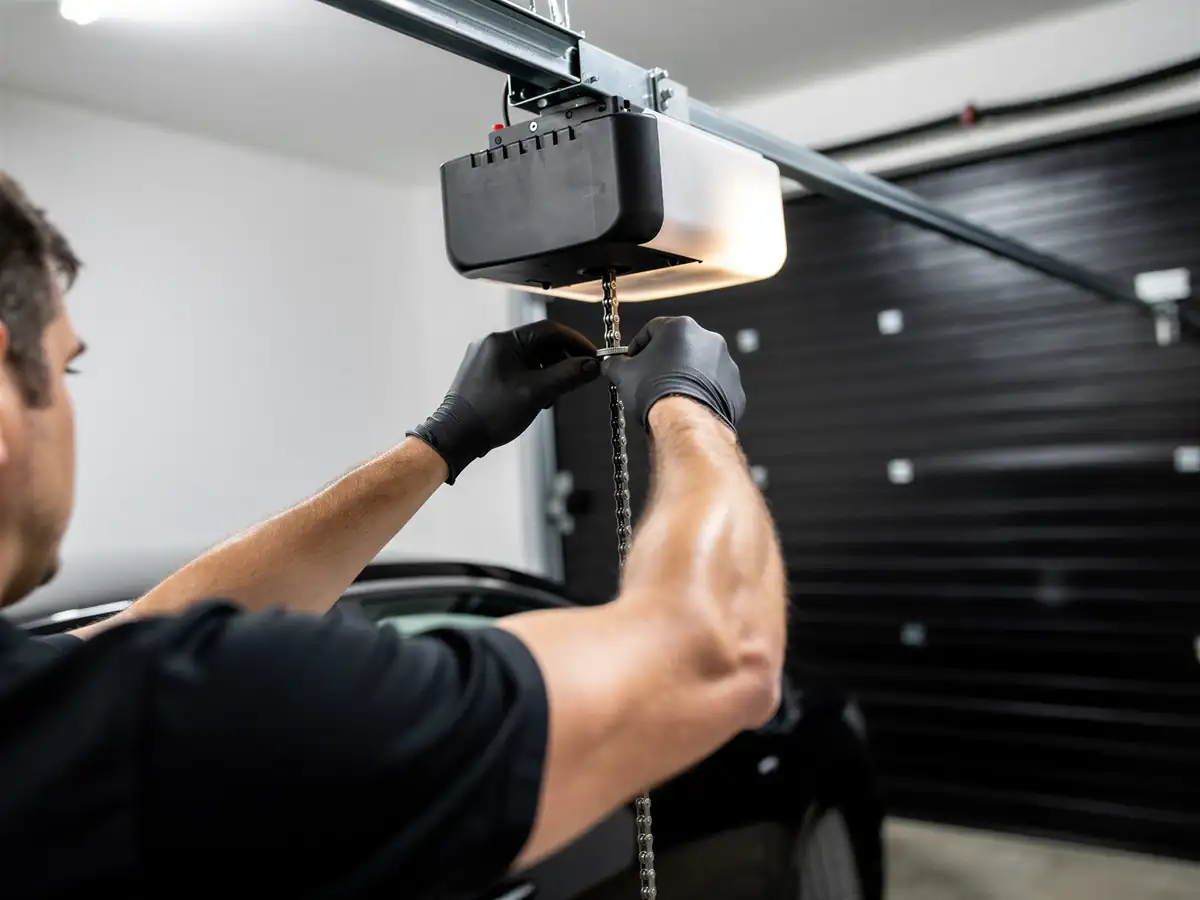
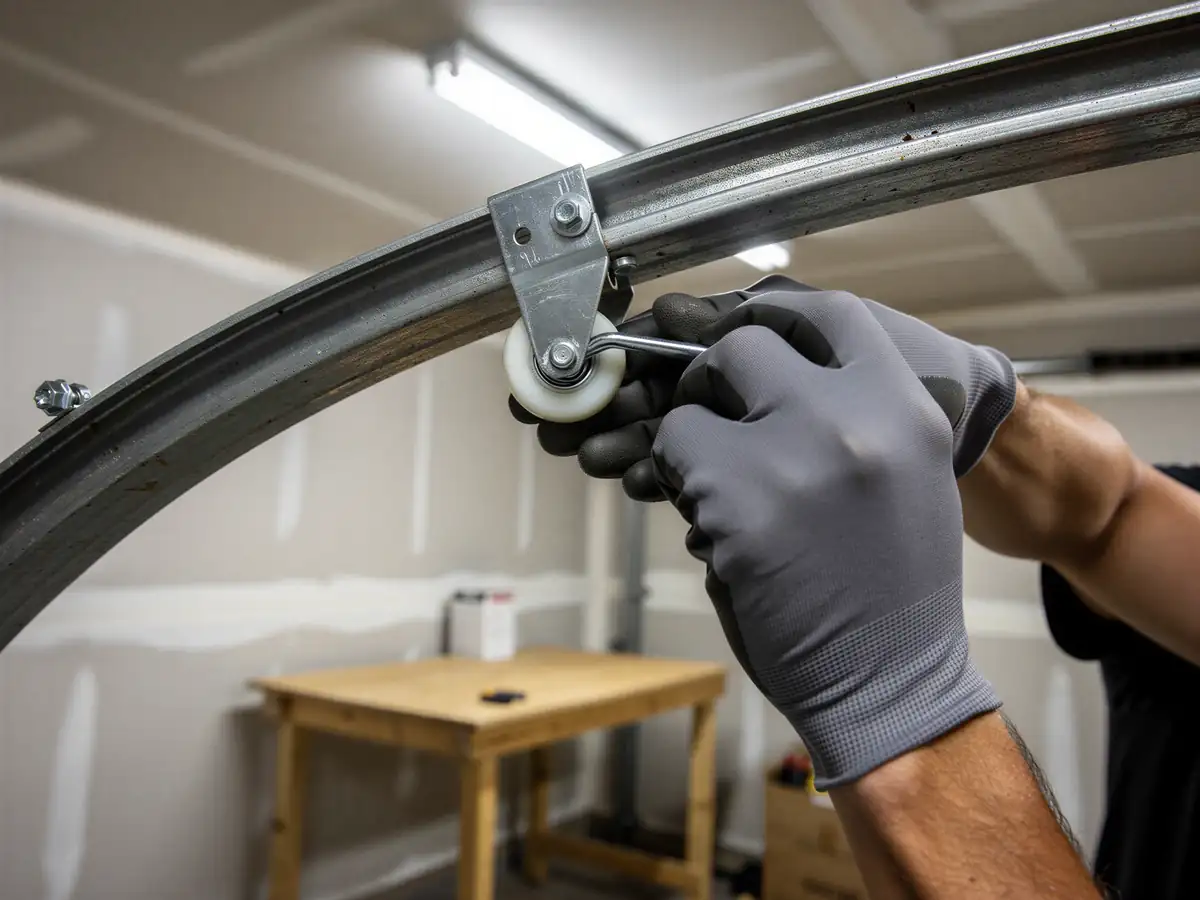
The door that won't lift, or lifts a few inches and stalls, is the most common call. On a torsion spring that's a clean break - you'll usually hear it, a loud bang from the garage, often when nobody's even using the door. On the older extension spring setups still found on some of these 1955-era single garages, failure looks different: the door feels heavy on one side, or a stretched coil hangs loose along the track instead of snapping clean. Either way, the opener isn't the problem even though it's straining and making noise like it is - it's not built to lift the door's full weight alone, and trying to force it through with a bad spring usually takes the opener motor down with it. If the door's coming off a track or binding sideways, that's usually a separate issue from the spring and we'll tell you so rather than charge you for a spring you didn't need replaced.
What You Pay
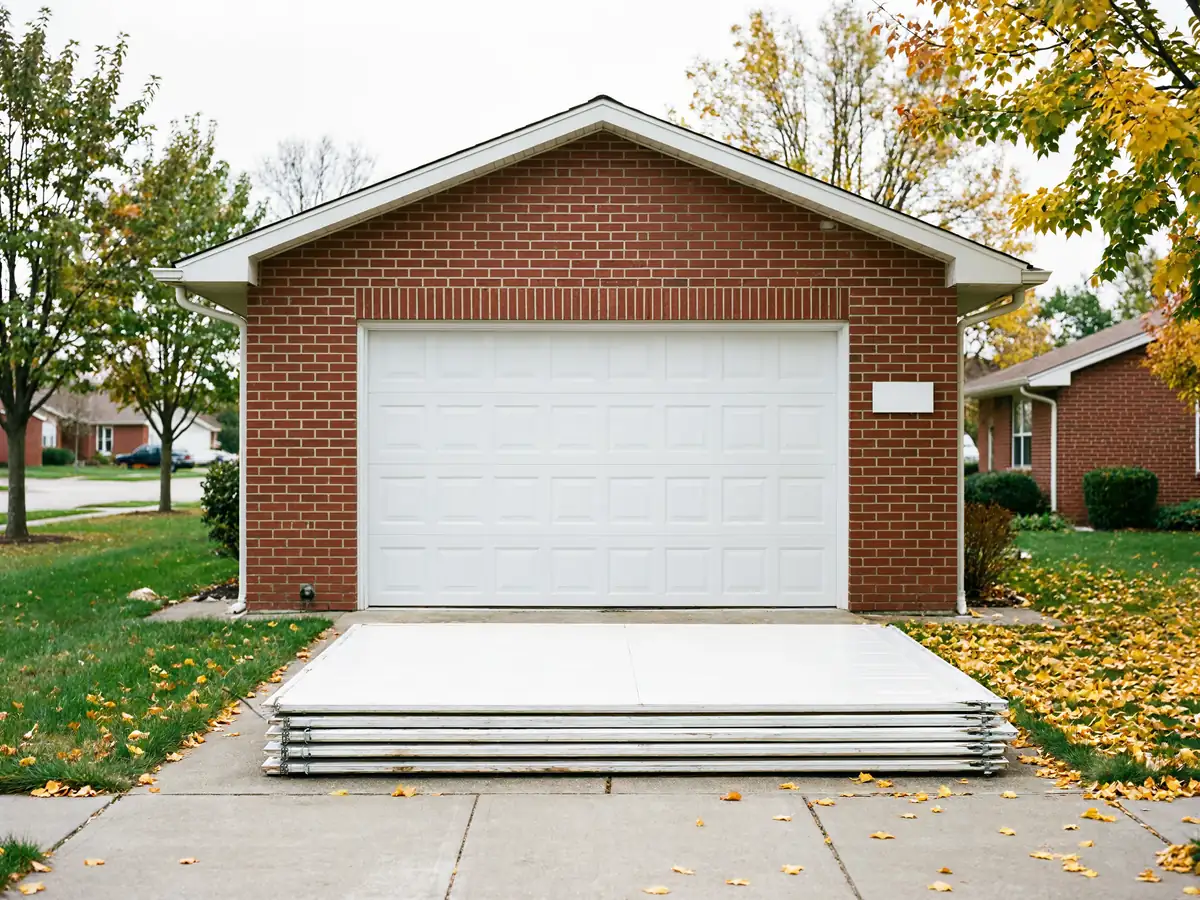
We don't have a posted price list that holds for every driveway, and with median household income here at $51,304, we know the number on the invoice matters more than it does in some service areas. What we can tell you is the honest limitation: if you're calling because a cable's also frayed, or the drums are scored, or the door's out of a house built in that same mid-1950s window and the jamb brackets are rusted through, the job isn't a single-spring swap anymore, and the quote reflects that once we're actually looking at the hardware. A straightforward single or double torsion spring replacement is cheaper than letting a worn spring take the cable, the drum, or the opener with it when it finally lets go.