Where This Job Goes Sideways
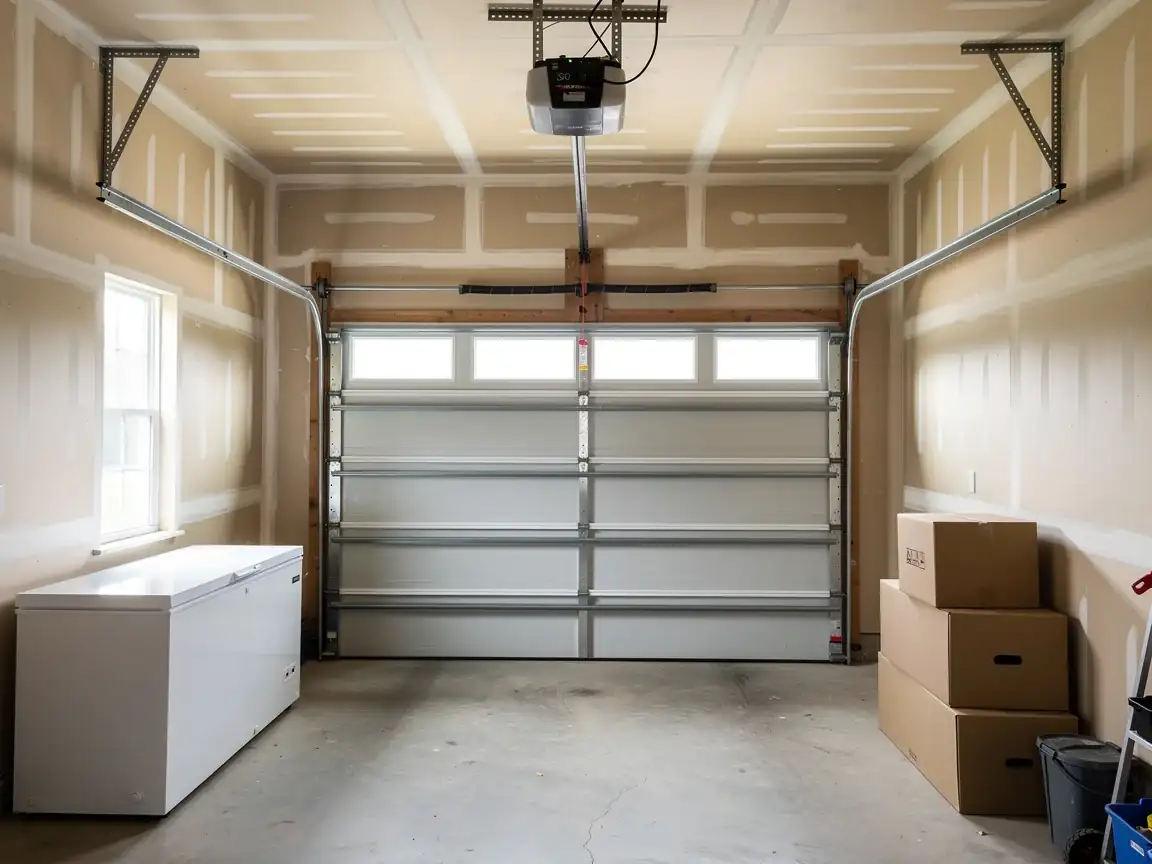
Most of the trouble we see on Sterling openers starts above the door, not in the unit itself. Sterling's housing stock runs older than the rest of the area we cover out of Hutchinson - the median house here went up around 1955, about nine years ahead of the 1964 median across the broader service territory. That decade matters. A garage built in the mid-1950s usually has a header and framing sized for a lighter, older door, and when someone bolted a modern opener onto that header later, the mounting often got improvised rather than engineered for it.
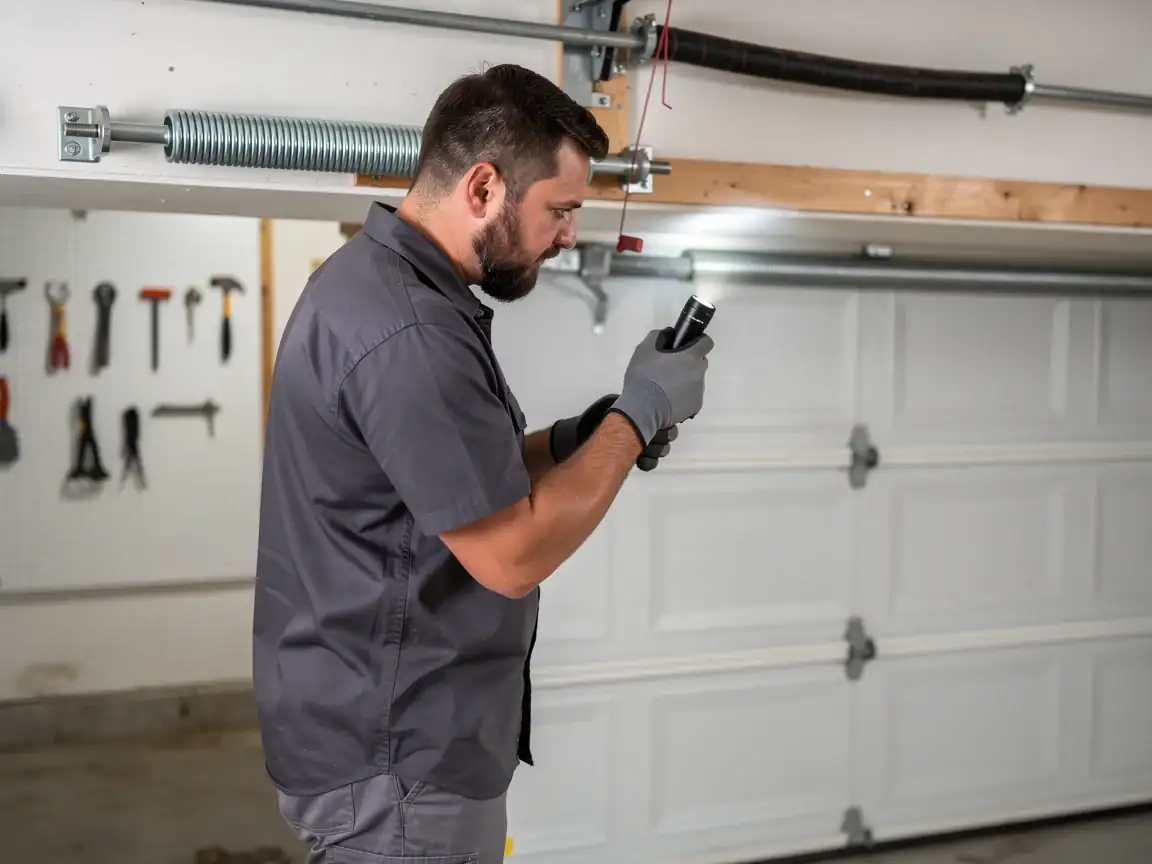
So the fault pattern here isn't usually a dead circuit board. It's a bracket pulling loose from softwood that's had seventy years to dry out, or a rail sagging because the ceiling mount was never rated for the opener's weight in the first place. We check that bracket and header before we touch the logic board, because replacing electronics on a unit that's shaking itself apart from a loose mount just buys you the same call back in six months.
What Is on the Truck
We stock the parts that fail most on openers from this era and this climate band
Drive gears, trolley carriages, logic boards for the common chain and belt-drive units, safety sensor pairs, and remote receivers. Sterling sits in the same cold-moderate climate band as the rest of the territory, so winter is when we see the most capacitor and gear failures; cold makes old nylon drive gears brittle and they strip teeth instead of just slowing down.
What we don't carry on the truck is obsolete control boards for openers that haven't been made in twenty years
If your unit is old enough that the manufacturer discontinued the board, we'll tell you that on site rather than stall the job hunting for a part that may not exist. At that point replacement usually makes more sense than chasing a part that costs nearly as much as a new opener.
The Symptom
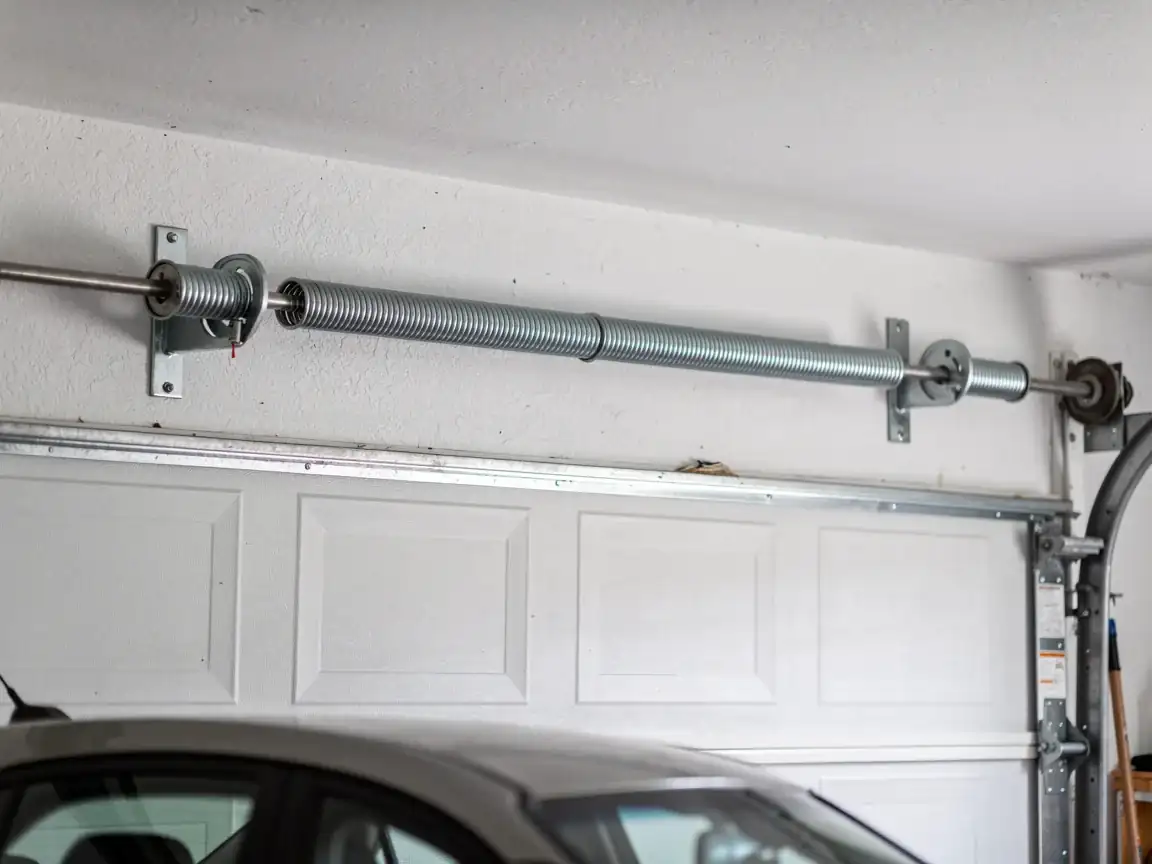
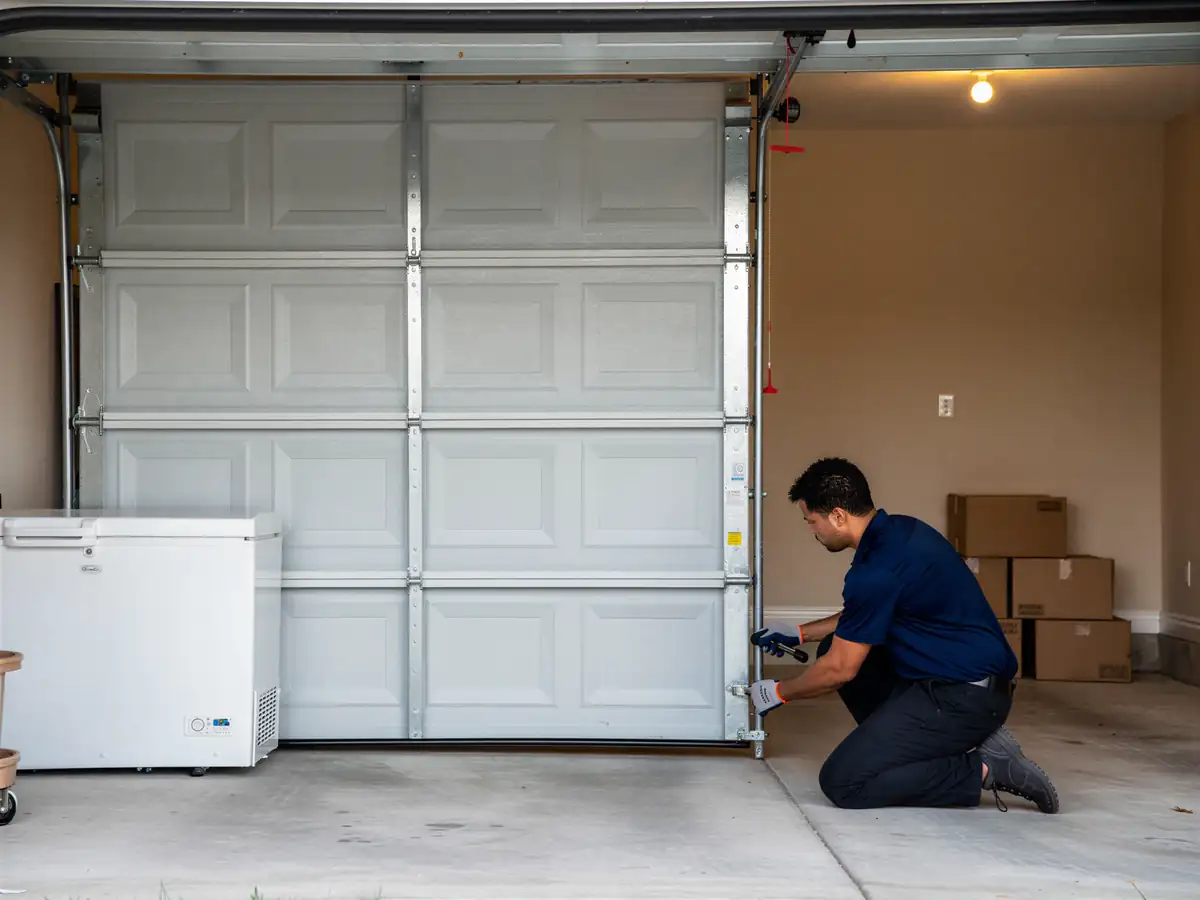
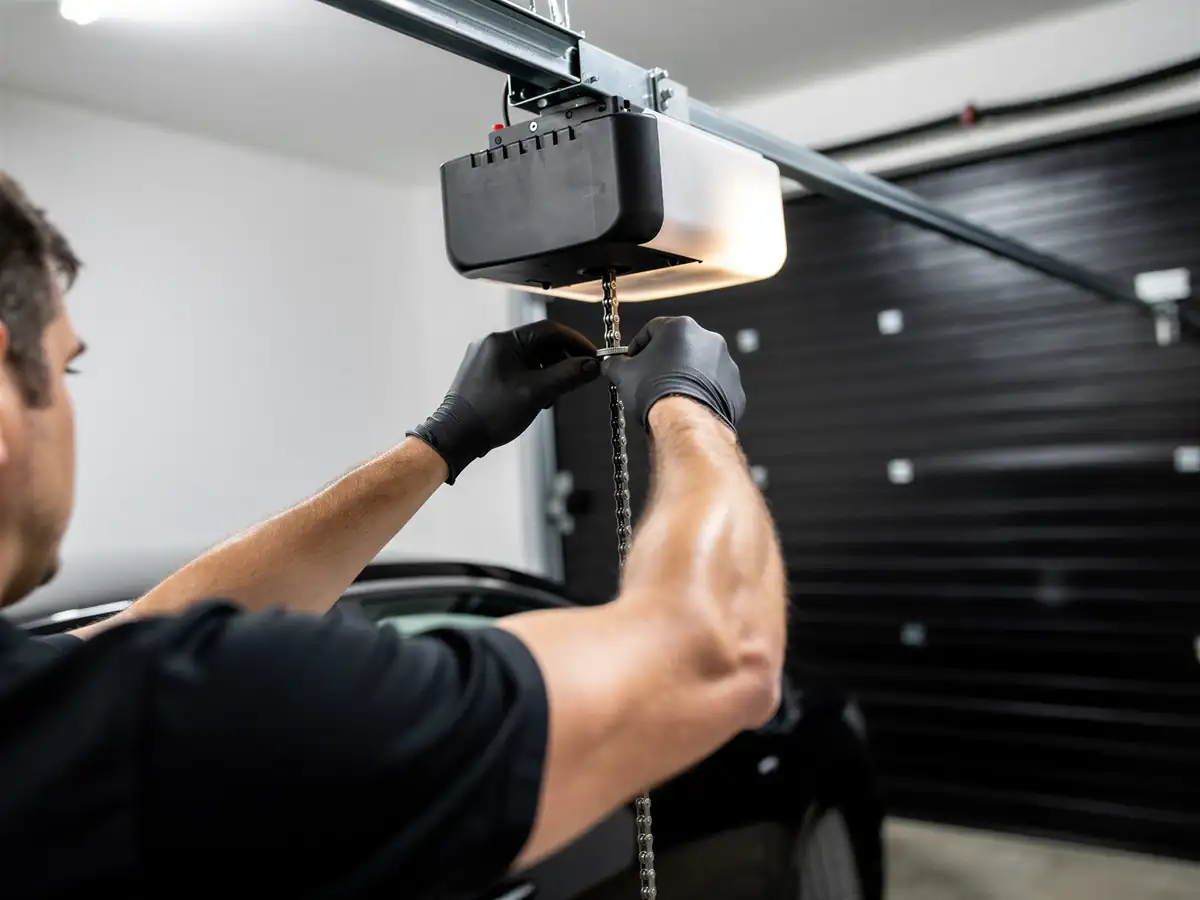
The call we get most from Sterling is an opener that runs the motor but the door doesn't move, or moves partway and reverses. Given the age of the mounting hardware common here, that symptom points first at the drive mechanism - a stripped gear, a snapped belt, or a trolley that's disconnected from the carriage - before it points at the logic board or the remote.
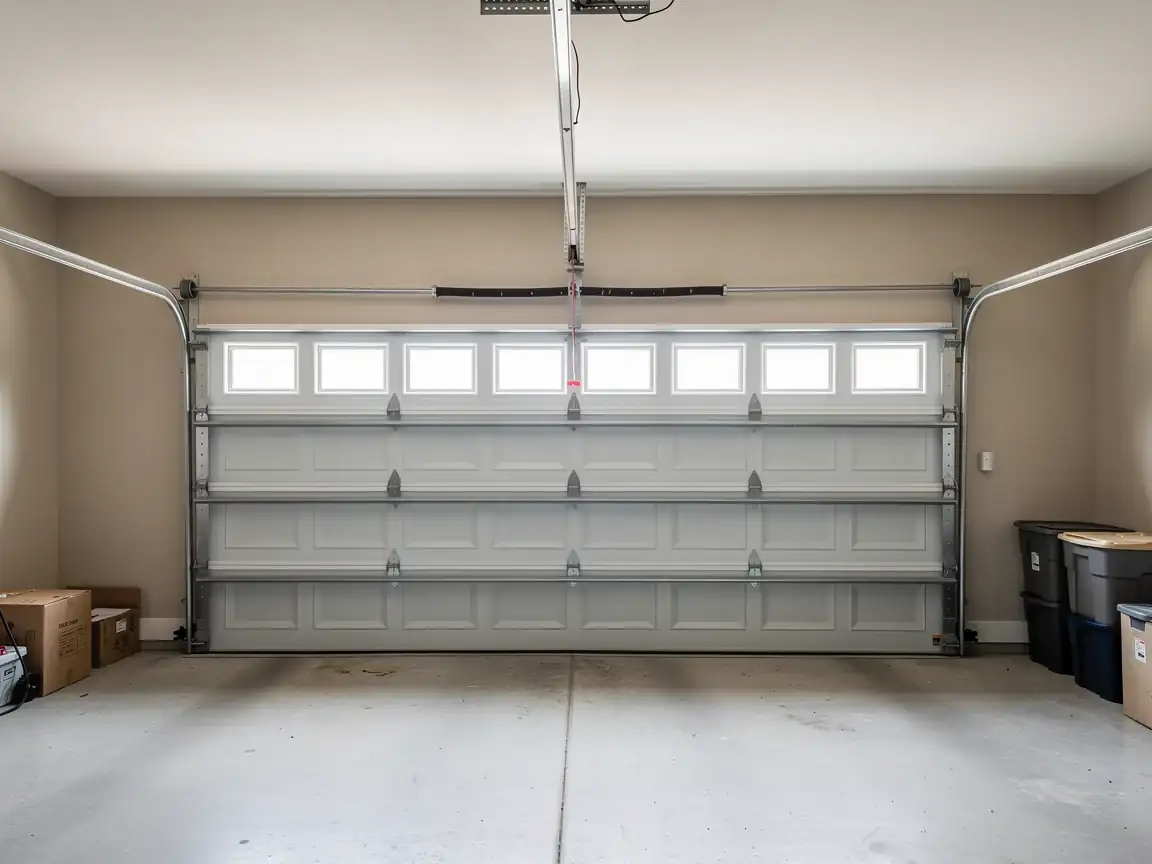
A second common complaint is a door that opens fine but won't close, stopping short and reversing. On older installs that's frequently a misaligned or aging safety sensor, sometimes one that was added years after the original opener install and was never mounted level. We test the sensors with a level and a meter rather than guessing, because swapping sensors that are actually fine just adds cost without fixing anything.
What You Pay
We don't have a published price list for opener repair to quote here, and we won't invent one. What we can tell you is that Sterling's median household income sits at $51,304, noticeably below the roughly $63,000 median across the wider area we serve from Hutchinson. We mention that because it shapes how we quote: we give a price before we start, not after, and we'll always tell you up front if a repair isn't worth doing versus a straight opener swap.
Distance is part of the honest math too. Sterling is 19 miles from our shop in Hutchinson, the same distance as Mount Hope on the far side of our territory. That drive is built into how we schedule the day - we batch Sterling calls when we can rather than running the truck out solo for a five-minute fix.
How Long You Are Without the Door
Most opener repairs, once the truck is on site, take under an hour
A gear, a sensor, or a board swap doesn't take long once we know what's wrong. The time you actually lose is the drive itself, since we're coming from Hutchinson and not sitting in Sterling waiting for calls.
If the part needed is something obsolete for a decades-old unit
That's the one case where you might be waiting on an order instead of a same-visit fix. We'll tell you straight if that's the situation rather than leave the garage half-fixed and hope the part shows up.