Where This Job Goes Sideways
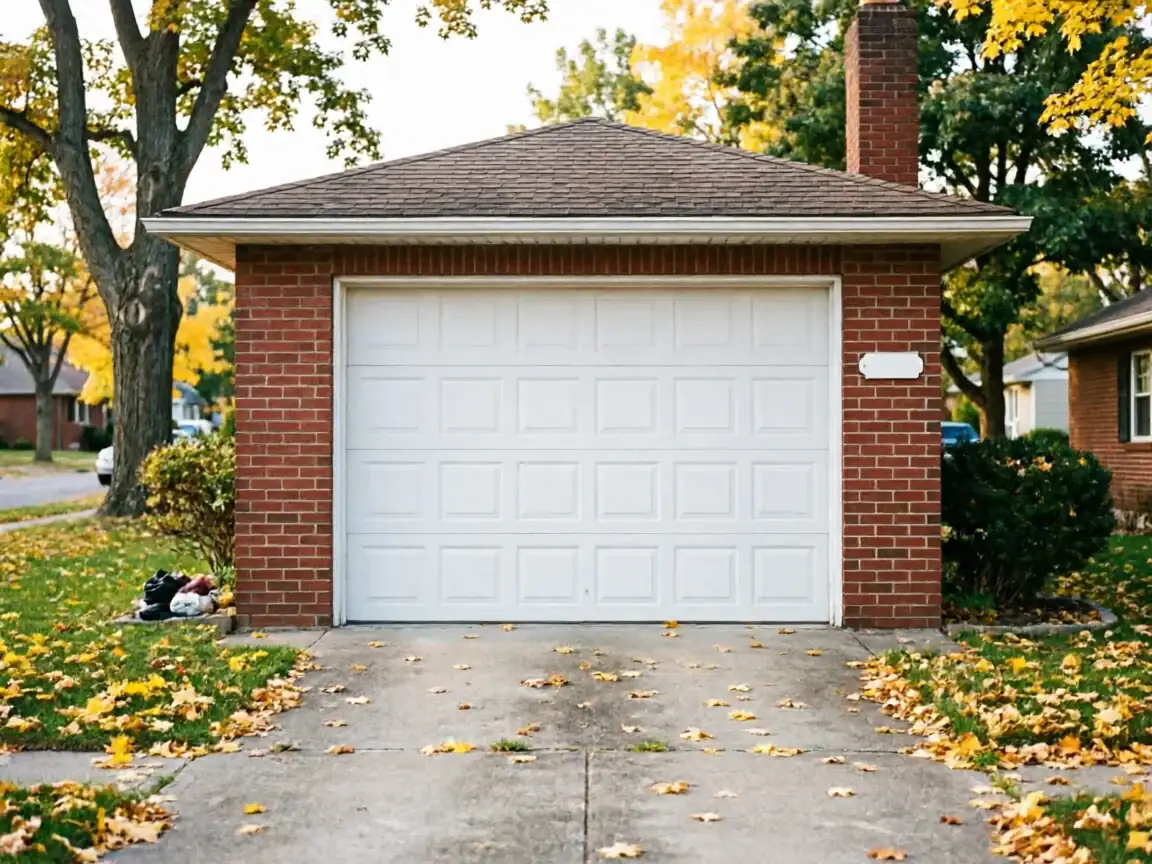
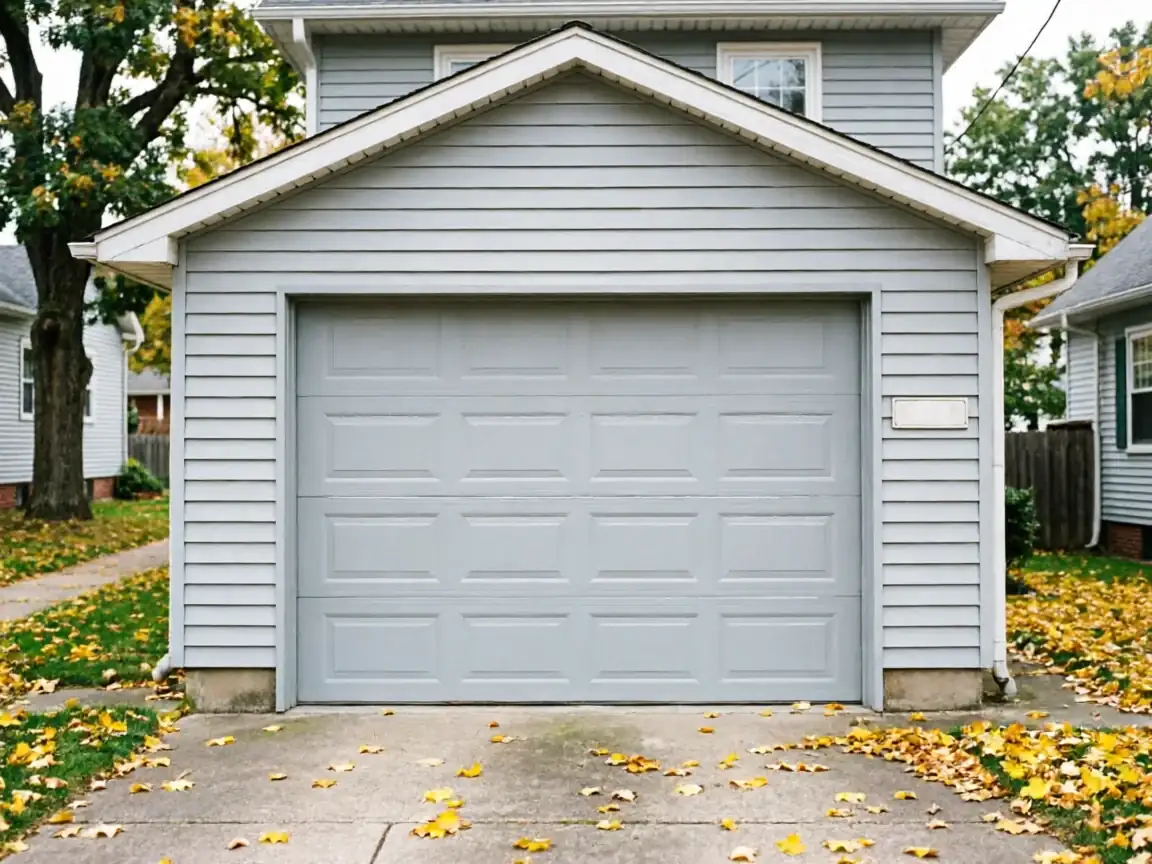
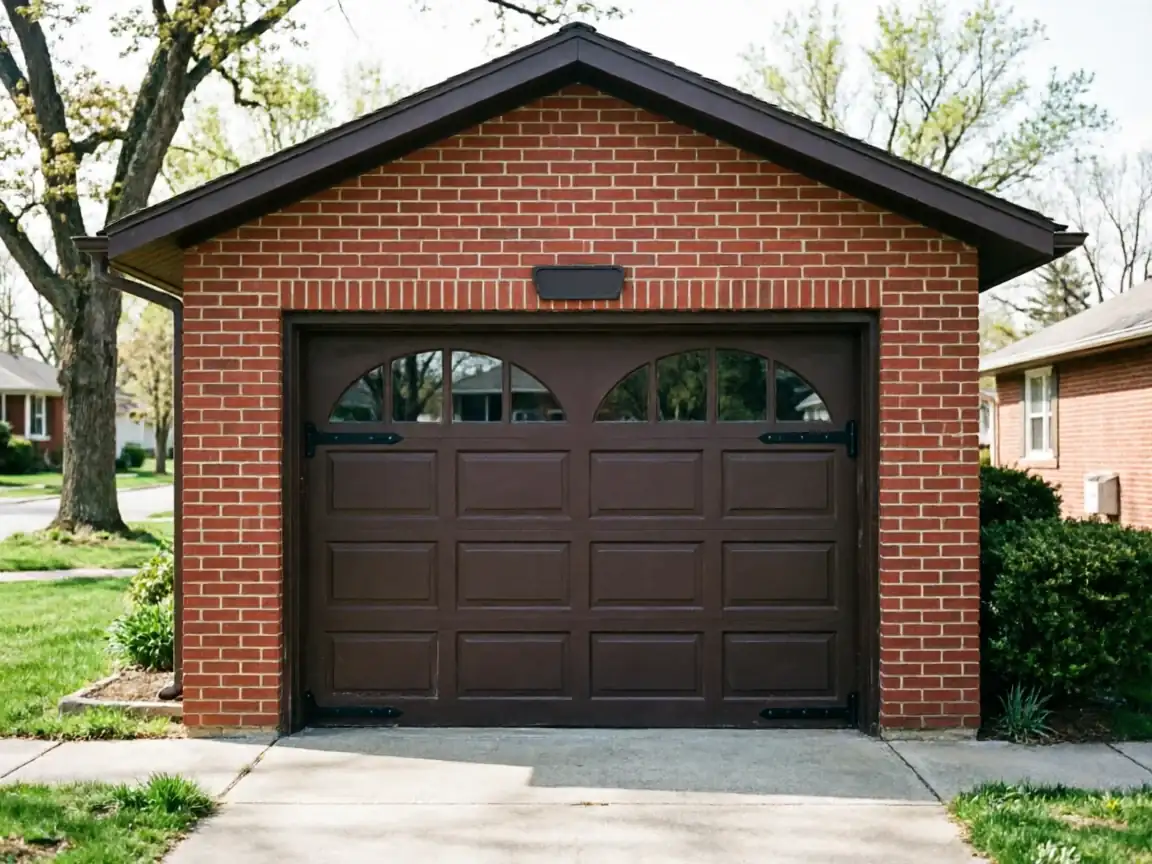
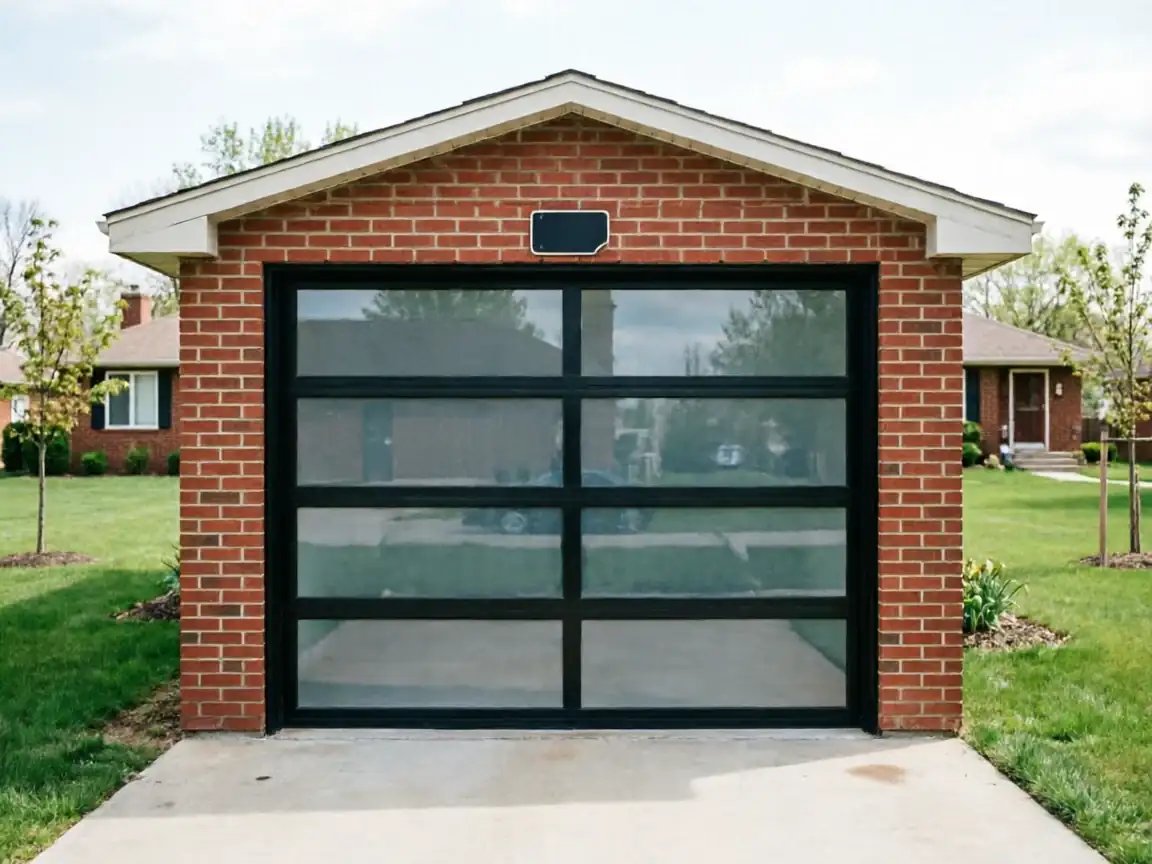
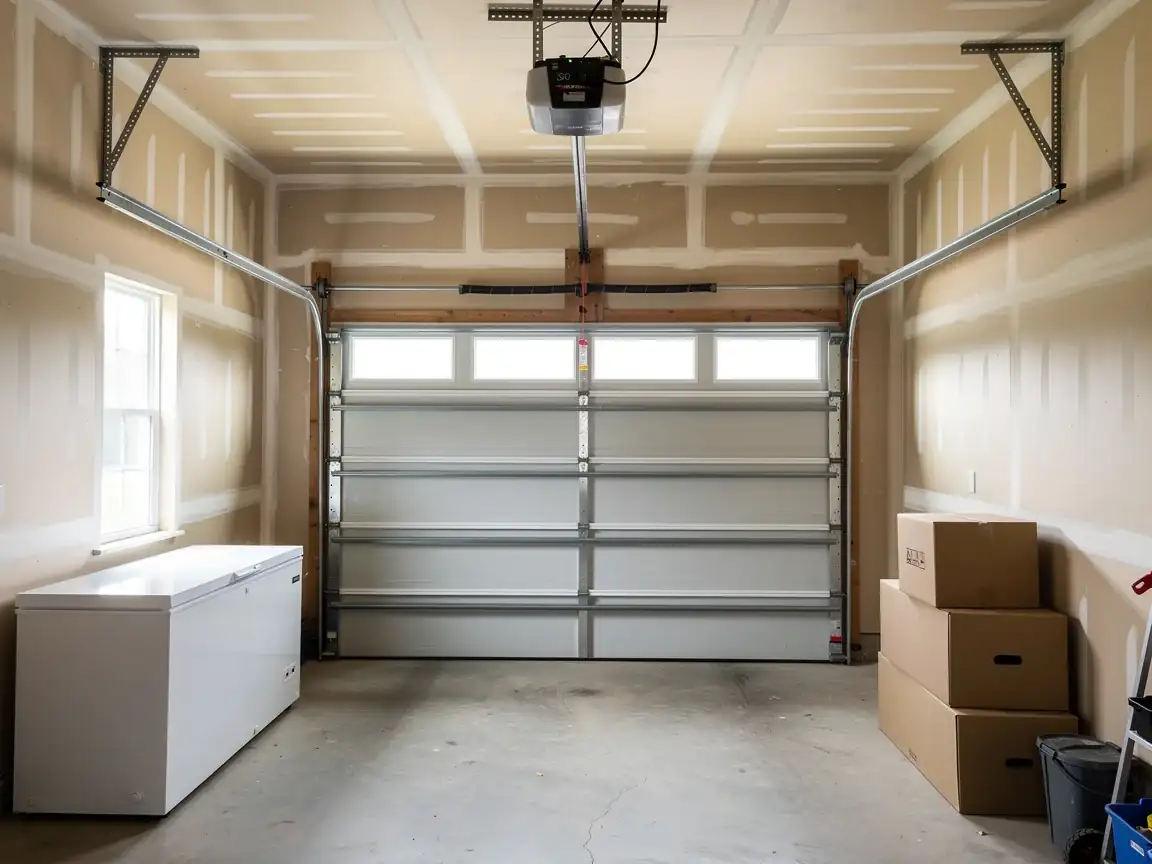
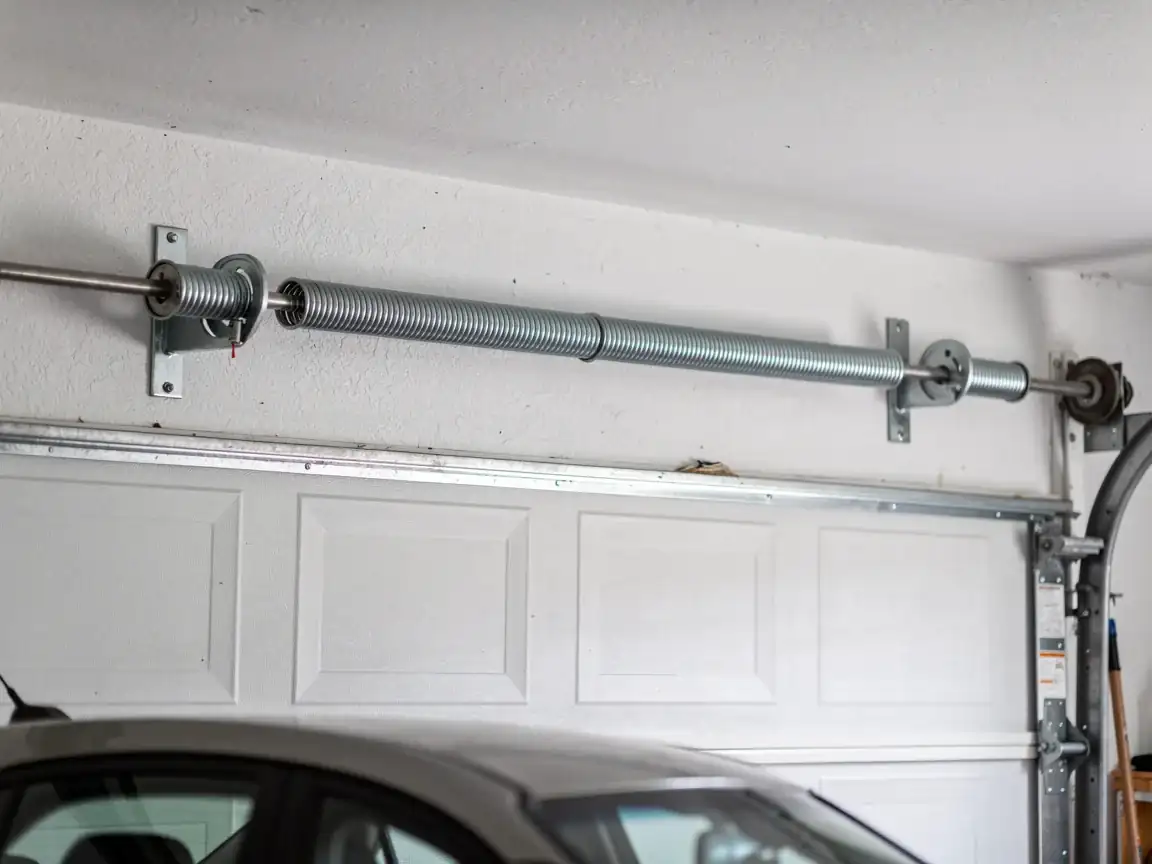
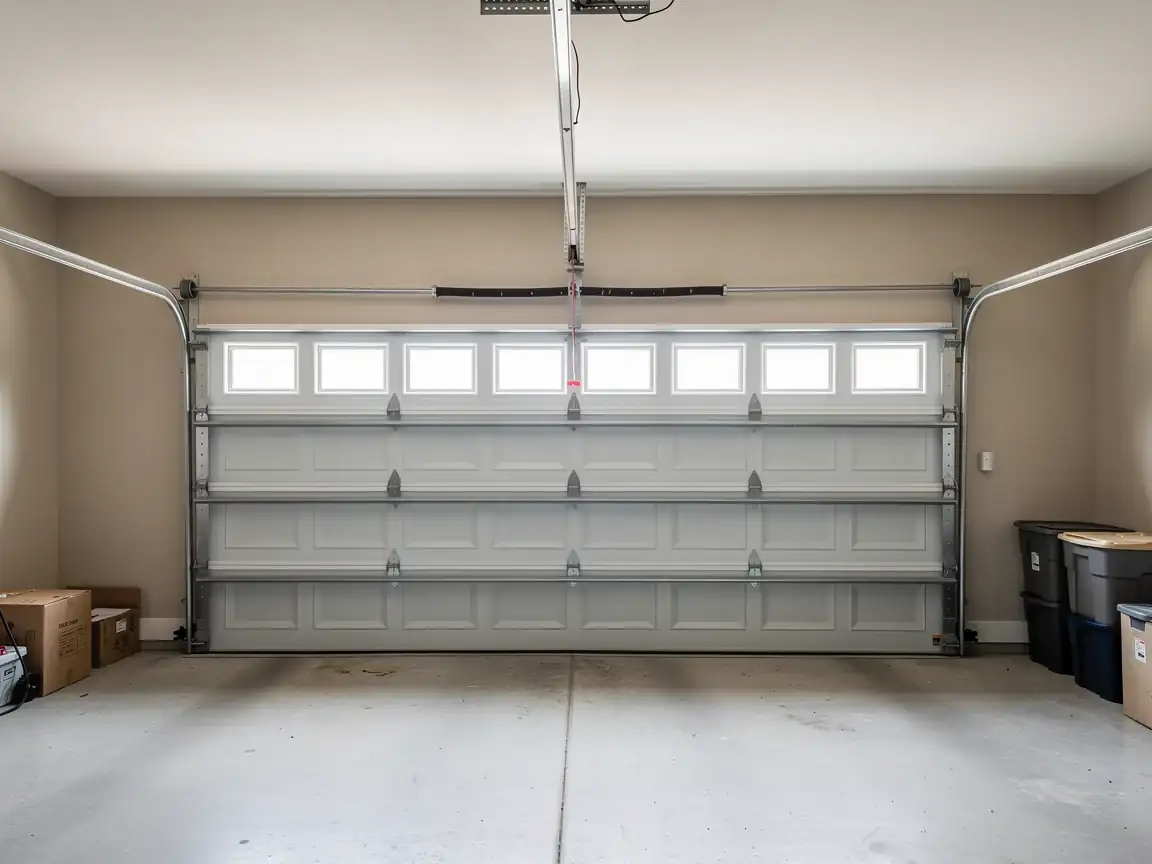
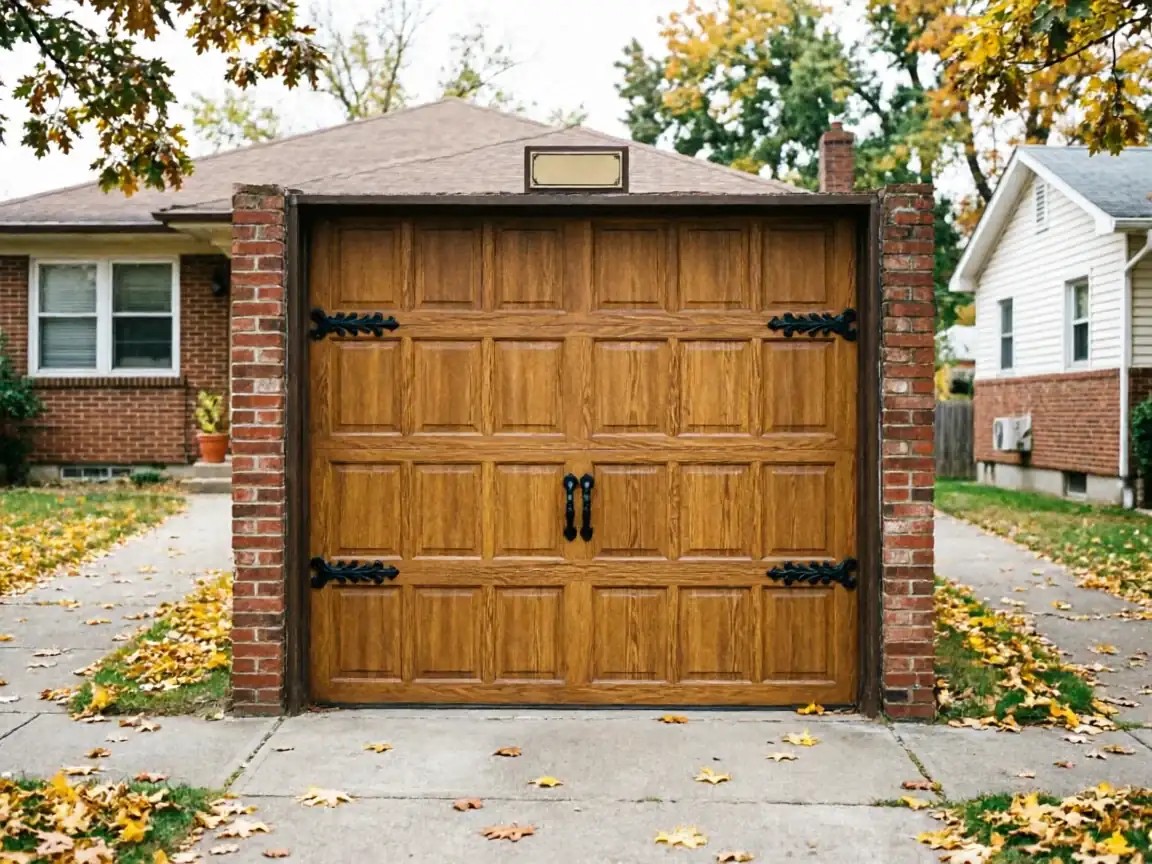
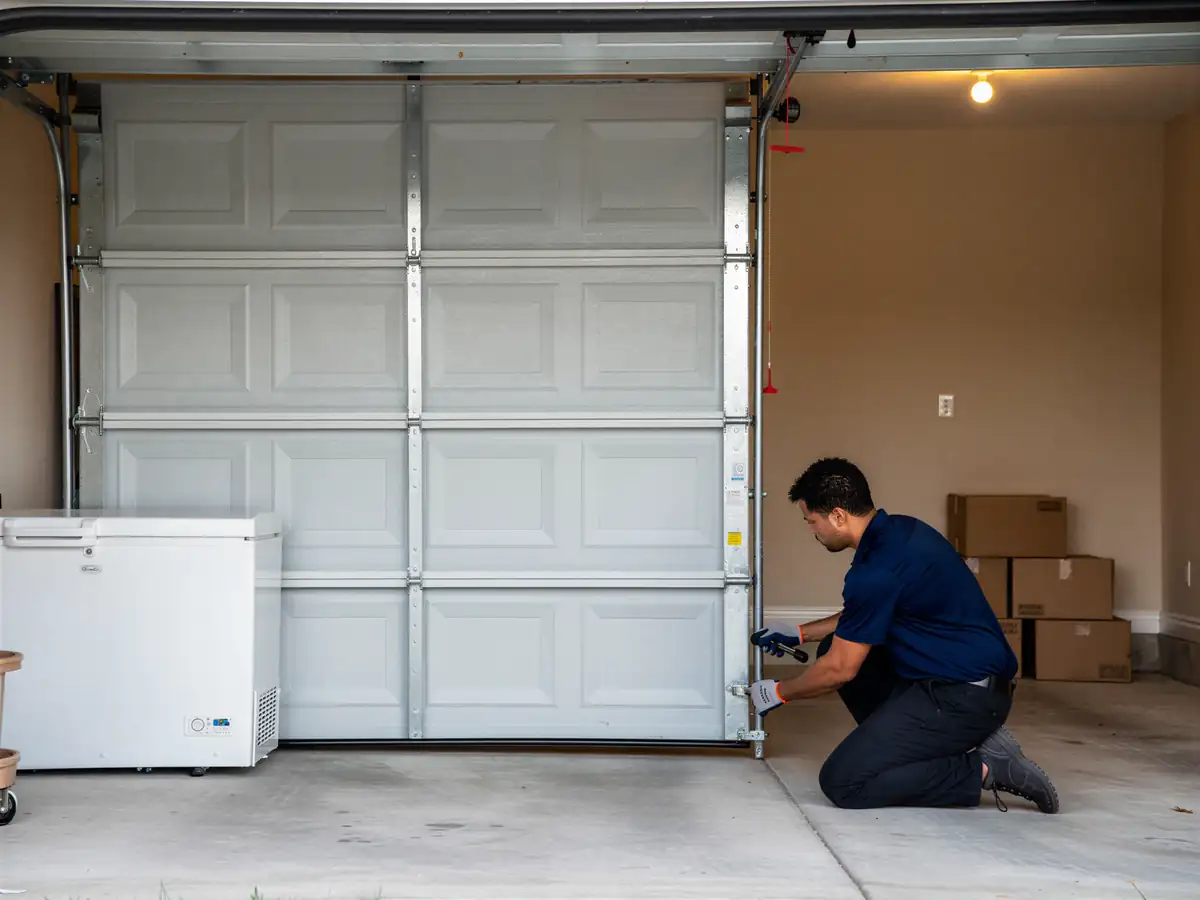
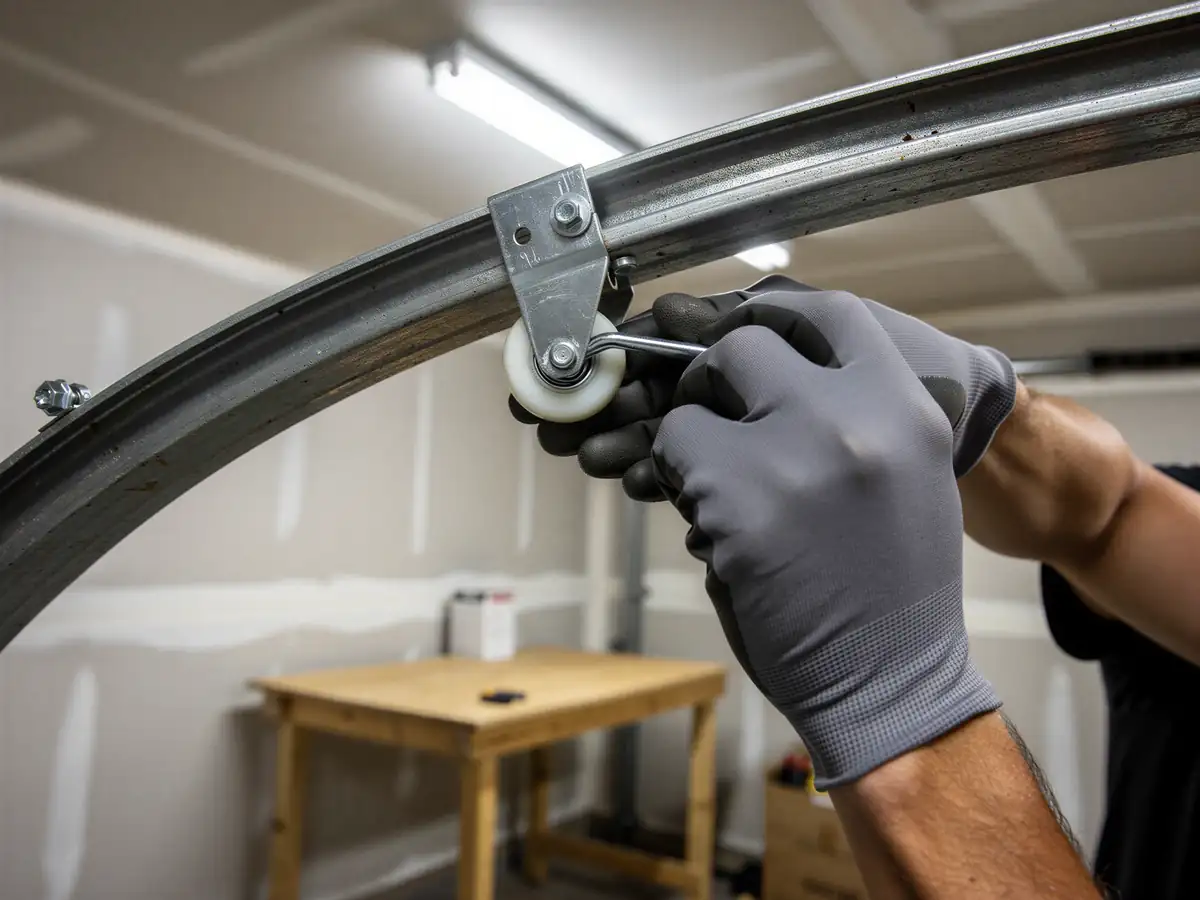
Most of the garage doors we see out in Sterling sit on houses built around 1955, a good decade ahead of the 1964 median for the wider Hutchinson service area. That earlier build date matters because it usually means a single steel door, 7 or 8 feet wide, hung on steel track with steel ball-bearing rollers riveted or bolted straight to the stem - not the nylon rollers on sealed bearings that showed up in later construction. Steel-on-steel wears a groove into the track itself, not just the rollers, and that's where the job goes sideways. You can swap the rollers all day, but if the track has worn a channel that matches the old roller's flat spot, a new round roller rattles and binds in it. In a cold-moderate climate like this one, that worn steel also picks up surface rust over a winter or two, which roughens the channel further and chews up the new roller faster than it should. Sterling is one of eight named areas across the service area with this kind of older stock, and it's the reason a roller call out here often turns into a short conversation about the track too, not just the parts that are squeaking.
The Symptom
The usual complaint is a grinding or clunking sound as the door travels, worse on cold mornings before the track has warmed up at all. Sometimes it's one bad roller near the bottom panel where the door takes the most load going over the floor track curve. Other times the whole run of rollers has gone brittle or flat-spotted together, since they were all installed the same year and wear out close to the same mileage. If the door jumps the track partway through a cycle, or you can see daylight between the roller and the track wall when it's sitting still, that's past a lubrication fix - the roller or the track edge has worn enough that it's not tracking straight anymore.
What You Pay
We don't post a flat number here because what you pay depends on whether this is a handful of rollers or a full set, and whether the track needs a section replaced alongside them - common enough on the steel-track doors common to Sterling's 1950s housing. Steel rollers cost less than sealed nylon up front, which matters in a town where the median household income runs well under the service area's $63,119 average; a lot of owners here choose the steel option for that reason, even though nylon runs quieter and lasts longer. We'll tell you both prices on site and let you pick, rather than assuming which one you want.