Where This Job Goes Sideways
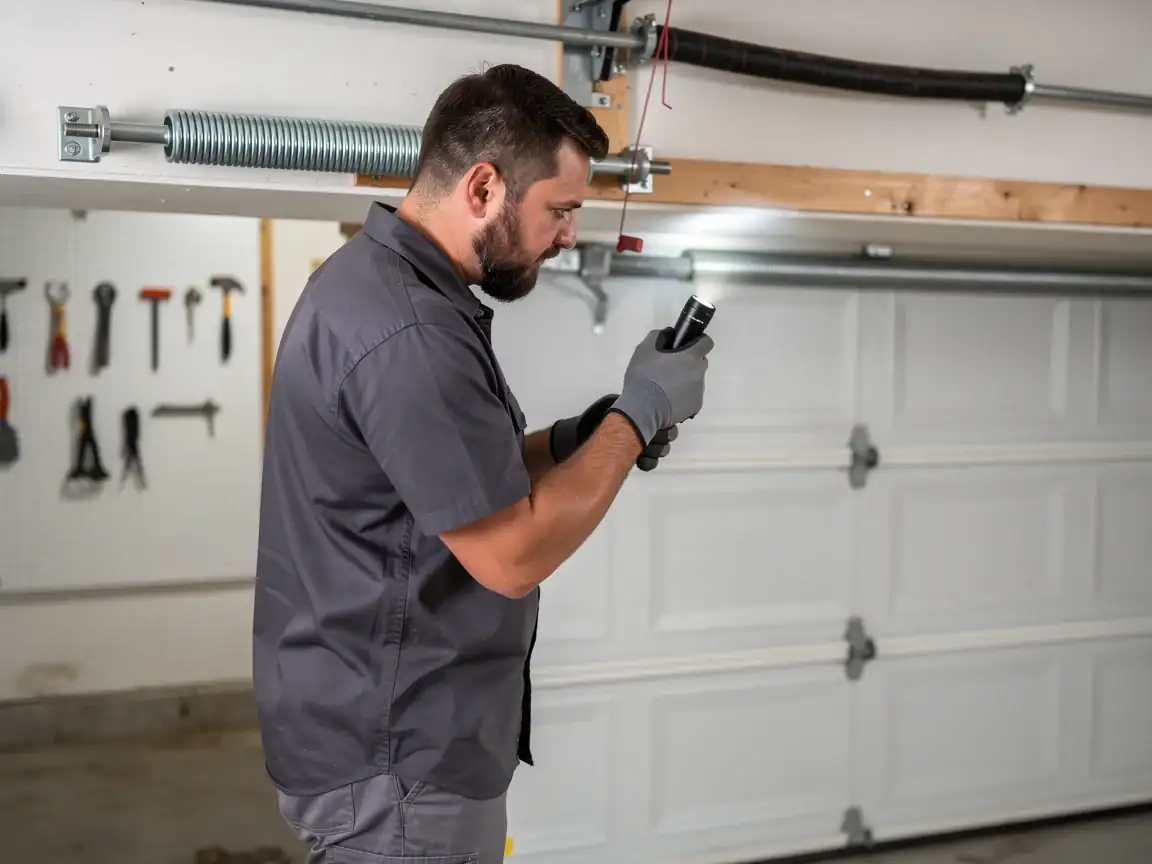
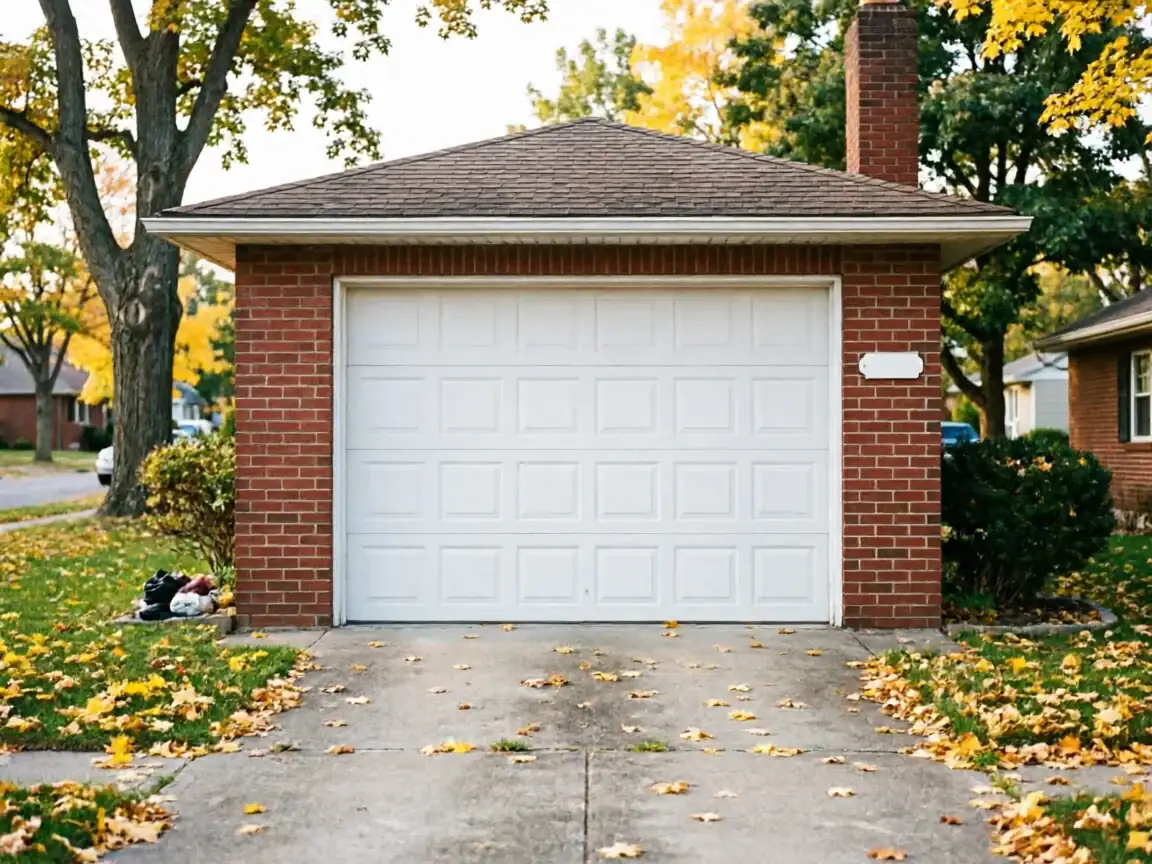
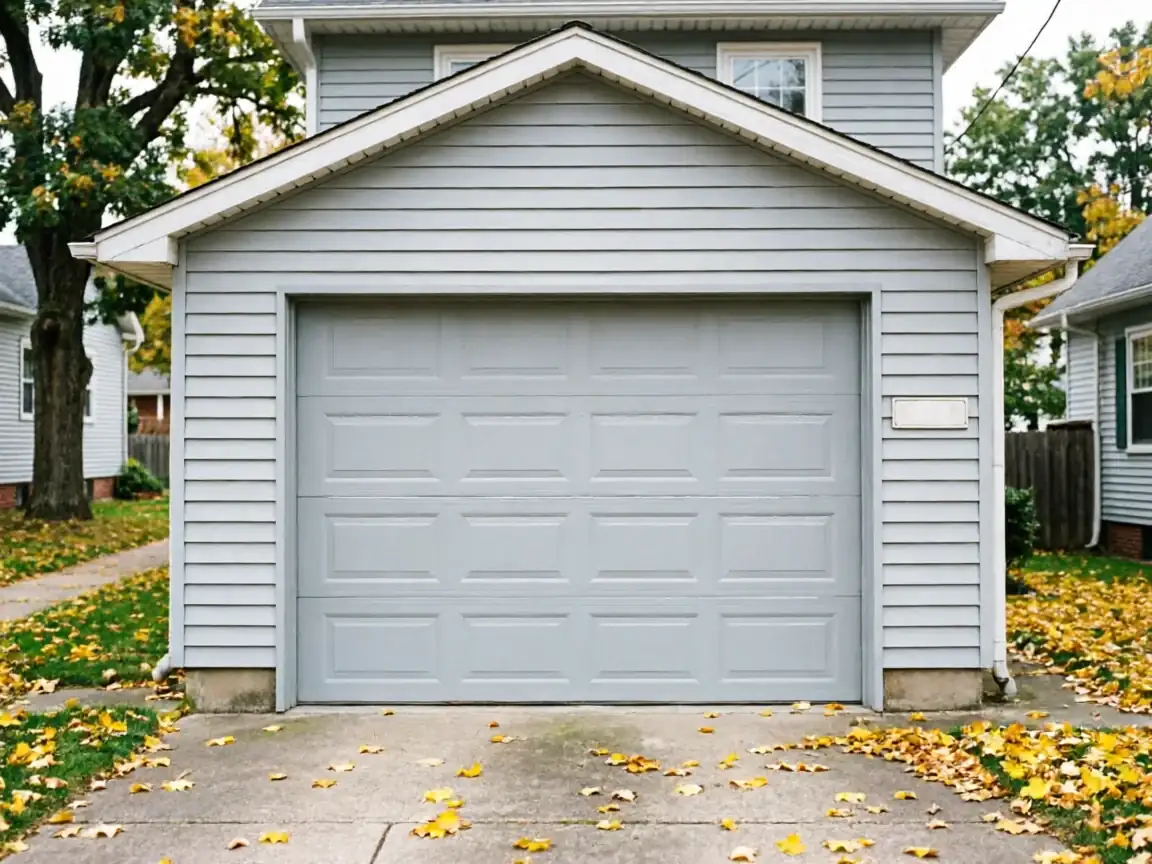
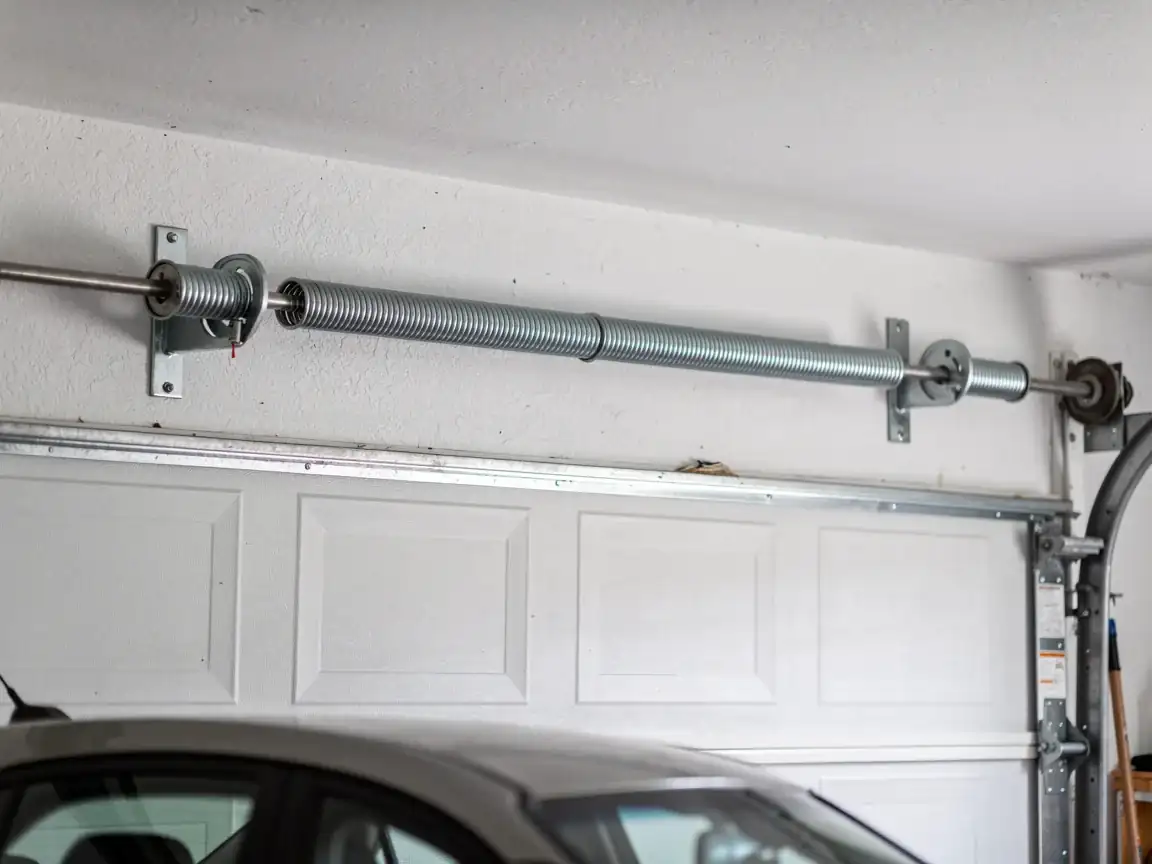
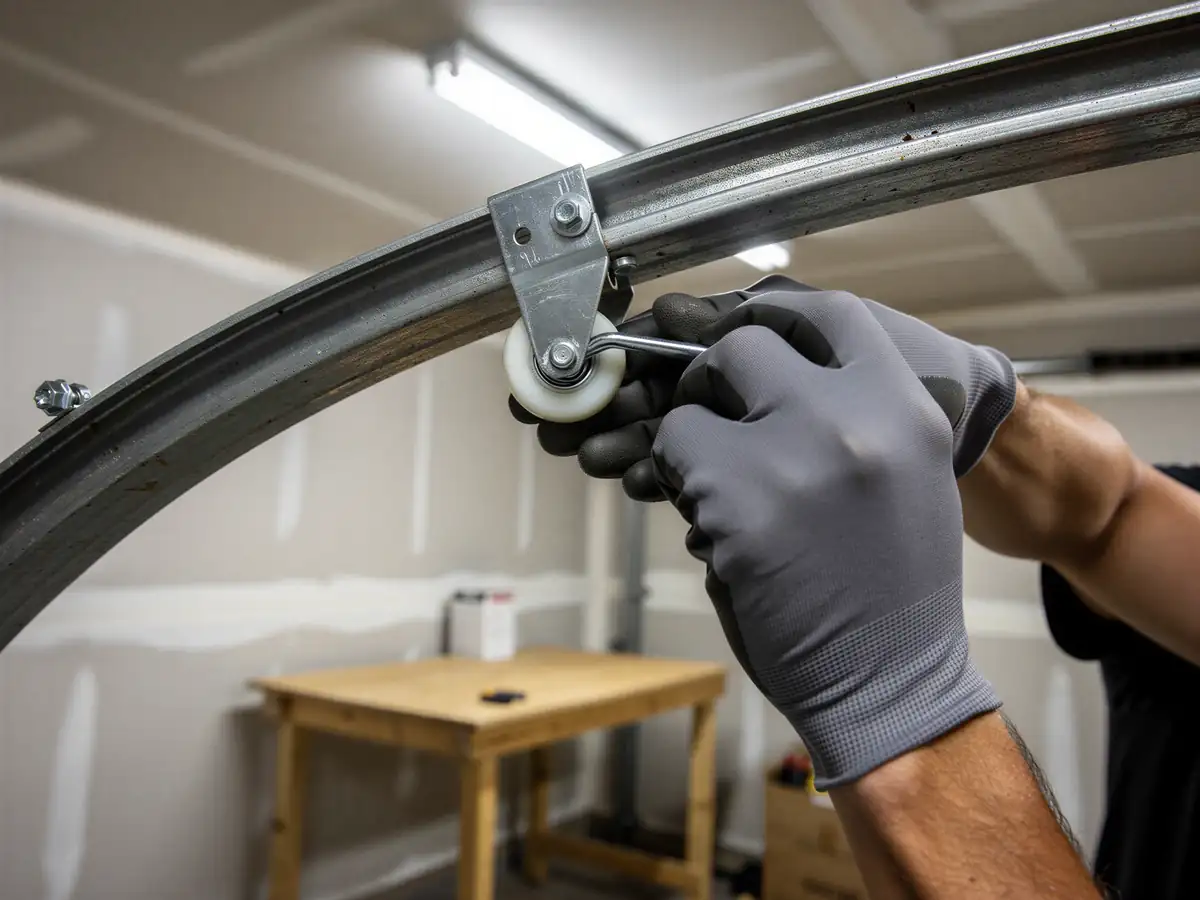
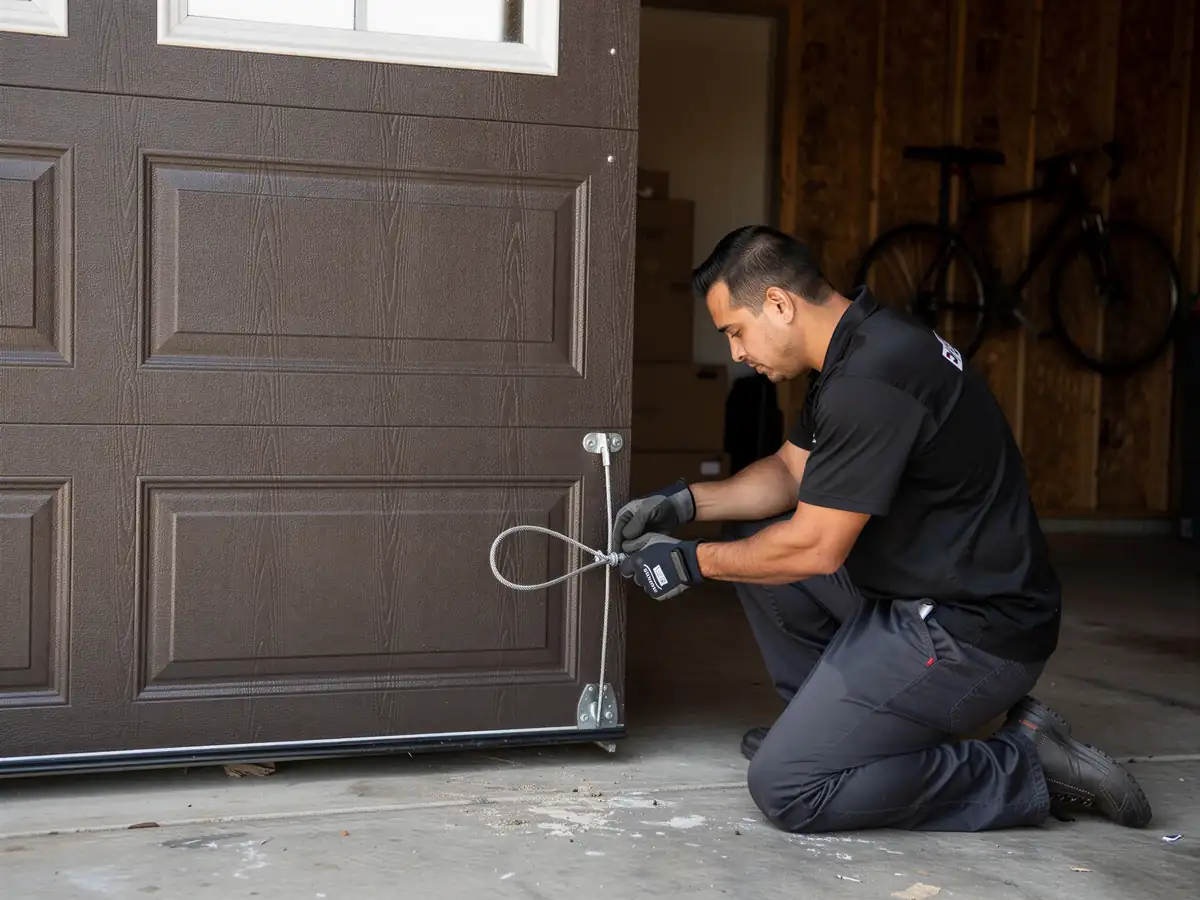
Hutchinson's service area runs a median build year of 1964, but Sterling sits older than that, with most houses going up around 1955. That decade matters for cables specifically. A door built in the mid-1950s is far more likely to still run on extension springs with cables looping through a pulley at the bottom bracket, instead of the torsion-and-drum setup that became common later. Pulley systems wear differently. The cable rides over a wheel that groves and roughens with age, and that groove shreds the cable strands from the inside where you can't see it until one lets go.
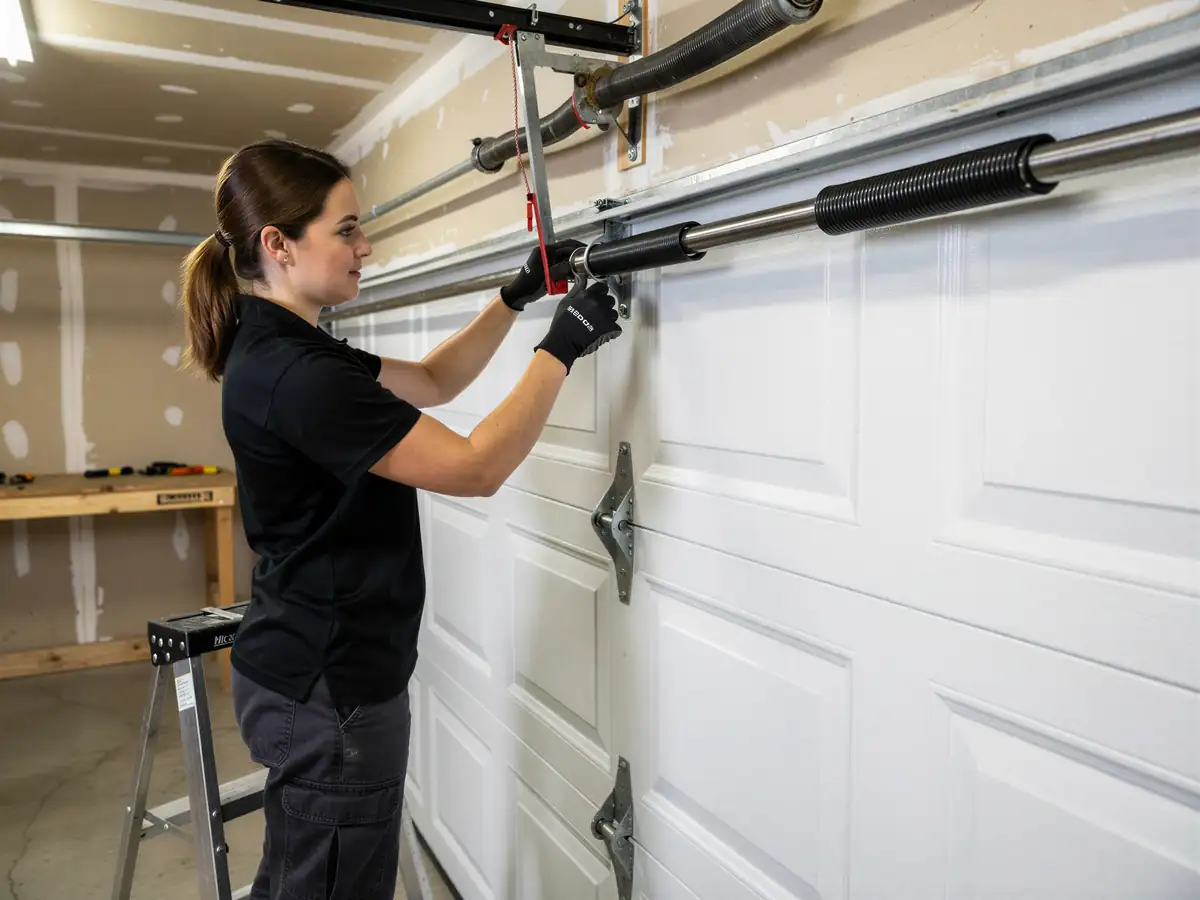
We've also found that homes from this era rarely got retrofitted with a second, independent safety cable through the extension spring itself. That's not a Sterling-specific defect, it's just what building practice looked like in 1955. It means when a cable fails on one of these doors, there's less backup holding the spring and door section in place than you'd get on a newer torsion system. We check for that absence every time, because it changes whether we patch the cable alone or recommend adding the missing safety piece.
What Is on the Truck
Because the housing stock across this part of the service area skews to 1960s and 70s construction overall
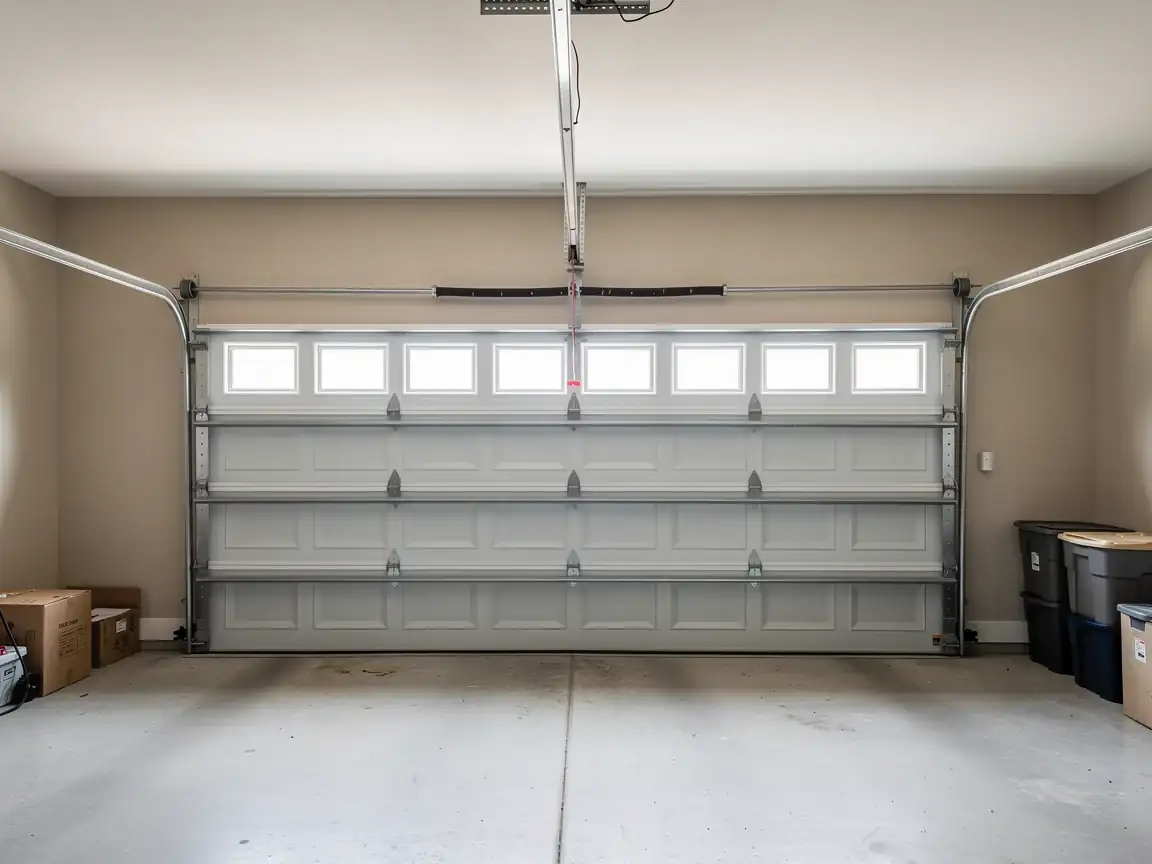
With Sterling pulling the average older still, the truck carries cable stock sized for both systems: the lighter-gauge aircraft cable used on extension-spring pulley setups and the heavier cable for torsion drums. We don't guess which one your door uses before we arrive; Sterling's mix of eras means either could be on your garage.
One honest limit: we don't stock every pulley or bottom bracket casting from every manufacturer that built doors in the 1950s
If the bracket itself is rusted through or the pulley wheel is cracked, not just worn, that part sometimes has to be special-ordered, and that's a second trip. Most jobs don't need it. Cable itself, clips, and standard pulleys are all on hand.
The Symptom
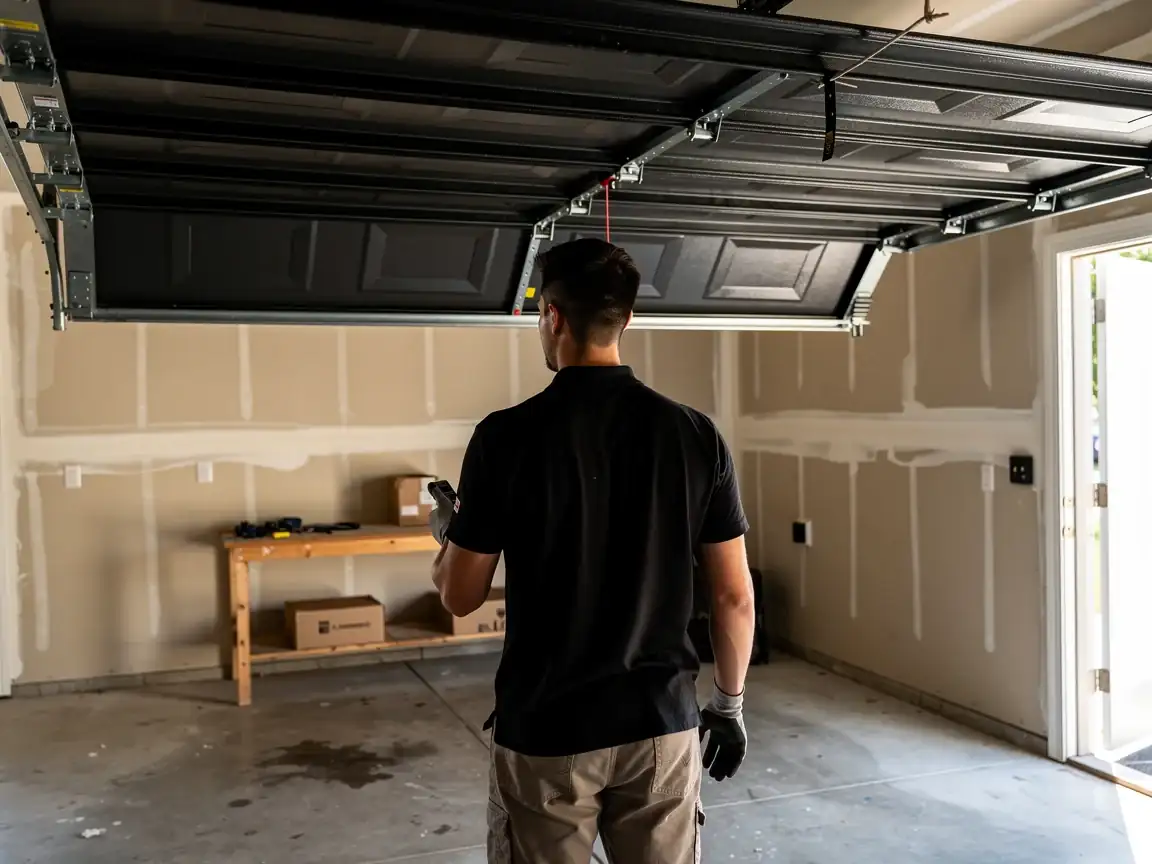
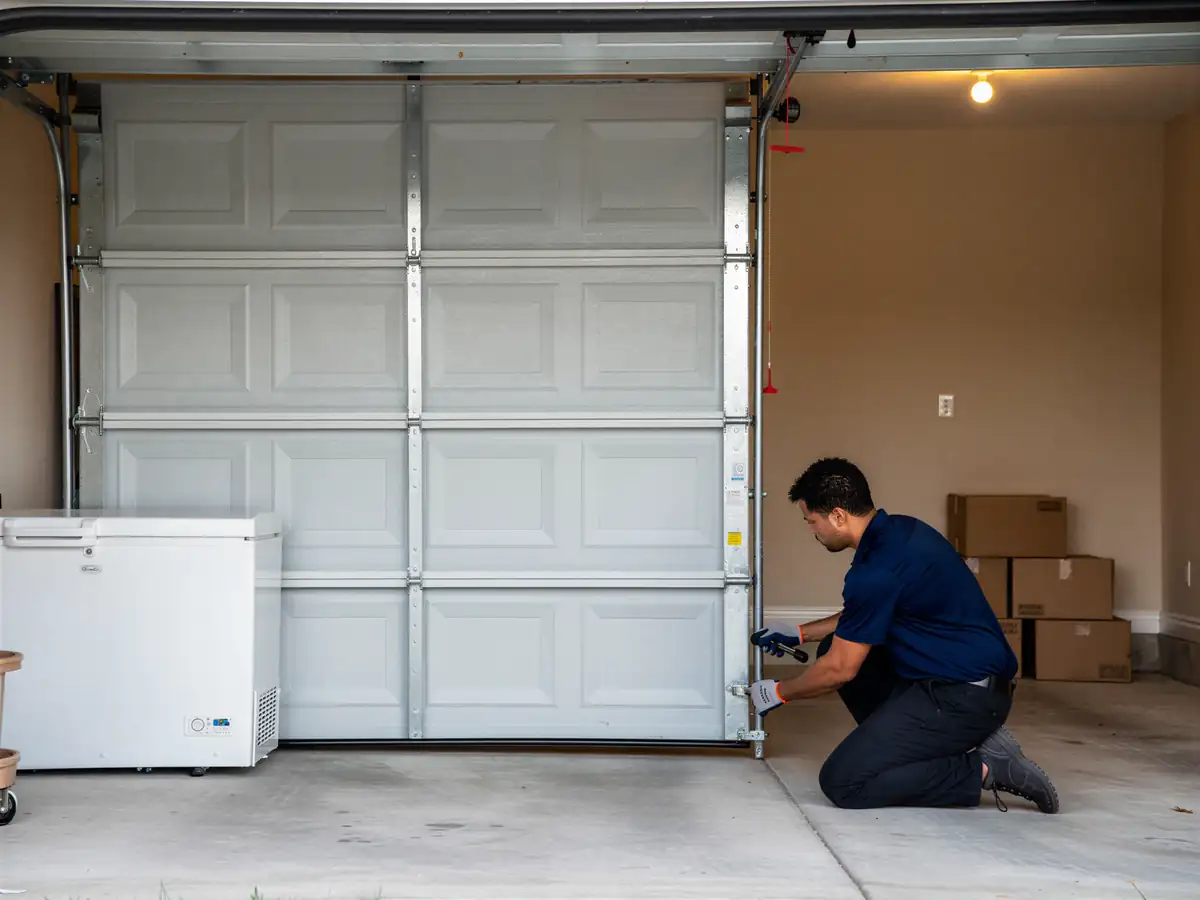
The giveaway on an older extension-spring door is usually a door that hangs crooked, higher on one side than the other, or one that drops suddenly a few inches when you open it. That's the cable slipping off a worn pulley groove or a strand finally parting after years of friction. On a torsion setup the symptom looks different, a door that won't budge at all, because the cable has come off the drum and jammed.
In the colder stretches this region sees, stiff, dry cable and hardened pulley wheels make both failure modes worse, since the metal doesn't flex the way it does in warmer months. If your door is making a grinding or clicking noise before it ever fails outright, that's the pulley telling you it's close.
What You Pay
We don't post a flat price for cable work here because what's involved depends on whether it's a straight cable swap or a cable-plus-pulley-plus-bracket job, and Sterling's older housing stock pushes more jobs toward the second category than a newer subdivision would. Median household income in this part of the service area runs lower than the Hutchinson-area figure overall, and we price the job itself, not the address, but we understand a pulley-and-bracket repair costs more than a cable alone and we'll tell you which one you're looking at before we start, not after.