Can You Do This Yourself
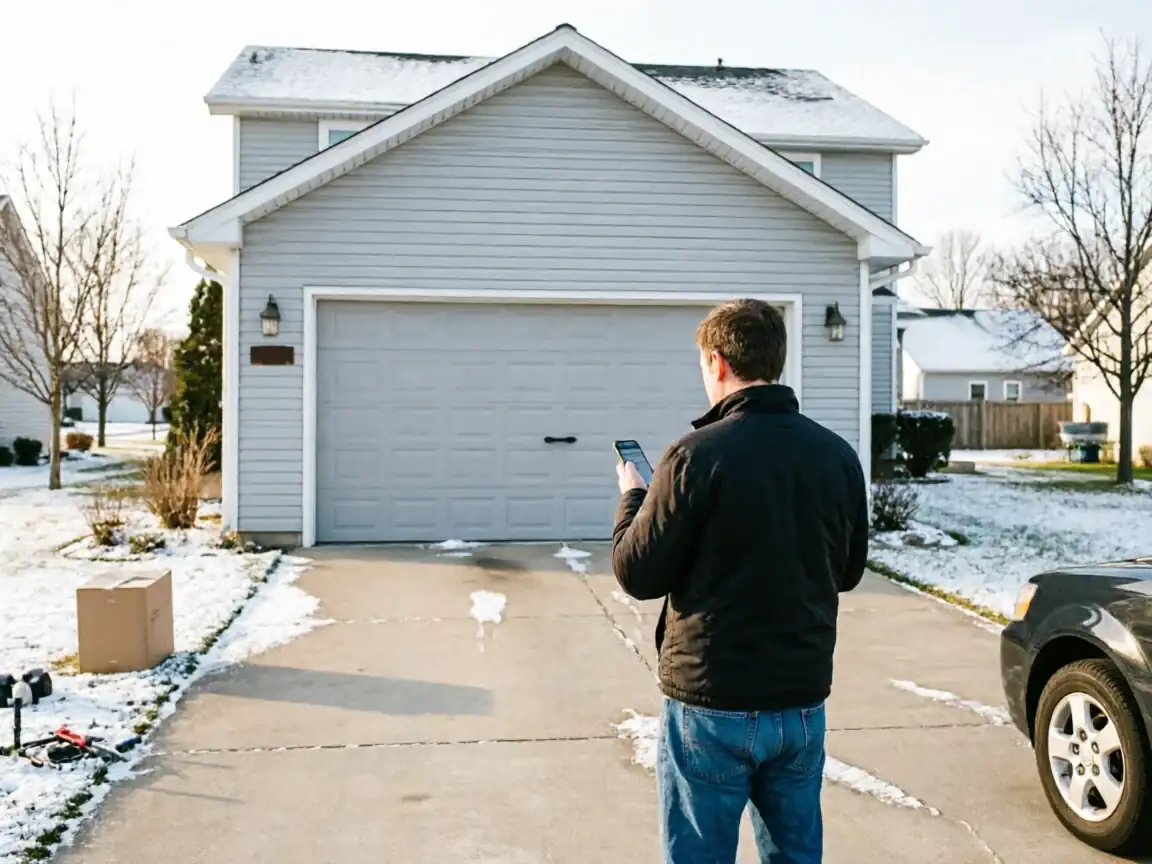
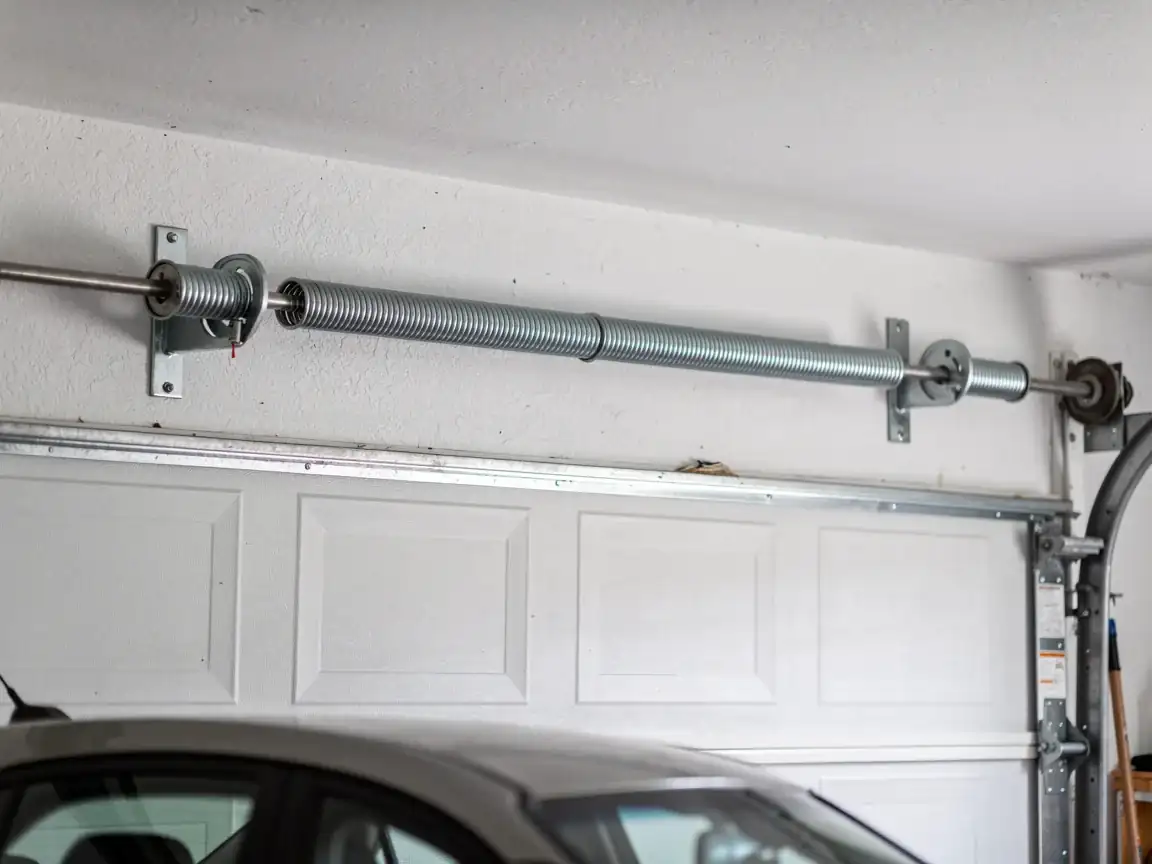
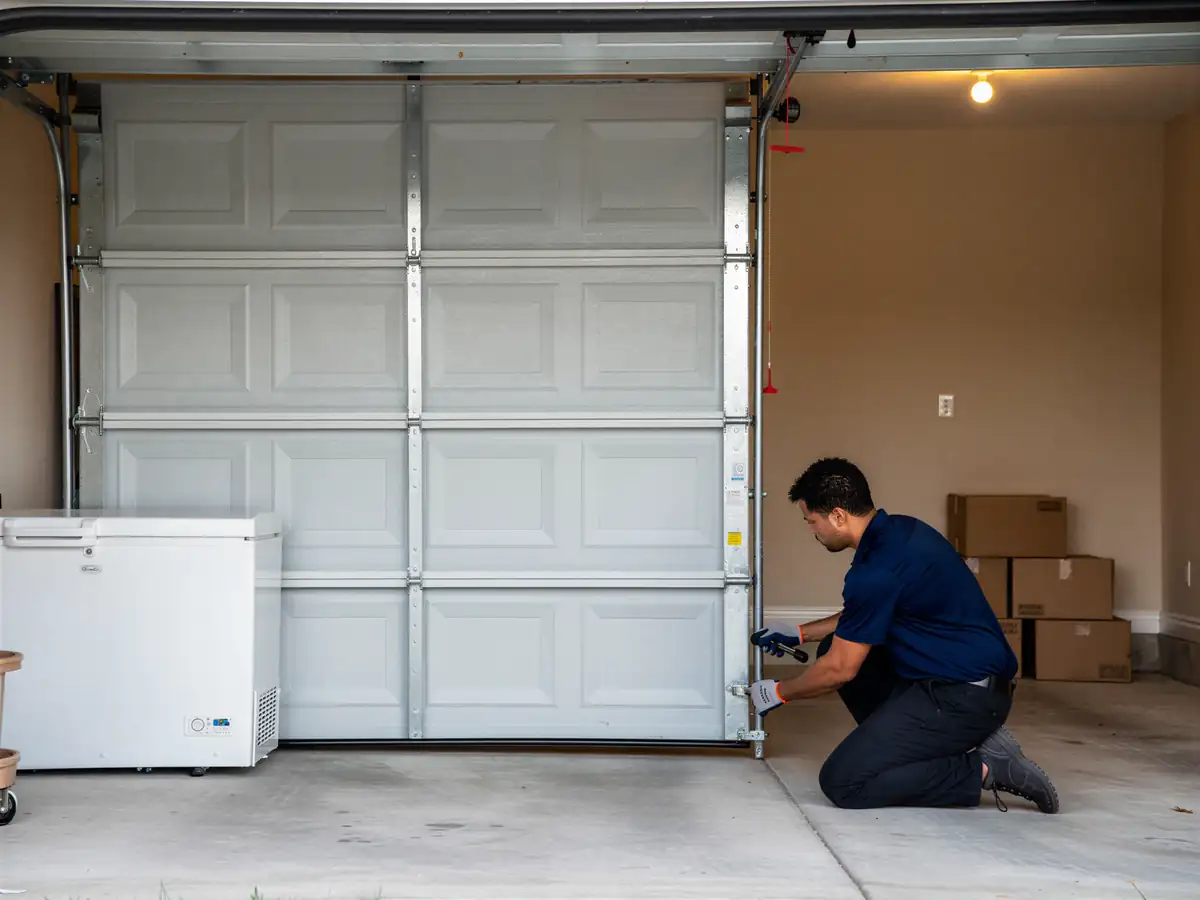
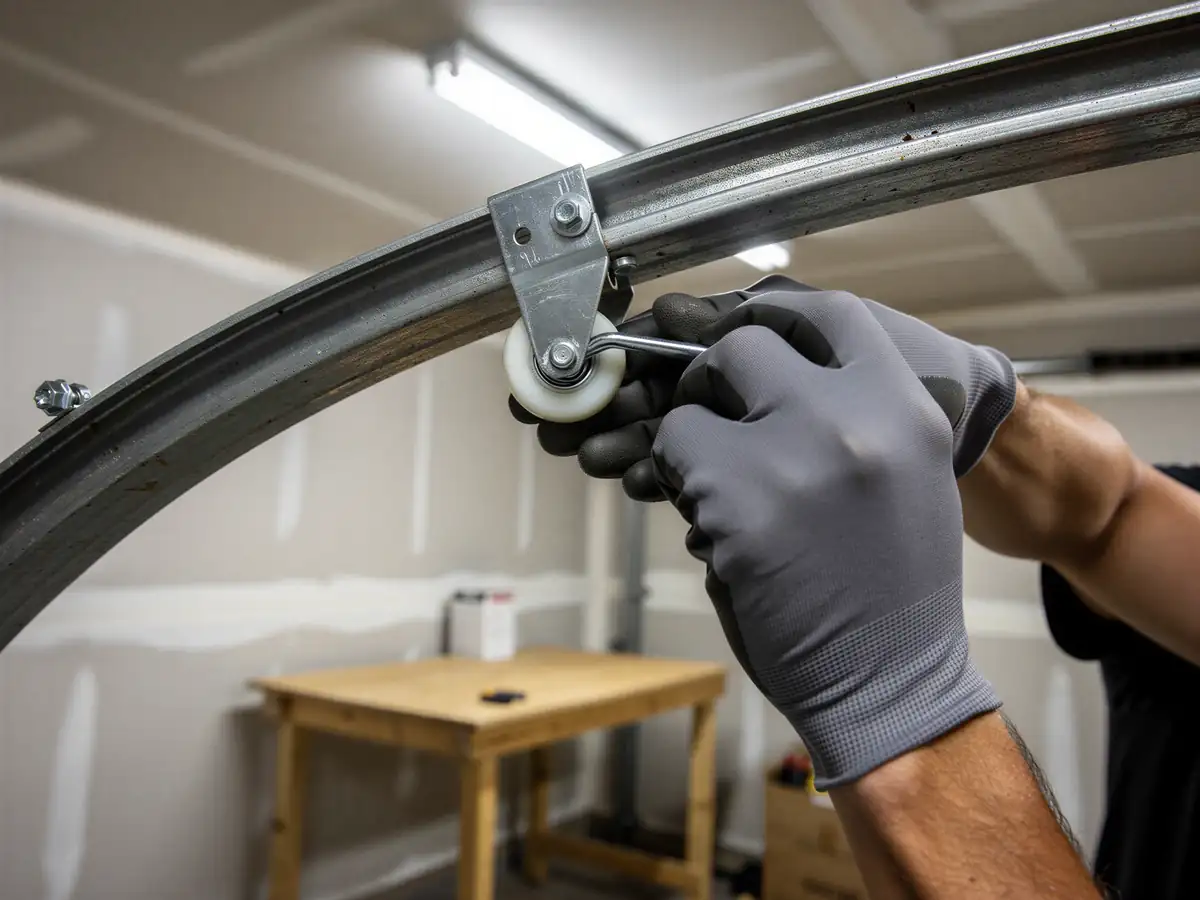
Rollers are one of the few garage door parts a homeowner can swap without a torsion bar risk, and plenty of people in Buhler do it themselves on a Saturday. You unbolt the bracket, slide the old roller stem out of the track, and drop the new one in - as long as you're not touching the bottom bracket near the cable, which is under spring tension and can take a finger off if you don't know what you're doing. With a median income of $65,833 here, a lot of households can afford the $15-$20 roller kit from a hardware store and skip the labor call entirely. Where it stops being a DIY job: if the track itself is bent, if the roller has seized and chewed up the track rail, or if more than two or three rollers have failed at once - that usually means the whole set is original to the door and the track needs attention too. We'll tell you straight if that's a part job or a whole-track job before we quote anything.
What Is on the Truck
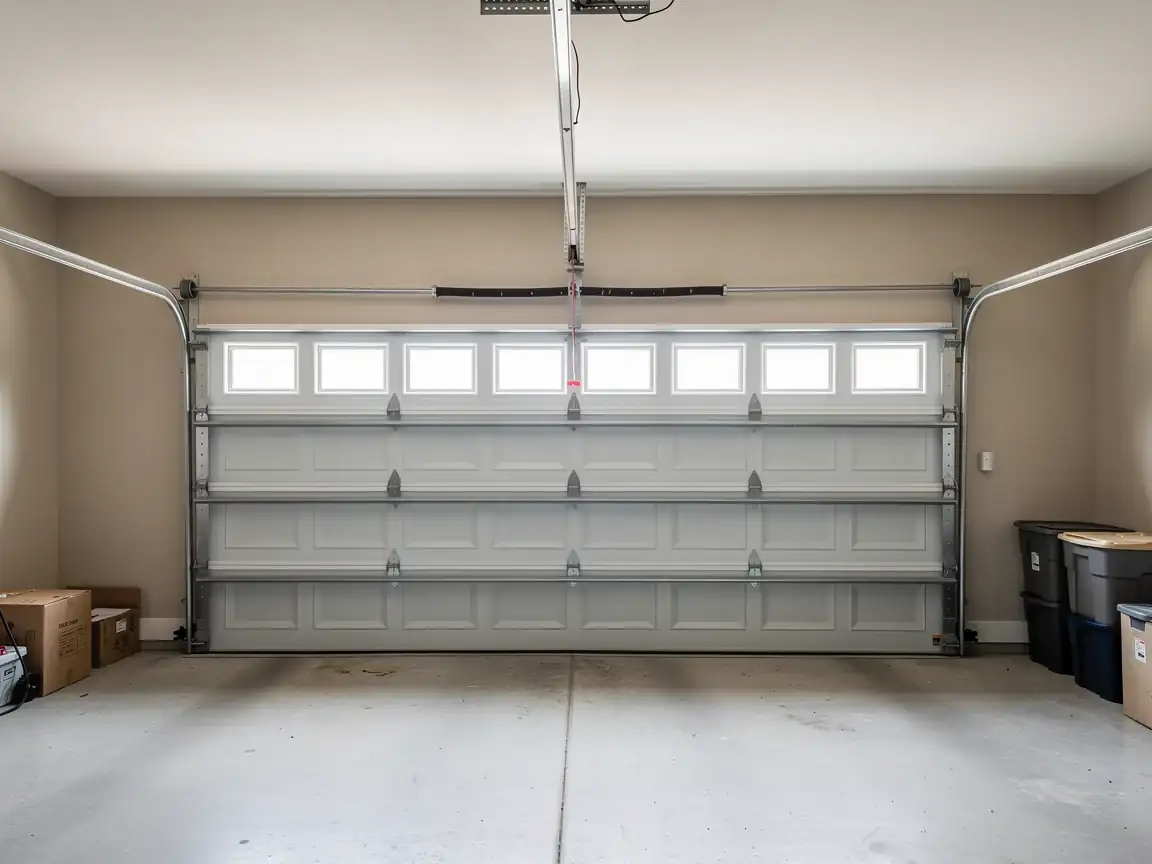
For a roller job we carry both steel rollers with sealed bearings and nylon rollers in the common stem lengths and track widths used on doors from the 1950s through the 1970s. Buhler's housing stock centers on 1956, which usually means a 2-inch track and shorter stems than you'd find on a newer build - we stock for that era specifically because it's what most of the doors out here actually have. We also carry the brackets, since a seized roller often takes the bracket's hole out of round on its way out, and a new roller in a worn bracket just fails again in six months. What we don't carry on a standard roller call is replacement track sections - if the rail itself is bent or rusted through, that's a separate part we order in, and we'll say so rather than bolting a roller into a track that's going to bind anyway.
How Long You Are Without the Door
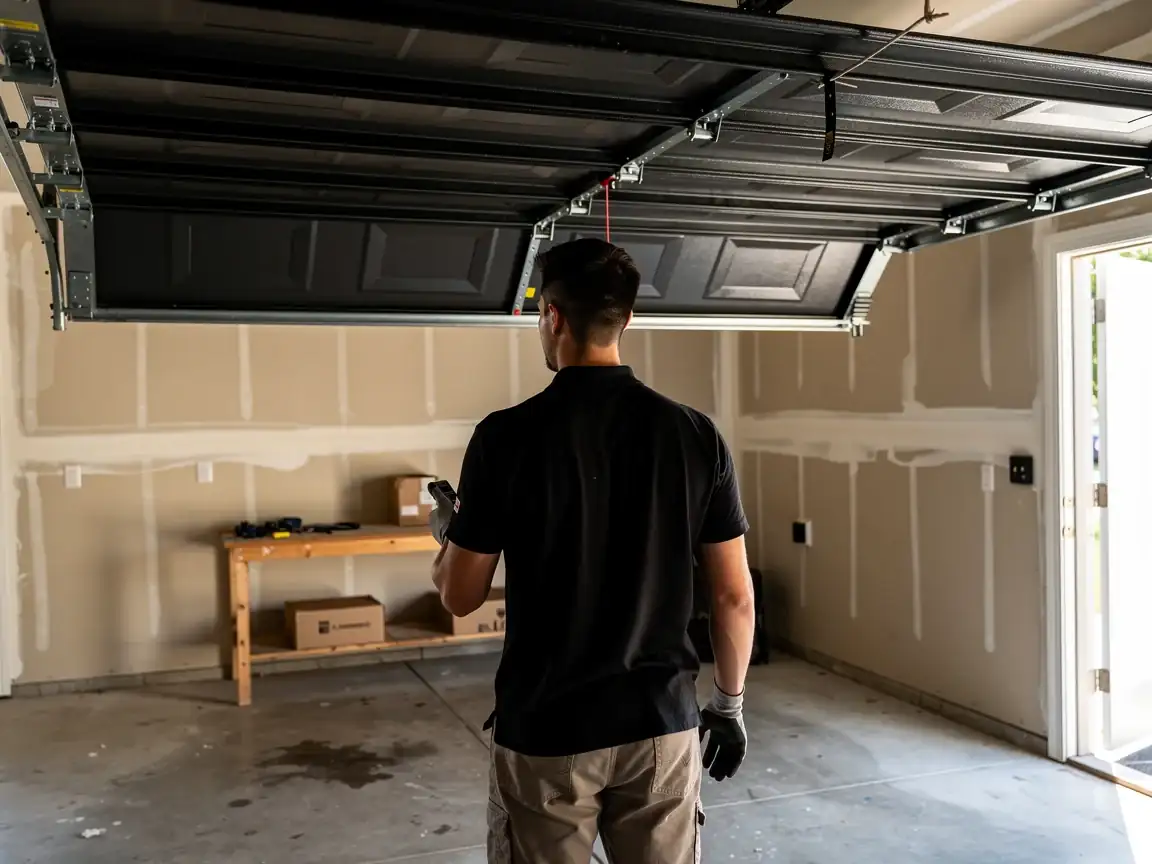
A roller swap on a standard double door, done once we're on site, runs under an hour in most cases - it's one of the faster jobs on the truck. The time that adds up is the drive. Since Buhler sits 9 miles from Hutchinson, you're looking at the drive time on both ends of whatever window we give you, which is why we try to stack Buhler calls with any other nearby stop on the same day rather than making a single round trip for one job. The door itself isn't out of commission during the repair - we do one side of rollers at a time if needed so the door still closes and locks overnight if we have to come back for a track issue found mid-job.
How We Fix It
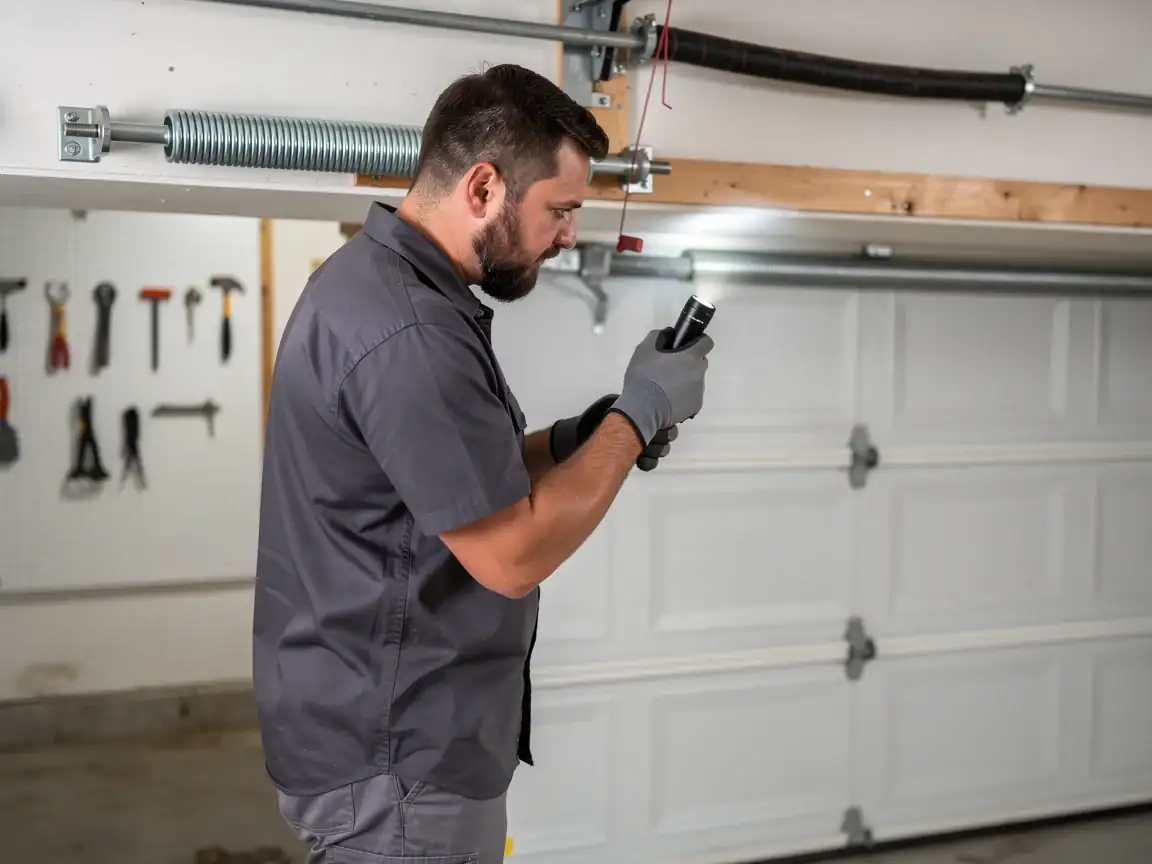
We pull each roller one at a time rather than dropping the whole door off its track at once, checking the bracket and the track rail as we go so a roller swap doesn't turn into a surprise. On the older stock common in Buhler we usually move customers from steel rollers to nylon with sealed bearings - quieter running and they don't need the periodic lubrication steel rollers do, which matters in a cold-moderate climate where grease stiffens up in winter and steel-on-steel gets noisier. If the track itself has play in the mounting or the rail is scored from years of a seized roller grinding against it, we'll flag that separately rather than bundle it into the roller price - that's a different repair with its own parts.