Can You Do This Yourself
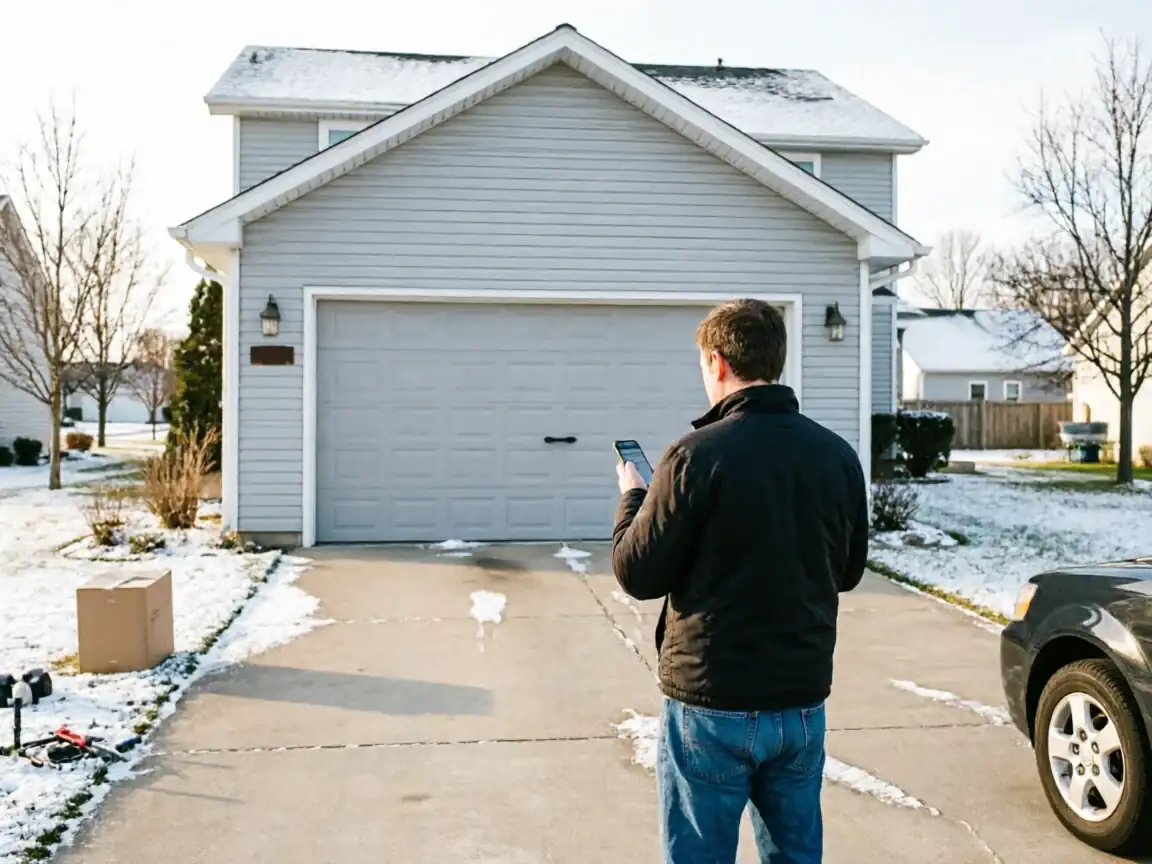
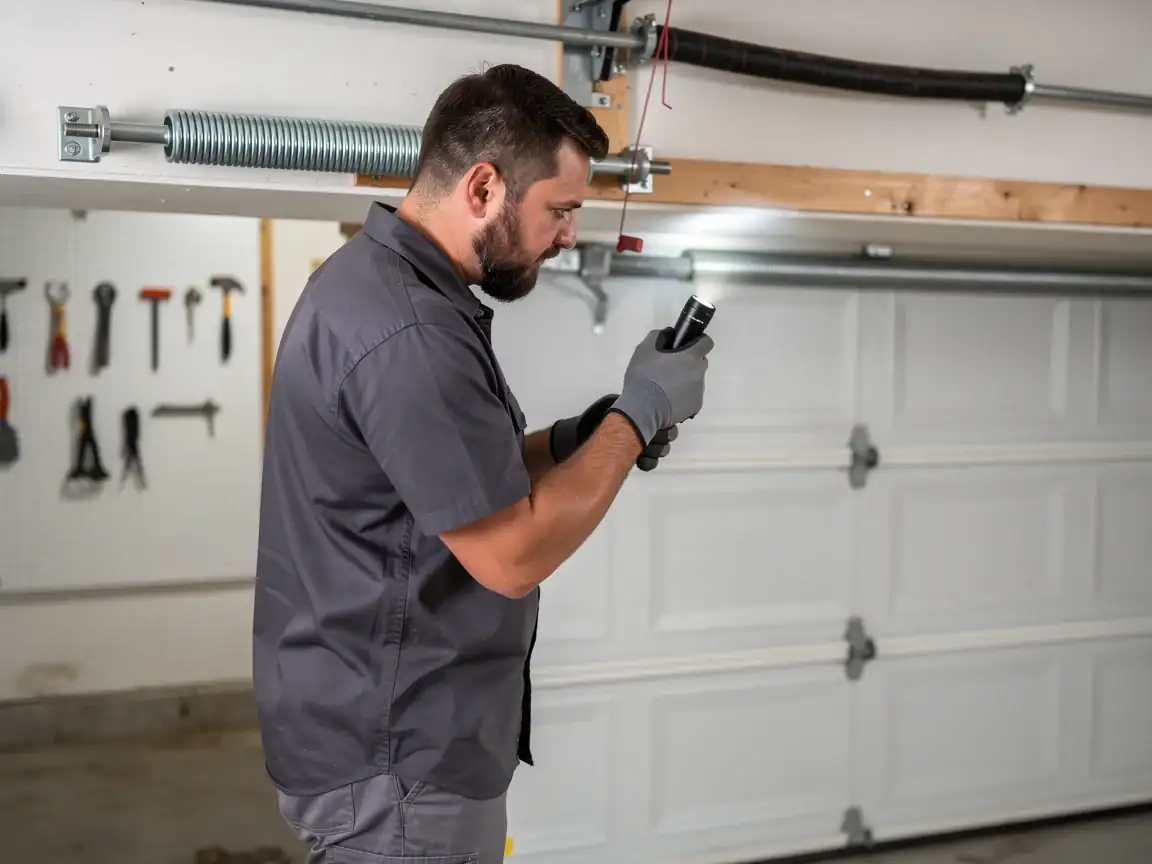
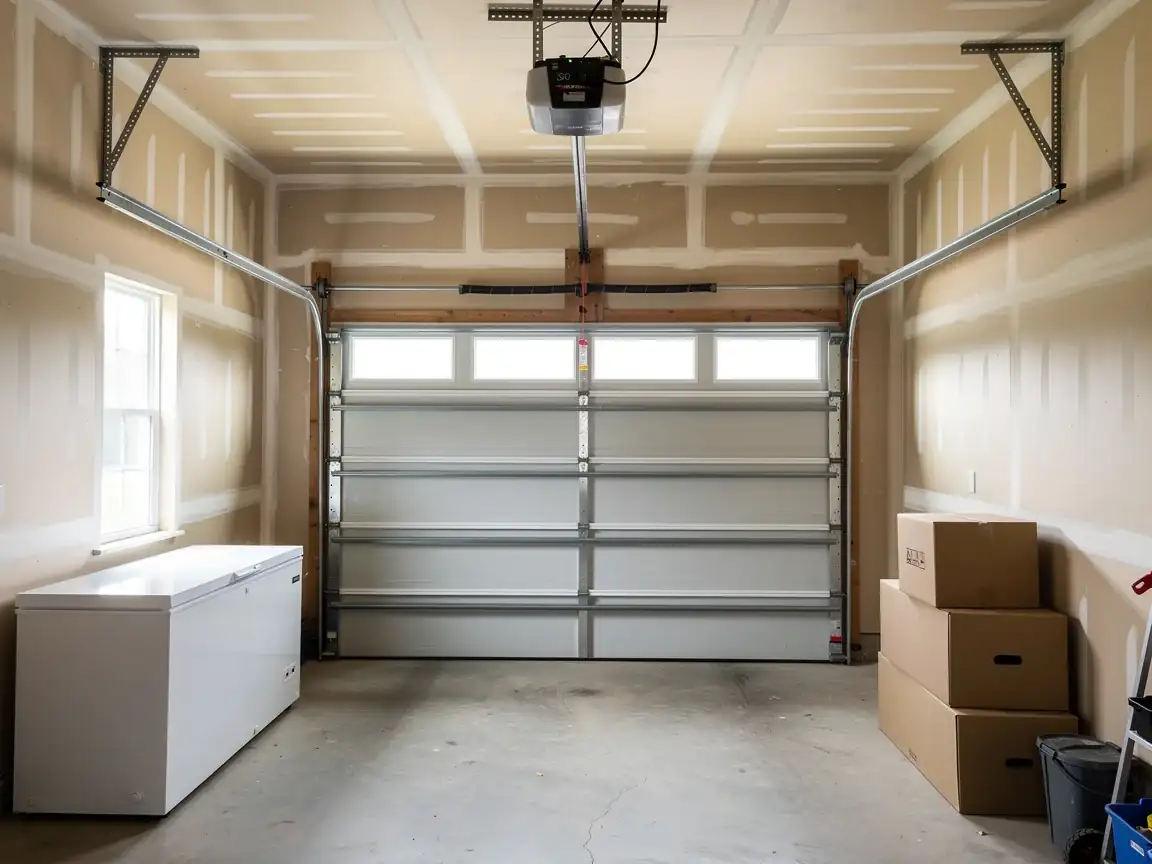
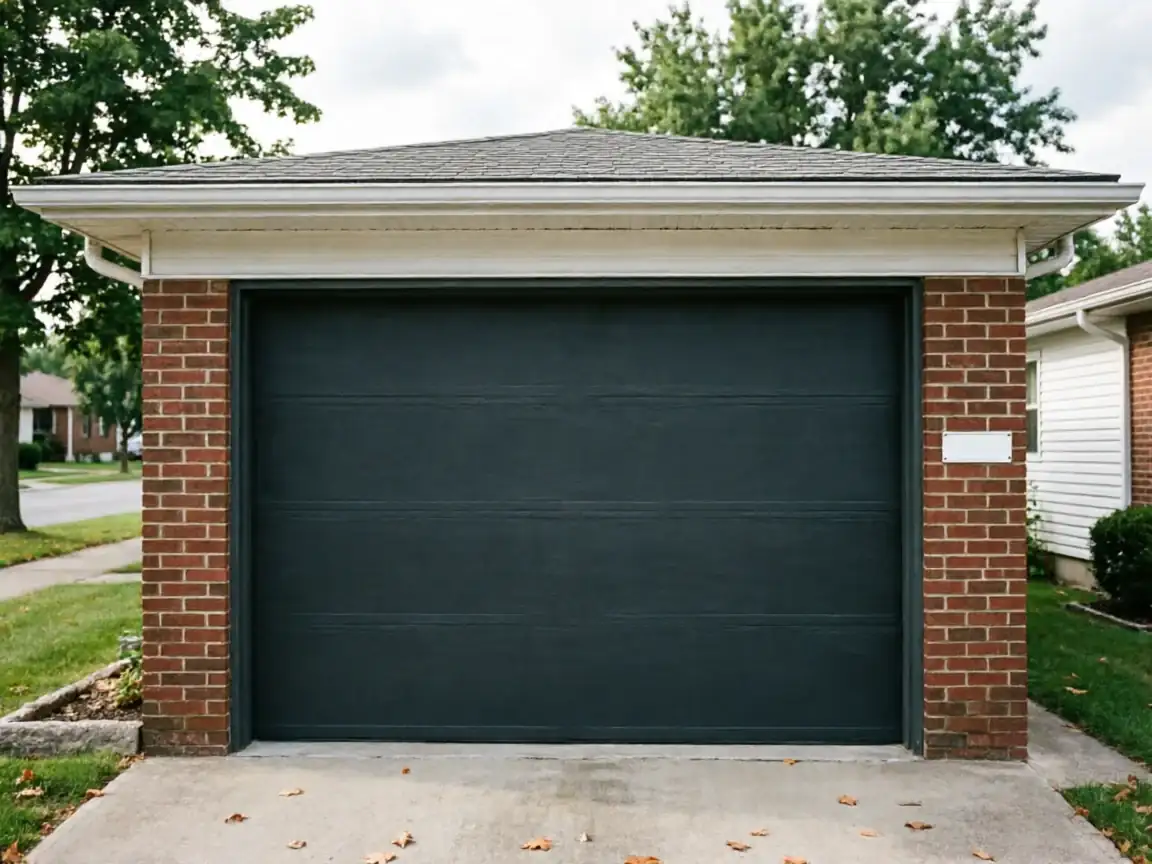
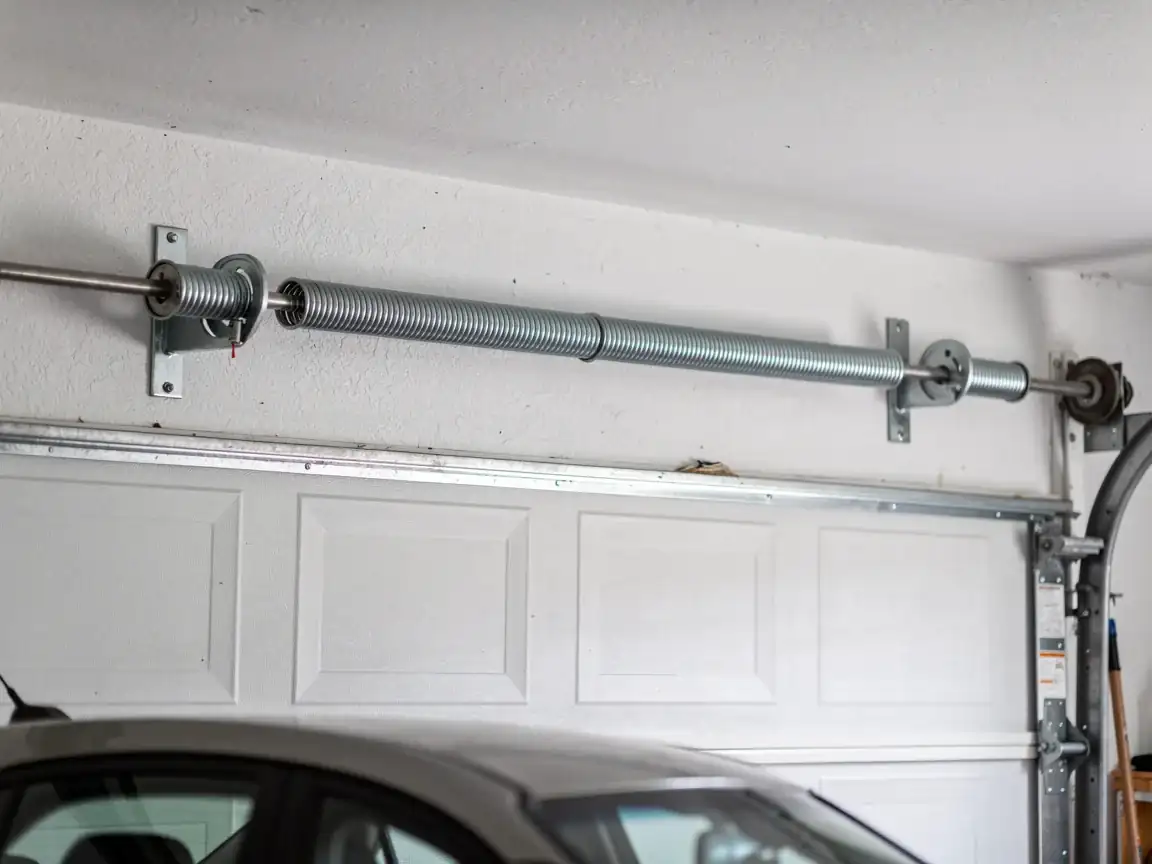
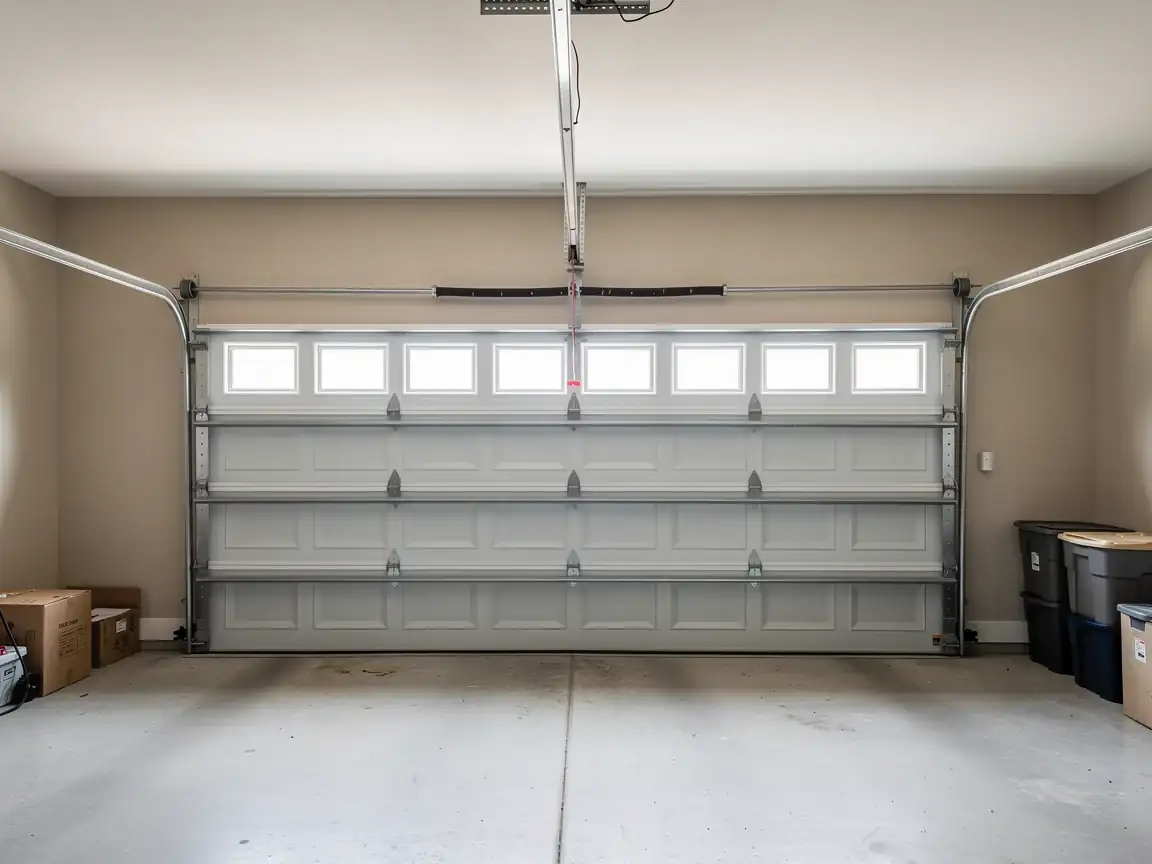
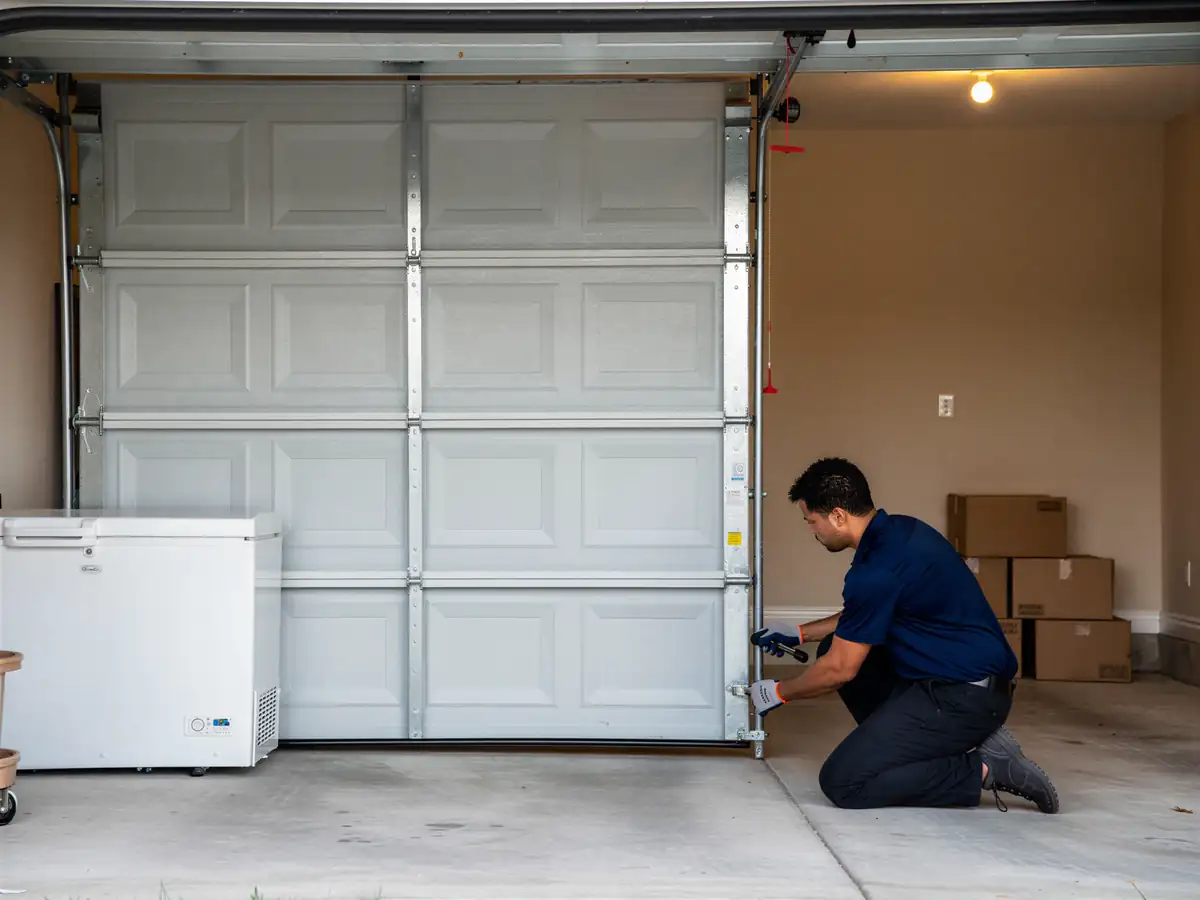
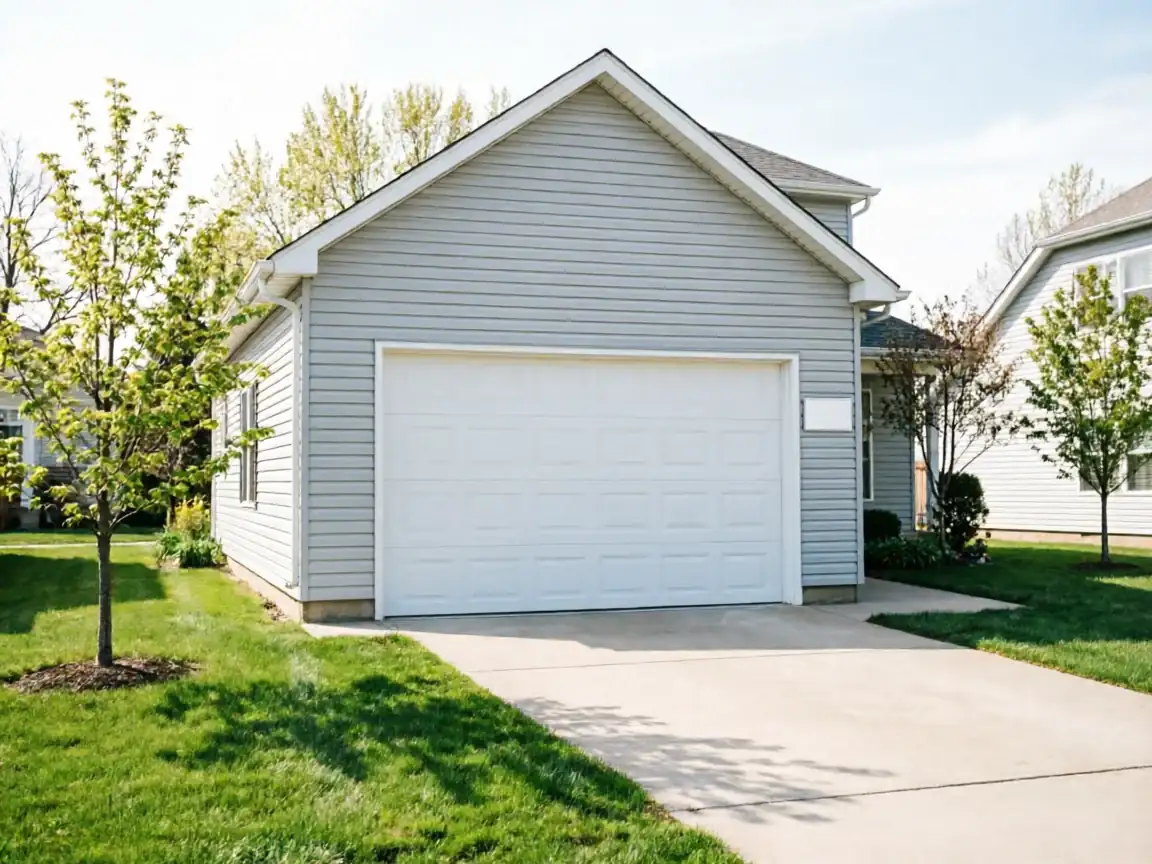
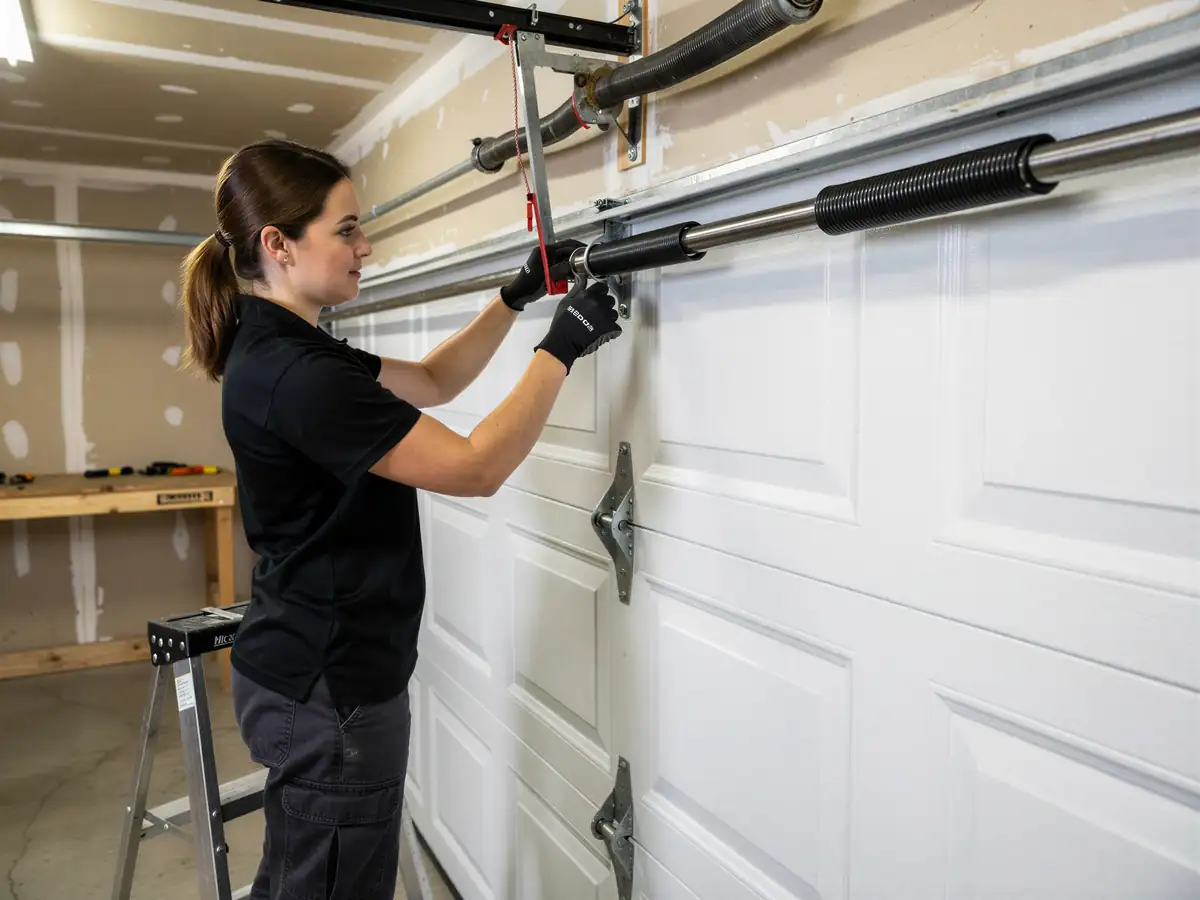
A new door install looks like a weekend job until you're standing under a half-mounted track with no second pair of hands. On a house built around 1956, which is the median year for Buhler, the garage opening is often narrower than modern standard sizes, and the jamb framing underneath the old trim isn't always square. You can swap a broken panel on some doors yourself if you're handy, but a full replacement means matching a new door to an opening that was framed for a design nobody makes anymore. Get the measurement wrong by even an inch and the weatherstripping won't seal, which matters more here than in a milder climate since this area sits in a cold-moderate band and a gapped seal means a cold slab floor all winter. We're not going to tell you it can't be done solo - some owners manage it. But the track alignment, spring tension, and header reinforcement are the three places a DIY install usually goes sideways, and two of those can hurt you if the spring lets go while you're working alone.
What Is on the Truck
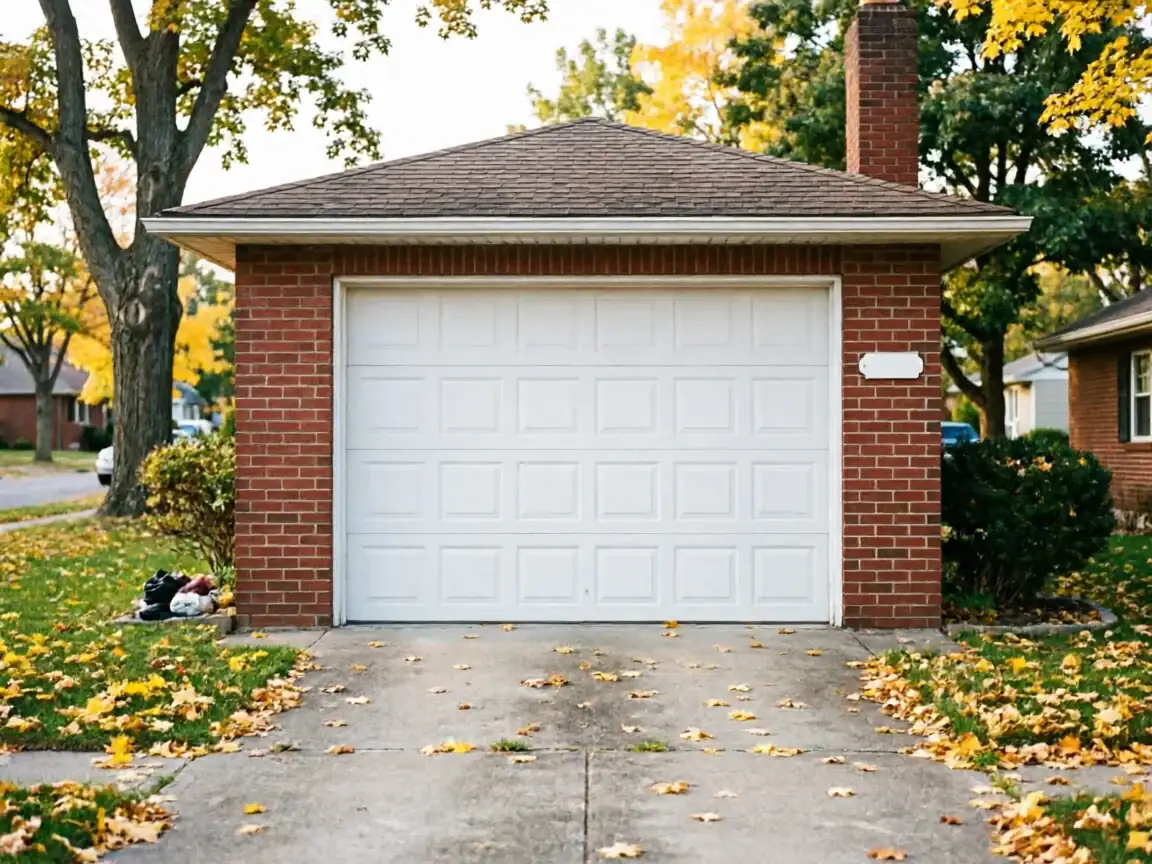
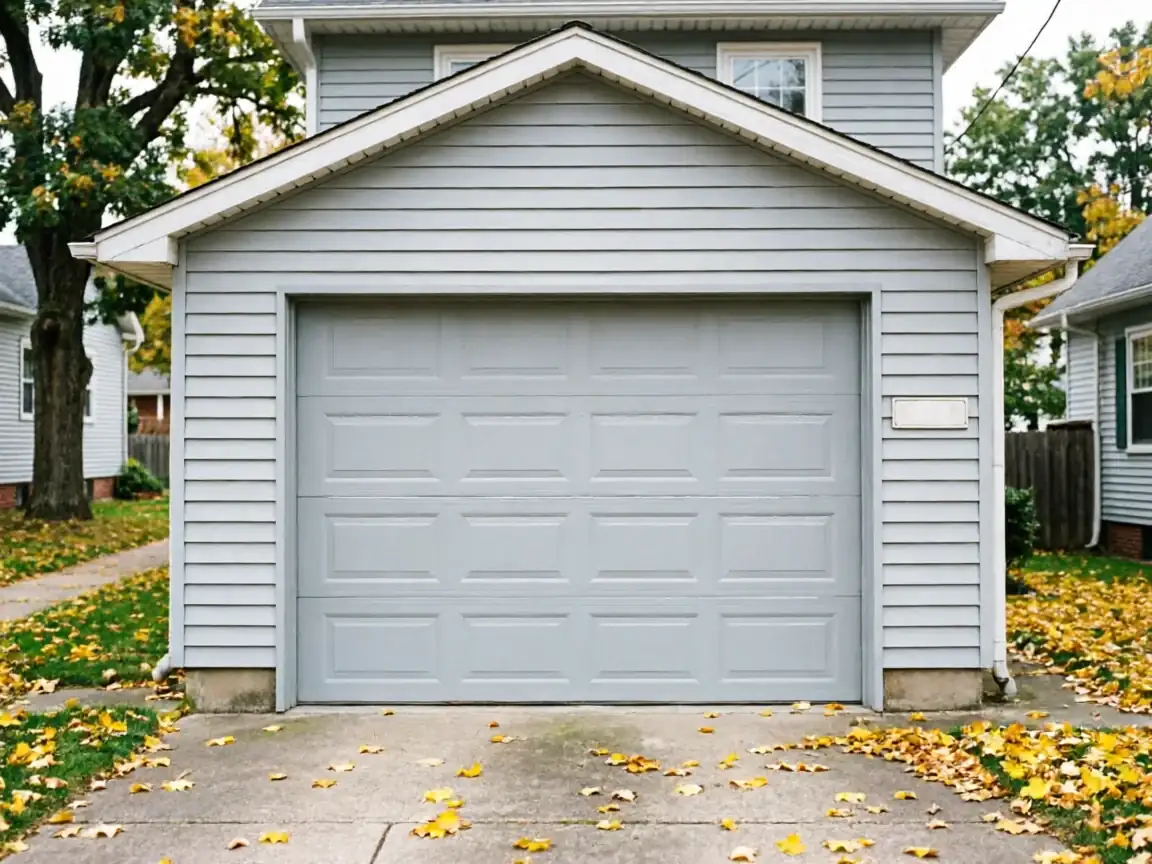
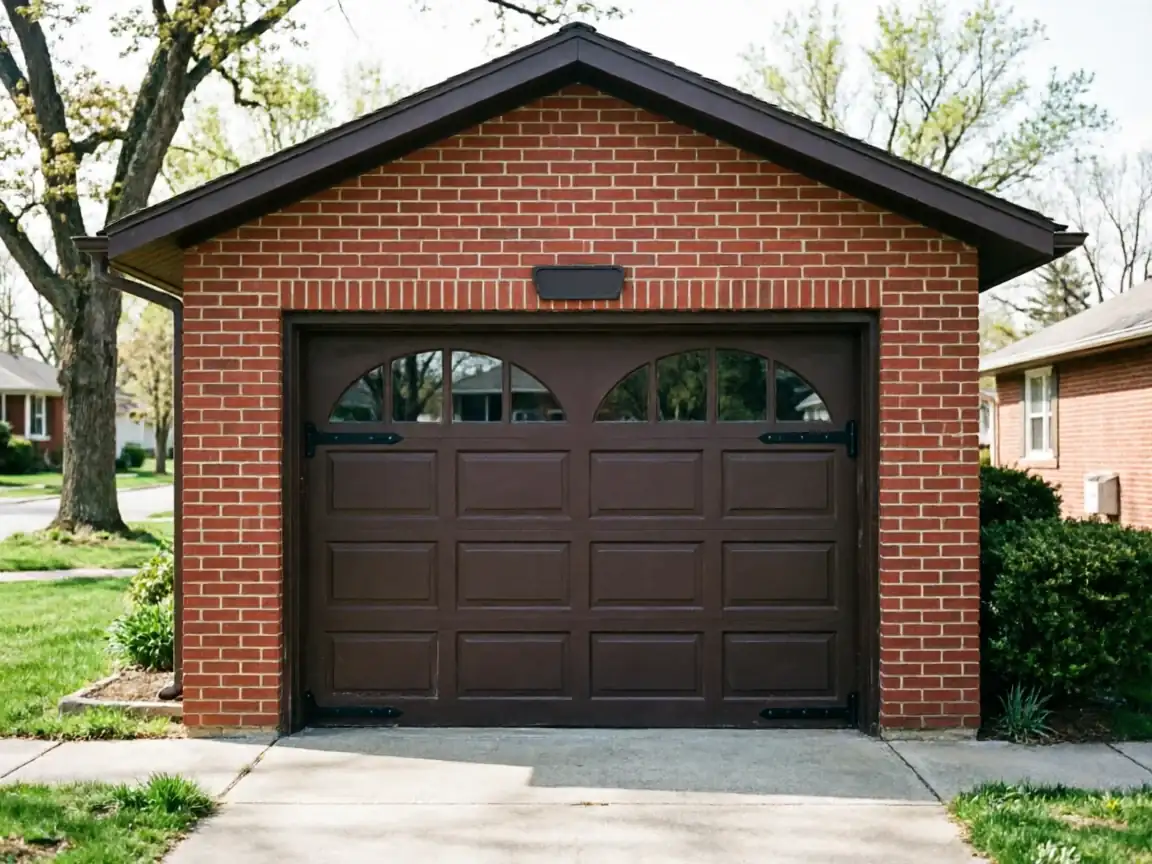
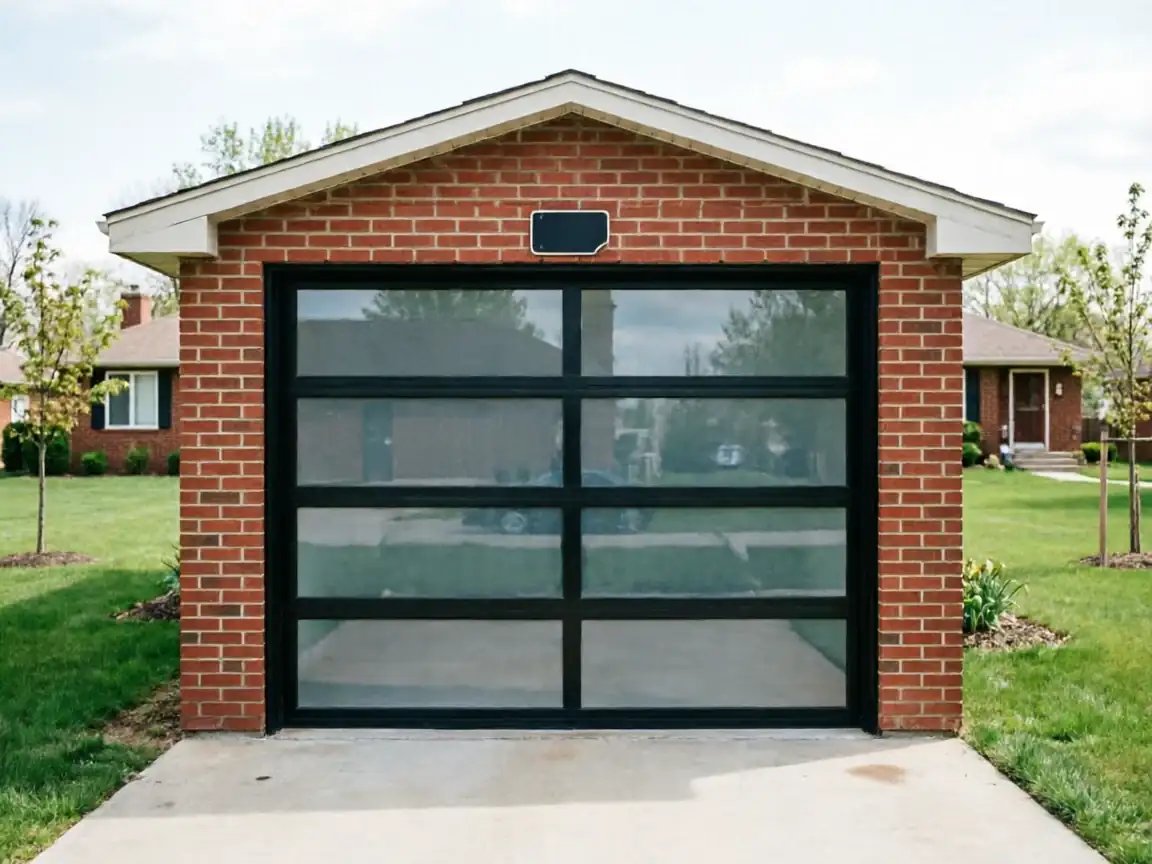
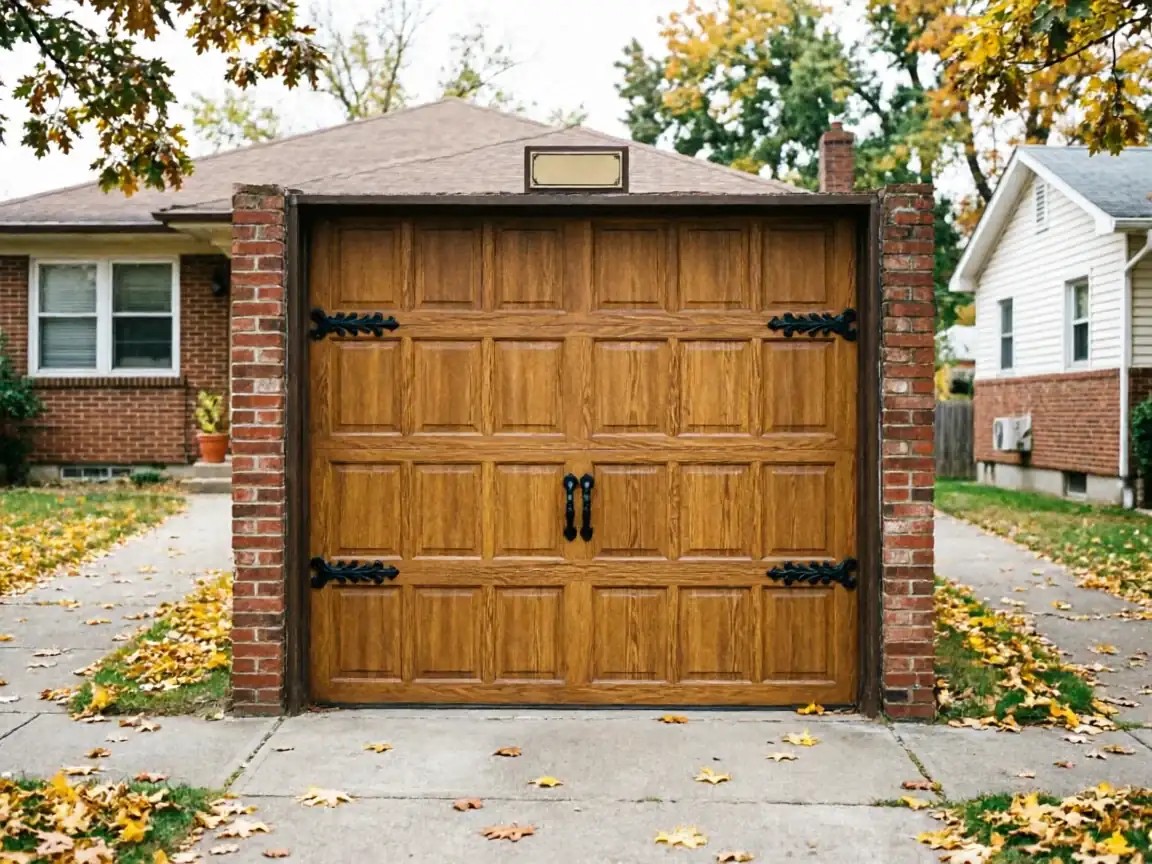
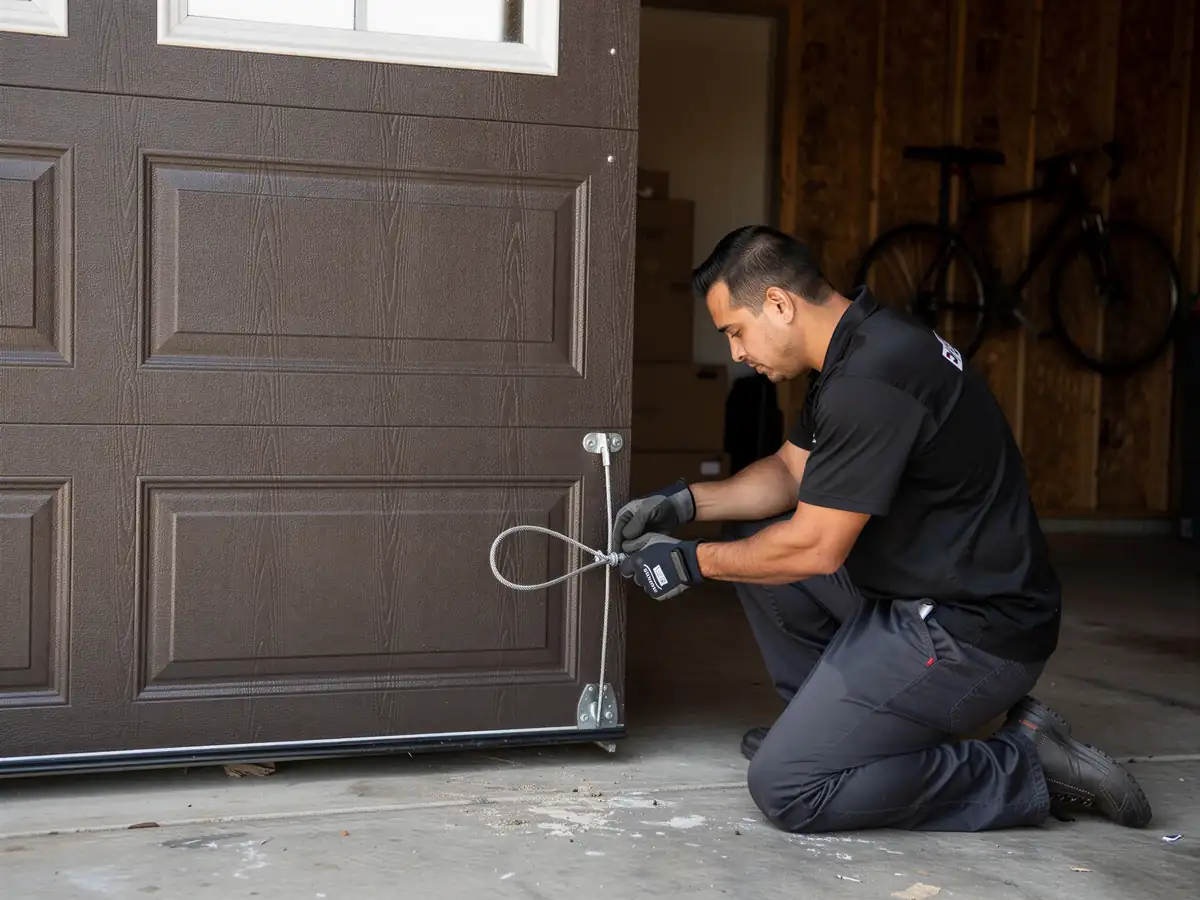
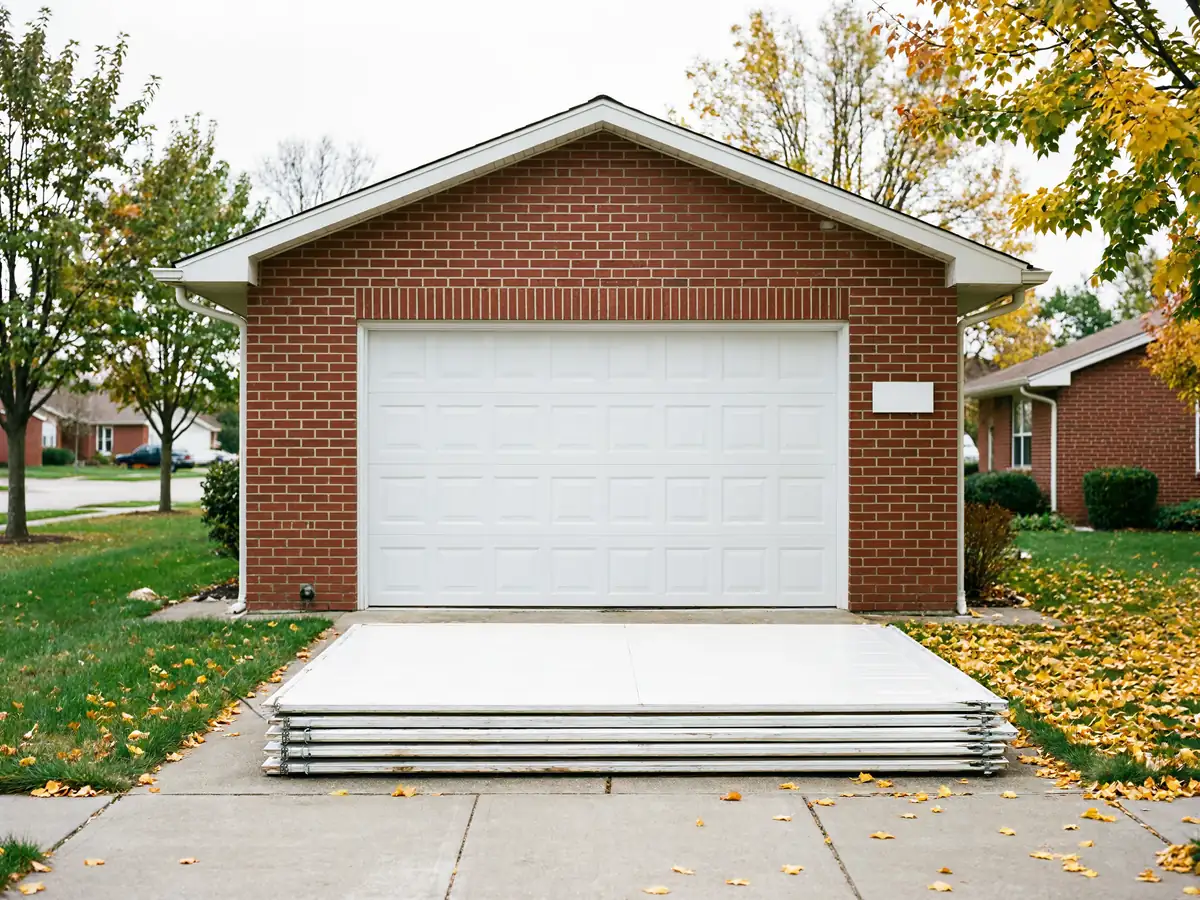
For a 1950s-era Buhler garage, the truck carries insulated steel doors in the single-car widths that era actually used, along with the wider sectional doors if your opening has been reframed for two vehicles. We bring torsion springs sized to the door weight rather than guessing off the old spring, new galvanized track, rollers, and the cable and drum hardware that pairs with it. Given the cold-moderate climate here, we default to insulated panels rather than single-layer steel - a single layer door on an attached garage in this climate means the wall it backs onto runs noticeably colder in January. We also carry header brackets and jamb shims, because older framing rarely sits perfectly plumb after sixty-plus years of settling. What we don't carry is custom wood doors built to order - if you want a specific stain-grade wood panel, that's a special order with its own lead time, not a same-visit item.
How Long You Are Without the Door
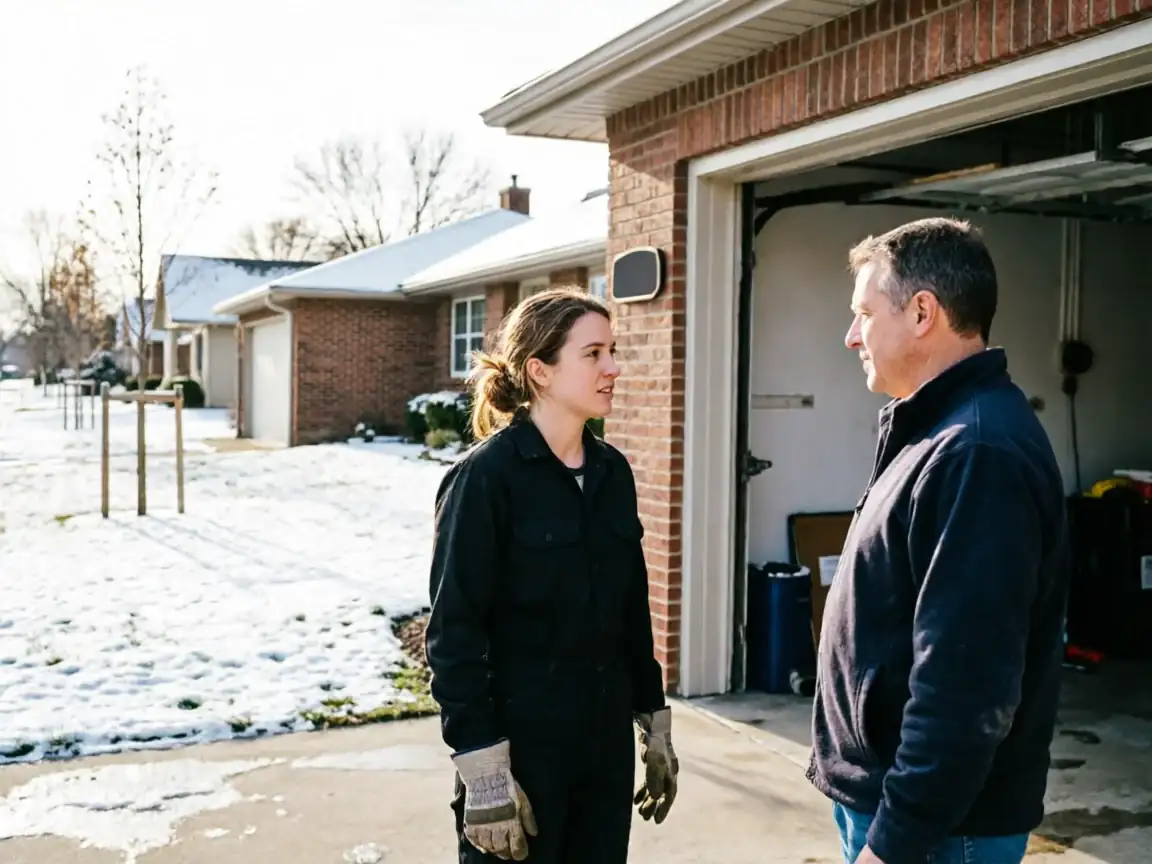
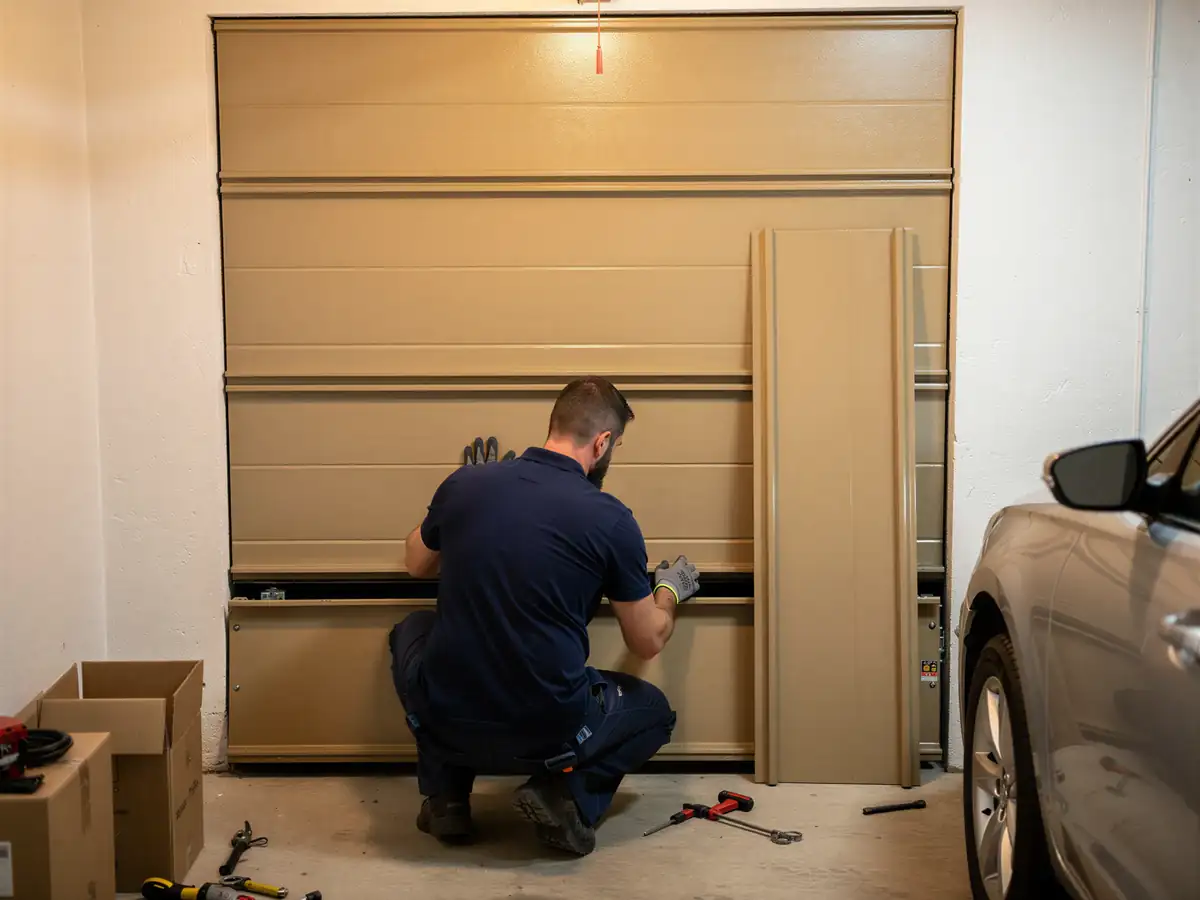
A straightforward swap - same opening size, new door and hardware - usually runs a few hours and the garage isn't open to the weather overnight. Where it stretches out is the framing work: if your opening needs widening or the header needs reinforcing to carry a heavier insulated door, that's a second piece of work on top of the install itself, and we'll tell you that before we start, not partway through. On a median-income household here (Buhler runs a bit above the wider service area's $63,119, closer to $65,833), most owners we talk to are replacing a door that's failed rather than upgrading early, so timing matters - nobody wants an open garage bay for two days in a cold snap.
How We Fix It
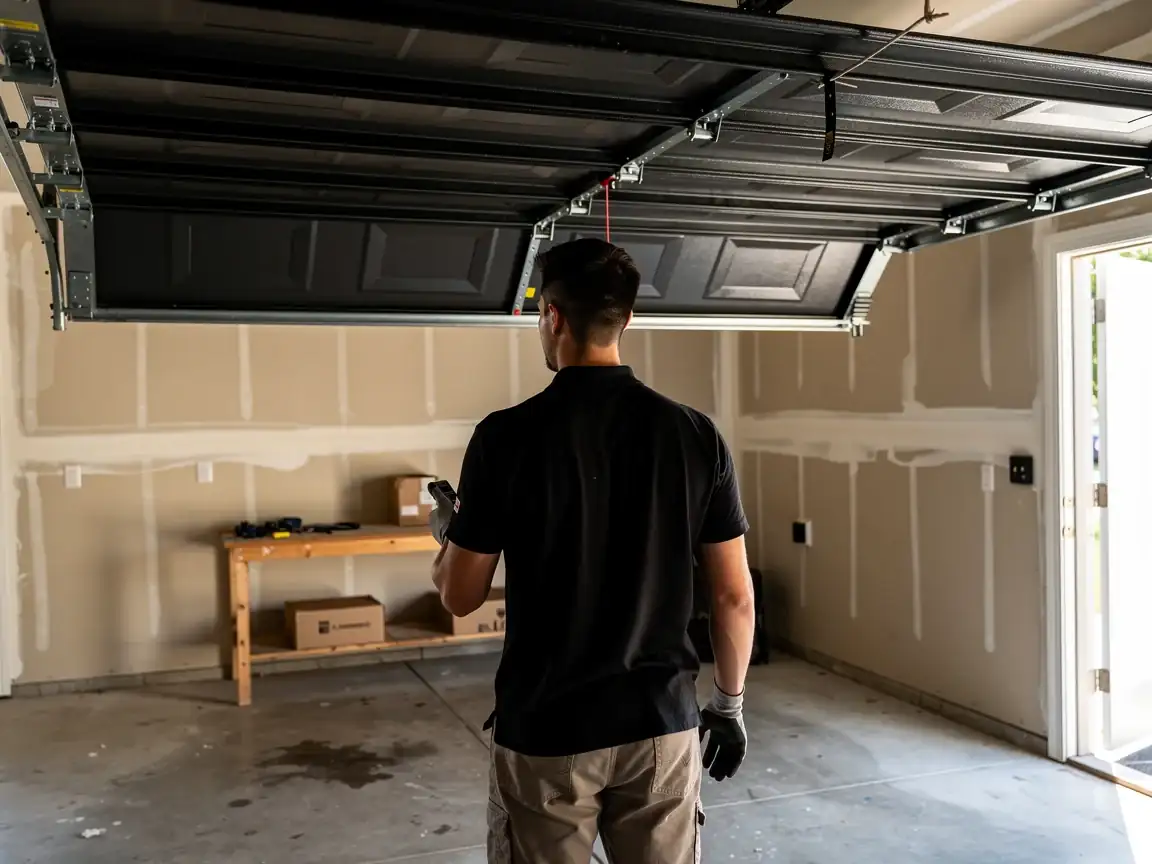
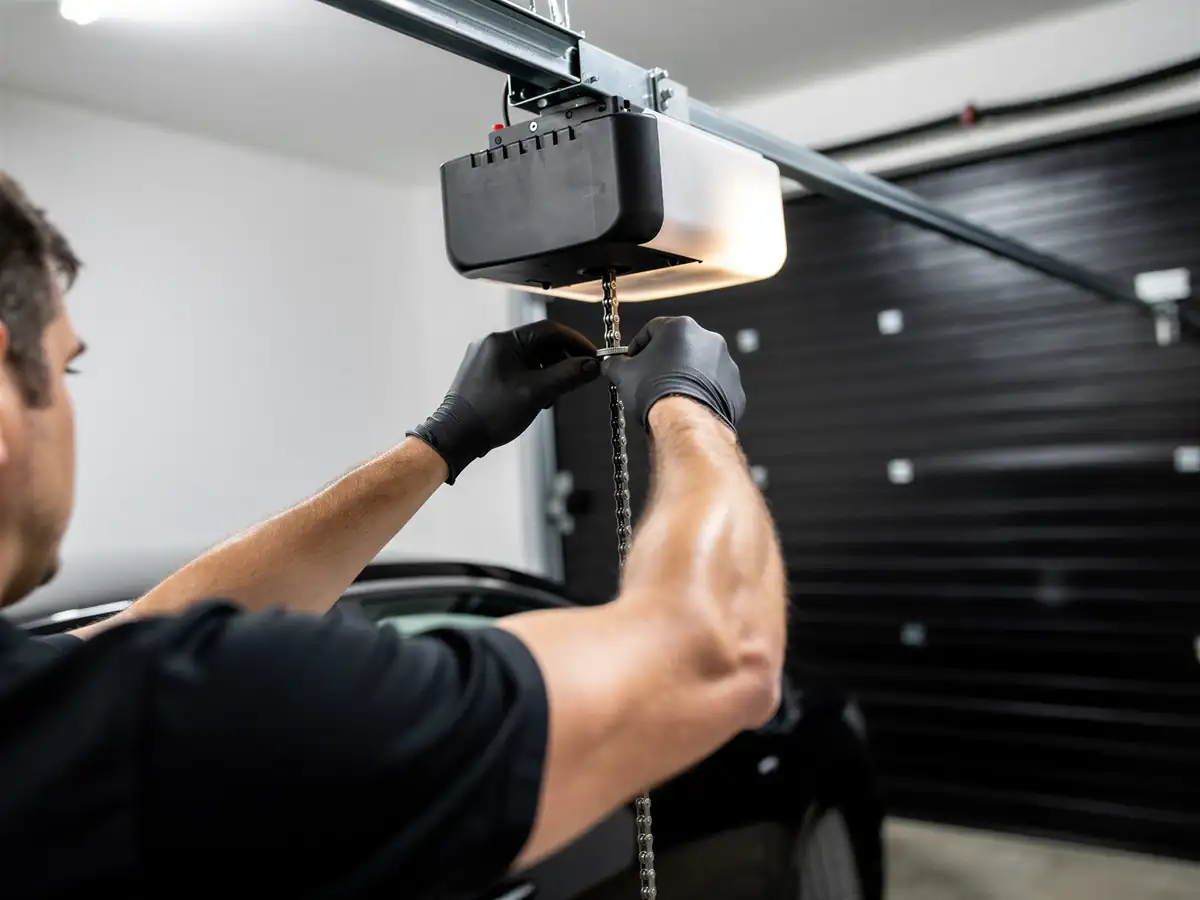
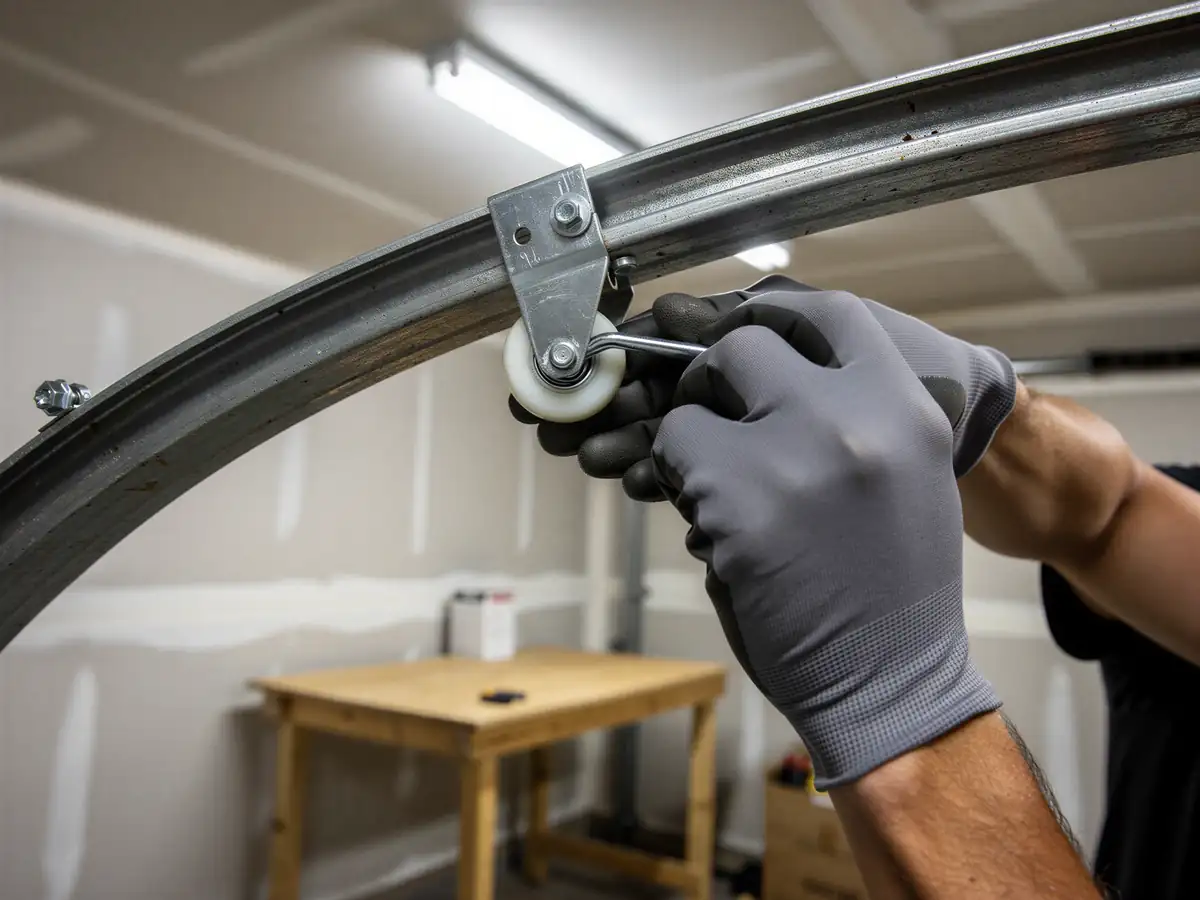
For most of these jobs the right fix is a full new door rather than patching the old one - once a 1950s-era panel is rusted through or the track has worn grooves into the rollers, repair parts for that generation of hardware are hard to source and don't hold up long anyway. We measure the existing opening, confirm whether the framing can take a standard-width insulated door or needs reinforcement, and size the spring to the actual door weight rather than reusing the old one. We set the new track, balance the door by hand before connecting any opener, and test the seal against the slab given the cold-moderate winters here. If the opening's been altered over the years - added trim, a second layer of siding narrowing the gap - we flag that before ordering the door, not after it shows up too wide.