Can You Do This Yourself
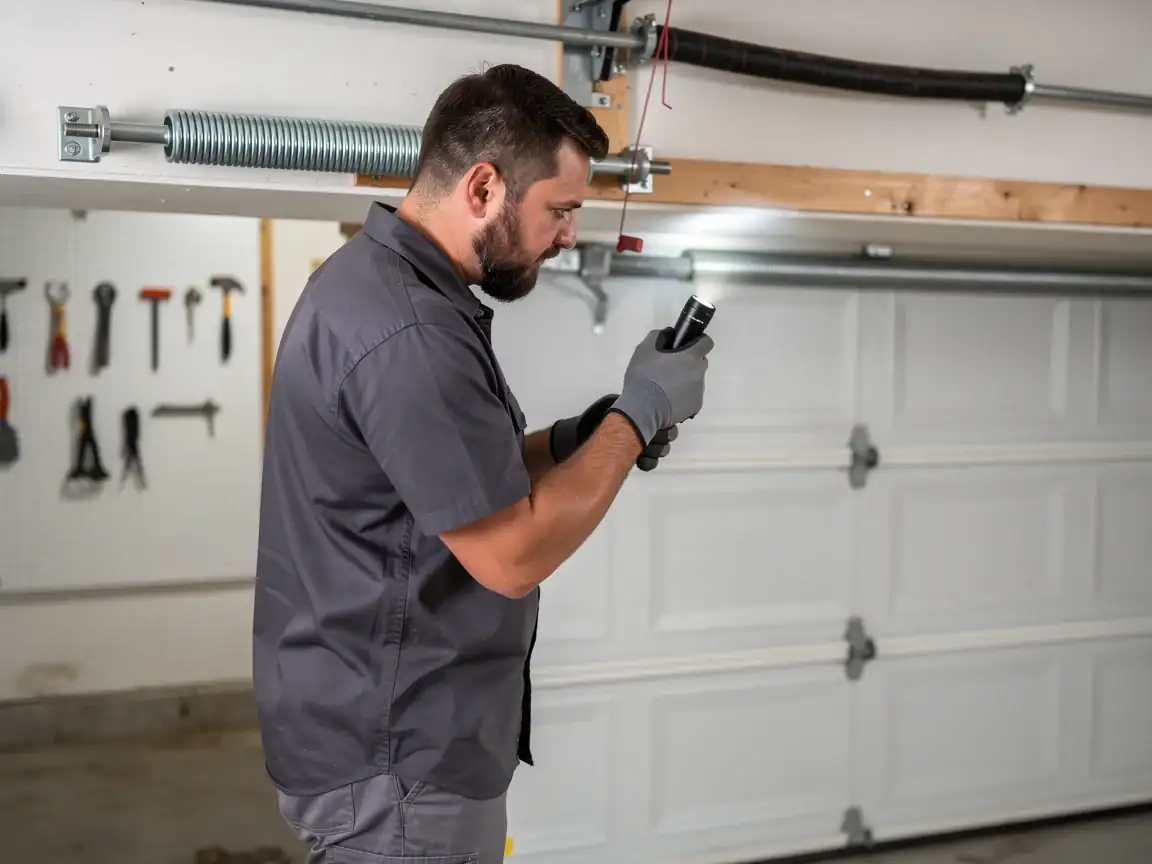
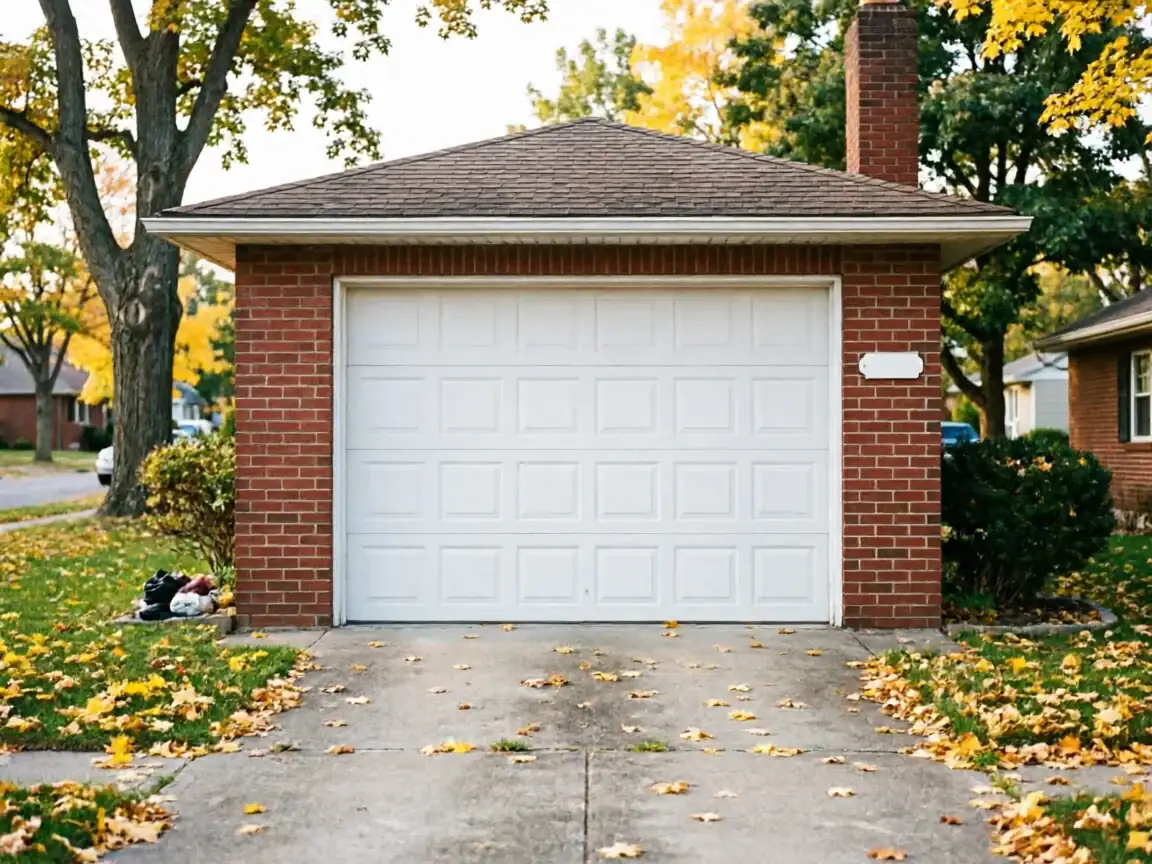
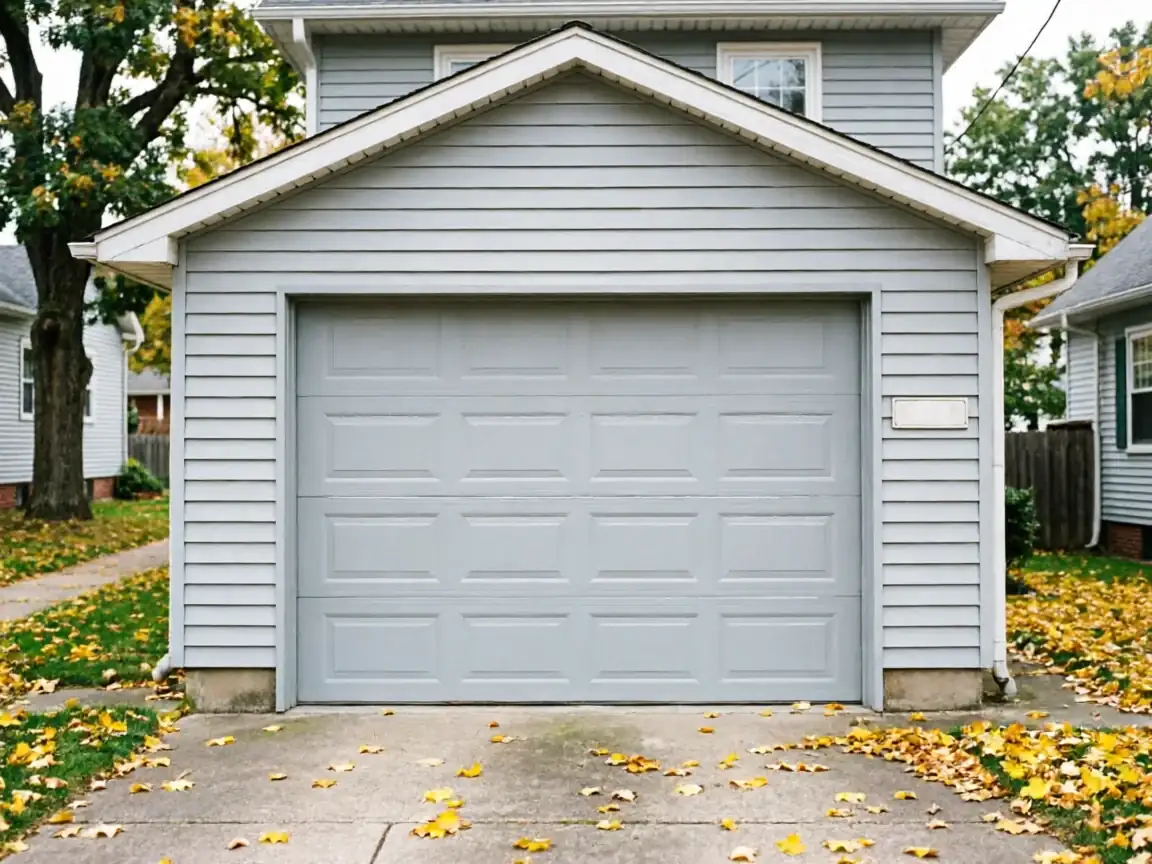
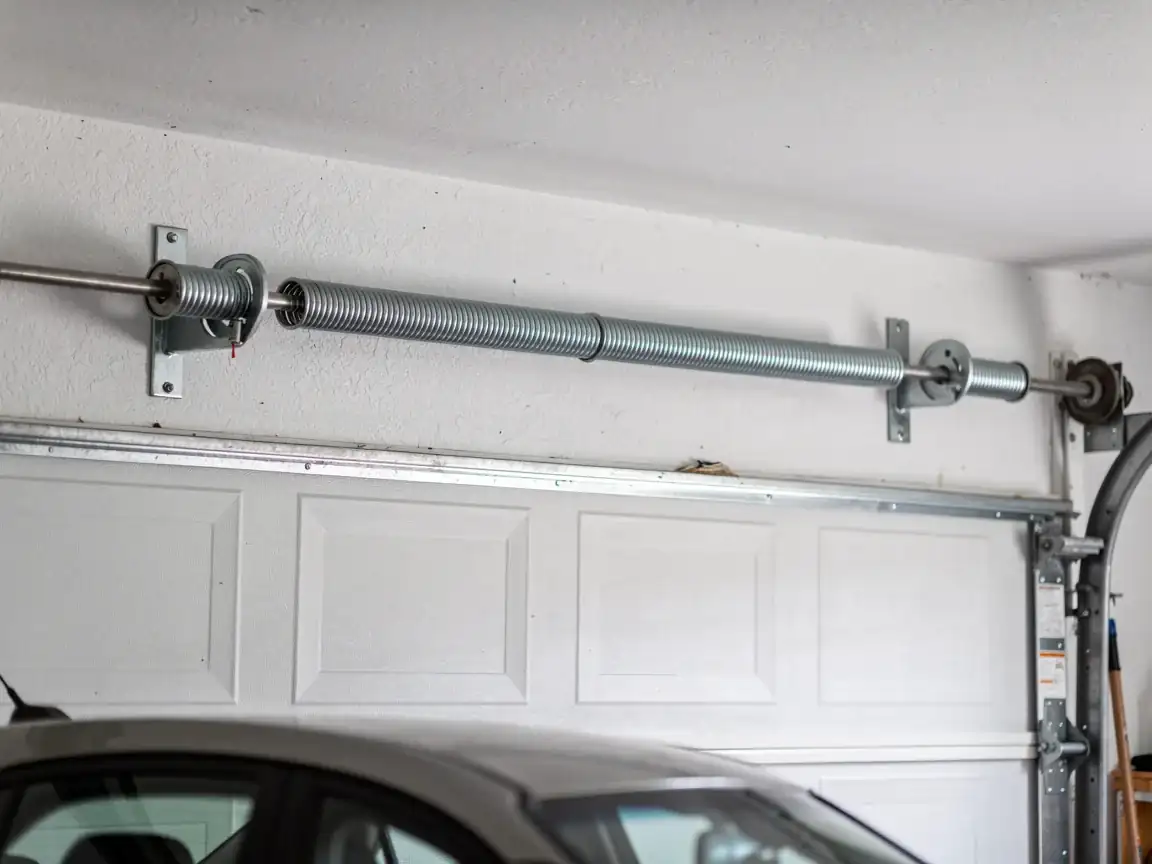
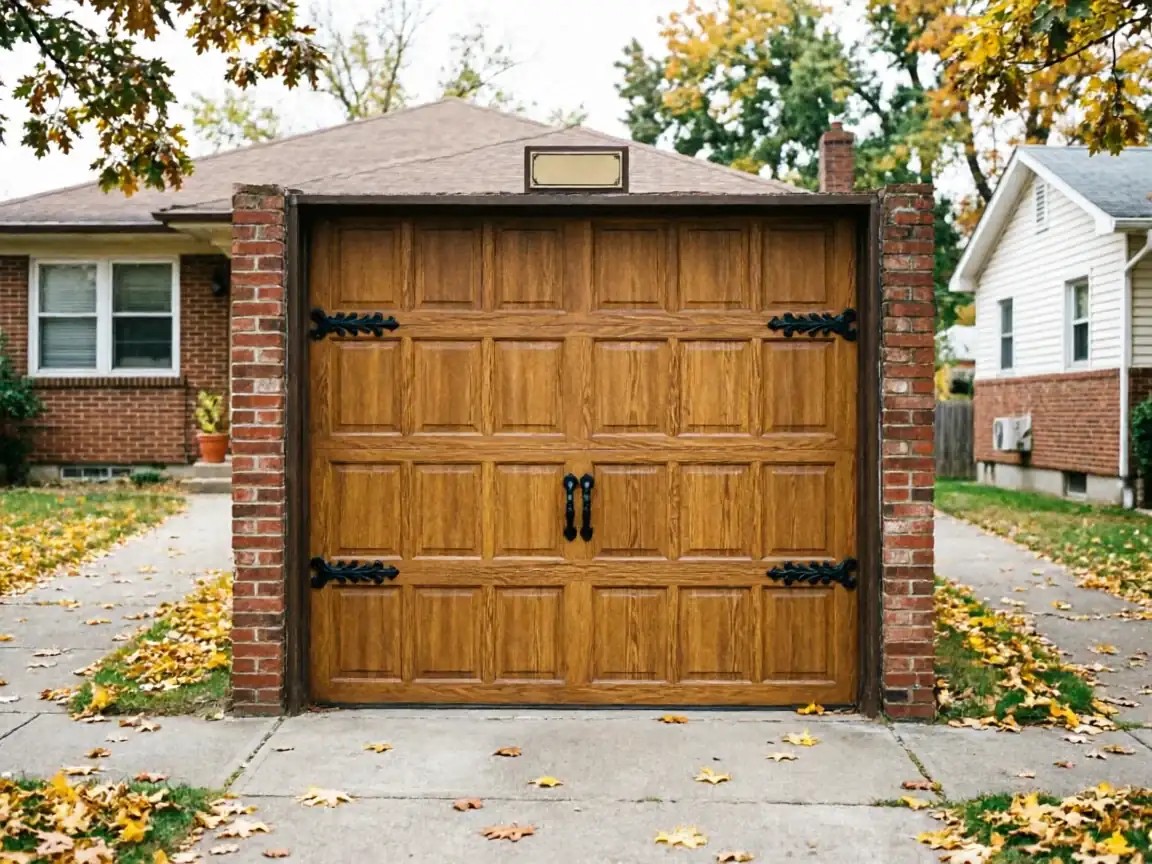
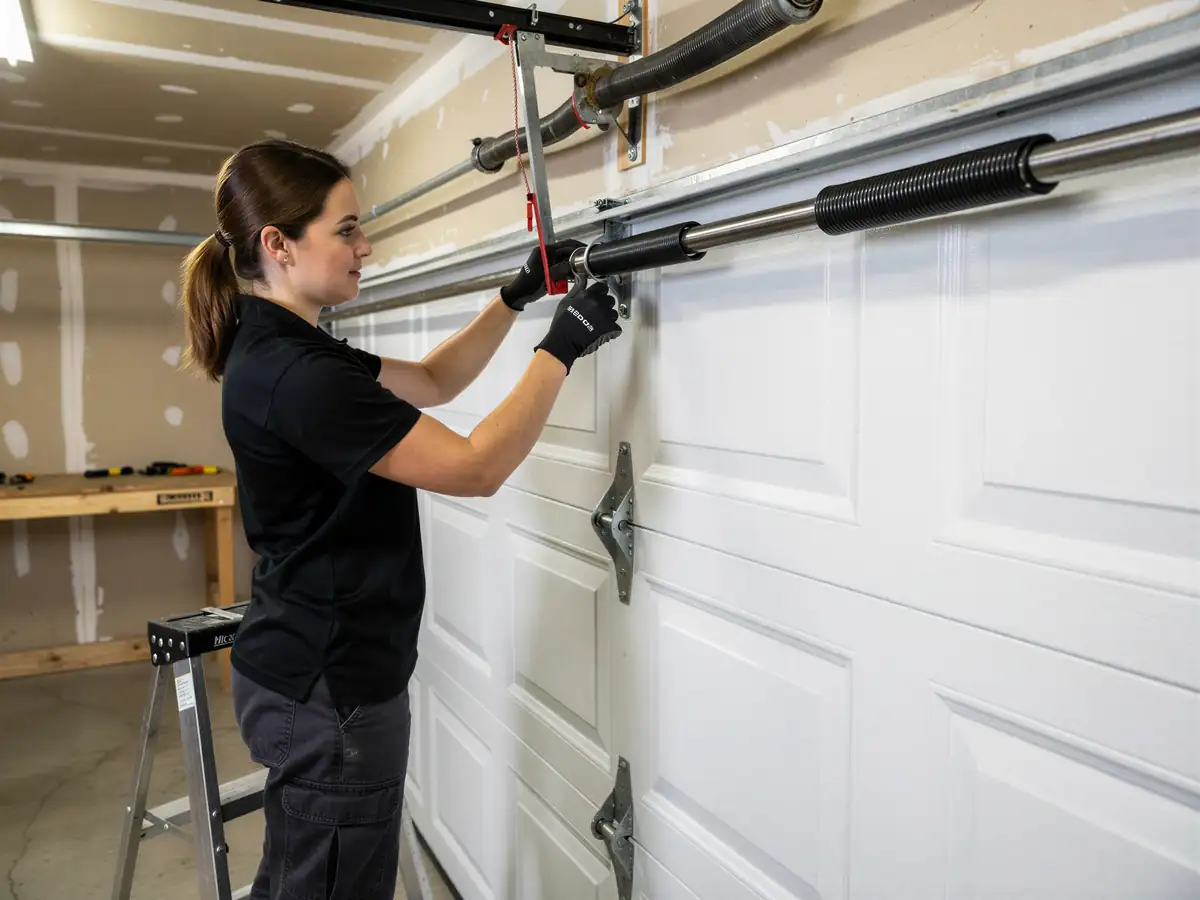
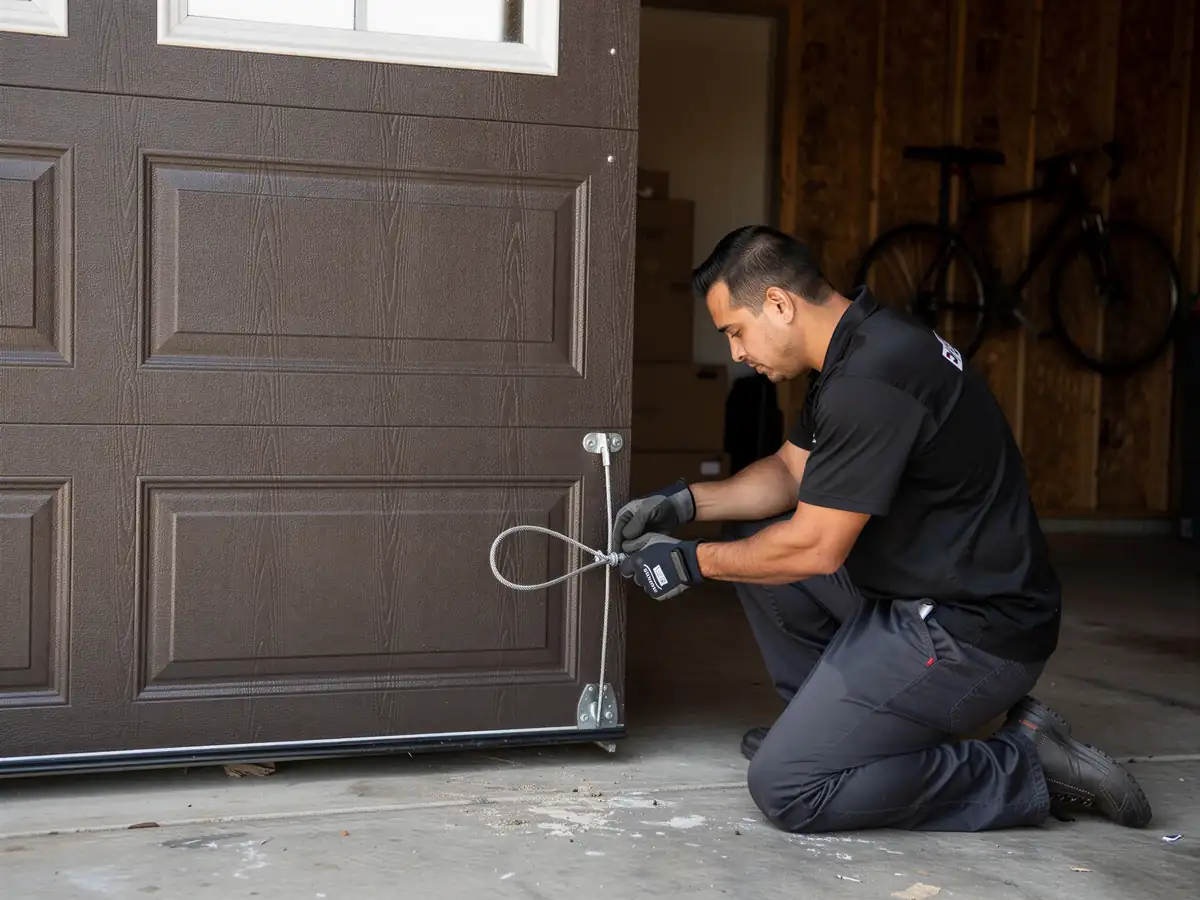
The fault we see most in Buhler isn't a broken torsion spring overhead - it's a frayed extension spring cable or a seized pulley on the old side-mounted extension spring setup that came standard on doors from this era. Buhler's housing stock centers on 1956, a decade before much of the surrounding service area filled in, and a lot of those original doors are still running their first or second set of extension springs, strung along the horizontal track with open hooks that rust and fatigue over twenty-plus winters.
There's a limit to what you should touch yourself here. Checking the remote batteries, cleaning the photo-eye sensors, and tightening a loose bracket bolt are fair game. Pulling a stretched extension spring off its hook, or trying to re-hang a cable that's jumped the pulley, is not - those springs carry enough stored tension to put someone in the hospital, and the hardware on a door this age is often rusted enough that it lets go without warning. We won't talk you through that part over the phone, and we'd tell you the same thing standing in your driveway.
Getting It Booked In
There's no branch office in Buhler - we run the call out of Hutchinson, nine miles up the road
That's close enough that a job here fits into the same route as calls closer to town, and it's close enough that if a part isn't on the truck, a second trip doesn't turn into an all-day wait the way it might somewhere farther out on the list.
When you call, the useful details are the door's age if you know it, whether it's making noise or just stuck
And whether anyone's tried to force it open or closed. On a door built to match a 1956 house, the track width and roller size are often different from what goes into newer construction, so knowing roughly how old the door is helps us bring the right stock the first time instead of guessing.
What Is on the Truck
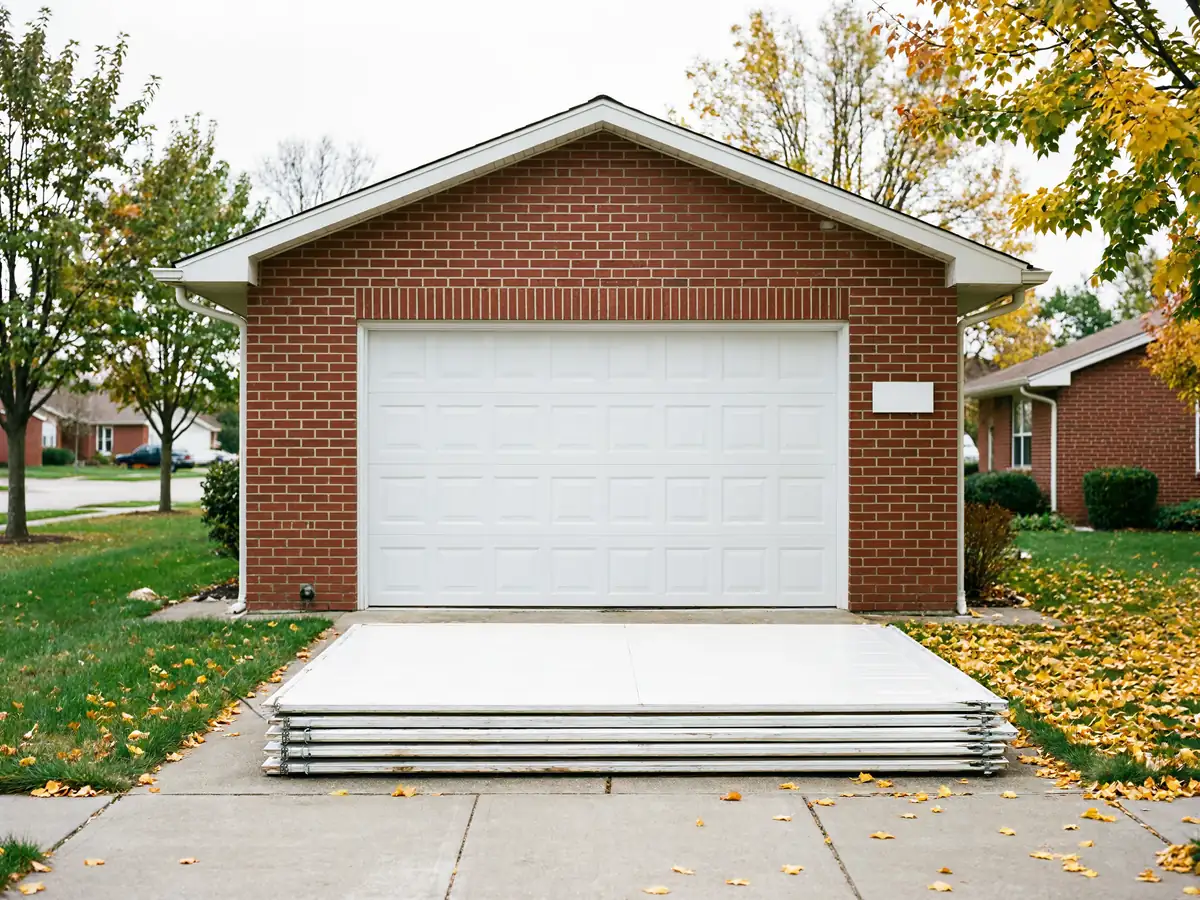
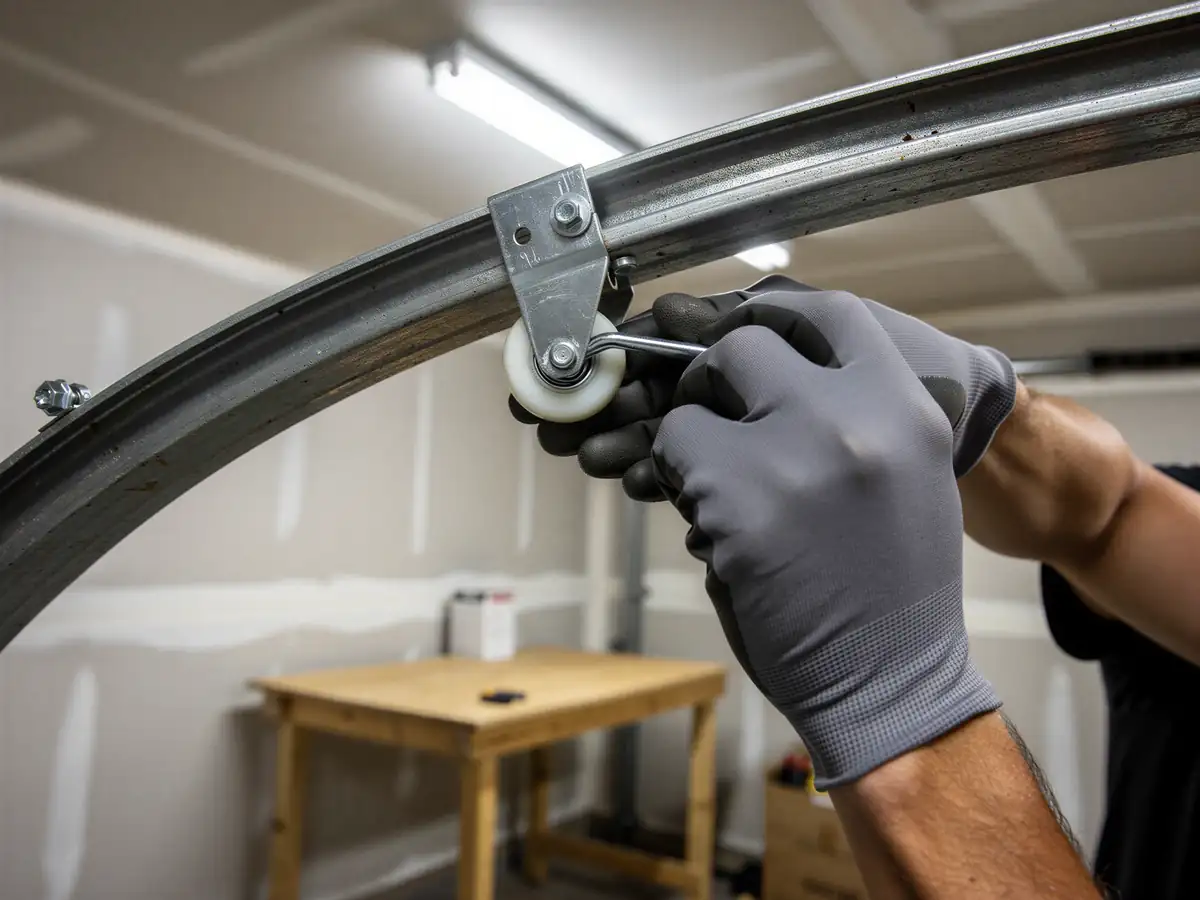
Because the doors in this part of the service area skew older, the truck carries parts for both extension-spring and torsion setups - not just the torsion hardware that's standard on anything built in the last twenty years. That means extension spring kits in a few common gauges, open-hook and closed-loop safety cables, 2-inch and 3-inch steel rollers to match narrower vintage track, and pulley wheels sized for the lighter doors common on 1950s construction.
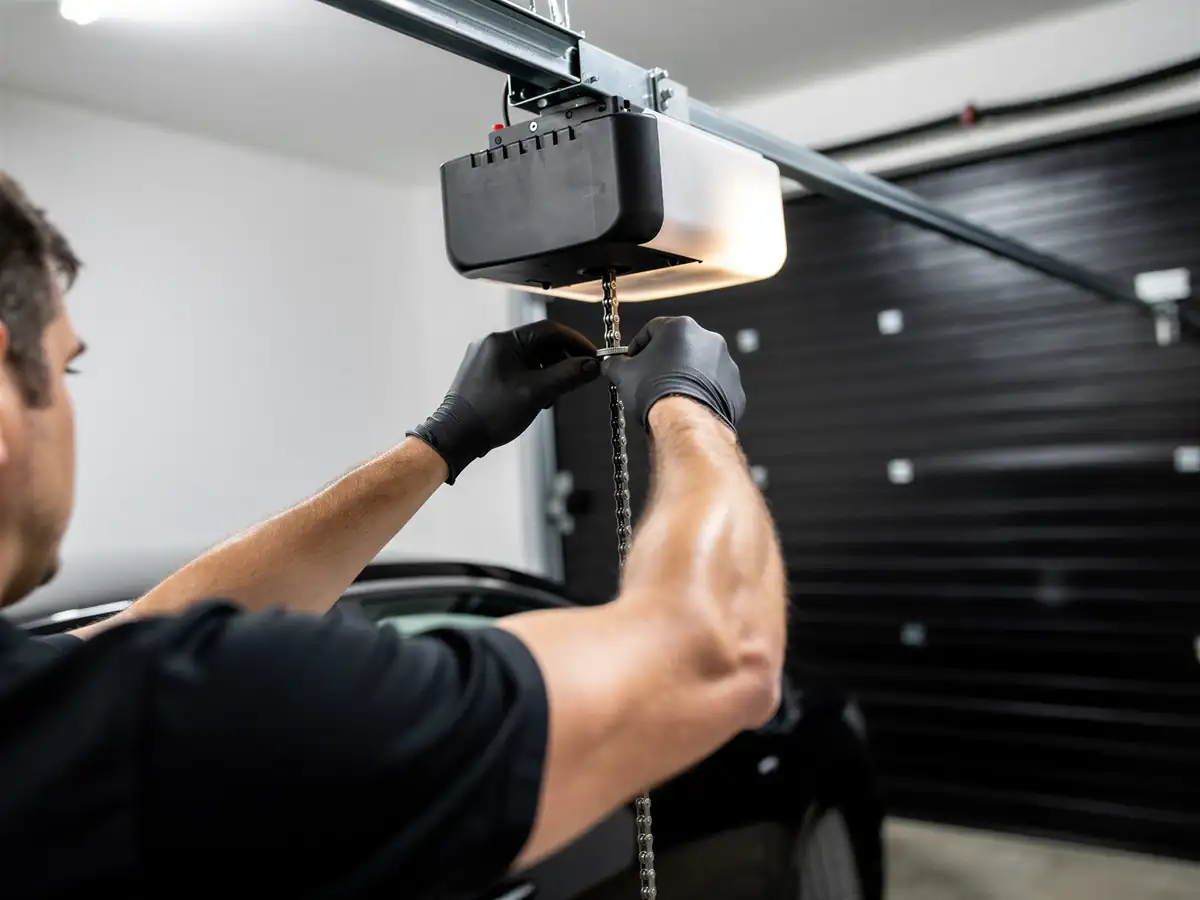
We also carry photo-eye sensors and basic opener logic boards, since a dead sensor or a failed board looks like a dead spring to most homeowners until someone's actually in the garage with a multimeter. What we don't carry is a full replacement panel set for every discontinued door style still hanging in Buhler - some of those sections haven't been manufactured in decades, and matching one means special-ordering or accepting a visible mismatch, which we'll tell you up front rather than pretend otherwise.
How Long You Are Without the Door
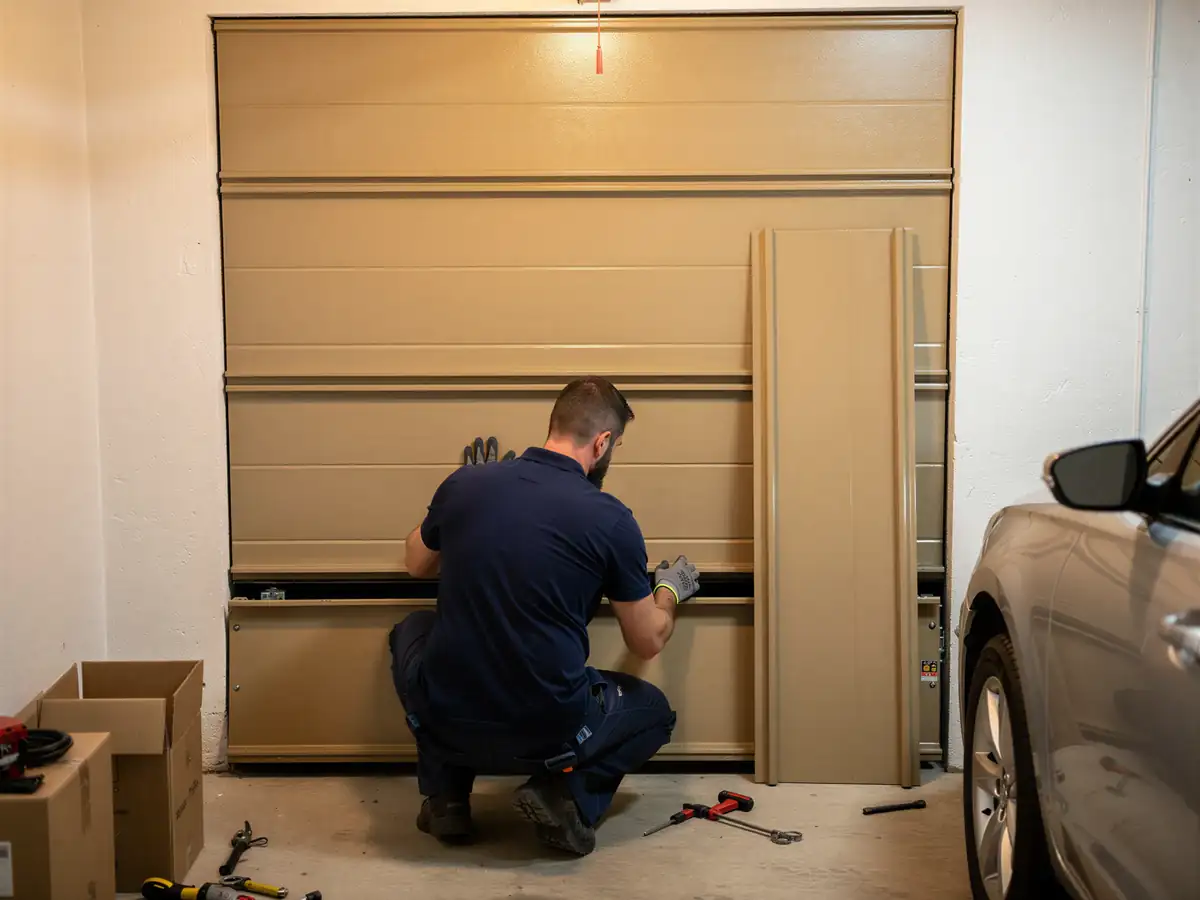
A snapped extension spring, a jumped cable, or a seized pulley is usually a same-visit fix - the parts are on the truck and the repair itself takes an hour or so once we're on site. Where it stretches out is when a section of an original 1956-era door has rusted through or a roller track has bent beyond straightening; those cases sometimes mean ordering a part that isn't a stock item anymore, and that can add days rather than hours.
We're not going to promise a same-day fix on every call, because on the older doors specifically, it isn't always true. What we can tell you is which category your door falls into once we've looked at it - a cable and pulley job gets wrapped up on the spot, while a structural section replacement gets an honest estimate of how long the part will take to source.
The Symptom
The pattern on a 1956-era extension spring door is pretty consistent
A loud bang from the garage, usually followed by the door refusing to go up past a foot or two, or going up crooked with one side dragging. That's the stretched-spring snapping on one side while the other holds, and it throws the whole door out of balance. Sometimes it's quieter - a slow sag over a season or two as both springs lose tension together, until the opener is straining and groaning on every cycle instead of lifting smoothly.
Less often, the symptom is a cable that's jumped its pulley and wrapped around the drum wrong
Which jams the door solid in whatever position it was in when it happened. On the older track systems still common here, a bent or rusted track rail can produce a similar jam, and it's worth noting those two faults look nearly identical from the garage floor but need different repairs.
How We Fix It
First step is confirming which fault it actually is - spring, cable, pulley, or track - because on an older extension-spring door more than one of those can fail at once without it being obvious from outside. We match the spring gauge to the door's weight rather than just grabbing whatever's closest in size; springs sized for a lighter 1956-era door won't balance correctly if swapped for a generic modern replacement, and an over-tensioned spring on old hardware is its own hazard.
After the spring and cable are replaced, we re-hang the door on the track, check the rollers for wear, and run the door through a full open-close cycle to confirm it's balanced - meaning it holds still at any point when disconnected from the opener. If the track itself is bent, we straighten or replace the section before calling the job done. We don't leave a door that closes but isn't actually balanced; that just sets up the next spring to fail early.