Can You Do This Yourself
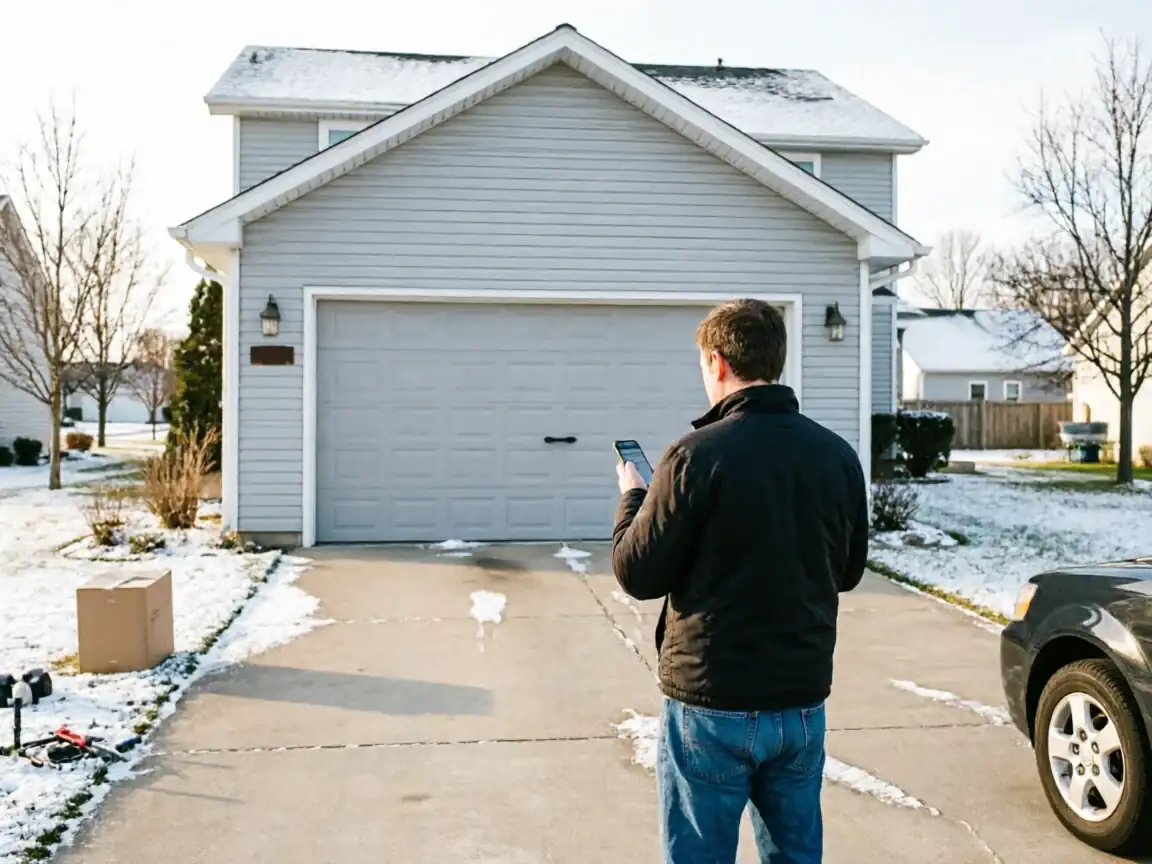
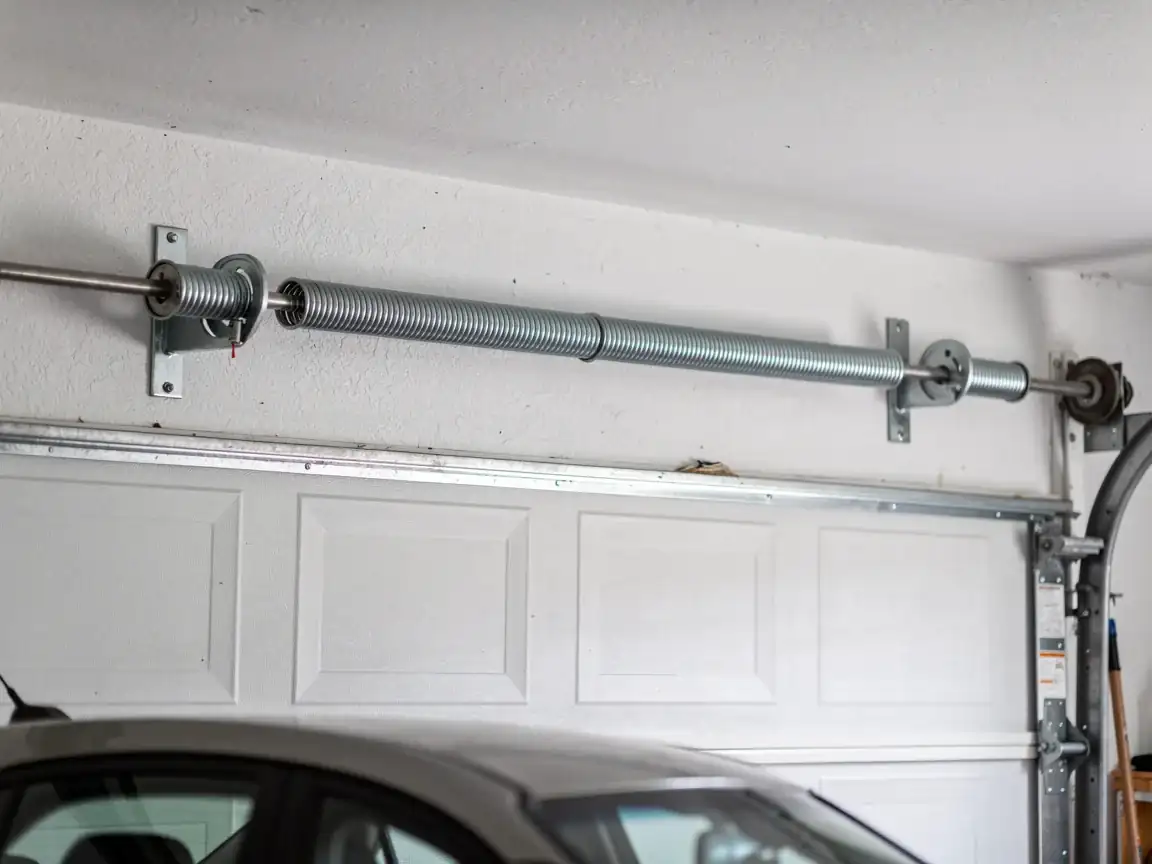
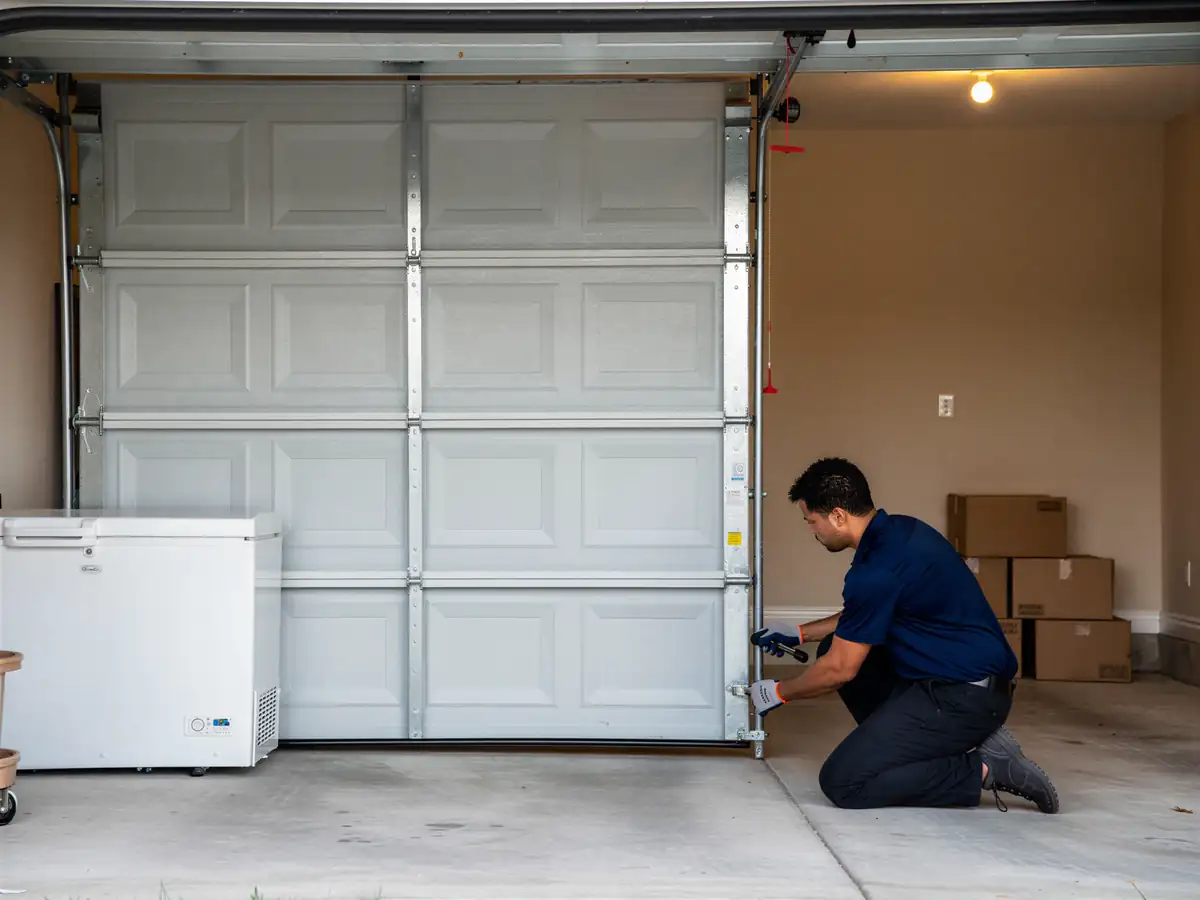
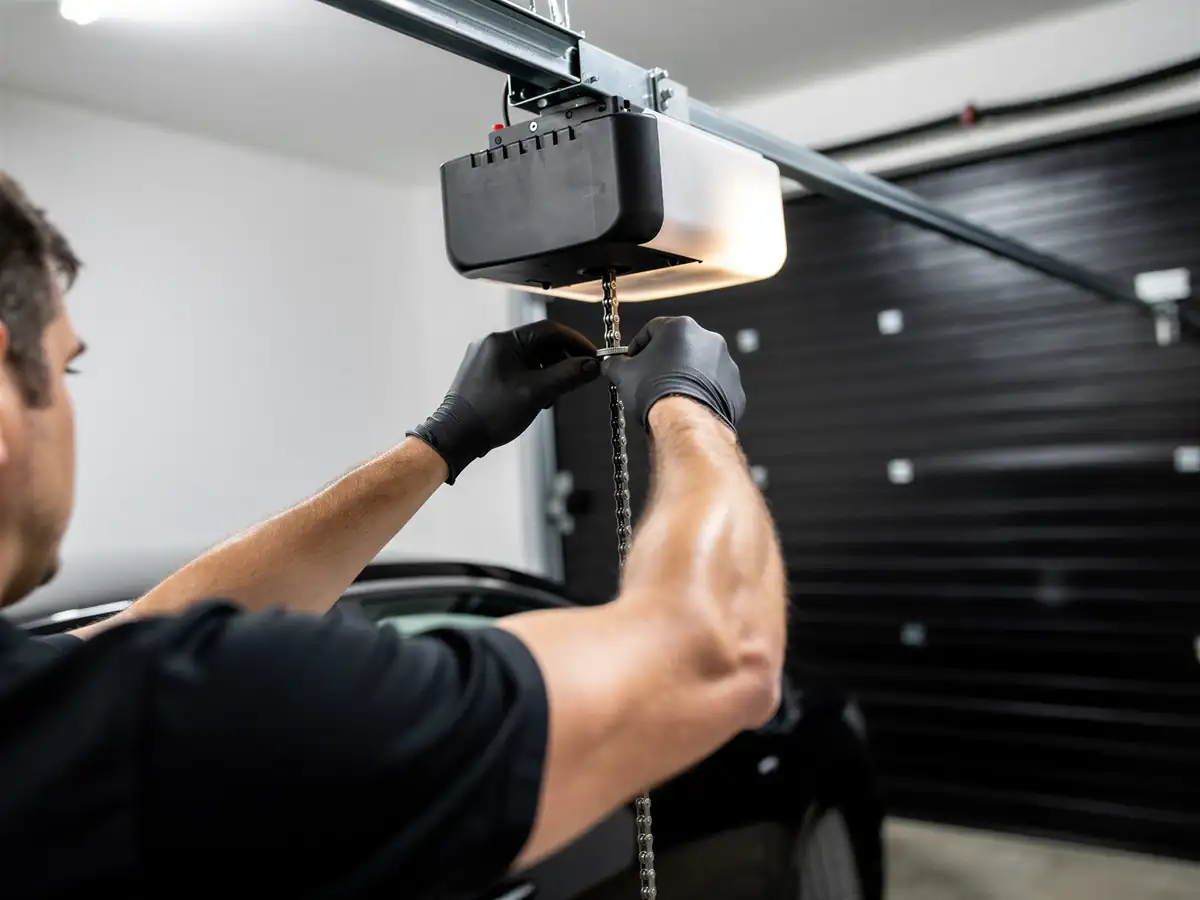
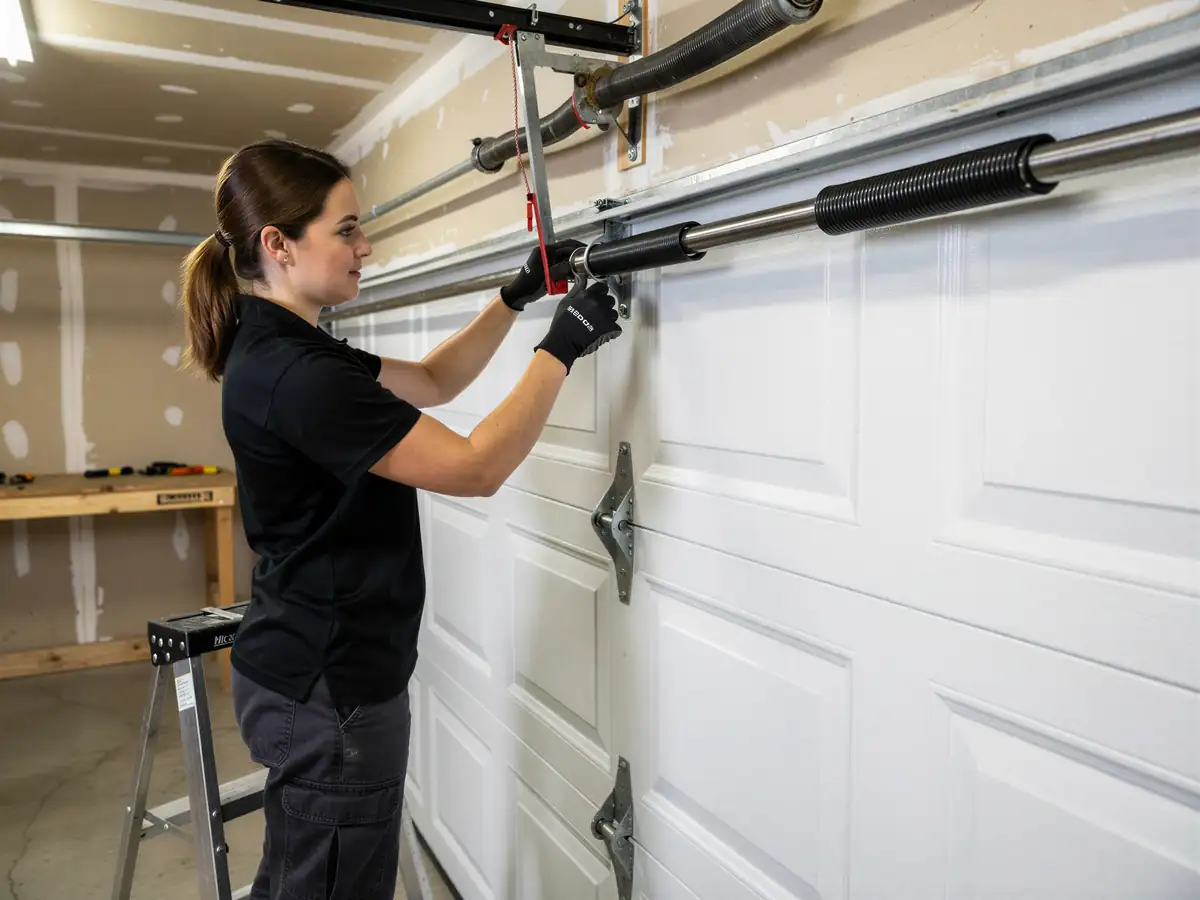
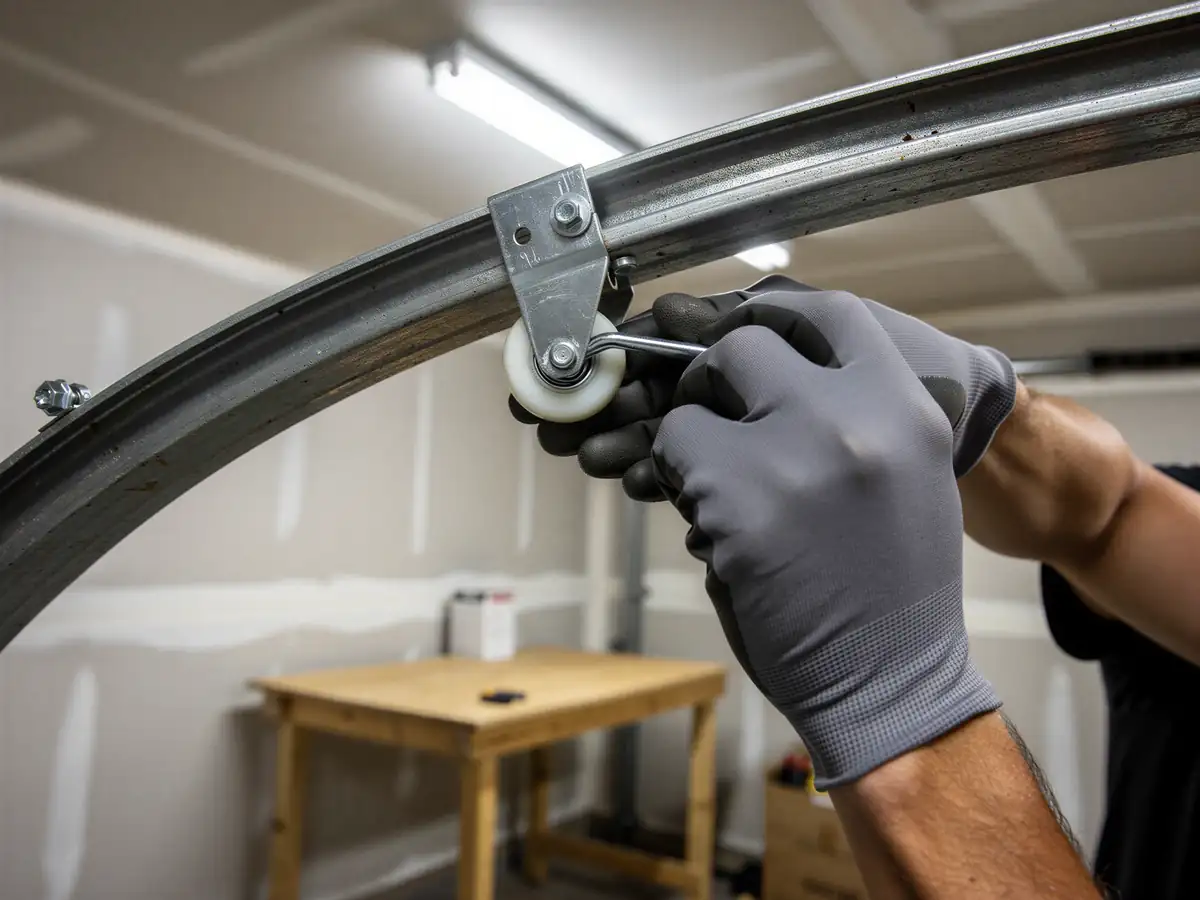
Buhler sits about 9 miles from our shop in Hutchinson, and most of the houses we get called to here went up around 1956 - squarely in the middle of the 1943-1975 build window that covers this whole service area. That matters for a DIY job. A torsion spring on a door that old is almost never the spring that shipped with it, but the drums, the shaft, and sometimes the track hangers often are. Swapping a spring yourself on original hardware you can't identify is how people lose fingers, not because the job is hard but because the parts are unlabeled and undersized by today's standard. If you're comfortable with a wrench and you know your spring wind direction, lubricating hinges and tightening loose roller brackets is fine to do yourself. Anything involving the torsion shaft, the cable drums, or an opener that's pulling the door crooked - leave it. We'd rather talk you out of a $40 part swap over the phone than drive out for it, but we won't talk you into opening a spring system you've never touched.
What Is on the Truck
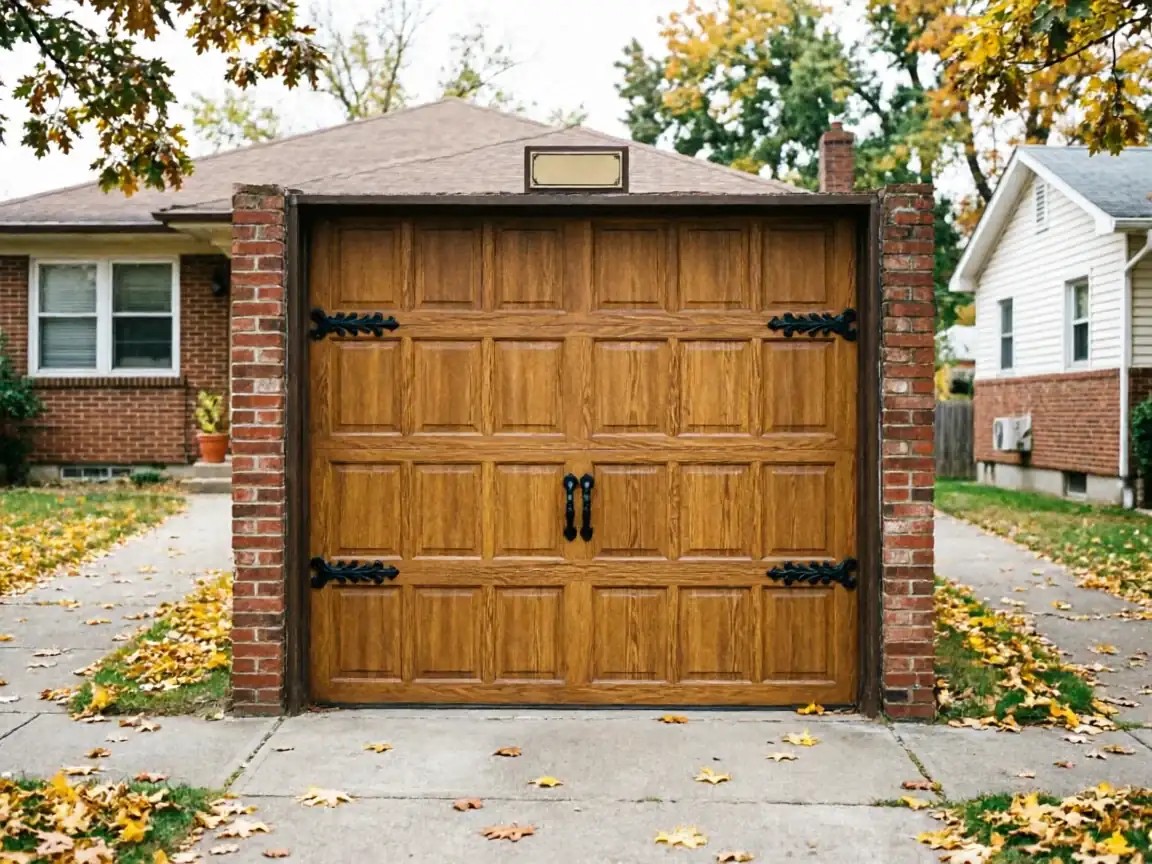
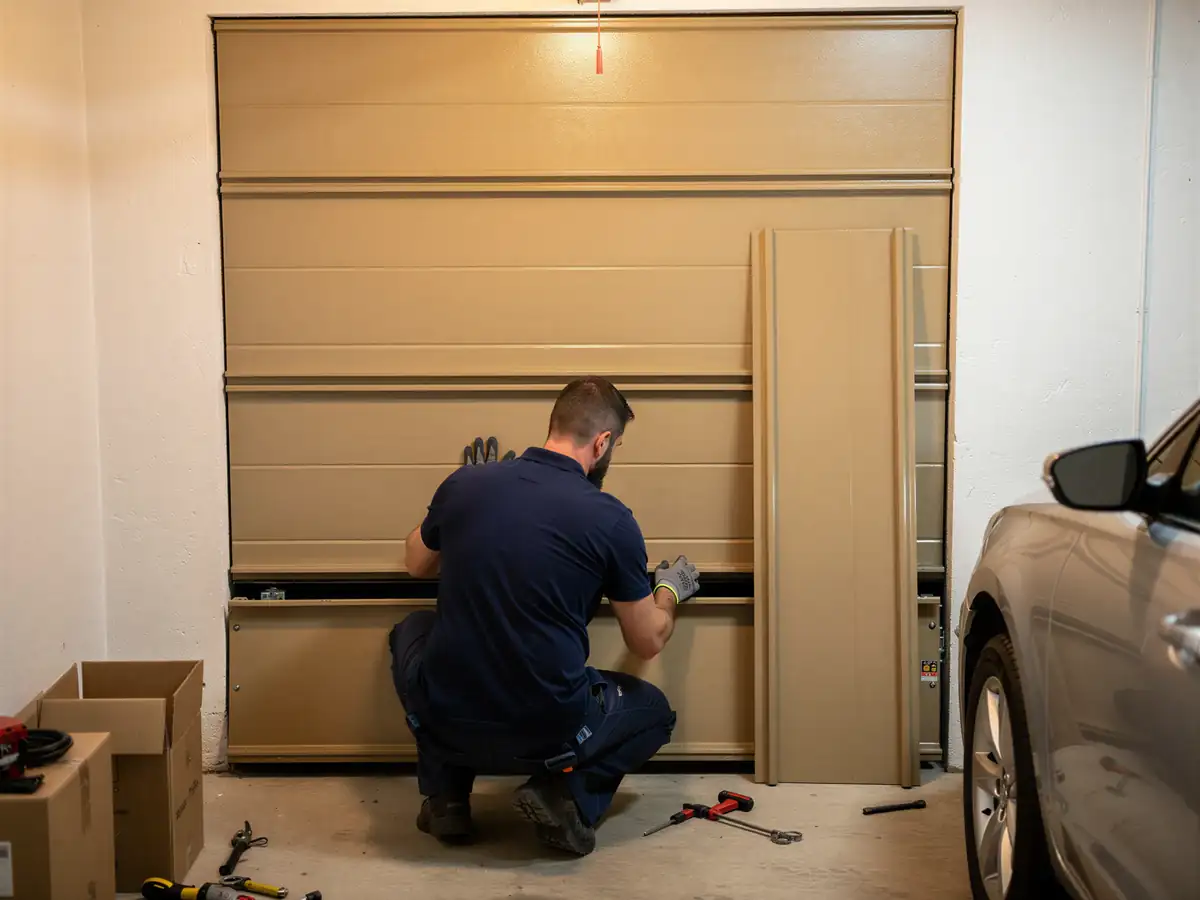
Because so much of Buhler's housing dates to the mid-1950s, we stock torsion springs sized for the older, lighter wood-panel doors those houses were originally built with, alongside the modern standard sizes for anyone who's already replaced their door. We also carry both the older-style doubled-up cable drums and current single-drum setups, since a lot of these houses have had one cable replaced without the matching drum ever being swapped - a mismatch that causes uneven lift. Cold-rated lubricant goes in every truck year-round, since this area sits in a moderate-cold climate band where grease that's fine in July gums up stiff by January. What we don't carry is custom-width panel sections - if a 1956 door has a bent or rusted-through panel and the original width isn't a stock size anymore, that's a special order, and we'll tell you the lead time instead of guessing at it.
How Long You Are Without the Door
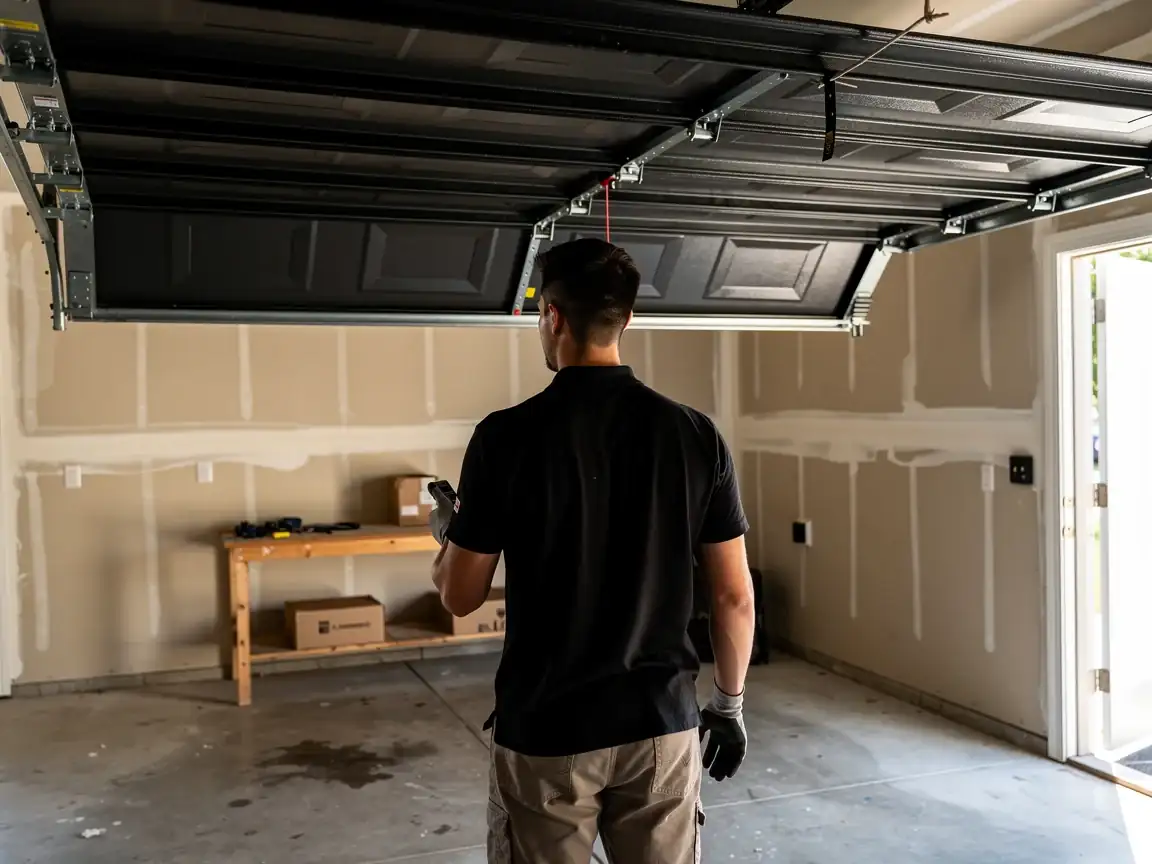
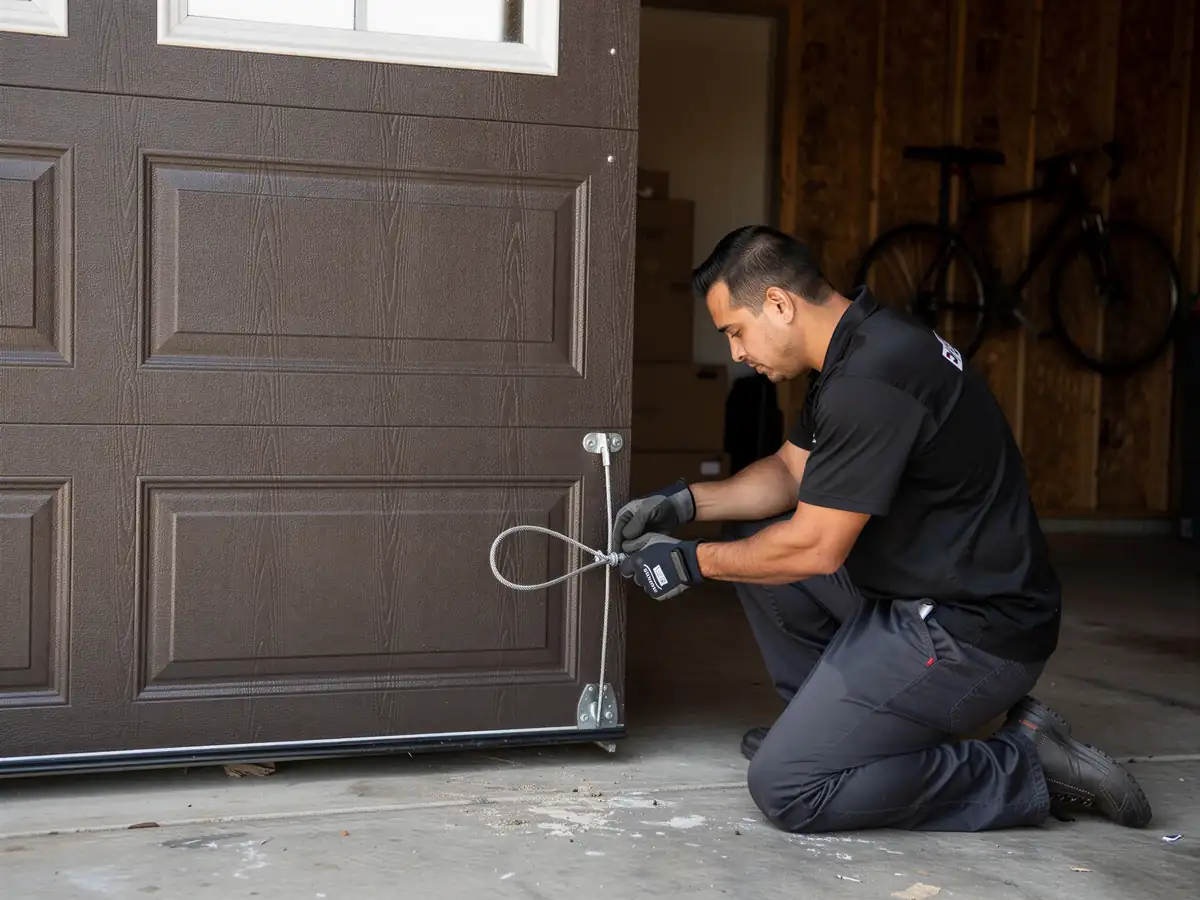
A spring or cable repair on hardware we stock is usually a same-visit fix - the door comes down, we replace the part, and it goes back up before we leave. Where you lose time is custom panels or an opener that needs a part not on the truck; those become a return trip once the part comes in, and we won't promise a date on that until we've ordered it. We'd rather tell you two visits up front than guess at one and have you stuck with a door that won't close overnight in a Kansas cold snap.
How We Fix It
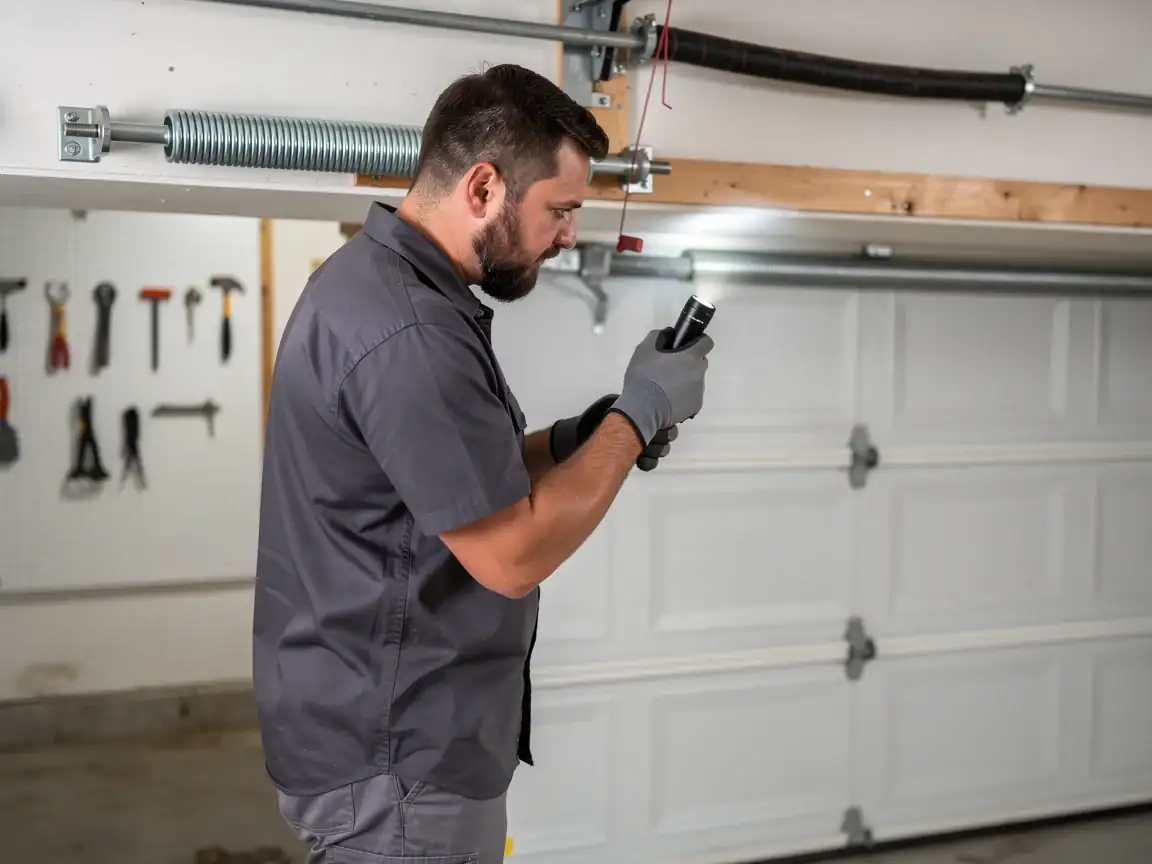
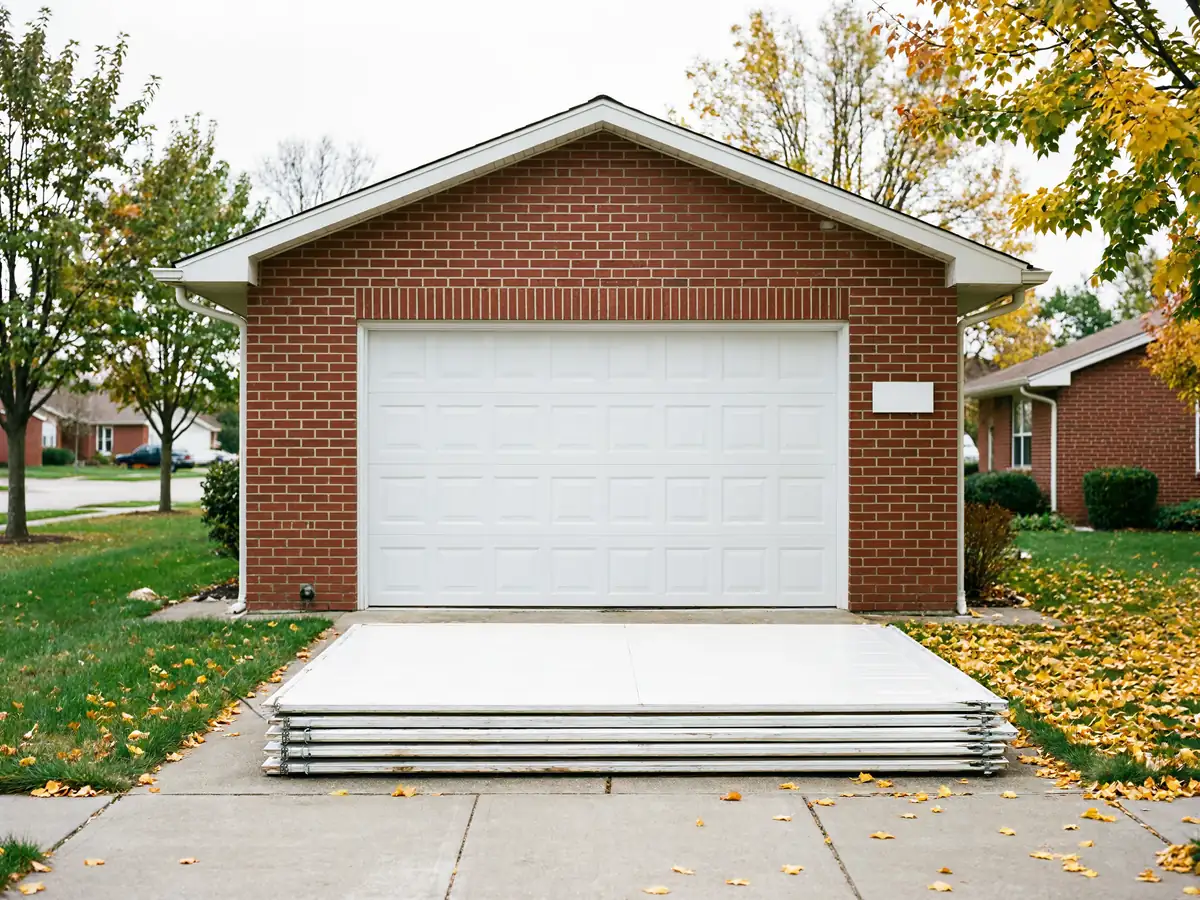
For original torsion springs, we replace with a modern-rated spring sized to the door's actual weight rather than whatever the 1956 builder spec called for - it holds up better against the cold-weather cycling this area gets. If the drums or shaft are original and pitted, we replace those at the same time rather than bolt new cable to old metal; mixing a new spring with a worn shaft just shifts the failure point somewhere else within a year. For track misalignment from slab settling, we re-set and shim rather than replace the track outright, unless it's bent, in which case replacing it is cheaper than fighting it twice. We don't recommend patching a door shell that's rusted through at the bottom panel - at that point a new door costs about the same as a patch job that won't hold, and we'll say so.