Can You Do This Yourself
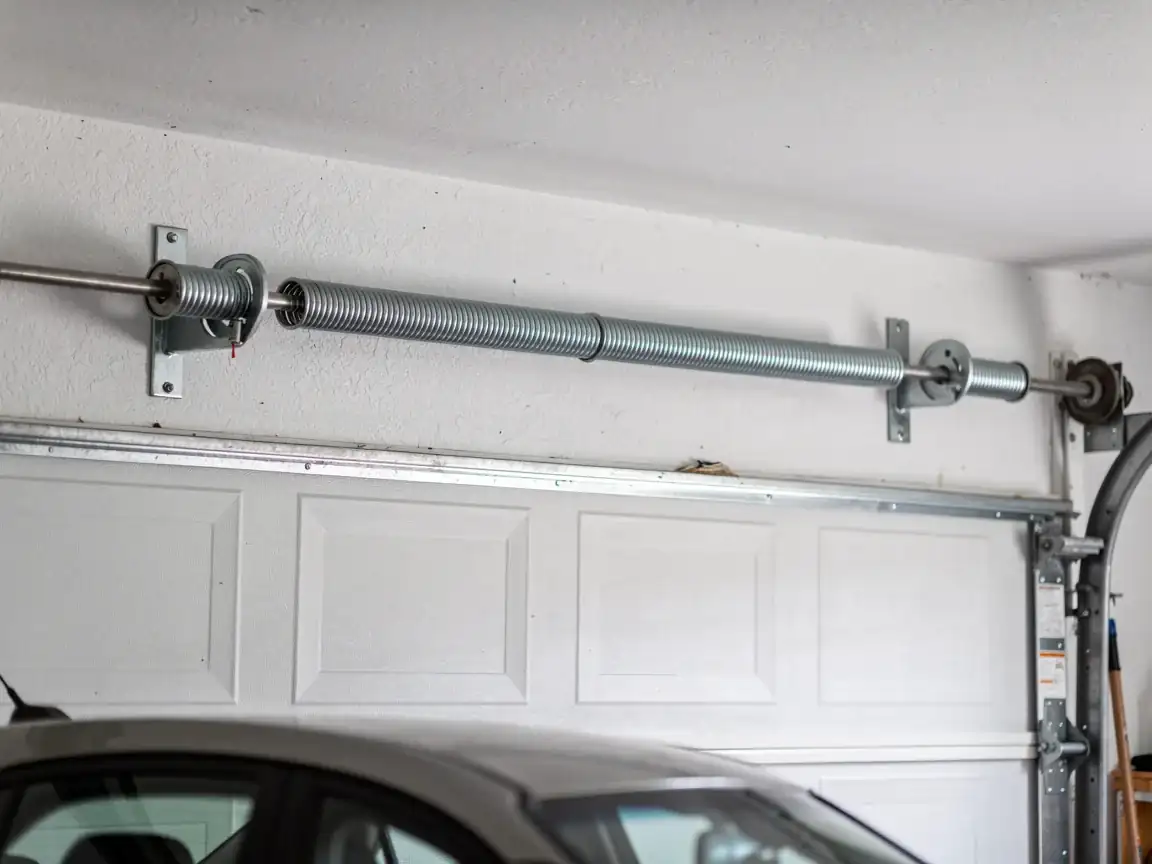
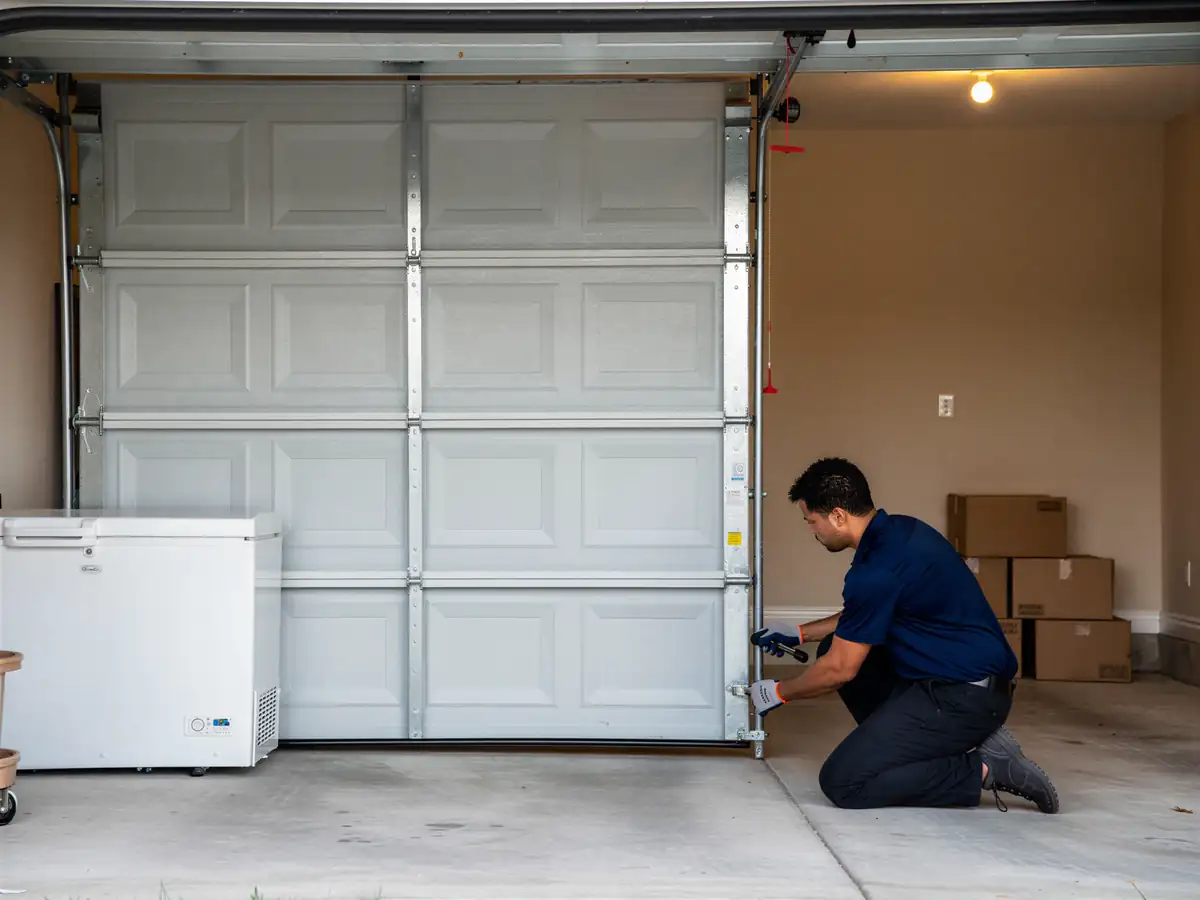
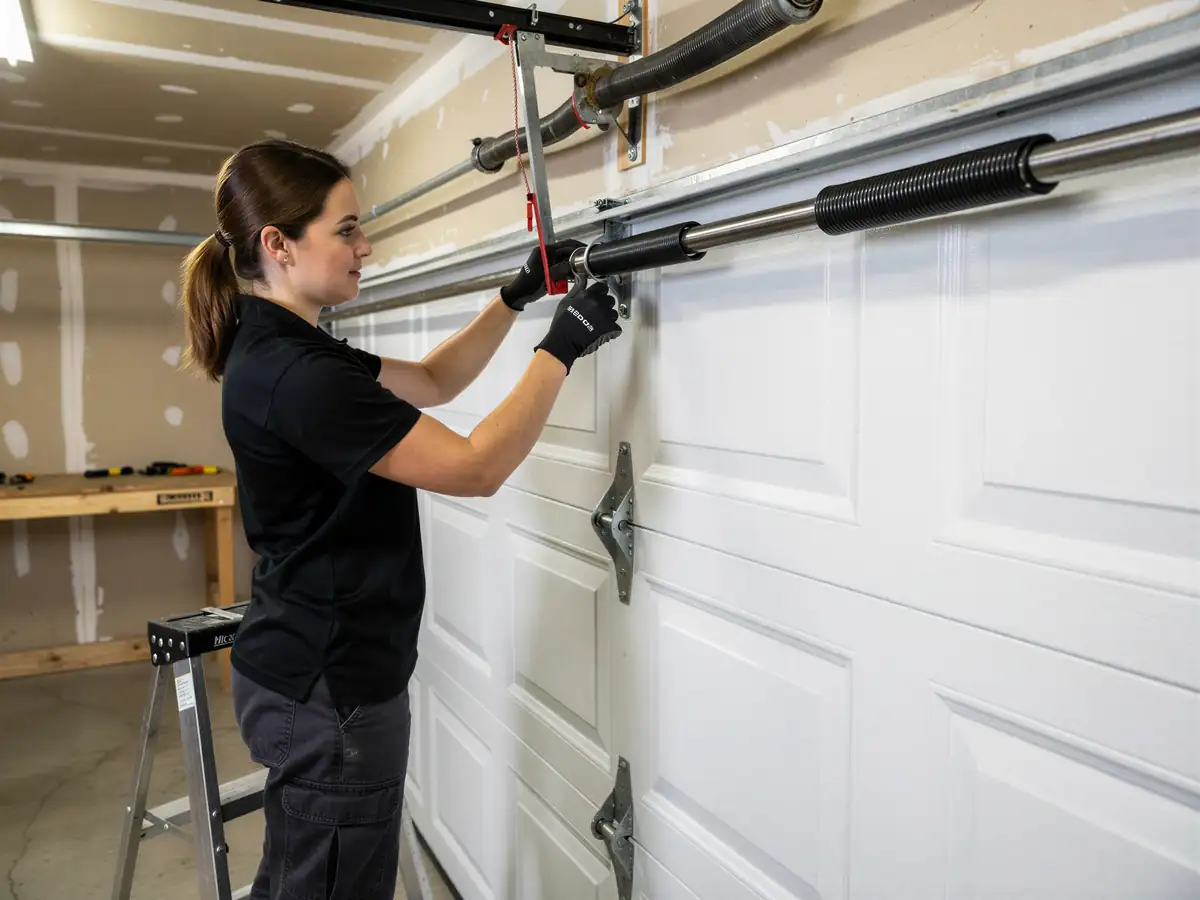
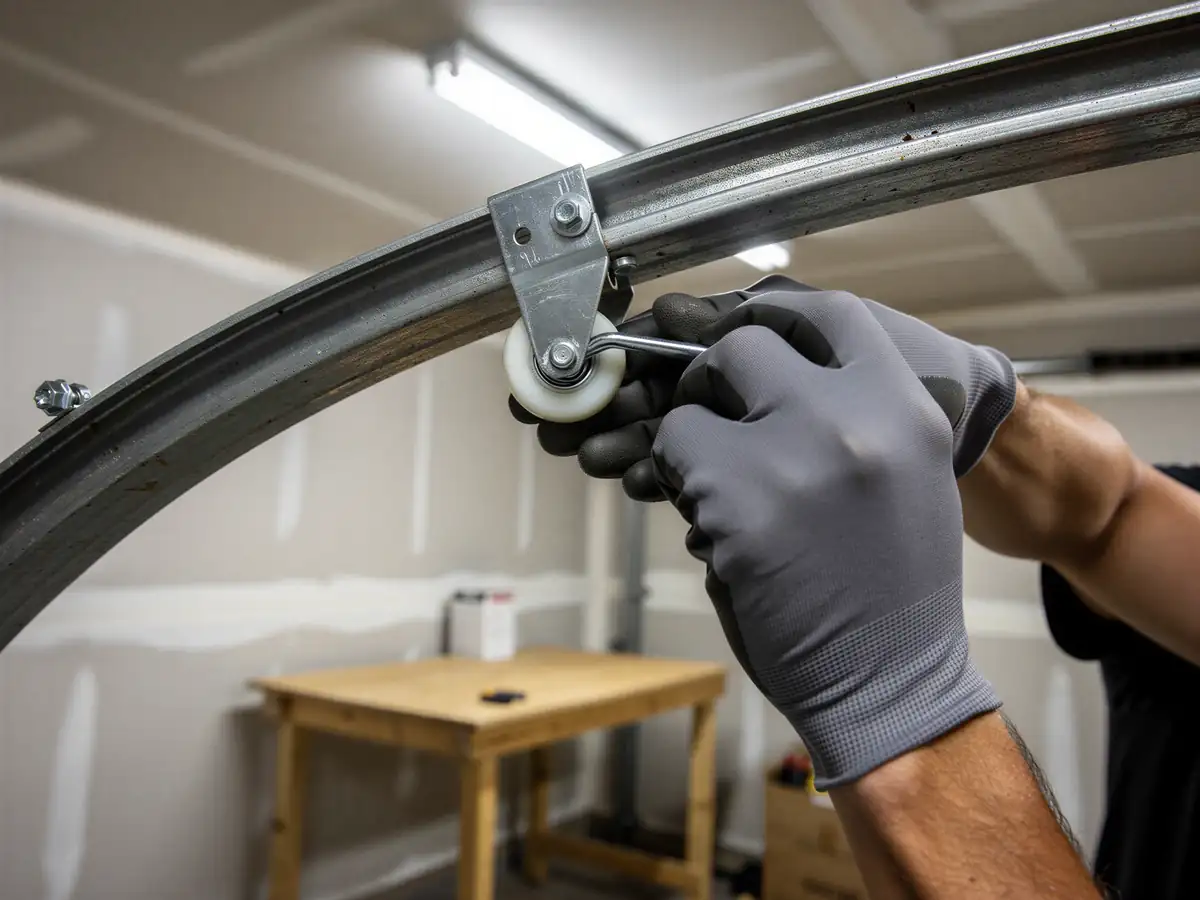
A roller swap looks like a weekend job until you're staring at a track bent out of true on a door that's been riding the same steel rollers since 1957, the year most of Mount Hope's housing went up. The tools aren't the problem - vise grips, a wrench, winding bars if you've got a torsion spring in the way. The problem is sequencing. Pull the wrong roller first on an old track and the whole section can jump the rail while you're holding it. On a house this age, the track brackets are often original too, which means the holes are worn oval instead of round, and a new roller can still ride loose in a bracket that's had seventy years of flex. If you're comfortable with a ladder and you're only doing the bottom two rollers on one side, it's a reasonable DIY job. If the door binds, jumps, or the track shows daylight at the bracket, that's past a roller swap and into bent-track or bent-bracket territory, which is a different repair.
What Is on the Truck
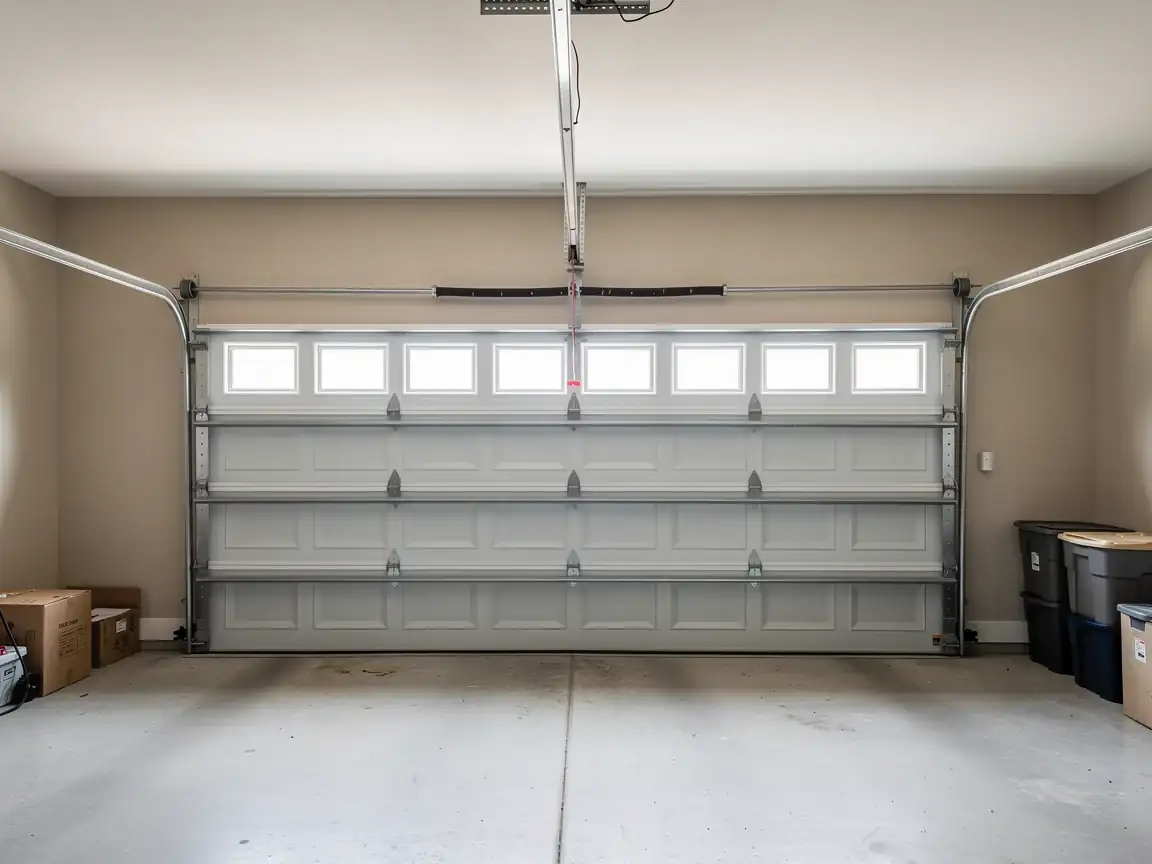
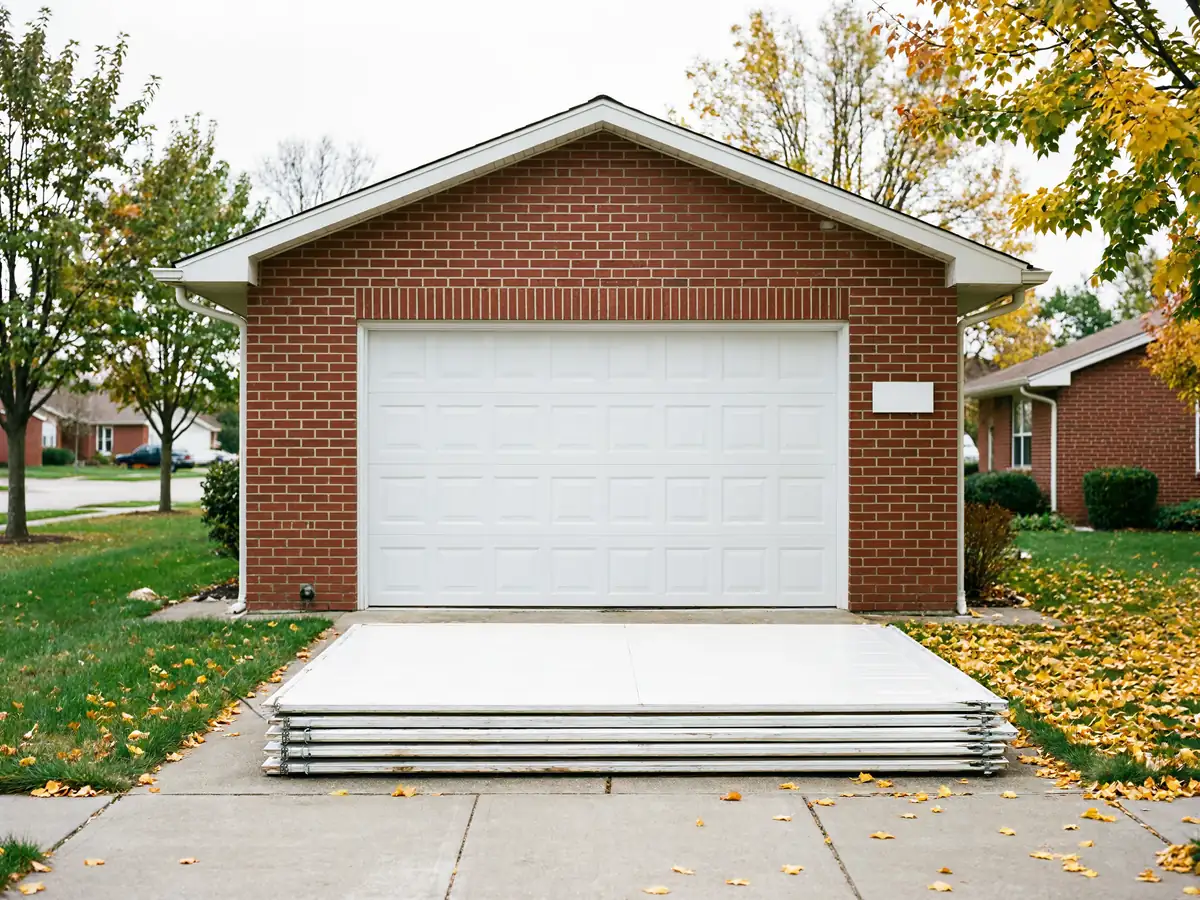
For a roller job we carry both nylon rollers with sealed ball bearings and steel rollers, since which one belongs on a given door depends on what's already there and how the track is wearing - nylon runs quieter but needs more clearance, steel holds up better in a track that's already a little tight. We carry hinges and roller brackets separately from the rollers themselves, because on 1950s-era hardware the bracket is usually the part that's actually failed, not the roller riding in it. We bring both 7-foot and 10-foot track sections for when a bent section needs replacing rather than straightening, and winding bars for any torsion spring that has to come under tension before the door comes apart. What we don't carry on every truck is a full replacement door panel - if the roller wear has gone so far that a panel's cracked at the hinge line, that's a separate order and a second trip, not a same-visit fix.
The Symptom
The giveaway on a house this age is a specific kind of noise: not a squeal, which is usually just a dry roller, but a rhythmic clunk every couple of feet as the door travels, each clunk lining up with where a roller crosses a worn spot in the track. On original hardware from the 1957 build era, that worn spot is almost always near the bottom third of the track, where the door's weight bears hardest on the way down. If the clunk is accompanied by the door drifting to one side as it closes, one roller has likely seized in its bracket and the door is being dragged rather than rolled on that side. Left alone, that drag eventually chips the roller's edge, and a chipped nylon roller can shed material into the track that jams the whole assembly mid-cycle.