Can You Do This Yourself
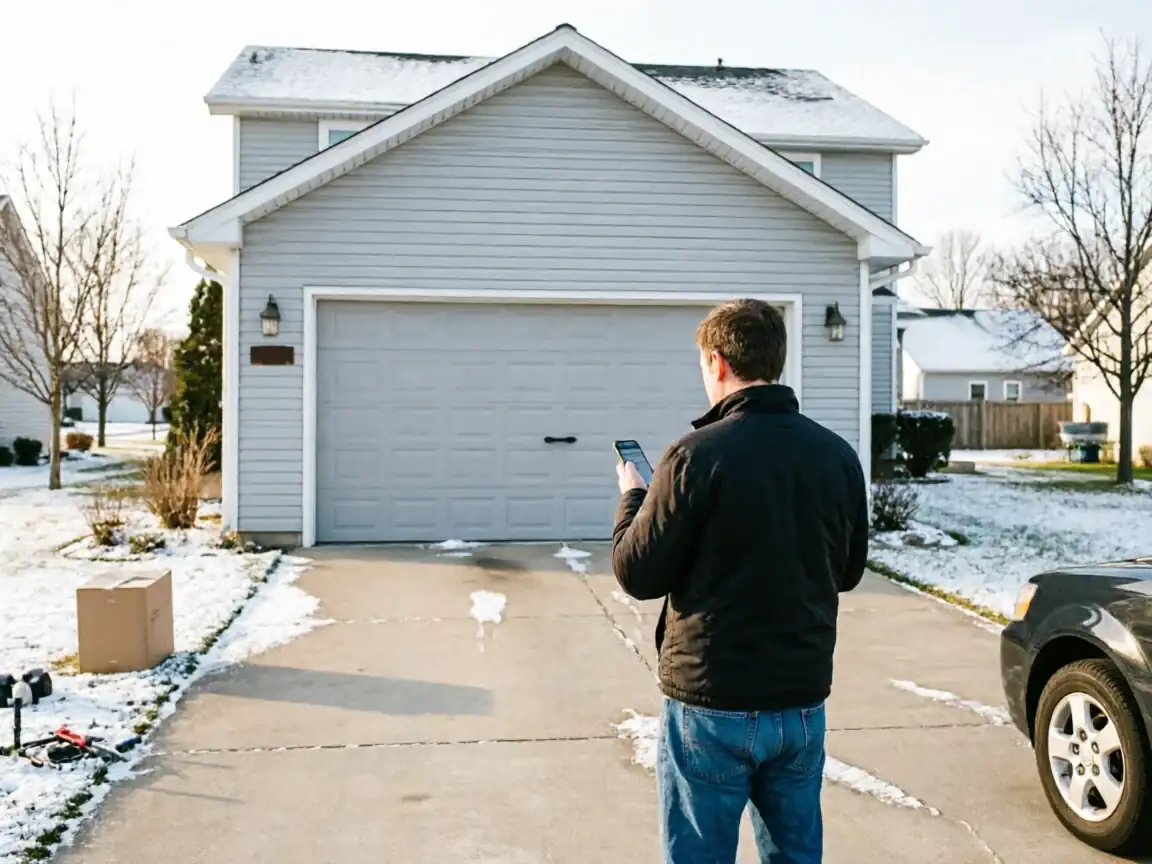
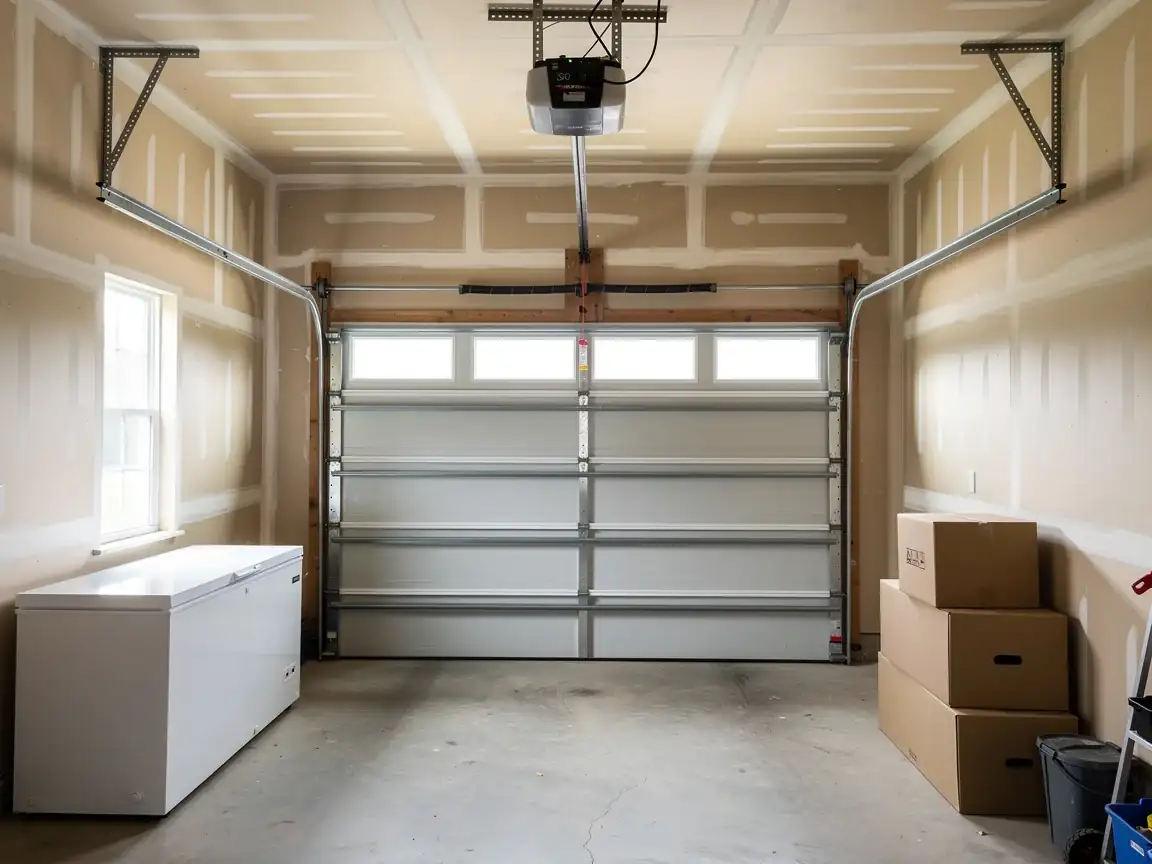
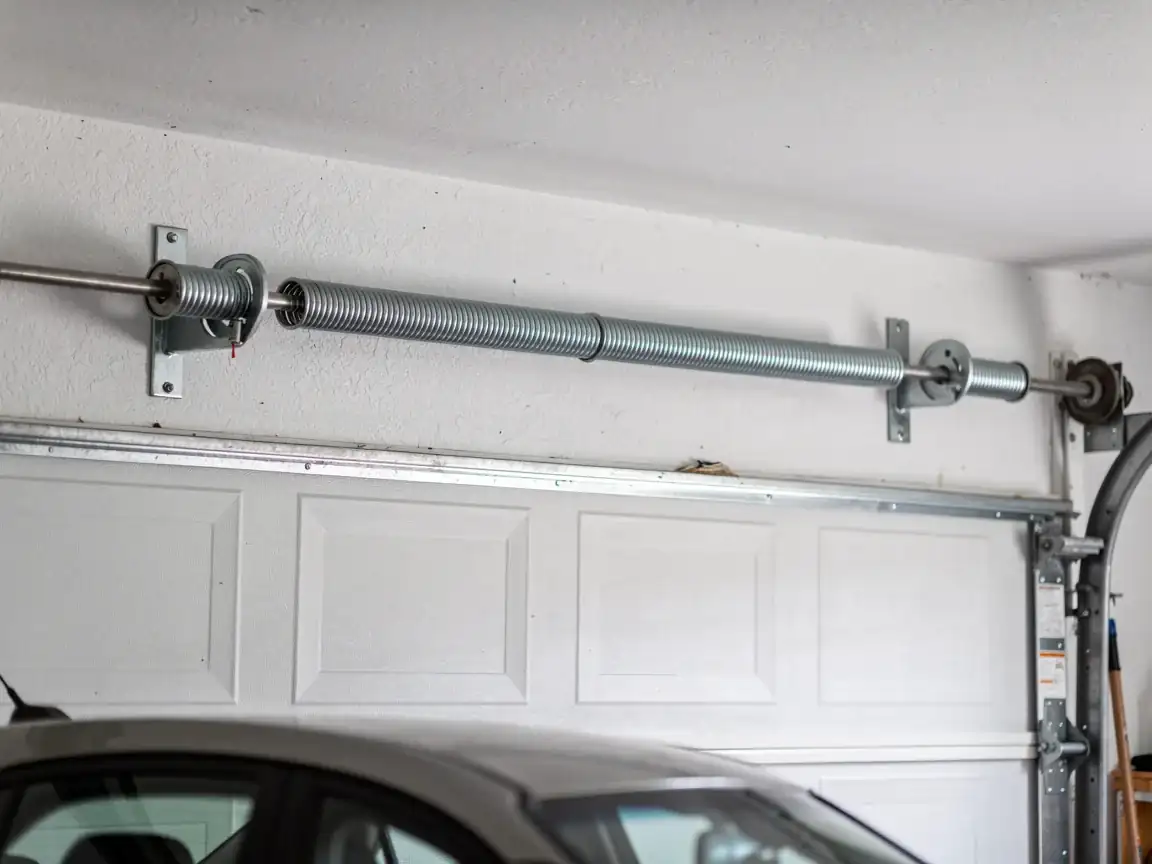
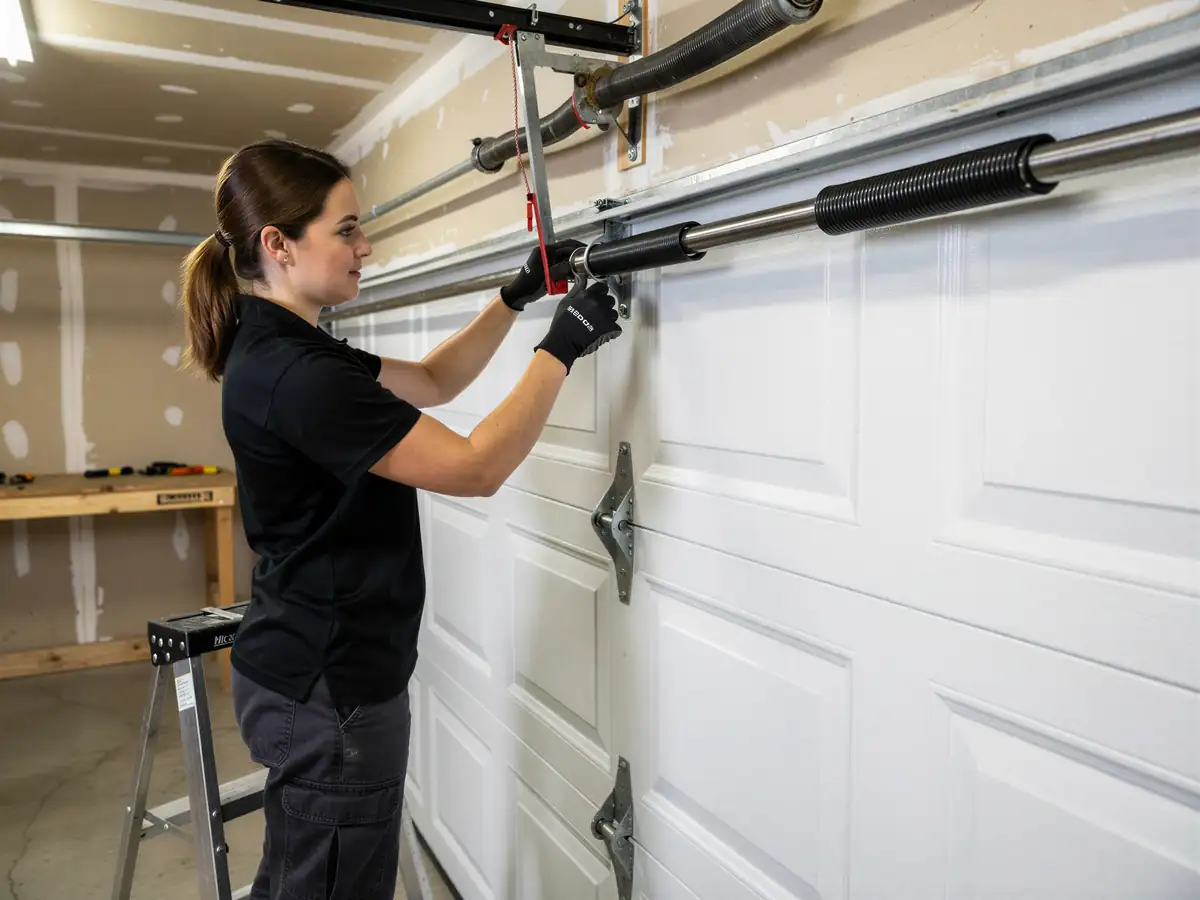
Mount Hope's median house went up in 1957, a few years ahead of the 1964 median for the wider Hutchinson service area. That gap matters for openers because a house this age has usually been through two or three opener generations, but the track and header bracket are often still the originals from the 1950s build. If your opener is chirping, reversing on its own, or the remote range has died, you can check the obvious things yourself first: battery in the remote, the photo-eye sensors knocked out of alignment, the wall button wiring at the switch. A lot of no-start calls turn out to be a tripped breaker or a disconnected safety sensor, and you can rule both out in five minutes without a tool in your hand. What you can't safely sort out yourself is anything involving the spring side of the door or a logic board that's actually fried, since those jobs need the door supported and the power locked out before you touch them. If the opener runs but the door won't move, stop pulling the cord and call it in rather than guessing.
What Is on the Truck
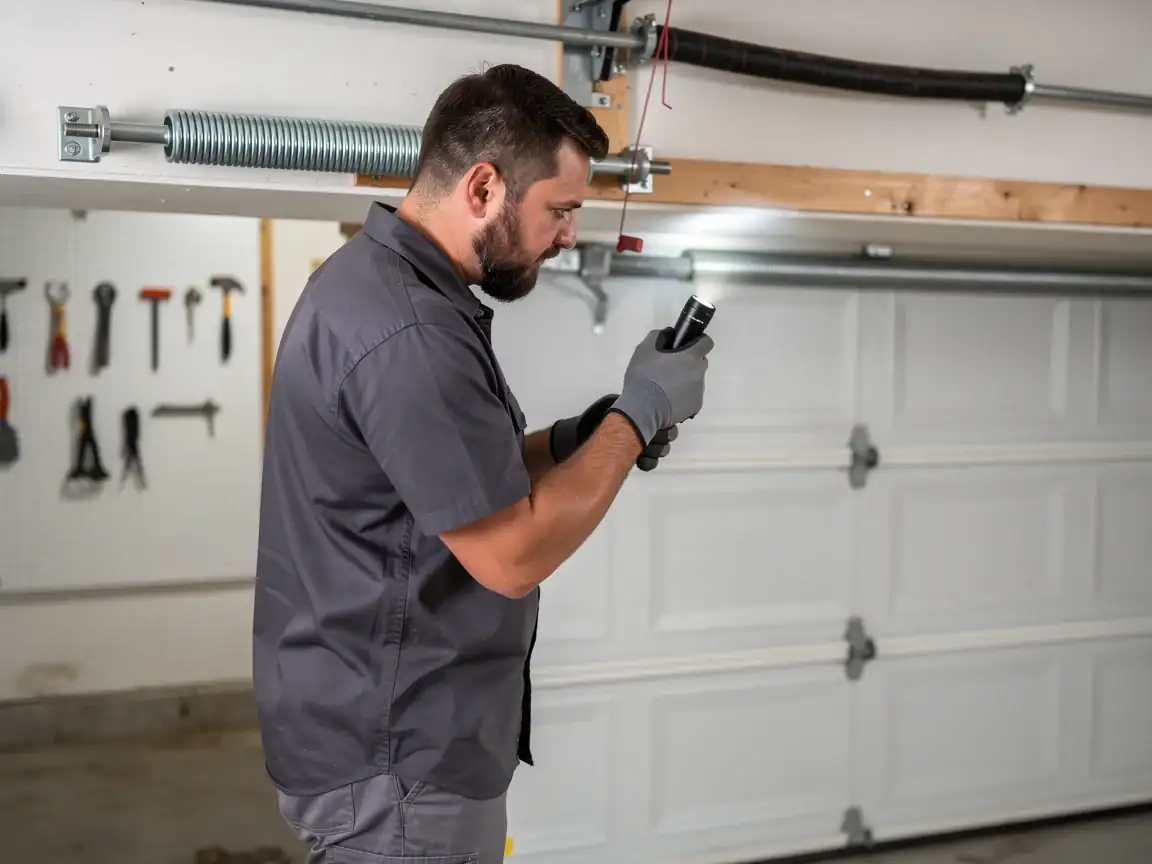
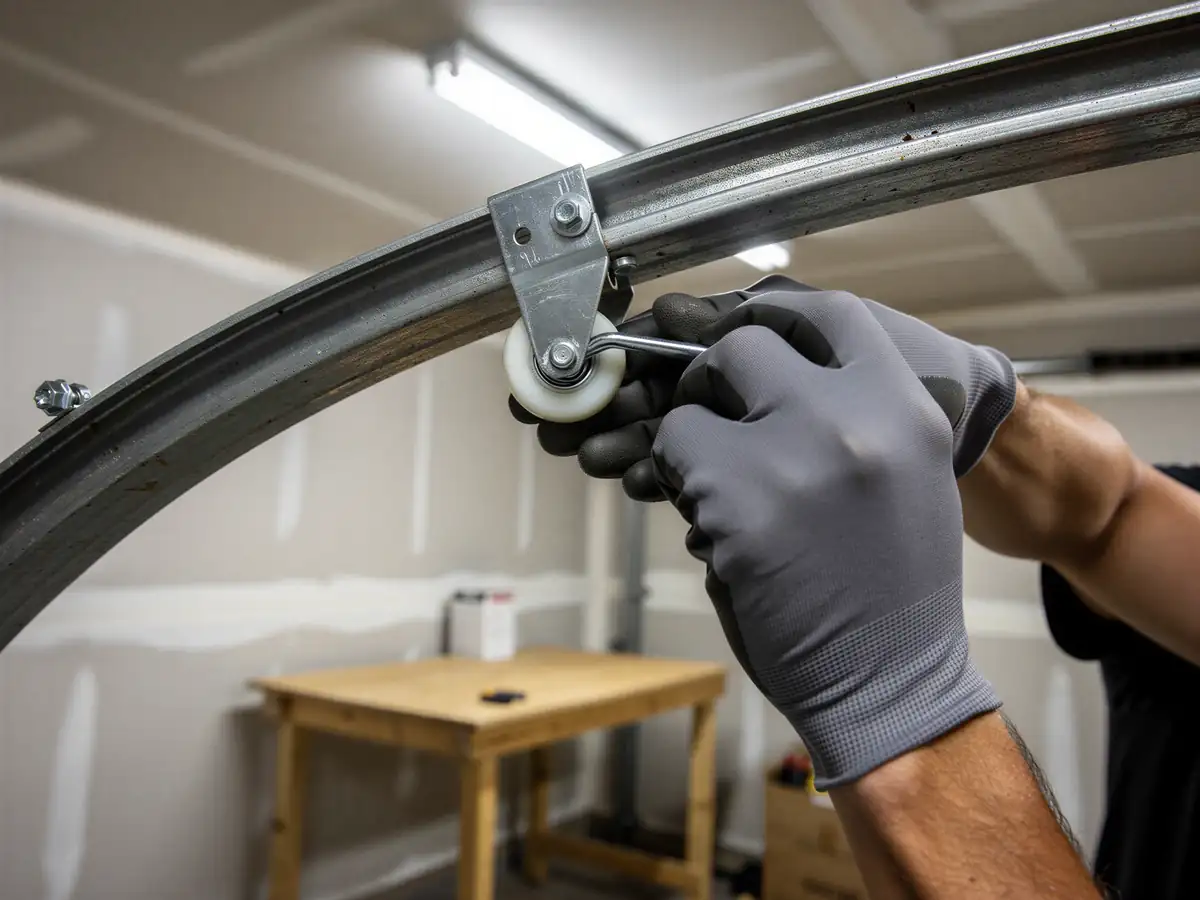
We come out from Hutchinson, about 19 miles, so the truck is stocked for what we expect to find on houses from this era rather than a general grab bag. That means drive gears and sprockets for the chain and belt units common on 1950s-60s garages that got opener upgrades over the years, logic boards for the usual residential brands, travel modules, photo-eye pairs, and wall console units. We carry both sizes of drive chain and the common belt widths, plus the trolley and carriage hardware that wears out on older rail systems. What we don't carry is every obsolete part for a decades-old opener that hasn't been made in years - if your unit is that old and a specific board or motor housing is gone from the supply chain, we'll tell you straight that replacement is the better call rather than quoting a repair we can't actually complete. One honest limit: a same-day parts match isn't guaranteed if your opener turns out to need something uncommon.
The Symptom
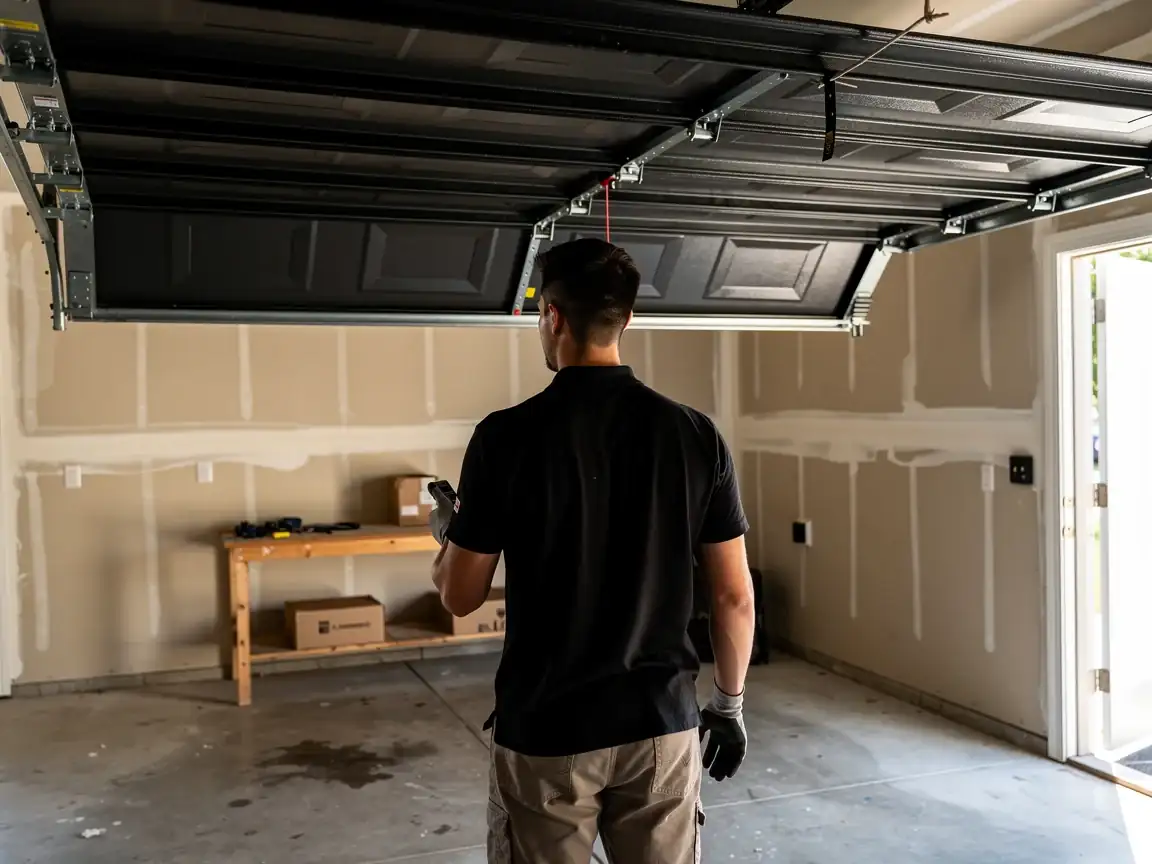
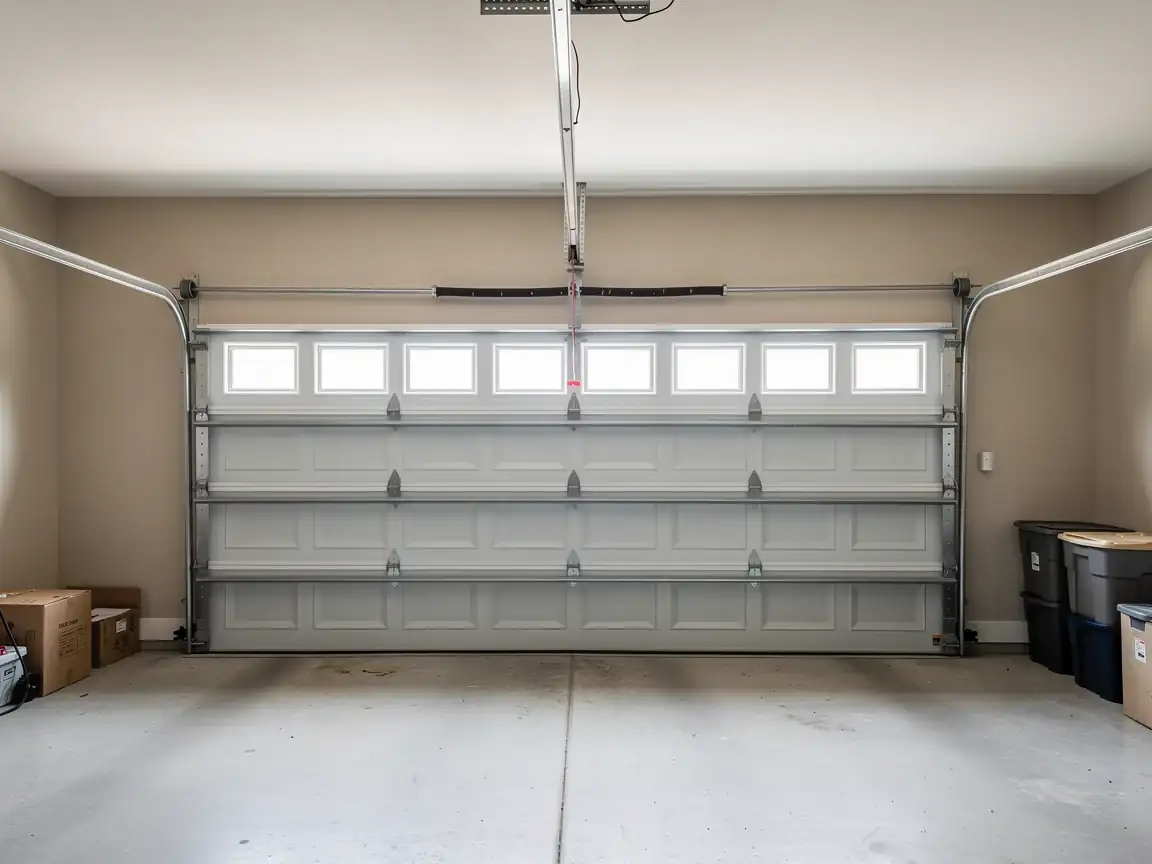
The call we hear most from this side of the service area is the door that reverses right after it starts closing, or stops a foot off the ground and goes back up. On a house built when this one's housing stock was going up, that's usually one of three things: the close-force limit set too sensitive for a door that's gotten heavier with age or added insulation, a photo-eye that's drifted out of alignment on an older bracket, or a drive gear worn enough that the opener loses its position count partway through the cycle. A close second is the opener that runs but makes no noise at the motor and the door doesn't budge - on belt and chain units alike that's almost always the drive mechanism itself, not the motor. We don't guess at these over the phone. We want the model number and what it's doing, then we bring the parts most likely to match what houses of this age actually need.