Can You Do This Yourself
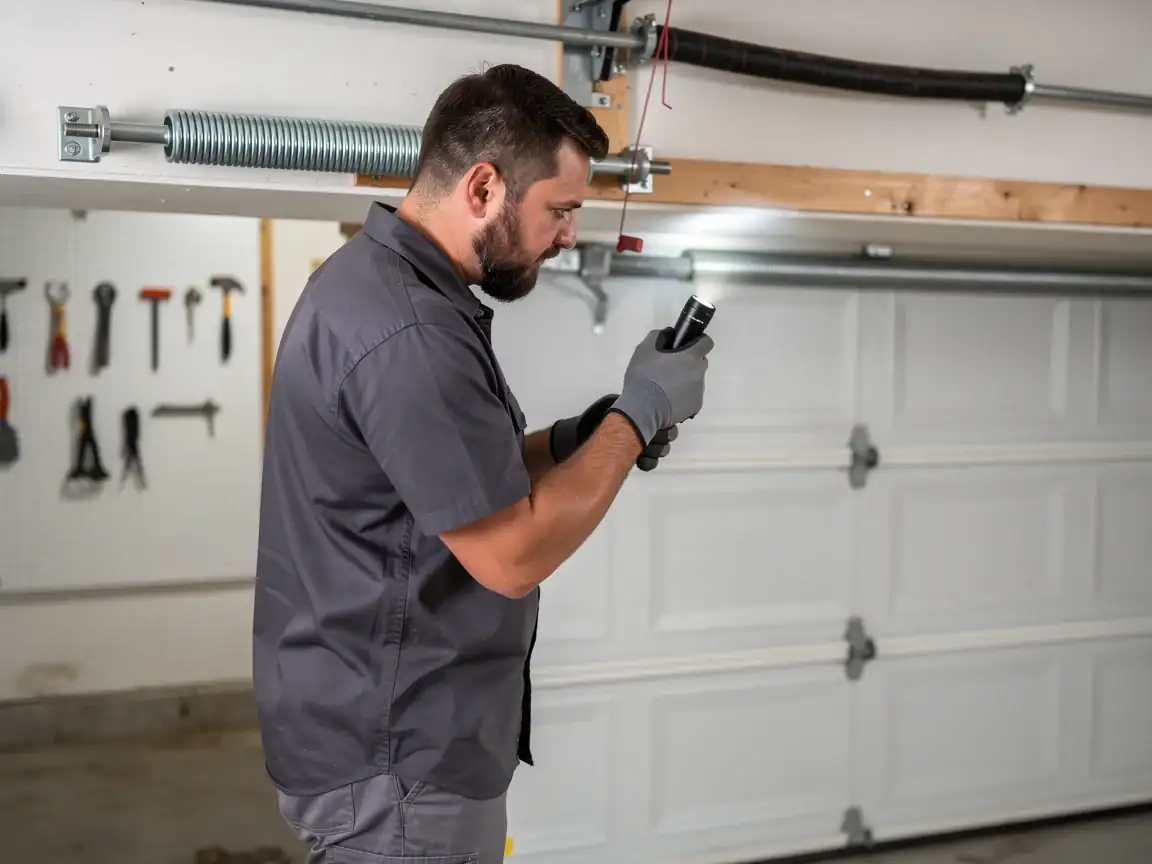
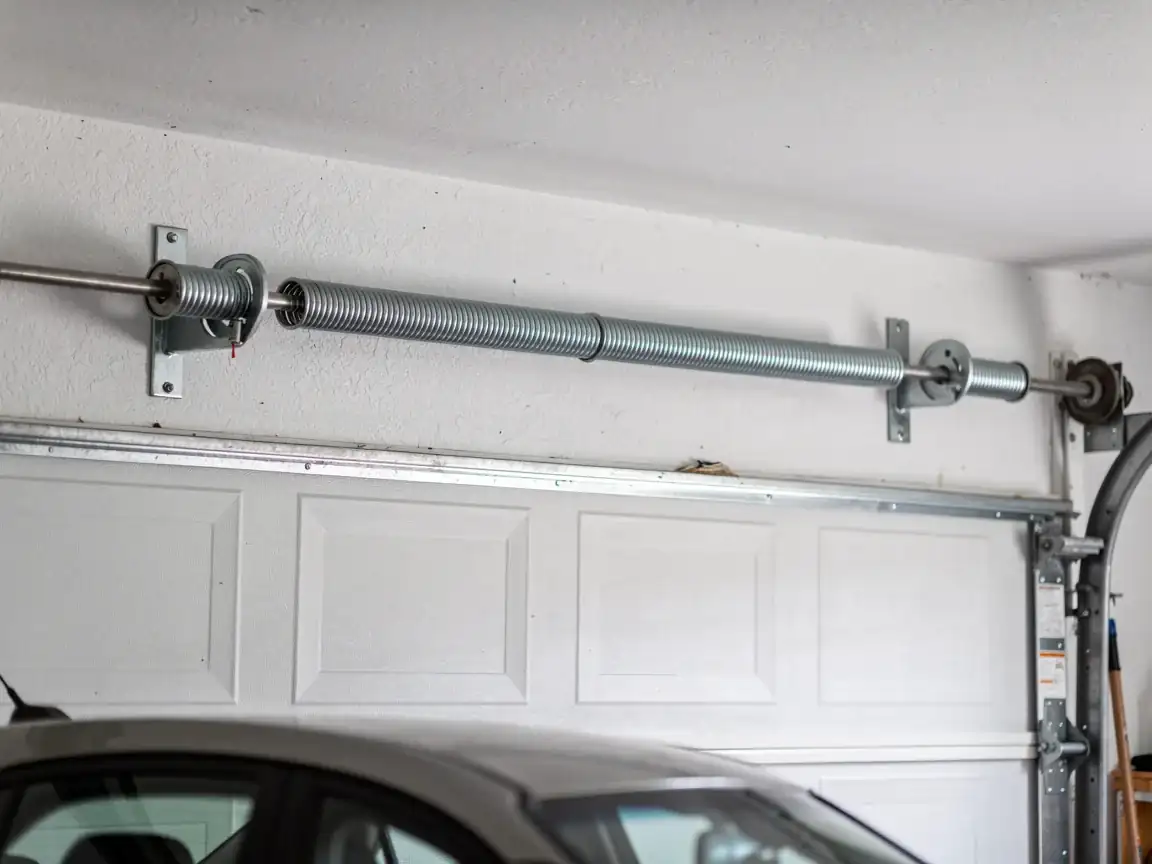
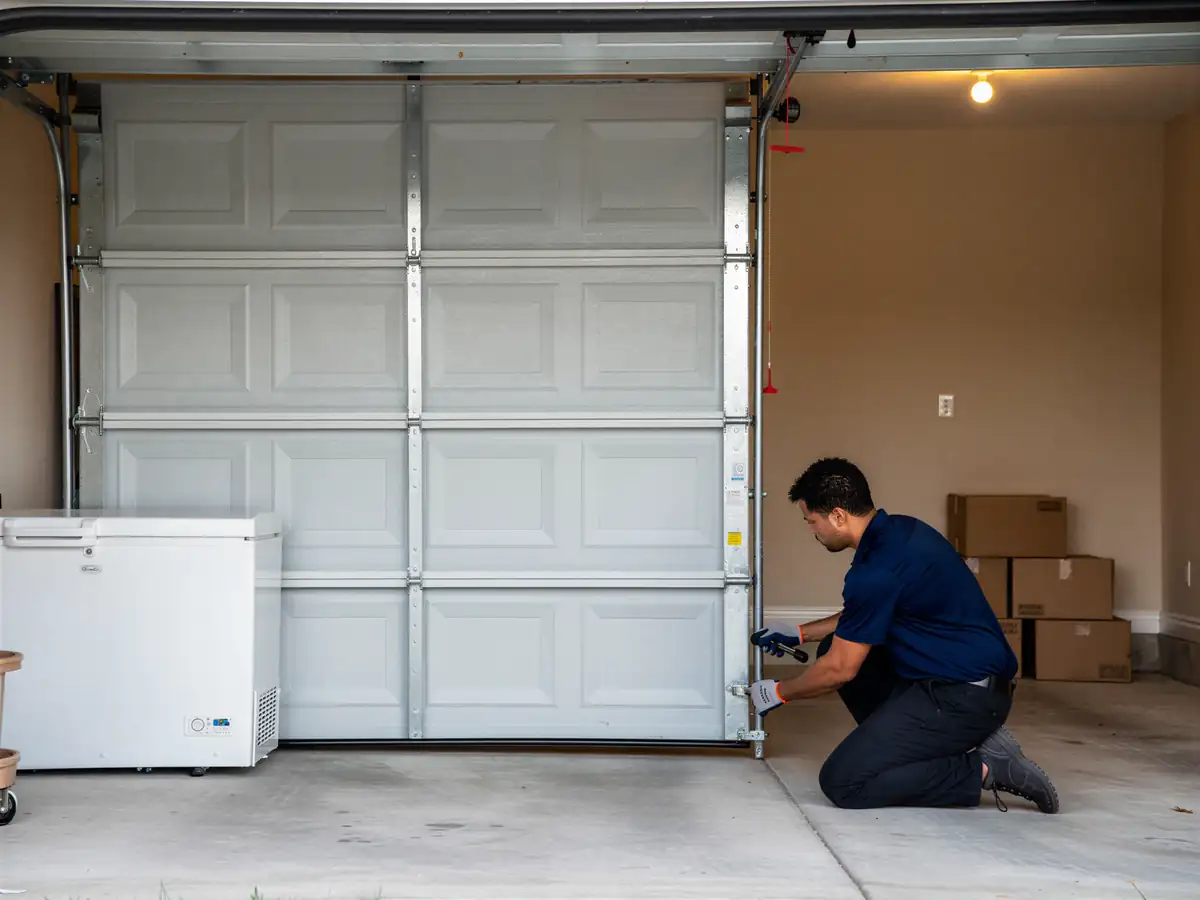
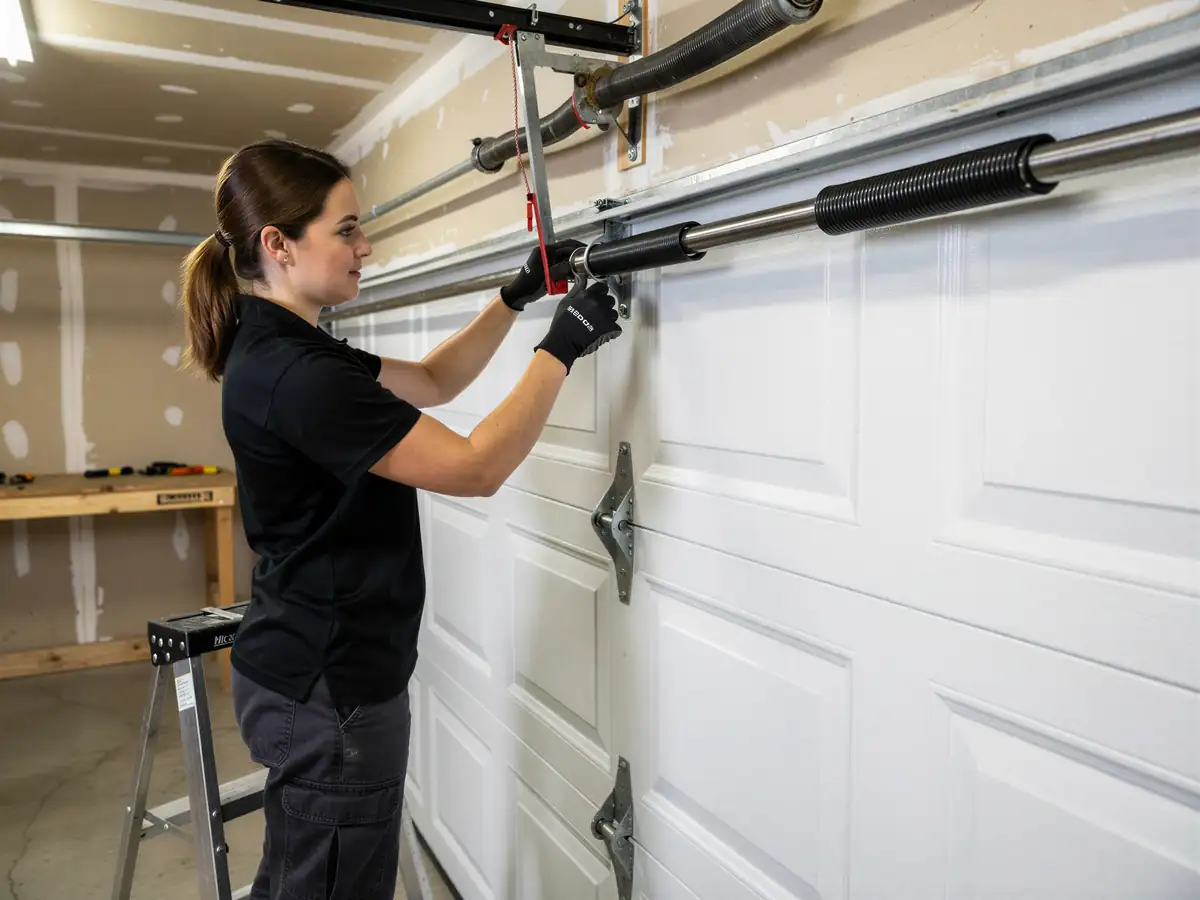
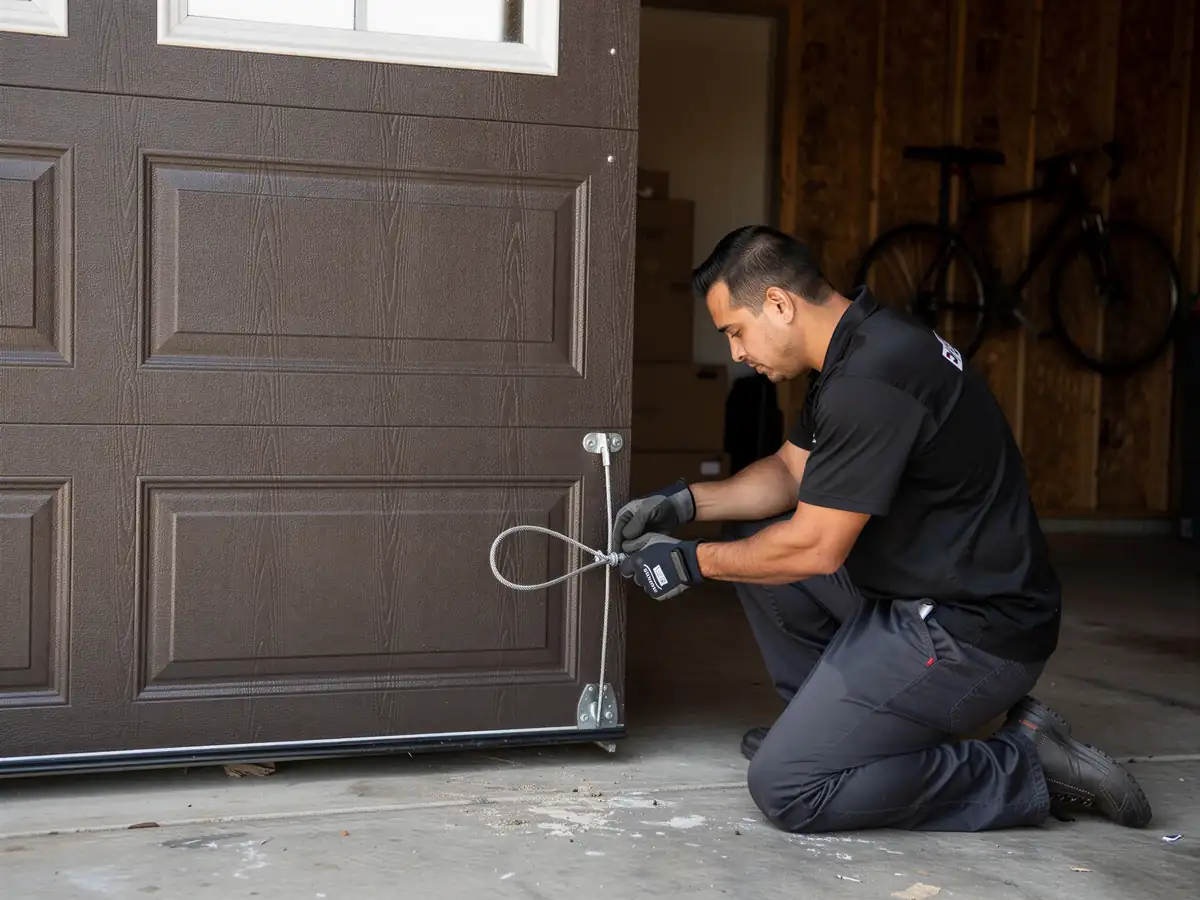
At a median household income of $76,667, Mount Hope sits well above the income level across the wider service area, and that changes the math on this repair before a technician ever shows up. A snapped cable on a torsion-spring door is not a job to free-climb. The door is under load even when it looks still, and a cable that let go once can let go again while you're standing under the section. If the door is stuck half-open or the cable has jumped the drum, leave it. Don't try to pry the panel back into the track or force the opener to close it - that bends track and strips the opener's gears, turning a cable job into a track-and-opener job. What you can safely do yourself: unplug the opener, keep the door where it sits, and check whether the cable frayed at the drum or snapped at the bottom bracket. That tells the tech what to bring and saves a second trip. With roughly 310 households in Mount Hope and houses mostly dating to the late 1950s, most of what we see out here is original hardware that's simply worn out, not a dramatic failure - which is good news, because worn-out is cheap to fix.
What Is on the Truck
We come from Hutchinson, 19 miles out, so what's loaded before we leave matters more here than on a closer call. For cable work that means galvanized replacement cable in the common gauges, matched drums for the sizes we see most across the 1943-1975 housing band, safety cables, and the clamps and fish hooks to route them correctly around the bottom bracket. We also bring a full spring-down kit, because a cable failure on an older torsion system sometimes reveals a spring that's past its own service life, and separating the two jobs wastes everyone's trip. What we don't carry is every obsolete drum size that 1950s-era doors sometimes used - if your hardware is non-standard, we may need to order a part rather than fix it same-visit. We'd rather tell you that on the phone than after we're on-site.
The Symptom
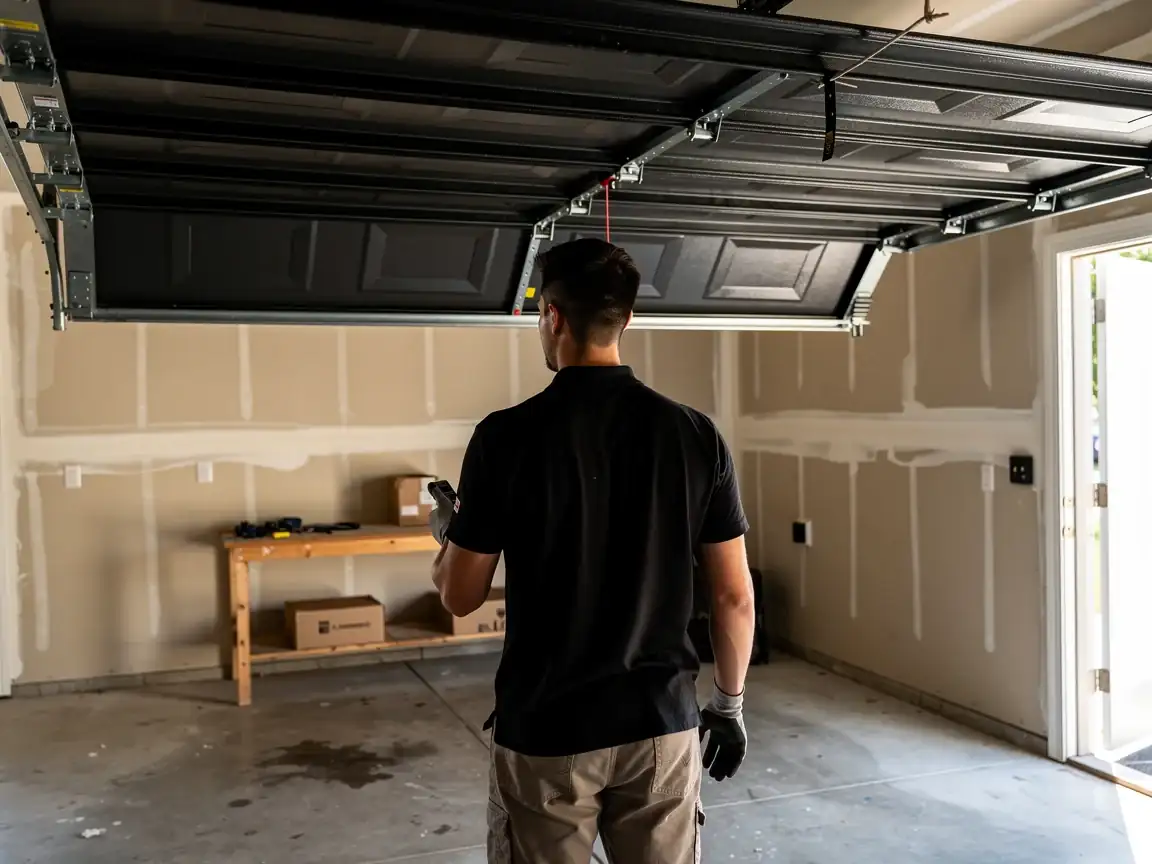
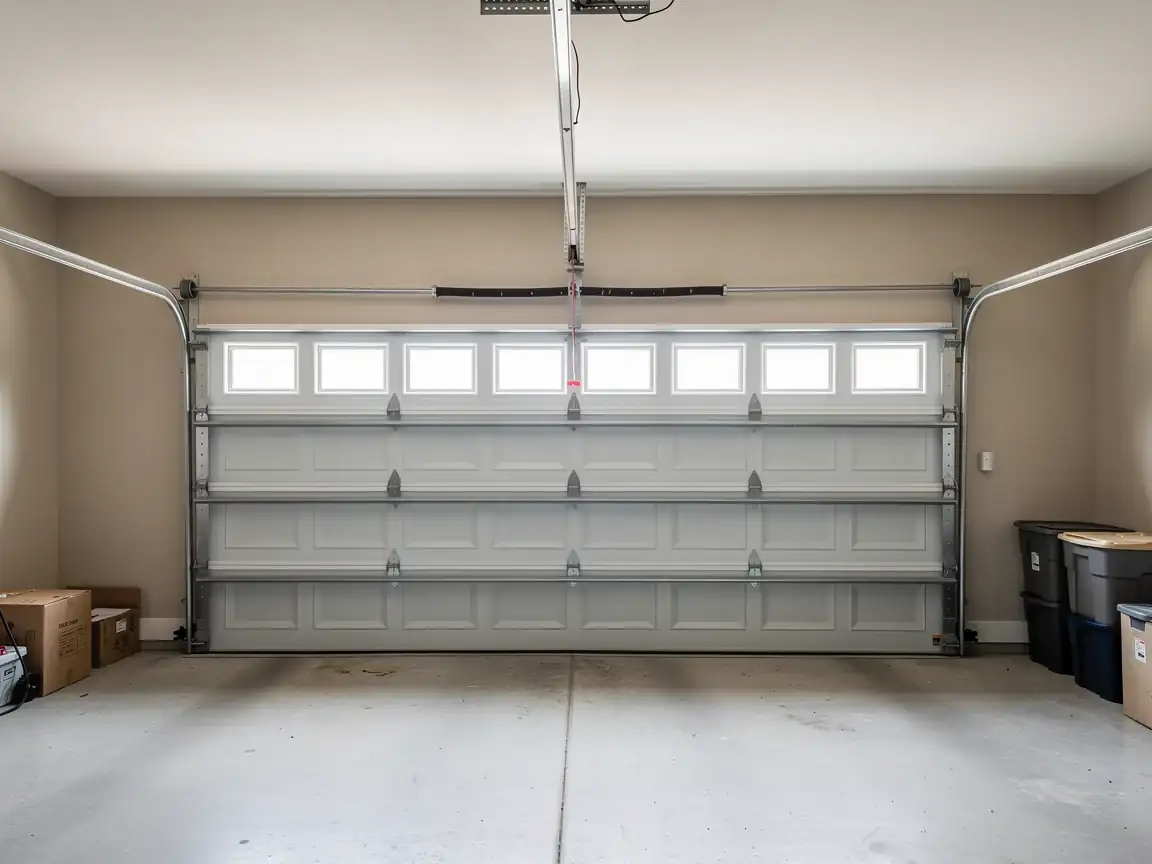
The cable that fails on a Mount Hope door usually shows itself one of two ways. Either the door drops hard and stops a few inches off the floor, hanging crooked on one side with the cable visibly loose or unspooled from the drum - or the door won't move at all, the opener straining against a cable that's slipped off track entirely. On a cold morning, a cable that's been fraying slowly can finally give when the steel contracts and the slack changes just enough. Climate here runs cold-moderate, and that swing between a mild afternoon and a hard freeze overnight is exactly the kind of cycling that finishes off a cable already worn thin from decades of travel over the same drum groove. If you hear a loud bang followed by the door refusing to open, that's almost always this, not the opener.