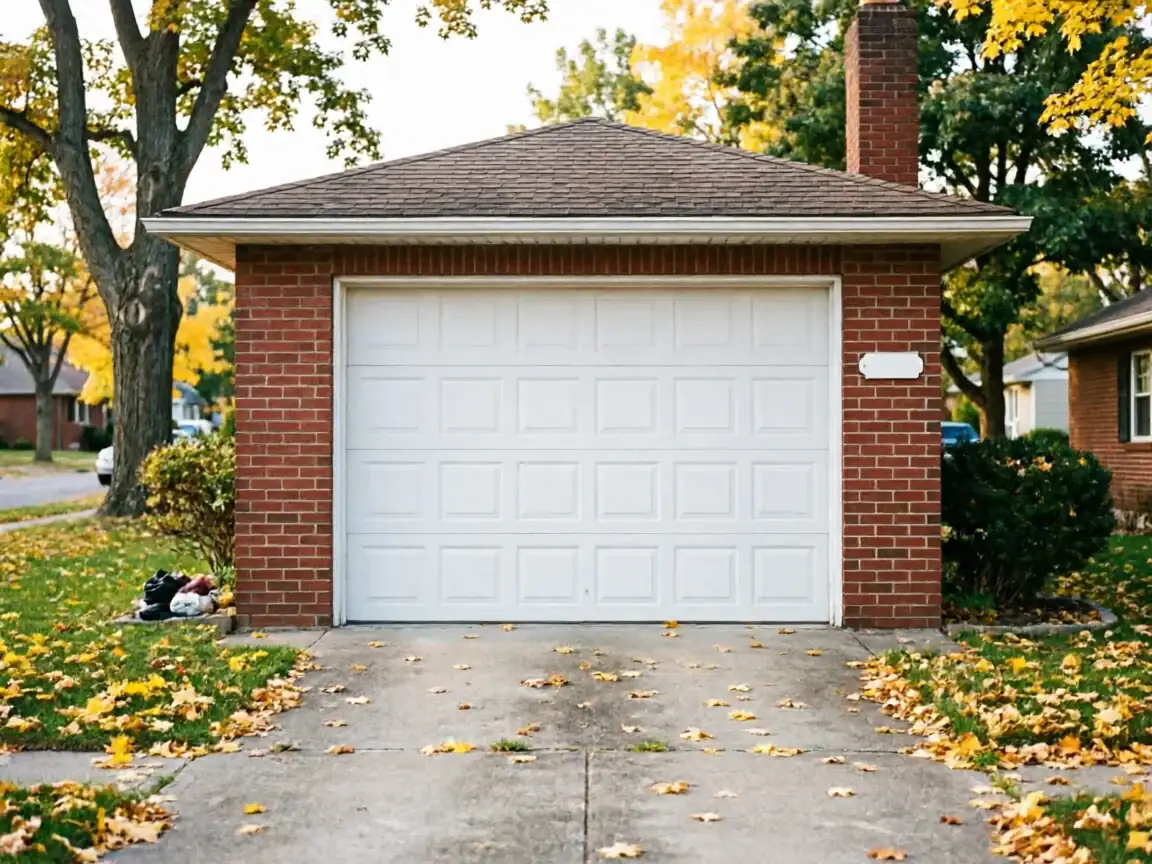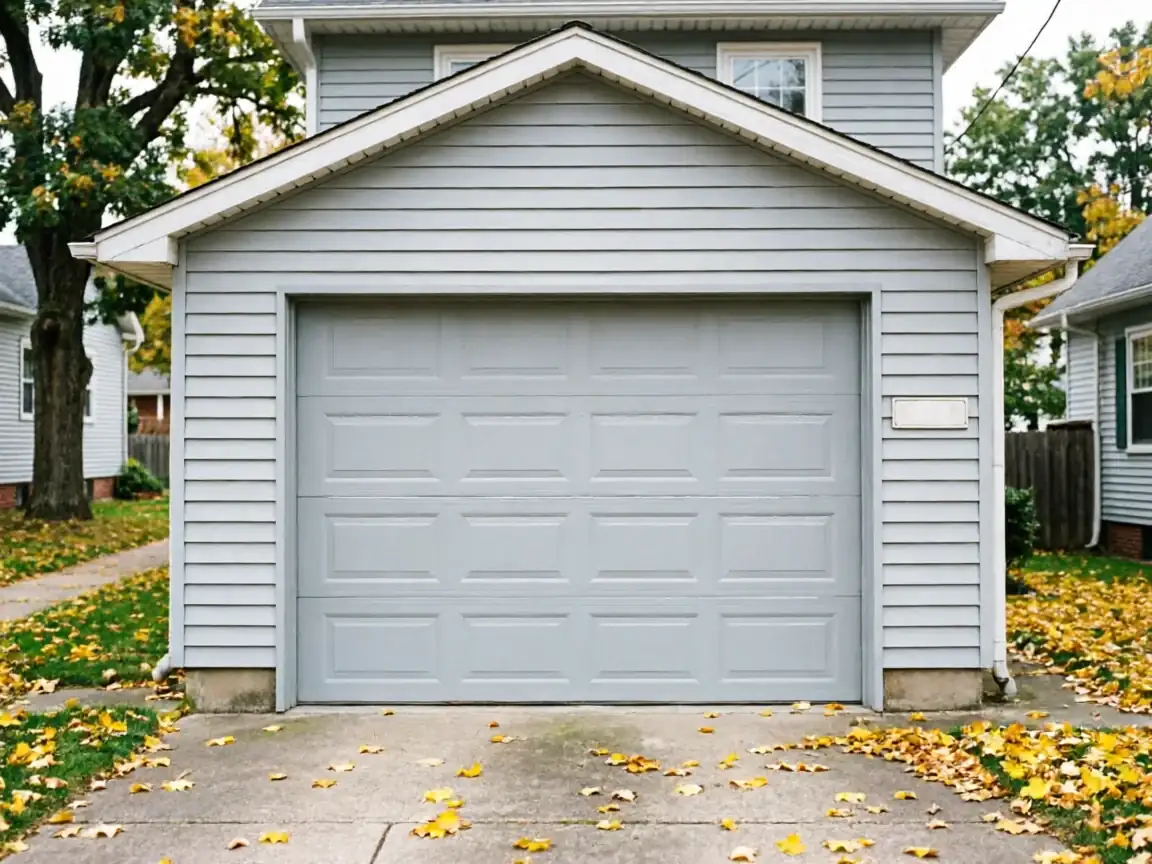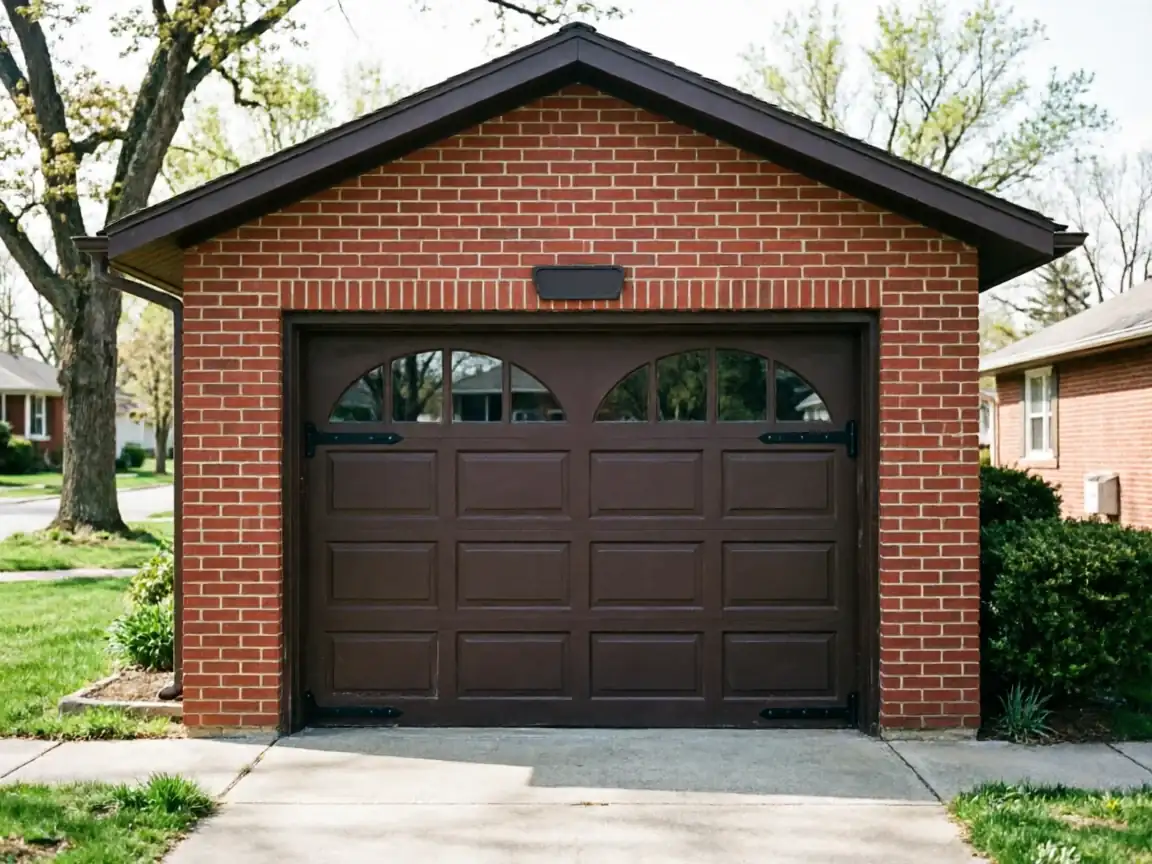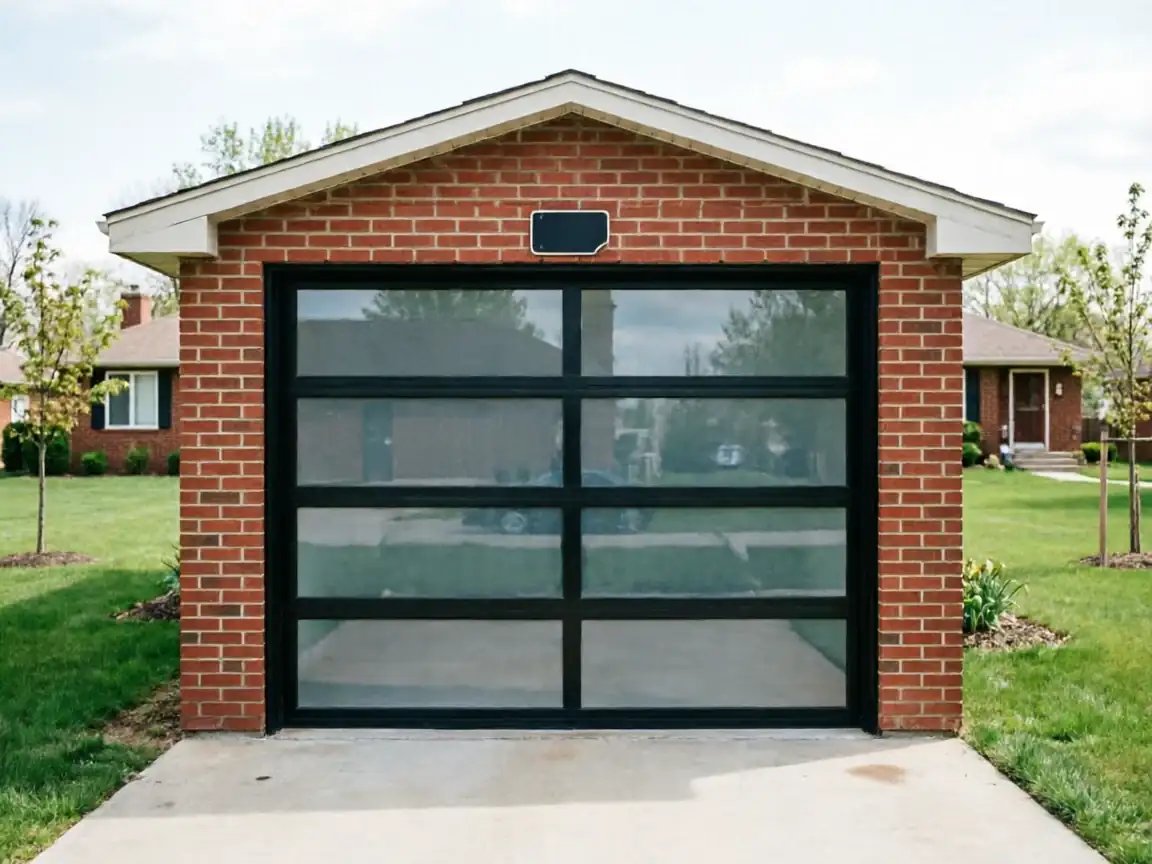
The Symptom
Inman is 14 miles out from our shop in Hutchinson, which changes how a job here gets run before we even talk about the door. We don't send a truck out on a guess - we confirm the opening size, the track type, and what's failing before we load up, because a forgotten part means another 14 miles each way.
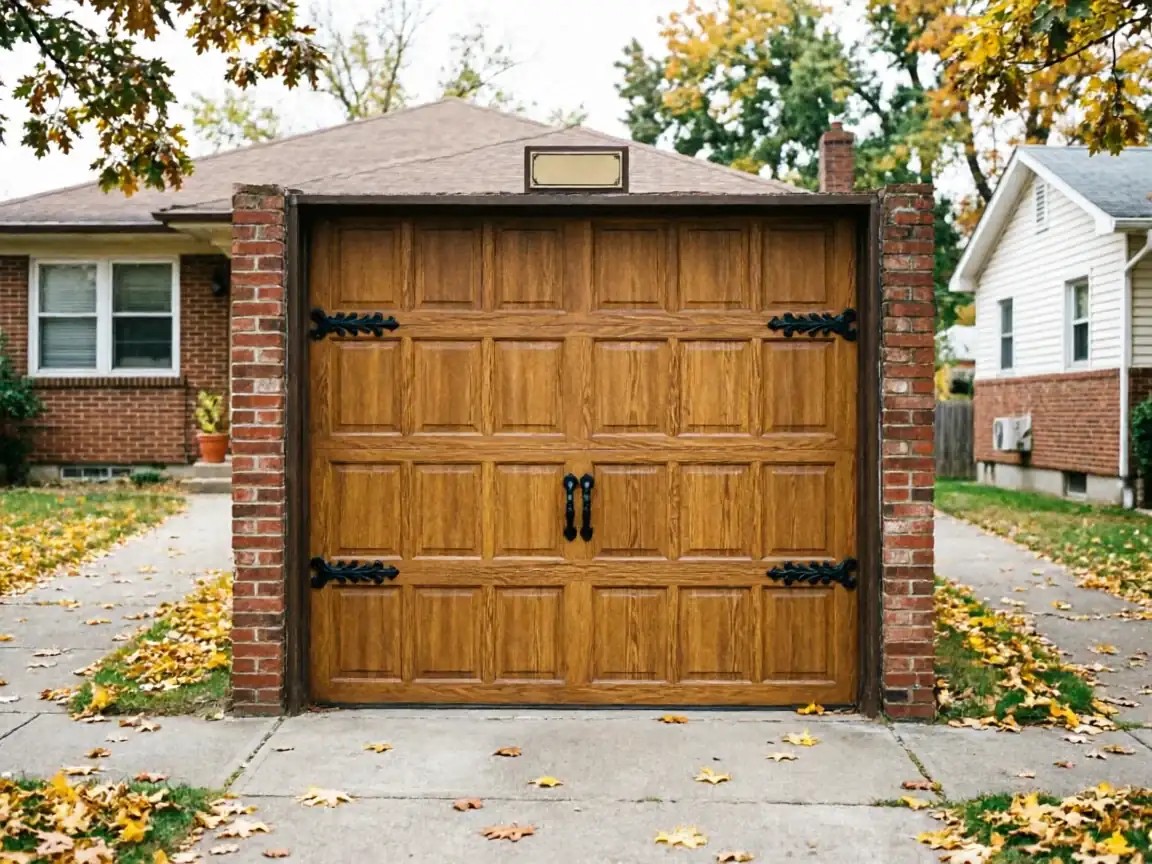
The houses out here skew newer than most of the service area. Where a lot of the county was built out by the early 1960s, Inman's median year built sits around 1975. That decade's builder-grade steel sectional doors are now 50 years old, and a lot of them are on their second or third spring but still running the original track and drum. When one of those doors finally needs replacing, it's usually not a sudden break - it's a door that's gotten heavy to lift, sags at the bottom panel, or won't seal against the cold anymore because the old polystyrene core has compressed flat.
That combination - newer framing than the rest of the area, but original 1970s hardware - is the thing to know before you call. It tells us what width and what spring weight we're likely loading onto the truck before we ever see the opening.
What Is on the Truck
Because the drive out to Inman is long enough that a second trip costs real time, we load for the job we expect
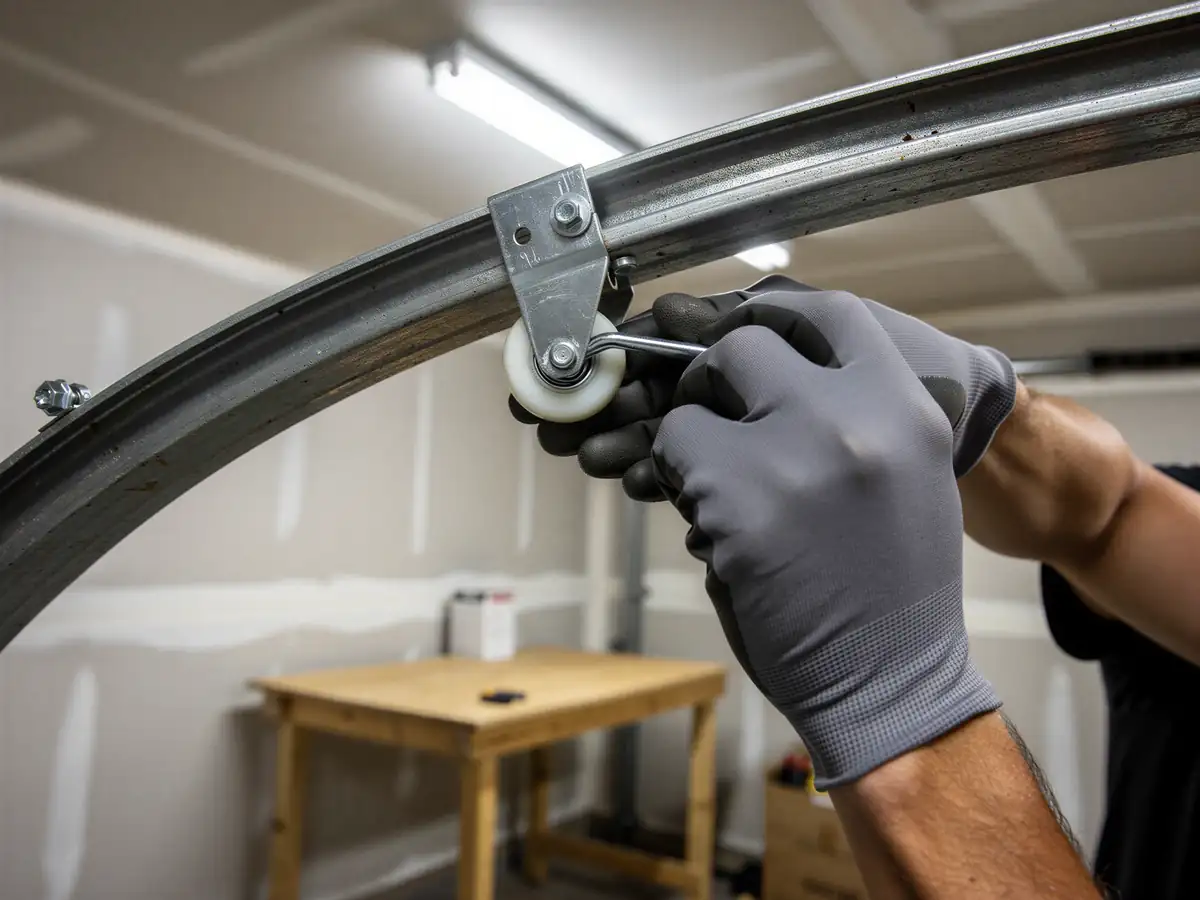
Not just the door itself. That means torsion springs across the common weight ranges for 1970s-era single and double openings, since that's the stock we most often find out here, plus the track hardware and end bearings that tend to fail alongside an aging door rather than after it.
We also bring insulated door options rather than only uninsulated steel
Because this area sits in a cold moderate climate band. A door with a decent R-value core matters more here than it would somewhere with mild winters - an uninsulated panel on an attached garage lets cold straight through to whatever wall it shares with the house.
What we don't carry on spec is a full run of custom widths or specialty finishes
Those get ordered once we've measured your opening, and the honest limitation is that anything outside a standard width means a lead time before install day, not a same-visit swap.
Can You Do This Yourself
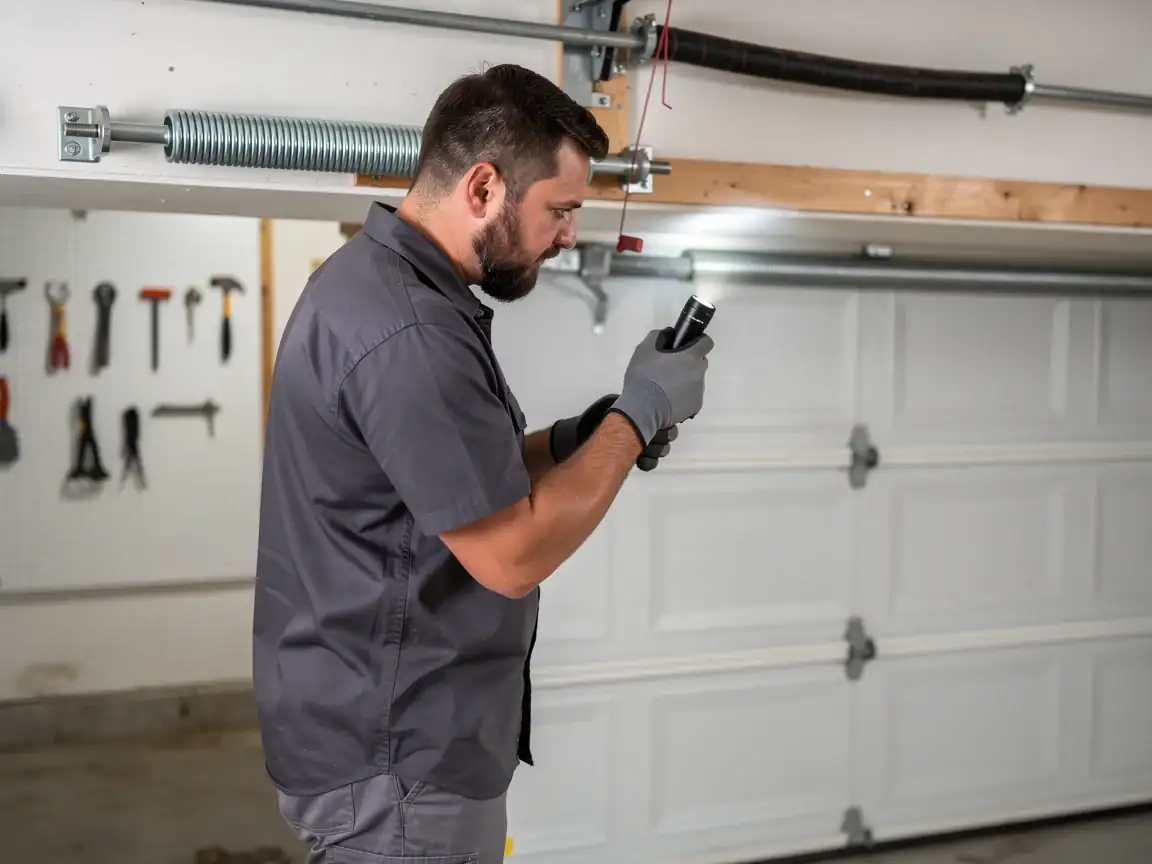
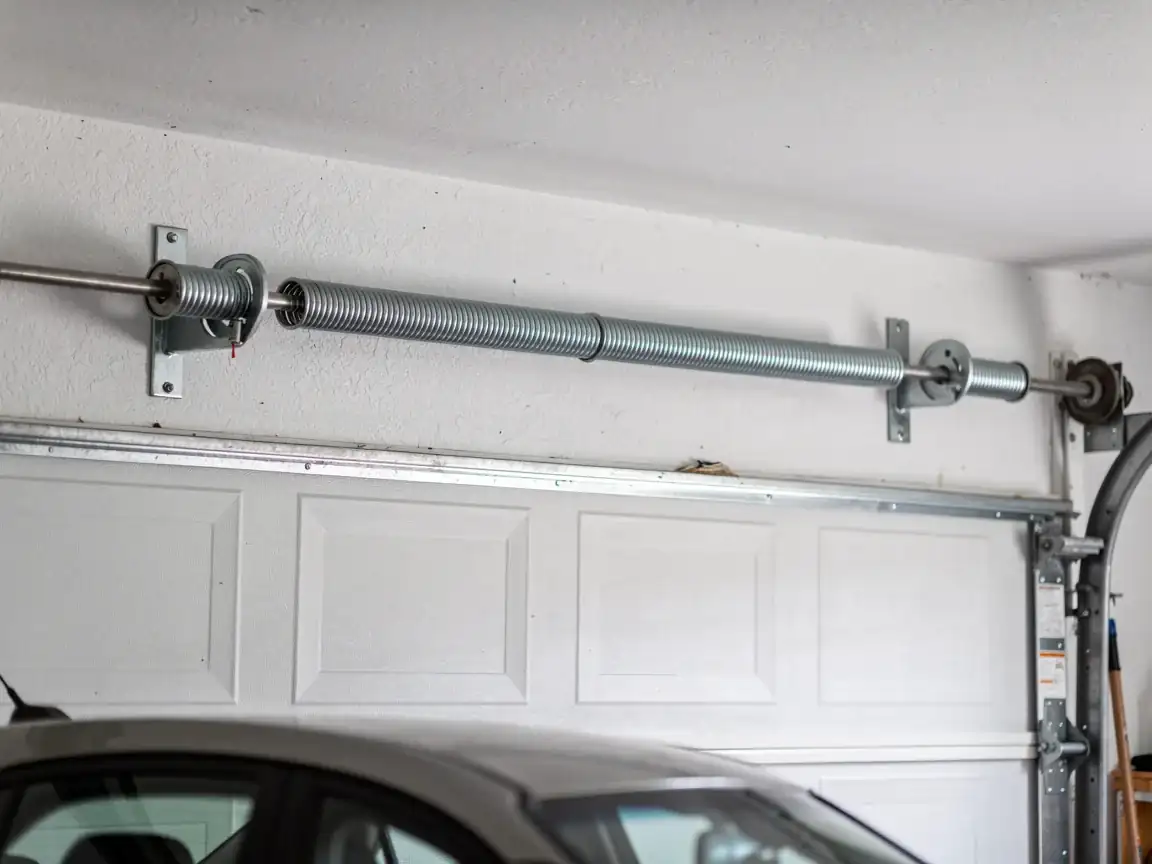
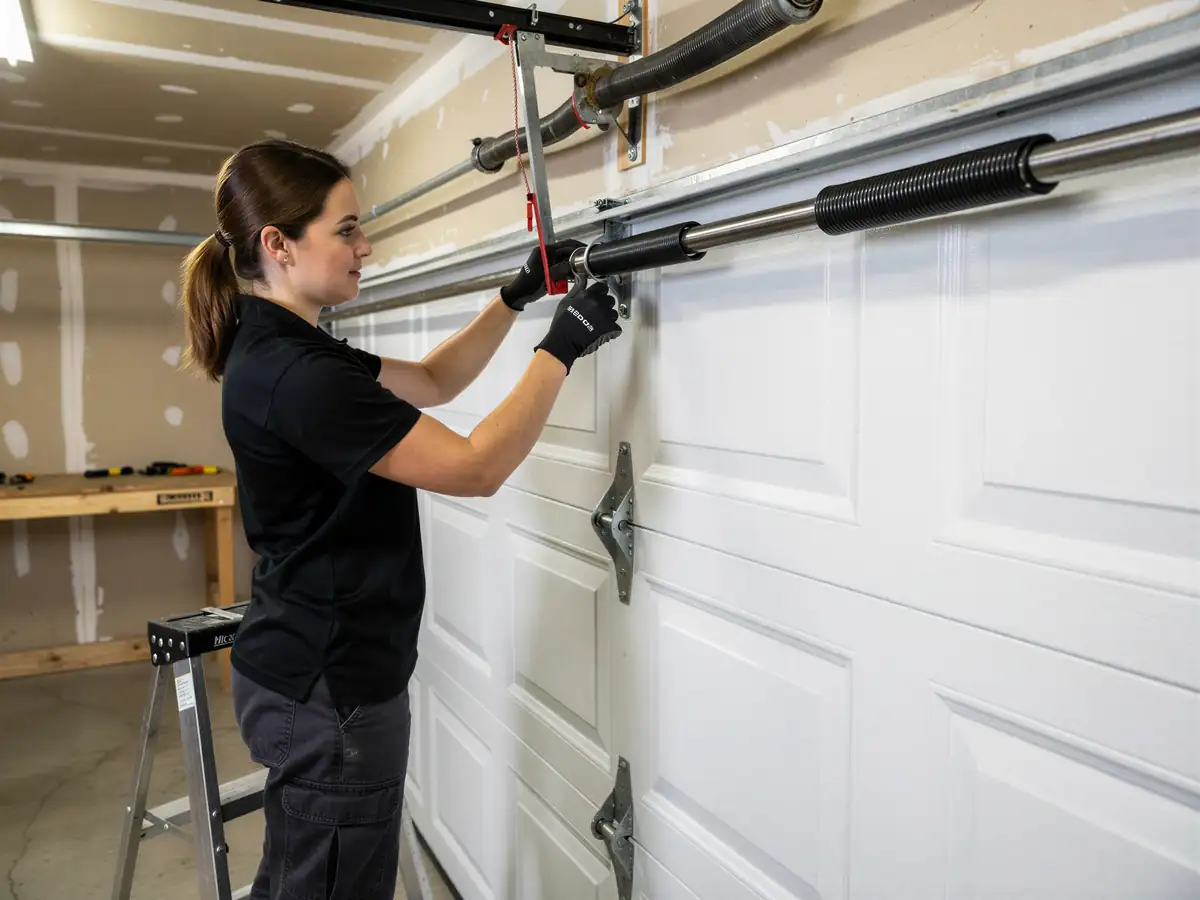
A garage door install isn't a weekend project most homeowners should take on themselves, and the reason isn't the door panels - it's the torsion spring. A wound spring on a double door is holding enough stored tension to cause a serious injury if the winding bars slip, and that's true whether the door is new or forty years old.
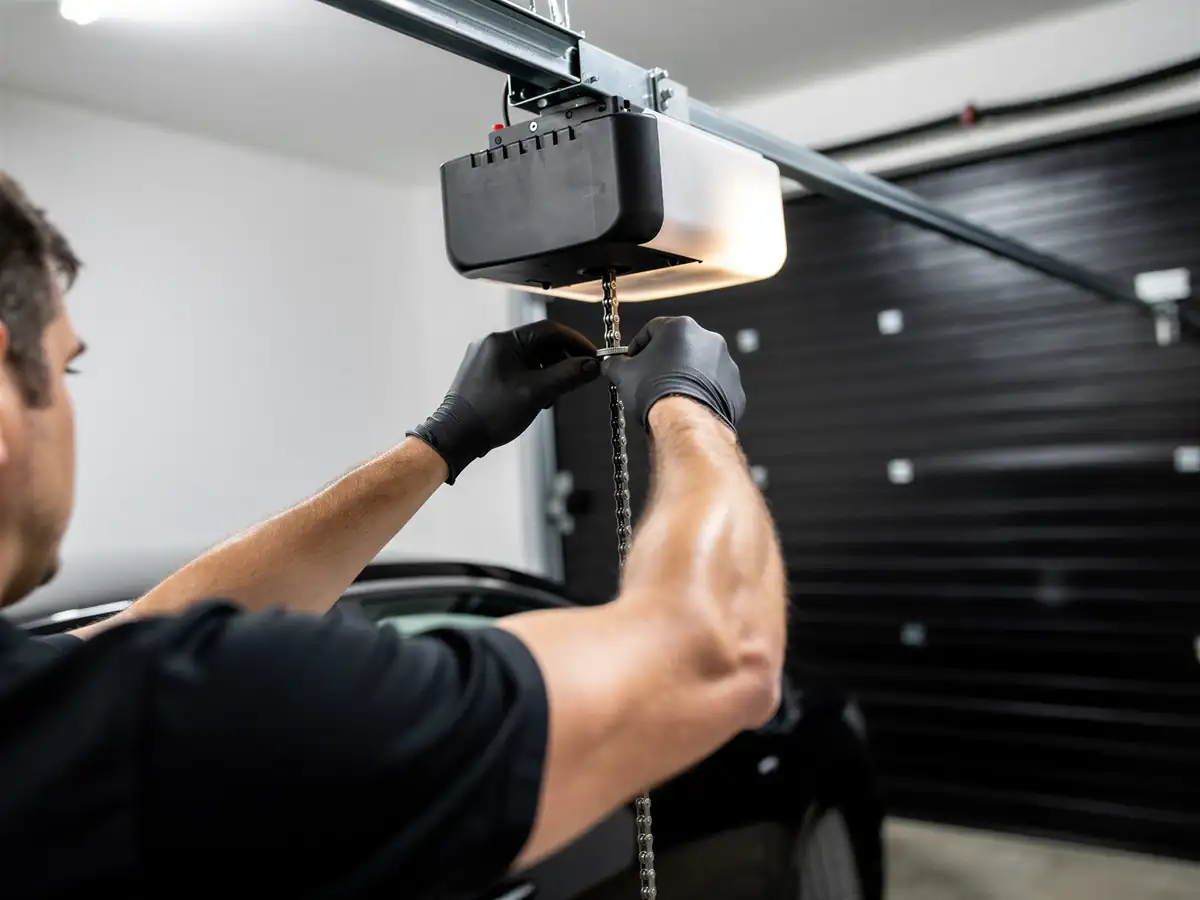
If you're set on doing some of the work, the panels, track alignment, and opener mounting are the parts a handy homeowner can reasonably manage once the door is up and the spring is set. Where we draw a hard line is the spring winding and the initial balance check - that's the part of the job that puts people in the emergency room, and it's also the part that's hardest to get right without the right bars and a clamp.
Given the drive out here, if you start a DIY install and get stuck partway, say so when you call - it changes what we load on the truck and how long the visit takes.
Getting It Booked In
Because every Inman job starts with a 14-mile drive from Hutchinson, we ask more up front than we might for a closer address - door width, whether it's a single or double opening, and whether you've already picked a model or want us to bring options. That cuts down on return trips for both of us.
We don't run a branch out here, so there's no walk-in counter and no same-hour emergency slot for this town - every visit is scheduled from Hutchinson, which means booking a day or two ahead works better than a same-day call for a full install (as opposed to a spring snap, which is a different kind of job).
If you want to see what else we cover for homes in this corner of the service area, the Inman service page lays that out, and our main installation page for Hutchinson covers the broader service if you're comparing options before you commit to a date.
How We Fix It
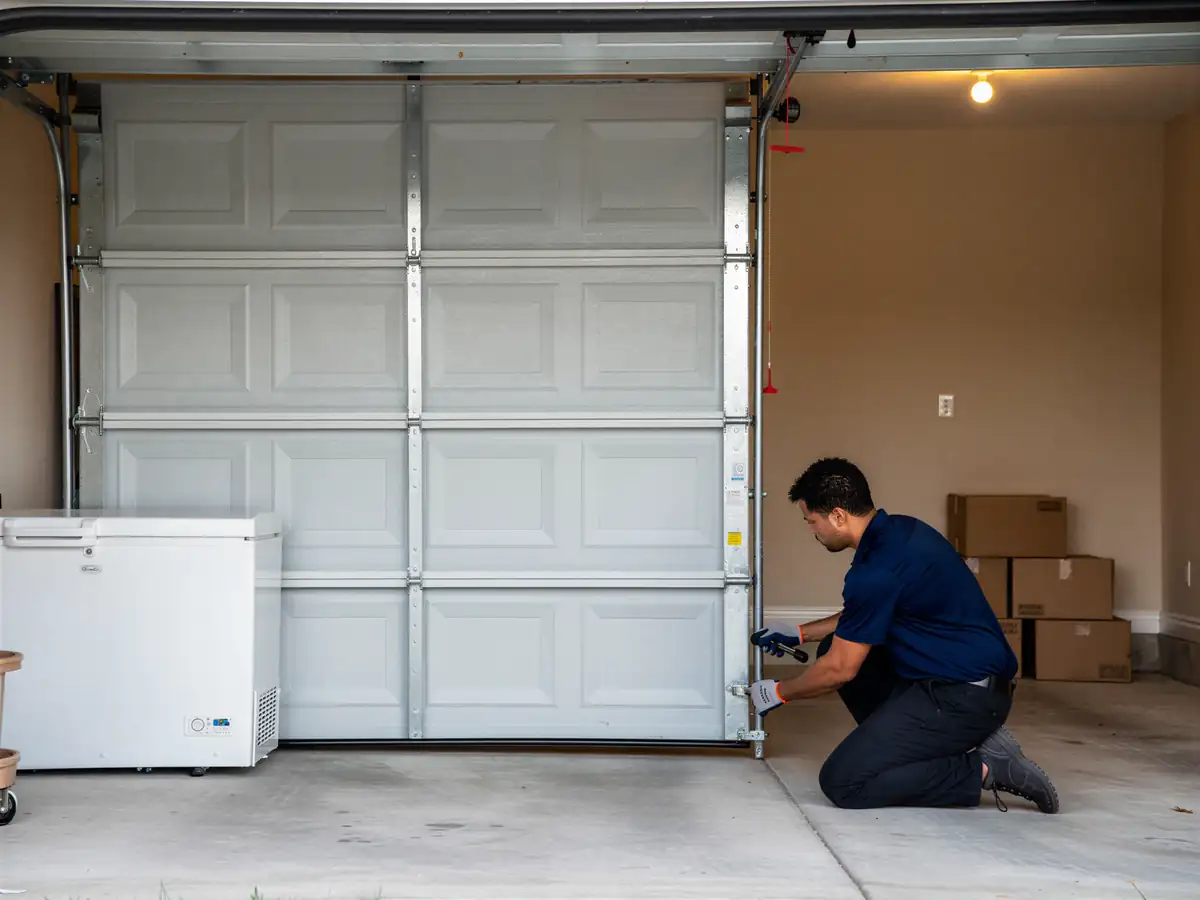
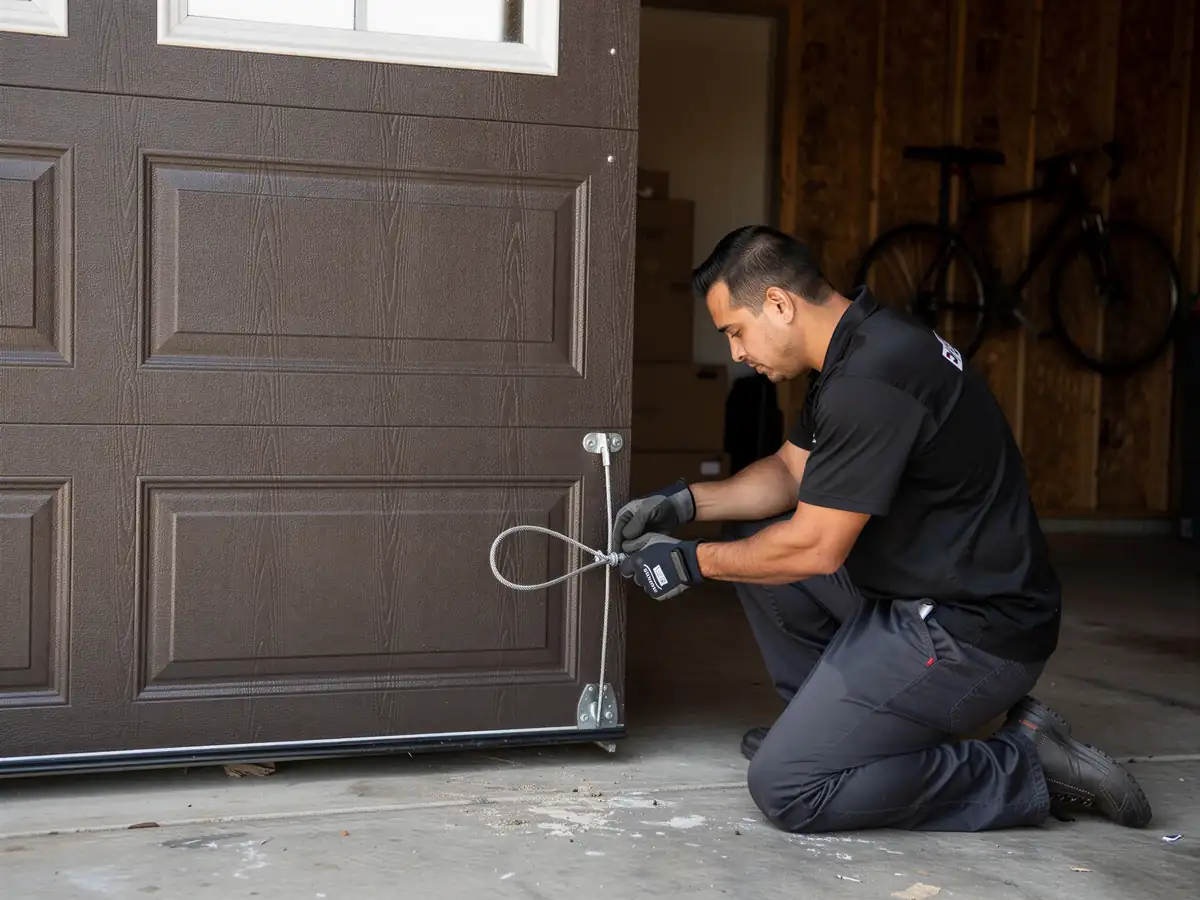
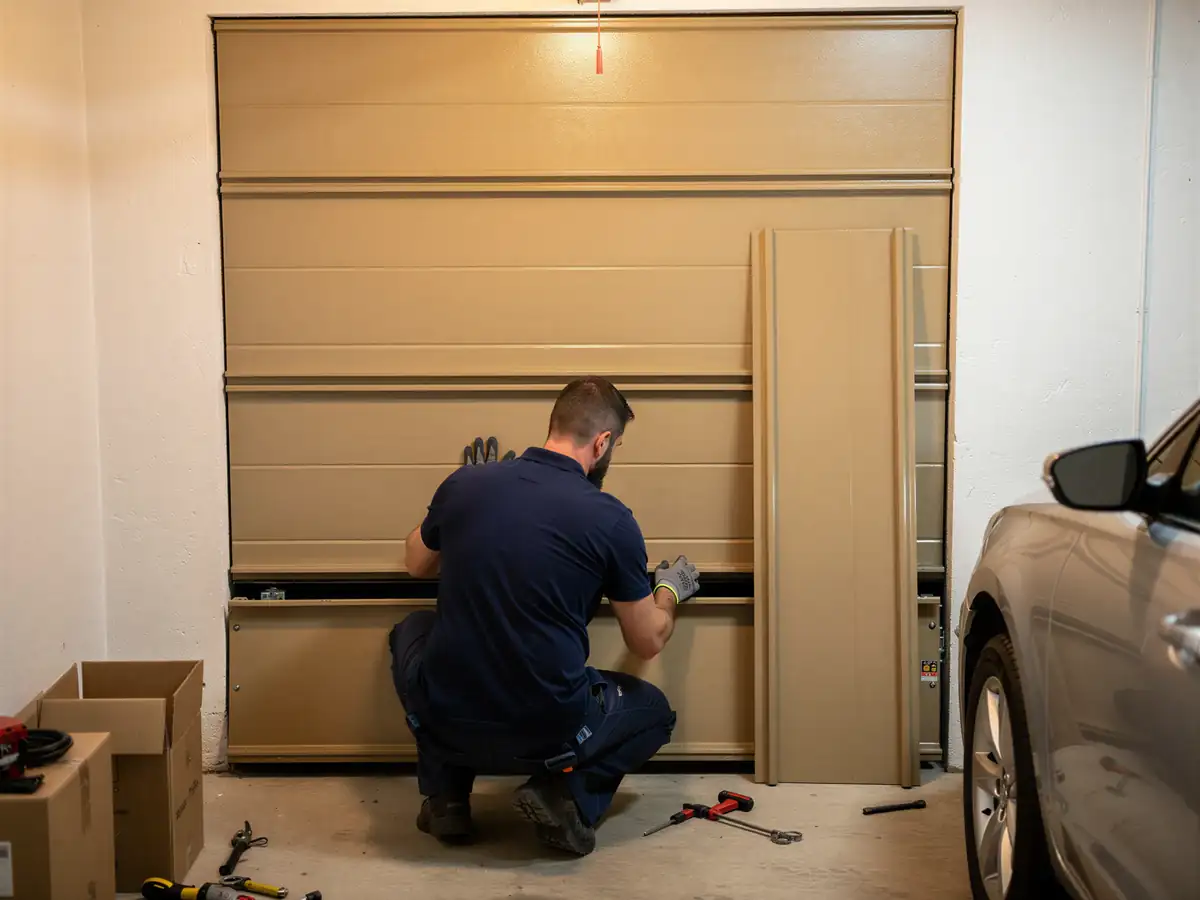
On install day, we pull the old door and track off down to the jamb, check that the opening is square
Older openings in this area sometimes aren't, since a lot of this stock went up in a single building push through the 1970s - and set new track and hardware rated for the door weight you're putting in.
For an insulated replacement, we set the panel seals tight against the jamb
Which matters more in a cold moderate climate band than people expect; a quarter-inch gap at the bottom panel lets in more cold air over a winter than most owners realize until the first hard freeze. We balance the spring to the door weight, not a generic setting, and test the opener's force and travel limits before we call it done.
We don't leave a job half-finished because of the drive
The whole install happens in one visit once the door and hardware are on the truck, weather and ordering delays aside.