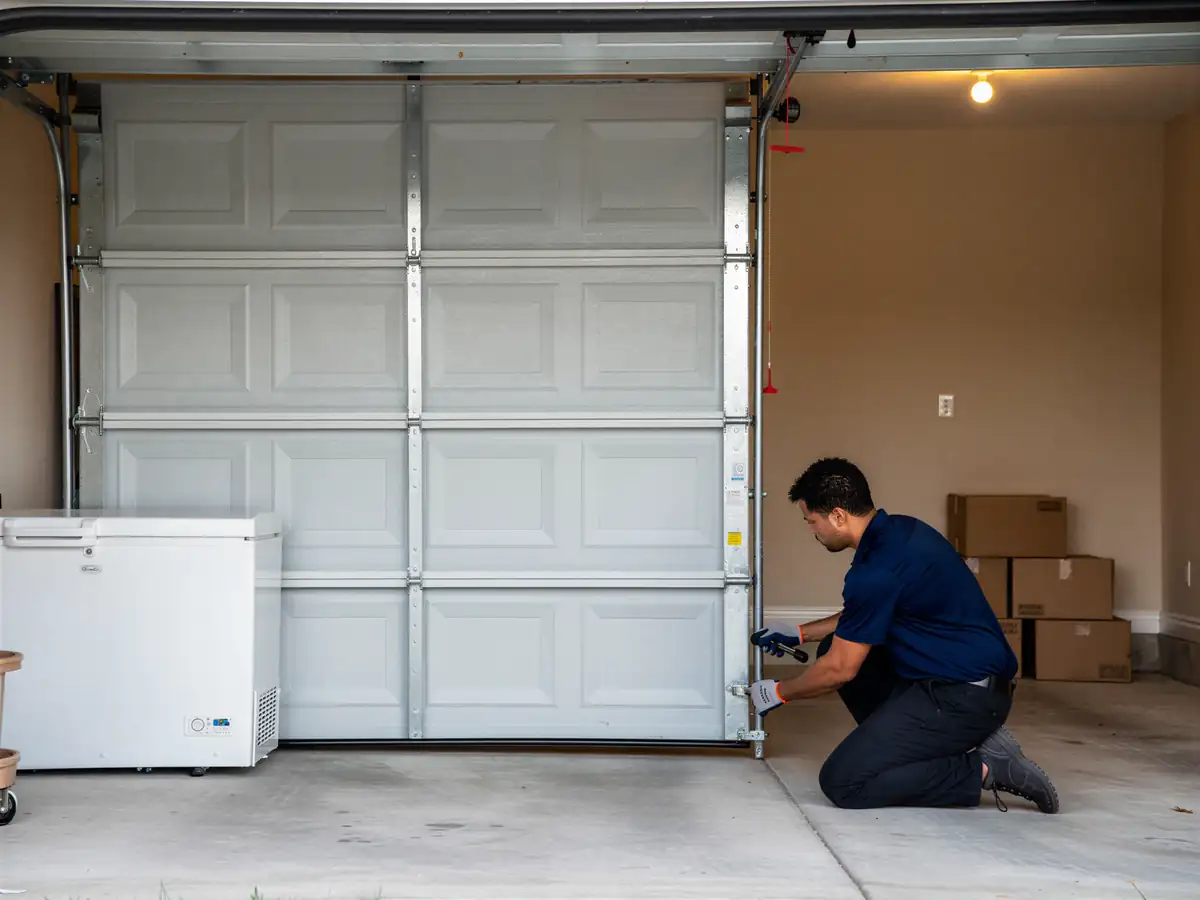
The Symptom
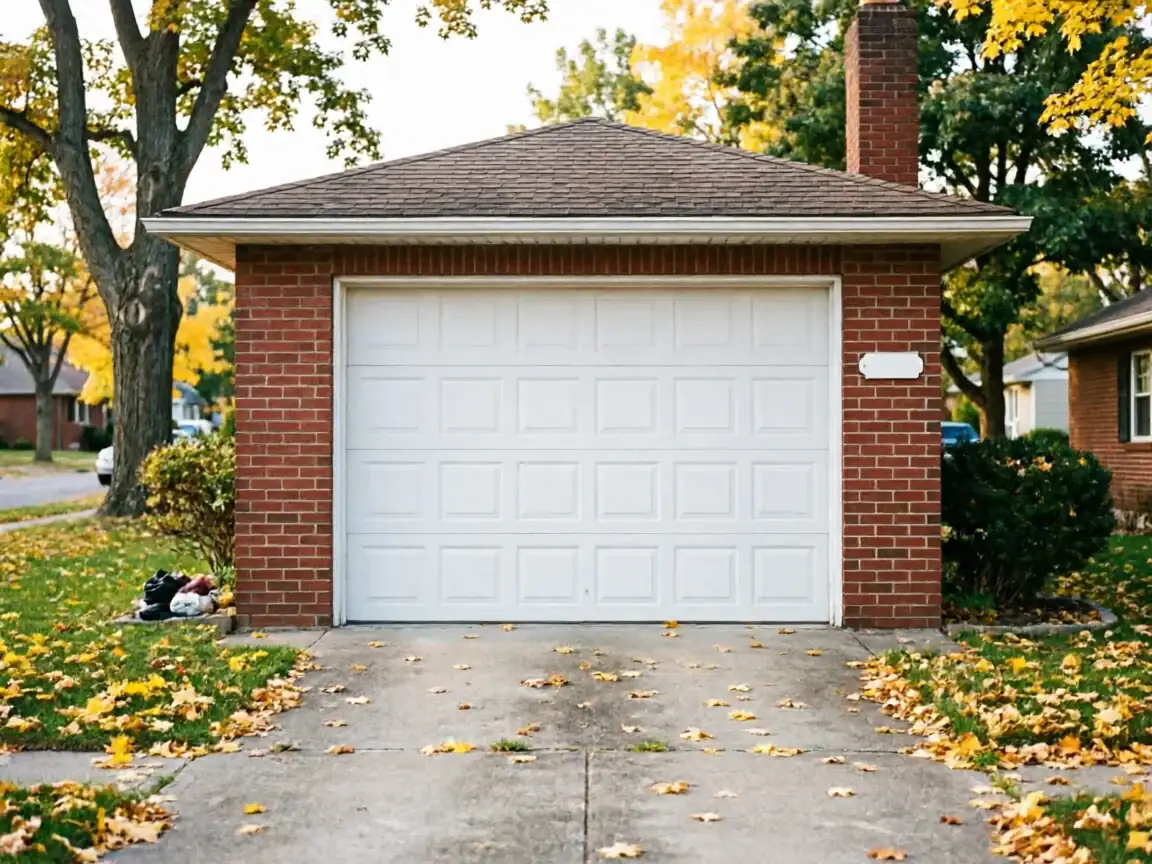
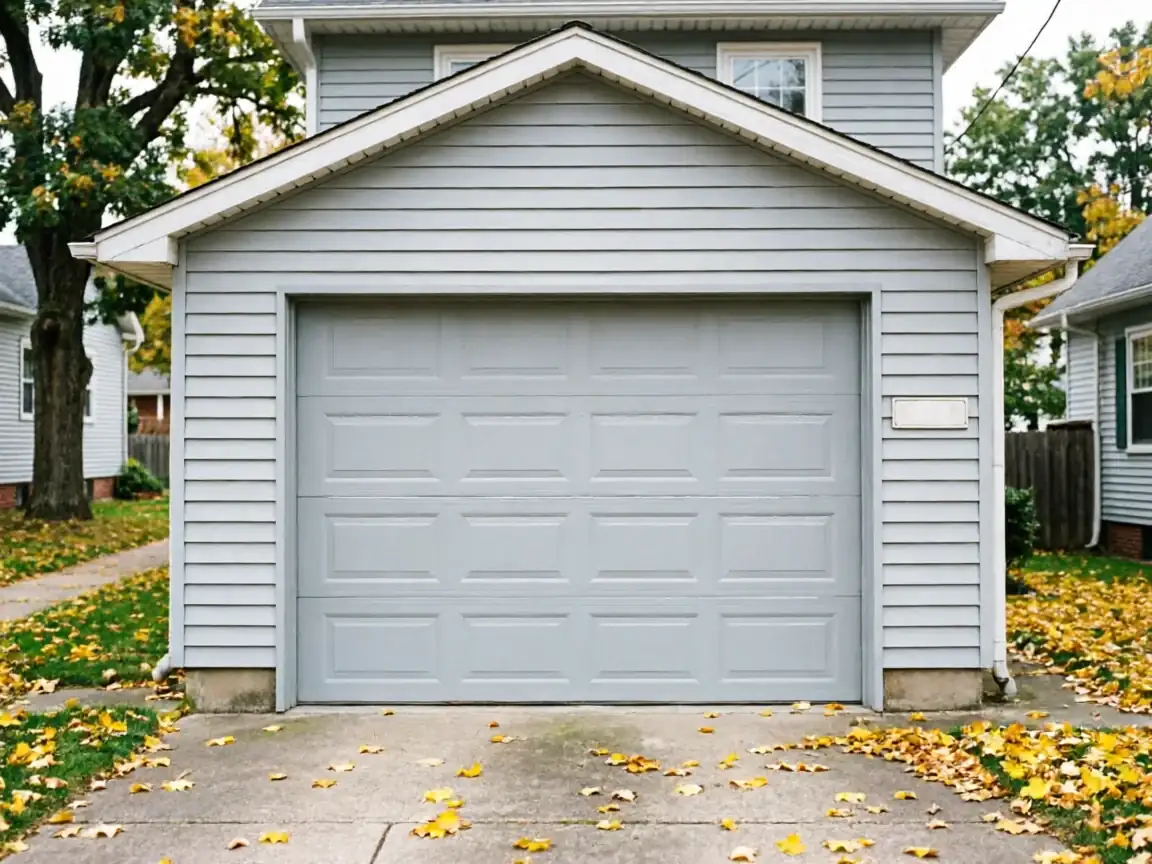
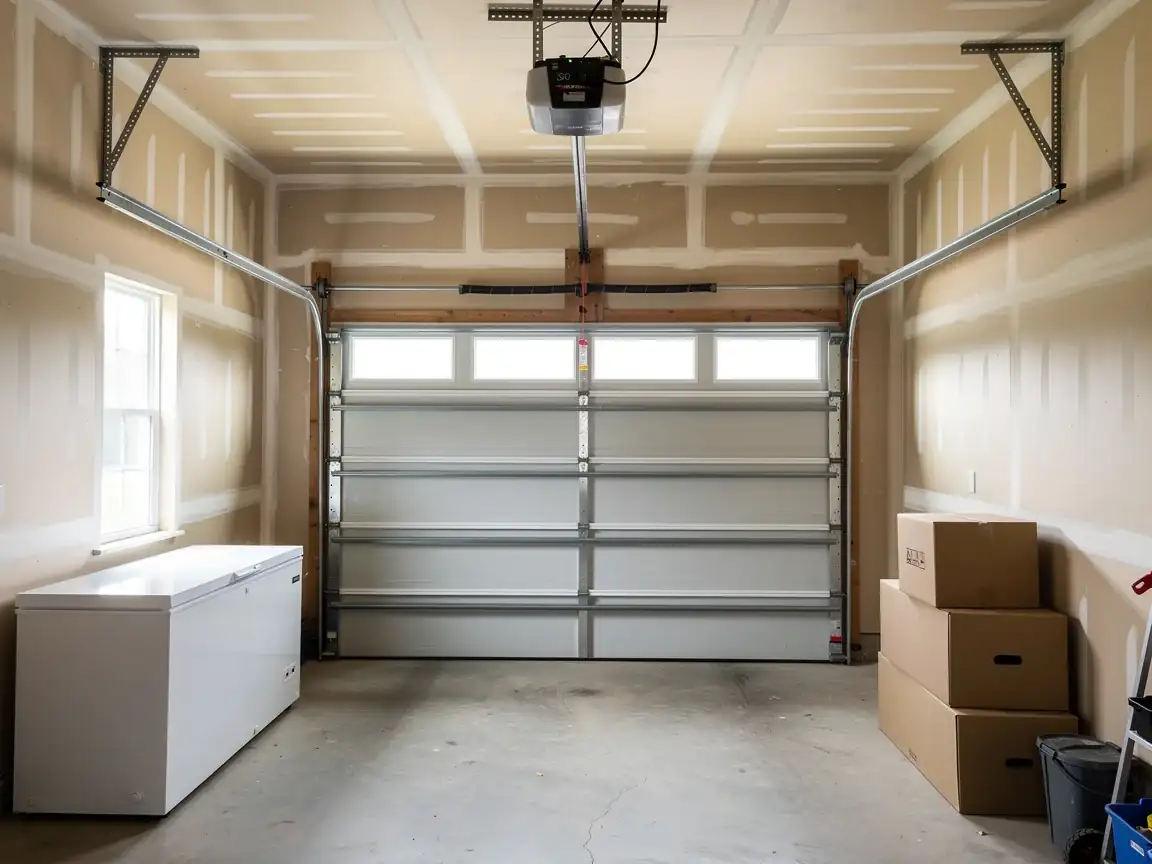
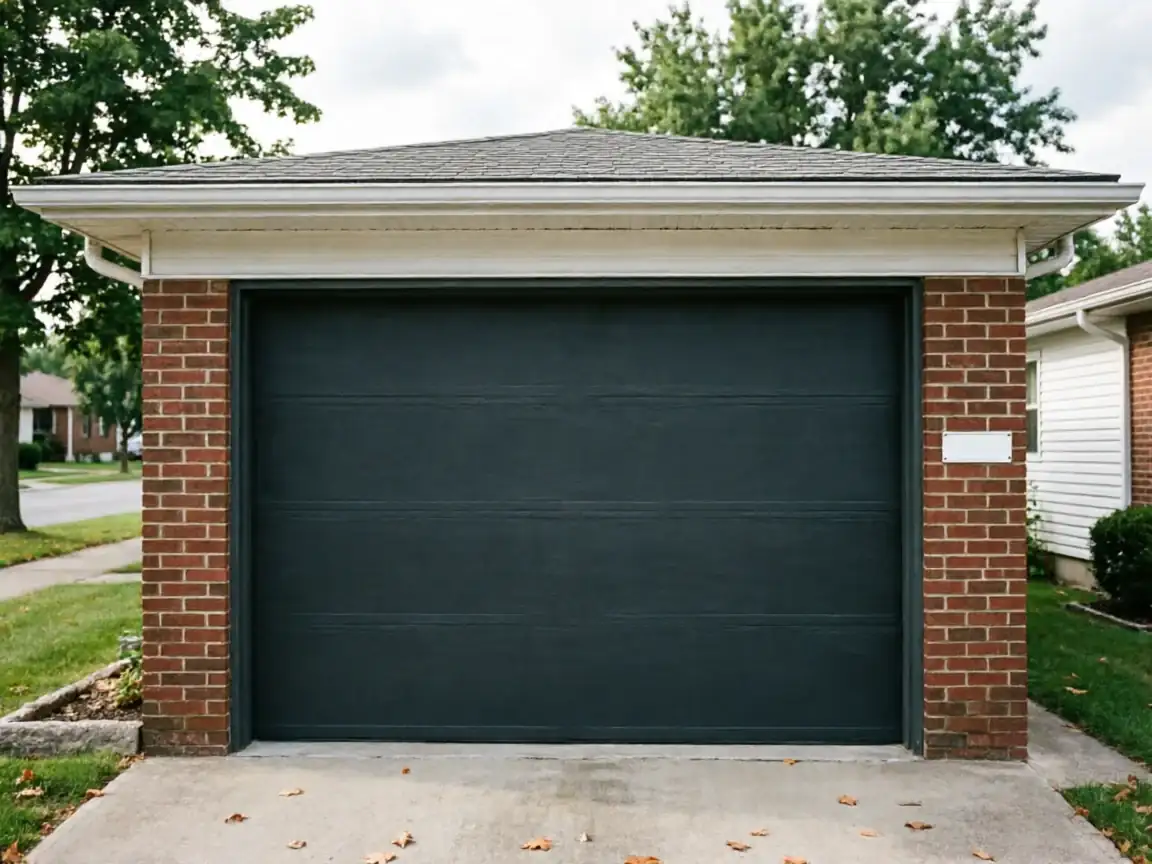
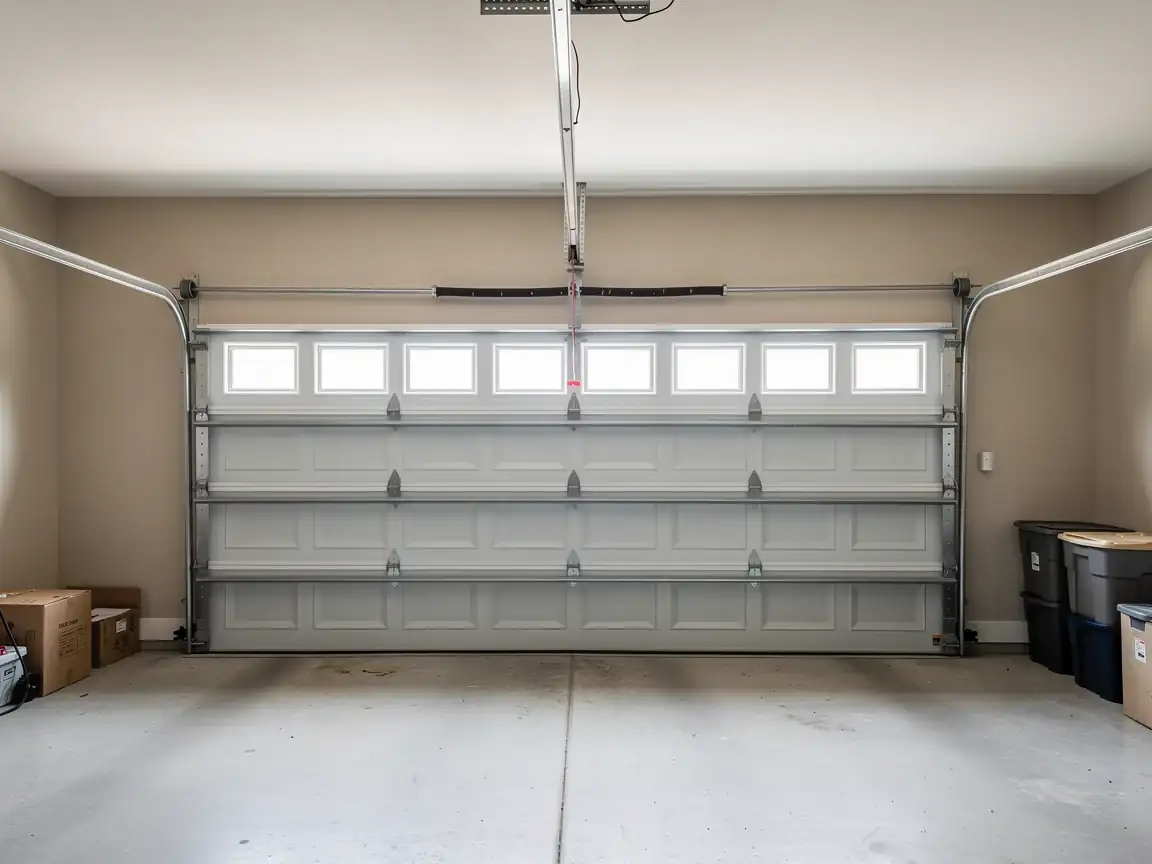
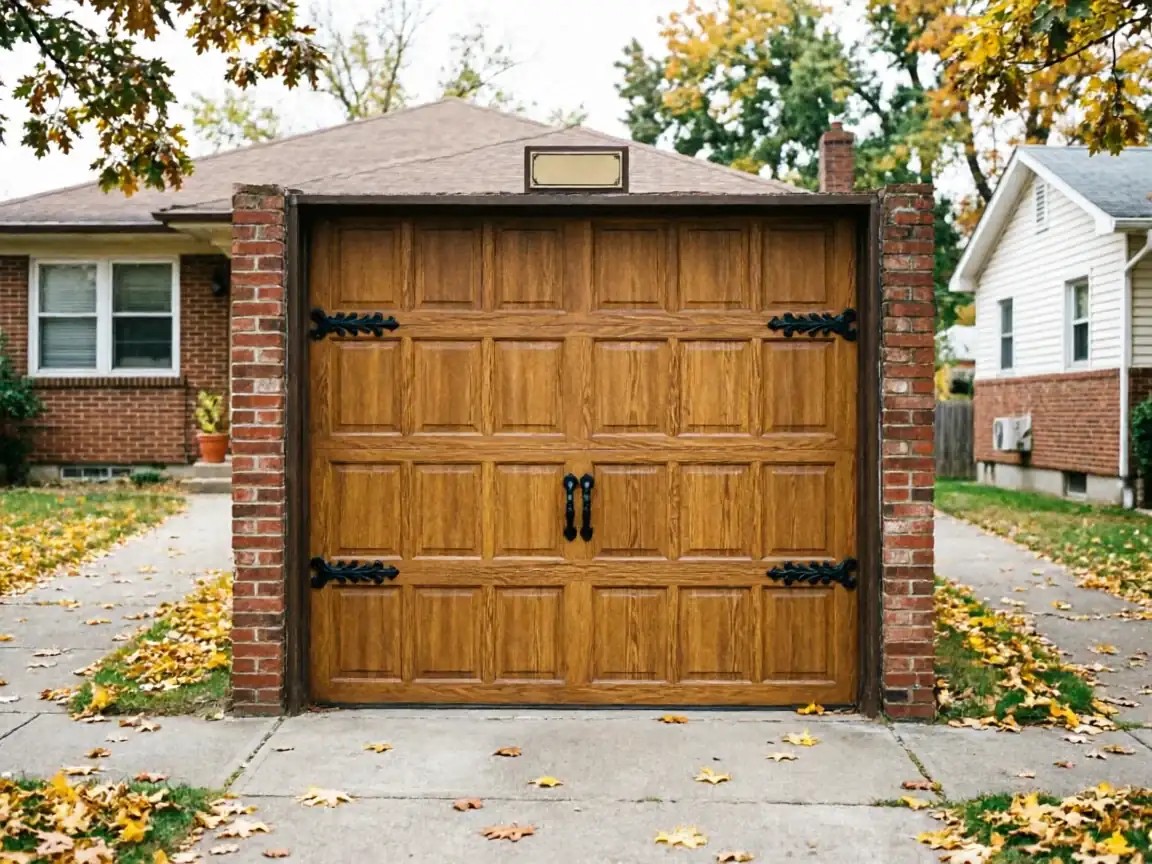
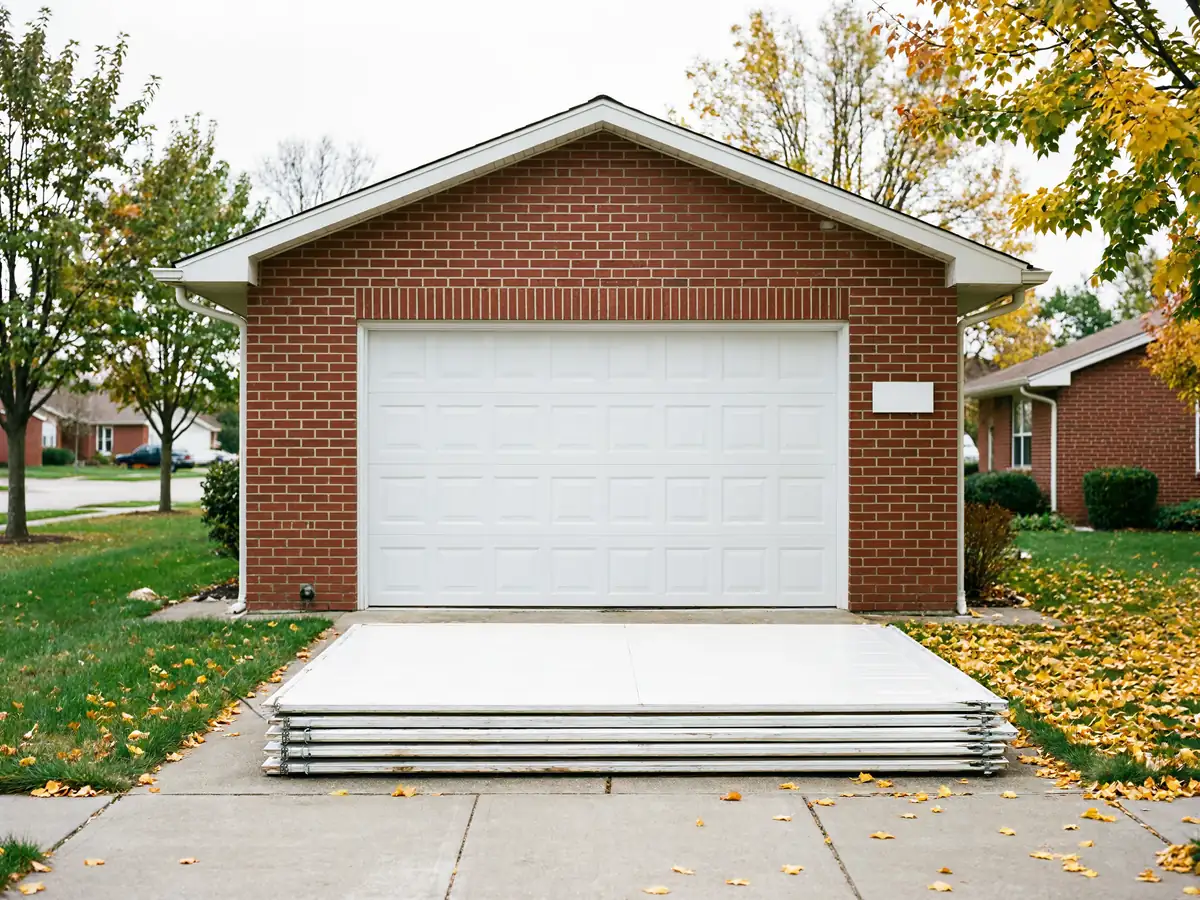
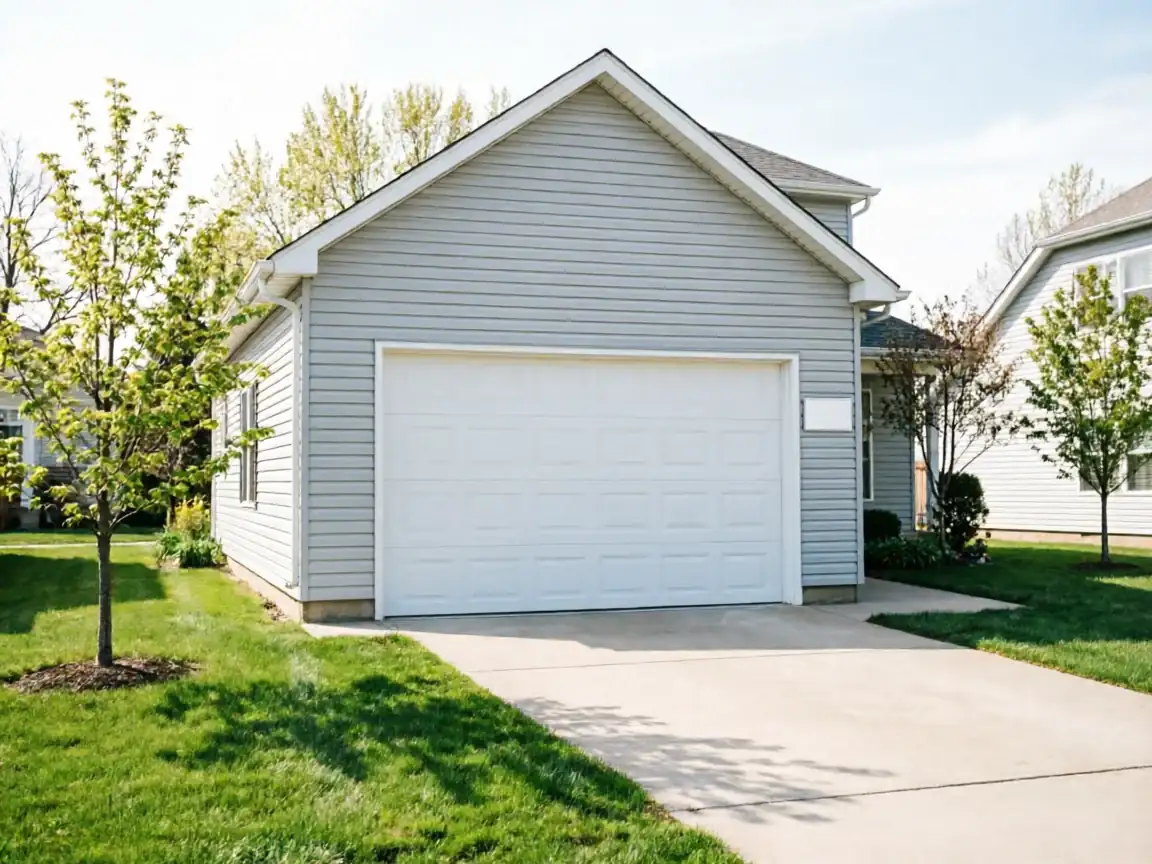
Inman's housing stock sits at the newer end of the area's building boom, with a median year built around 1975. That matters for what's hanging over your driveway. Houses from this stretch mostly skipped the old wood-plank doors and went straight to steel sectional panels, usually a single 16-foot double or a pair of 9-footers, hung on torsion springs rather than the older side-mounted extension coils. That hardware is now pushing 50 years old in a lot of these garages.
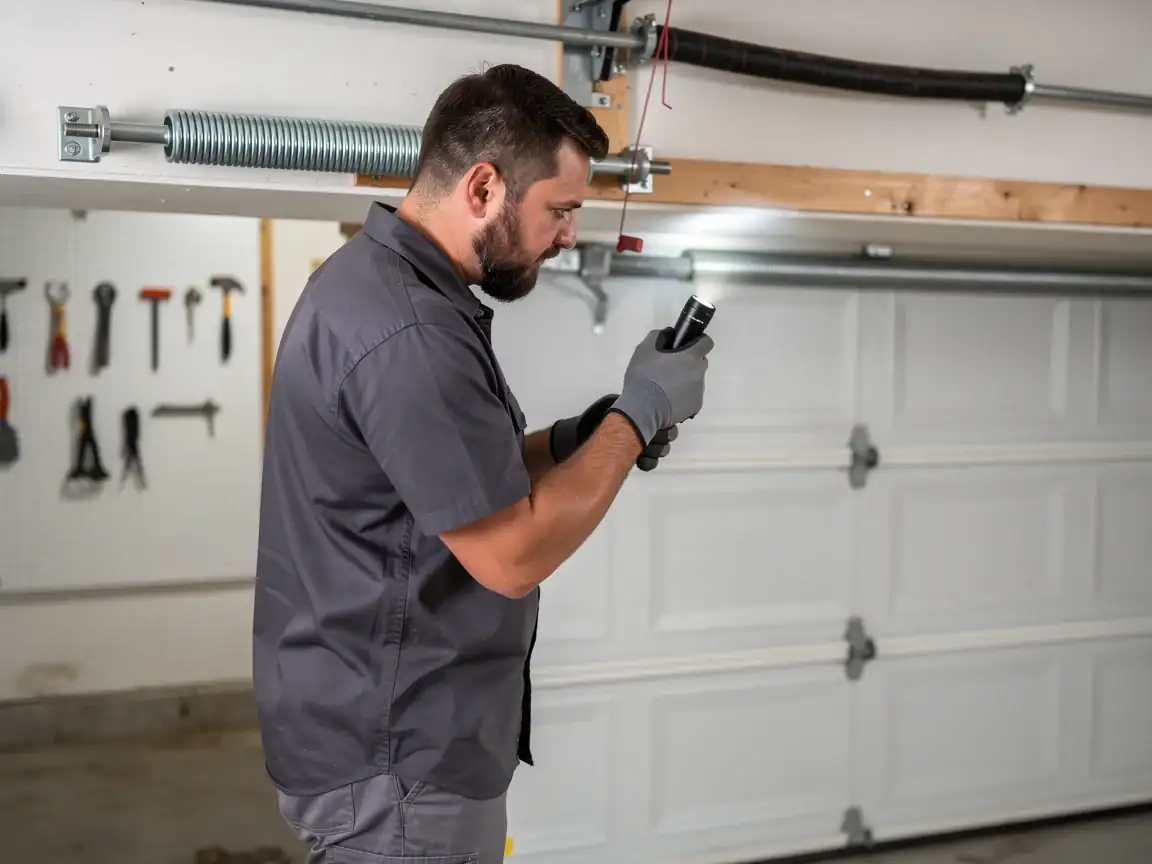
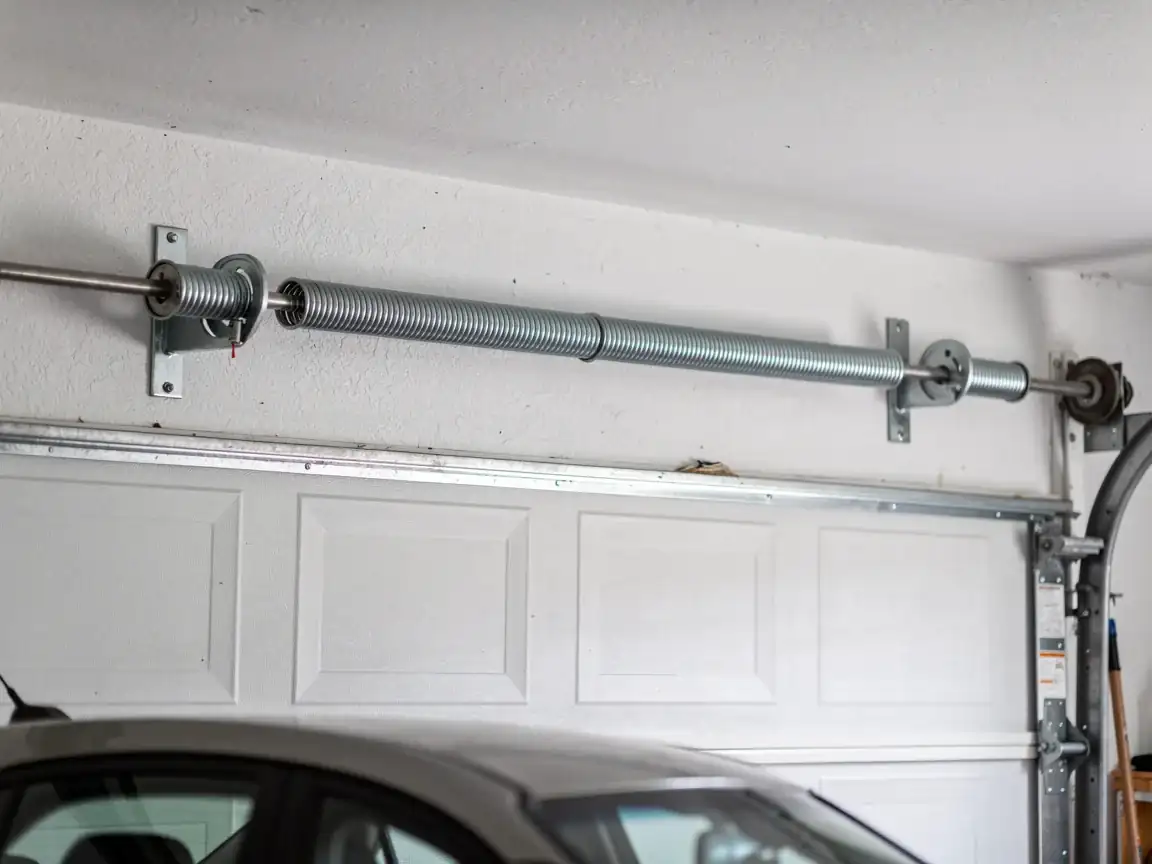
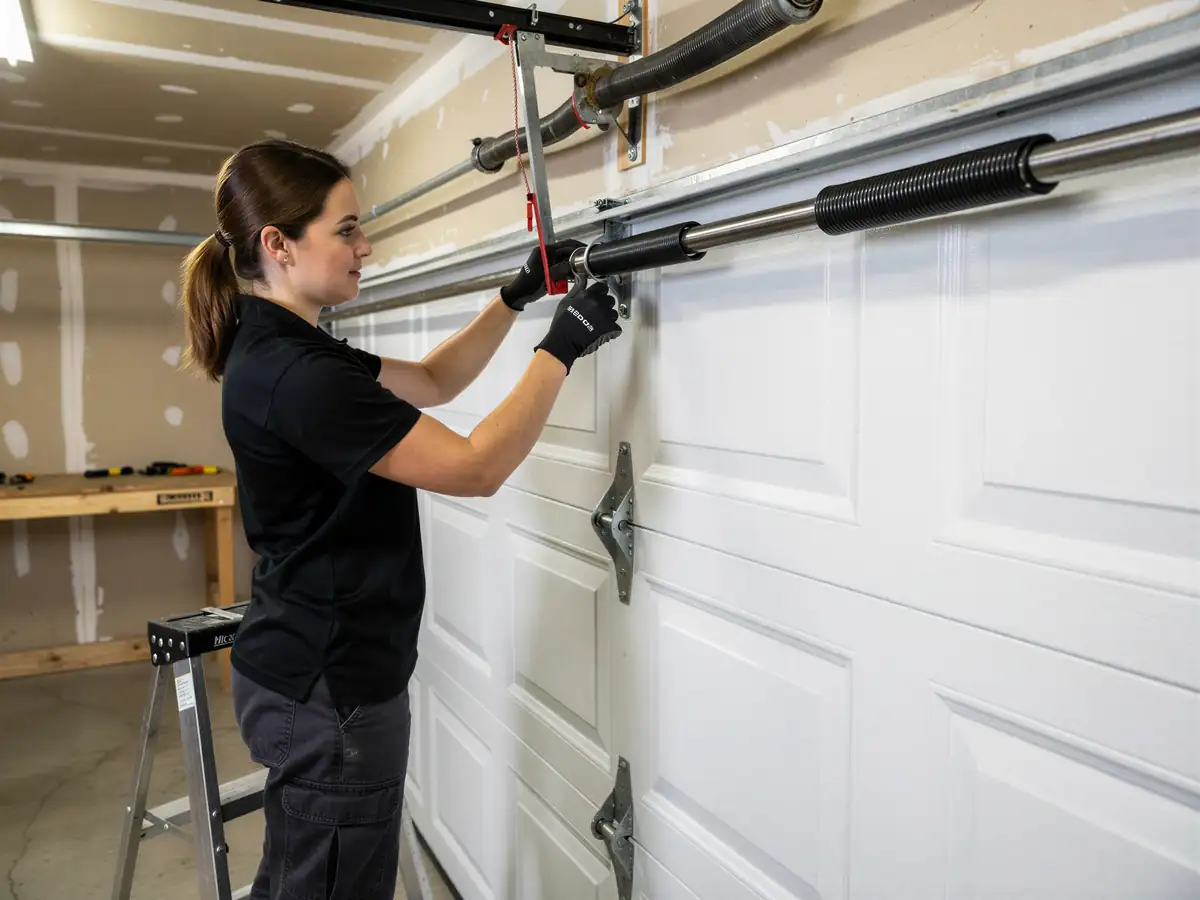
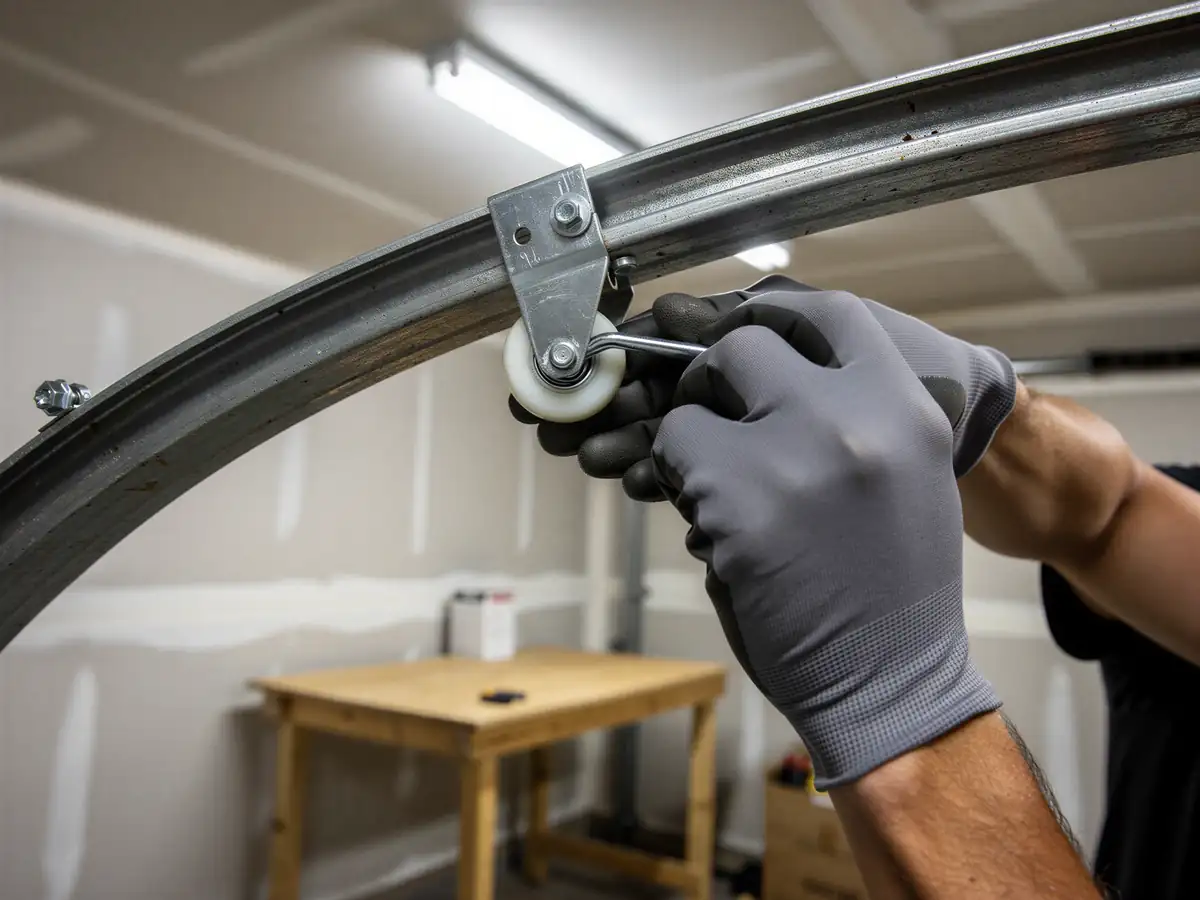
What shows up as a symptom here is pretty consistent: the door starts to sag at one corner, the torsion spring's winding cone slips, or the original rollers - steel, not nylon - have worn their tracks oval. You'll hear it before you see it. A grinding or a hard jolt partway up the travel is usually a roller or a bent track section, not the opener. If the door won't budge and the spring looks stretched or gapped, that's a torsion spring that's given out, and it's not a weekend fix with hand tools.
With 495 households in Inman and most sitting in that same 1960s-70s build window as the rest of the service area, the pattern repeats door to door - it's not an outlier house, it's the neighborhood.
What Is on the Truck
For a call out to Inman we carry torsion springs sized for the standard residential doors common to that era
The 16x7 and 9x7 steel sectionals that match what went up in the 1960s and 70s across this region. We stock steel rollers and track sections sized to original hardware, since a lot of these garages still run factory-original track that's never been swapped.
We also keep extension spring sets on the truck
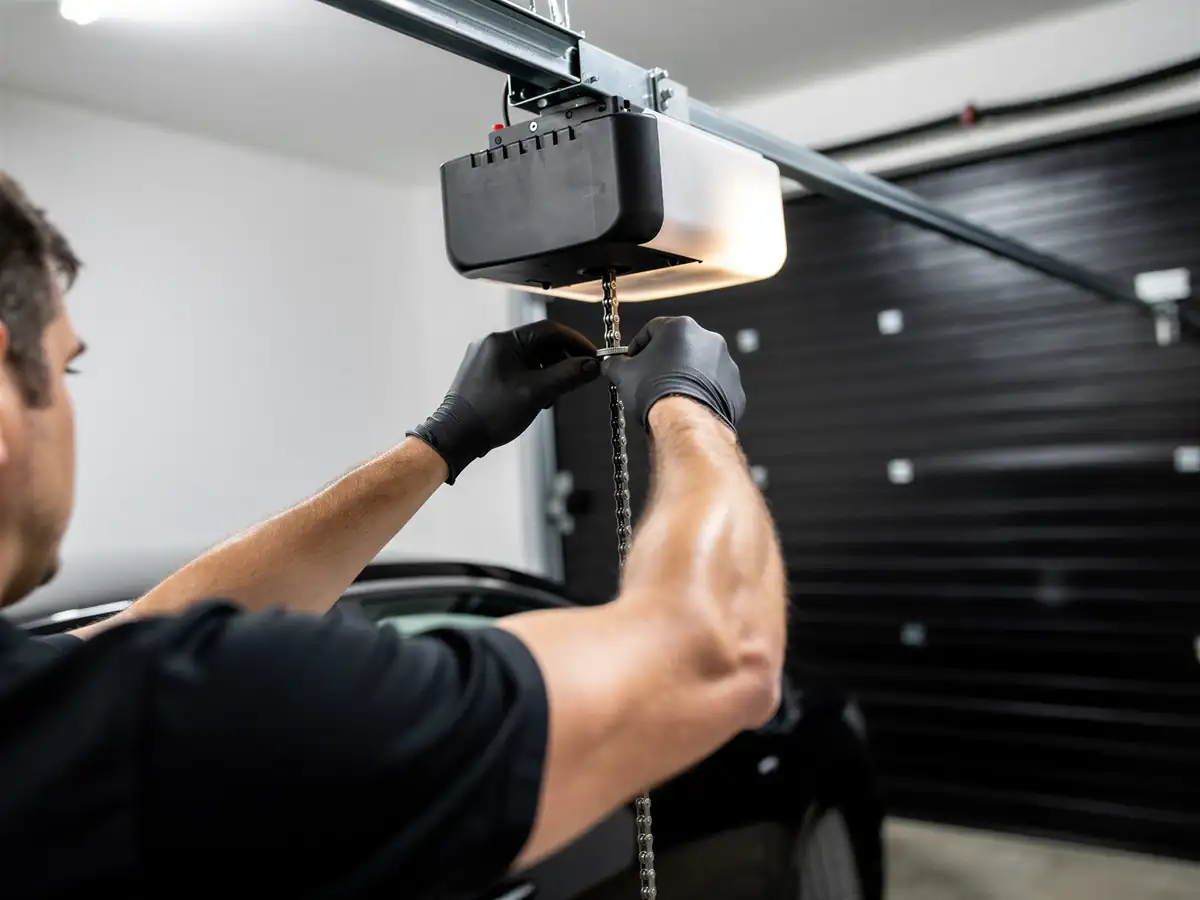
Because not every 1975-era build in this area got torsion hardware - some garages, especially detached ones, were fitted with the older extension-and-pulley setup even on houses built that late. Cable, drums, and standard torsion shafts round out what we bring, along with openers compatible with the chain and belt drives most common on doors this size.
One honest limitation
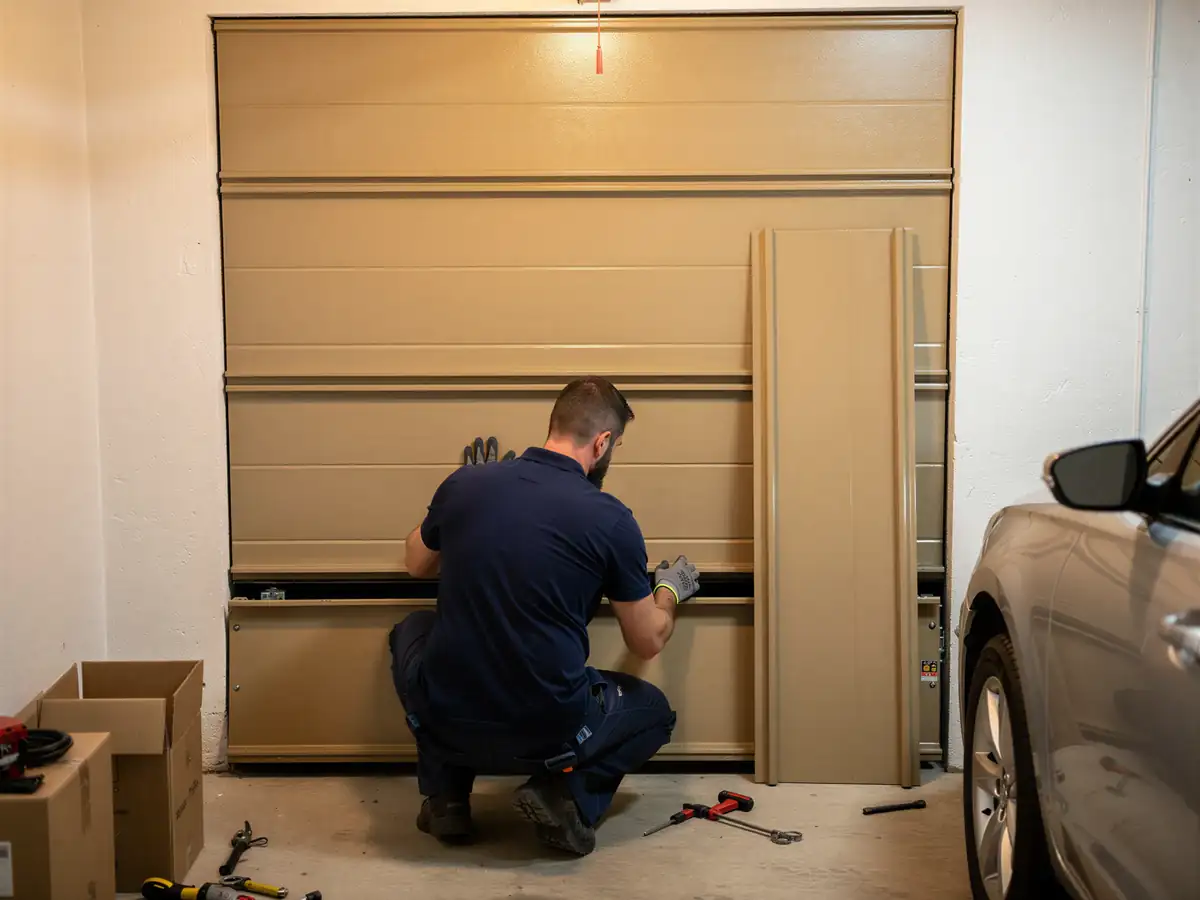
If your door uses an odd panel width or a wood-composite face that was a custom order back then, we may not have the exact match on the truck. In that case we'll measure on site and either source the part or talk through a full panel or door swap rather than force a mismatched fix.
Can You Do This Yourself
A loose roller, a bent strike plate, or a track bolt that's worked itself loose - those are reasonable DIY jobs if you're comfortable on a ladder and the door is otherwise moving smoothly. Tightening track brackets and lubricating hinges takes twenty minutes and no special tools.
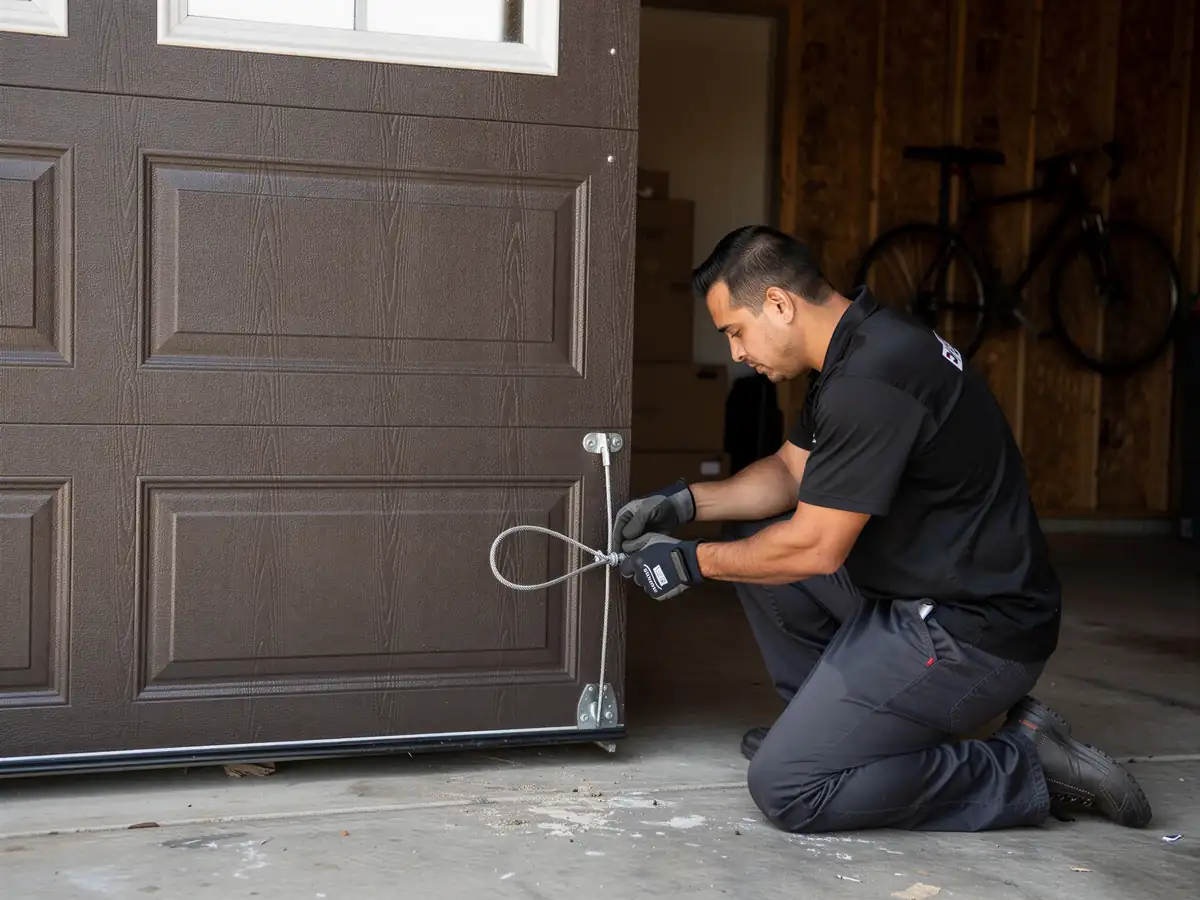
A torsion spring is a different matter. These doors, built when single or double torsion springs under heavy wind-up tension were standard, store enough force to break a wrist or worse if the winding bars slip. We don't recommend attempting a torsion spring swap without the right bars and a clamp, full stop. Extension springs are lower-risk but still dangerous if the safety cables weren't installed or have degraded, which is common on doors this old. If the cable's frayed near the drum, leave it alone and call it in. Replacing a spring is cheap compared to an ER visit.
Getting It Booked In
We cover Inman from our base in Hutchinson, about 14 miles out, along with South Hutchinson, Buhler, Partridge, and the other towns in the service area. There's no branch or depot in Inman itself - we drive the job from Hutchinson, so when you call, tell us the door size, whether it's torsion or extension spring, and roughly how old the house is. That helps us load the right spring and roller stock before we leave.
Because of the distance, we try to bundle Inman calls with other nearby stops when the schedule allows, which keeps the trip efficient for both of us. If it's a dead spring and the door won't move at all, say so when you call - that's a different truck load than a noisy roller.
How We Fix It
For a torsion spring on a 1975-era door, we match the wire gauge and wind to the original
Since the wrong spring either won't lift the door or will over-torque the shaft. We replace in pairs when a double door calls for it, not just the failed side, because mismatched springs wear unevenly and you'll be back to a second failure within a year or two.
For track and roller wear, we check the whole run for square before swapping parts
On houses this age, a slightly settled slab can throw the track out of plumb, and a new roller in a bent track just wears out again fast. Inman sits in the same cold-moderate climate band as the rest of the region, so we also check weatherstripping and bottom seal, since cold-season contraction is what often finishes off a roller or hinge that was already marginal.
We test the balance by hand after any spring work
A door that holds position halfway open is correctly balanced. If it drifts up or slams down, we adjust before we leave.