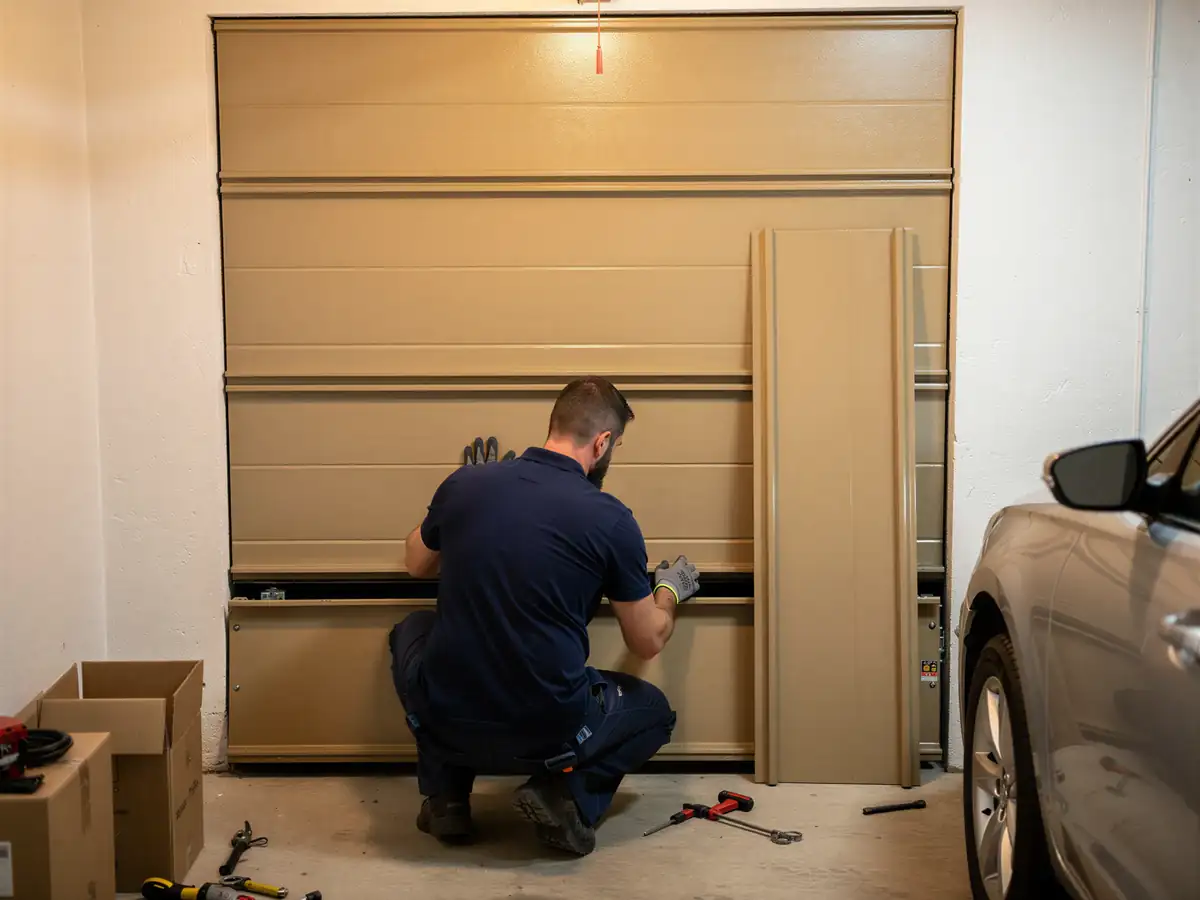
Getting It Booked In
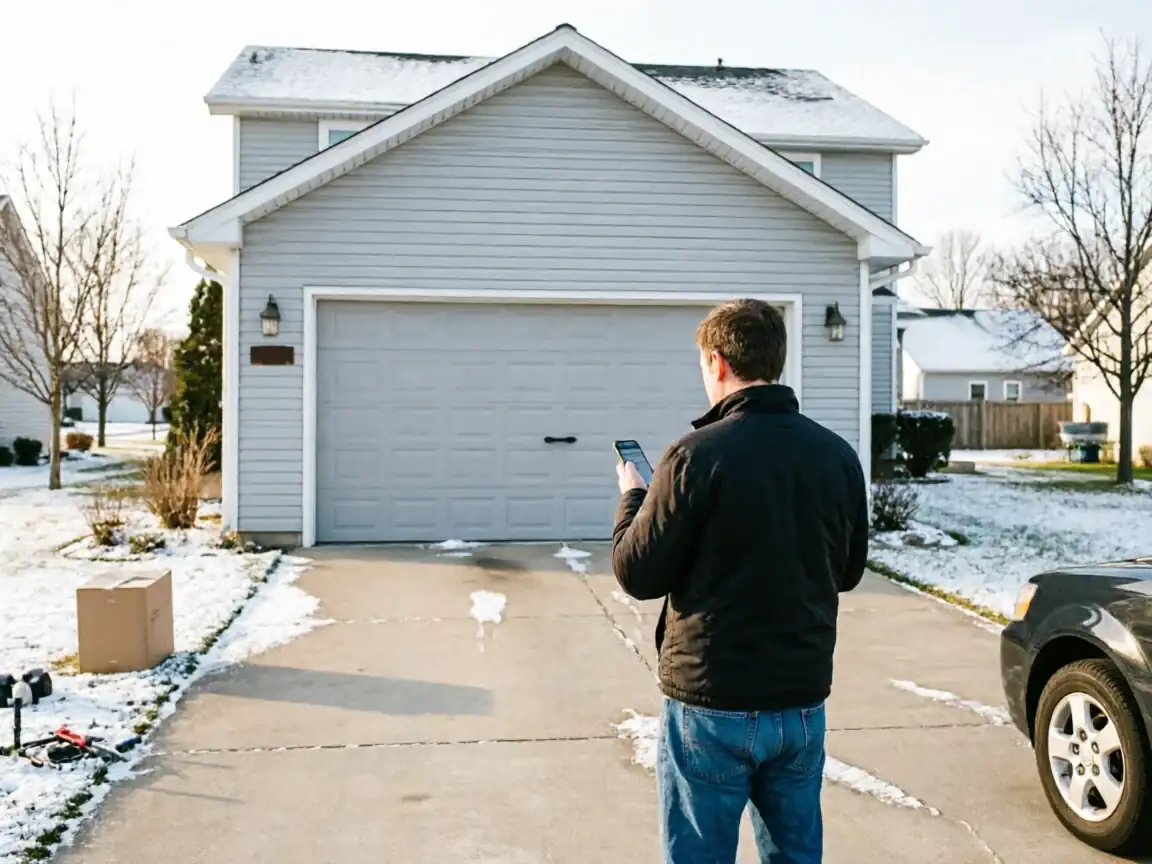
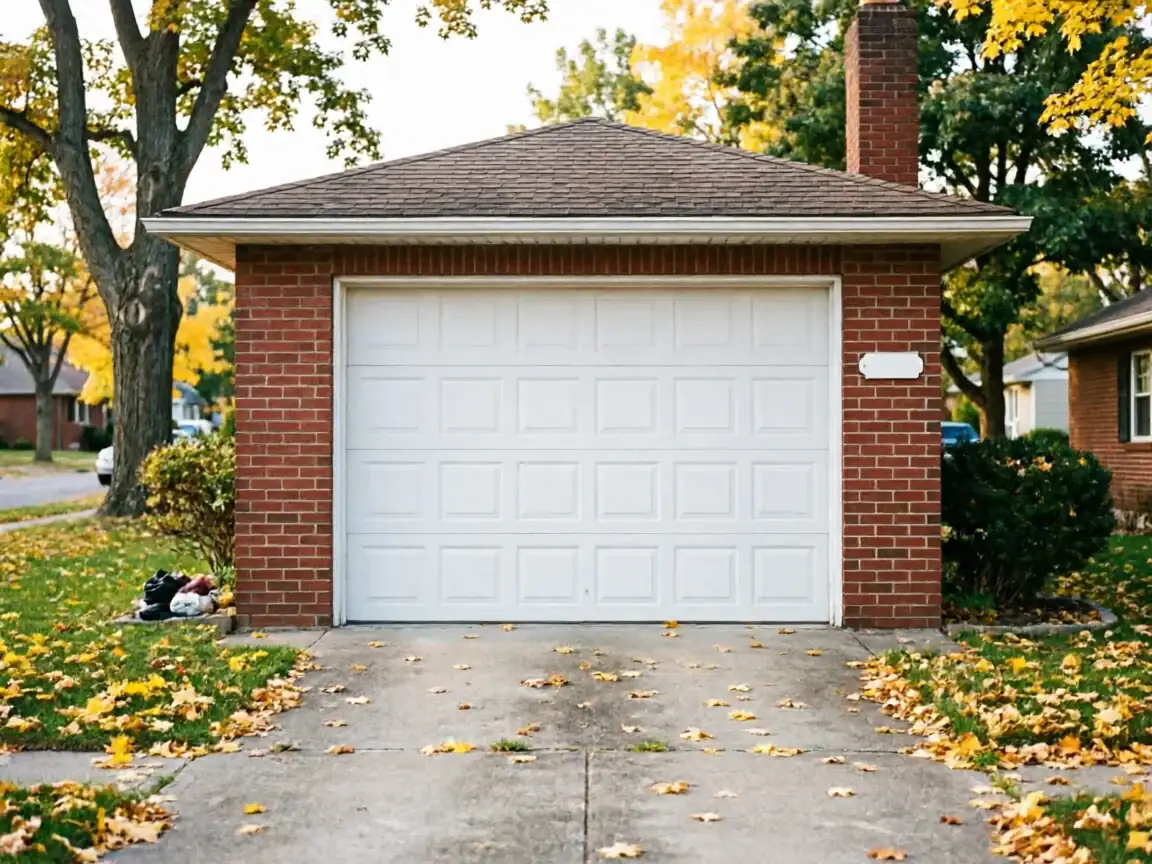
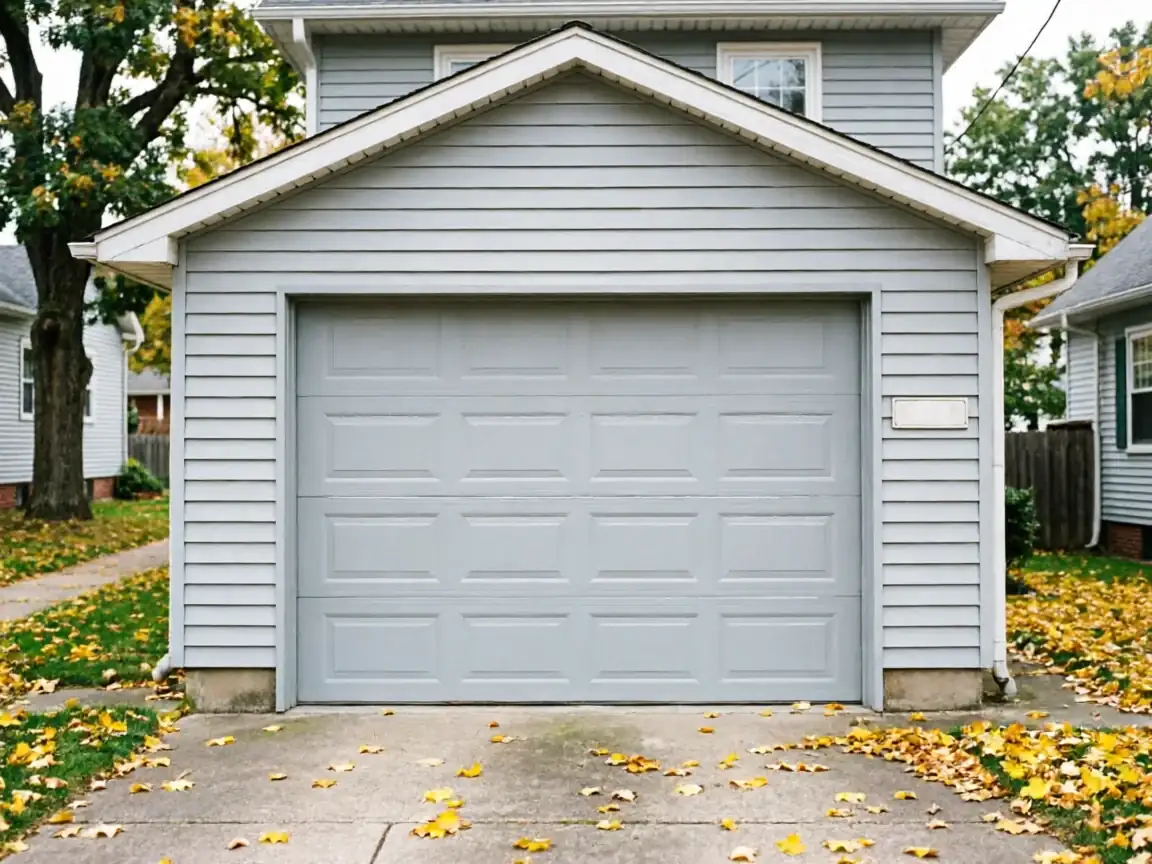
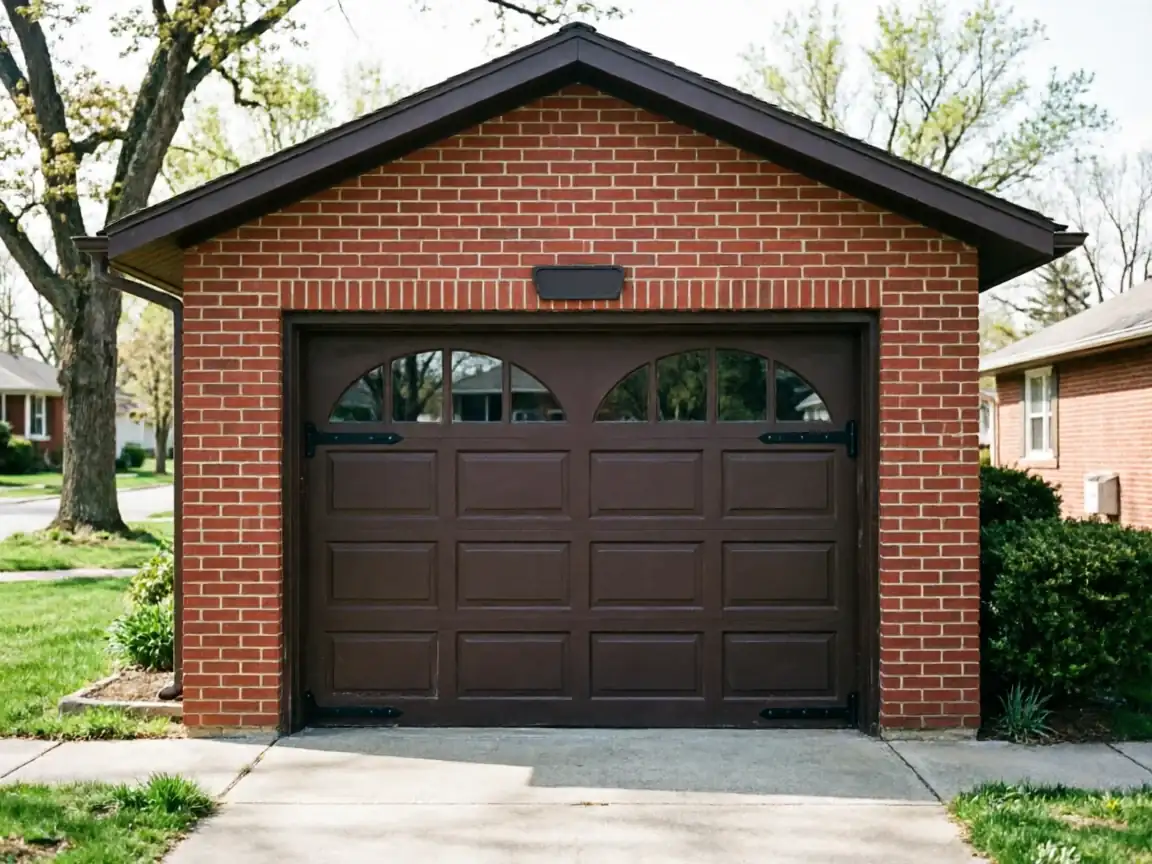
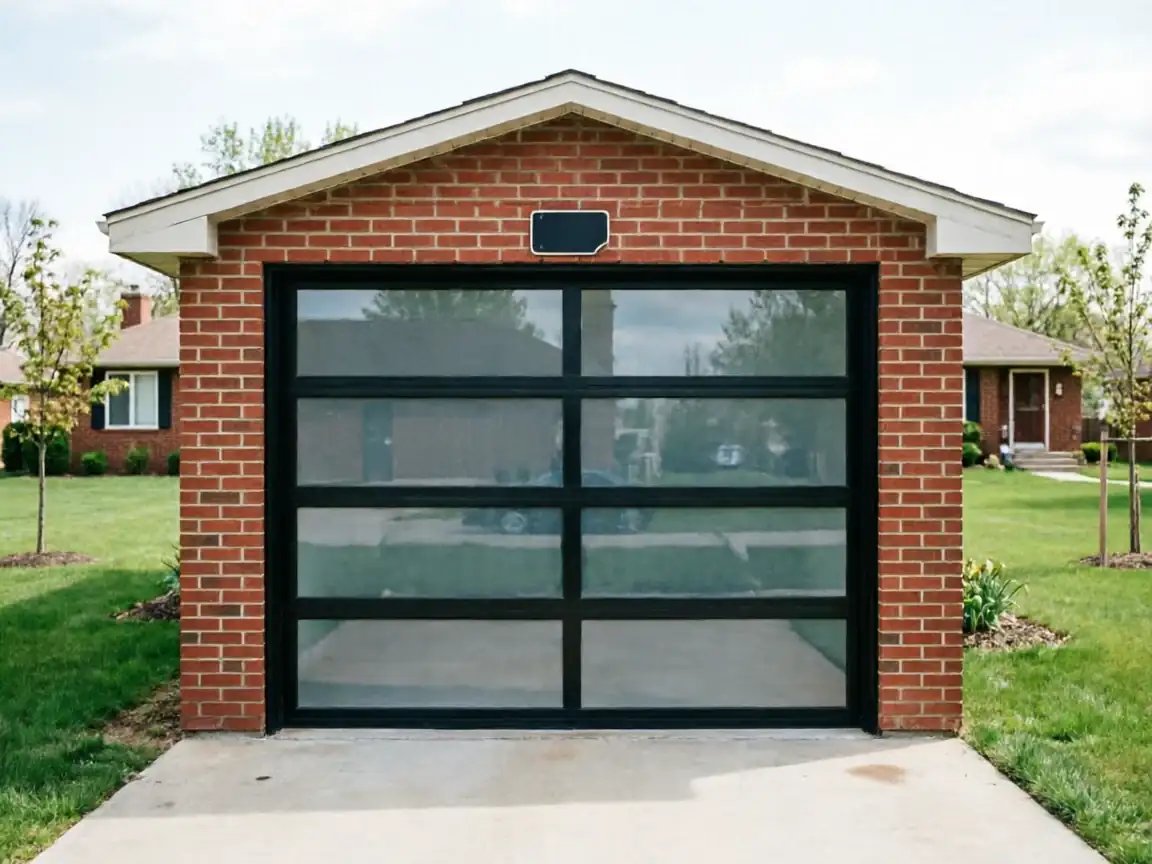
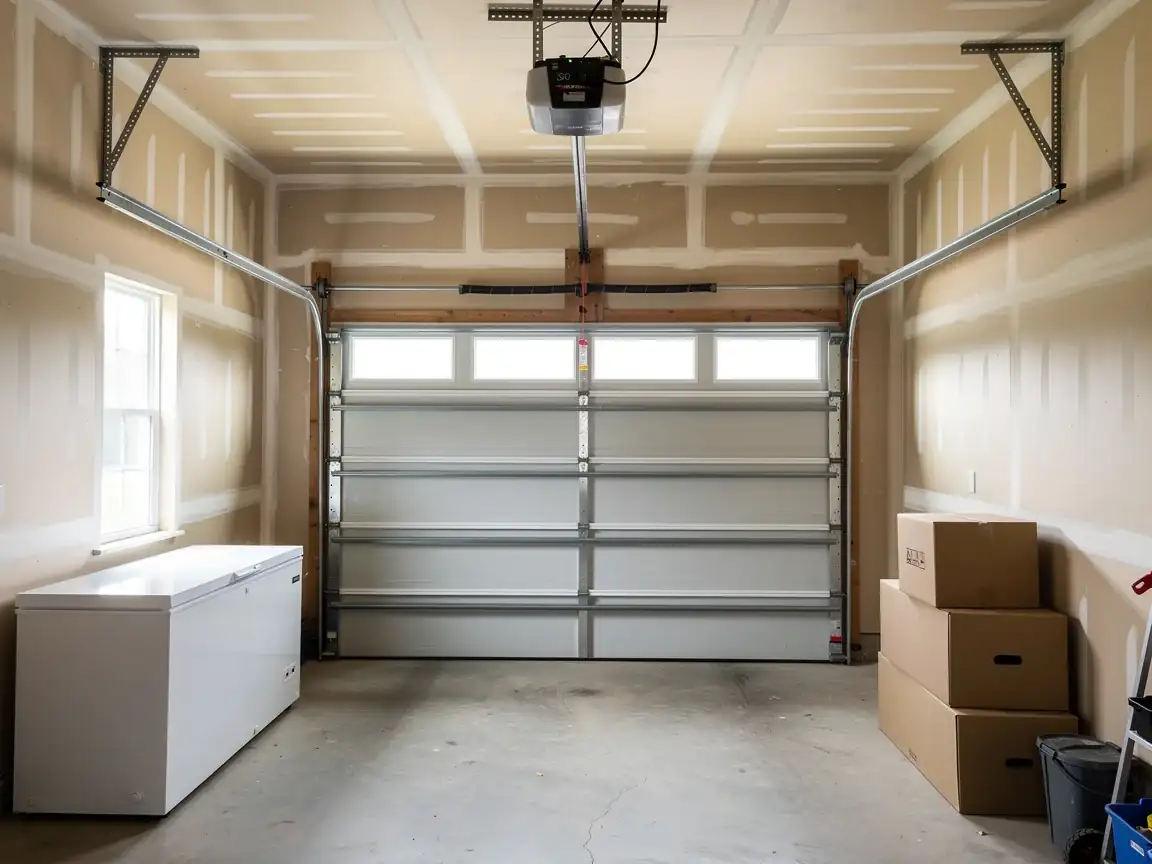
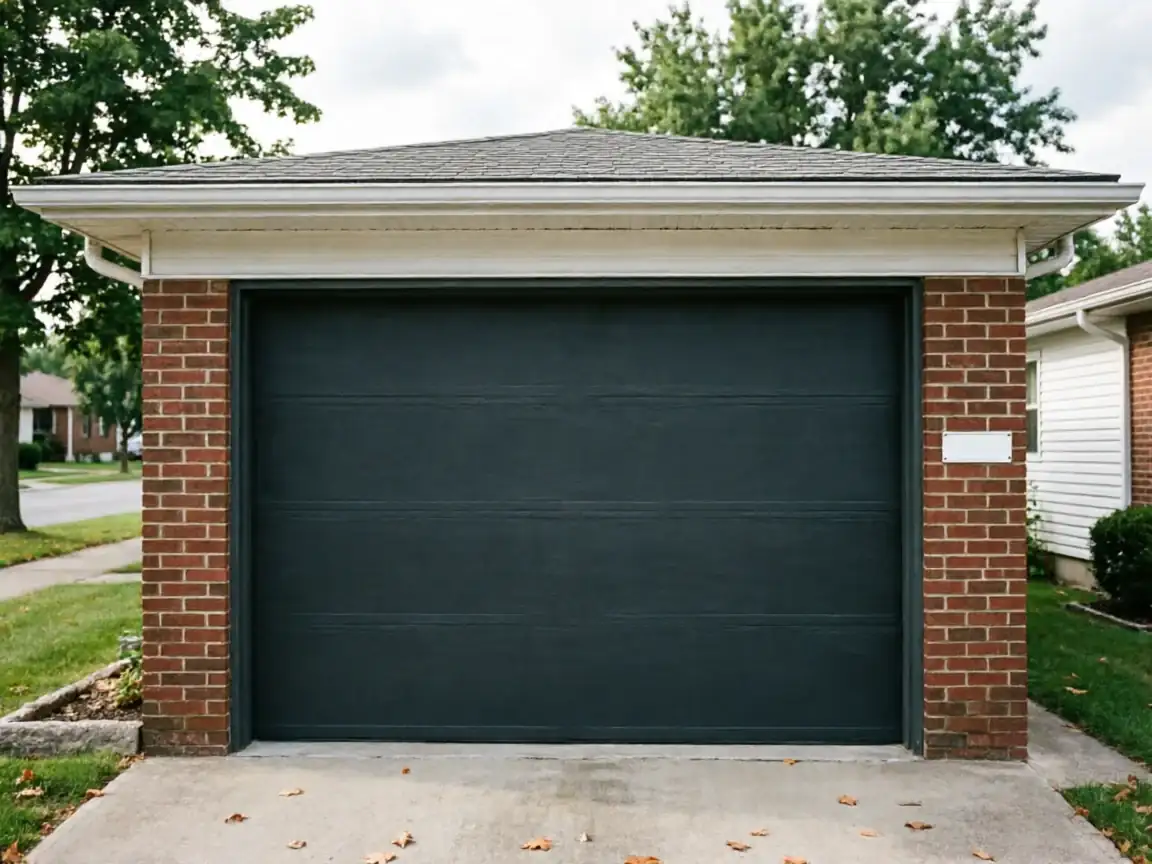
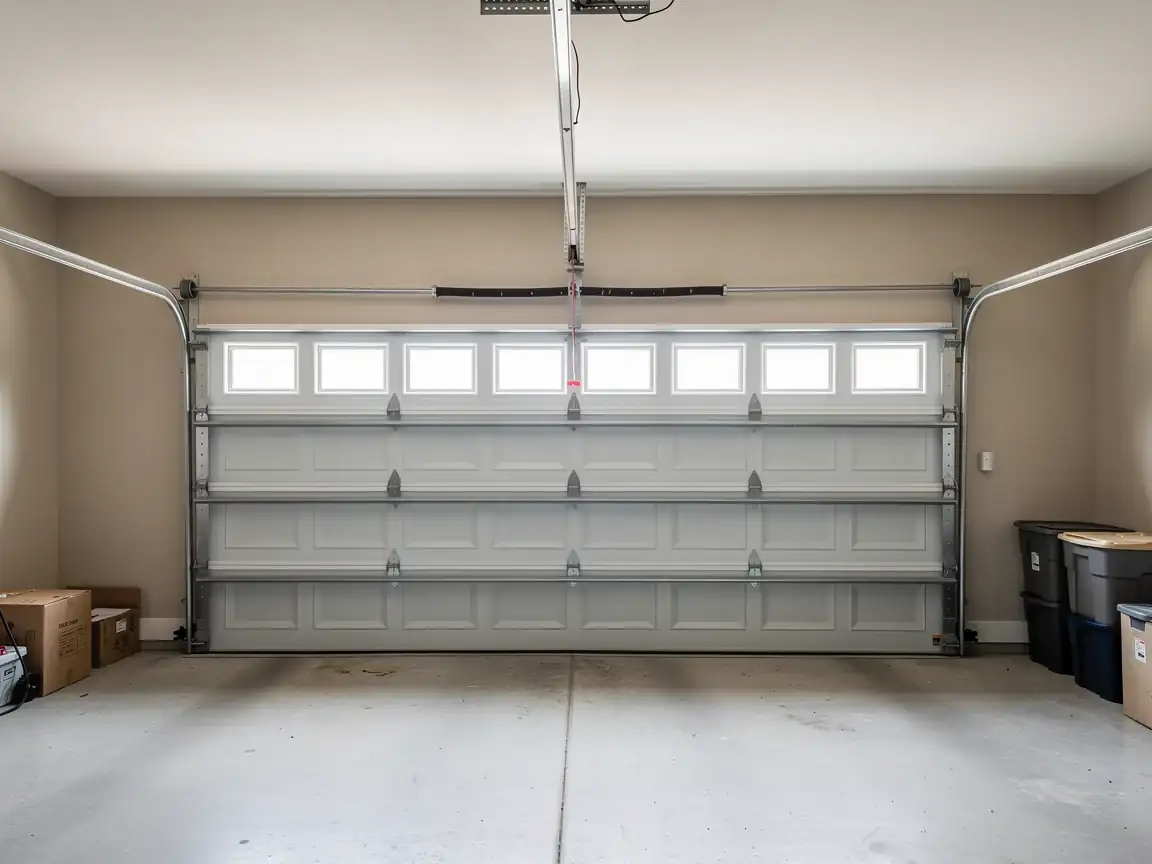
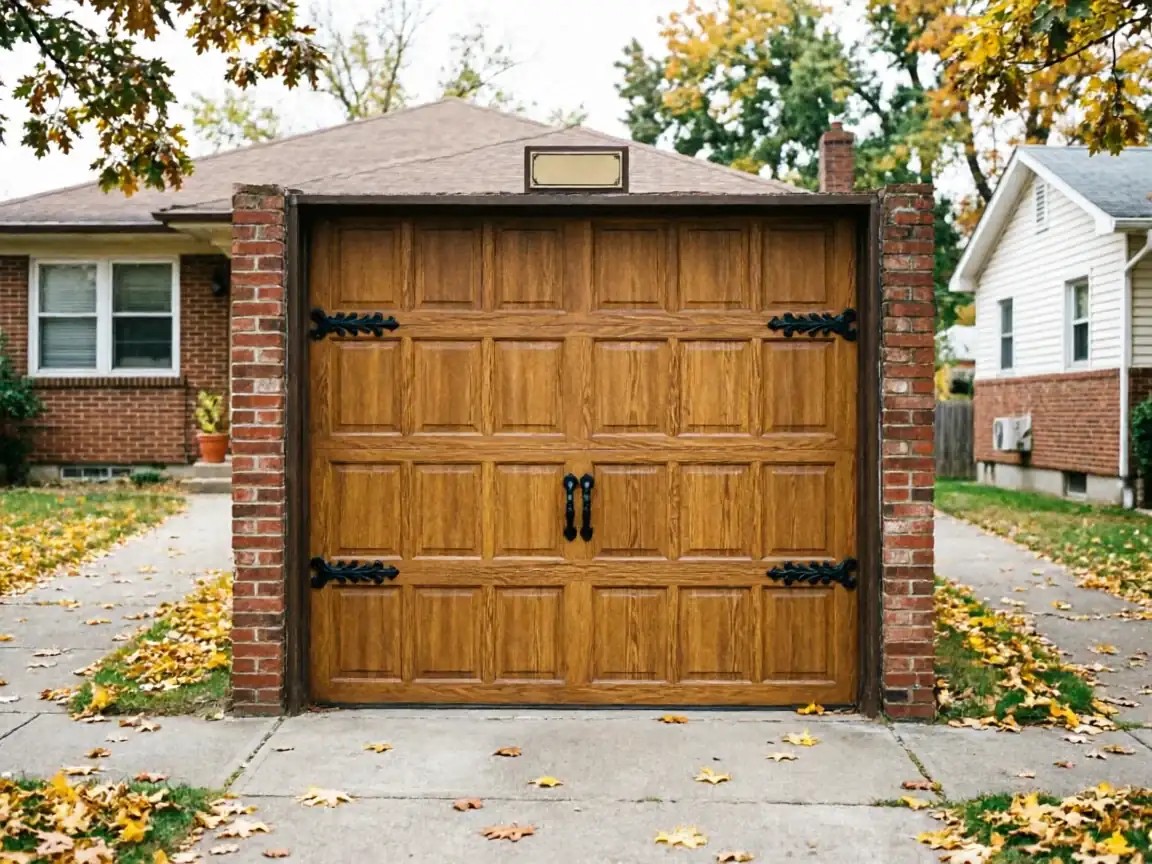
We run this job out of Hutchinson, about 13 miles from Haven, so there's no local branch to call - just a crew that comes out with the door measured ahead of time. Before we load the truck, we ask for the door's age, the number of panels, and whether it's steel or still an older wood door, because panel stock for a 1970s steel sectional is a different order than for anything built since 2000. If you can send a photo of the whole door and the brand label inside the top panel, we can often tell you before we arrive whether a matching panel exists or whether this turns into a full door conversation. That one phone call saves a wasted trip for both of us.
Why This Fails Locally
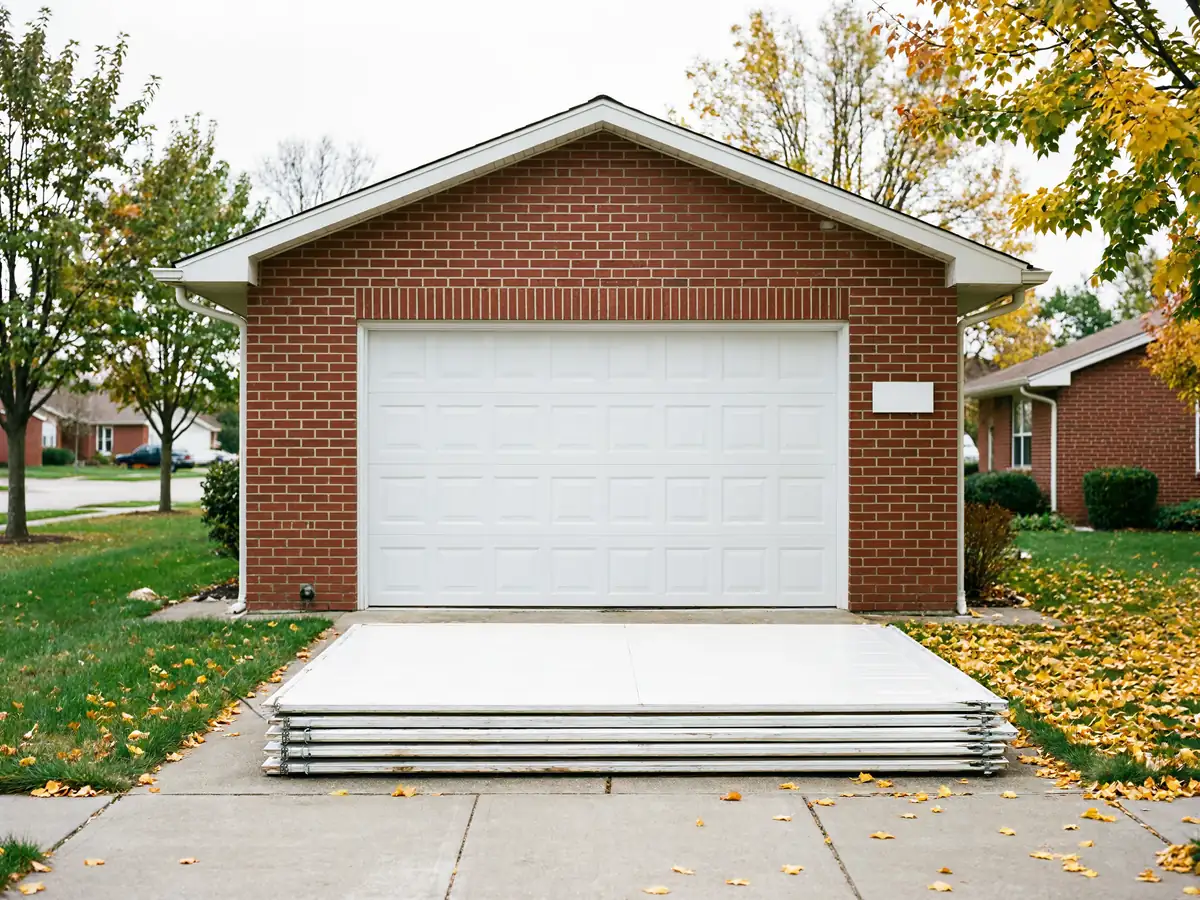
A door built around 1972 was made to a panel width and groove profile that most manufacturers stopped stocking decades ago. Steel sectional doors from that era used different panel heights and rib spacing than what ships today, so a single replacement panel has to be ordered to match an exact, often discontinued, line - it isn't a shelf item. The area sits in a cold, moderate climate band, and these older panels were built with thinner insulation cores than current doors, which means even a matched panel will run a little colder than the rest of a door if the house has since been upgraded elsewhere. At $59,258 median household income here, most owners we talk to want the cheaper single-panel fix if it's available, but on some older doors the manufacturer and model are no longer traceable at all, and that's where we have an honest conversation about replacing the section versus the whole door.
Where This Job Goes Sideways
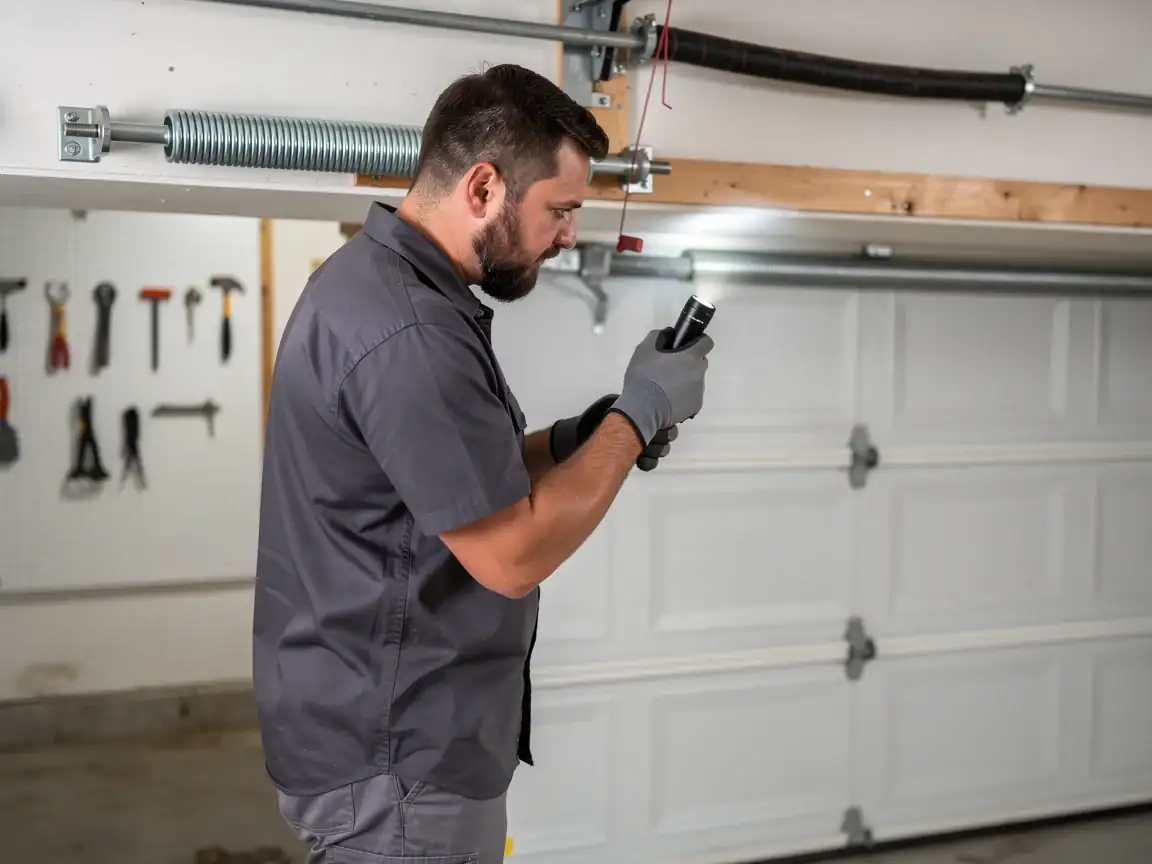
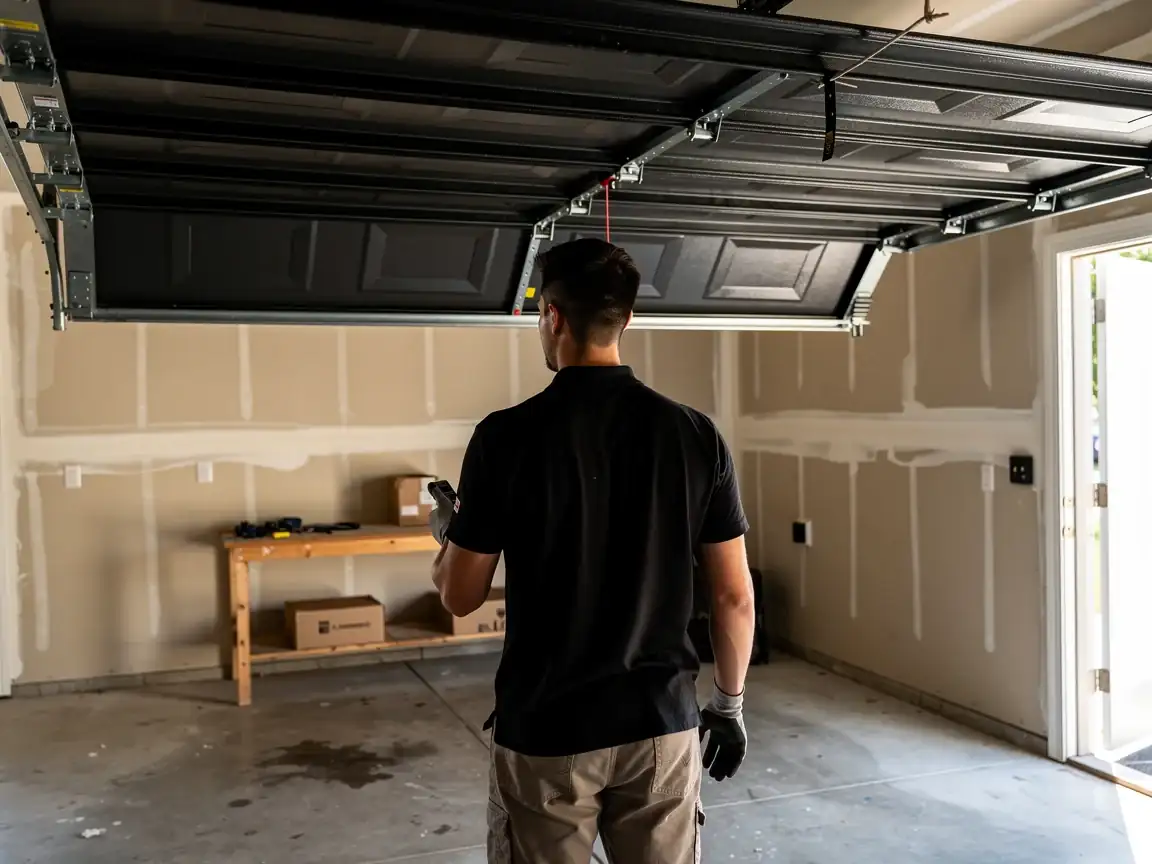
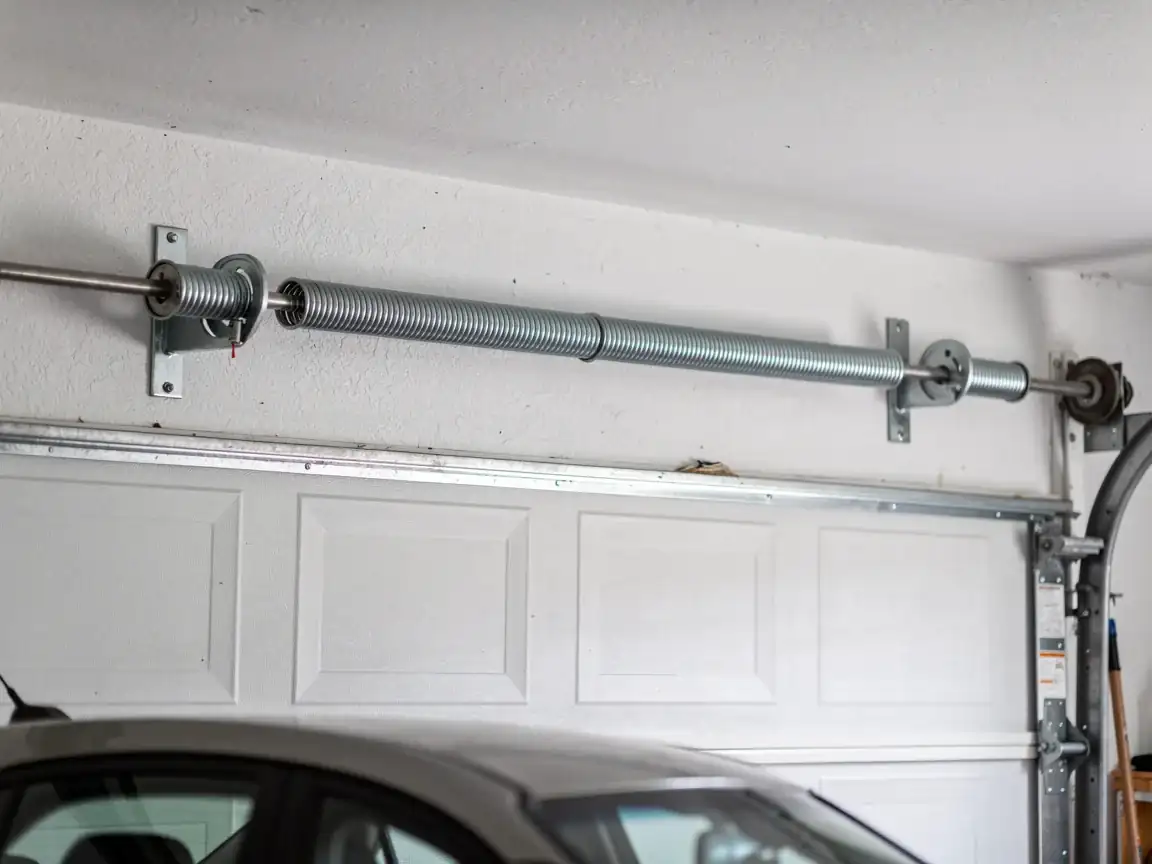
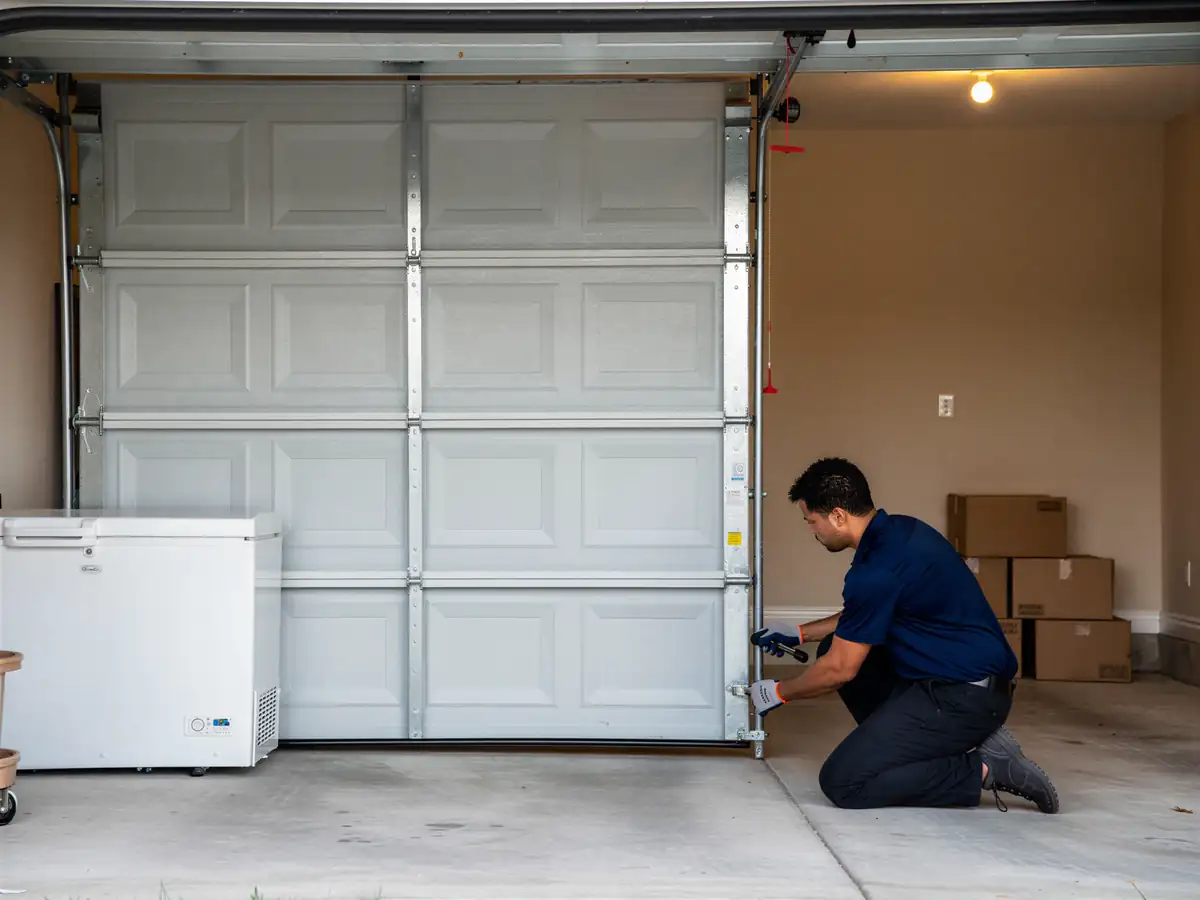
The trouble shows up when the matching panel can't be sourced at all - some 1970s door lines are gone from manufacturer catalogs entirely, and a close color or rib match from a different line will look wrong next to the original panels for the life of the door. We've also seen jobs where the track and hinges were bent in the same impact that cracked the panel, so swapping just the panel doesn't fix the binding or the opener strain; the whole assembly needs resetting. With roughly 620 households in Haven on this older building stock, we expect a fair number of these calls to end in a frank discussion: if the door is original to a 1972 build and has taken more than one hit, patching one panel is often money spent on a door that needs full replacement within a few years anyway.