Getting It Booked In
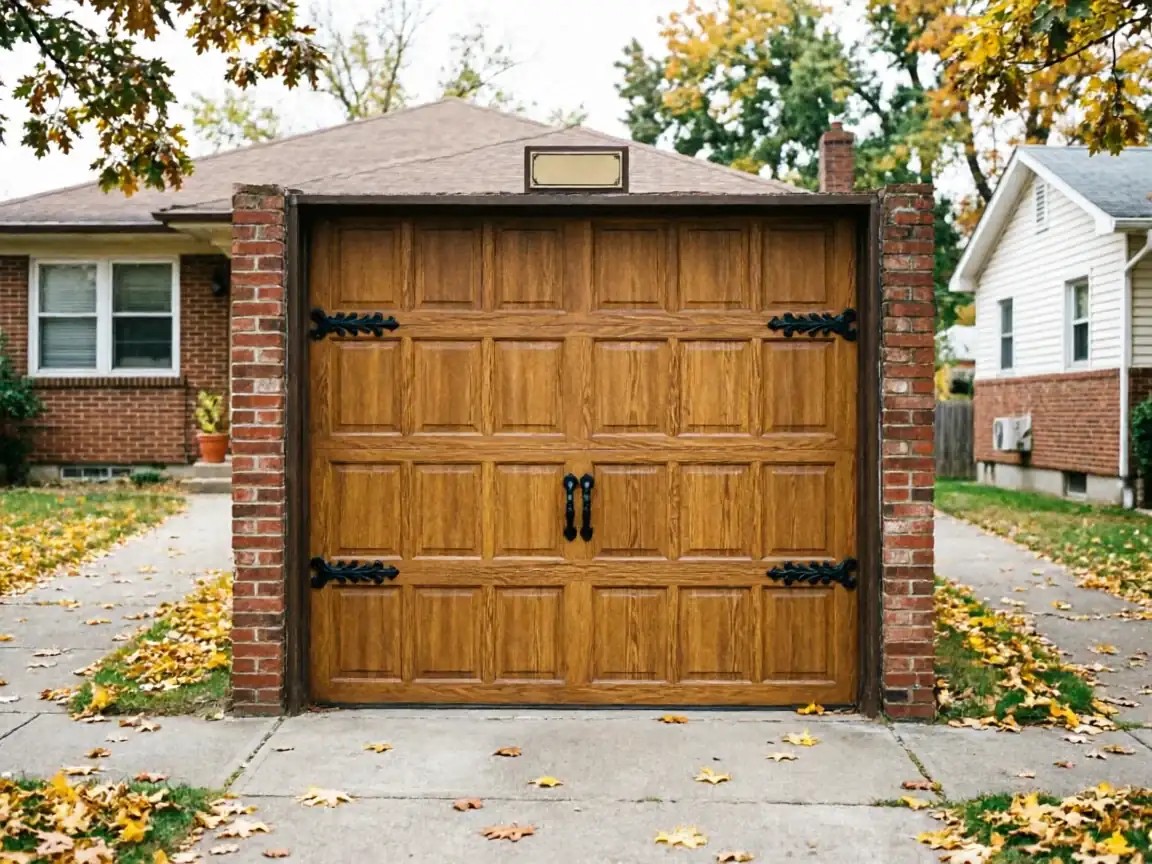
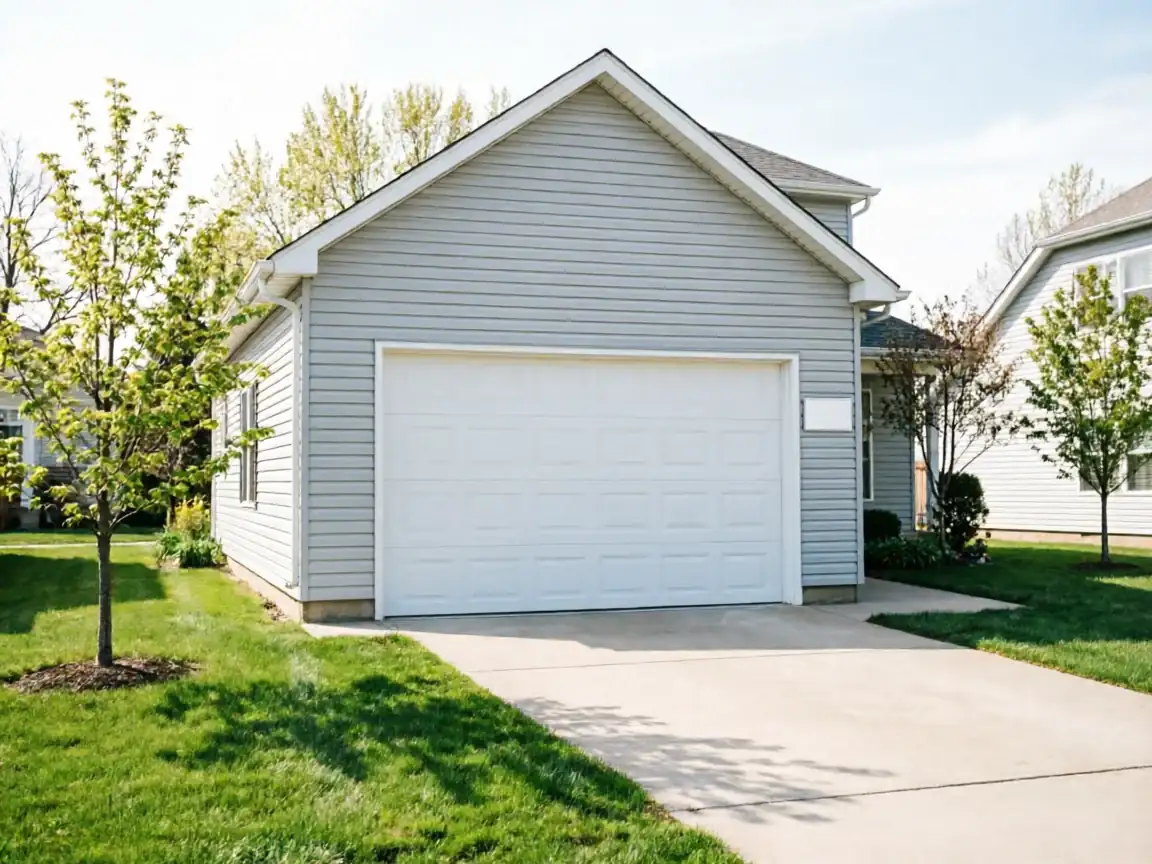
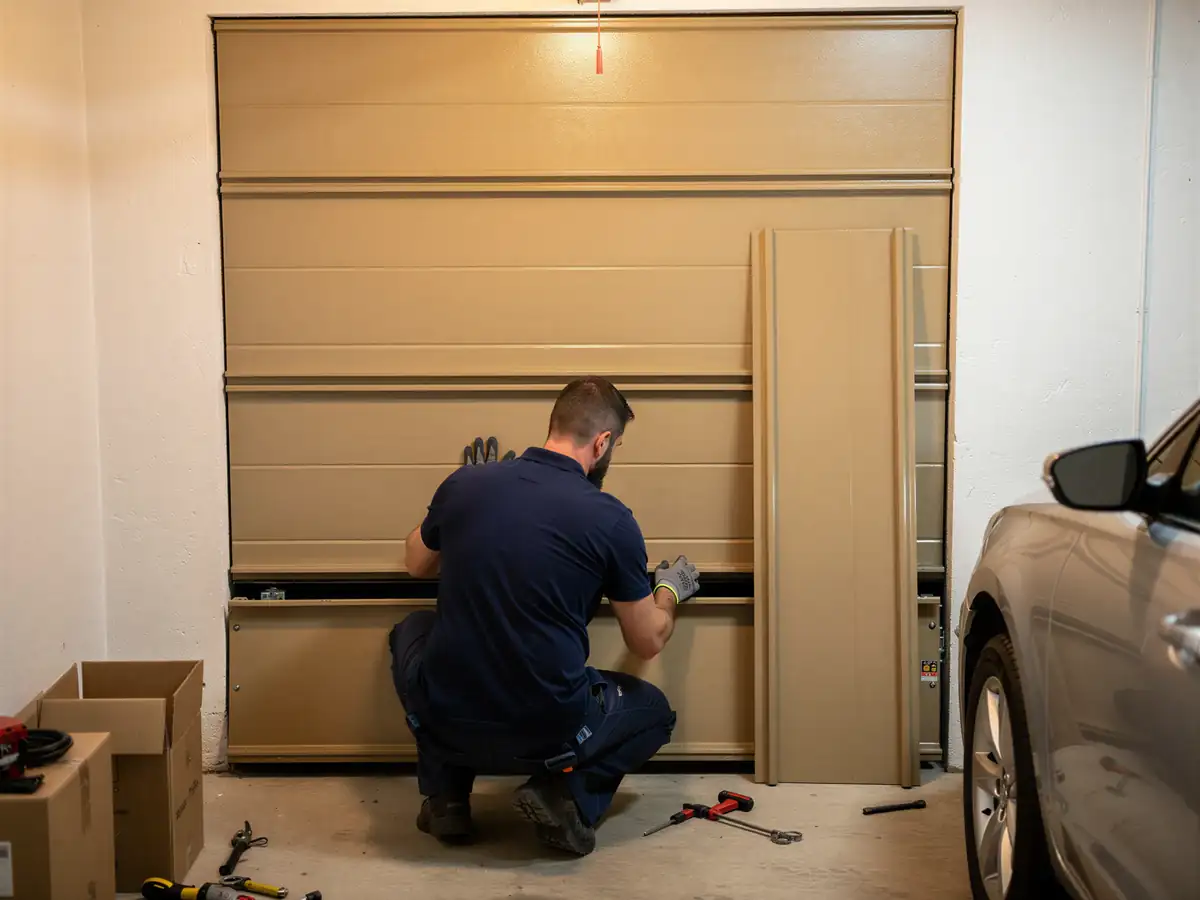
We run this job out of Hutchinson, about 13 miles out to Haven, so a new install here gets scheduled as a dedicated trip rather than a drive-by add-on. That matters for timing: we build the order around your door's actual opening, not a guess, which means a measurement visit or a solid set of dimensions from you before the door gets ordered. Haven is a small town by household count - somewhere around 620 houses in the area we cover - so we're not running multiple install trucks through here on a given day. One visit to confirm the opening, one trip to install, and we tell you up front if the second visit is a week out because of door lead time. We don't keep every size and style on the truck ready to go; a new install is close to always a special order, and we'd rather tell you that now than have you expecting same-day.
Why This Fails Locally
A door ordered without checking the 1972-era opening against a modern standard size runs into the same problem twice: either it doesn't fit the existing track framing without carpentry, or it fits but the spring rating that worked for the old door is wrong for the new one's weight. We've swapped doors on Haven houses where the original jamb was built true to a size that nobody stocks anymore, which means trim work before the new door goes in, not after. This region sits in a cold-moderate climate band, so insulation value is worth planning for on a new install, not bolting on later - a non-insulated door ordered to save a little upfront costs more to fix once someone decides they want the garage usable in January.
Where This Job Goes Sideways
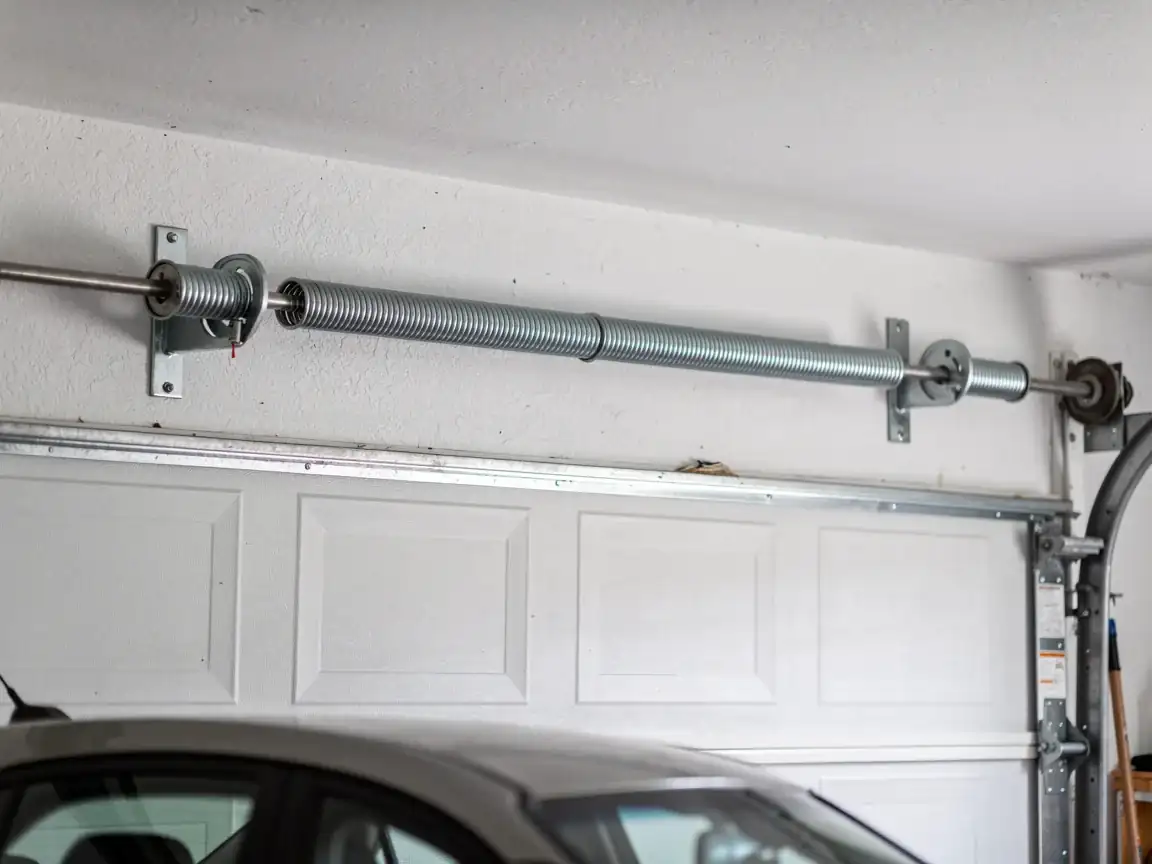
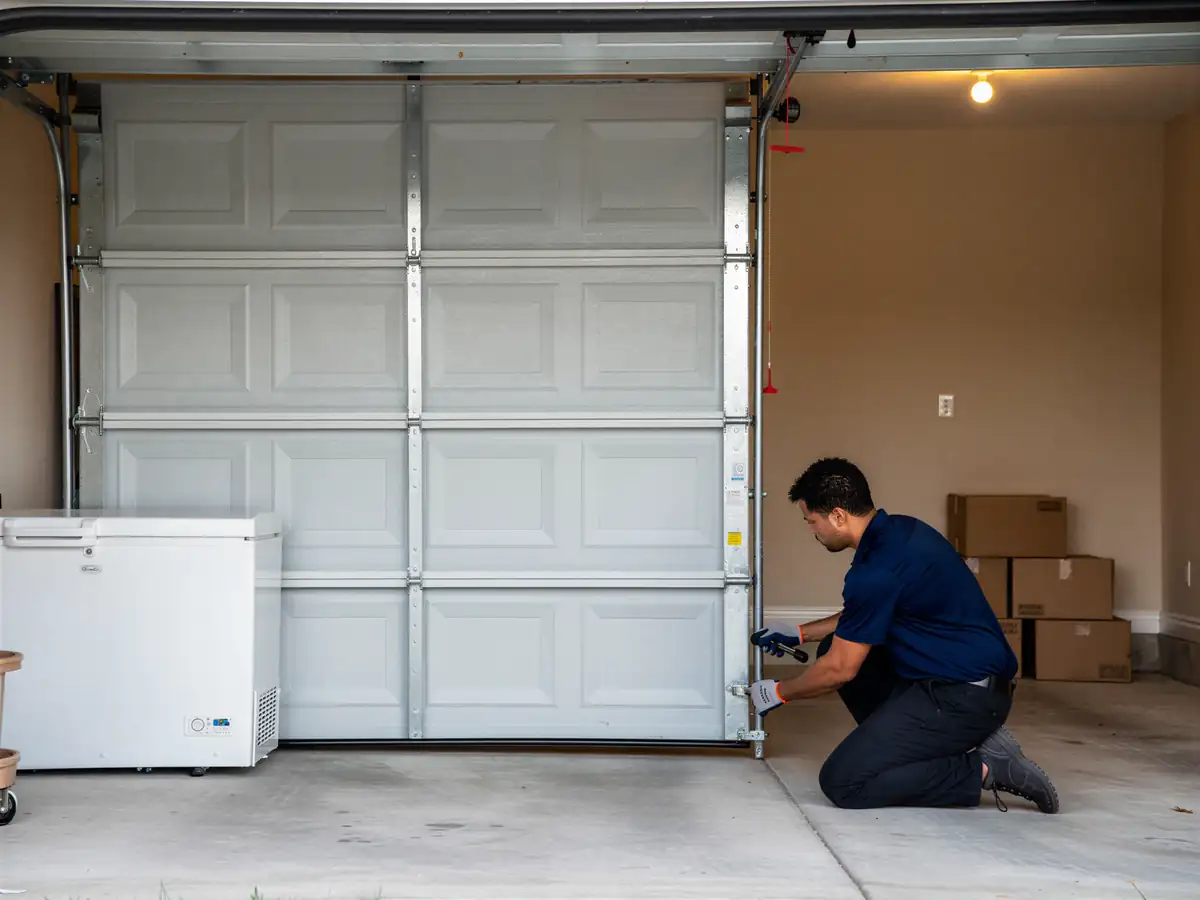
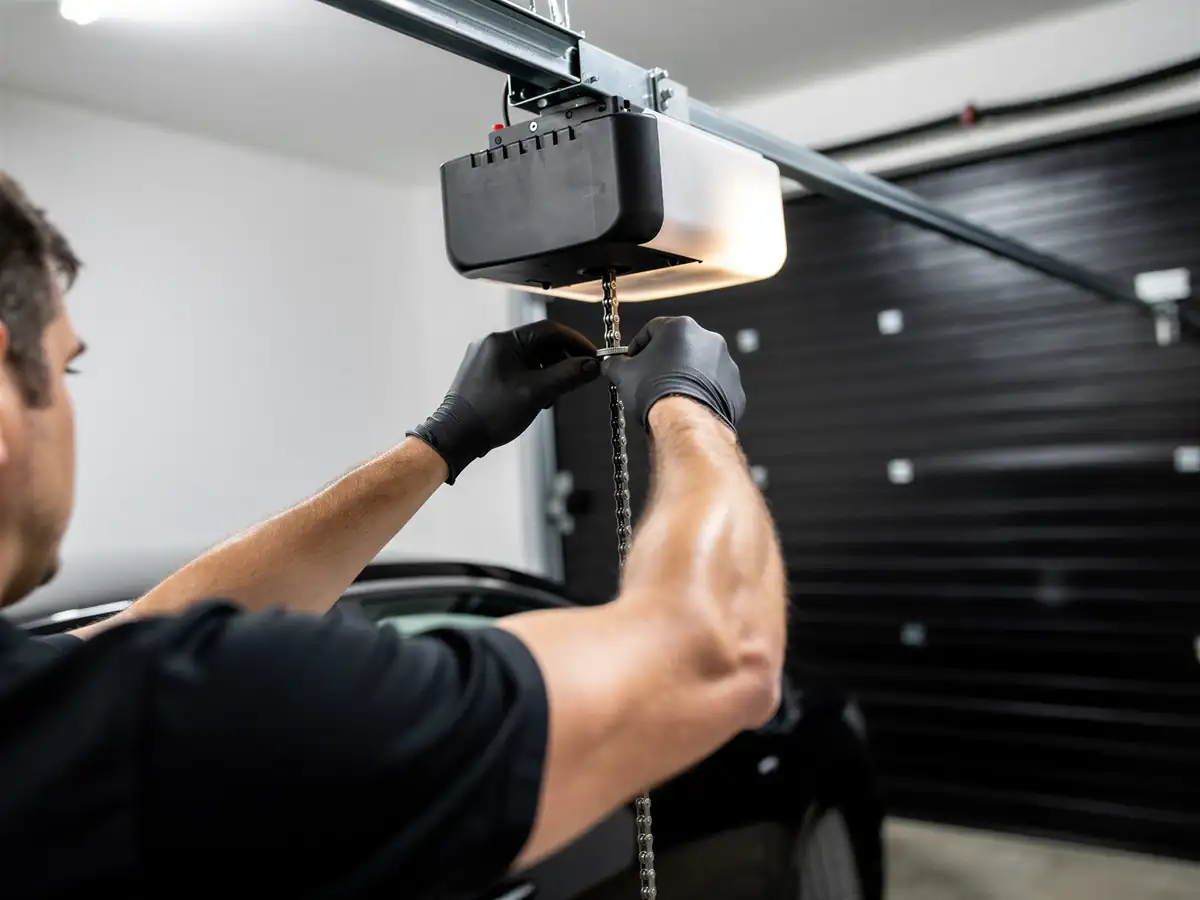
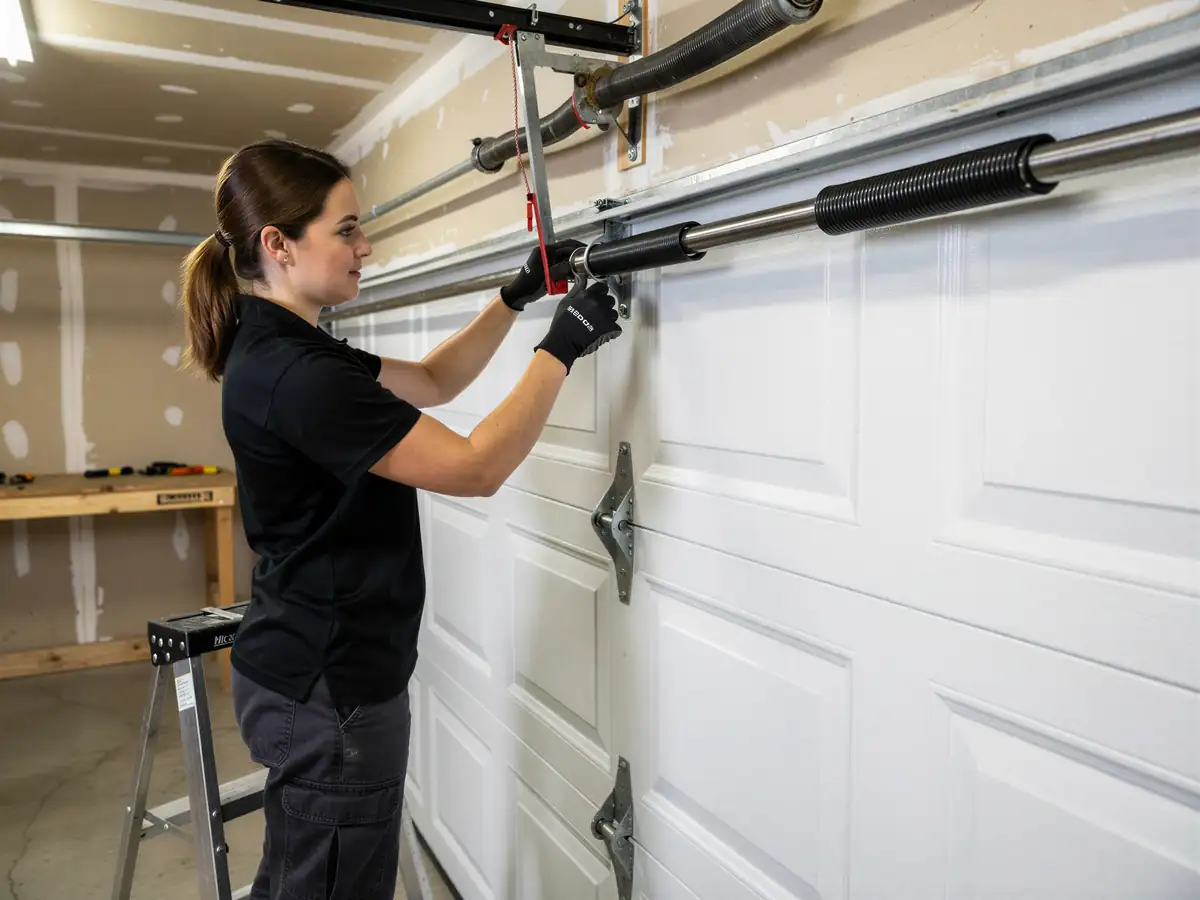
The usual derail is someone ordering a door by the old opening's rough size instead of a true measurement, then finding out on install day that the header or track mount doesn't match. On a 1972 build that's not rare - framing tolerances back then were looser than what a modern door expects. The other place this goes sideways is springs: a heavier insulated door needs a different torsion spring than the light steel door it's replacing, and guessing the rating instead of calculating it off the actual door weight is how you get a door that slams down or won't stay up. We've also seen openers reused from the old door that aren't rated for the new panel weight - that's a safety issue, not just an inconvenience, and we won't leave a mismatched opener in place even if it technically turns on.