What Is on the Truck
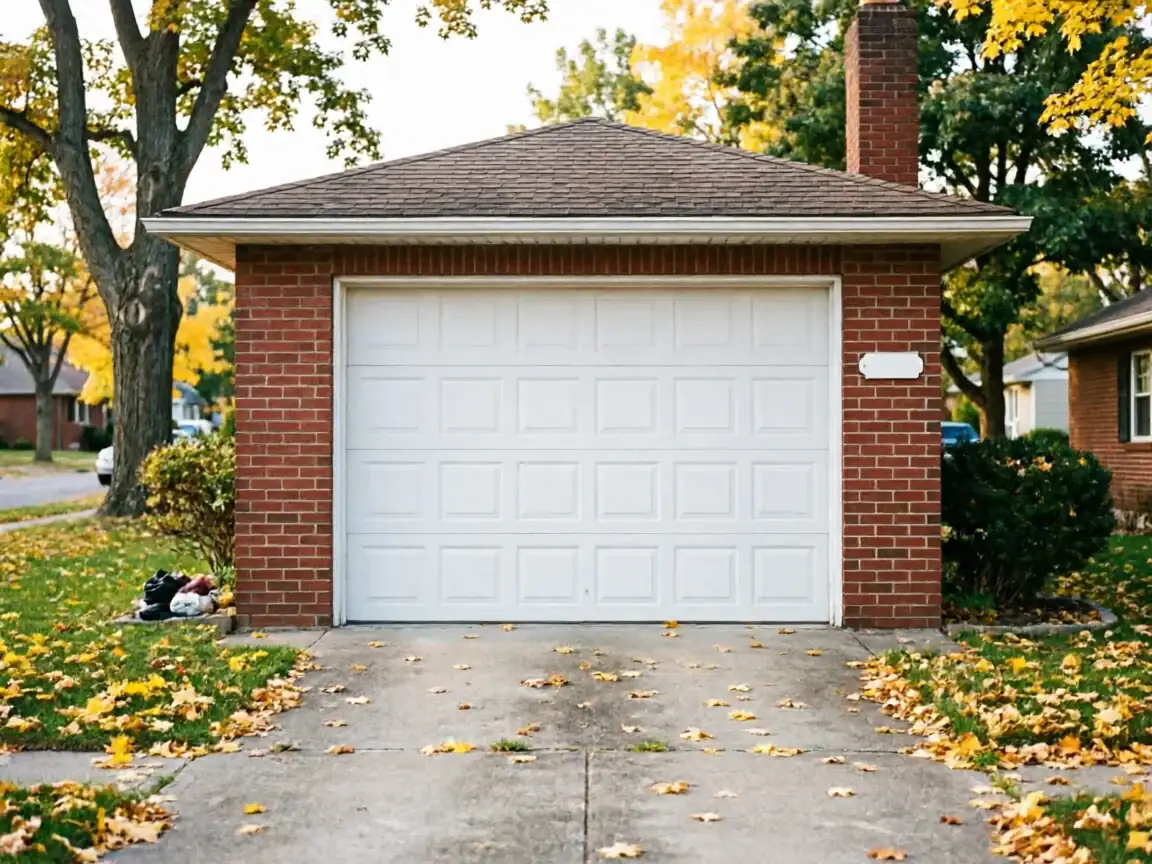
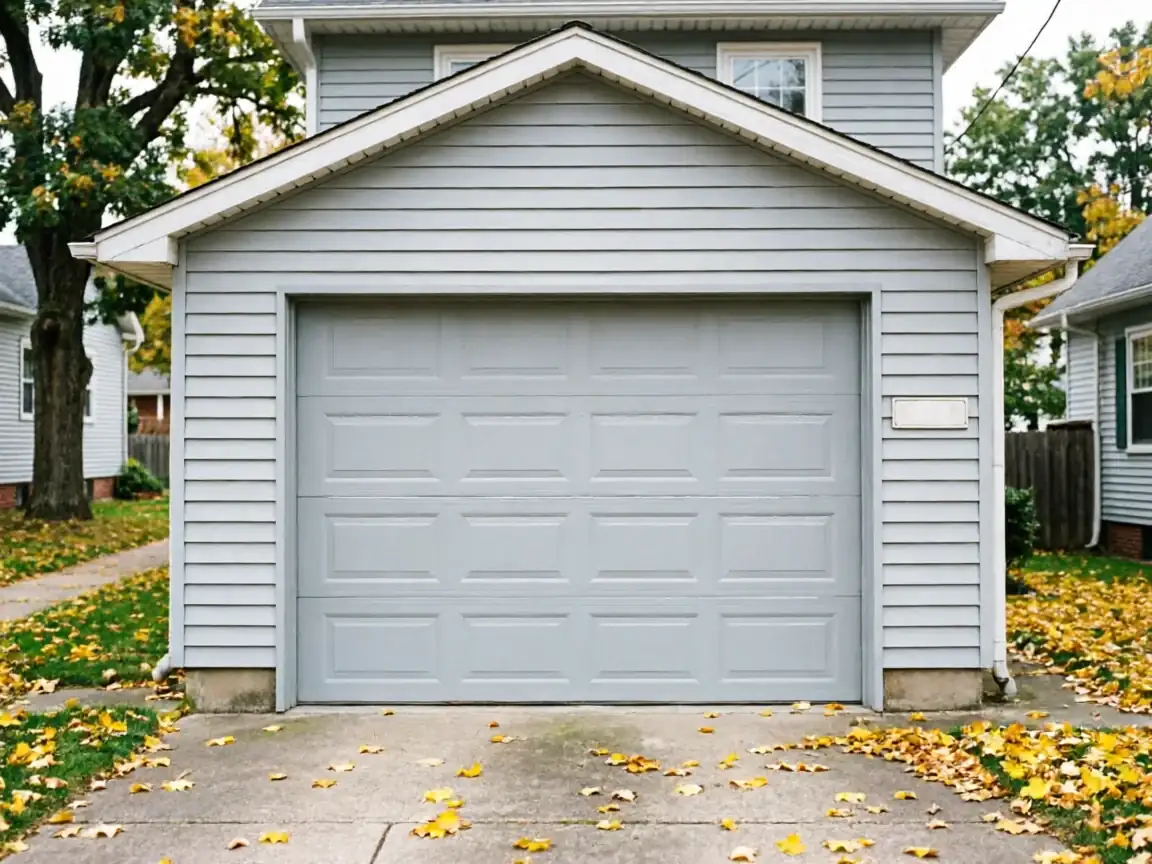
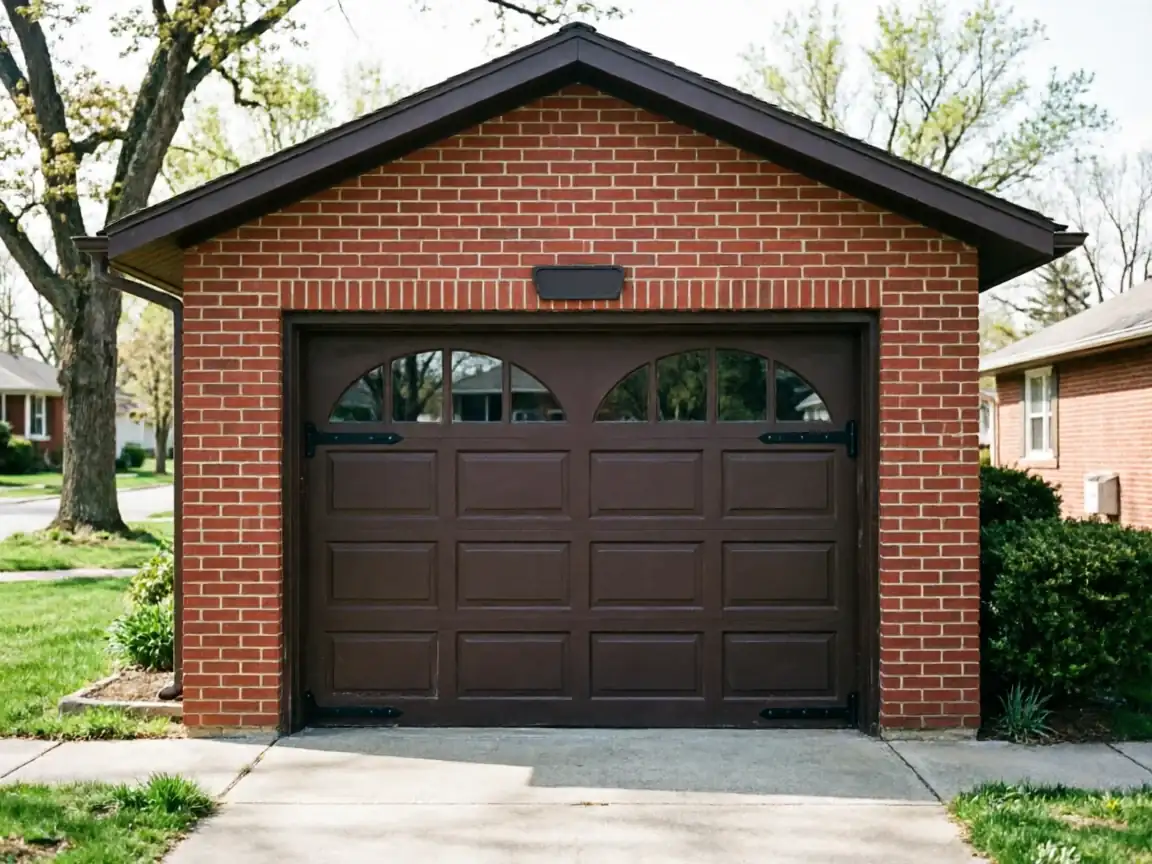
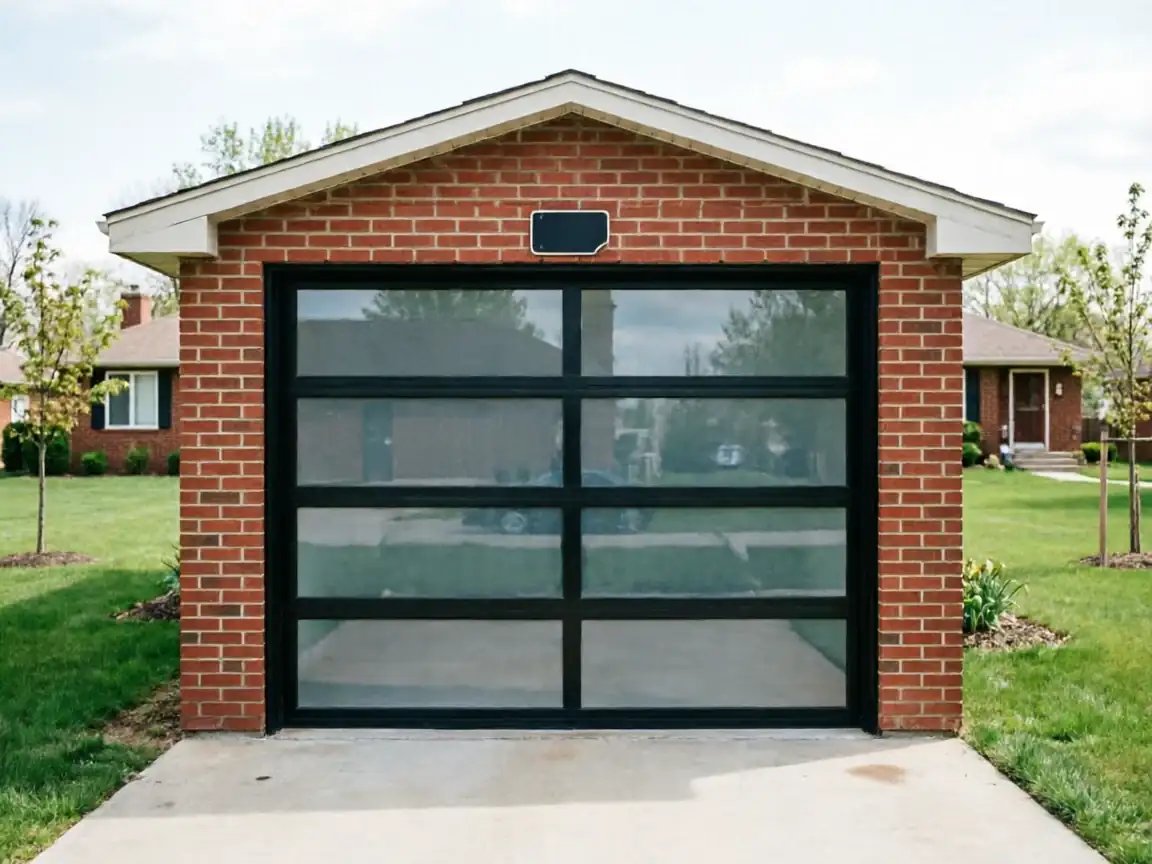
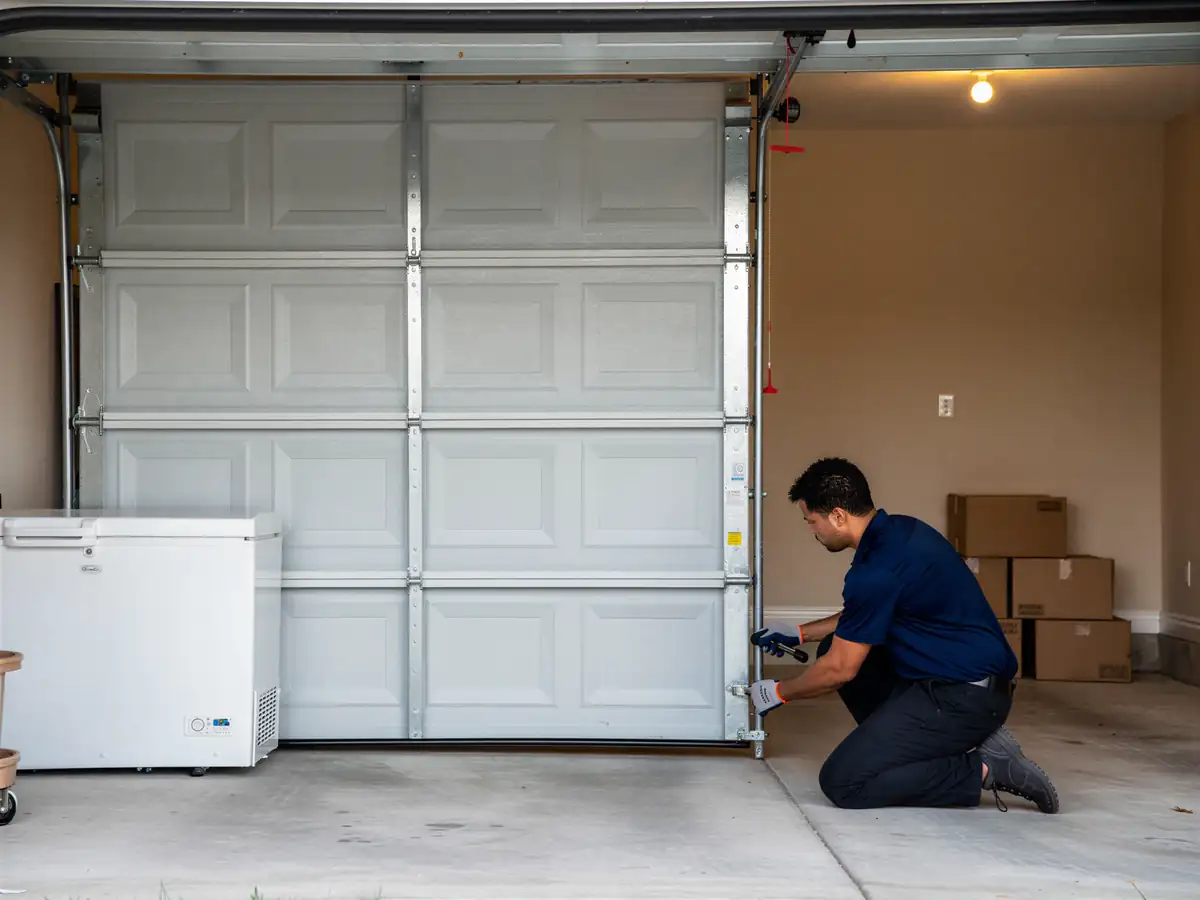
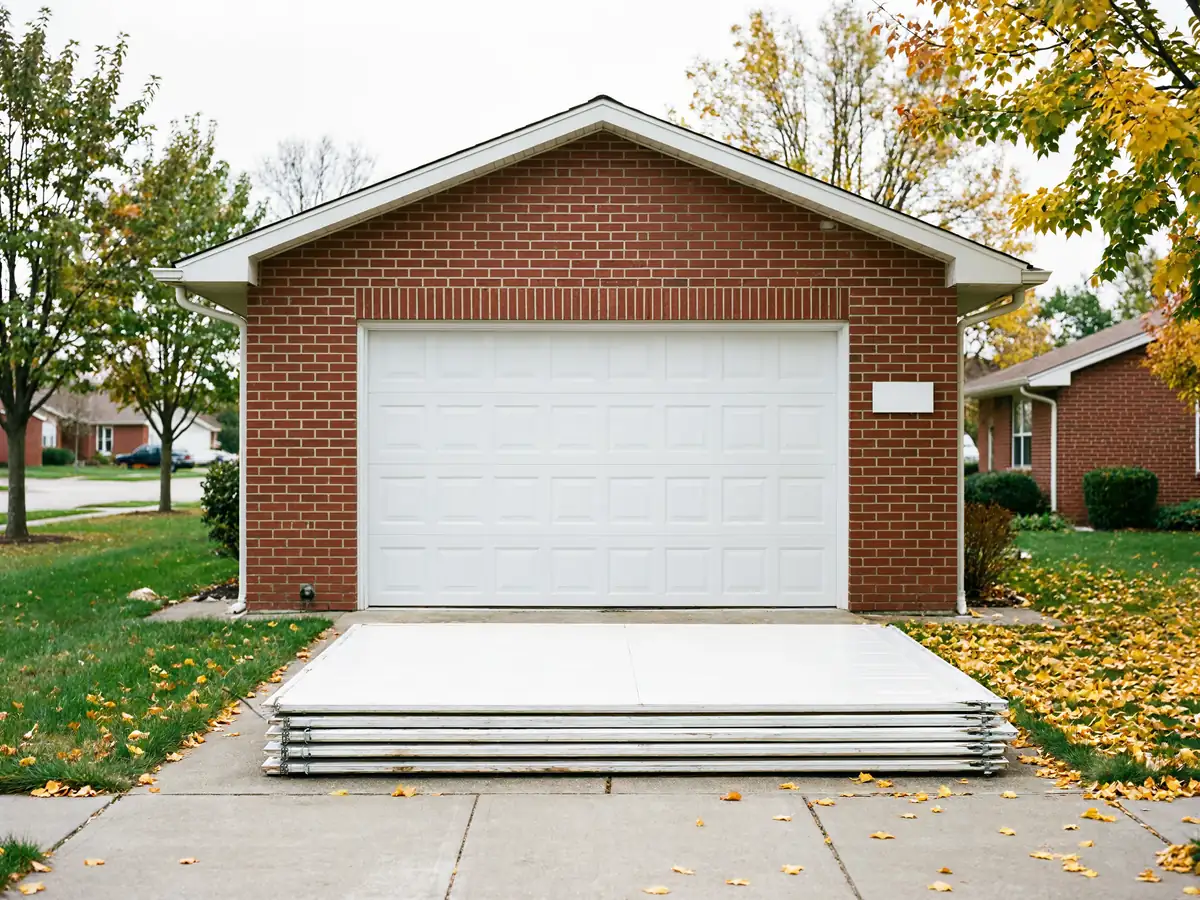
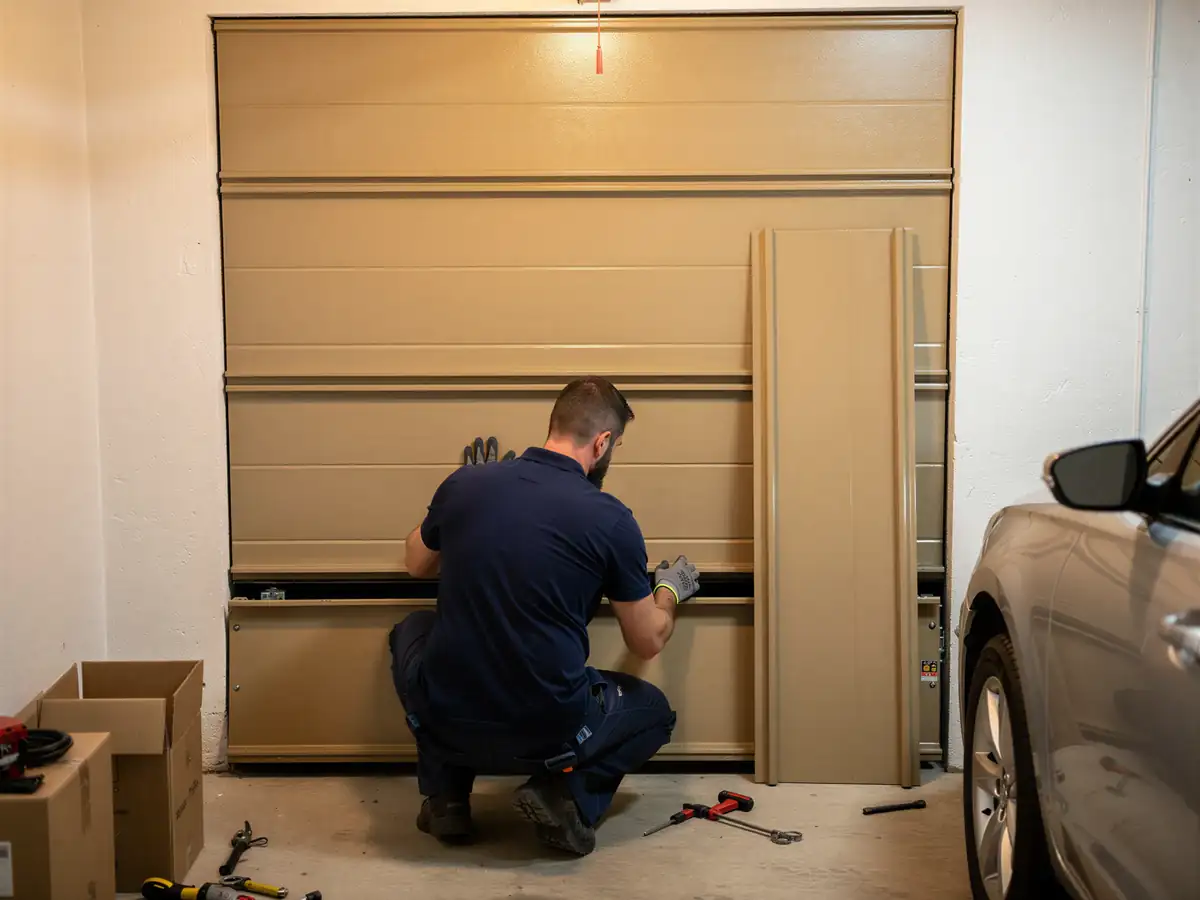
At $65,313 median household income, Burrton sits a notch above the Hutchinson-area average of $63,119, which matters more than it sounds like it should when you're staring at a cracked or caved-in panel. The repair-or-replace line usually falls around whether we can source a matching panel for your door's make and width versus swapping the whole section. For a house built around 1971 - the typical year for homes out here - the door is often an older steel or aluminum panel design that isn't stocked on the truck as a loose part. We carry common panel sizes and a range of hinges, rollers, and end caps, but a dented single panel on an older door sometimes means ordering the exact match rather than grabbing one off the shelf. That's the honest limitation: if your door is a less common size or an older design no longer made, we're looking at a short wait on parts, not a same-visit swap. We'll tell you that up front rather than promise a panel we don't have in hand.
How Long You Are Without the Door
Because the shop runs out of Hutchinson, 13 miles out, the job itself - once we're on site with the right panel - usually isn't the long part. What stretches the timeline is parts. If your panel size is a common one, we can often turn the job around quickly. If it's an older or less common width, the door may sit with a boarded or braced section for a few days while we track down a match. We won't quote you a firm number here because it depends entirely on what we find once we see the door and the actual panel spec, but we'll give you a straight answer on-site instead of a guess over the phone.
The Symptom
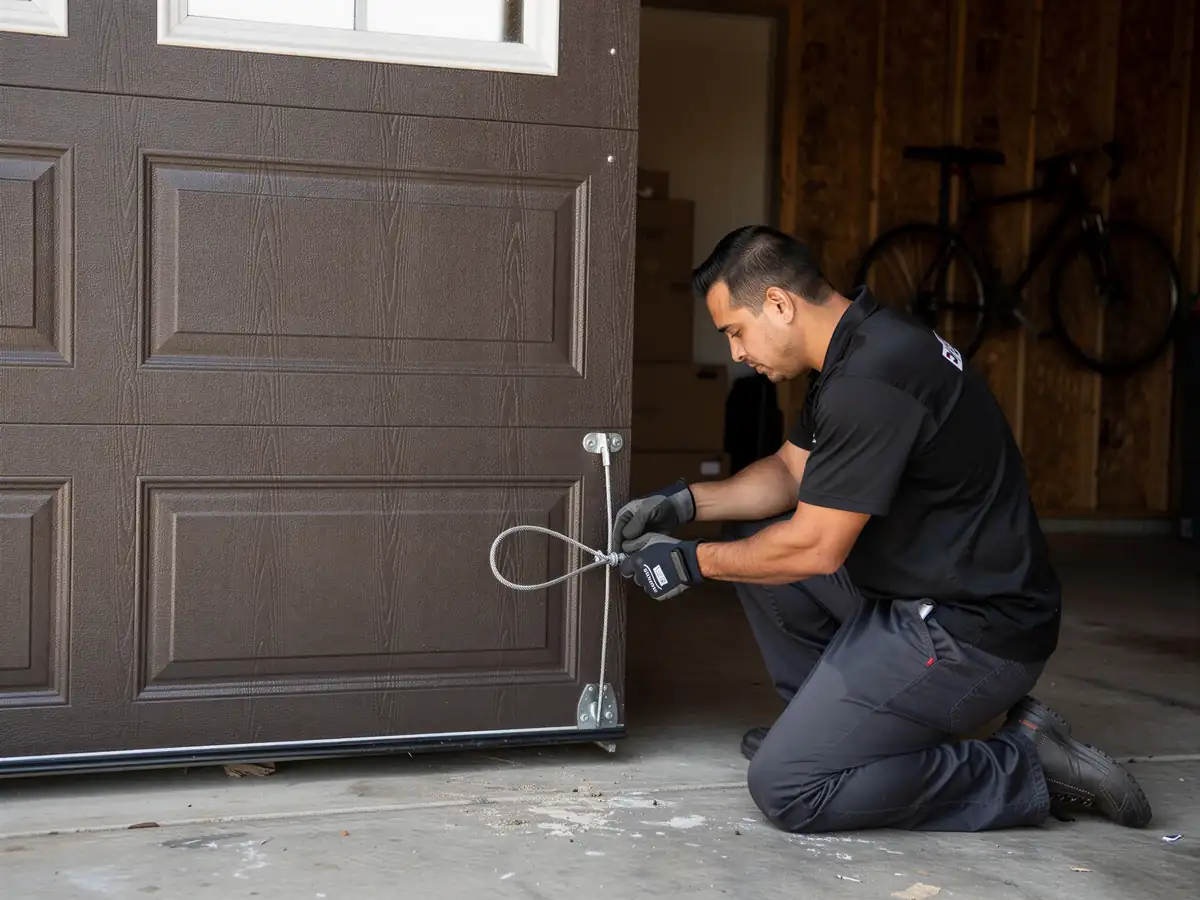
The panel jobs we see out here tend to start the same way: a car bumper, a trailer hitch, or a gust that caught the door mid-swing left a dent, a crack, or a hole that goes clean through. Sometimes it's rust-through at the bottom panel near ground level, which is its own kind of failure separate from impact damage. Either way, a damaged panel on a 1960s-70s era door often throws the whole section out of square, which means the door can bind in the track or refuse to seat right against the weatherstrip at the bottom. If you're noticing daylight around the edge of a panel that used to sit flush, or the door groans and hesitates at one spot every time it runs, that's usually the panel pushing on hardware it was never meant to stress.