What Is on the Truck
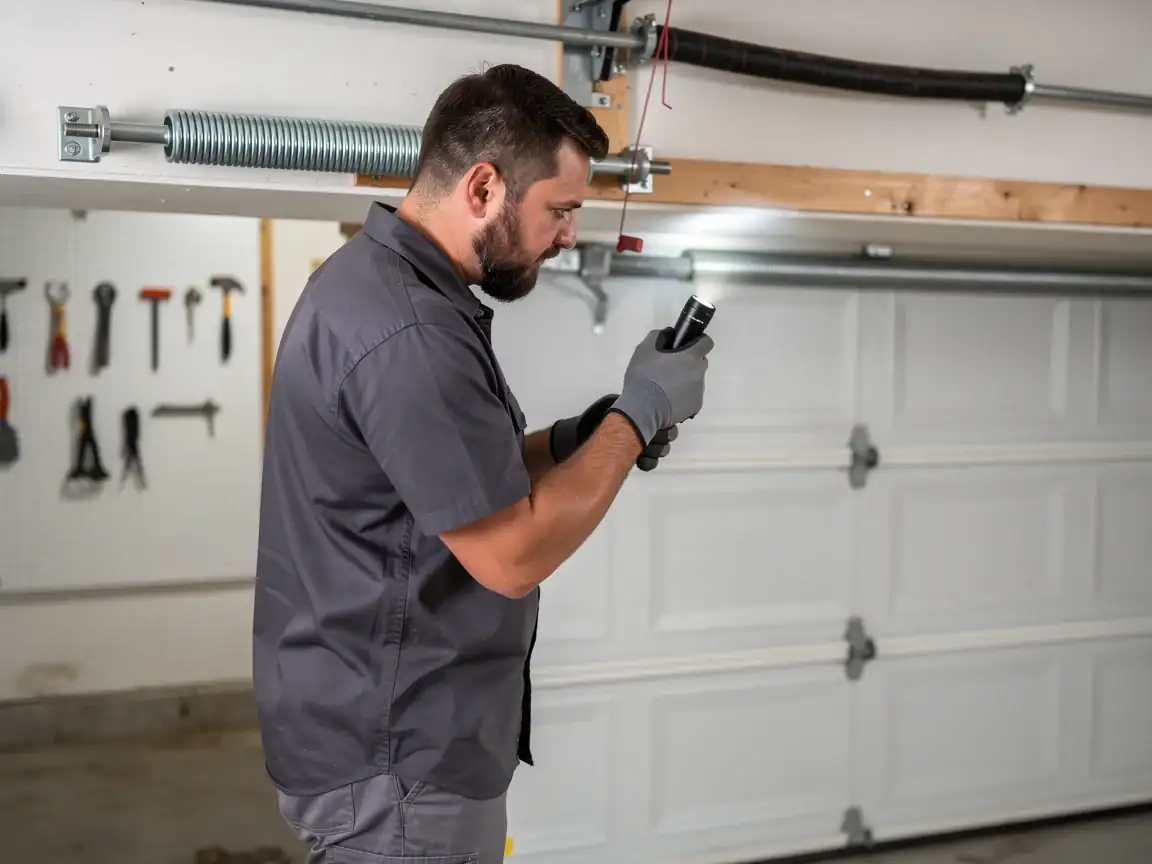
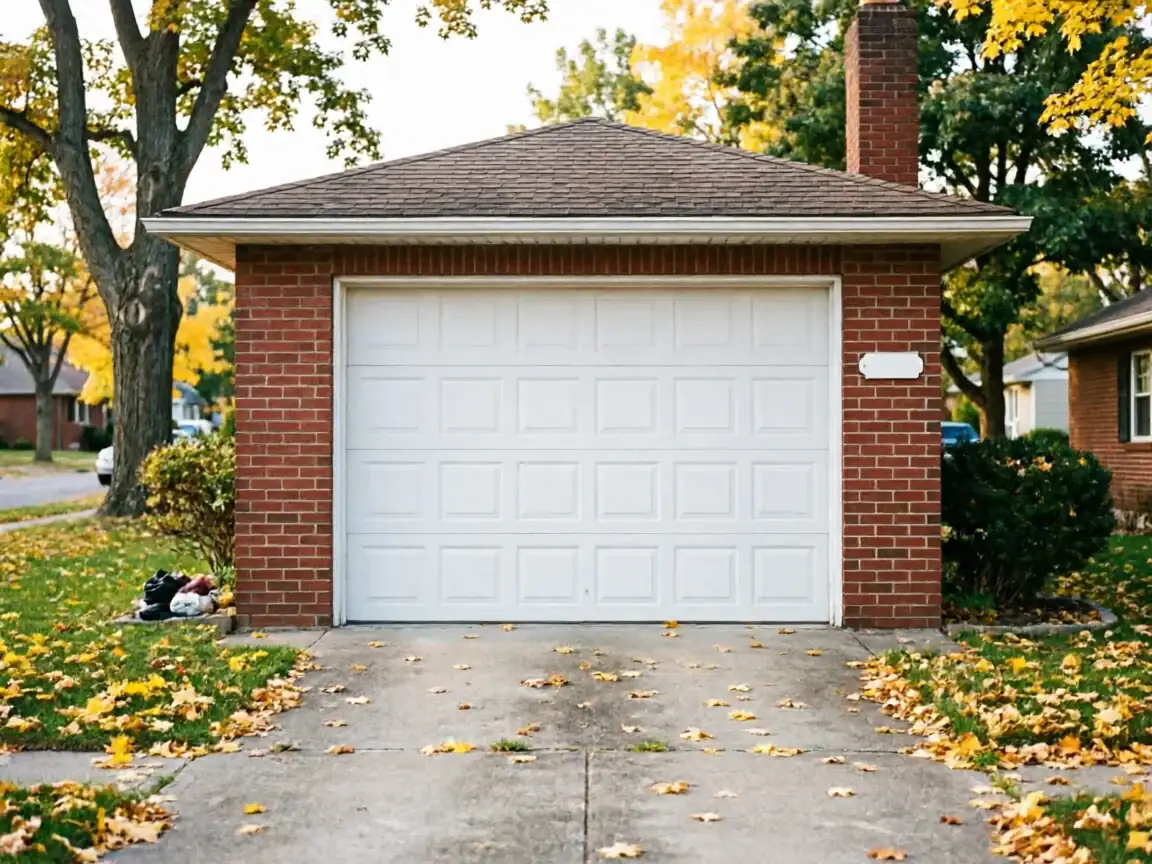
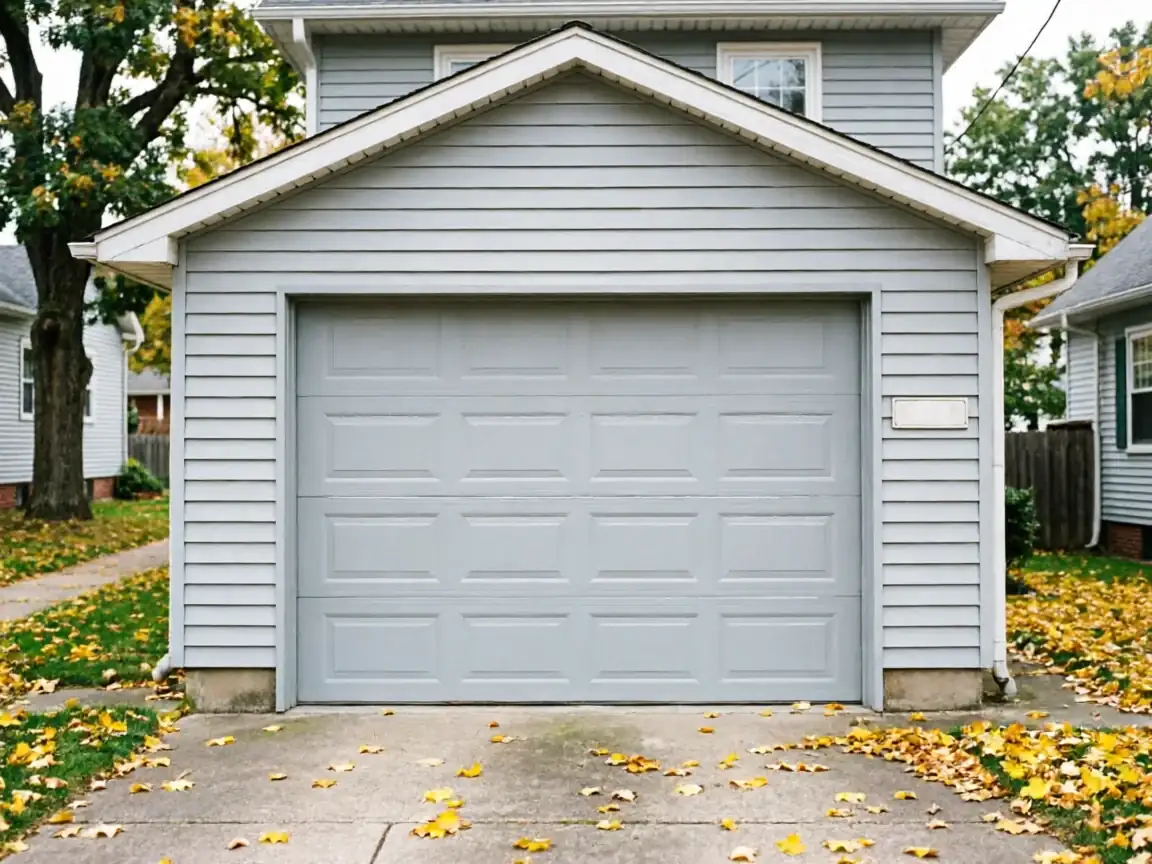
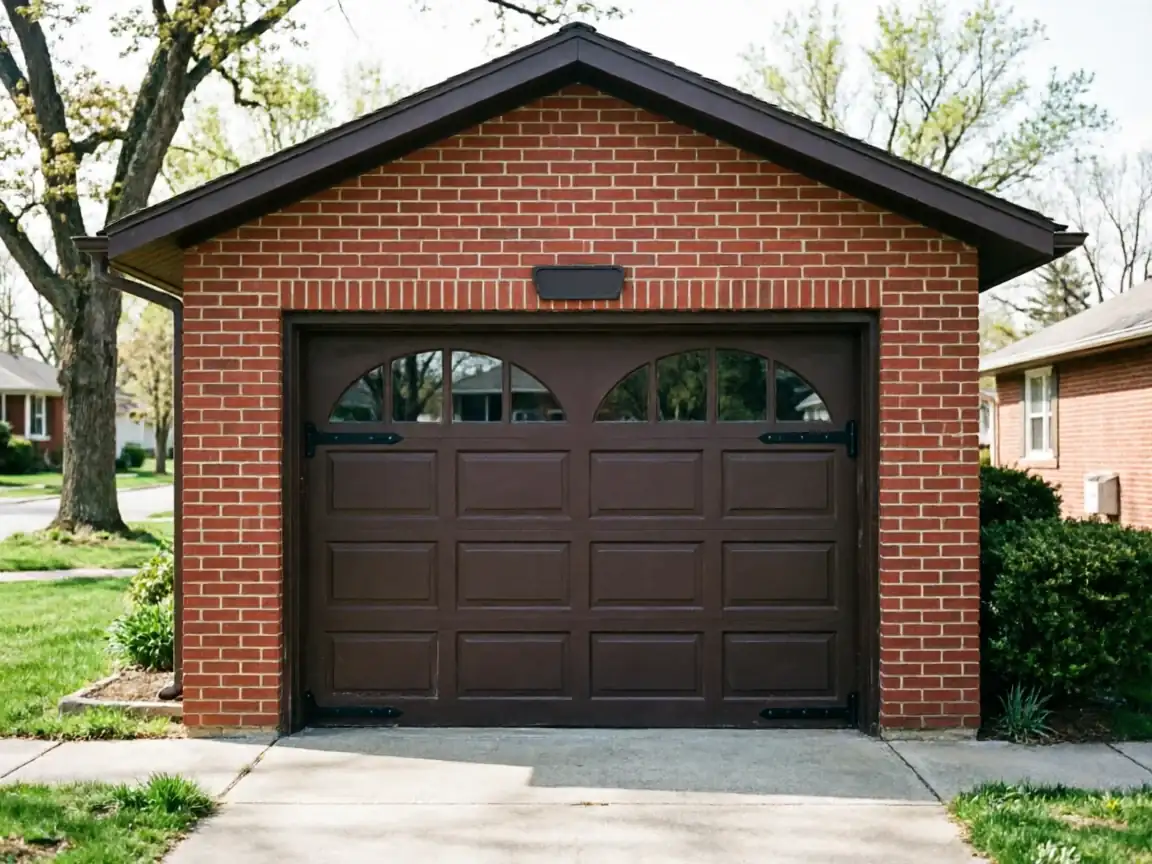
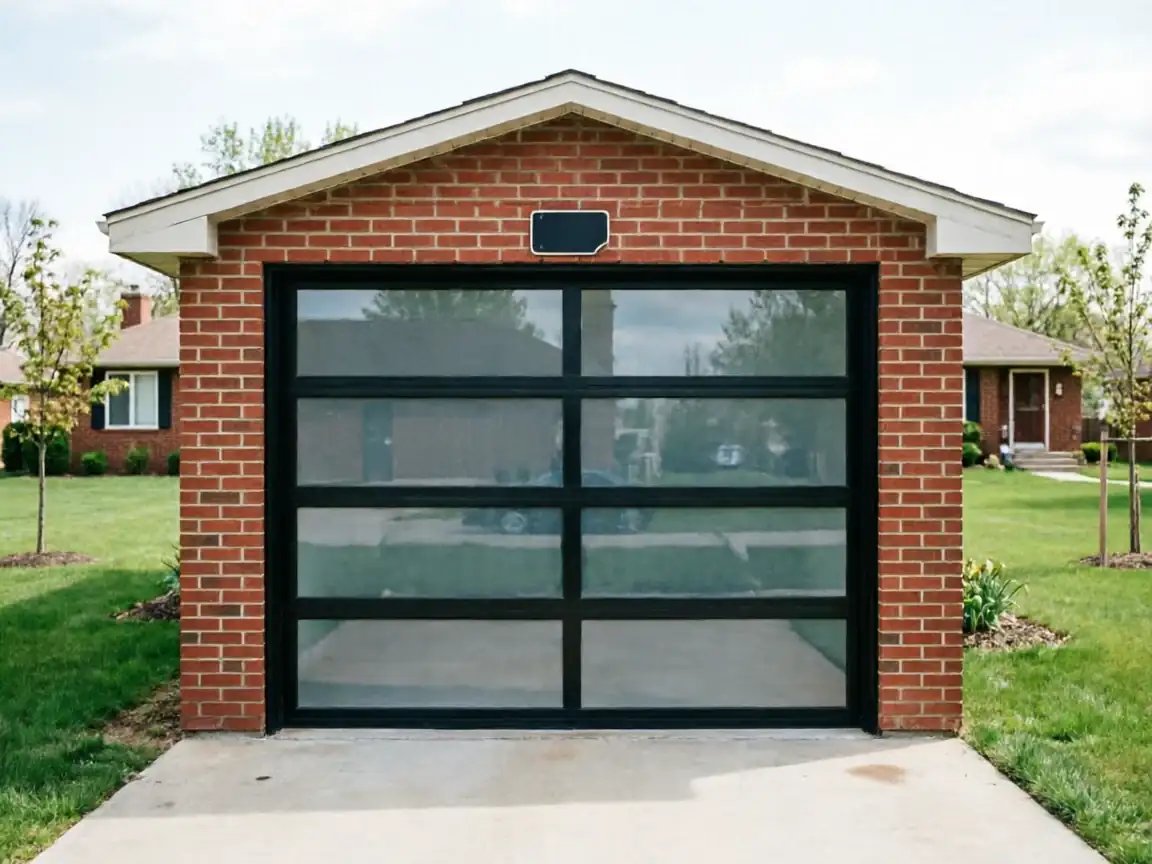
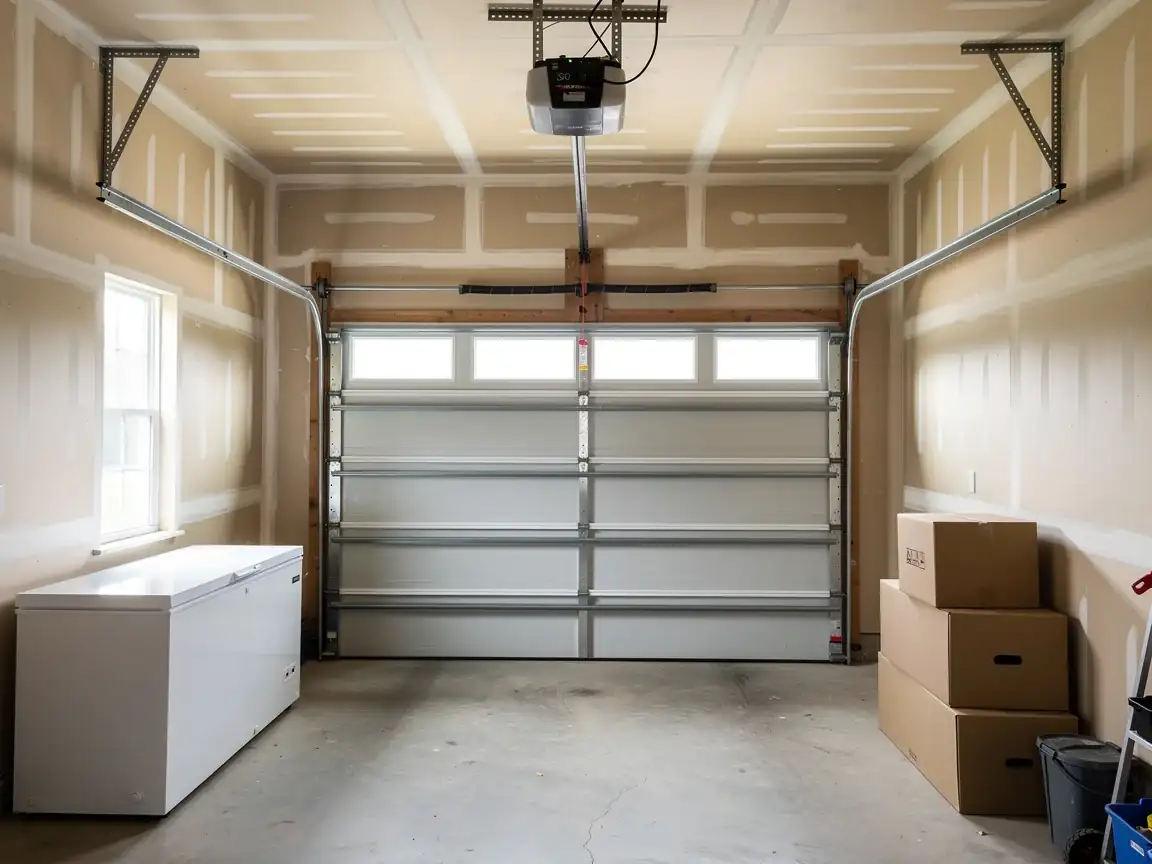
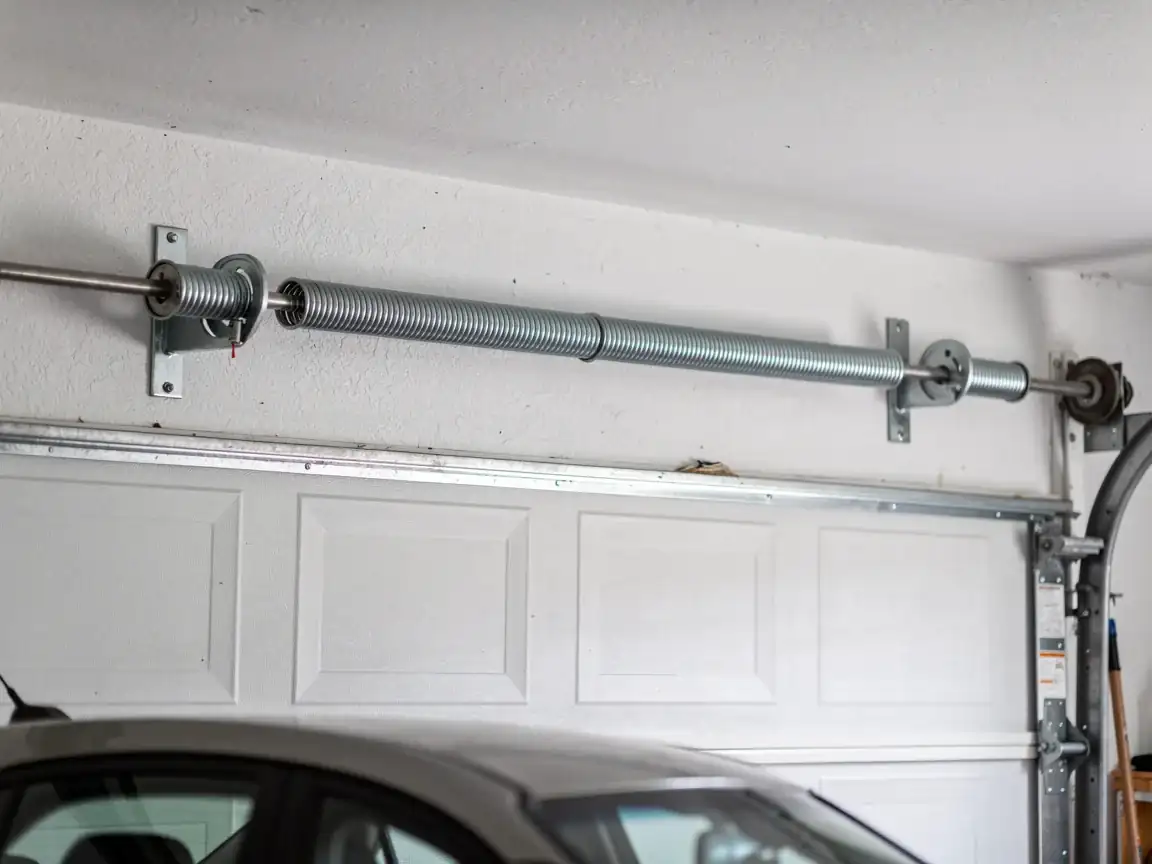
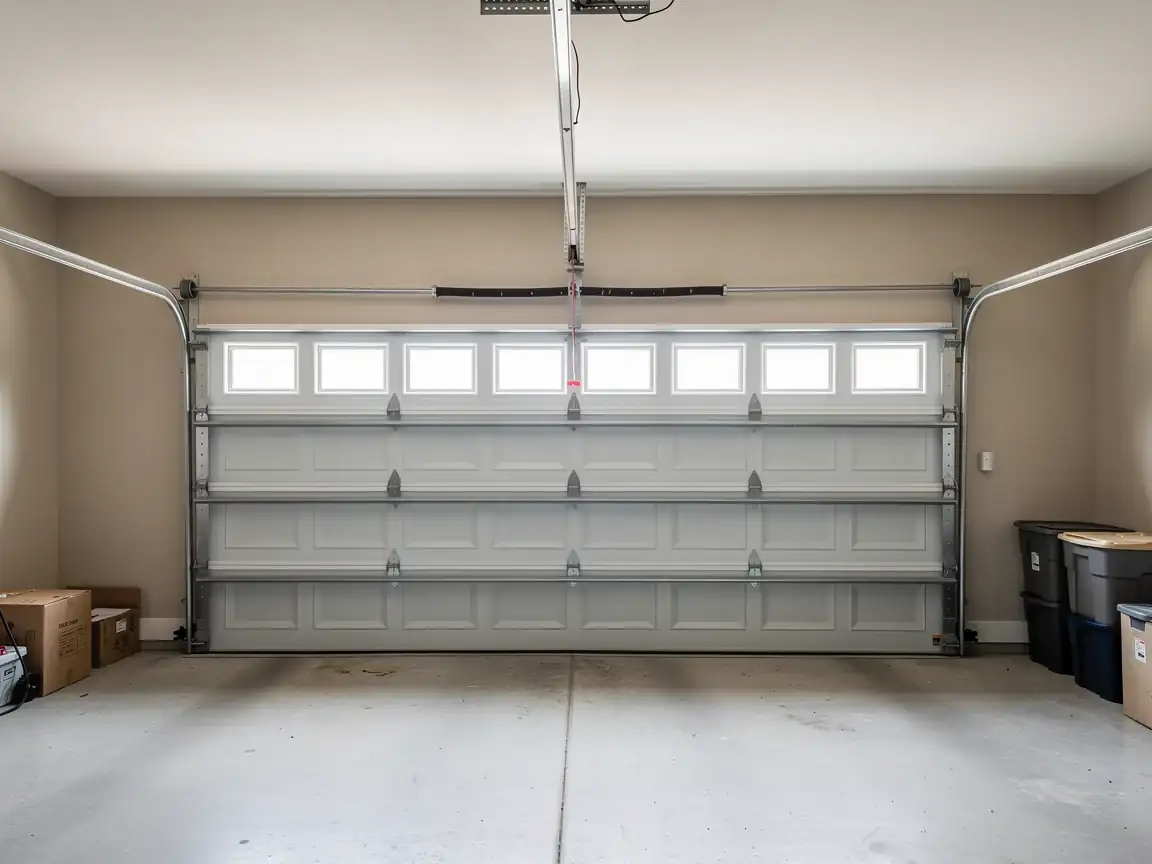
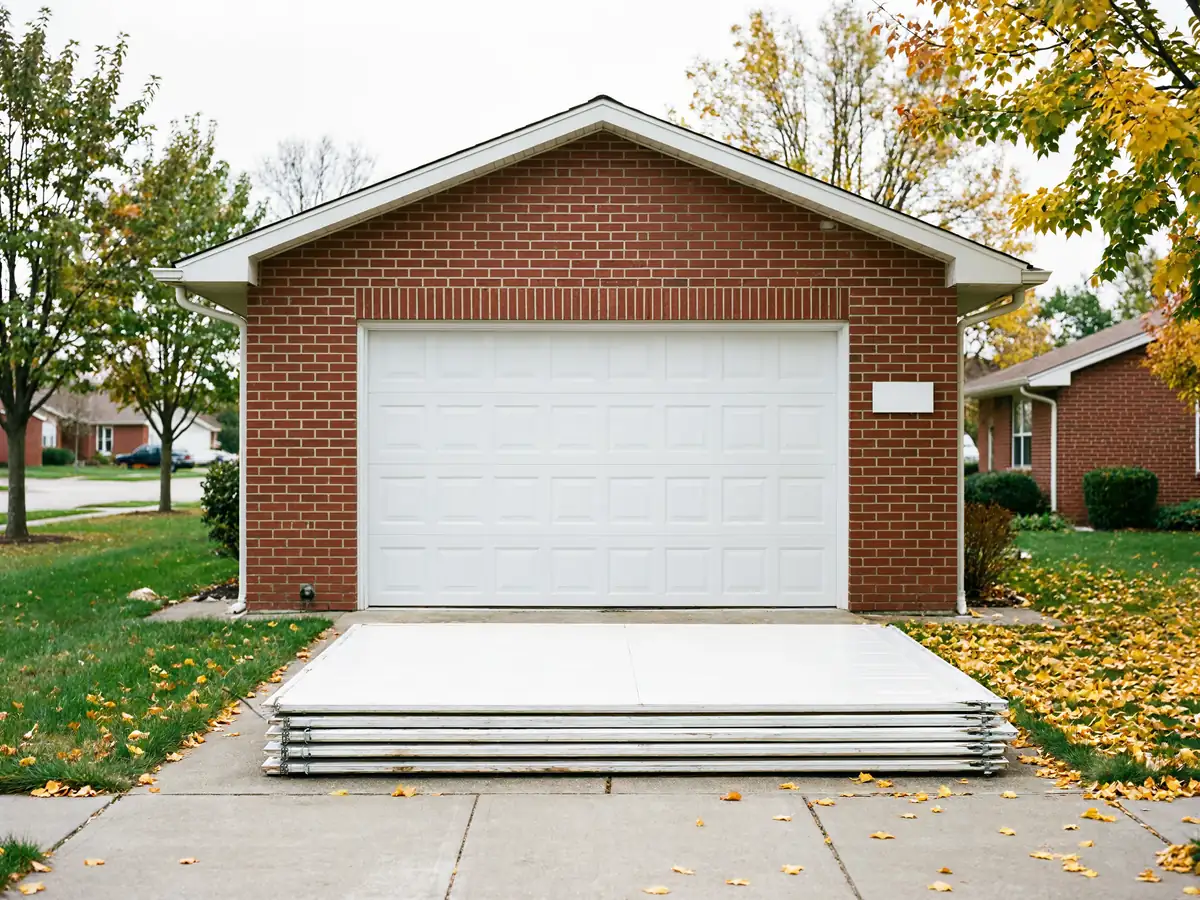
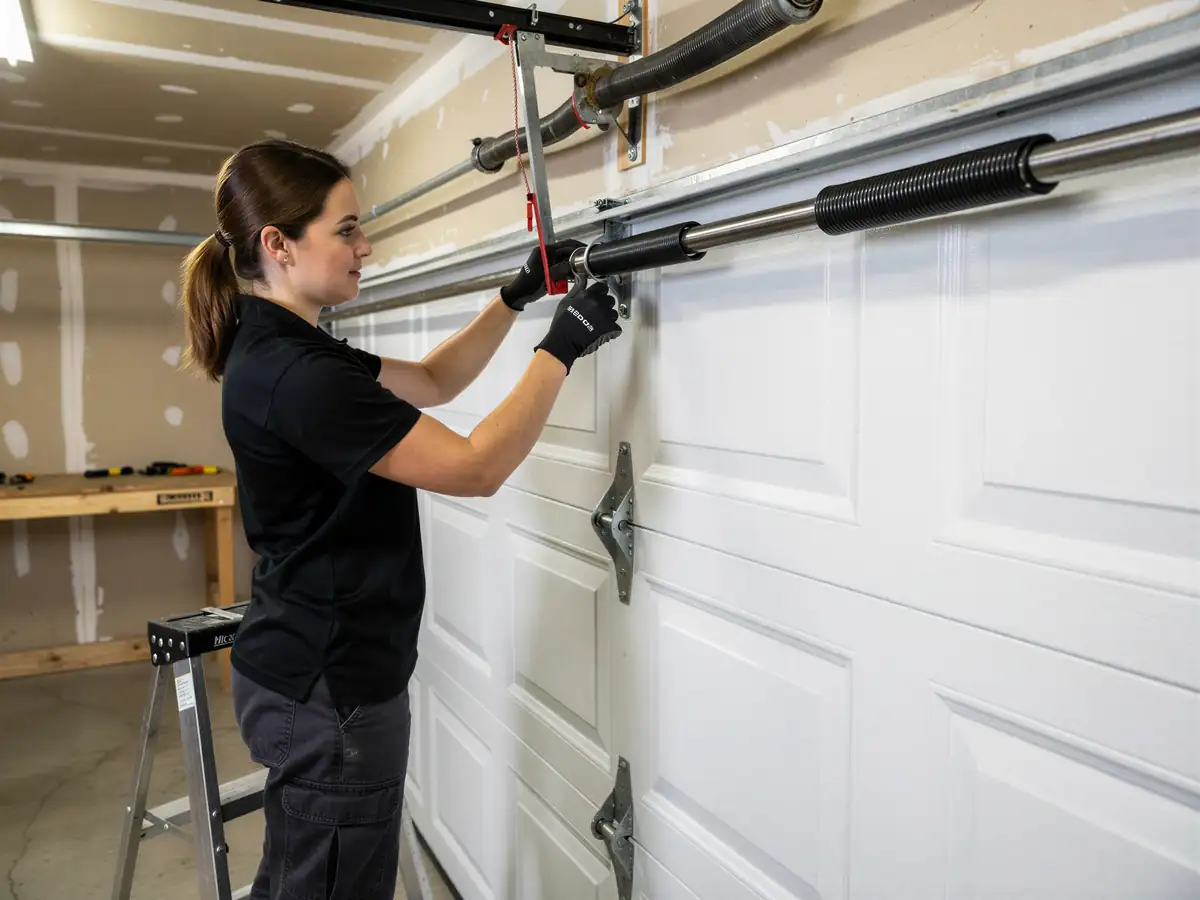
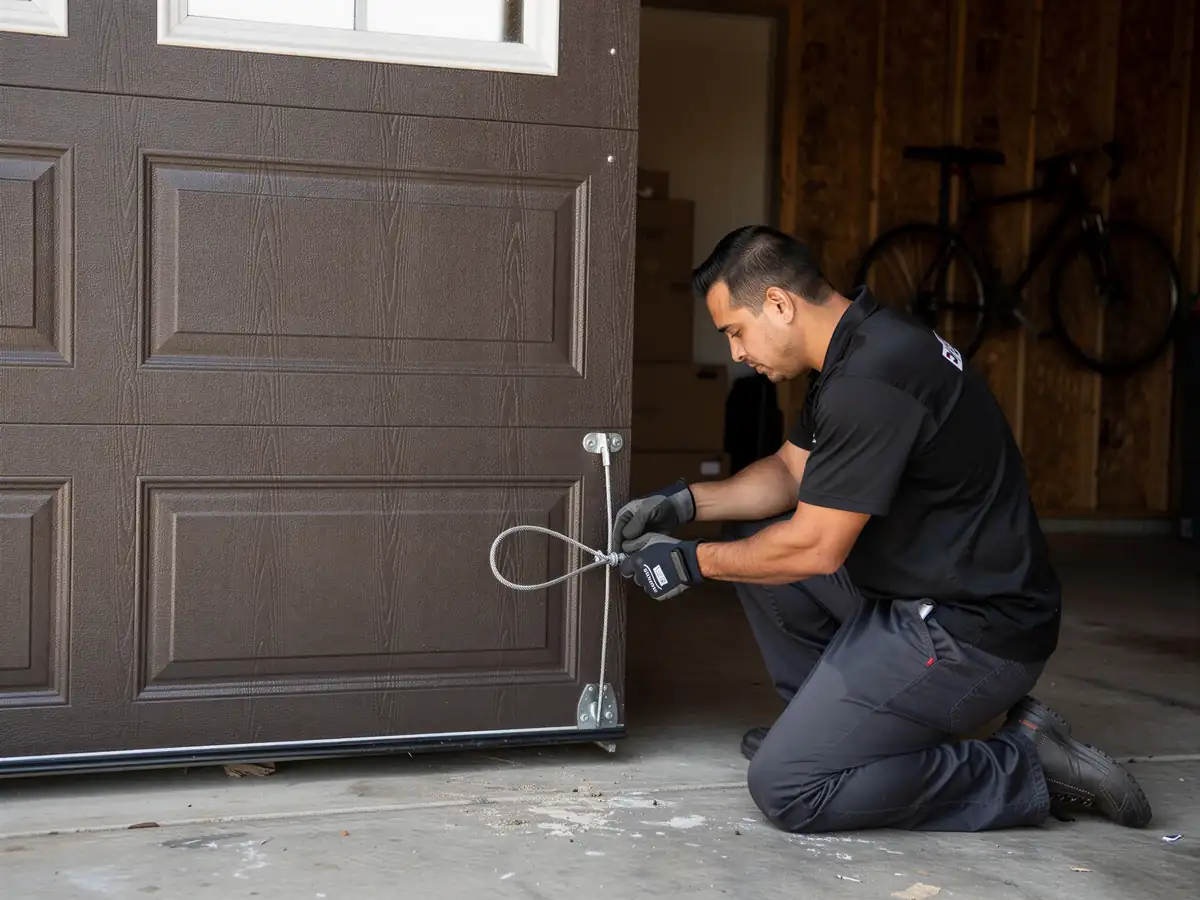
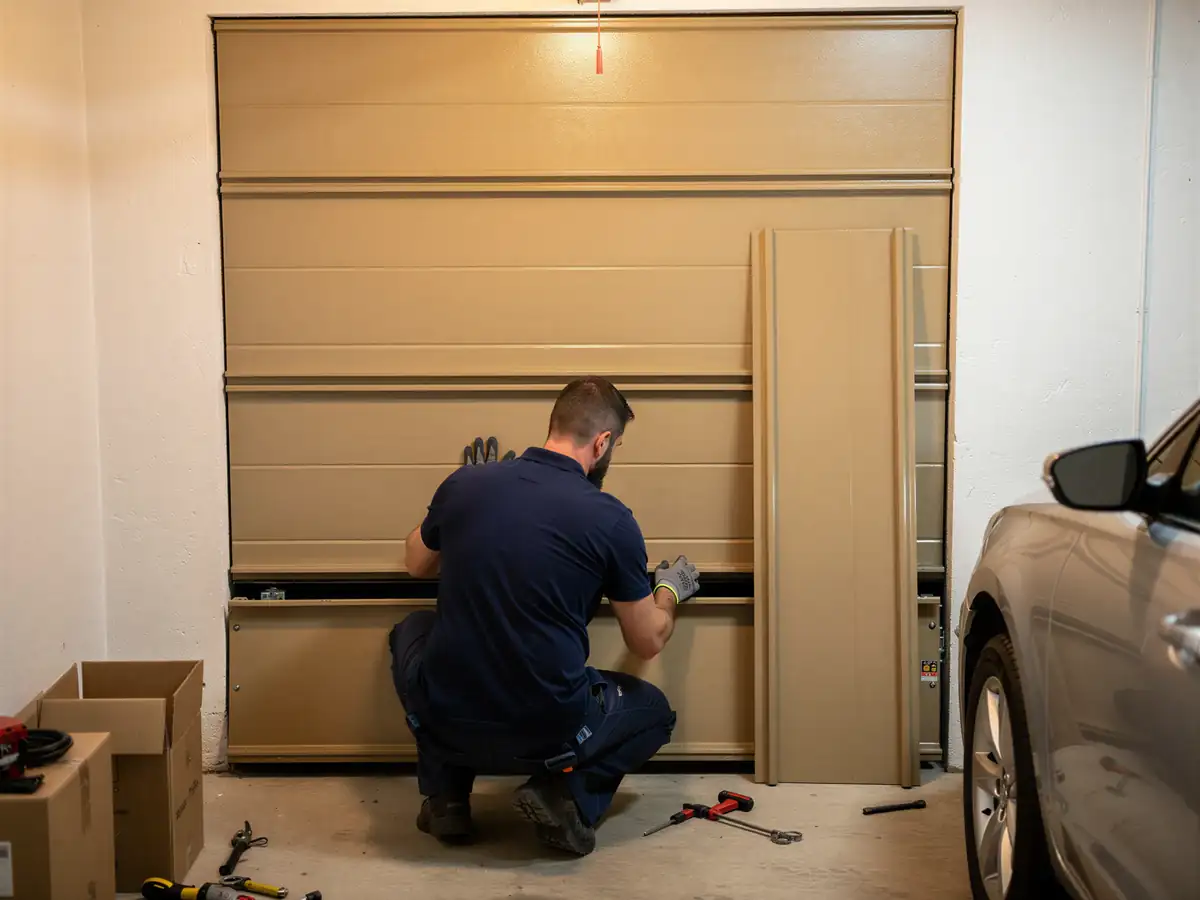
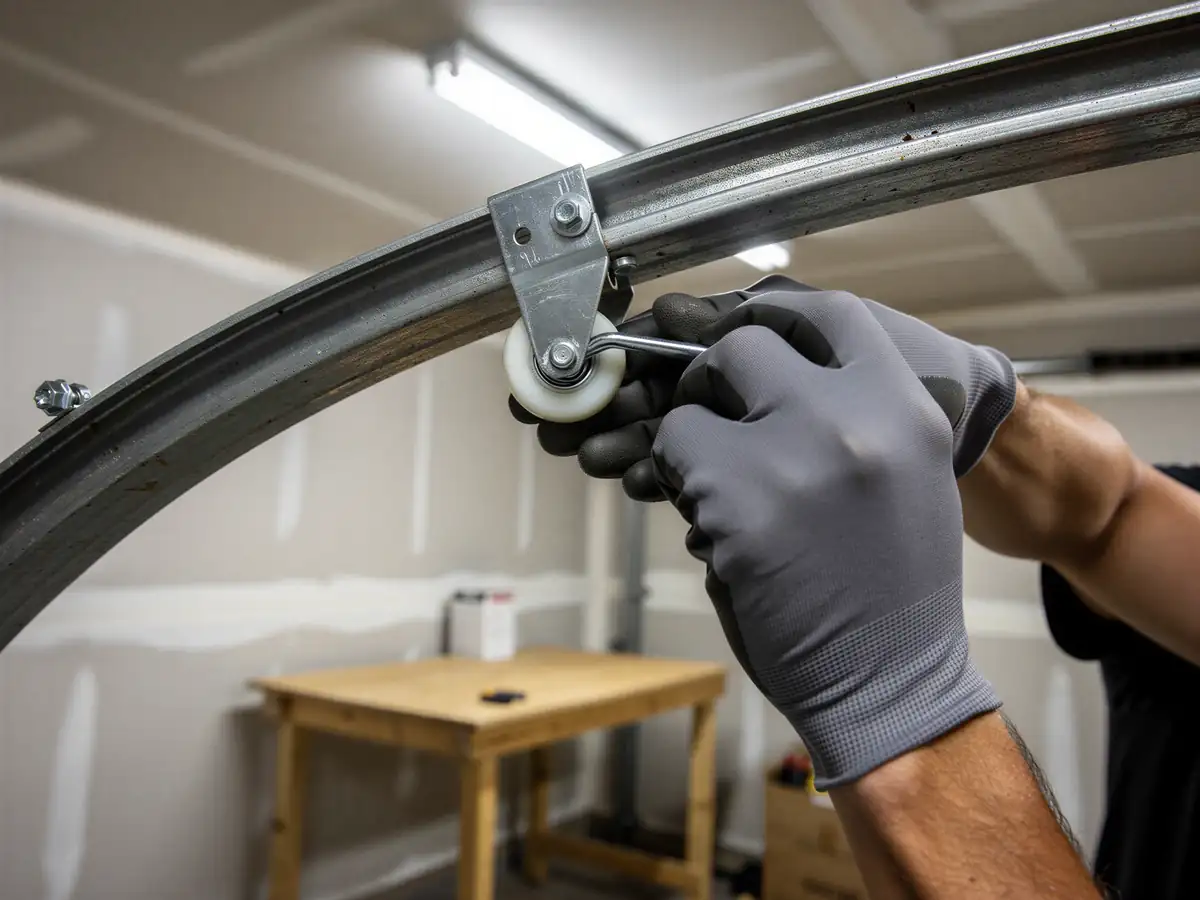
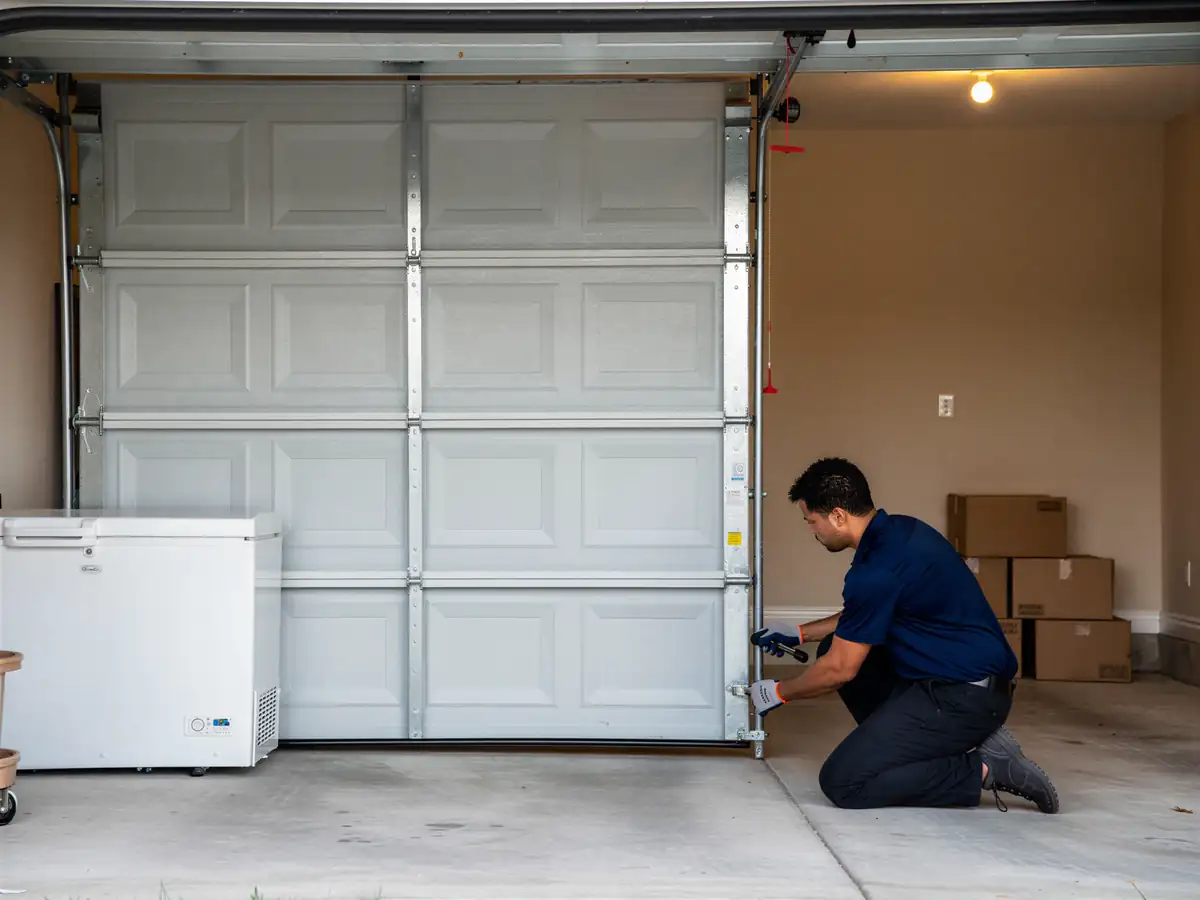
Burrton's housing stock centers on 1971, which puts most garage doors here square in the middle of the original run of extension-spring and early torsion setups that builders used through the early 1970s. We carry both spring types because a house built in '71 could have either, depending on who put the door in and whether it's been touched since. We stock standard torsion springs sized for single and double doors, extension spring pairs with safety cables, and the sheet-metal roller brackets that era used before anyone switched to sealed bearings. What we don't carry on every run is a replacement panel matched to a door that old - those were often builder-grade steel that stopped being made decades back, so a damaged panel sometimes means we're sourcing a full replacement door instead of a patch. We'll tell you straight if that's where your job is headed before we start.
How Long You Are Without the Door
We come out from Hutchinson, which is 13 miles from Burrton, so the drive itself adds time to any call that a job inside Hutchinson wouldn't have. Once we're on site, most spring and cable repairs on a standard single or double door close out the same visit, parts allowing. The bigger variable here is parts availability: original hardware from a 1971 build sometimes uses sizes or mounting patterns that newer stock doesn't match exactly, which can mean we're adapting a modern part to old brackets rather than a straight swap. That adds time on site even when it doesn't add a second trip.
The Symptom
The complaint we hear most from this part of the service area is a door that slams the last foot of travel instead of settling, or one that's gotten noticeably heavier to lift by hand. Both usually point to a spring that's lost tension - common once original hardware passes the half-century mark, which most of Burrton's doors now have. A close second is a door that reverses or won't close on an opener that's clearly older than the house's 1971 build date would suggest, meaning it's been replaced once already but is now on its own way out. Grinding or popping from the rollers, especially on tracks that have never been shimmed or re-leveled, is the other one we get called about regularly.